The warnings
Toxic plants for cats — the complete ASPCA list.
109 houseplants, garden ornamentals, and seasonal hazards that are toxic to cats per the ASPCA. Severity, symptoms, and safe alternatives for each.
If your cat already ate a plant, this is the wrong page. Call a vet. The ASPCA Animal Poison Control Center is available 24/7 at (888) 426-4435. For lily ingestion specifically — the deadliest common plant for cats — go to our emergency action page.
The 109 plants below are the ASPCA-verified toxic plants we have published in-depth pages for. Each one links to a full profile with the ASPCA citation, the specific toxic principle (alkaloid, glycoside, oxalate, oil), severity, symptoms timeline, and a curated set of cat-safe lookalikes. The most dangerous — true lilies, sago palm, oleander, foxglove, yew, autumn crocus — can kill within 72 hours and warrant the strictest household vigilance.
How we verify. Every toxicity claim on this site is backed by a direct ASPCA citation. Where the ASPCA database is silent or ambiguous (the ZZ plant is the working example), we say so on the species page and lean conservative rather than guess. See the ASPCA Animal Poison Control plant database for the upstream source.
 Toxic
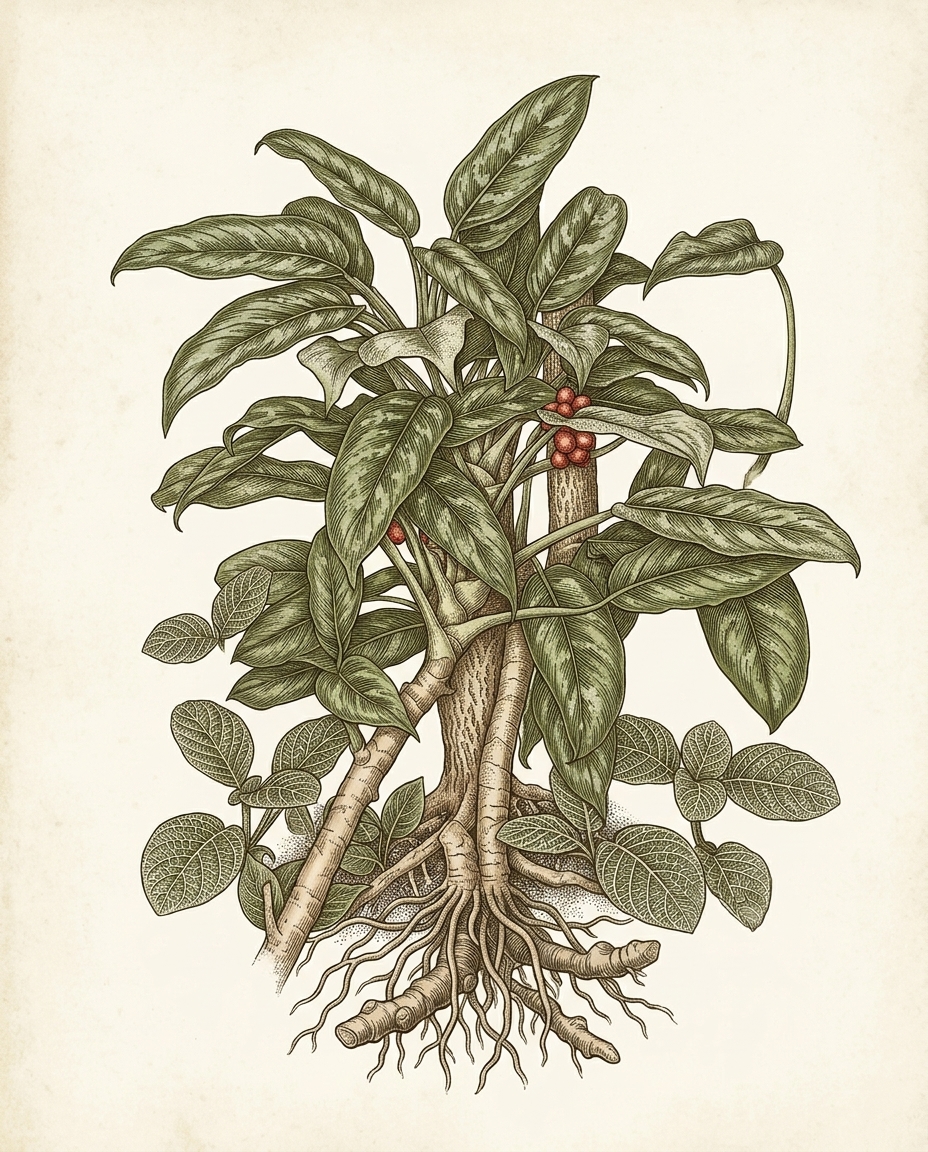
ToxicAglaonema
Aglaonema modestum
Yes — aglaonema (Chinese evergreen) is toxic to cats. The ASPCA attributes it to insoluble calcium oxalate crystals, which cause immediate mouth pain and drooling on chewing.
 Toxic
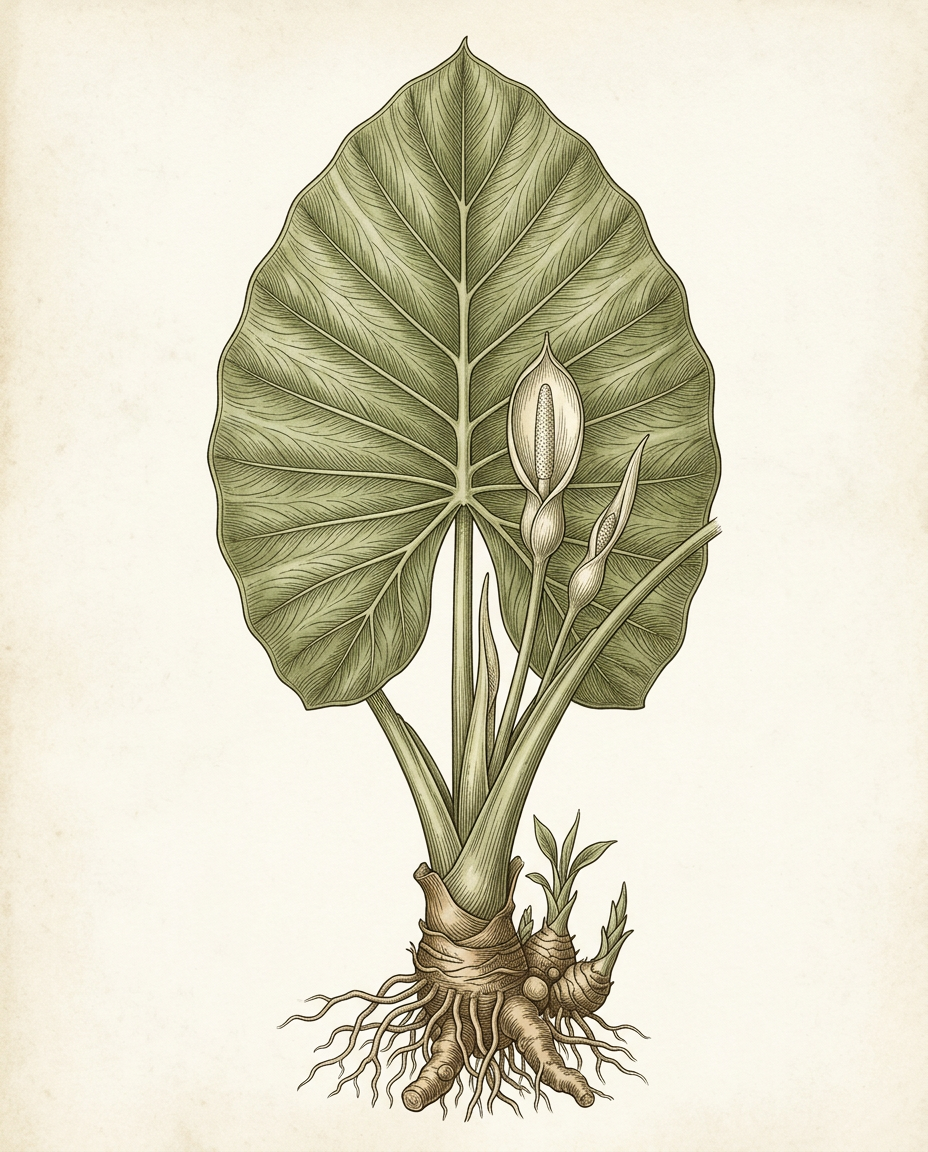
ToxicAlocasia
Alocasia spp.
Alocasia is toxic to cats per the ASPCA. Every leaf carries insoluble calcium oxalate crystals — immediate mouth pain, drooling, and possible swelling. Polly, Frydek, Black Velvet, Zebrina — same chemistry, same verdict.
 Toxic
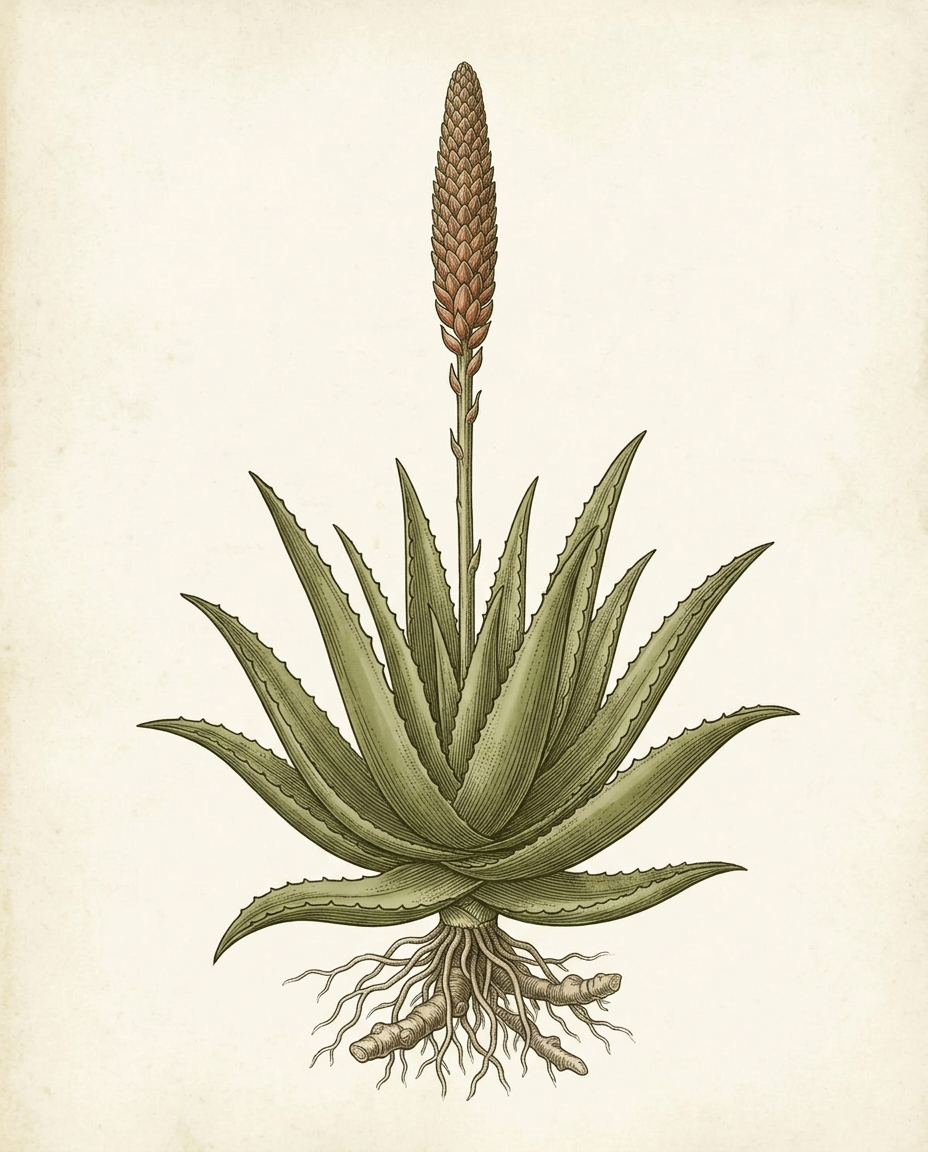
ToxicAloe Vera
Aloe vera
Saponins and anthraquinones in the gel and latex. Aloe is a human first-aid plant that the ASPCA lists as toxic to cats — vomiting and lethargy are common after ingestion.
 Toxic
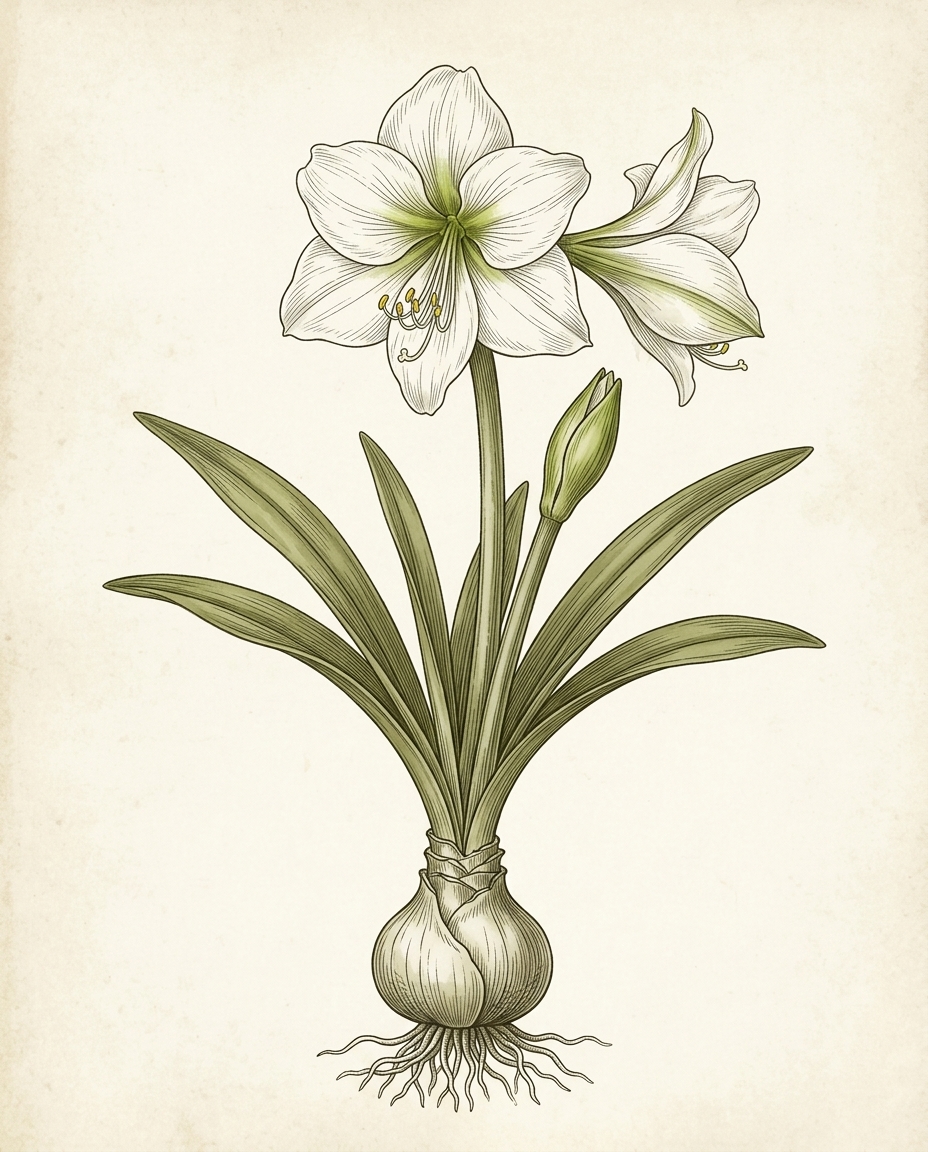
ToxicAmaryllis
Amaryllis spp.
Amaryllis is toxic to cats per the ASPCA. Every part contains lycorine and related alkaloids that cause vomiting, drooling, and tremors — and the bulb that arrives gift-wrapped in December carries the highest dose.
 Toxic
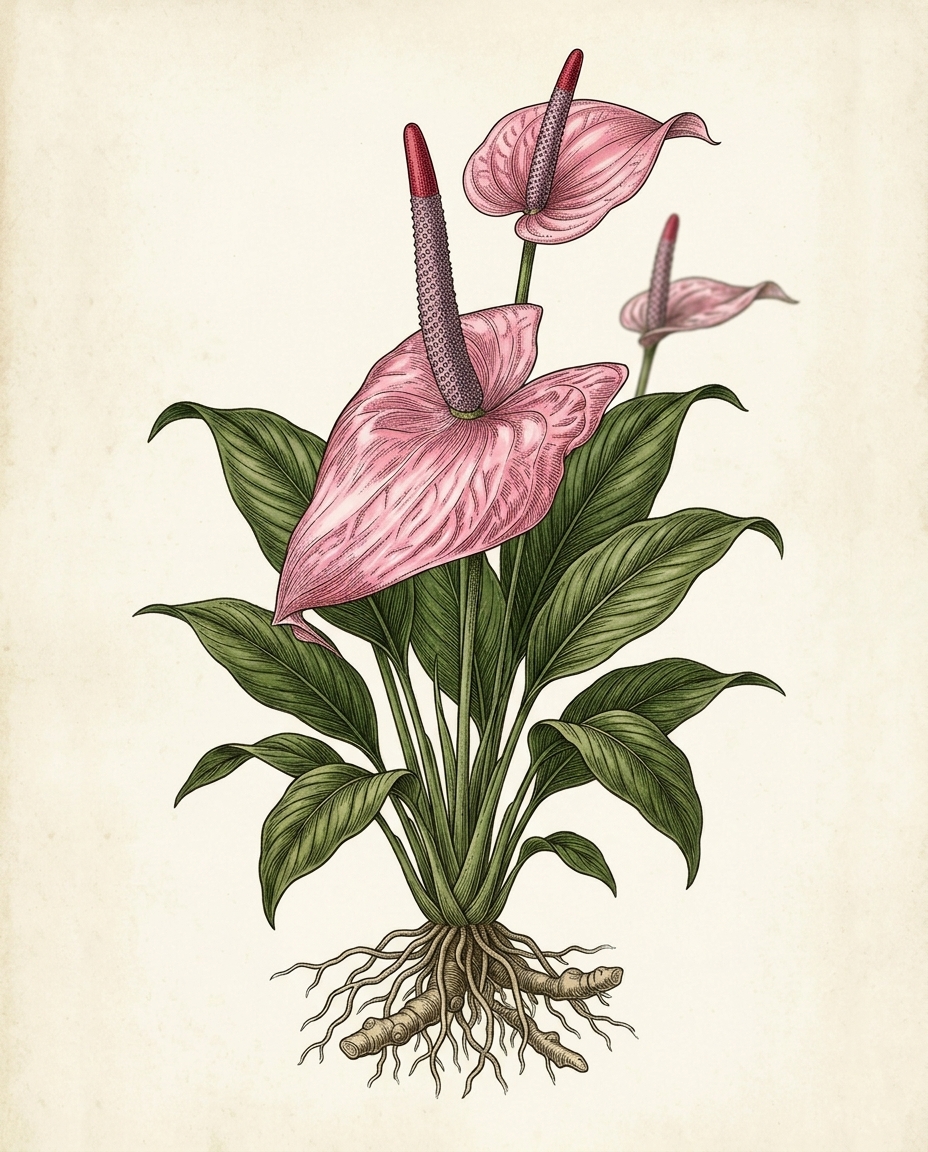
ToxicAnthurium
Anthurium scherzerianum
Yes — anthurium is toxic to cats. The ASPCA lists it (as flamingo flower) as toxic, citing insoluble calcium oxalates. Chewing causes immediate mouth pain, swelling, and drooling.
 Toxic
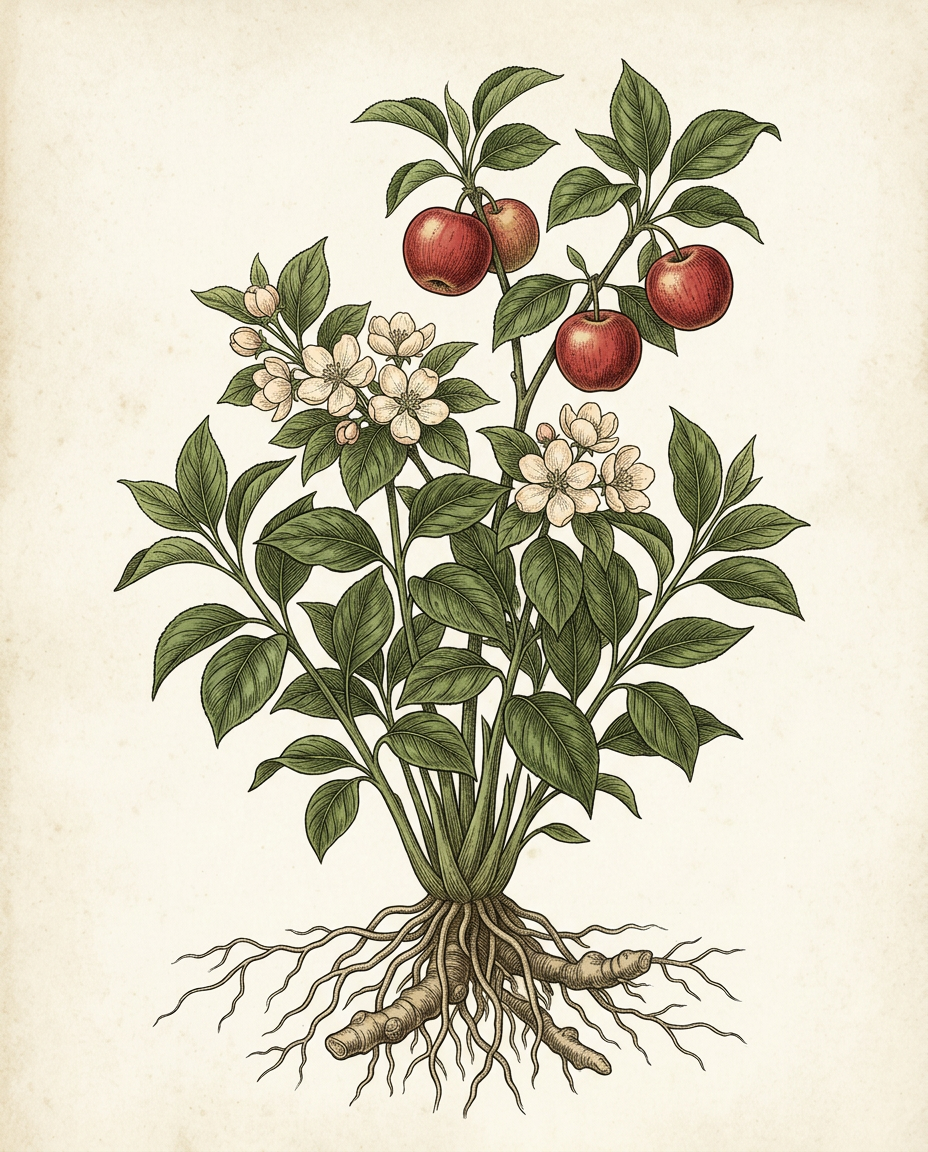
ToxicApple
Malus sylvestrus
Yes — apple trees are toxic to cats. The ASPCA lists Malus sylvestrus as toxic to cats, dogs, and horses. The stems, leaves, and seeds contain cyanogenic glycosides that release cyanide when chewed or digested. The fruit flesh itself is generally considered safe, but the ASPCA listing covers the whole plant.
 Toxic
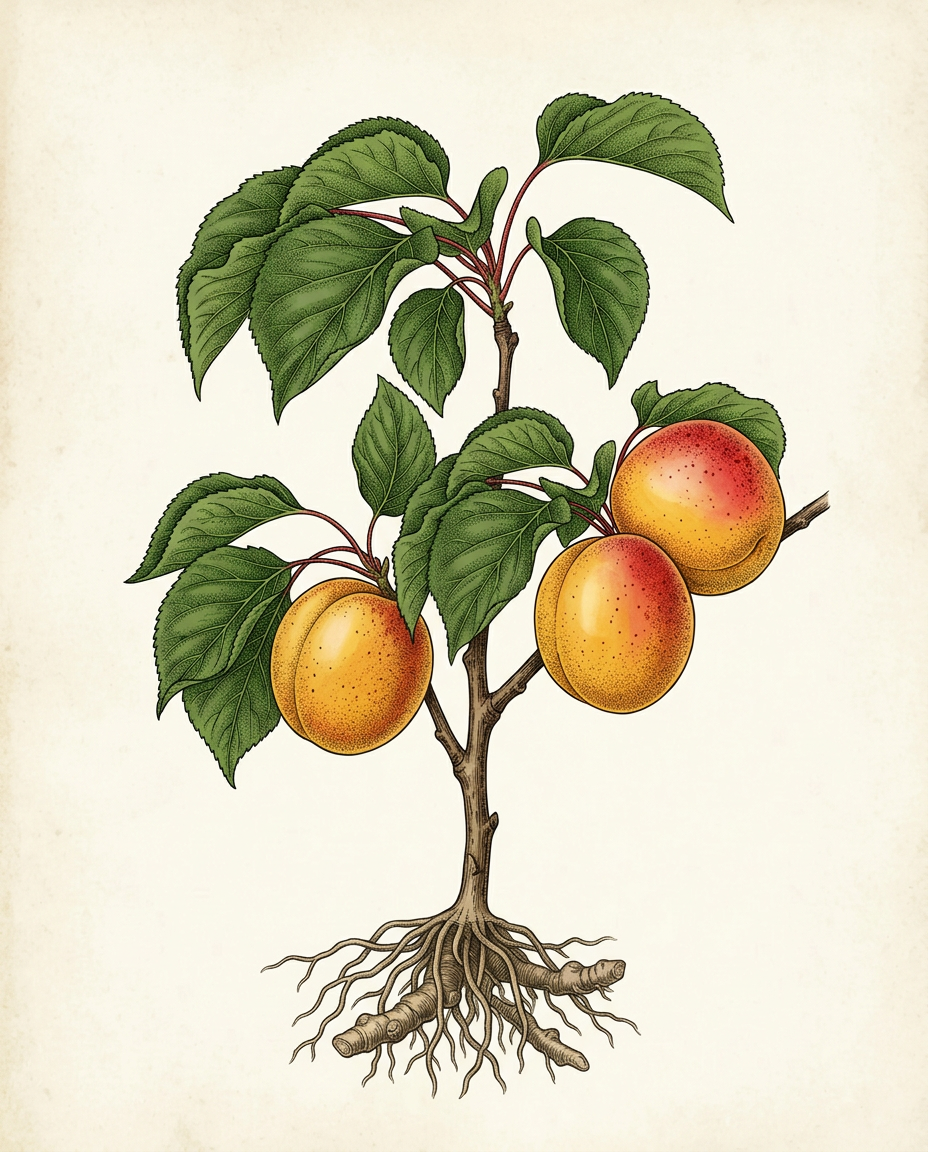
ToxicApricot
Prunus armeniaca
Yes — apricot trees are toxic to cats. The ASPCA lists Prunus armeniaca as toxic to cats, dogs, and horses. The stems, leaves, and pits contain cyanogenic glycosides that release cyanide when chewed or digested. The ASPCA notes the group also includes plum, peach, and cherry.
 Toxic
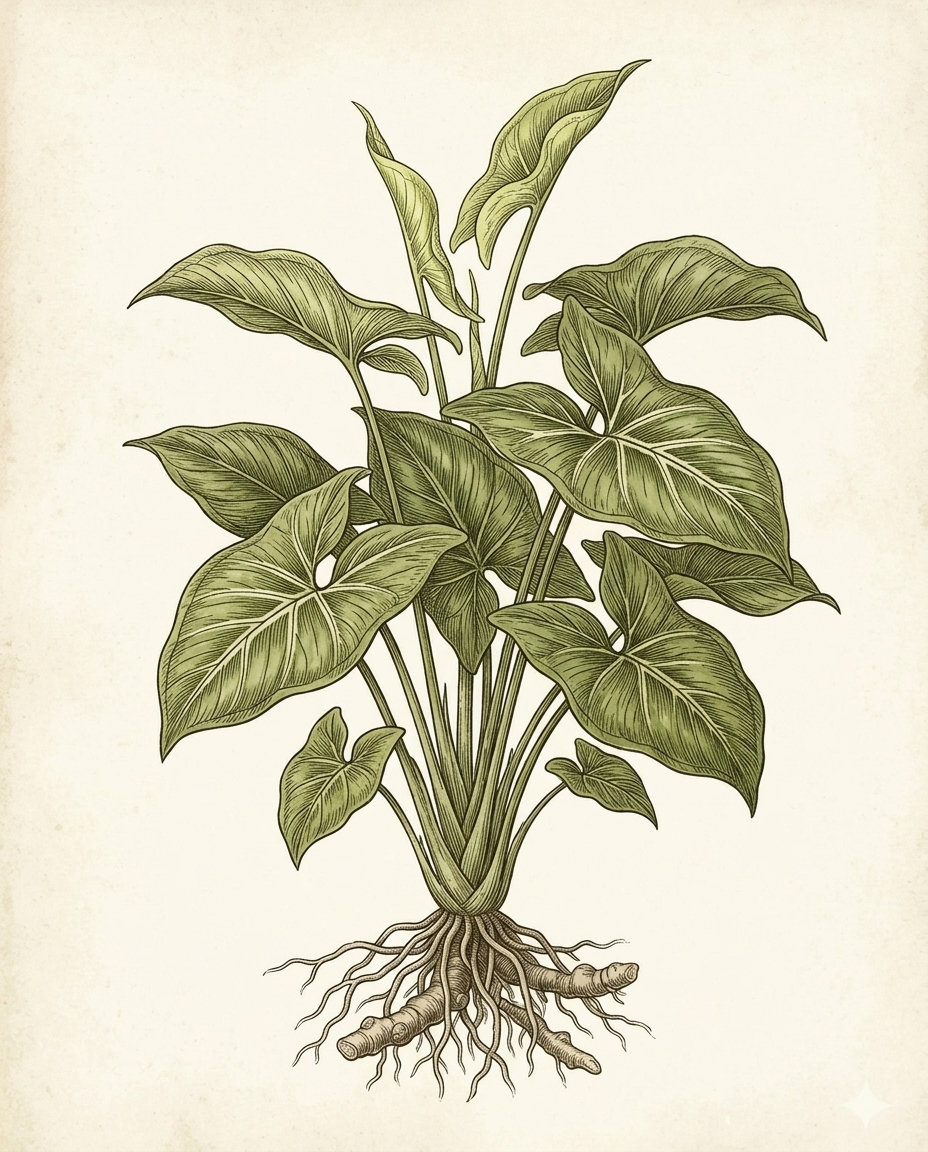
ToxicArrowhead Vine
Syngonium podophyllum
Arrowhead Vine (Syngonium podophyllum) is toxic to cats per the ASPCA. Insoluble calcium oxalates cause oral pain, drooling, swelling, and vomiting — same family as pothos and philodendron.
 Toxic
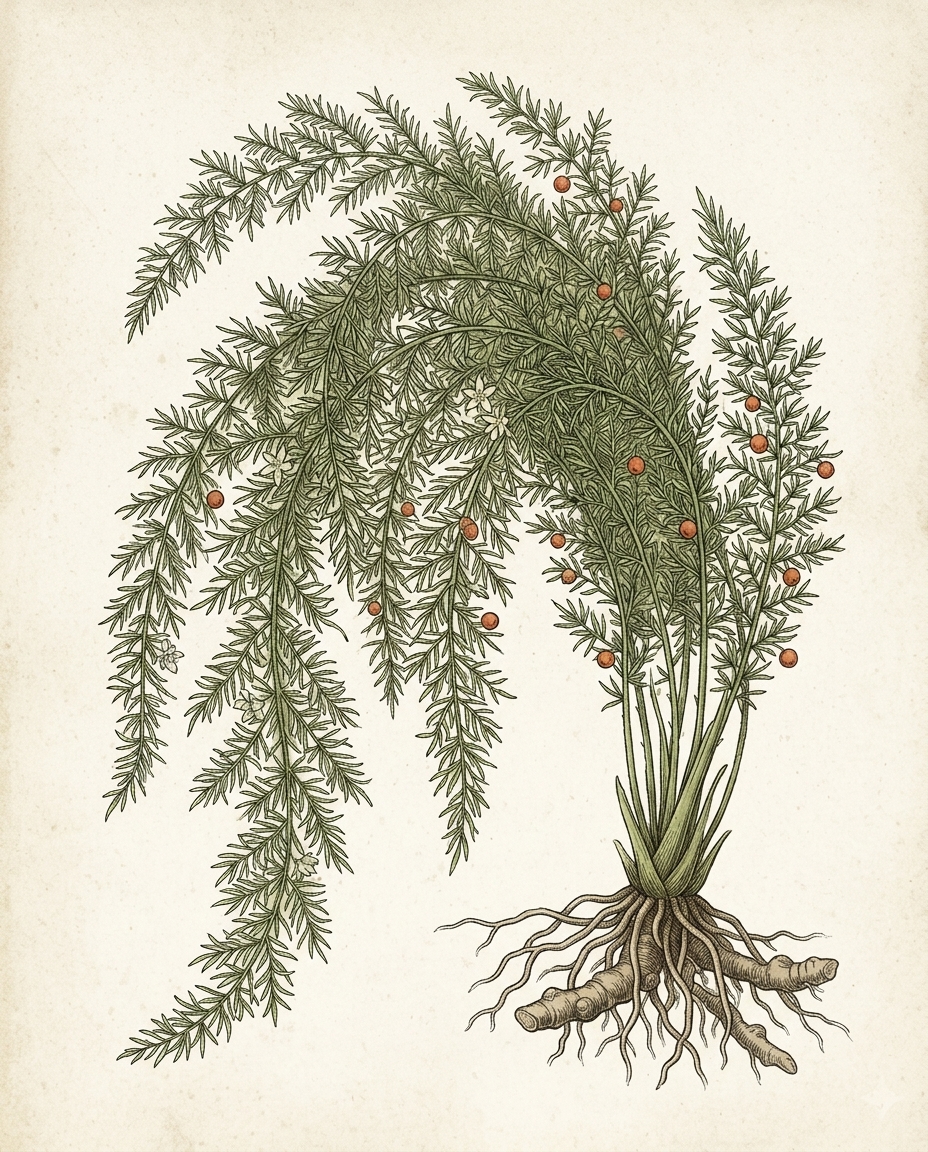
ToxicAsparagus Fern
Asparagus densiflorus
Yes — the asparagus fern is toxic to cats. The ASPCA attributes it to sapogenins. Eating the berries causes vomiting and diarrhoea; repeated skin contact can cause dermatitis.
 Toxic
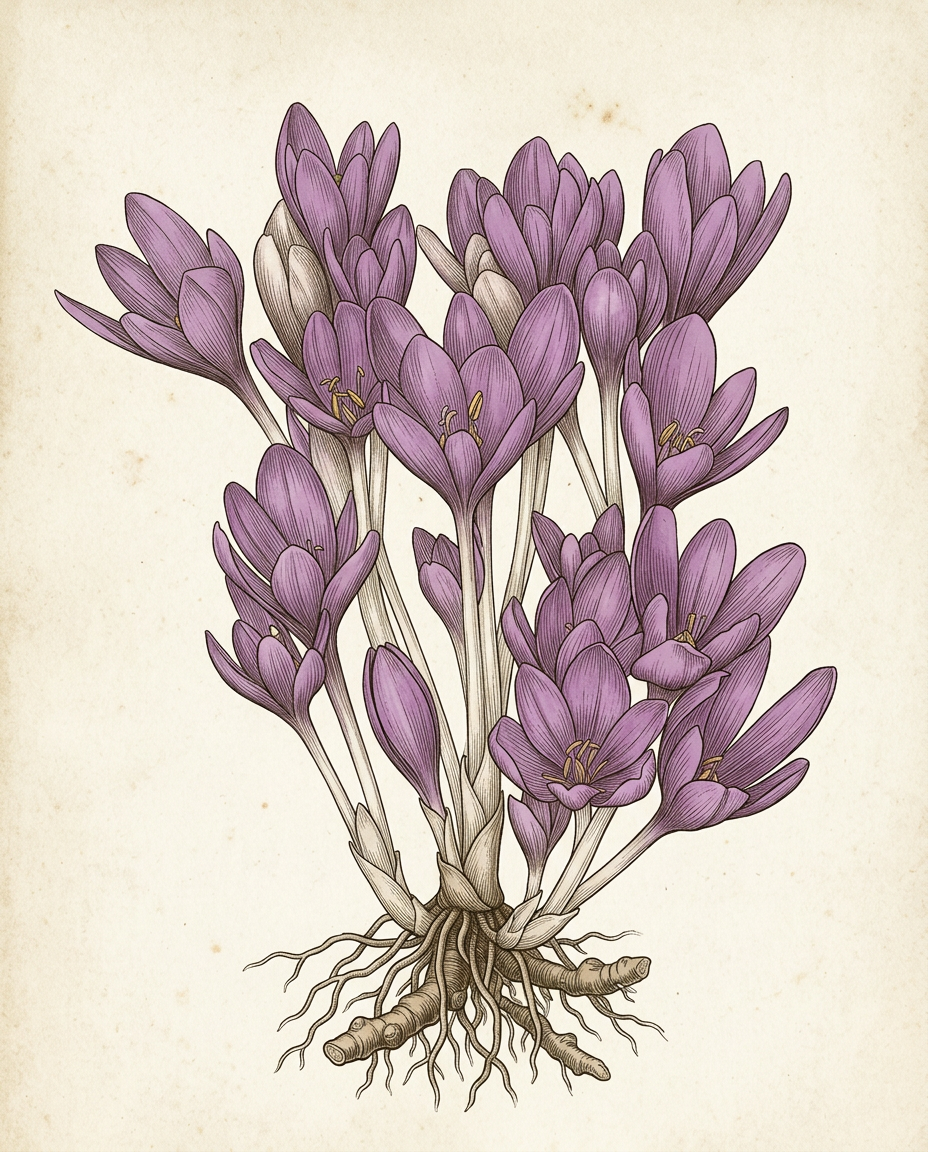
ToxicAutumn Crocus
Colchicum autumnale
Autumn crocus is deadly to cats per the ASPCA. The colchicine alkaloid inside causes bloody vomiting, multi-organ damage, and bone marrow suppression. It is not the same plant as spring crocus, and the two are easy to confuse.
 Toxic
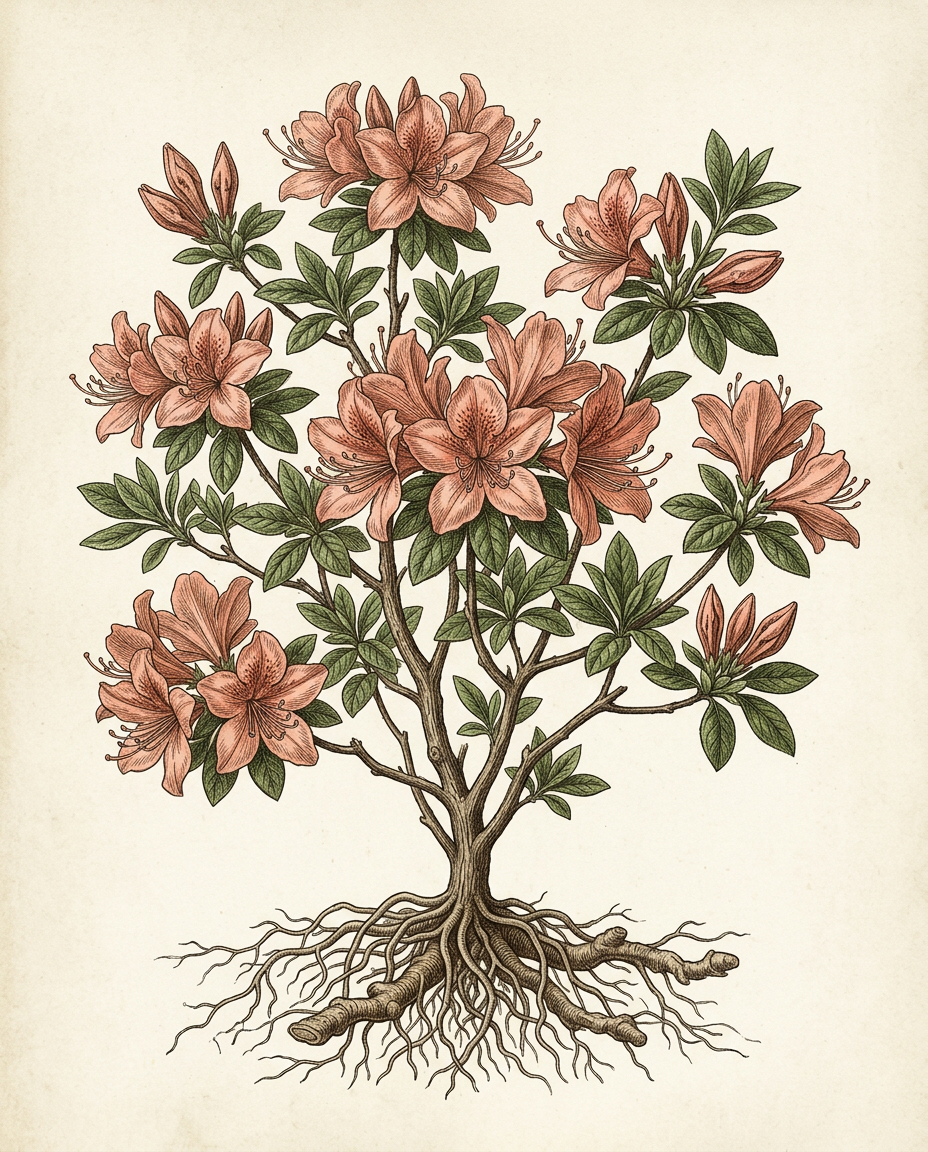
ToxicAzalea
Rhododendron spp.
Azaleas and rhododendrons are severely toxic to cats per the ASPCA. Every part contains grayanotoxin, which can produce vomiting, weakness, arrhythmia, and cardiac failure — a few leaves can be life-threatening.
 Toxic
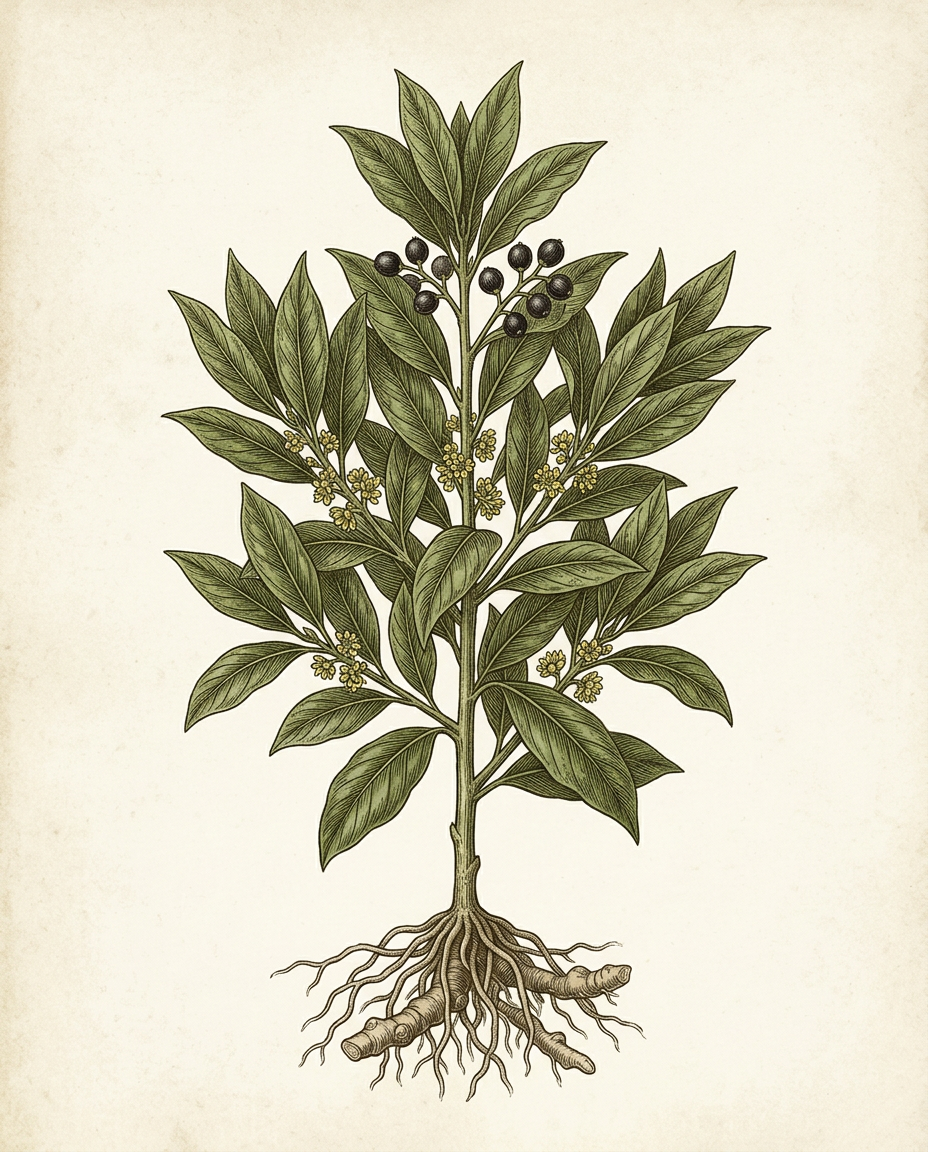
ToxicBay Laurel
Laurus nobilis
Yes — bay laurel is toxic to cats. The ASPCA lists Laurus nobilis as toxic to cats, dogs, and horses. Eugenol and essential oils cause vomiting and diarrhea. The dried bay leaf in your kitchen spice jar is this plant.
Toxic plants for cats — common questions
What is the most toxic plant for cats?
True lilies (Lilium and Hemerocallis) cause fatal acute kidney failure within 72 hours from any exposure — pollen, petal, leaf, or vase water. Sago palm causes liver failure (cycasin). Oleander, foxglove, and yew stop the heart (cardiac glycosides and taxine). Autumn crocus causes multi-organ failure (colchicine). All six are deadly.
What plants should I never have in a cat household?
The six deadly plants above, plus the seasonal high-risk plants that arrive once a year. At Easter, Easter lily is the single biggest pet-poison hazard. At Christmas, mistletoe and holly share the spotlight with poinsettia (much less dangerous than reputation, but still mildly toxic).
Are popular houseplants like pothos and peace lily toxic?
Yes, both. Pothos, peace lily, philodendron, monstera, and dieffenbachia all contain insoluble calcium oxalate crystals — painful oral burning and drooling, rarely deadly, always uncomfortable. The whole Araceae (aroid) family shares this profile. Snake plant and aloe vera are also toxic (saponins) but milder.
What about lawn and garden plants?
Many common garden ornamentals are toxic. Azalea (rhododendron) is severely toxic — cardiac risk from grayanotoxin. Hydrangea contains cyanogenic glycosides. Daffodil bulbs are toxic (lycorine). Tulip bulbs cause GI upset and cardiac signs. Lantana and geranium are also on the ASPCA toxic list. Outdoor cats are at meaningful risk in any ornamental garden.
What if a plant is not on the ASPCA list?
Absence from the ASPCA list is not a safety claim. The database is curated and incomplete. Several mainstream houseplants — most notably ZZ plant — are not on the ASPCA list but are reported toxic by every other poison-control source. We treat the gap conservatively and flag it on the species page.
Where can I see the full toxic vs safe database?
Our library shows every plant page on this site, filtered by safe and toxic. The matching cat-safe page is Cat-safe plants for the non-toxic side of the list.