Asparagus
Fern.
Asparagus densiflorus
Yes — the asparagus fern is toxic to cats. The ASPCA attributes it to sapogenins. Eating the berries causes vomiting and diarrhoea; repeated skin contact can cause dermatitis.
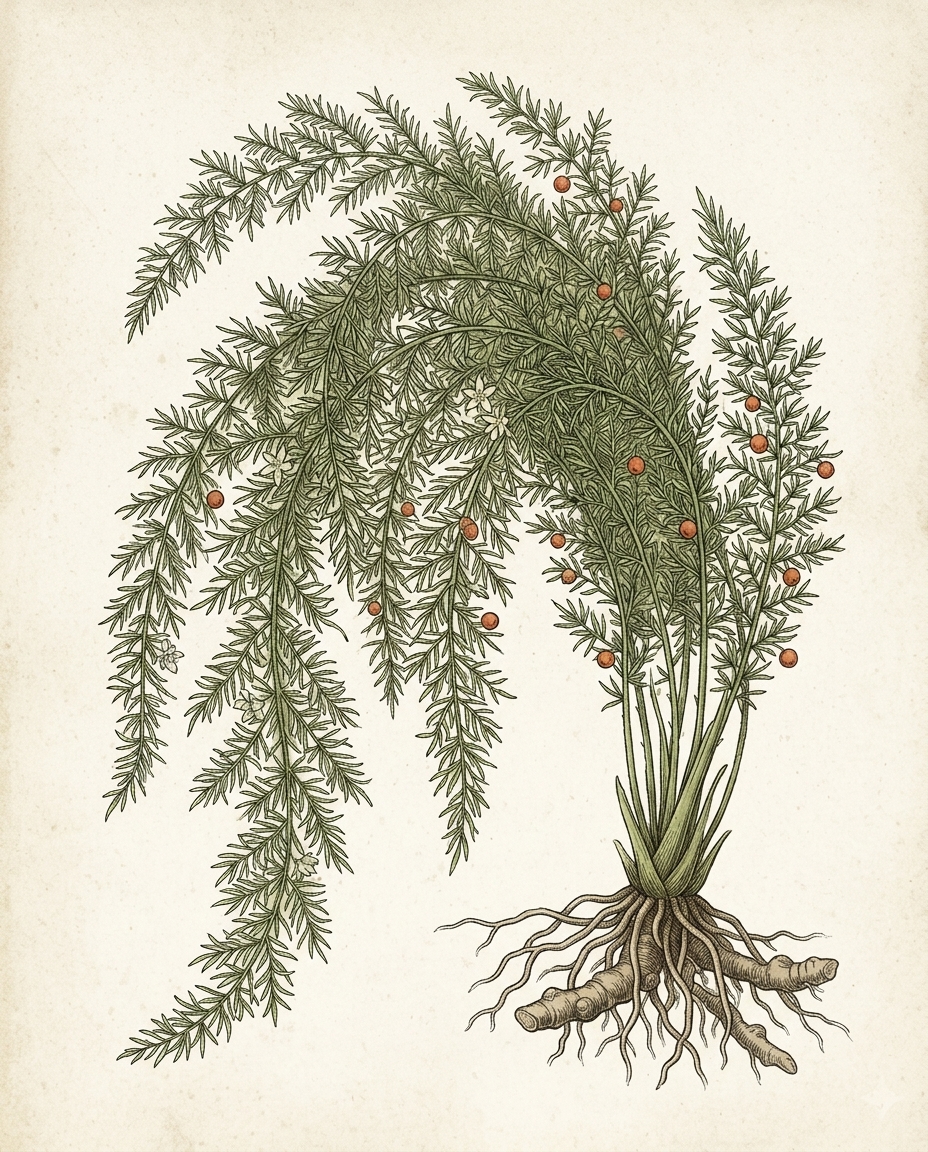
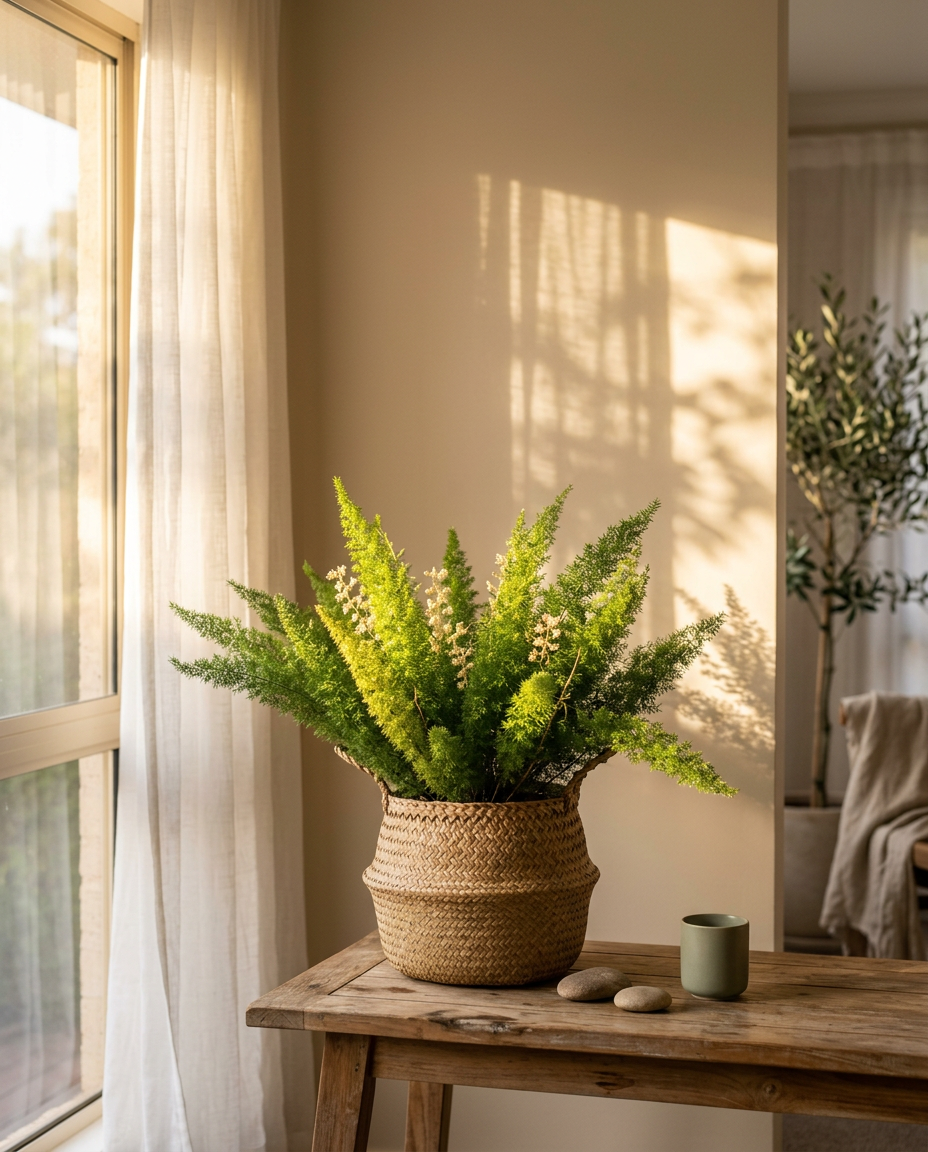
Plate IAsparagus densiflorus — the asparagus or emerald fern. Despite the name it is no fern at all, and its berries are toxic to cats.
Three plants that look the part, without the risk.
Soft, feathery greenery — including a real fern — without the toxin, all ASPCA non-toxic.
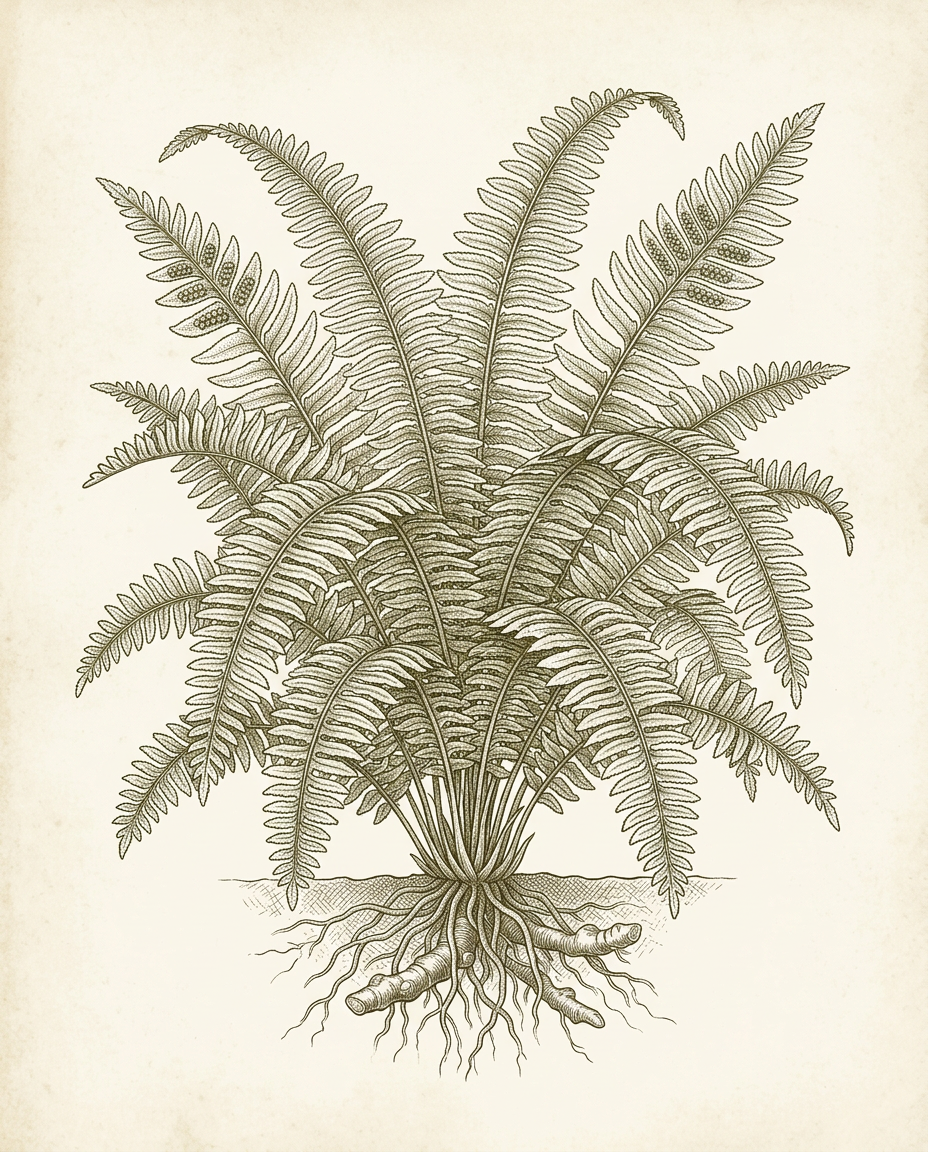
Boston Fern
A genuine fern with the same lush, feathery cascade — and ASPCA non-toxic, unlike its namesake.
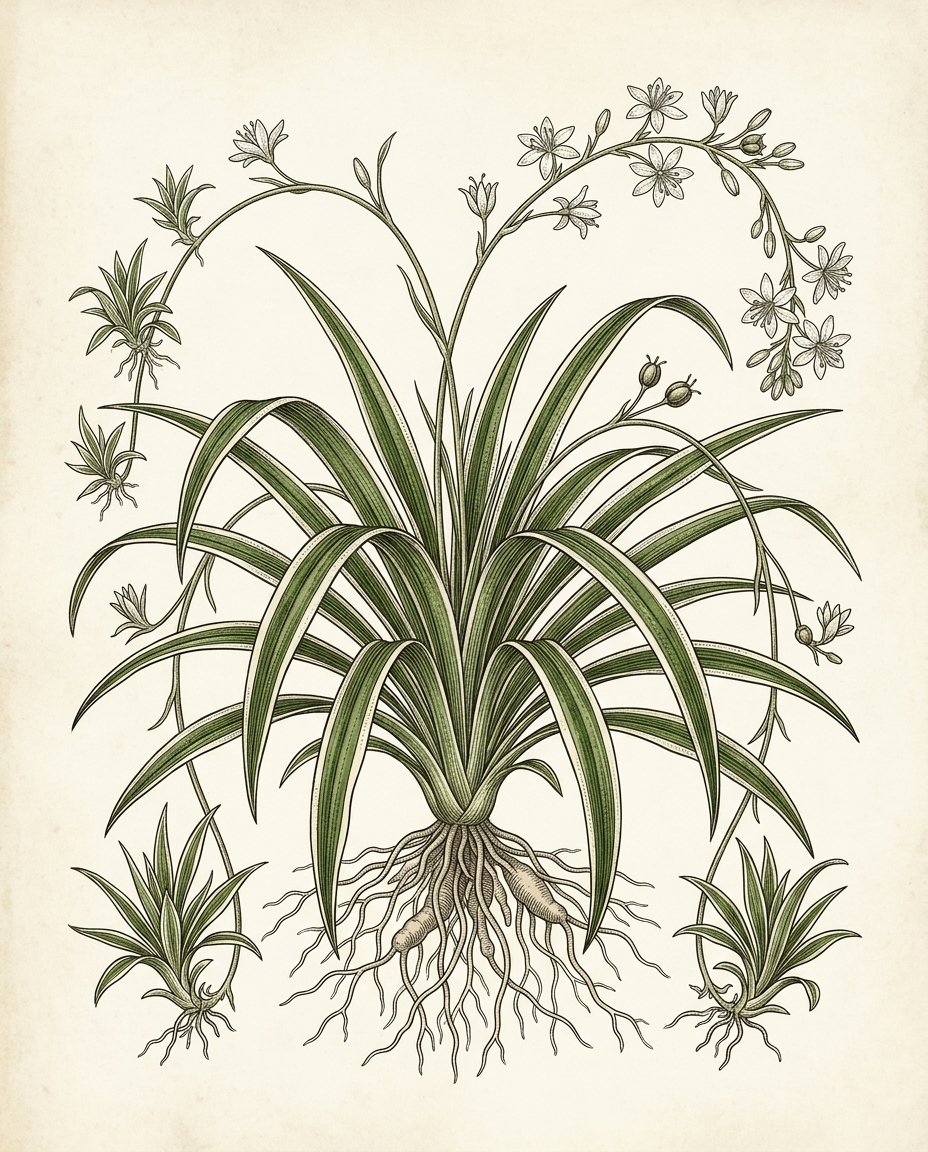
Spider Plant
Arching fine foliage for a hanging pot. Nearly impossible to kill and non-toxic.
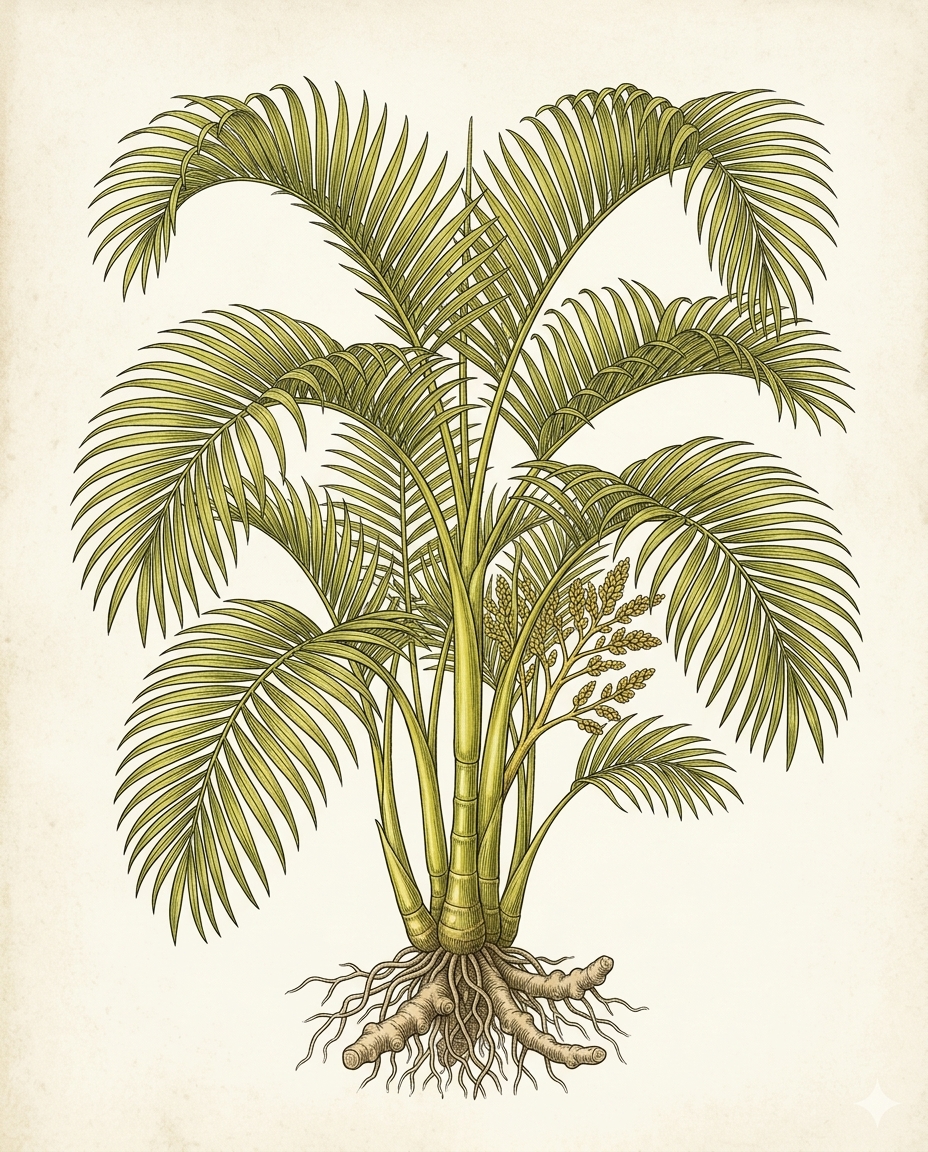
Areca Palm
Feathery, airy fronds on a larger scale for a bright corner. Safe for cats.
What it does to a cat.
Yes — the asparagus fern is toxic to cats. The ASPCA lists Asparagus densiflorus as toxic, the culprit being steroidal sapogenins. Eating the foliage or, especially, the small red berries causes vomiting and diarrhoea, and repeated contact with the plant can irritate skin into a dermatitis.
The name is the trap here. The asparagus fern is not a fern at all — it is a relative of lilies and edible asparagus, wearing fern-like foliage. Owners who have heard that "ferns are safe for cats" can be caught out, because that rule applies to true ferns, not this impostor.
A safe fern does exist
The genuinely cat-safe version of this look is the Boston fern, a true fern that the ASPCA lists as non-toxic. If you want the soft, feathery cascade without the berries and sapogenins, that is the direct swap. (For trailing greenery generally, avoid the also-toxic English ivy.)
Safe swaps
Boston fern is the closest cat-safe match, spider plant gives fine arching foliage for a hanging pot, and an areca palm scales the feathery look up for a corner — all ASPCA non-toxic.
What we have actually seen.
Vomiting & diarrhoea
Eating the foliage or red berries causes gastrointestinal upset — the most common reaction.
Berry ingestion
The small red berries are the most toxic part and the most tempting to bat and chew.
Contact dermatitis
Repeated contact with the foliage or sap can cause skin irritation — redness and itching.
Abdominal pain
Larger ingestions can leave a cat with a tender, uncomfortable belly.
- ASPCA Animal Poison Control Center. Toxic and Non-Toxic Plants: Asparagus Fern.Accessed May 2026 · aspca.org
- Pet Poison Helpline. Asparagus Fern (Sapogenins).Reference list · 2024 ed.