The library
Every plant,one verdict.
182 entries — each reviewed against ASPCA data. Search by common or Latin name, or filter by safety.
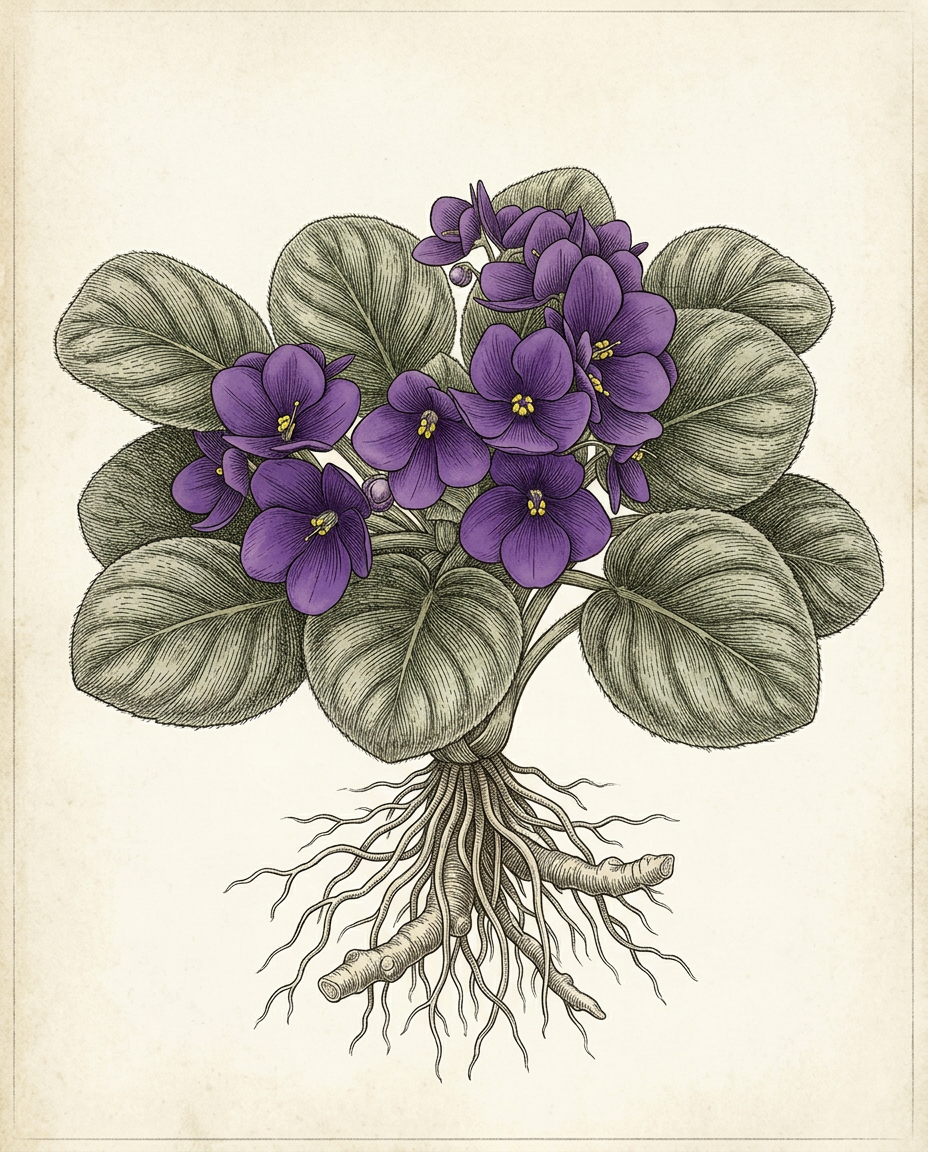 Safe
SafeAfrican Violet
Saintpaulia ionantha
Compact rosettes with year-round colour — without poinsettia sap or lily renal toxin. The ASPCA lists African violet as non-toxic to cats.
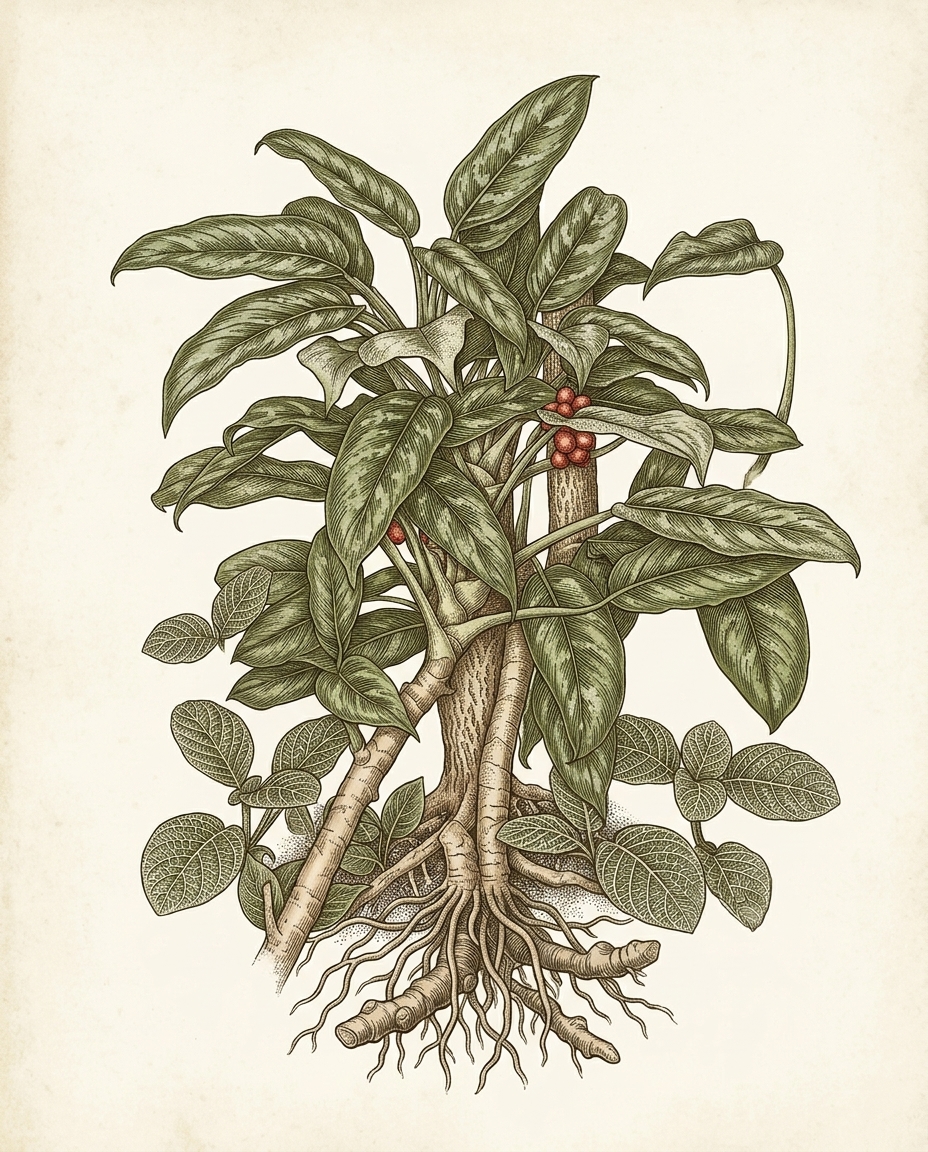 Toxic
ToxicAglaonema
Aglaonema modestum
Yes — aglaonema (Chinese evergreen) is toxic to cats. The ASPCA attributes it to insoluble calcium oxalate crystals, which cause immediate mouth pain and drooling on chewing.
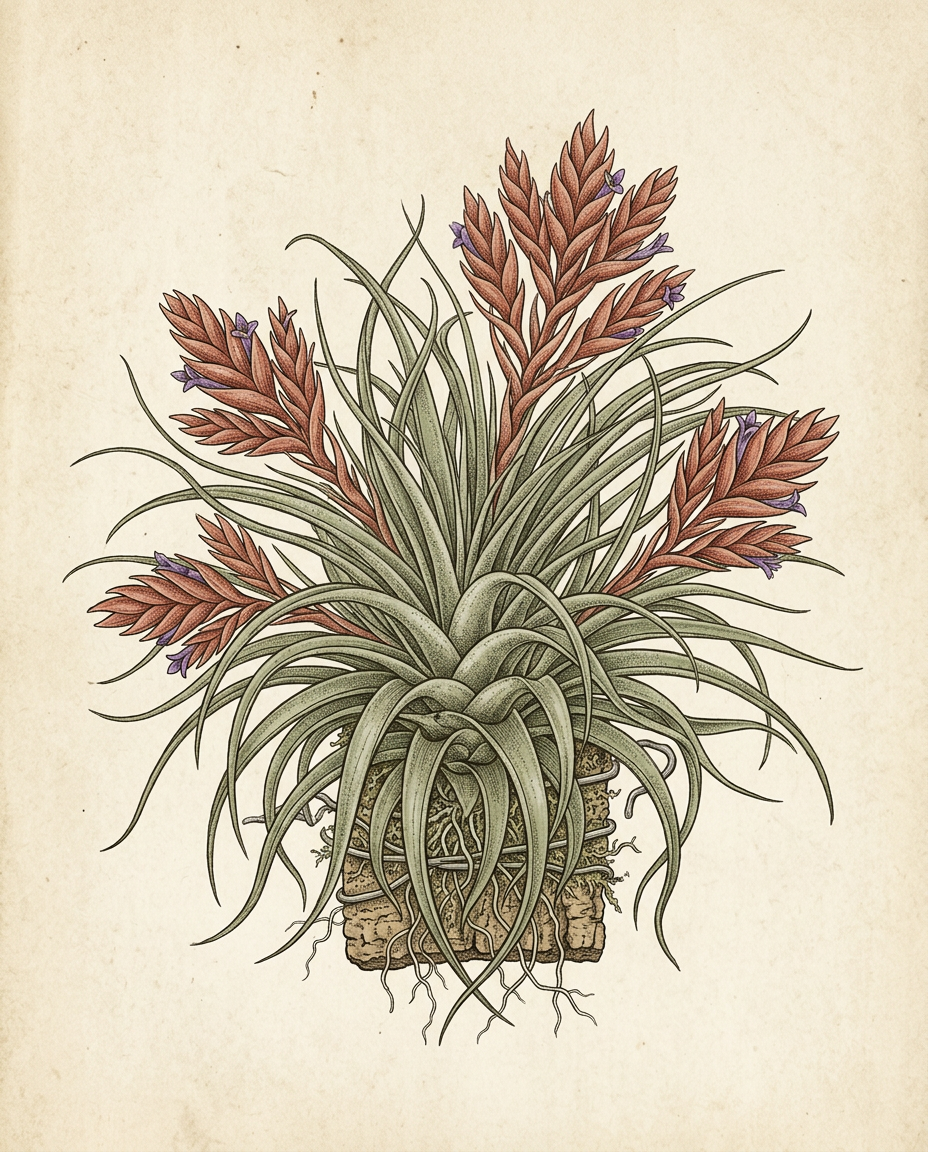 Safe
SafeAir Plant
Tillandsia spp.
Air plants (Tillandsia spp.) are widely considered non-toxic to cats. The ASPCA does not list Tillandsia individually, but lists multiple related Bromeliaceae genera as non-toxic and there is no documented toxic principle in the genus. Treat as safe.
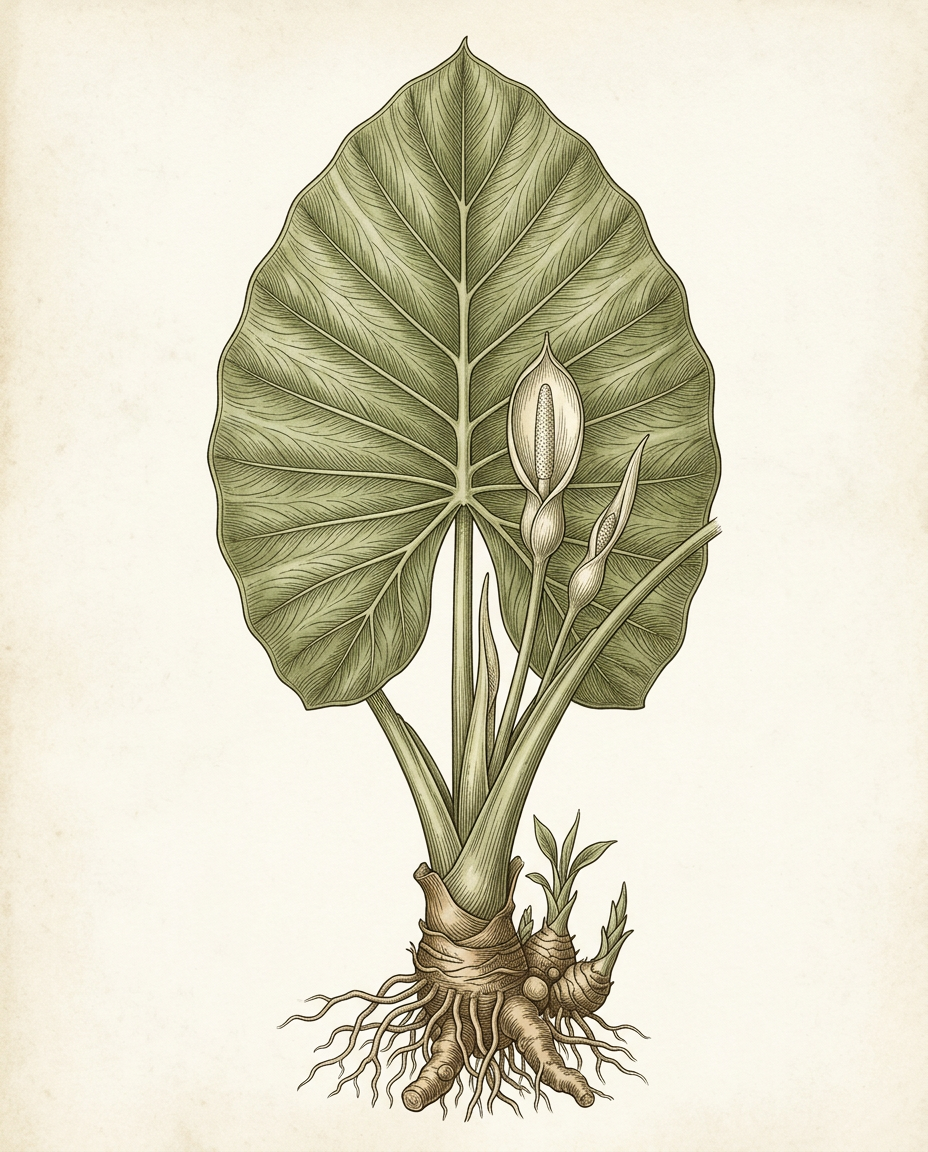 Toxic
ToxicAlocasia
Alocasia spp.
Alocasia is toxic to cats per the ASPCA. Every leaf carries insoluble calcium oxalate crystals — immediate mouth pain, drooling, and possible swelling. Polly, Frydek, Black Velvet, Zebrina — same chemistry, same verdict.
 Toxic
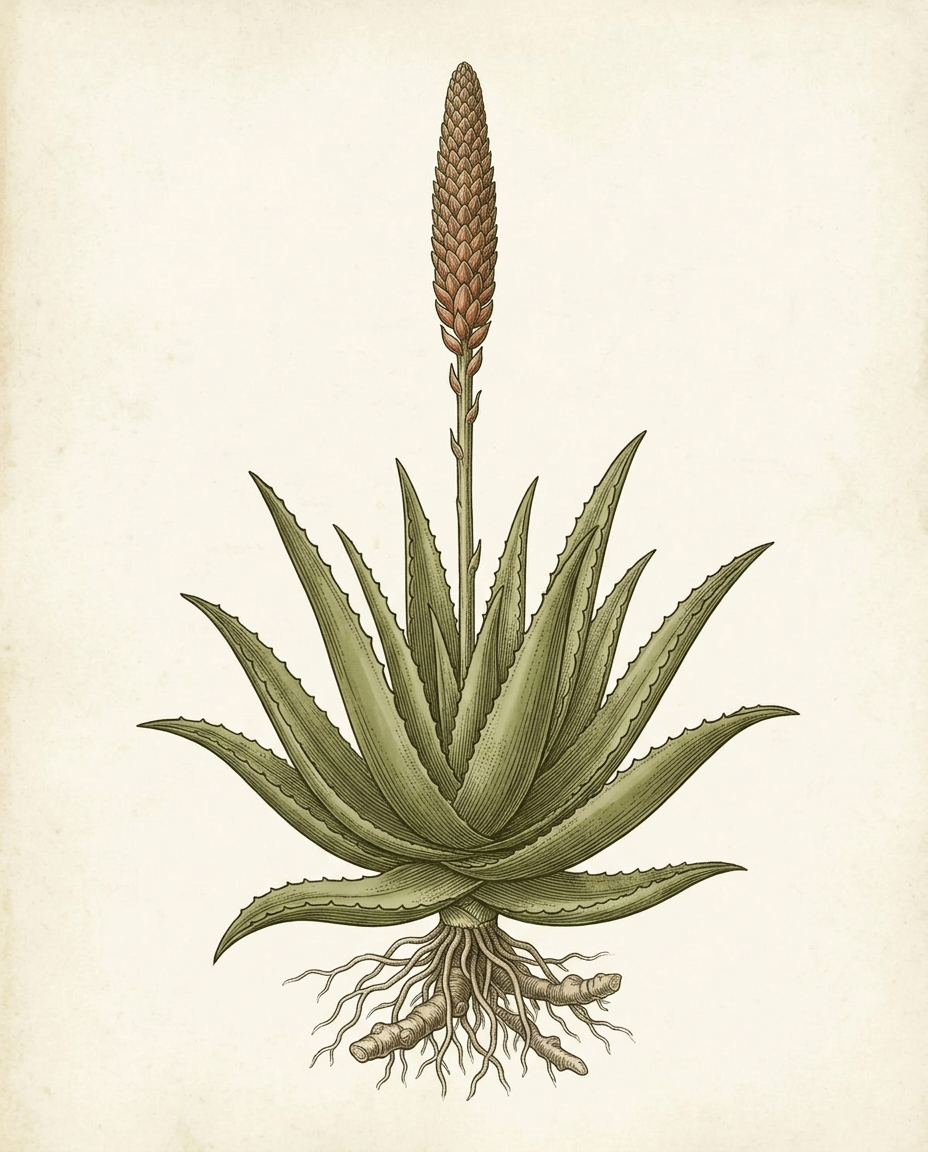
ToxicAloe Vera
Aloe vera
Saponins and anthraquinones in the gel and latex. Aloe is a human first-aid plant that the ASPCA lists as toxic to cats — vomiting and lethargy are common after ingestion.
 Safe
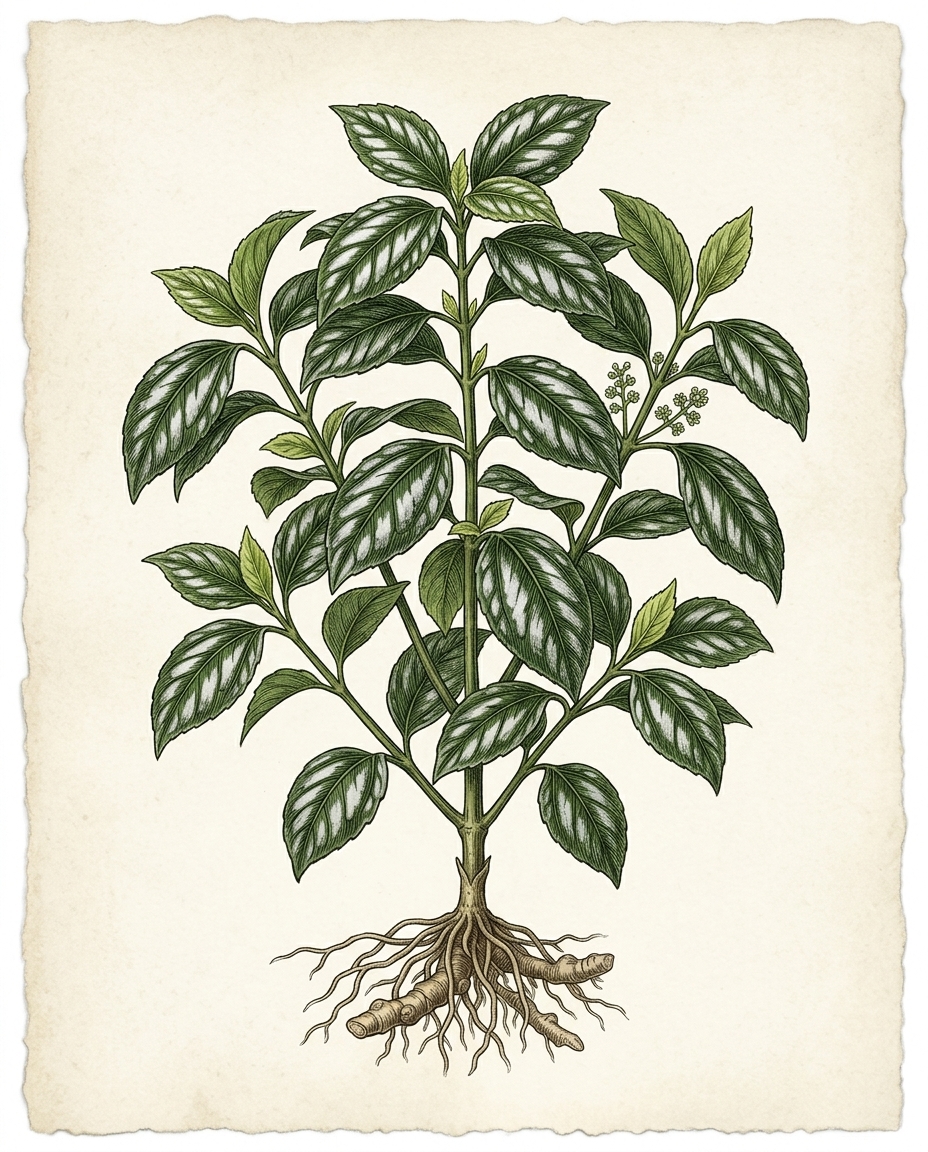
SafeAluminum Plant
Pilea cadieri
Aluminum Plant (Pilea cadieri — also called Watermelon Plant) is non-toxic to cats per the ASPCA. The silver-striped Pilea houseplant. Often confused with watermelon peperomia (a different non-toxic plant).
 Toxic
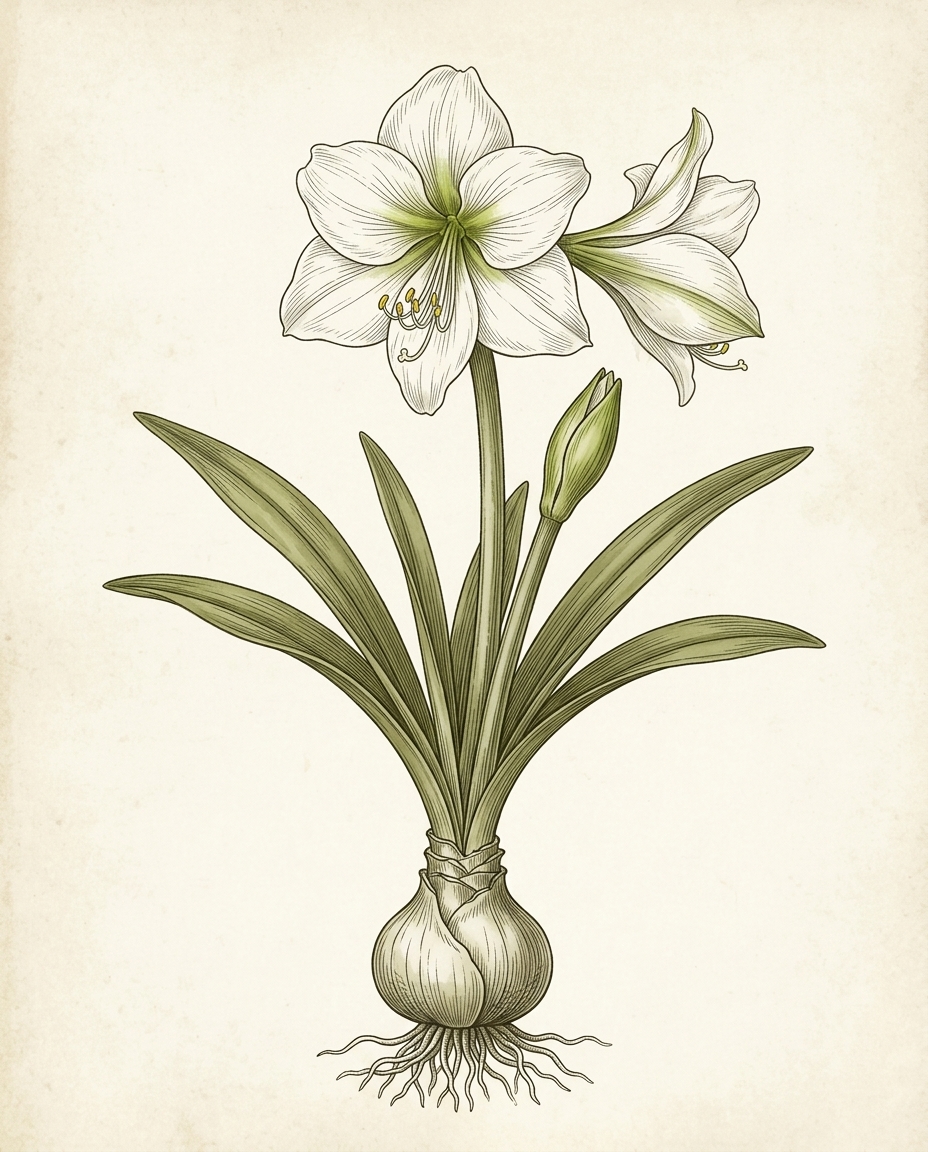
ToxicAmaryllis
Amaryllis spp.
Amaryllis is toxic to cats per the ASPCA. Every part contains lycorine and related alkaloids that cause vomiting, drooling, and tremors — and the bulb that arrives gift-wrapped in December carries the highest dose.
 Toxic
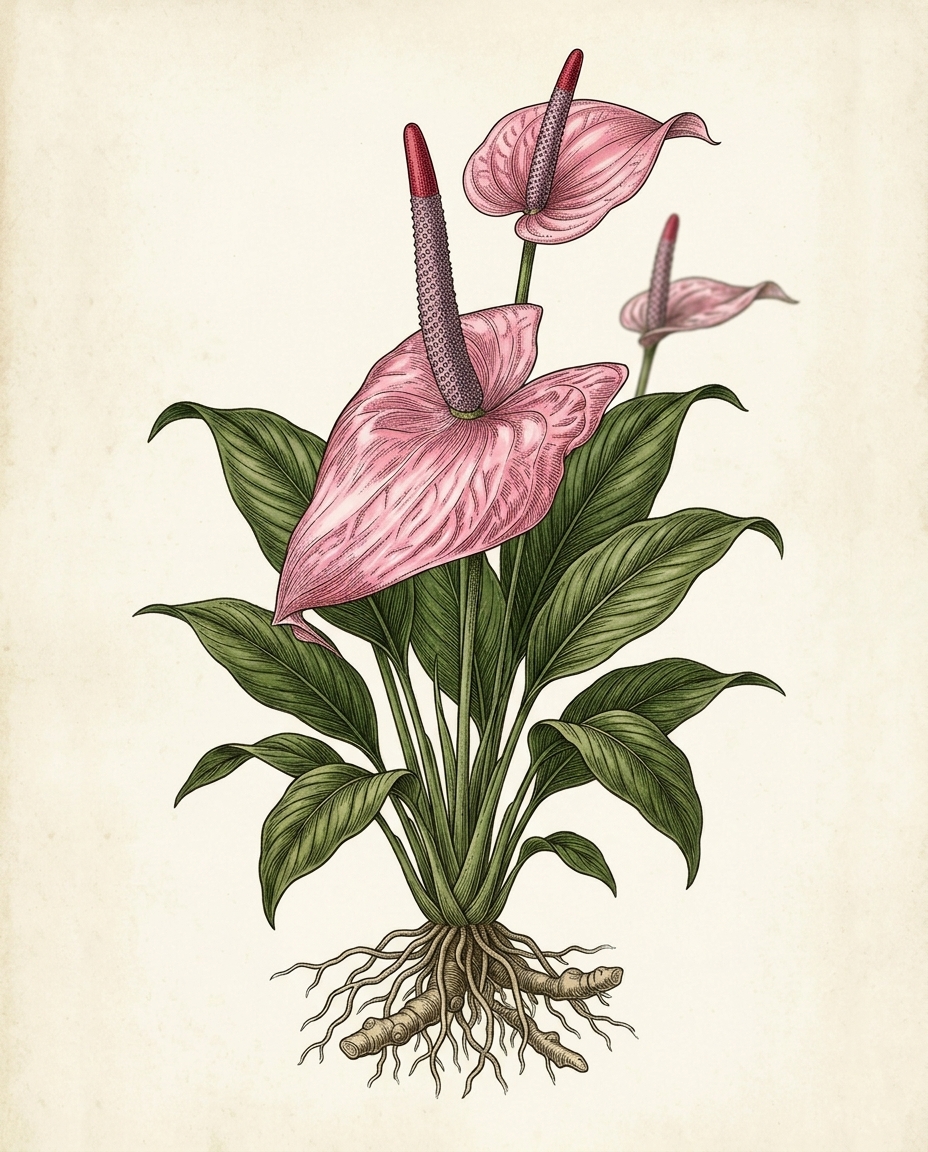
ToxicAnthurium
Anthurium scherzerianum
Yes — anthurium is toxic to cats. The ASPCA lists it (as flamingo flower) as toxic, citing insoluble calcium oxalates. Chewing causes immediate mouth pain, swelling, and drooling.
 Toxic
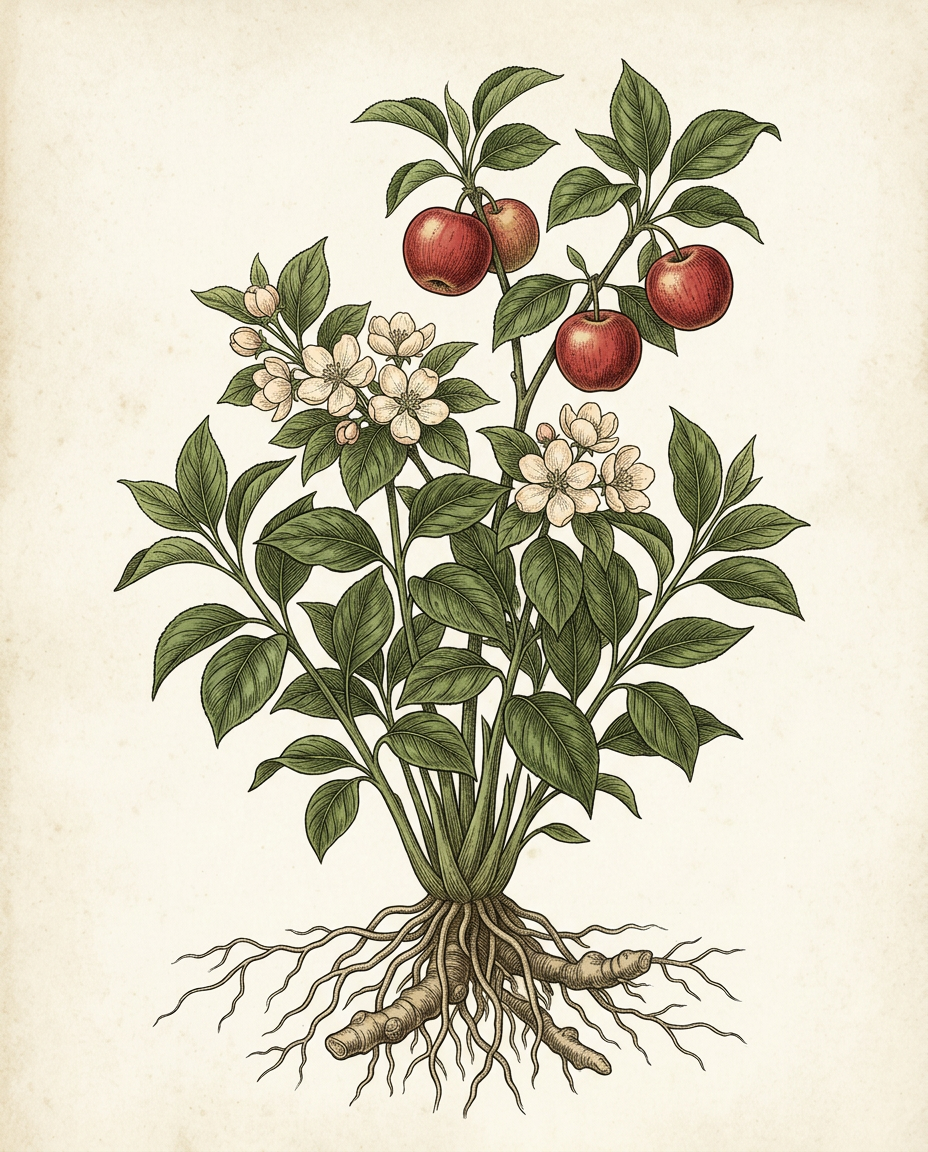
ToxicApple
Malus sylvestrus
Yes — apple trees are toxic to cats. The ASPCA lists Malus sylvestrus as toxic to cats, dogs, and horses. The stems, leaves, and seeds contain cyanogenic glycosides that release cyanide when chewed or digested. The fruit flesh itself is generally considered safe, but the ASPCA listing covers the whole plant.
 Toxic
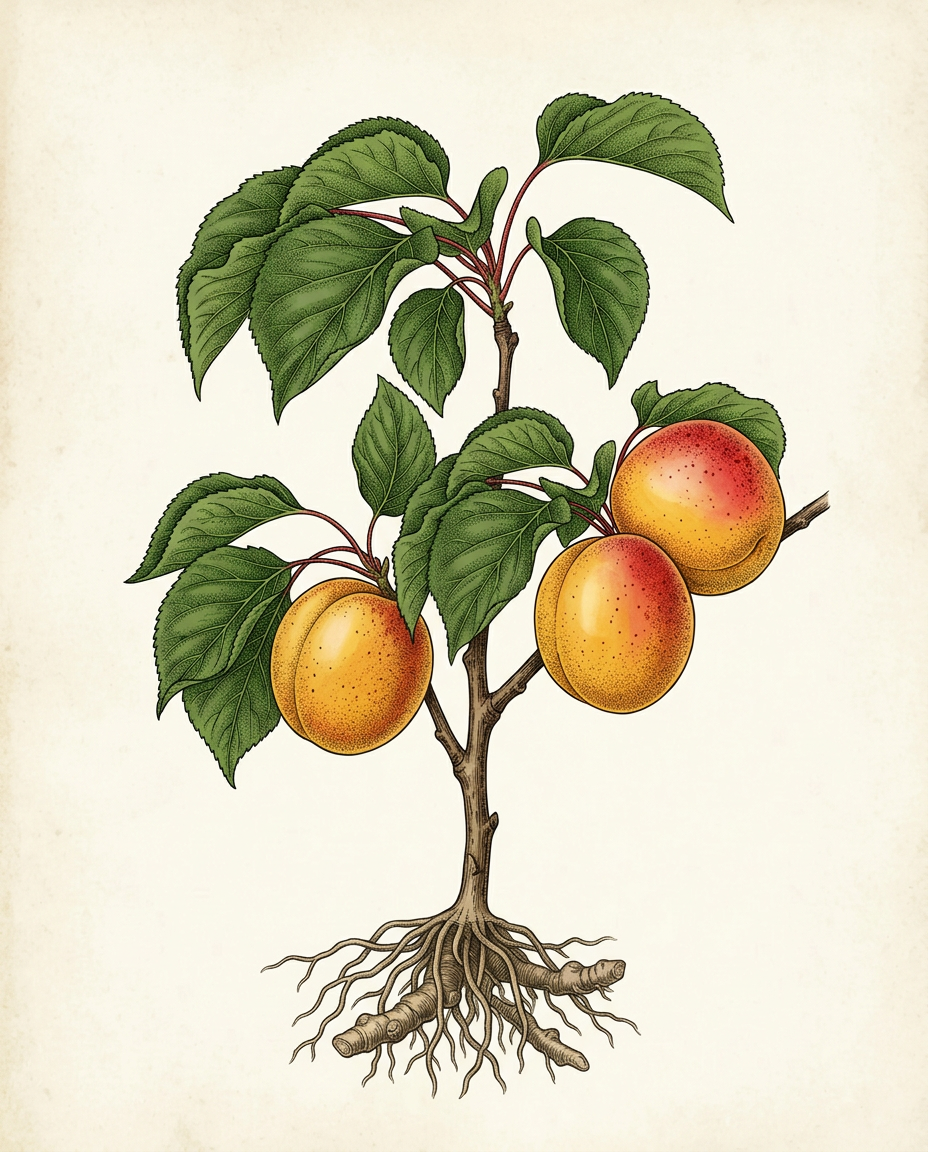
ToxicApricot
Prunus armeniaca
Yes — apricot trees are toxic to cats. The ASPCA lists Prunus armeniaca as toxic to cats, dogs, and horses. The stems, leaves, and pits contain cyanogenic glycosides that release cyanide when chewed or digested. The ASPCA notes the group also includes plum, peach, and cherry.
 Safe
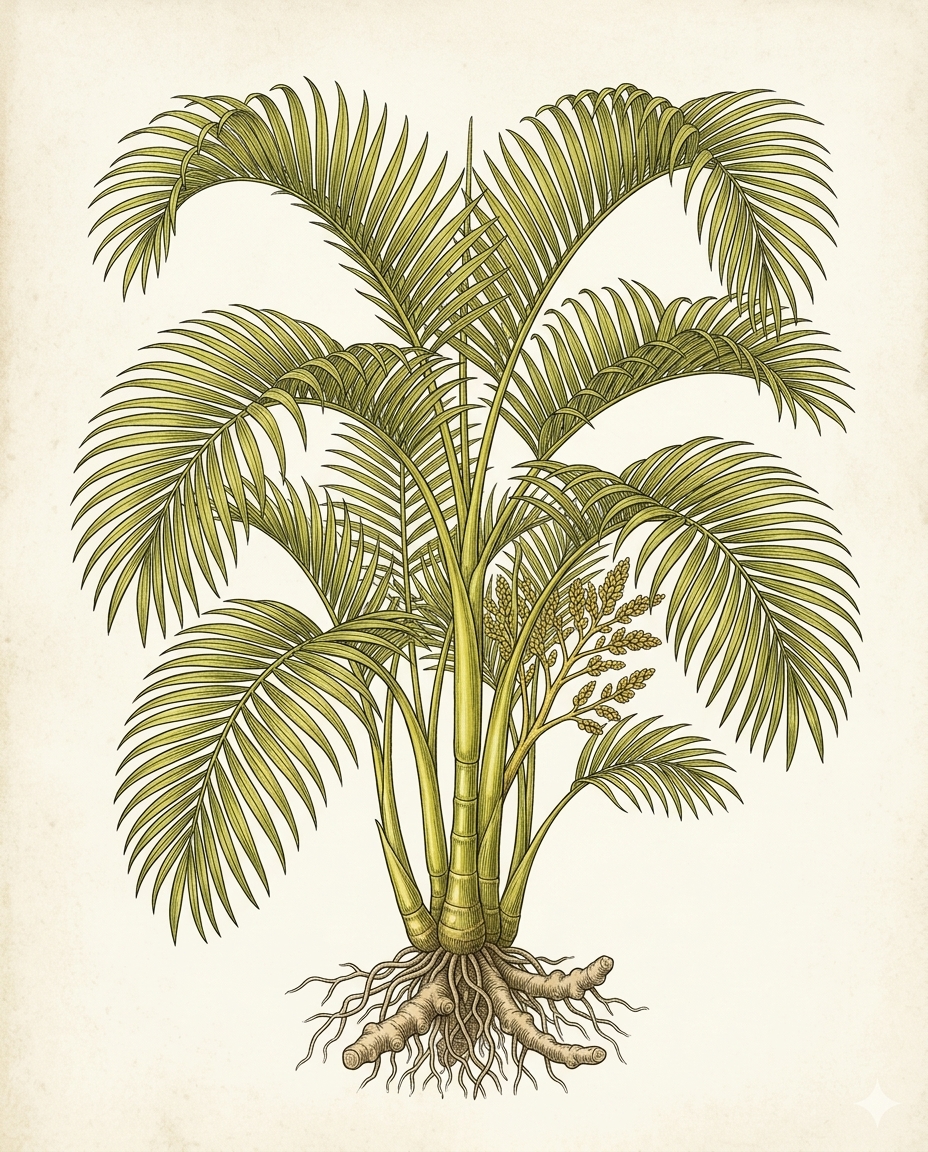
SafeAreca Palm
Dypsis lutescens
Yes — the areca palm is safe for cats. The ASPCA lists Dypsis lutescens as non-toxic. It is one of the best large statement plants for a cat home, with only mild upset if a cat eats a lot of frond.
 Toxic
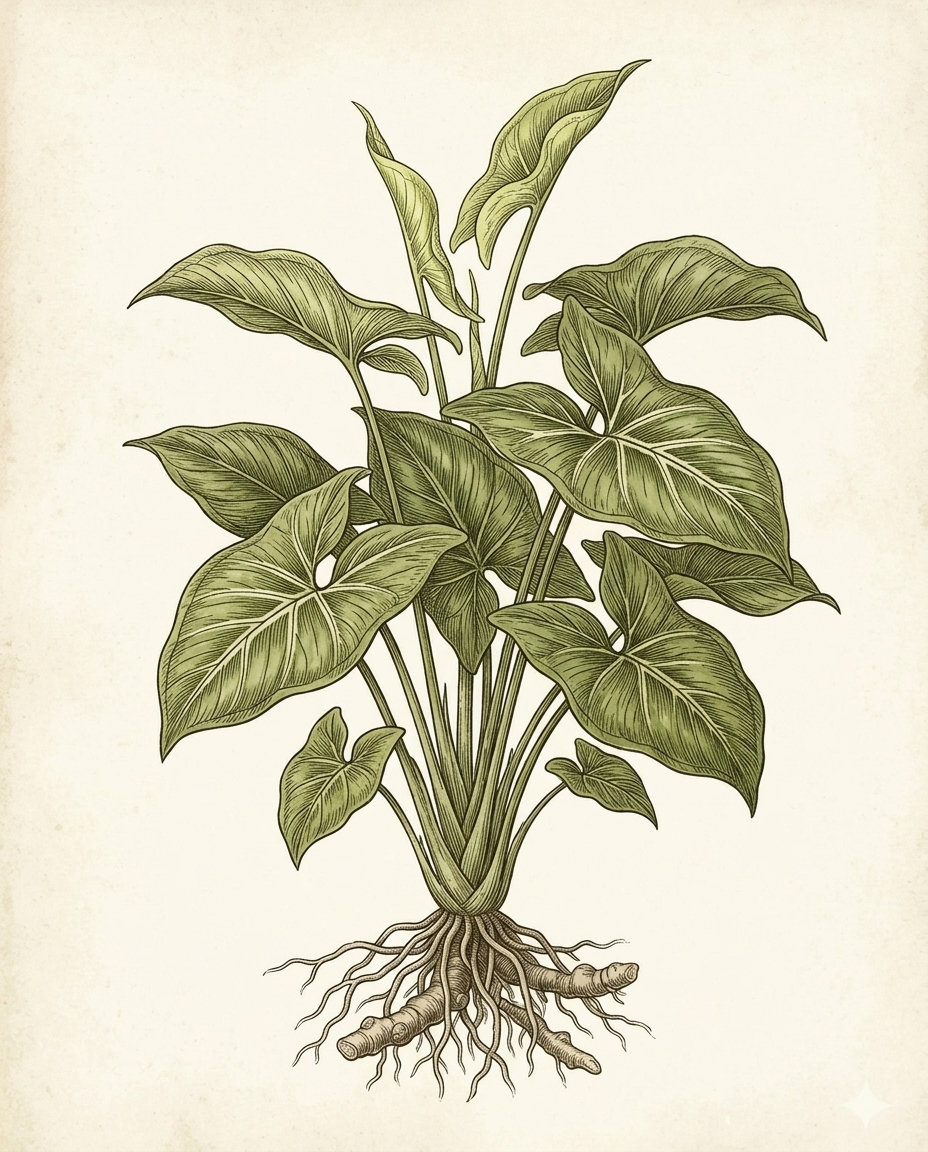
ToxicArrowhead Vine
Syngonium podophyllum
Arrowhead Vine (Syngonium podophyllum) is toxic to cats per the ASPCA. Insoluble calcium oxalates cause oral pain, drooling, swelling, and vomiting — same family as pothos and philodendron.