Apple
Malus sylvestrus
Yes — apple trees are toxic to cats. The ASPCA lists Malus sylvestrus as toxic to cats, dogs, and horses. The stems, leaves, and seeds contain cyanogenic glycosides that release cyanide when chewed or digested. The fruit flesh itself is generally considered safe, but the ASPCA listing covers the whole plant.
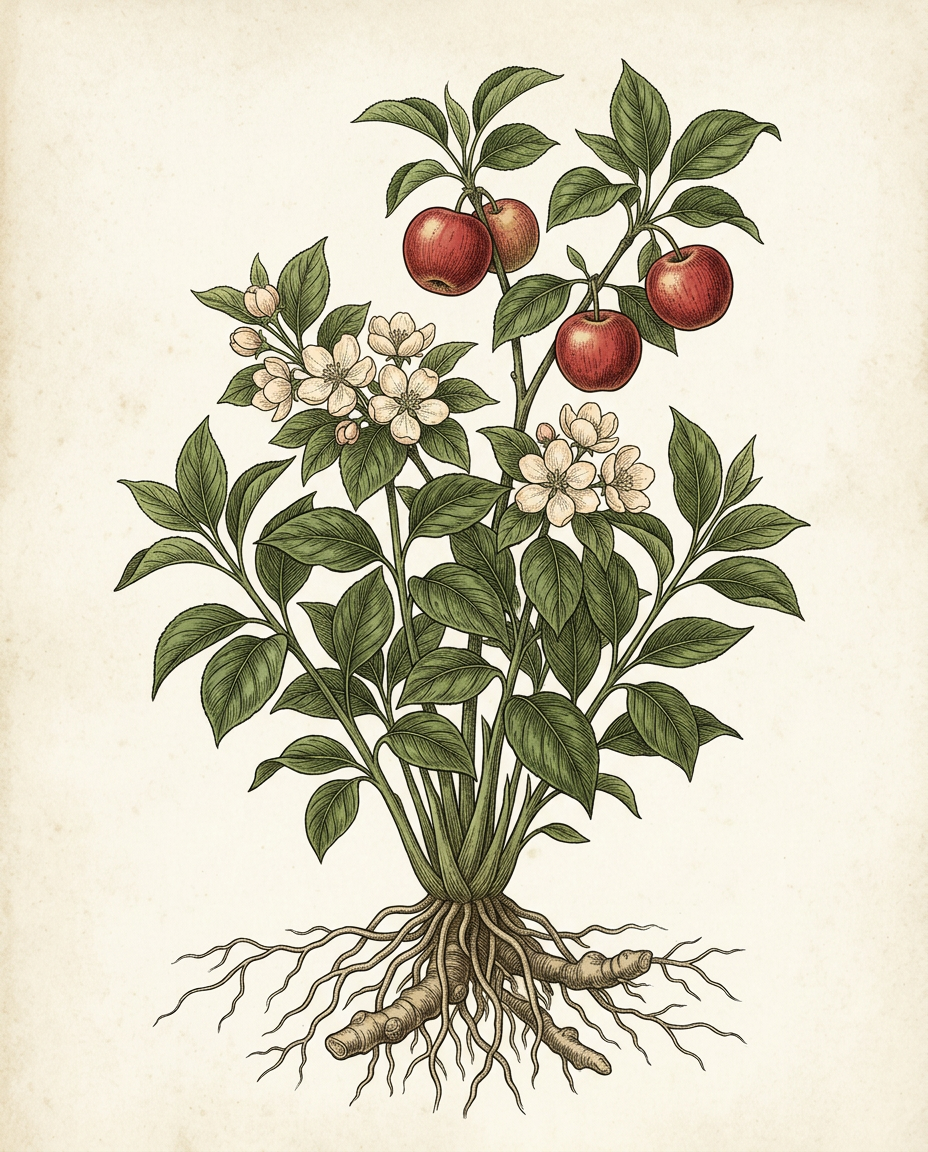
Plate IMalus sylvestrus — apple. The ASPCA lists it as toxic to cats: stems, leaves, and seeds contain cyanogenic glycosides that release cyanide when chewed.
Three plants that look the part, without the risk.
If you want a cat-safe fruiting or flowering plant for the garden, these ASPCA non-toxic plants are good alternatives to apple trees.
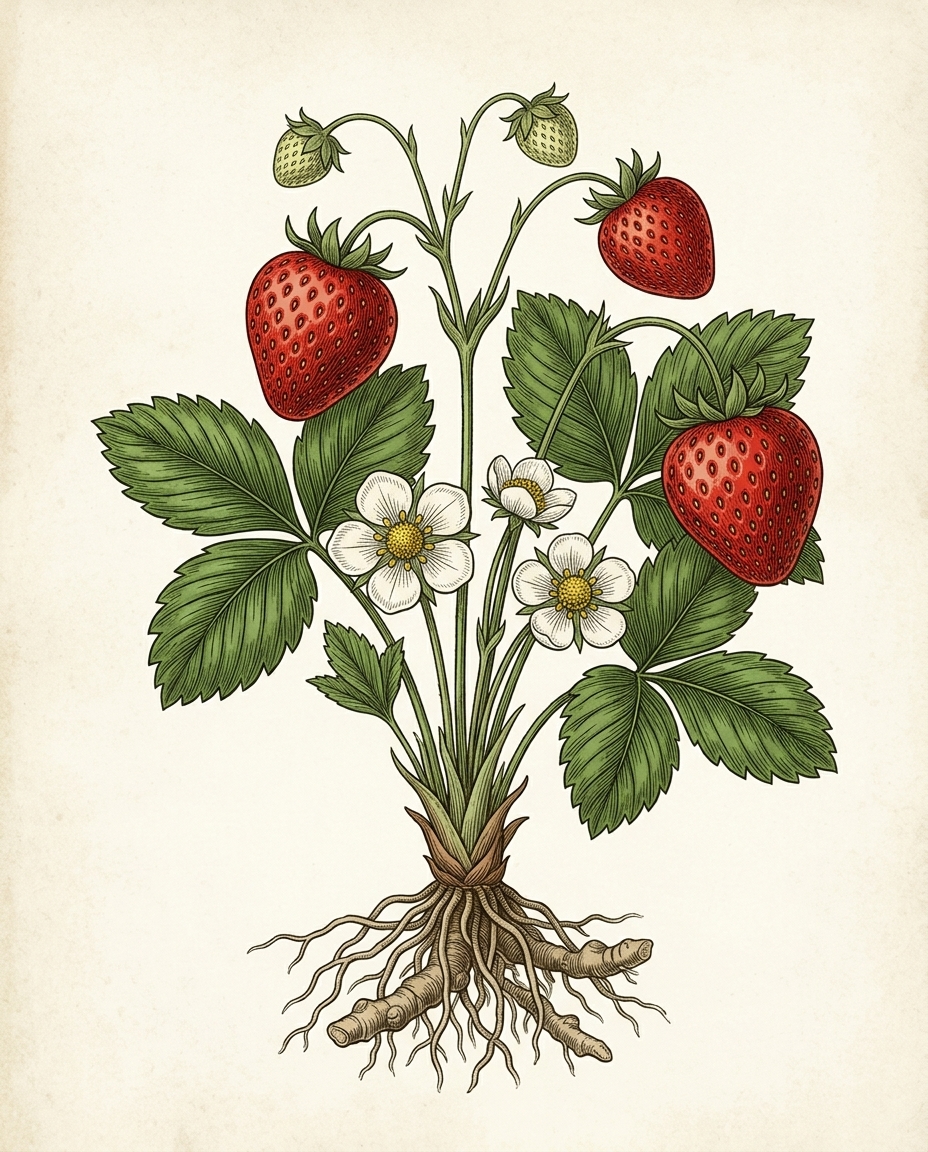
Strawberry
A non-toxic fruiting plant that cats can safely be around. The fruit, leaves, and stems are all ASPCA-listed non-toxic — a garden edible without the cyanogenic risk.
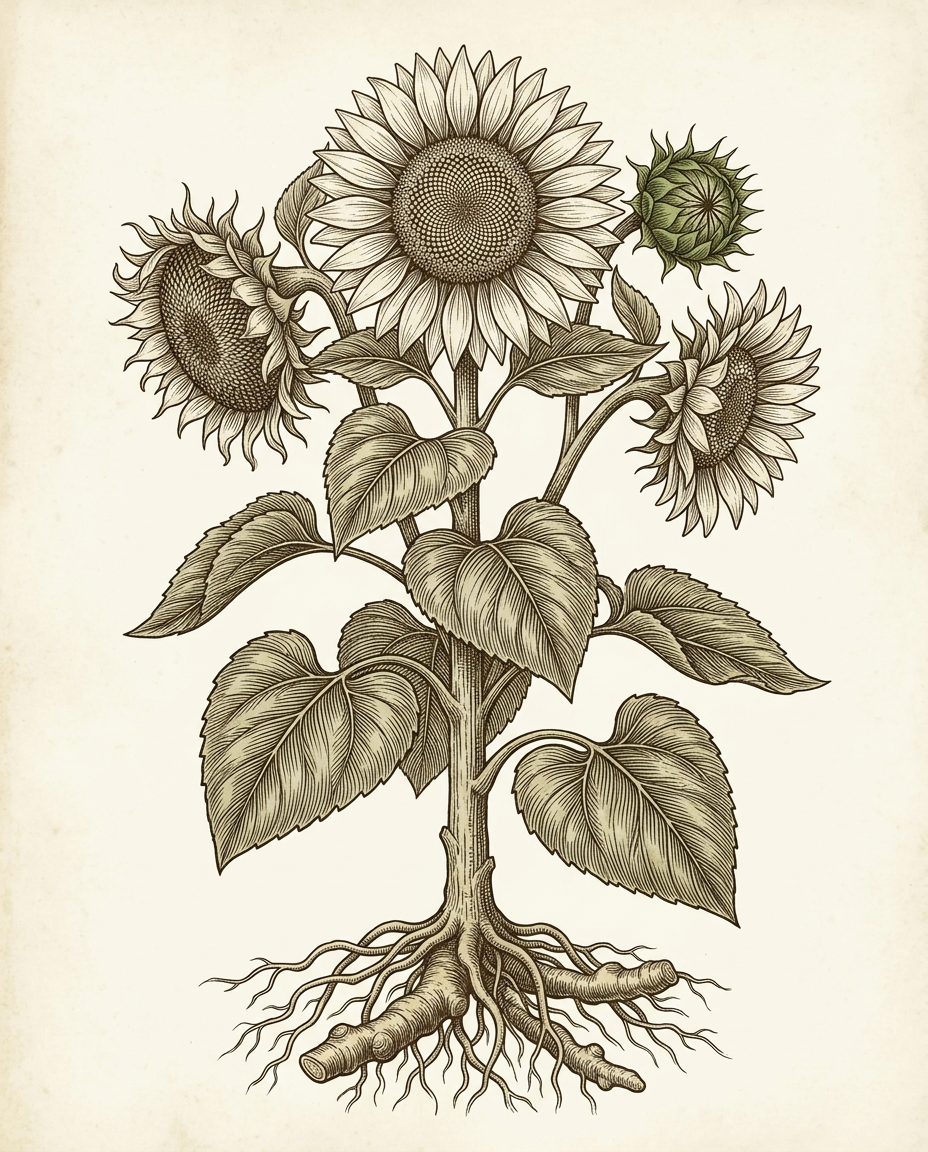
Sunflower
A non-toxic garden flower that is safe around cats. Tall, cheerful, and entirely ASPCA-listed non-toxic — a bright substitute for a flowering apple tree.
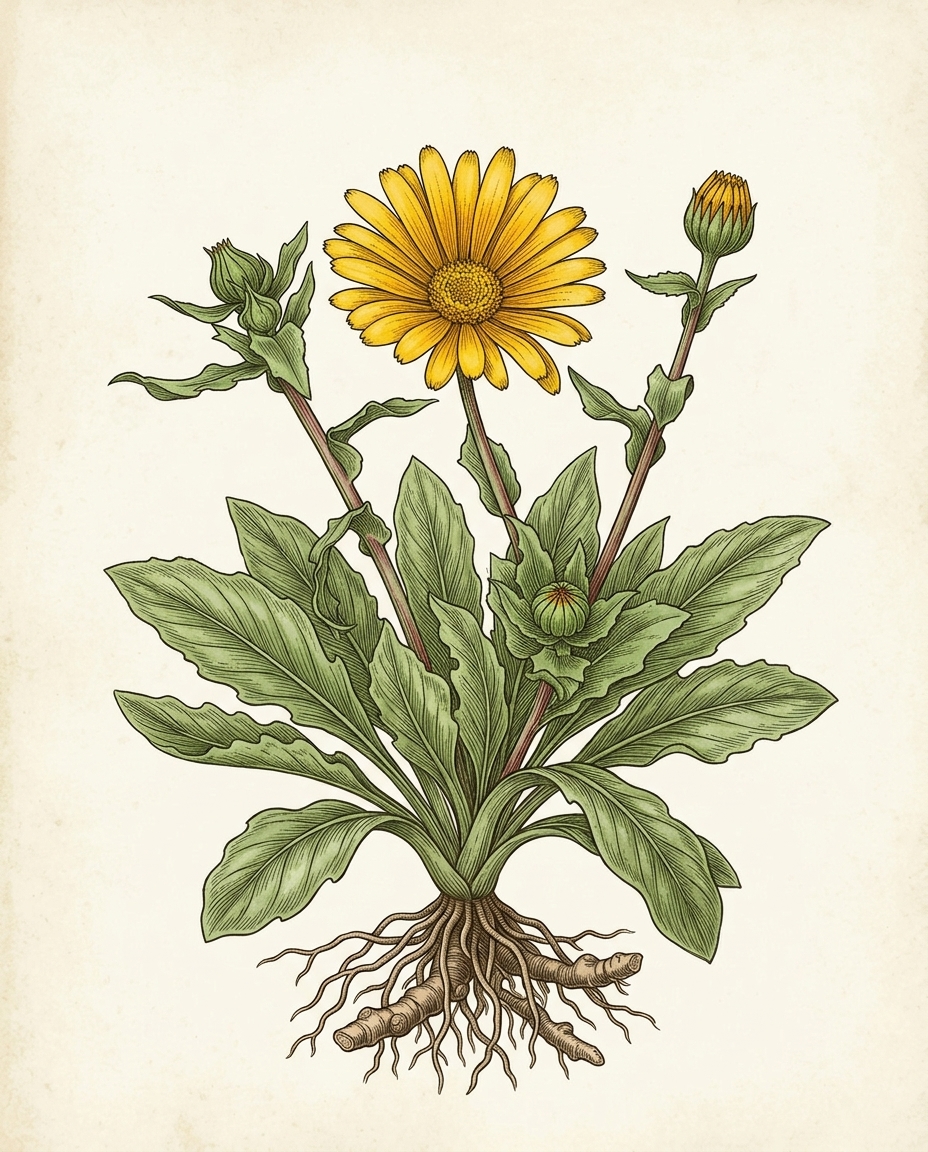
Calendula
A non-toxic flowering herb that is safe for cats. The edible petals are ASPCA-listed non-toxic and the plant is easy to grow in the same garden spot.
What apple trees do to a cat.
Yes — apple trees are toxic to cats. The ASPCA lists Malus sylvestrus as Toxic to Dogs, Toxic to Cats, Toxic to Horses. The stems, leaves, and seeds contain cyanogenic glycosides that release cyanide when chewed or digested. The listing includes crabapples. The fruit flesh itself is generally considered safe, but the ASPCA covers the entire plant.
Apple (Malus sylvestrus, family Rosaceae) is a common garden and orchard tree. The cyanogenic glycosides are concentrated in the stems, leaves, and seeds — not the flesh of the fruit. The danger for an outdoor cat is chewing on fallen apples (which exposes the seeds), nibbling low-hanging leaves, or playing with pruned branches.
ASPCA Data
According to the ASPCA, apple is listed under plants toxic to cats:
Toxic to Dogs, Toxic to Cats, Toxic to Horses.
The toxic parts are the stems, leaves, and seeds, which contain cyanogenic glycosides — compounds that release cyanide when the plant tissue is damaged.
Why the stems, leaves, and seeds are dangerous
Cyanogenic glycosides are a chemical defence mechanism. When a cat chews the stems, leaves, or seeds, the plant cells rupture and an enzyme releases cyanide from the glycoside. Cyanide blocks cellular respiration — it prevents cells from using oxygen, effectively suffocating them at the cellular level.
The fruit flesh is the exception: it contains very low levels of cyanogenic glycosides and is generally considered safe. The ASPCA listing, however, covers the whole plant, so the safe approach is to treat the entire tree as off-limits.
The Rosaceae family
Apple belongs to the Rosaceae family alongside cherry and apricot, which share the same cyanogenic glycoside mechanism. All three are listed as toxic to cats by the ASPCA. If you are cautious about one, the same caution applies to the others — the family is consistent.
Risk for outdoor cats
An outdoor cat with access to an apple tree faces two main risks:
- Windfall apples. Fallen fruit attracts cats to play with and chew. The seeds inside are the toxic part — a cat that bites into a windfall apple ingests them directly.
- Pruned branches and low leaves. If you prune your apple tree, remove the cuttings promptly. A cat that chews on fresh-cut stems or leaves is exposed to the cyanogenic glycosides.
What to do if your cat eats apple stems, leaves, or seeds
Cyanide toxicity is a medical emergency:
- Call your vet or ASPCA Animal Poison Control at (888) 426-4435 immediately. Cyanide acts fast — do not wait for symptoms.
- Remove any plant material from your cat's mouth if you can do so safely.
- Tell the vet exactly what part of the apple tree was eaten and how much.
Safe garden alternatives
If you want a cat-safe fruiting or flowering plant, strawberry, sunflower, and calendula are all ASPCA-listed non-toxic to cats — and they grow well in the same garden conditions as an apple tree.
The bottom line
Apple trees are toxic to cats — the stems, leaves, and seeds contain cyanogenic glycosides that release cyanide. The listing includes crabapples. The same mechanism applies to cherry and apricot. The fruit flesh is generally safe, but with a cat in the garden, the safe approach is to keep the whole tree off-limits and clear windfall apples promptly.
What we have actually seen.
Cyanogenic glycosides in stems, leaves, and seeds
The stems, leaves, and seeds of apple trees contain cyanogenic glycosides — compounds that release cyanide when the plant tissue is damaged or digested. Cyanide blocks cellular respiration, preventing cells from using oxygen. The fruit flesh itself is generally considered safe, but the ASPCA listing covers the entire plant.
Risk from fallen fruit and windfall apples
An outdoor cat near an apple tree may encounter fallen fruit. The danger is not the flesh but the seeds inside — a cat that chews windfall apples can ingest the toxic seeds. The stems and leaves are also accessible if a cat rubs against or chews low branches.
Same cyanogenic mechanism as cherry and apricot
Apple belongs to the Rosaceae family alongside cherry and apricot, which share the same cyanogenic glycoside mechanism. All three are listed as toxic to cats by the ASPCA. If you are cautious about one Prunus or Malus tree, the same caution applies to the others.
- ASPCA Animal Poison Control Center. Toxic and Non-Toxic Plants: Apple.Accessed June 2026 · aspca.org