Sunflower
Helianthus annuus
Sunflowers are non-toxic to cats per the ASPCA. The classic summer cut flower and seed-snack crop is one of the genuinely safe options for bouquets and gardens in a cat household.
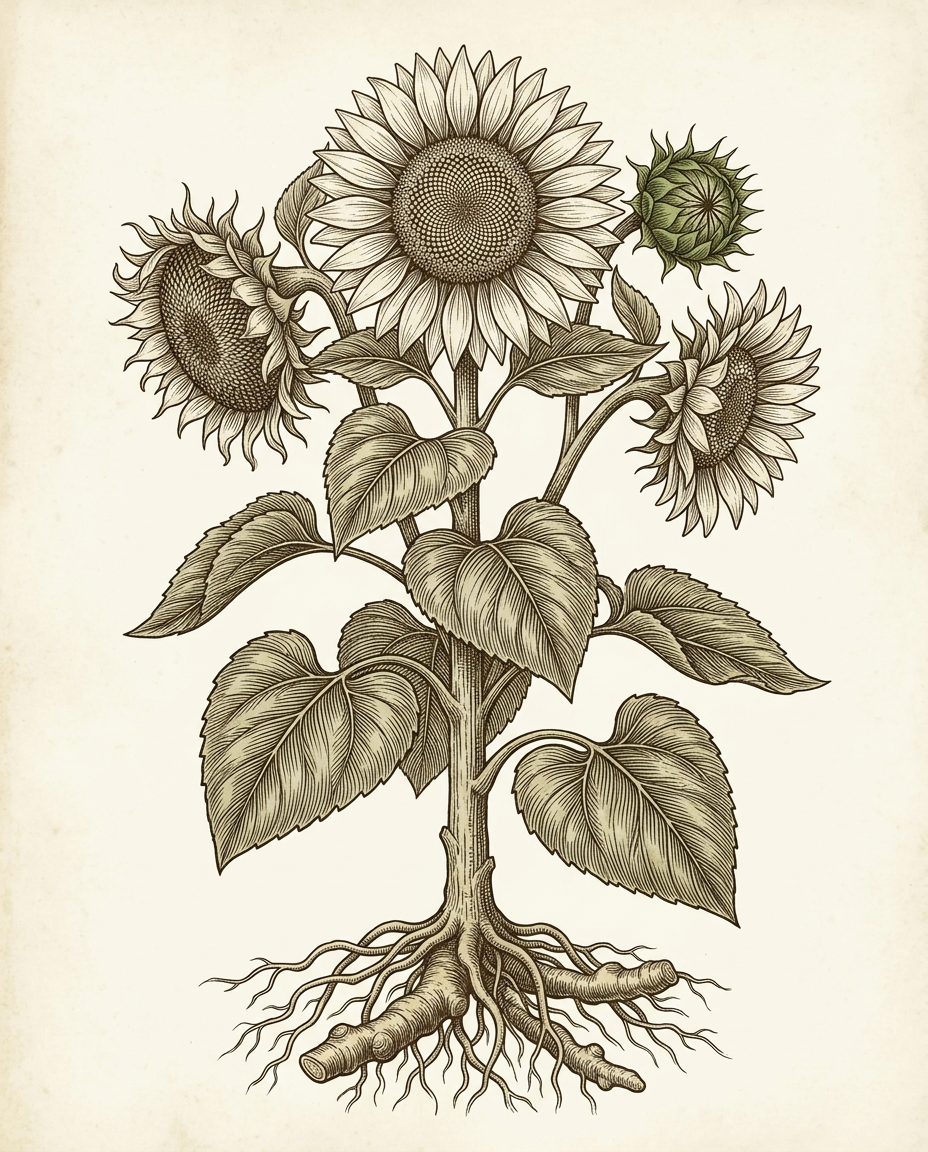
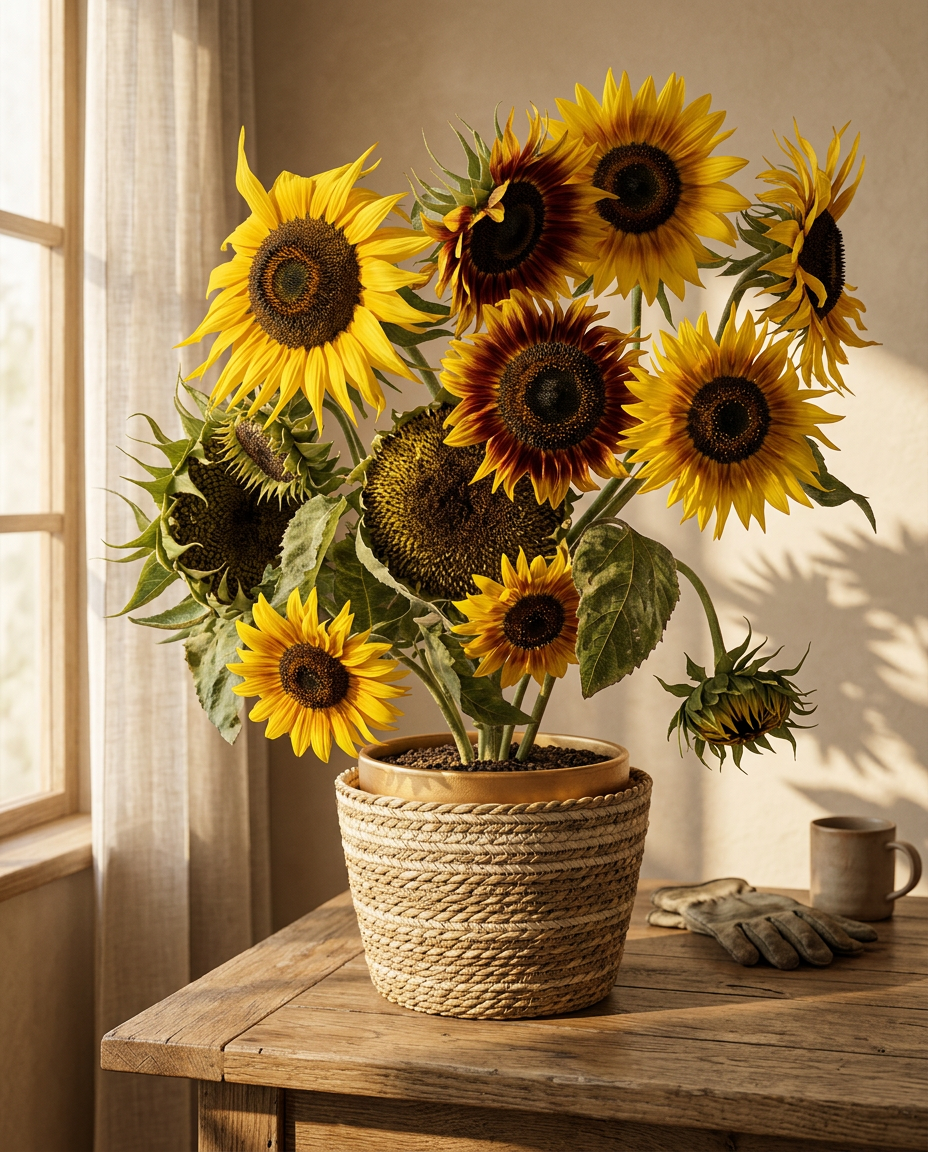
Plate IHelianthus annuus — the common annual sunflower. The composite head tracks the sun across the day; the seed-filled disk is the crop. Genus and family on the ASPCA non-toxic list.
How to grow a sunflower.
Yes — sunflowers are safe for cats. The ASPCA lists Helianthus as non-toxic to cats, dogs, and horses. The cut flowers in a vase, the live plants in a garden, and the seeds in a snack mix are all genuinely non-toxic. One of the most reliable safe choices for a household where a cat patrols every surface.
The ASPCA's specific entry is technically for Helianthus angustifolius (swamp sunflower), but the genus-level listing covers the common annual sunflower (Helianthus annuus) used in bouquets and gardens. Vet sources treat the whole Helianthus genus as non-toxic.
Why sunflowers are an easier recommendation than most cut flowers
Most popular cut flowers carry an asterisk for cat households. Lilies are deadly. Tulips are toxic at the bulb. Carnations are mildly toxic. Roses are safe but thorny. Sunflowers are simply safe: no toxic principle, no thorn, no calcium oxalate, no glycoside. The vase water is also fine.
The one caveat: in a mixed bouquet, the other stems matter. Florists often pair sunflowers with lilies, eucalyptus, or alstroemeria. The first is deadly; the second is mildly toxic by essential oil; the third is safe. Check every stem.
Care
Sunflowers want full sun and well-draining soil. They will lean dramatically toward any light source if grown in partial shade. Practical points:
- Light: at least 6 hours of direct sun. The flower head tracks the sun across the day (heliotropism) until the seed disk forms.
- Water: deep weekly soak at the base. Avoid wetting the leaves; fungal spotting is the most common growing problem.
- Soil: tolerates poor and average soils as long as drainage is good. Heavy clay produces stunted plants.
- Placement: tall varieties (1.5 m+) need a wall or fence to break the wind. Dwarf varieties fit balcony pots and windowsills.
Cultivars worth knowing
The classic standard annual is the 1.5 to 3 m tall single-headed yellow. Dwarf cultivars like 'Sunspot' or 'Big Smile' top out at 30–60 cm and fit in containers. 'Teddy Bear' is a fluffy double-flowered cut-flower favourite. 'Italian White' adds a creamy off-white variant to the colour palette. All are Helianthus annuus and all are ASPCA non-toxic.
Mexican sunflower is not a true sunflower
A note for anyone shopping for seed packets: Tithonia is sold as "Mexican sunflower" and looks superficially similar. It is a different genus. ASPCA does not list it, so a cat-safe claim cannot be made. Stick to Helianthus for confirmed safety.
Cat-safe companion flowers
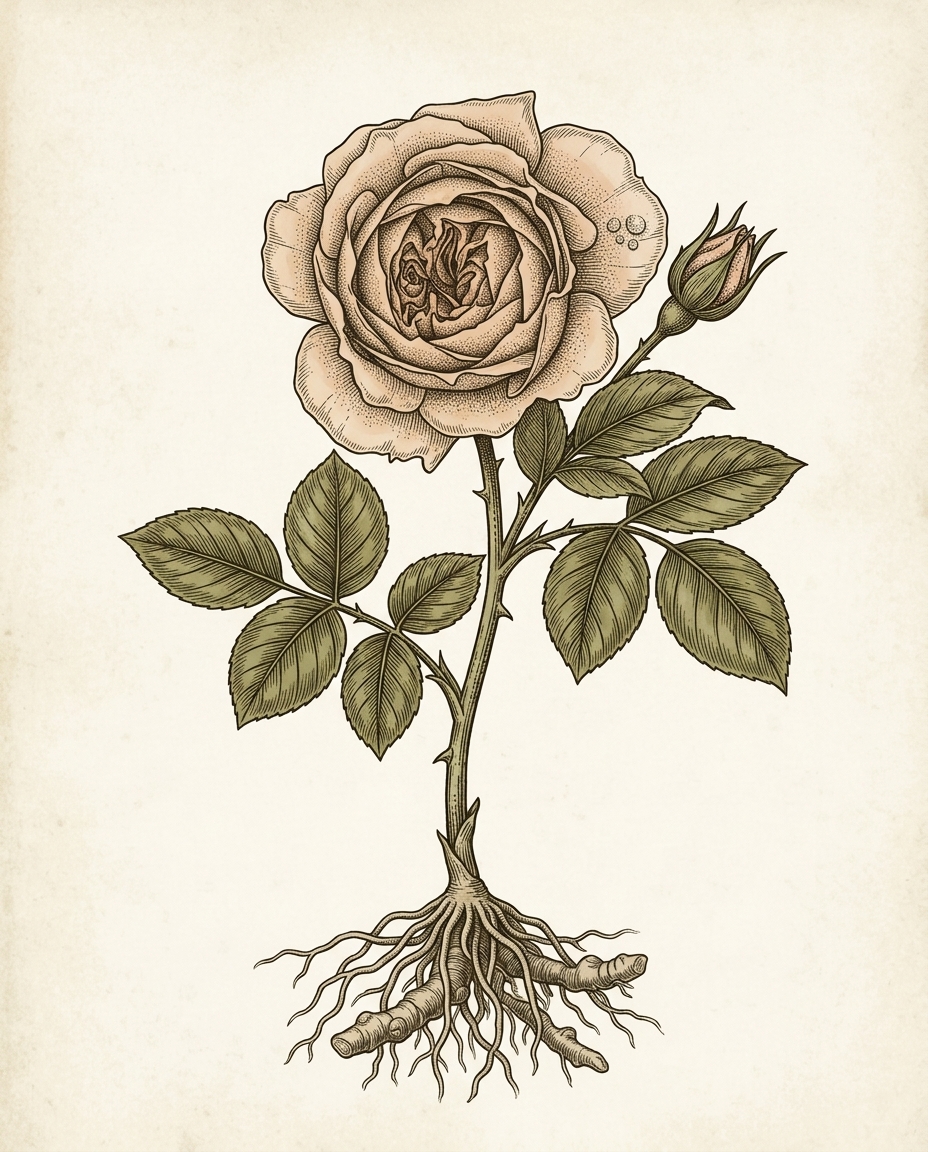
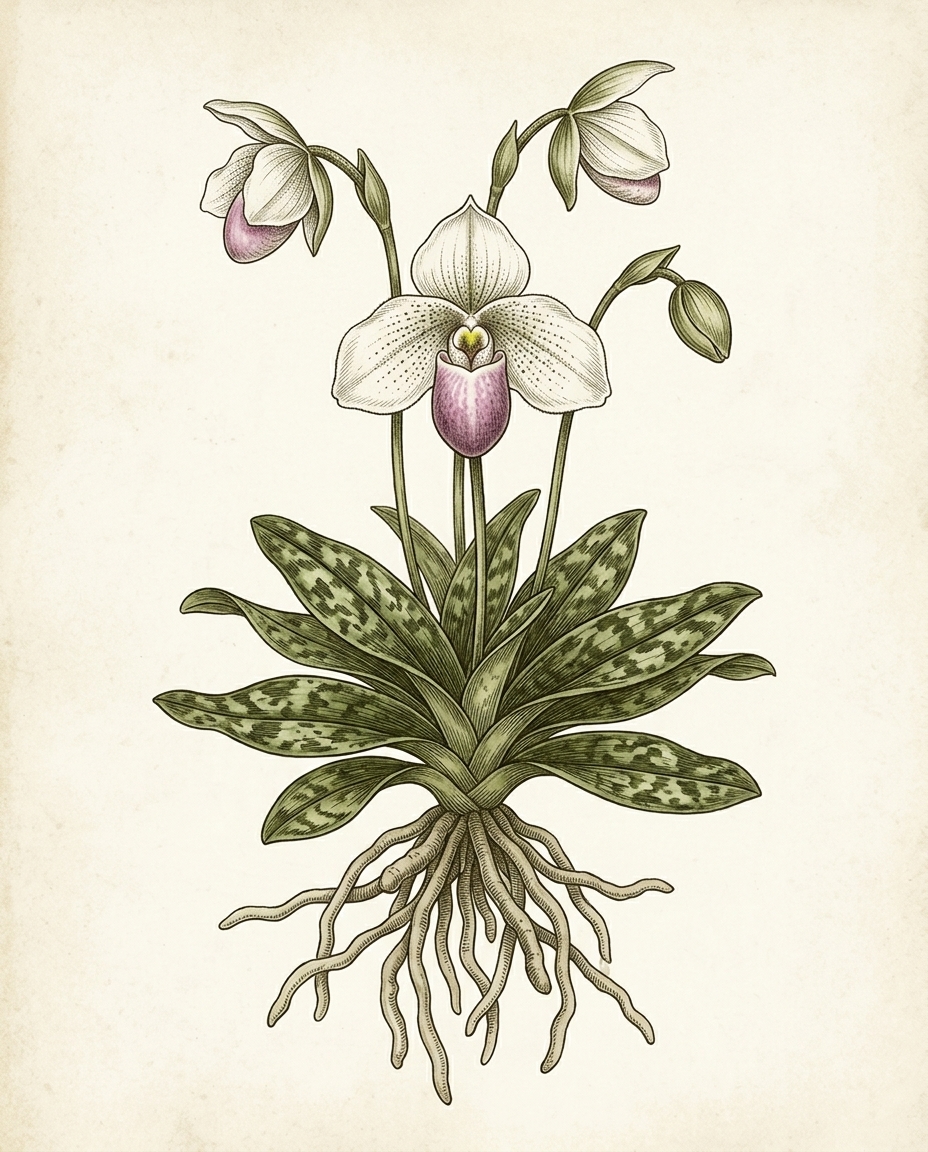
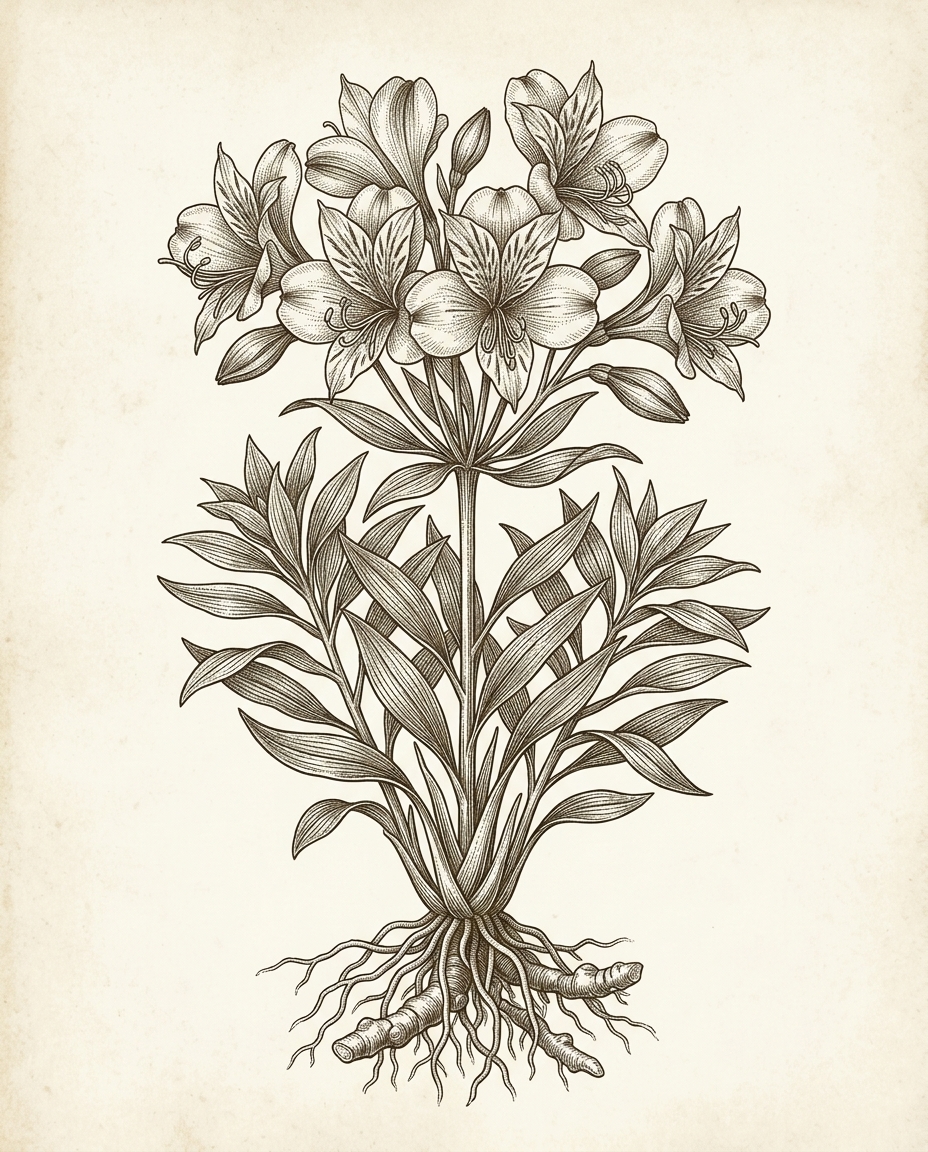
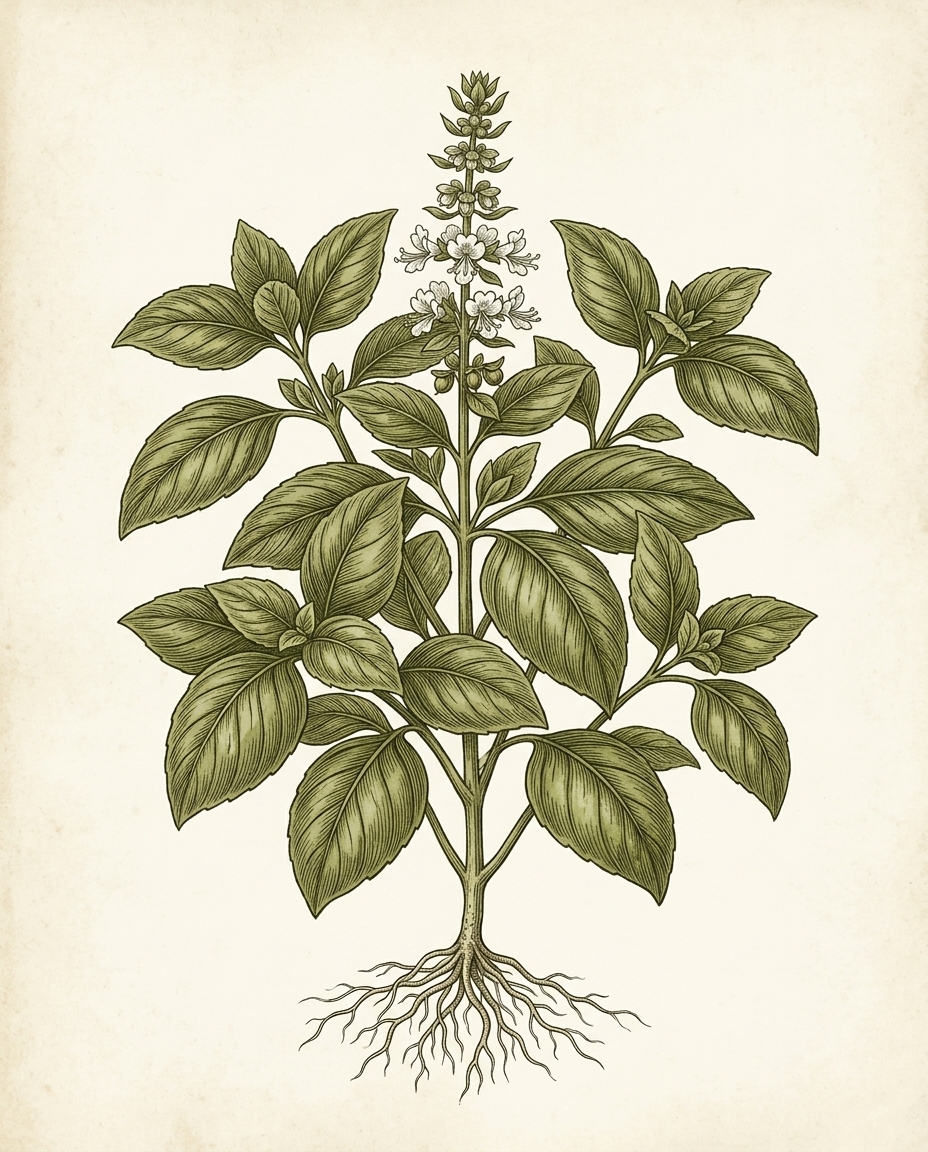
For a cat-safe bouquet, pair sunflowers with roses and Peruvian lily (Alstroemeria, the safe lily-shaped flower). Orchids cover the centrepiece role for indoor display. For windowsill greenery that pairs with the kitchen-garden look, basil is a good partner.
Disclosure
We include Amazon affiliate links on safe-plant pages. As an Amazon Associate, we earn from qualifying purchases. We never affiliate-link a plant we have not ASPCA-verified.
What we have actually seen.
Casual chewing
Cats that take a bite of leaf or petal get nothing more than a fibrous mouthful. No toxic principle, no expected symptoms.
Seed pod gnawing
Mature sunflowers shed seeds. Hulls are not toxic but can lodge in teeth or paws; clean them up if your cat is patrolling the area.
Mild GI upset
As ASPCA notes for any plant material, ingestion may cause mild vomiting in some cats. Not specific to sunflower and not a toxicity issue.
Four common varieties.
Standard Annual (classic 1.5–3 m garden sunflower)
The familiar single yellow flower on a tall stem. The cut-flower and seed-crop standard. Use at the back of a border or against a fence.
Dwarf 'Sunspot' (30–60 cm pot-scale)
A short bushy form bred for containers and balcony pots. Same big golden head, plant scale that fits a cat household.
Teddy Bear (fully double pompom flowers)
A double-flowered cultivar with a soft, fluffy texture. About 60–90 cm tall. Cut-flower favourite.
Italian White (pale cream-and-cocoa)
A creamy off-white variety with dark brown centres. About 1.5 m, branches more than the standard yellow form. ASPCA non-toxic like the rest of the species.
Keeping the plant alive.
Full sun
Sunflowers need at least 6 hours of direct sun. They will lean dramatically toward any light source if grown in partial shade.
Deep, infrequent
Water deeply at the base once or twice a week in dry weather. Avoid wetting the leaves; sunflowers are prone to fungal spotting in humid conditions.
Well-draining
Tolerates poor and average soils as long as drainage is good. Heavy clay or waterlogged spots produce stunted plants.
Sheltered tall position
Tall varieties (1.5 m+) need a fence or wall to break the wind. Dwarf varieties (30–60 cm) work in pots and balcony rails.
- ASPCA Animal Poison Control Center. Toxic and Non-Toxic Plants: Sunflower.Accessed June 2026 · aspca.org · Helianthus genus listed Non-Toxic to cats, dogs, horses
- Royal Horticultural Society. Helianthus annuus cultivation guide.Horticultural reference for growing
- Pet Poison Helpline. Sunflower safety profile.Secondary reference confirming non-toxicity · 2024
If you liked this, also safe.