Peruvian
Lily.
Alstroemeria
Good news with an asterisk. The ASPCA lists the Peruvian lily (Alstroemeria) as non-toxic to cats — it does not cause the kidney failure true lilies do. Eating a lot may still cause mild stomach upset.
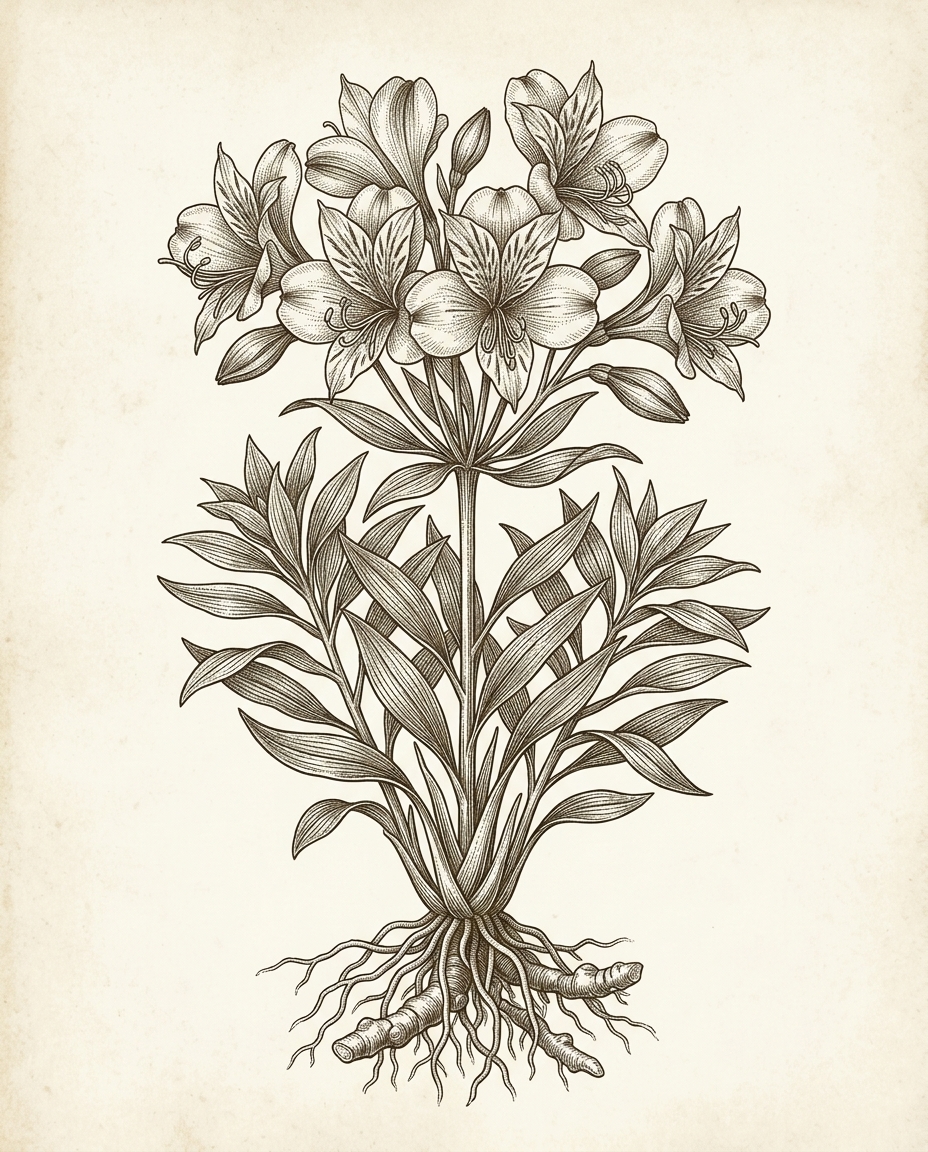
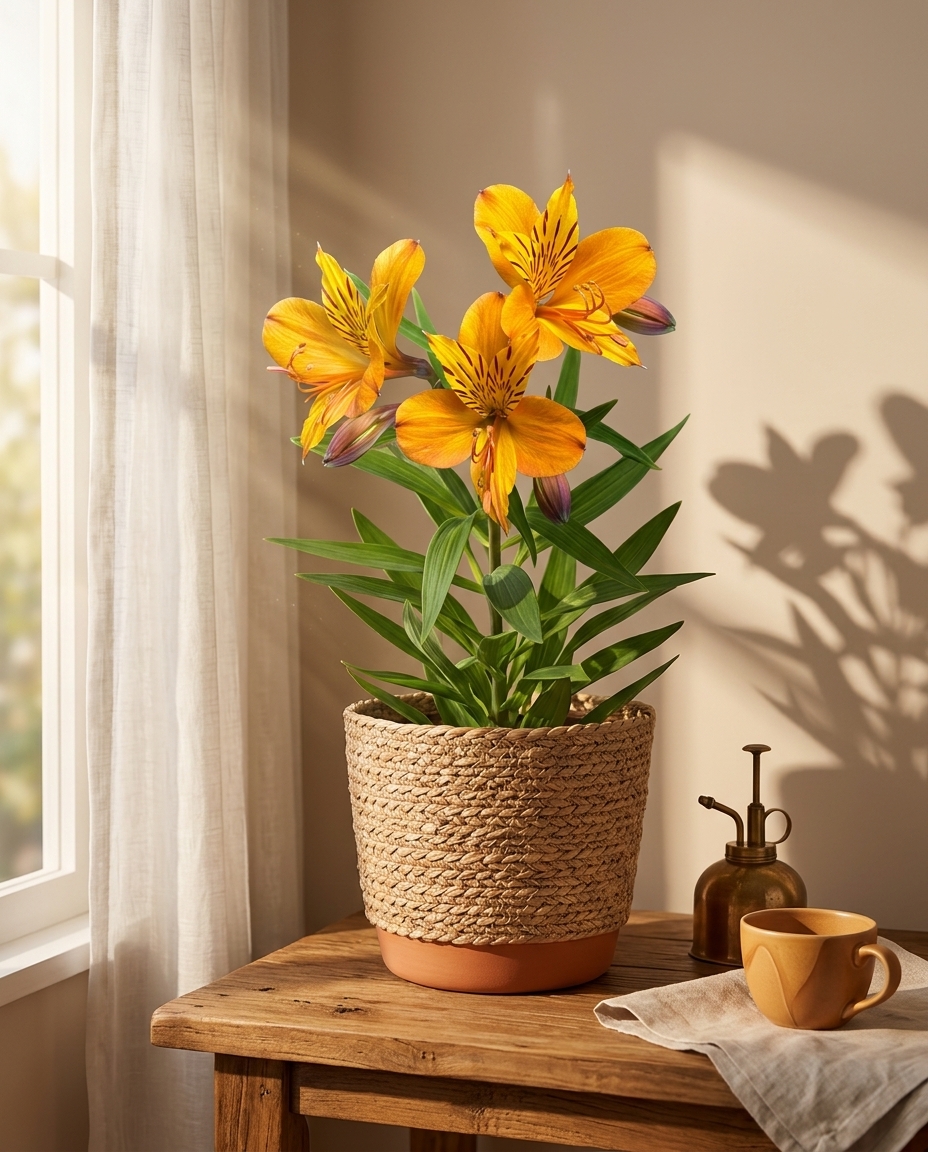
Plate IAlstroemeria — the Peruvian lily or lily of the Incas. Lily-like blooms on a plant unrelated to the deadly true lilies.
What happens if your cat eats it.
Little, in most cases. The ASPCA lists the Peruvian lily (Alstroemeria) as non-toxic to cats. It carries a trace of tulipalin, the same irritant found in tulips, which at most produces mild vomiting or drooling if a cat eats a quantity — a world away from the kidney failure caused by true lilies.
That distinction is the whole point of this page. Peruvian lily is not a lily at all; it belongs to its own family and only borrows the name for its lily-shaped blooms. So while a true lily or an Easter lily is a genuine emergency, a Peruvian lily is one of the few "lilies" a cat owner can relax about.
The one thing to watch
The danger with Peruvian lilies is not the plant — it is mistaken identity. They are sold in mixed bouquets right alongside deadly true lilies, and the two can look similar to an untrained eye. If you cannot positively identify every stem in an arrangement, treat the whole thing as toxic and keep it away from your cat. If your cat may have chewed any lily, follow our emergency action plan and call a vet.
A safe lily-look for the vase
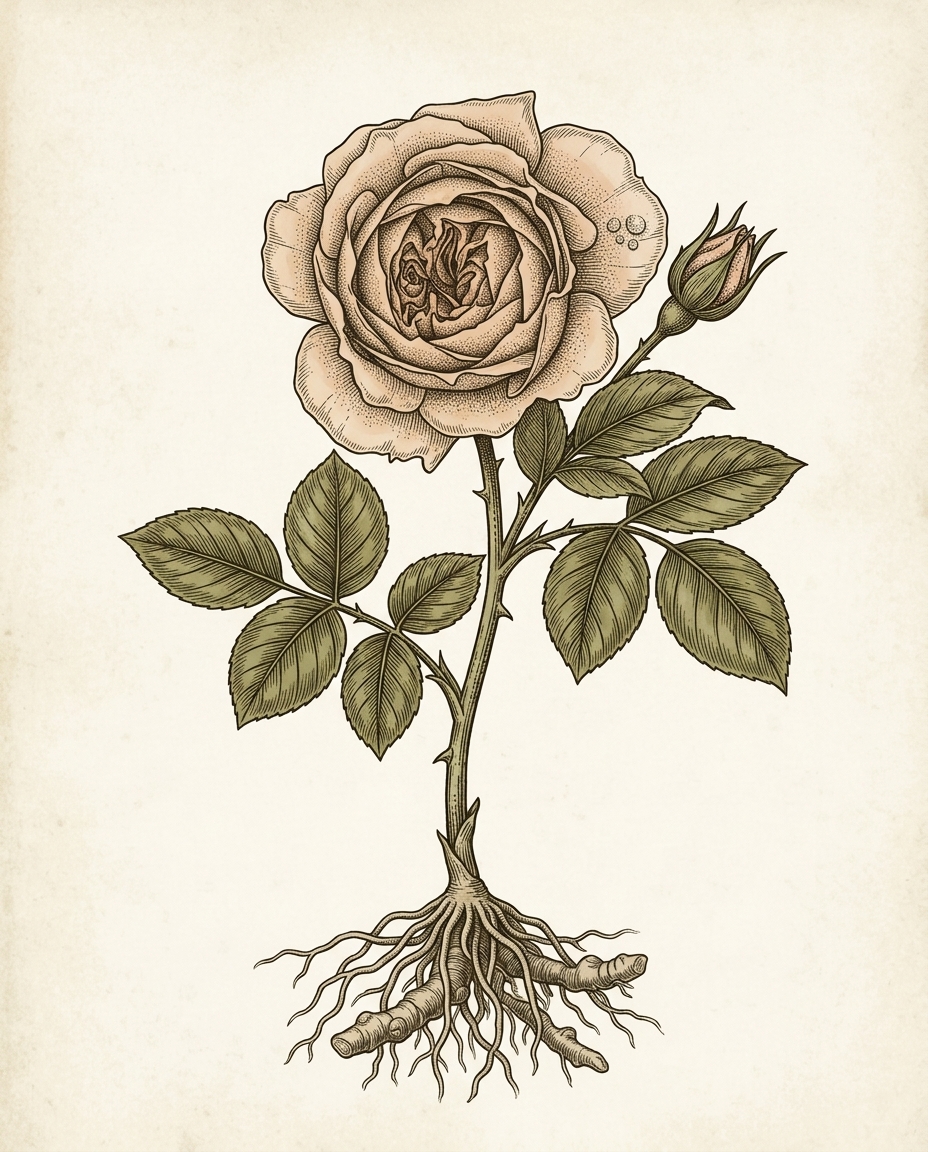
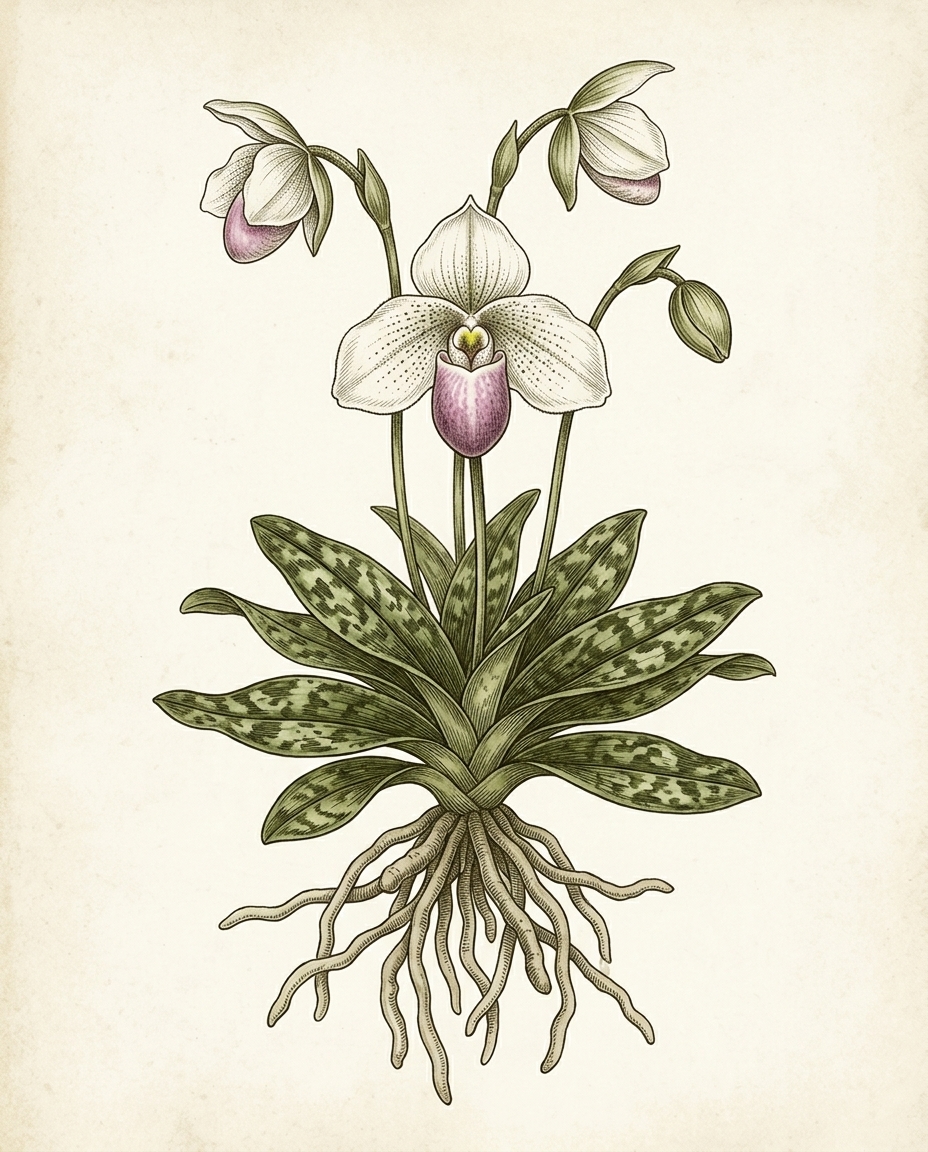
Because it lasts well over a week as a cut flower and comes in almost every colour, the Peruvian lily is the natural cat-safe substitute when you want that lily silhouette. For other safe flowers, roses and orchids are also ASPCA non-toxic.
What we have actually seen.
Mild stomach upset
Eating a large amount can cause vomiting, drooling, or loose stool from the trace compound tulipalin — not life-threatening.
No kidney effect
Unlike true lilies, Peruvian lily does not cause acute kidney failure. This is the crucial distinction.
Mechanical chewing
Fibrous stems and leaves can prompt regurgitation if a cat eats a big mouthful — the plant, not a toxin.
Identification risk
The real danger is mistaking a true lily in a mixed bouquet for a Peruvian lily. When unsure, treat it as toxic.
Four common varieties.
Princess Lily (compact)
Dwarf, long-flowering forms bred for pots and containers. Tidy and floriferous.
Indian Summer (bronze foliage)
Warm orange blooms over dark bronze leaves — a strong border and cut-flower variety.
Keeping the plant alive.
Bright, indirect
Wants plenty of light to flower well; some morning sun is welcome, harsh midday sun is not.
Keep evenly moist
Regular watering through the growing season; let the surface dry slightly between waterings.
Rich, free-draining
Fertile potting mix with good drainage. Tubers rot in waterlogged soil.
Cool, bright room
Long-lasting as a cut flower too. Deadhead and pull (don't cut) spent stems to prolong bloom.
- ASPCA Animal Poison Control Center. Toxic and Non-Toxic Plants: Peruvian Lily.Accessed May 2026 · aspca.org
- ASPCA. Which Lilies Are Toxic to Pets?aspca.org/news
- Pet Poison Helpline. Alstroemeria.Reference list · 2024 ed.
If you liked this, also safe.