Lily
Lilium spp.
Yes — true lilies are among the deadliest plants for cats. Every part of every Lilium and Hemerocallis species can cause acute kidney failure, per the ASPCA. There is no safe dose and no safe variety.
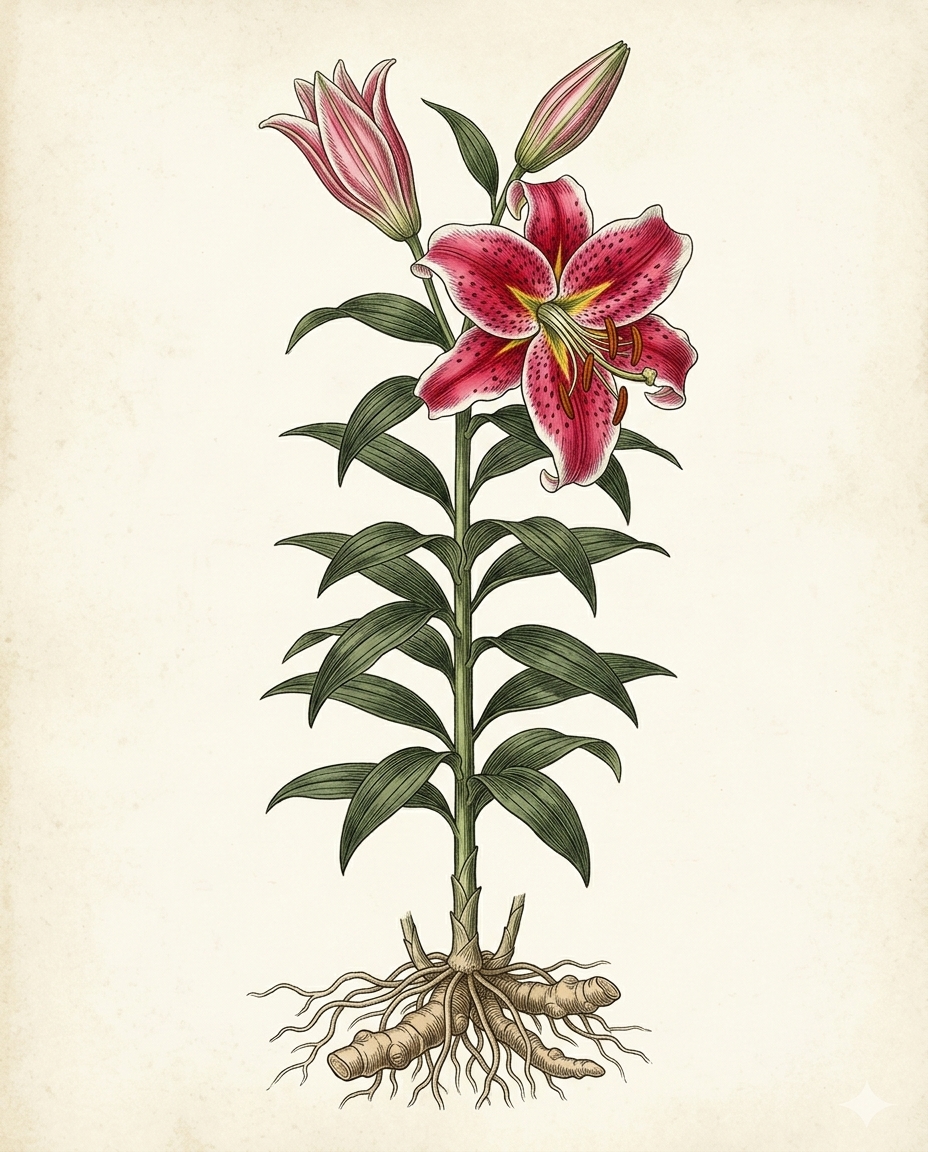

Plate ILilium spp. — the true lily. Asiatic, Oriental, Tiger, Easter and daylilies all carry the same nephrotoxin for cats.
Three plants that look the part, without the risk.
Showy flowers and foliage without the renal toxin — never substitute a true lily; these are ASPCA non-toxic.
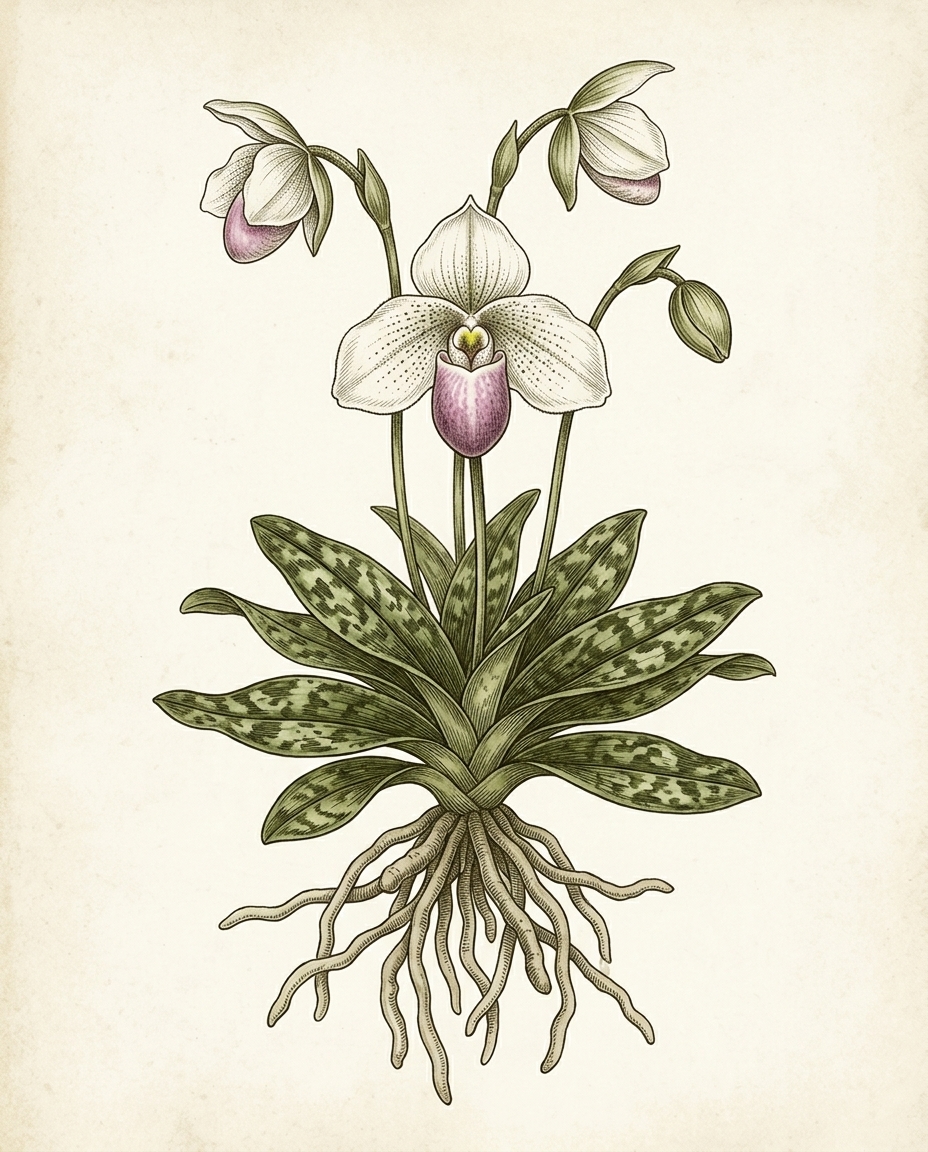
Orchid
Long-lasting, elegant blooms for a tabletop display. None of the lily kidney toxin.
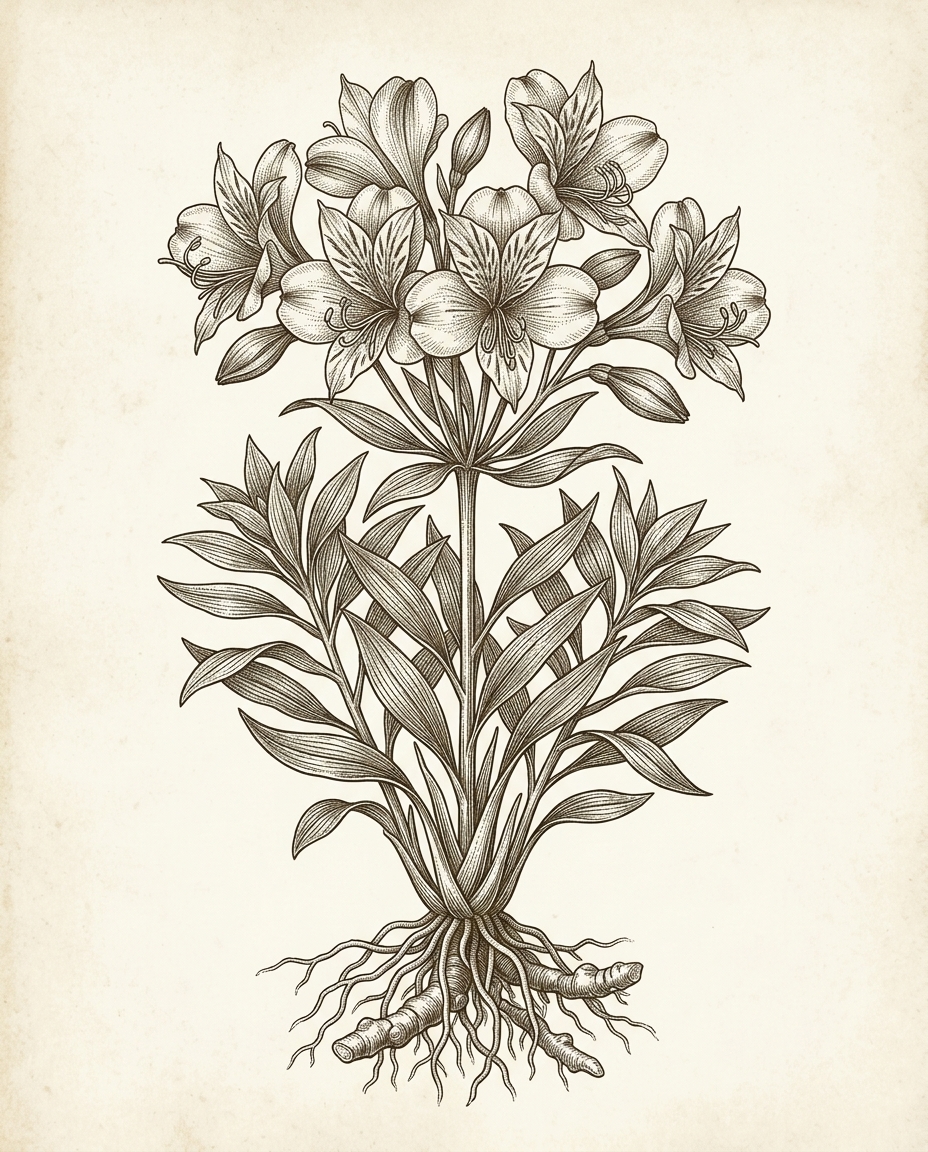
Peruvian Lily
Looks like a miniature lily in a bouquet but is ASPCA non-toxic — only mild stomach upset.
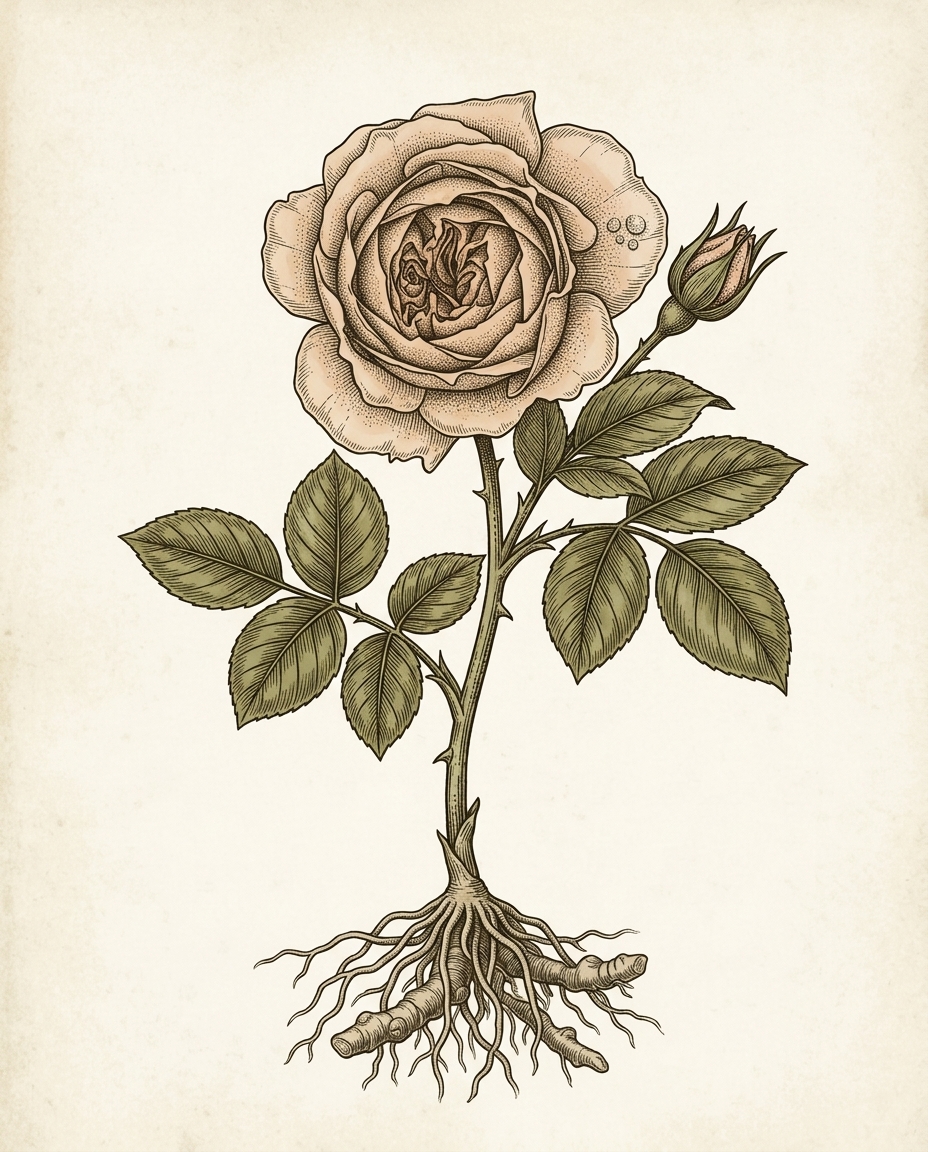
Rose
Classic cut flower for cat homes. Watch the thorns, not the toxicity.
What it does to a cat.
Yes — true lilies are among the most dangerous plants a cat can encounter. The ASPCA lists all Lilium species — Asiatic, Oriental, Tiger, Stargazer, Easter — and daylilies (Hemerocallis) as severely toxic. Ingesting any part, including pollen and the water in the vase, can cause acute kidney failure that is often fatal without rapid treatment.
The toxin is unidentified but the pattern is unmistakable: vomiting within hours, then a quiet phase, then kidney shutdown over the next two to three days. A cat that seems to recover after the initial sickness may already be in renal failure.
Which "lilies" actually kill
Only the true lilies do. Peace lily (Spathiphyllum) and calla lily (Zantedeschia) are not lilies at all — they cause painful mouth irritation from oxalates but rarely threaten the kidneys. Peruvian lily (Alstroemeria), the small lily-like flower in supermarket bouquets, is ASPCA non-toxic. When you cannot tell which is which, assume the deadliest and keep all of them away.
The seasonal trap
Lilies arrive at Easter, in Mother's Day bouquets, and in funeral arrangements — moments when nobody is thinking about the cat. See the Easter lily page for the most common household offender. If you want flowers in a cat home, choose orchids or roses instead, and ask florists to leave every lily out of the arrangement.
If your cat already ate one
This is an emergency. See our step-by-step action plan: My cat ate a lily — what to do. Call ASPCA Animal Poison Control at (888) 426-4435 immediately. Treatment must begin within hours.
What we have actually seen.
Acute kidney failure
The defining danger. Even a trace ingestion can shut down the kidneys within 24–72 hours if untreated.
Early vomiting & lethargy
Often within 2–6 hours. These early signs are the window for treatment — do not wait them out.
Pollen grooming
Yellow pollen brushed onto fur and licked off during grooming delivers enough toxin to be fatal.
Vase water
Water from a lily arrangement concentrates the toxin. A single drink can be lethal.
- ASPCA Animal Poison Control Center. Toxic and Non-Toxic Plants: Lily.Accessed May 2026 · aspca.org
- ASPCA. Which Lilies Are Toxic to Pets?aspca.org/news
- Pet Poison Helpline. Lily Toxicosis in Cats.Clinical brief · 2024 ed.