Calla
Lily.
Zantedeschia aethiopica
Yes — calla lilies are toxic to cats. Despite the name, this is not a true lily and does not cause kidney failure. It carries insoluble calcium oxalate crystals that cause immediate mouth pain and drooling, per the ASPCA.
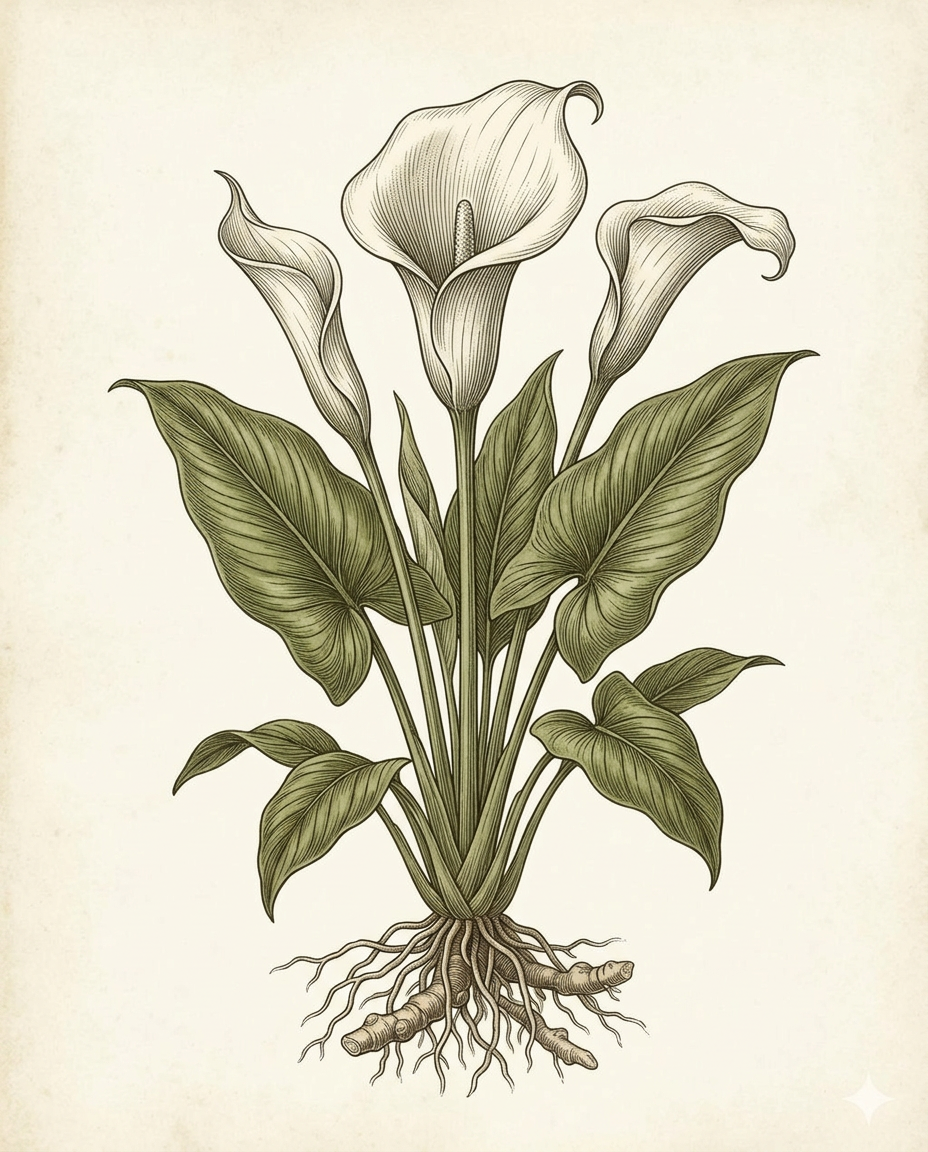
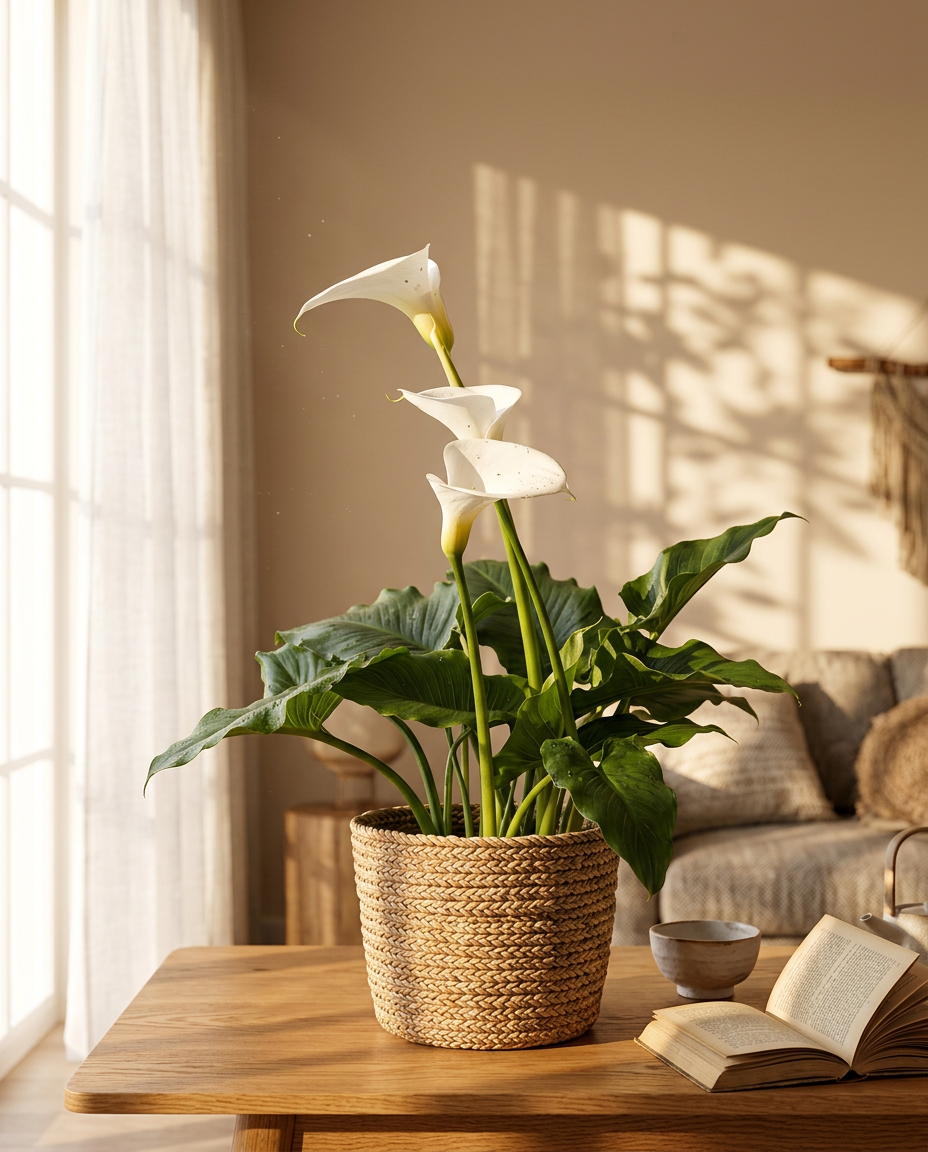
Plate IZantedeschia aethiopica — the calla lily. A member of the arum family, not the lily family; the toxin is oxalate, not renal.
Three plants that look the part, without the risk.
Elegant white blooms without the oxalate sting — all ASPCA non-toxic to cats.
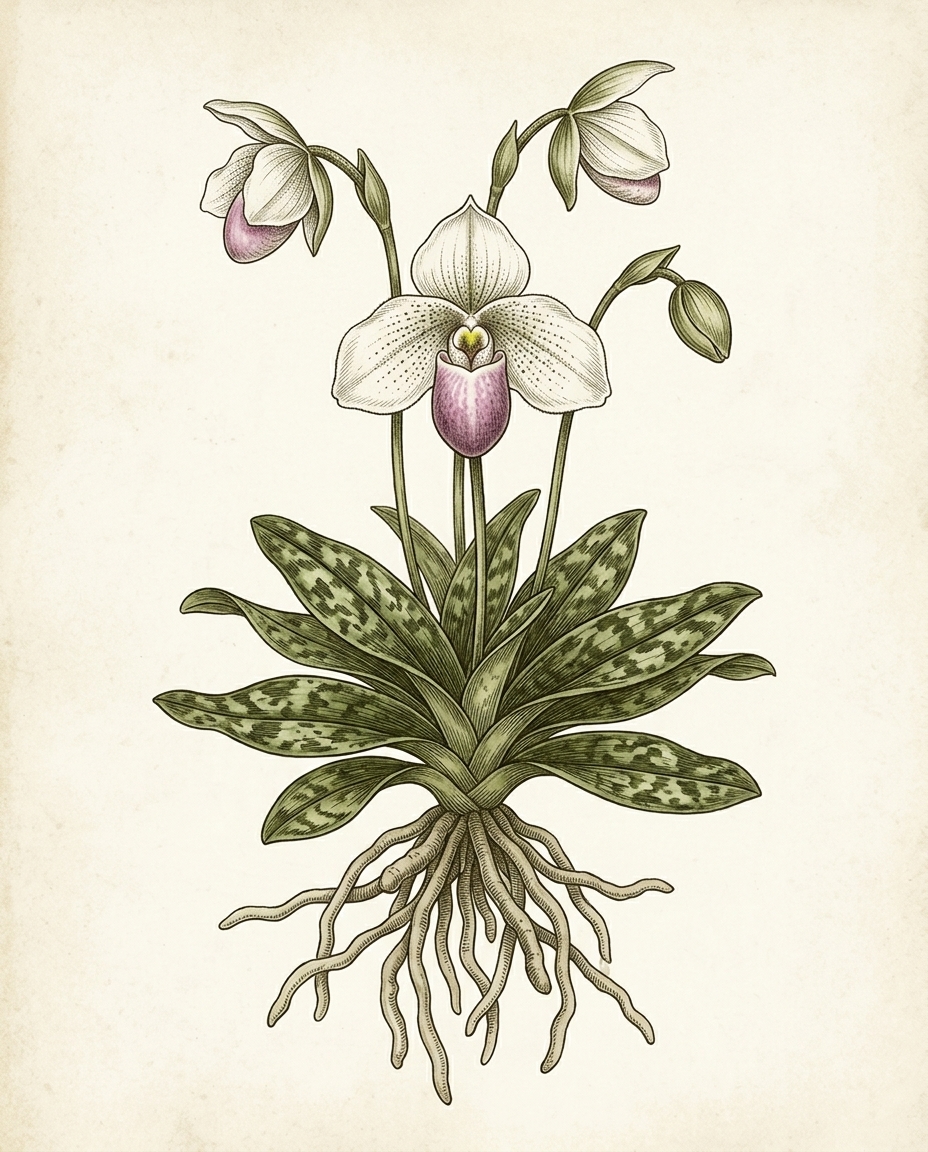
Orchid
The closest substitute for a sculptural white flower on a table. Long-lasting and non-toxic.
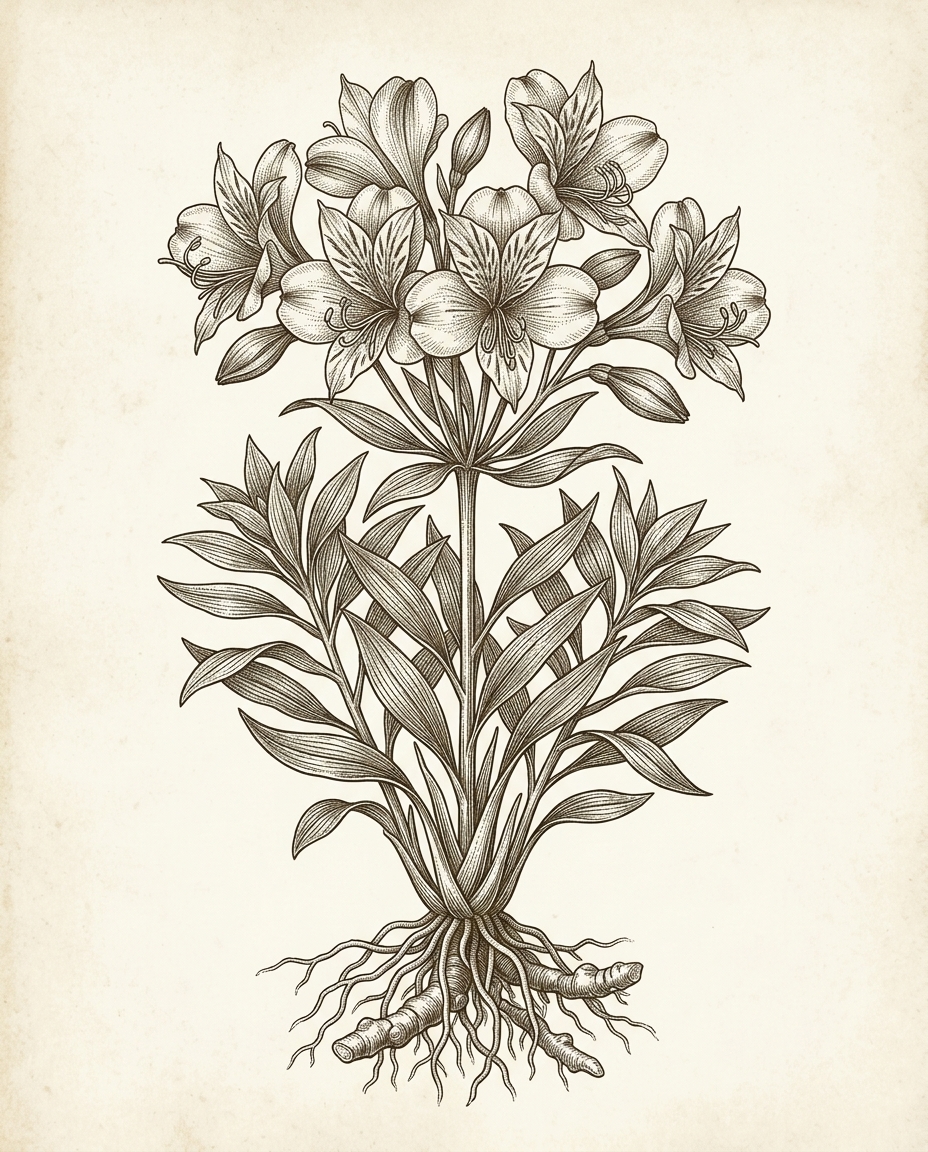
Peruvian Lily
Lily-shaped colour for a vase without the oxalate burn — ASPCA non-toxic.
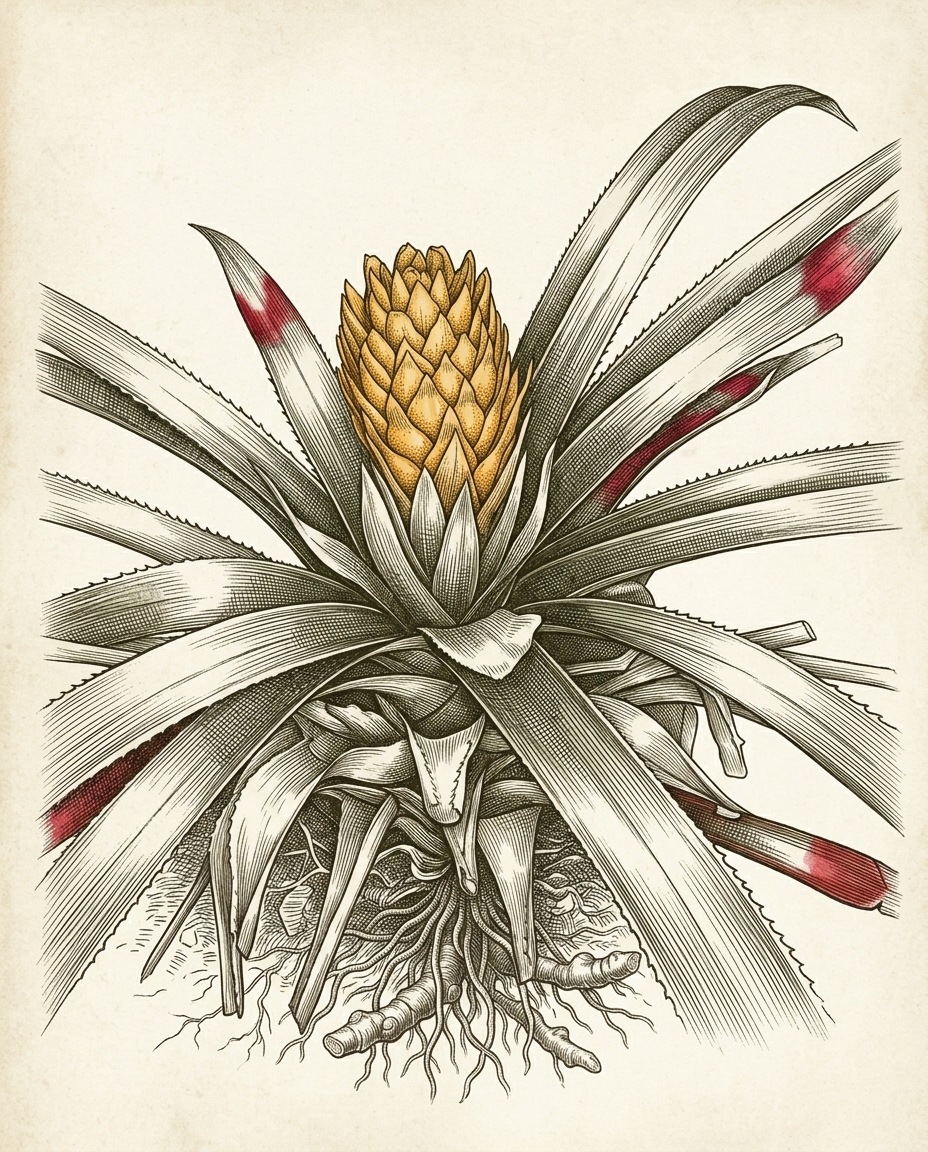
Bromeliad
Bold, architectural colour that lasts for months. Safe for cats.
What it does to a cat.
Yes — calla lilies are toxic to cats, but not in the way the name suggests. The ASPCA lists Zantedeschia aethiopica as toxic. It belongs to the arum family (Araceae), not the lily family, and contains insoluble calcium oxalate crystals that cause immediate burning, drooling, and pain in the mouth on chewing.
This distinction is genuinely life-or-death. True lilies — the Lilium and daylily group — destroy a cat's kidneys. The calla lily does not. Its injury is mechanical and chemical irritation, almost always confined to the mouth and gut, and almost always survivable.
Same mechanism as peace lily
Calla lily shares its toxin with peace lily, anthurium, and pothos — all aroids armed with the same needle-like raphides. Expect drooling and a sore mouth within minutes of a bite. Most cats stop chewing immediately because it hurts; serious airway swelling is rare but warrants an emergency visit.
Safe swaps
For a sculptural white flower without the sting, an orchid is the closest match. Peruvian lily gives lily-shaped colour for a vase and is non-toxic, and a bromeliad holds bold colour for months — all safe per ASPCA.
What we have actually seen.
Oral pain & drooling
Raphide crystals fire into the mouth on chewing. Heavy salivation and pawing at the face within minutes.
Vomiting
Common after oral irritation. Usually self-limiting once the plant is removed.
Swelling & swallowing difficulty
Rare but serious — a swollen tongue or airway needs emergency care.
Loss of appetite
A sore mouth can put a cat off food for a day. Offer soft food and monitor.
- ASPCA Animal Poison Control Center. Toxic and Non-Toxic Plants: Calla Lily.Accessed May 2026 · aspca.org
- Pet Poison Helpline. Insoluble Calcium Oxalate Plants.Reference list · 2024 ed.