Pothos
Epipremnum aureum
Insoluble calcium oxalate crystals in every leaf. One of the most common houseplants and one of the most commonly chewed — immediate oral pain and drooling per the ASPCA.
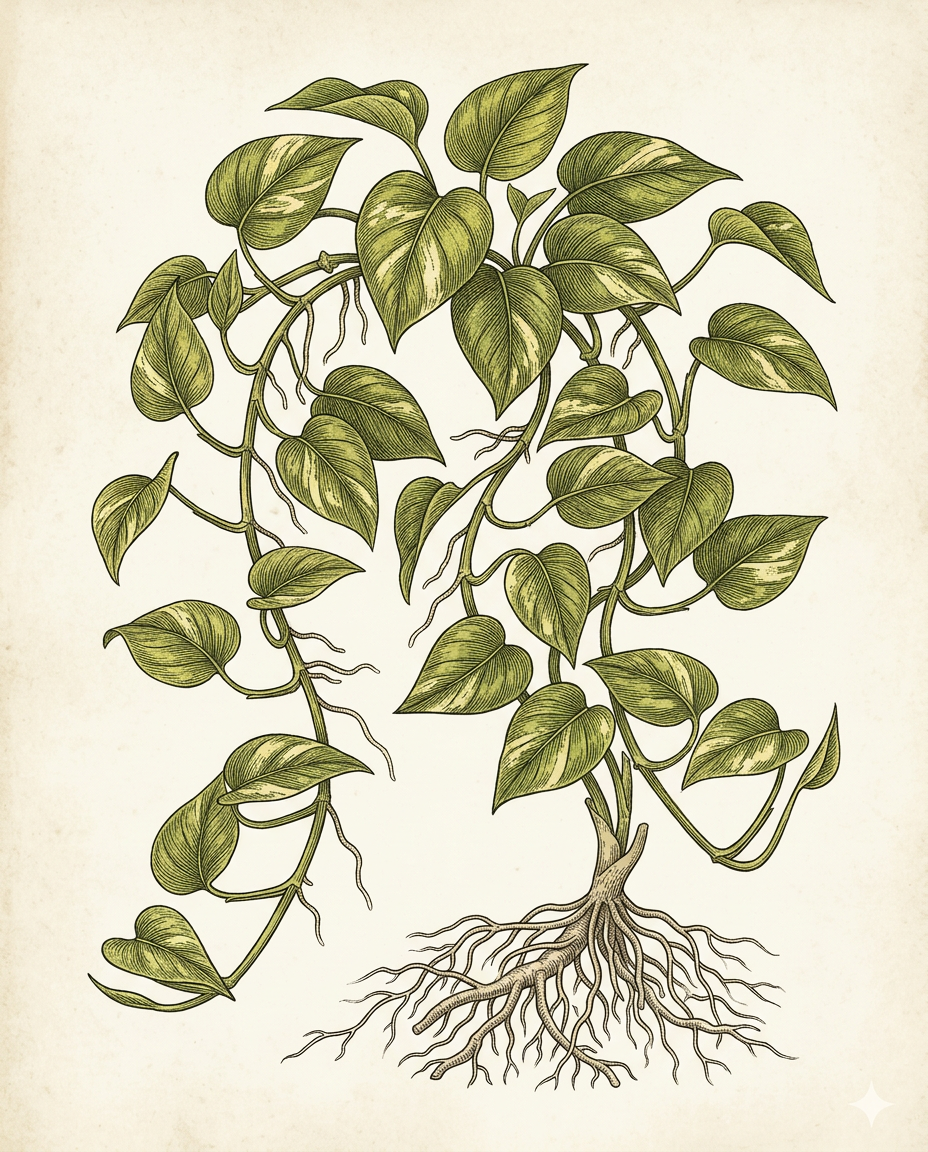
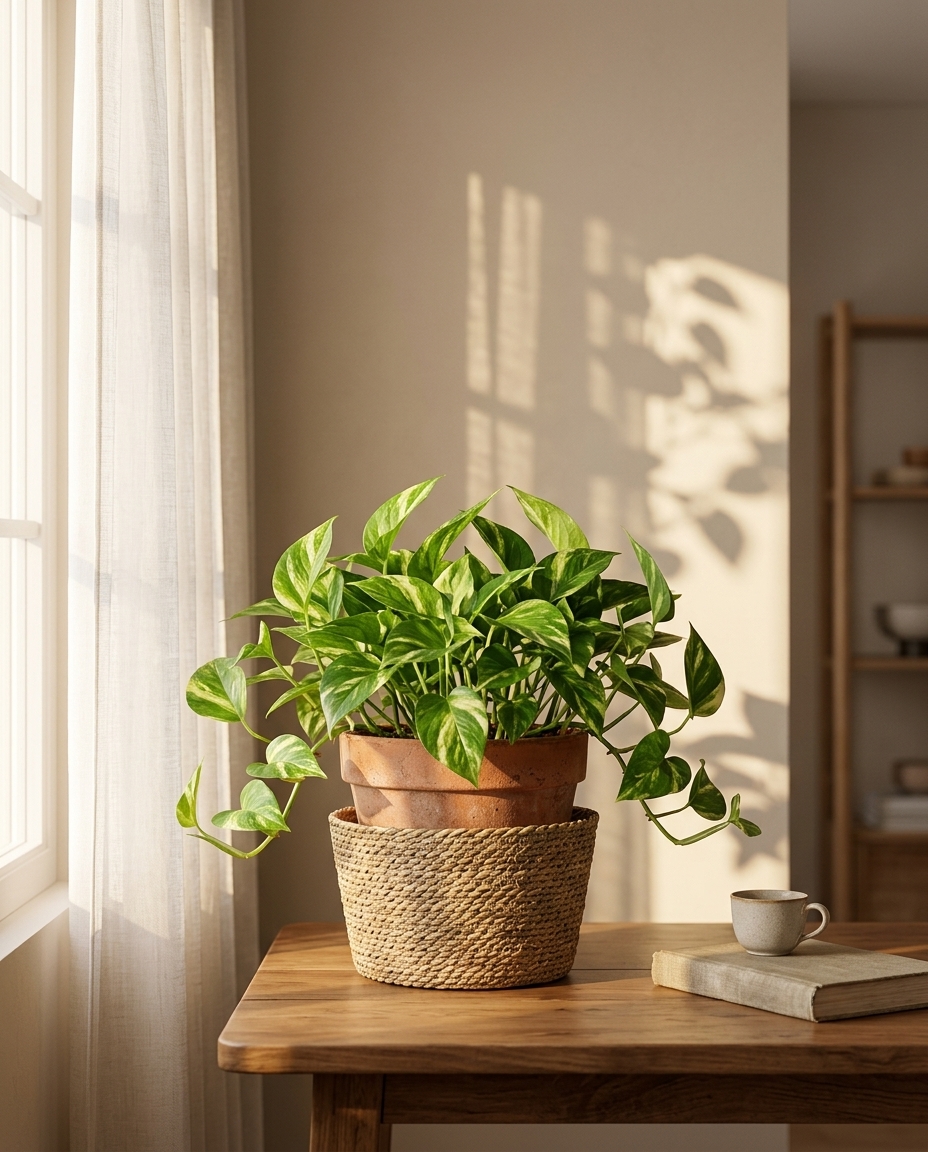
Plate IEpipremnum aureum — golden pothos. Trailing habit puts leaves at paw height on shelves and bookcases.
Three plants that look the part, without the risk.
Trailing vines without oxalates — the best ASPCA non-toxic hanging plants for the same macramé spot.
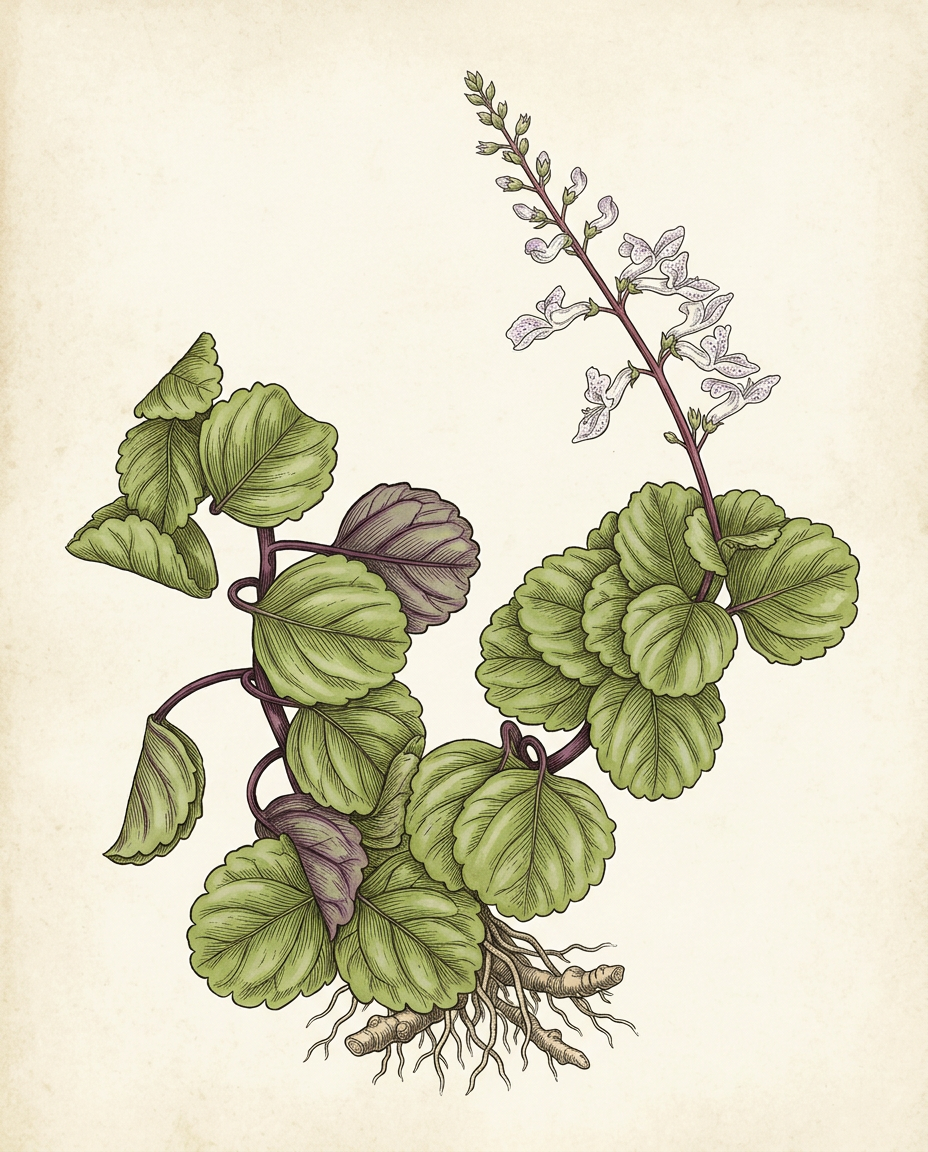
Swedish Ivy
The closest trailing vine match — soft cascading stems without calcium oxalate crystals.
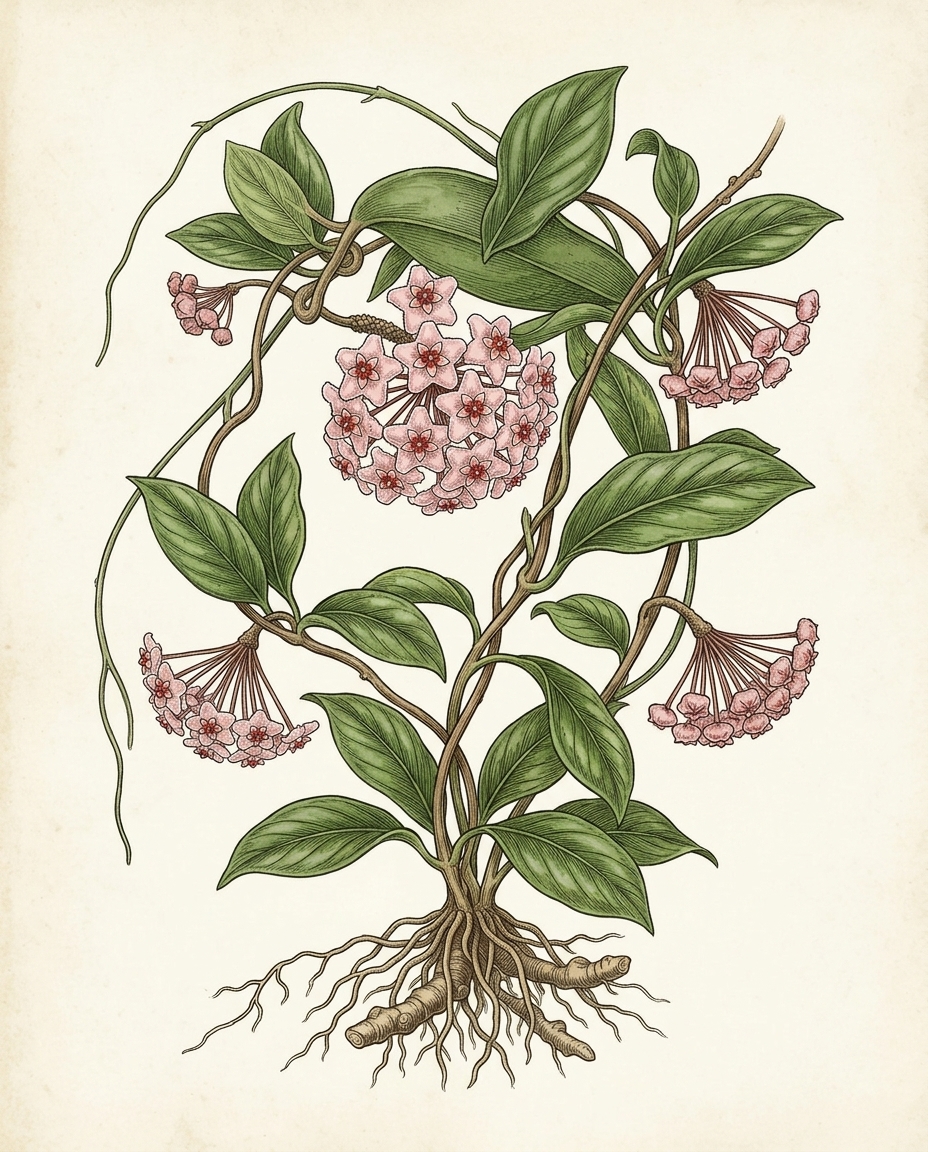
Wax Plant
Thick waxy trailing leaves from the same high shelf. Non-toxic with porcelain flowers.
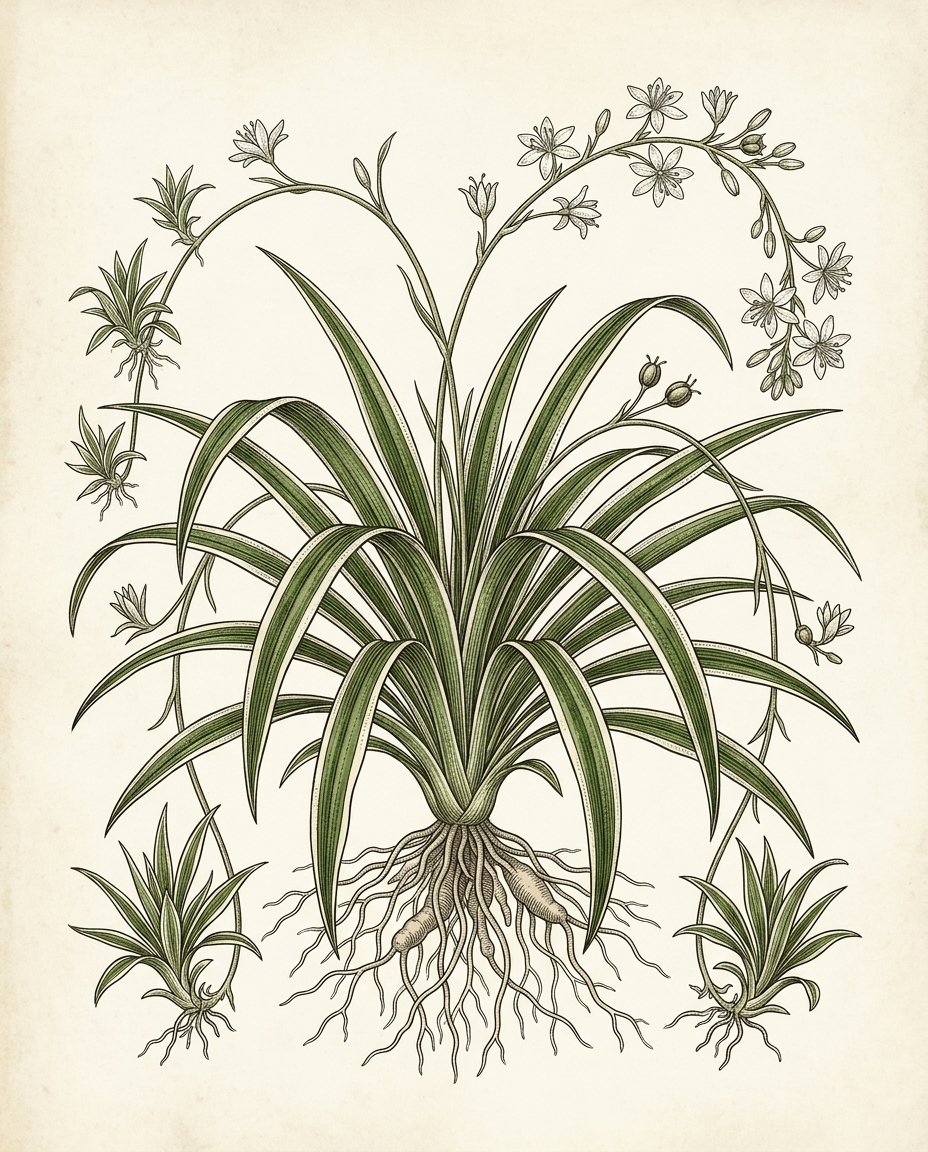
Spider Plant
Arching pups cascade from a hanging pot. Nearly impossible to kill and non-toxic.
What it does to a cat.
Yes — pothos is toxic to cats. The ASPCA lists Epipremnum aureum (golden pothos, devil's ivy) as toxic. All parts contain insoluble calcium oxalate crystals that embed in the mouth and throat on chewing, causing immediate burning pain, drooling, and often vomiting.
Pothos is prized because it tolerates neglect and low light — the same virtues that place it on every bookshelf a cat can reach. Trailing vines hang at nose height. Assume any pothos in a cat home will be investigated eventually.
Same family as peace lily and philodendron
Pothos belongs to Araceae, the arum family. The mechanism matches peace lily and philodendron: mechanical-chemical injury from raphides, not a systemic poison. Most cases resolve within hours, but airway swelling is possible and warrants emergency care.
Safe swaps
Spider plant trails beautifully from a hanger and is non-toxic. Boston fern fills the same soft-green niche in bathrooms. For a succulent look without risk, see Christmas cactus — also safe per ASPCA.
What we have actually seen.
Oral pain & drooling
Raphides fire into mouth tissue on chewing. Heavy salivation and pawing at the face within minutes.
Vomiting
Often follows oral irritation. Usually self-limiting unless large amounts were swallowed.
Swelling & swallowing difficulty
Rare but serious. Swollen tongue or laboured breathing needs emergency care.
Repeated exposure
Some cats return to chewed plants once pain subsides. Remove or replace the plant entirely.
- ASPCA Animal Poison Control Center. Toxic and Non-Toxic Plants: Golden Pothos.Accessed May 2026 · aspca.org