Wax
Plant.
Hoya carnosa
Trailing waxy leaves and porcelain flowers — without pothos oxalates or philodendron raphides. The ASPCA lists wax plant (Hoya) as non-toxic to cats.
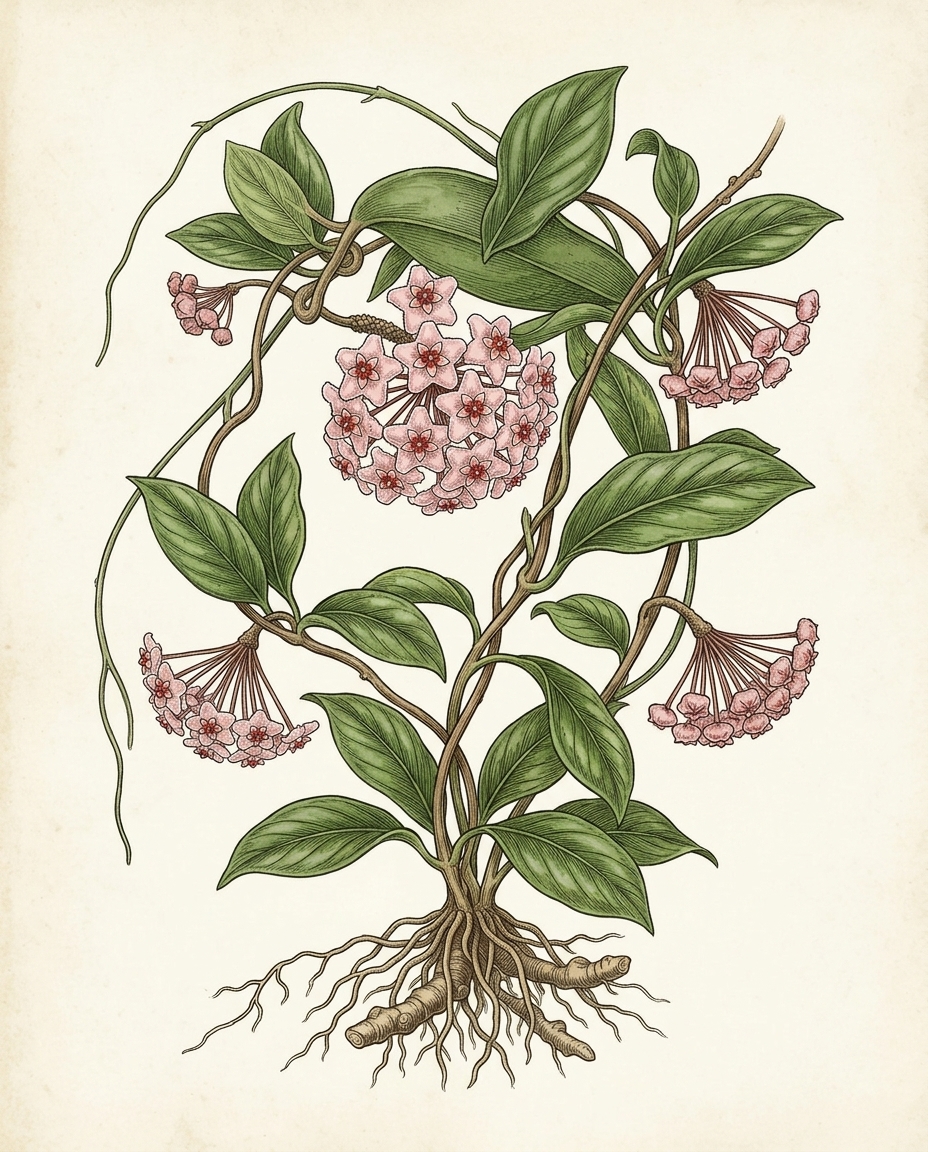
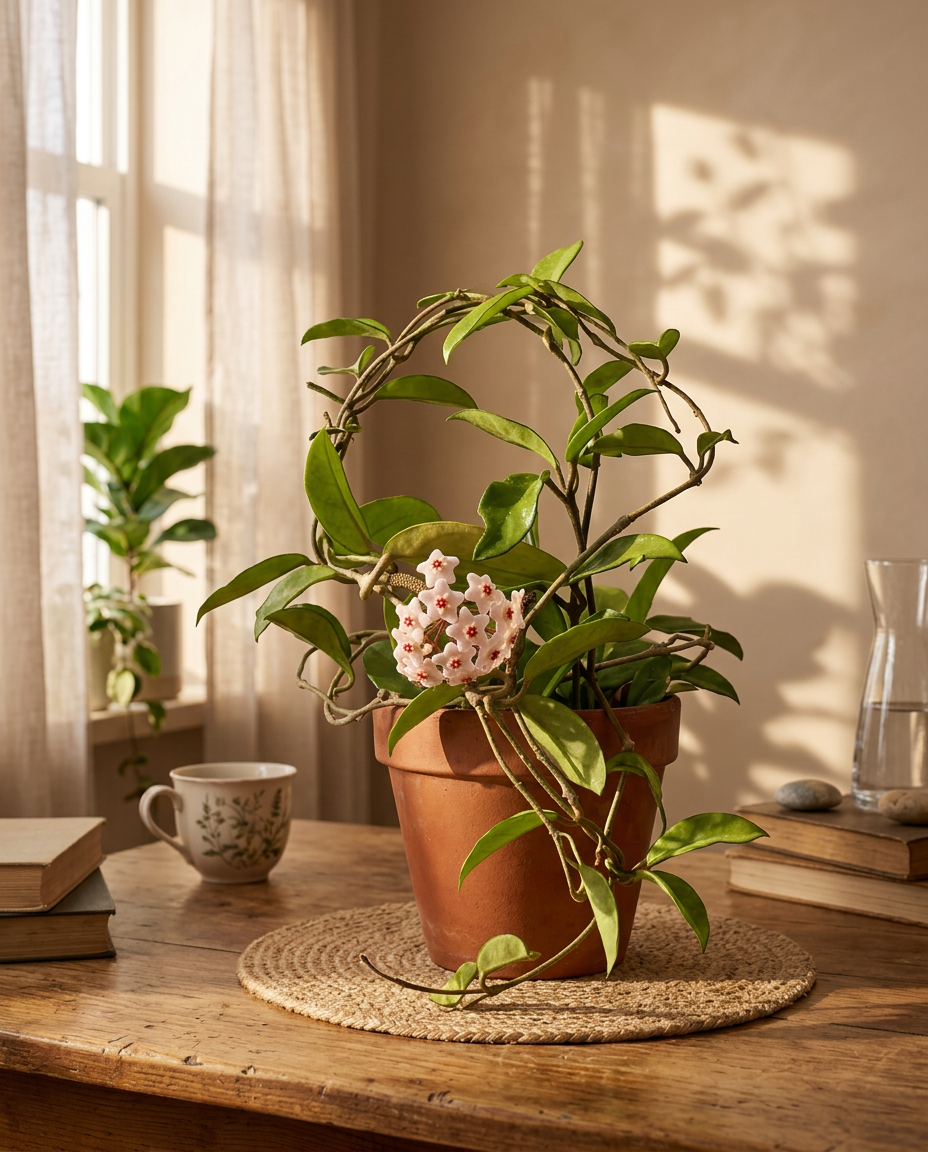
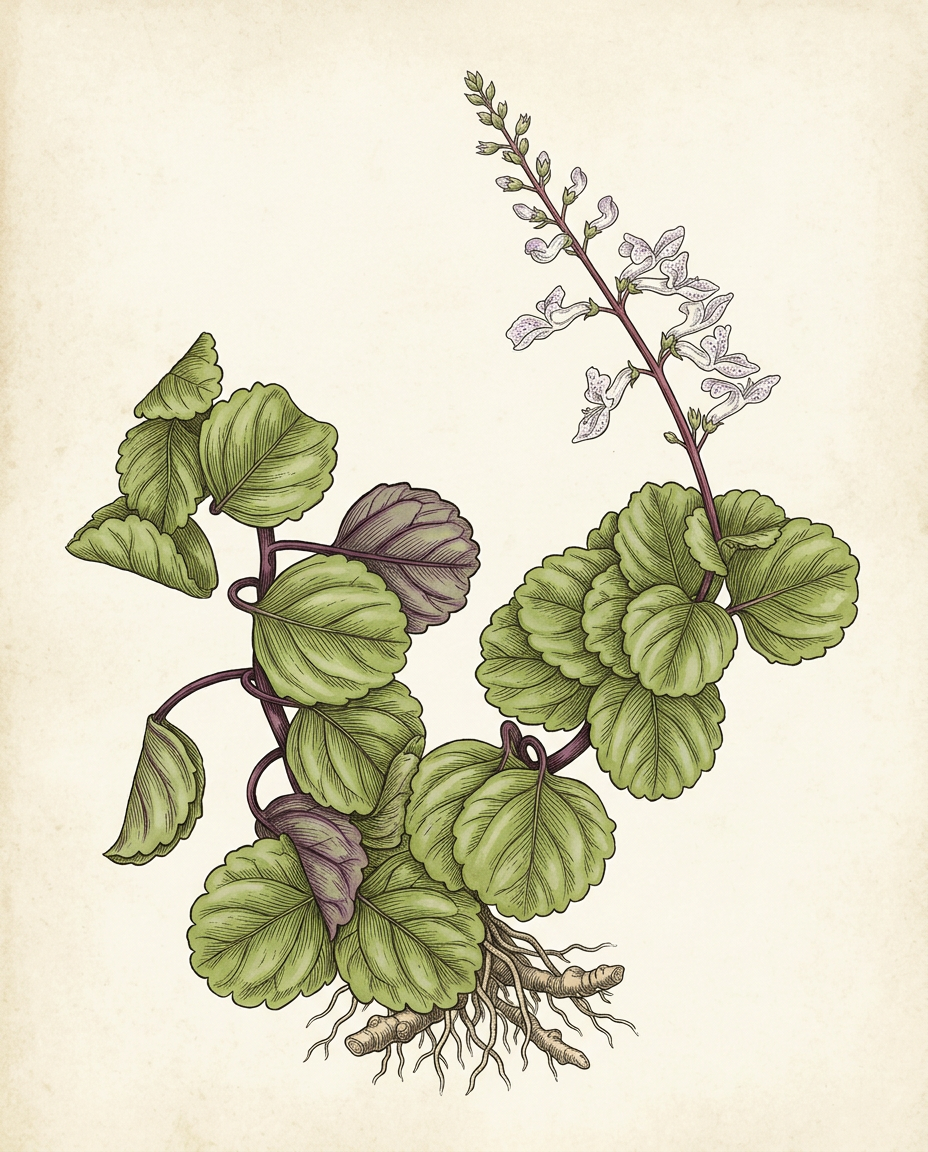
Plate IHoya carnosa — thick waxy foliage on trailing stems. The ASPCA wax plant entry covers Hoya species sold as Hindu rope plant.
What happens if your cat eats it.
Yes — wax plant (Hoya) is safe for cats. The ASPCA lists Hoya carnosa as non-toxic. Thick waxy leaves trail from shelves and hanging pots like pothos — without raphides or oral pain.
Pothos and philodendron are among the most chewed toxic vines in cat households. Hoya is the ASPCA-backed substitute for the same high shelf or macramé hanger.
Trailing without oxalates
Insoluble calcium oxalate crystals in pothos cause immediate drooling and pawing at the mouth. Hoya's thick leaves store water and lack those crystals. Cats may still investigate — the outcome is uneventful.
Blooms as a bonus
Mature Hoyas produce fragrant porcelain flowers — star-shaped clusters unlike lily blooms and without renal toxin. Keep stems elevated so buds survive curious batting.
Pair with Swedish ivy
Swedish ivy offers softer trailing texture alongside Hoya's waxy leaves. Both are non-toxic and cover the spots where golden pothos once hung.
What we have actually seen.
Trailing habit
Cascades from shelves and hanging pots like pothos — without calcium oxalate crystals.
Thick leaves
Succulent-like foliage deters some chewers. Non-toxic if nibbled.
Porcelain flowers
Fragrant star-shaped blooms are not lily-toxic. Discourage chewing to preserve flowers.
Sap confusion
Hoya is non-toxic despite milky sap in some Apocynaceae. Do not confuse with toxic euphorbias.
Four common varieties.
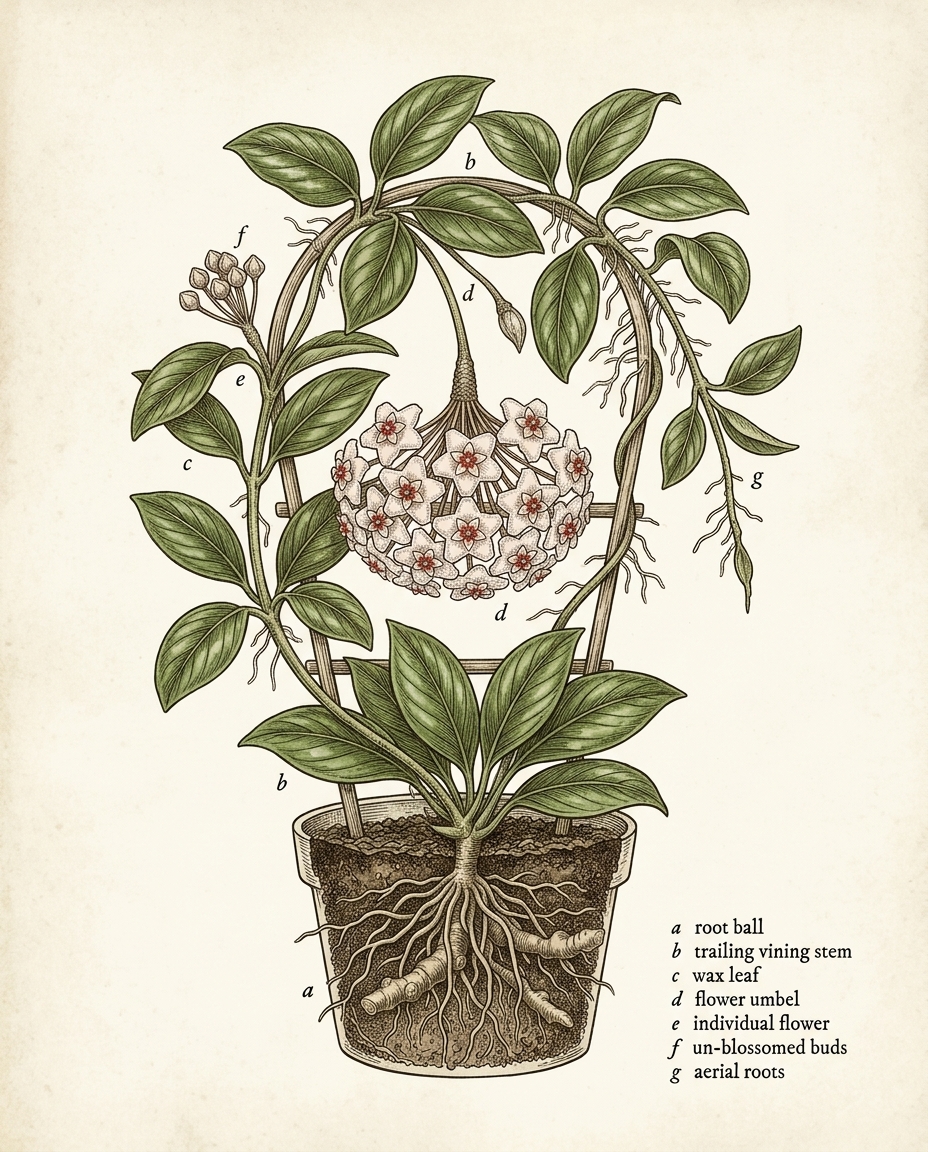
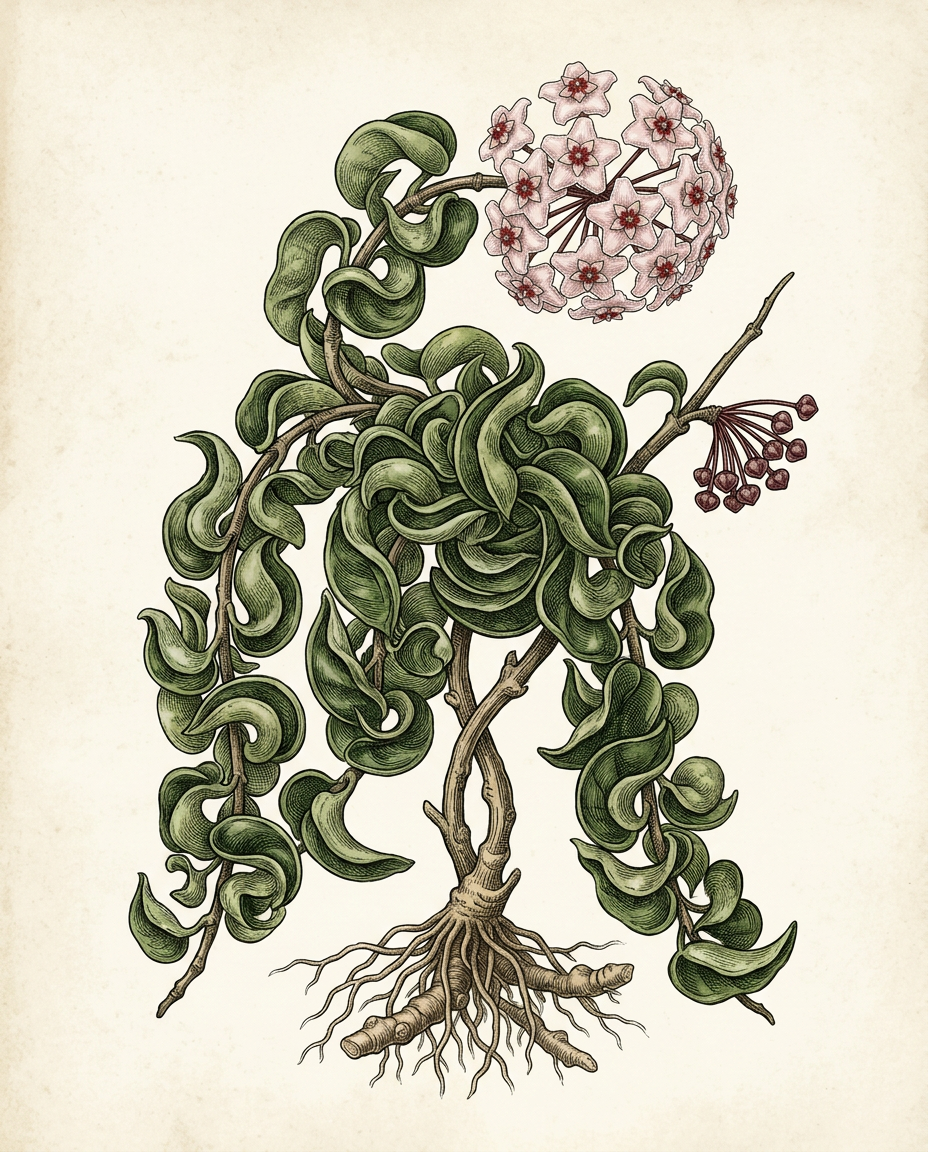
Compacta (Hindu rope)
Twisted, curled leaves on compact stems. ASPCA lists this form under wax plant.
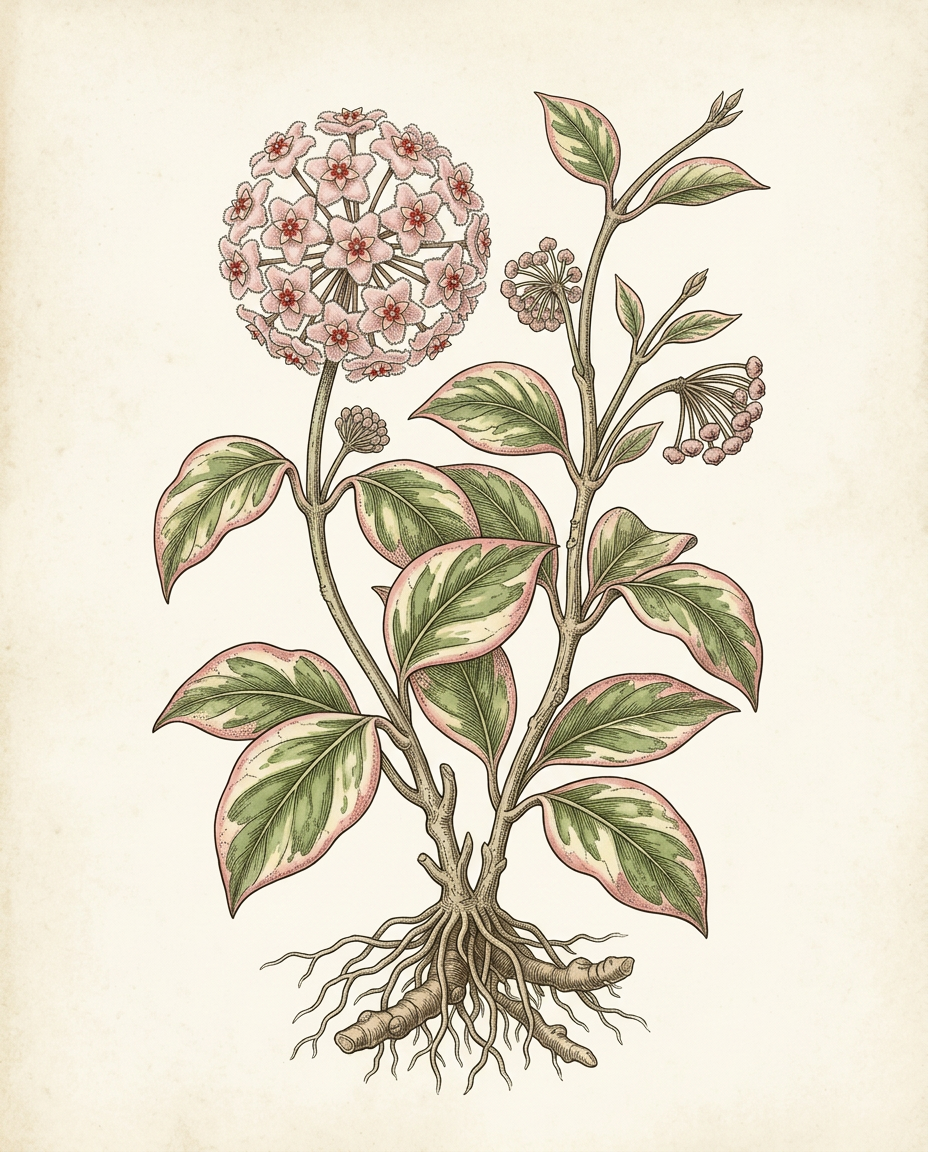
Tricolor (variegated)
Pink, cream, and green leaf margins. Needs slightly more light than green forms.
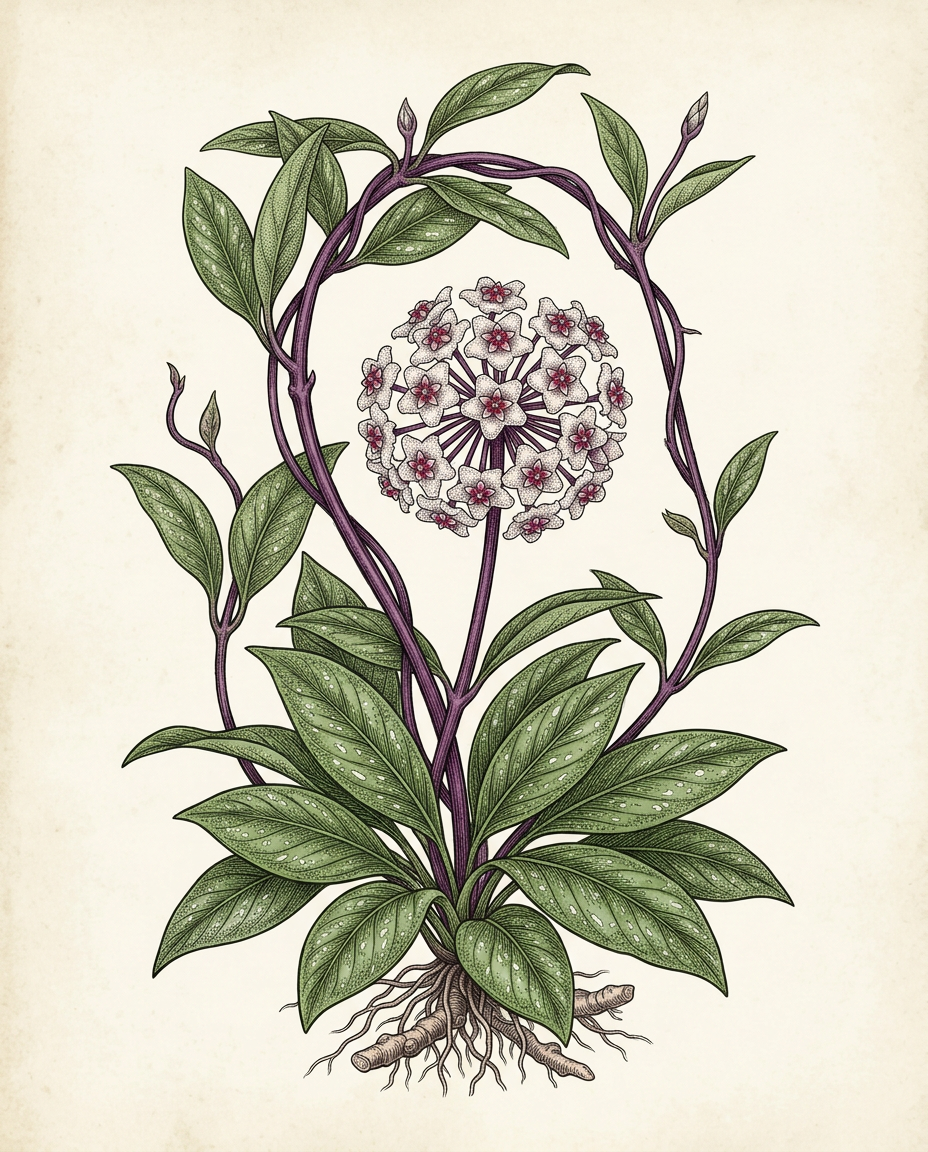
Pubicalyx (purple stems)
Dark foliage with silvery speckles. Related Hoya species, also non-toxic per ASPCA Hoya guidance.
Keeping the plant alive.
Bright, indirect
More light encourages blooming. Some morning sun is fine; scorching midday sun is not.
When dry
Thick leaves store water — let soil dry between waterings. Overwatering causes rot.
Well-draining mix
Orchid bark blend or cactus mix with houseplant soil. Hoyas like airy roots.
Hanging or high shelf
Trailing stems suit the same spots as pothos — elevated, out of casual paw reach.
- ASPCA Animal Poison Control Center. Toxic and Non-Toxic Plants: Wax Plant.Accessed May 2026 · aspca.org
If you liked this, also safe.