Swedish
Ivy.
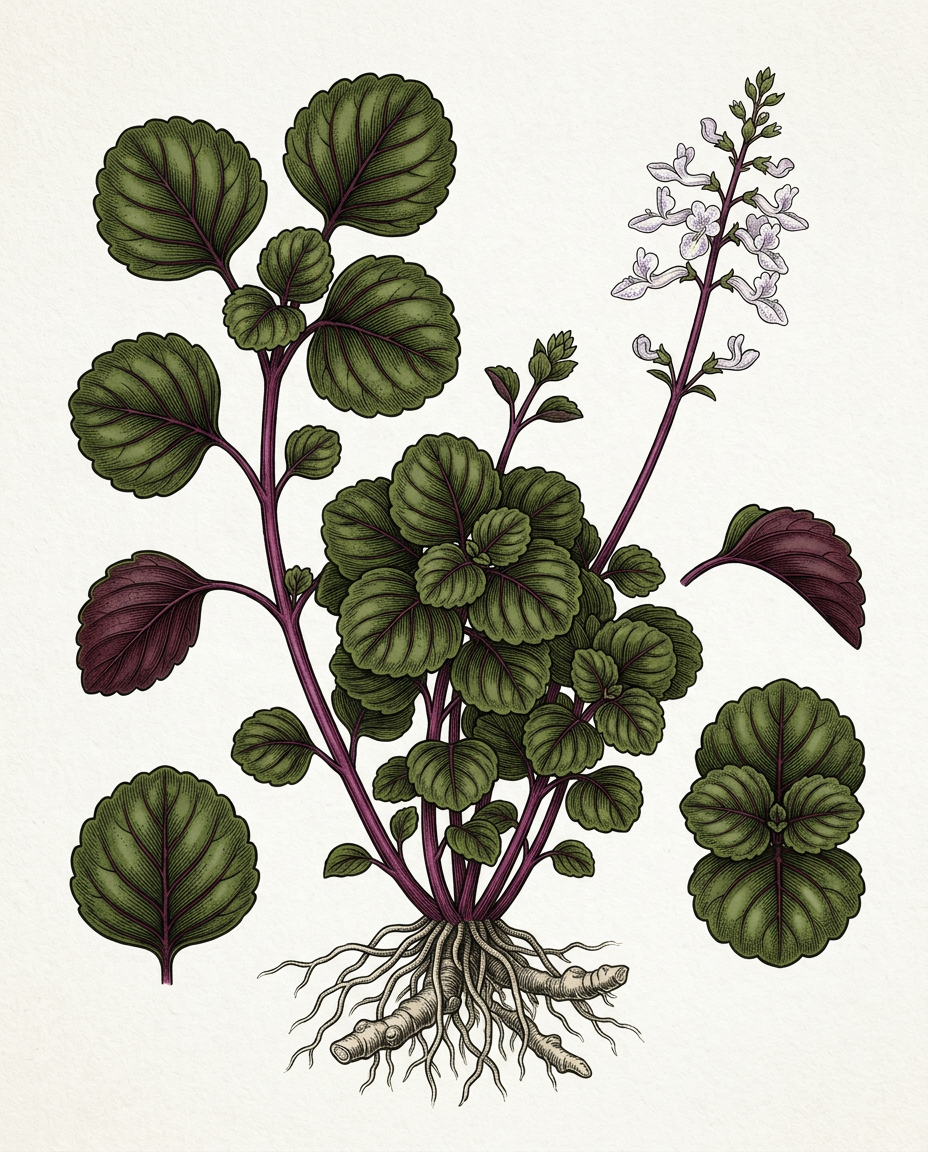
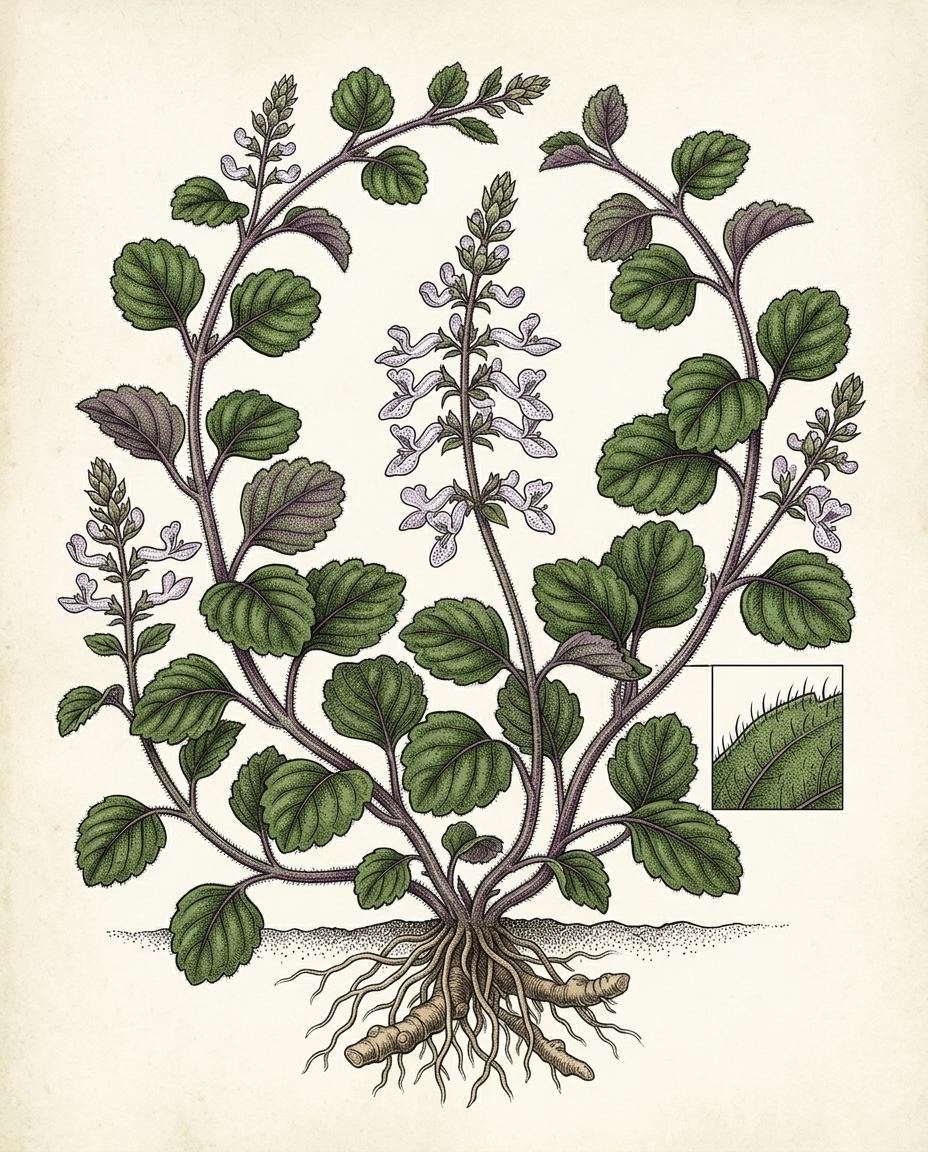
Plectranthus verticillatus
Soft trailing stems with rounded leaves — the ASPCA lists Swedish ivy as non-toxic to cats. The closest safe hanging vine to pothos.
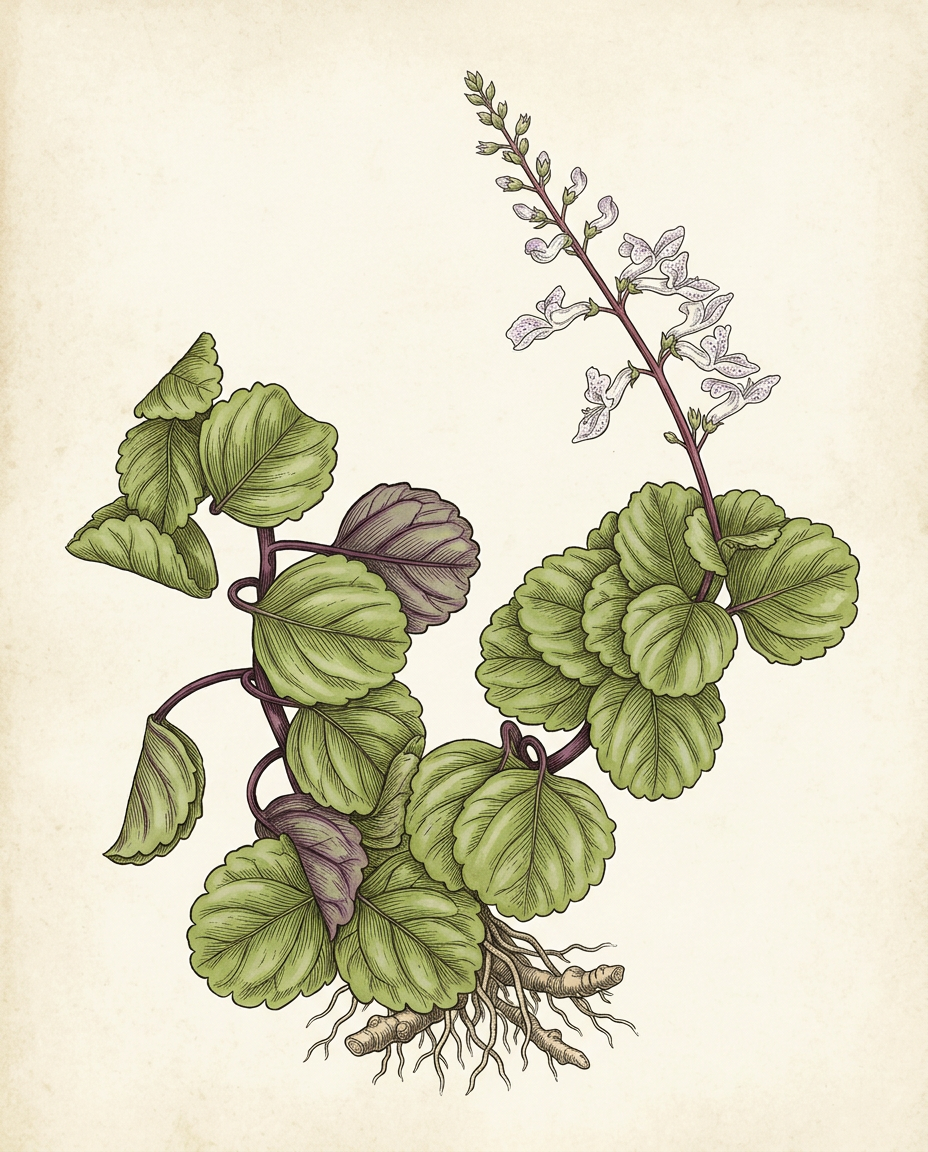
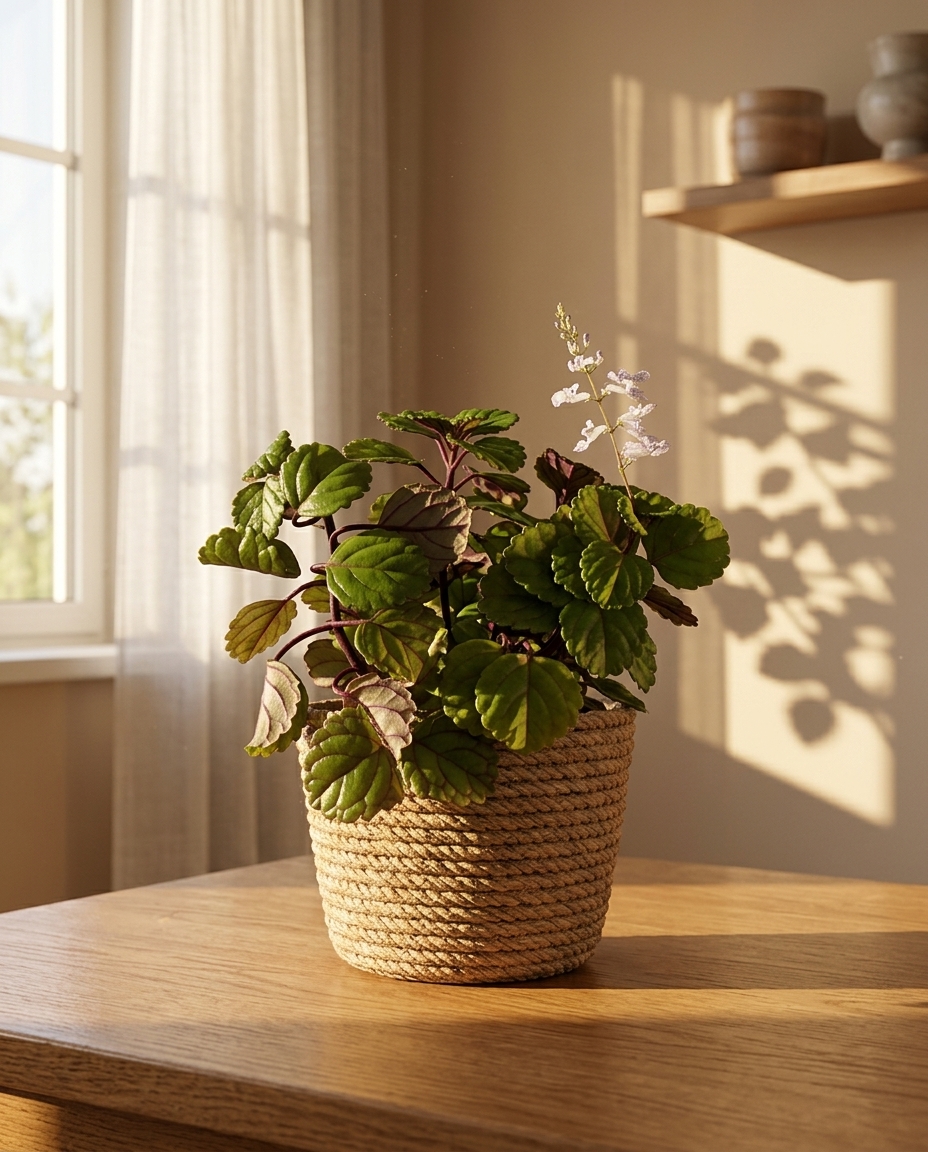
Plate IPlectranthus verticillatus — often sold as creeping Charlie or Swedish ivy. Not a true ivy; ASPCA non-toxic.
What happens if your cat eats it.
Yes — Swedish ivy is safe for cats. The ASPCA lists Plectranthus (Swedish ivy / creeping Charlie) as non-toxic. Soft trailing stems fill hanging baskets and high shelves like pothos — without insoluble oxalate crystals.
Despite the name, this is not English ivy (Hedera), which is toxic. Swedish ivy is a South African Plectranthus with rounded leaves and purple-tinged stems.
The pothos swap
Pothos is the default trailing houseplant — and one of the most chewed toxic plants in cat households. Oral pain and heavy drooling follow within minutes of chewing. Swedish ivy occupies the same macramé hanger safely.
Pair with wax plant
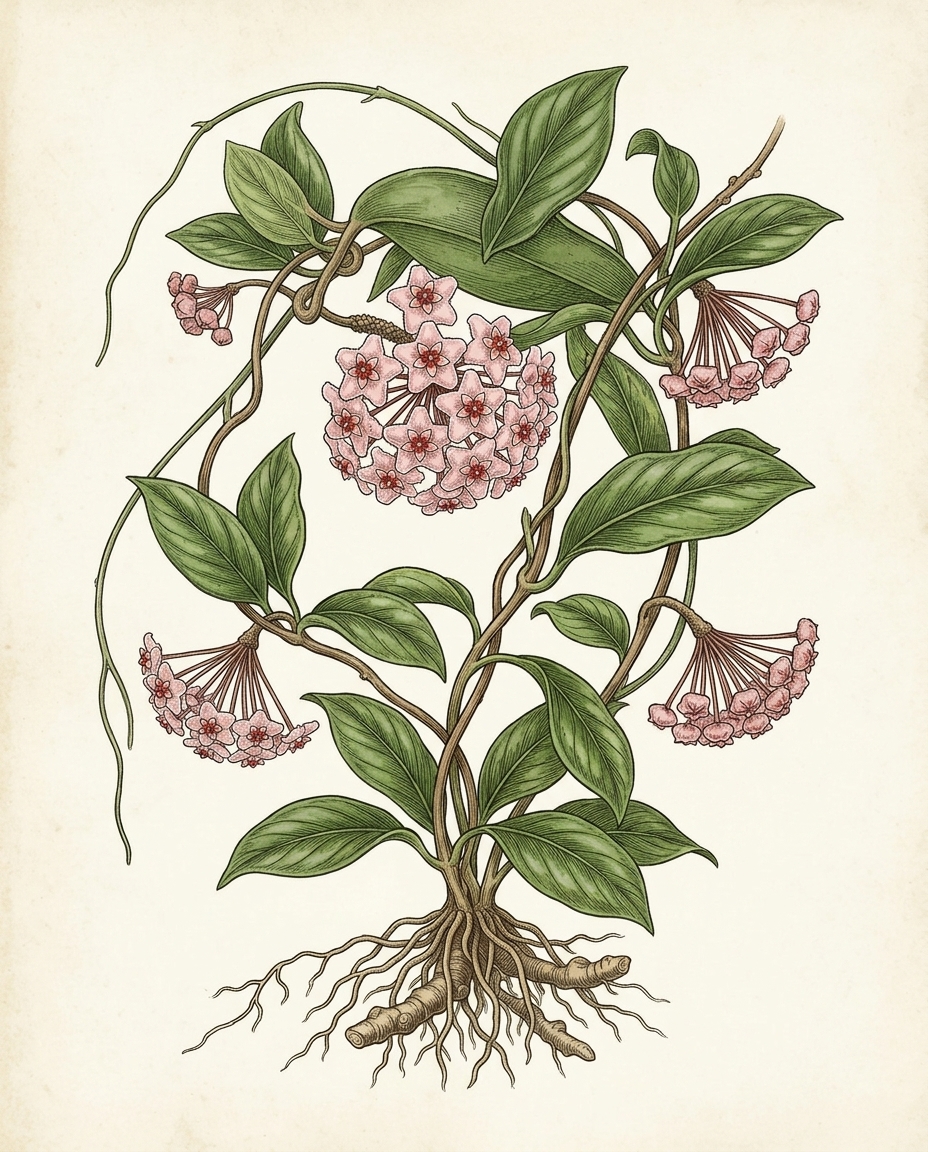
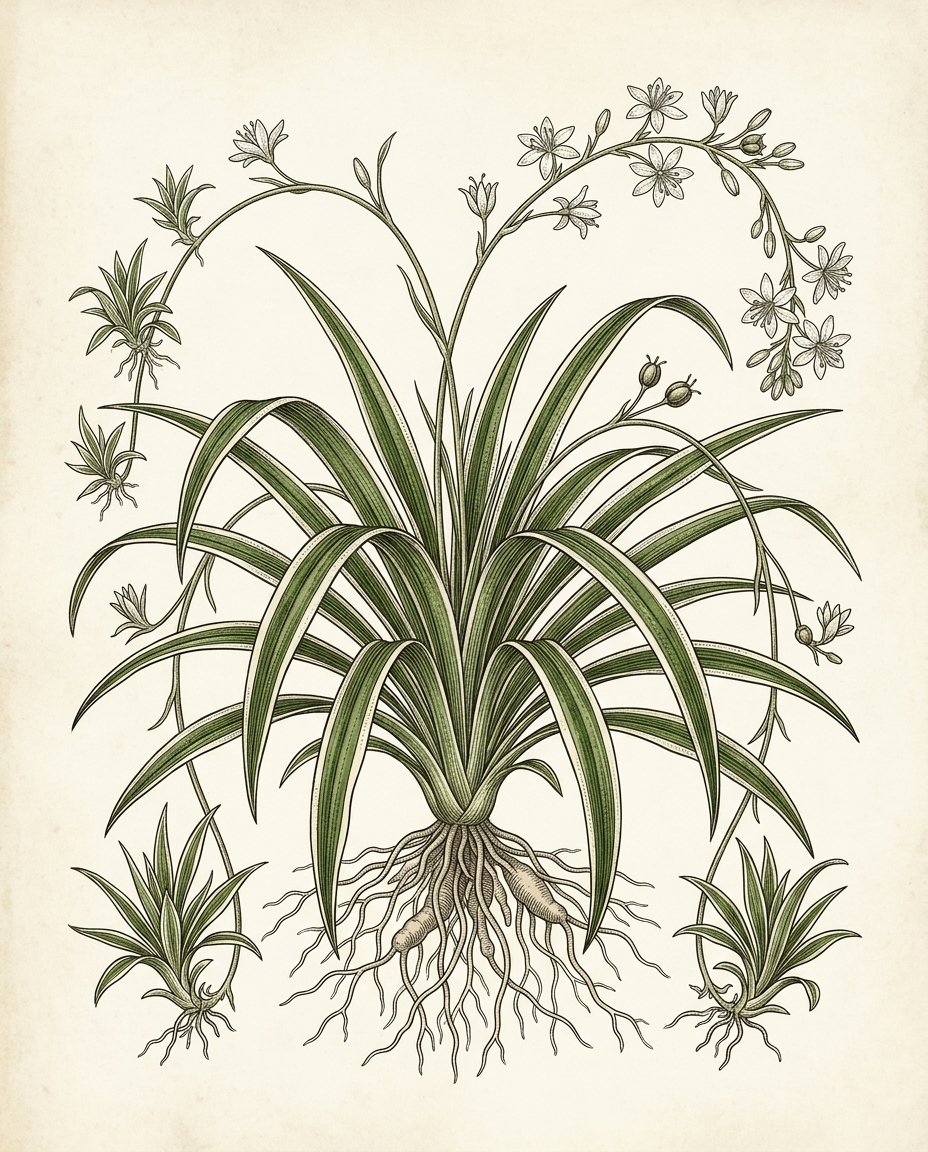
Wax plant (Hoya) offers thicker, waxy trailing leaves on the adjacent shelf. Spider plant adds arching pups from a higher pot. All three are ASPCA non-toxic and replace philodendron on the same wall.
Pinch and propagate
Swedish ivy roots easily in water. If a cat damages trailing stems, cuttings recover quickly — a practical advantage over replacing a chewed pothos that was never safe to begin with.
What we have actually seen.
Hanging-basket habit
Cascades from macramé hangers like pothos — without calcium oxalate crystals.
Soft leaf texture
Rounded leaves attract chewers. Non-toxic — mechanical upset only with large mouthfuls.
True ivy confusion
English ivy (Hedera) is toxic. Swedish ivy is Plectranthus — a different plant entirely.
Soil ingestion
Fertiliser in potting mix can upset stomachs unrelated to the plant itself.
Four common varieties.
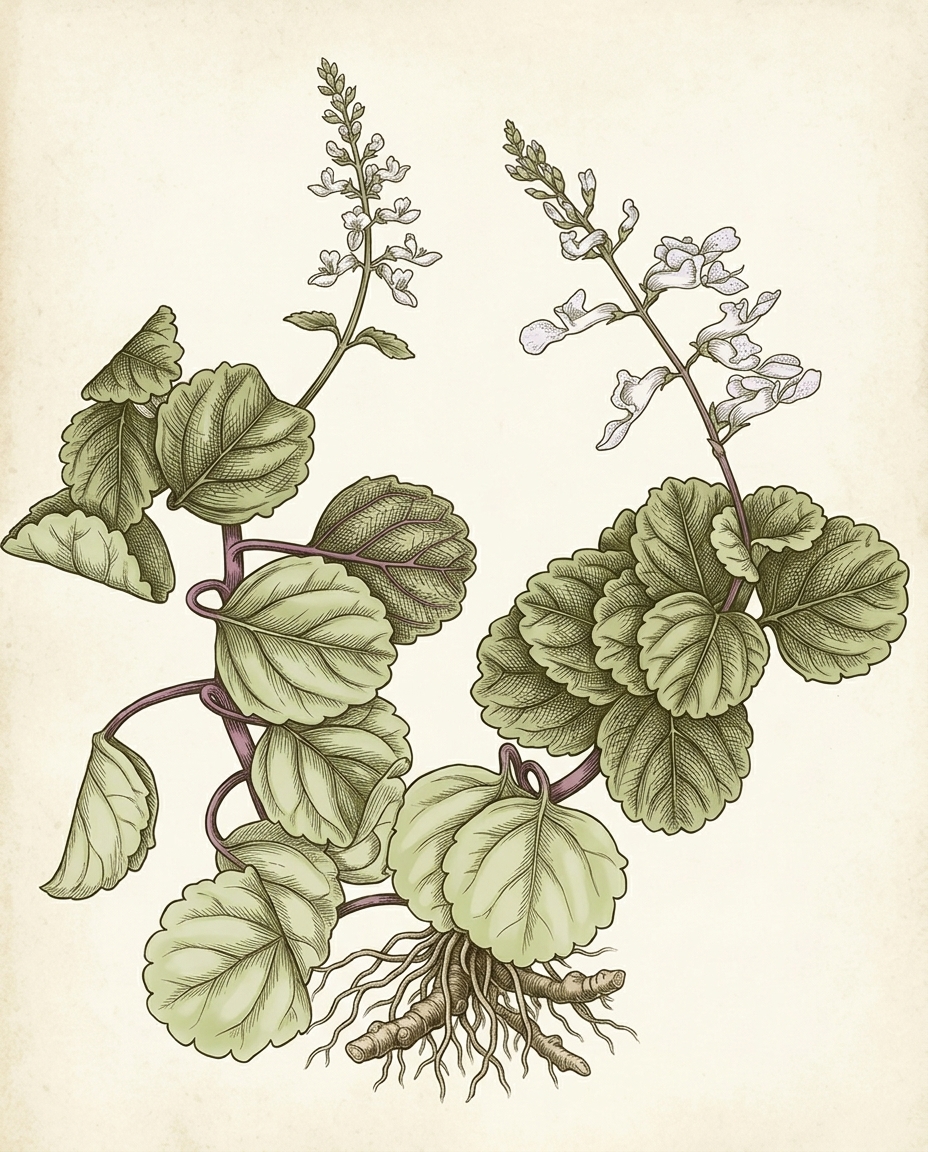
Verticillatus (classic green)
Rounded green leaves on purple-tinged stems — the standard Swedish ivy.
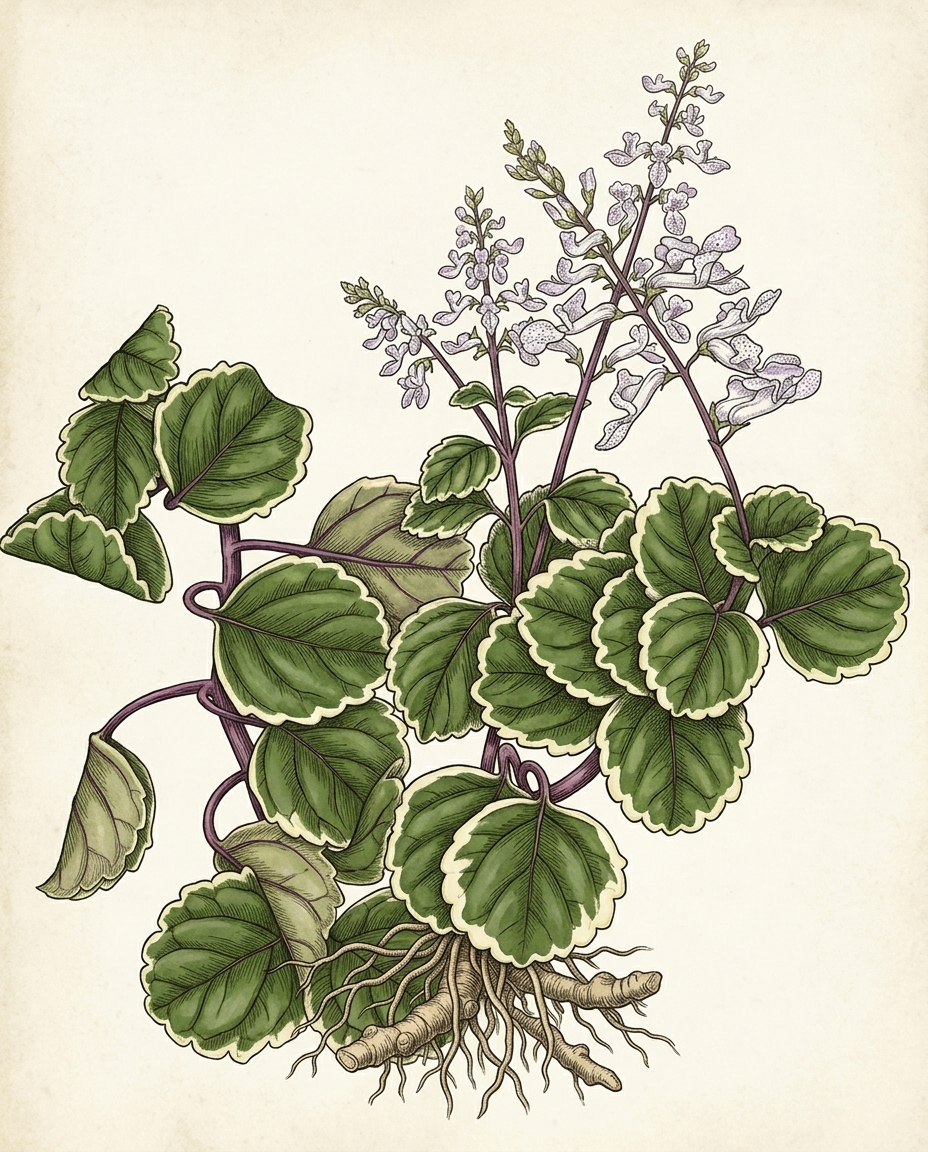
Variegata (cream edges)
White-margined leaves. Slightly less vigorous than the green form.
Nummularius (coin leaf)
Smaller rounded leaves, tighter trailing habit. Also sold as creeping Charlie.
Keeping the plant alive.
Bright, indirect
Tolerates medium light. Direct hot sun scorches soft leaves.
When top dries
Keep lightly moist in summer. Wilts dramatically when dry — recovers quickly after watering.
Standard potting mix
Well-draining houseplant blend. Pinch tips to encourage bushier trailing stems.
Hanging basket
The classic pothos spot — high and trailing. Safe for cats who bat at dangling stems.
- ASPCA Animal Poison Control Center. Toxic and Non-Toxic Plants: Swedish Ivy.Accessed May 2026 · aspca.org
If you liked this, also safe.