Philodendron
Philodendron hederaceum
Heart-shaped leaves studded with calcium oxalate crystals. Chewing causes immediate oral pain — the ASPCA lists all common philodendrons as toxic to cats.
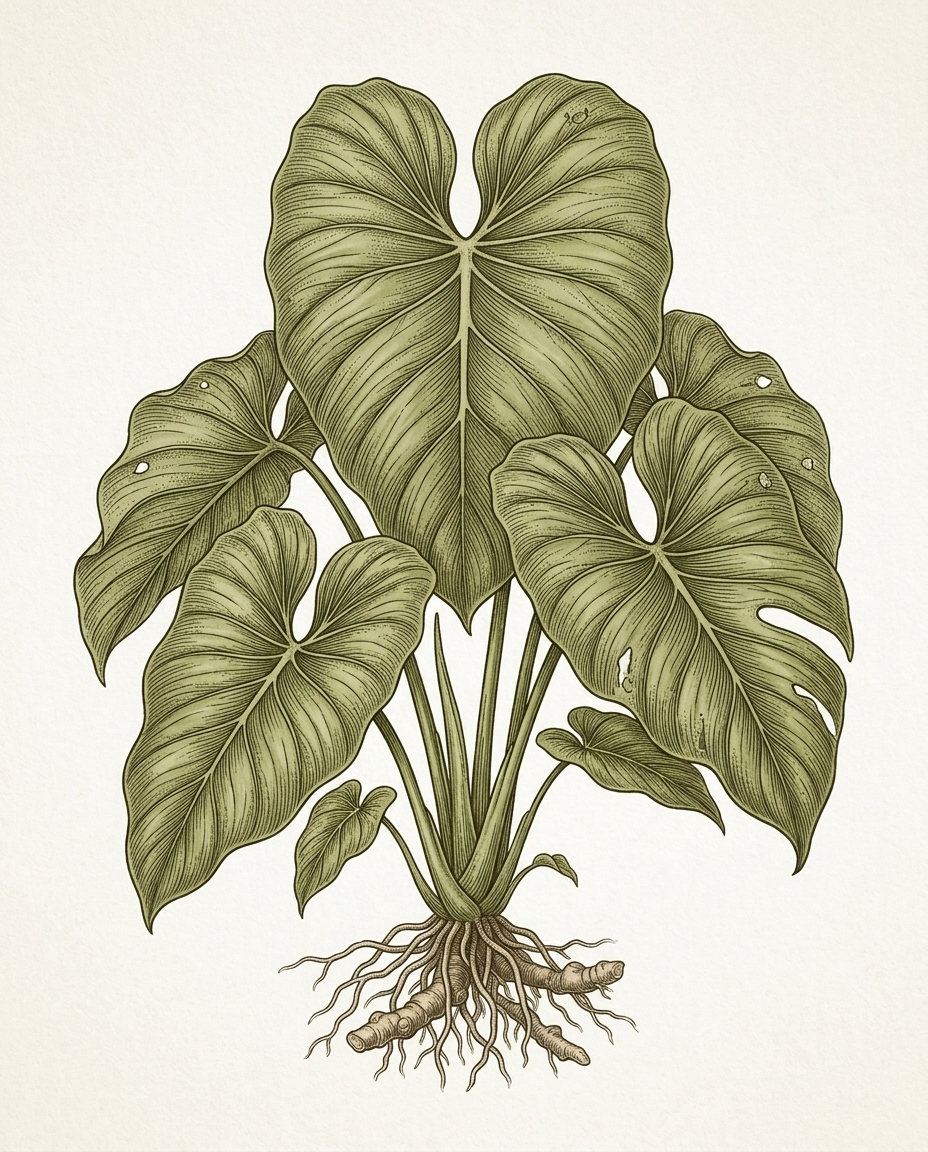
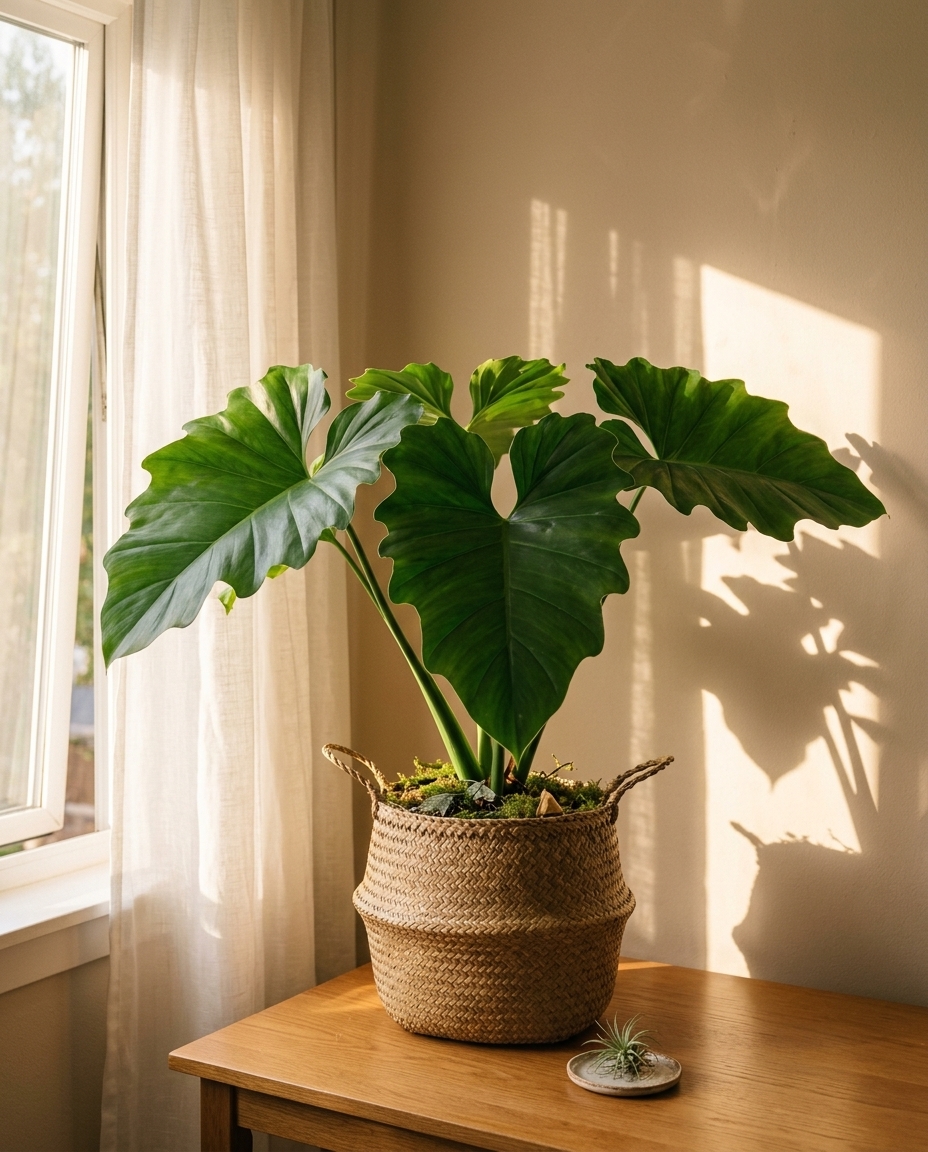
Plate IPhilodendron hederaceum — heartleaf philodendron. The genus includes dozens of cultivars; all should be treated as toxic until verified.
Three plants that look the part, without the risk.
Similar lush tropical leaves without raphides — shelf and trailing swaps that match philodendron's habit safely.
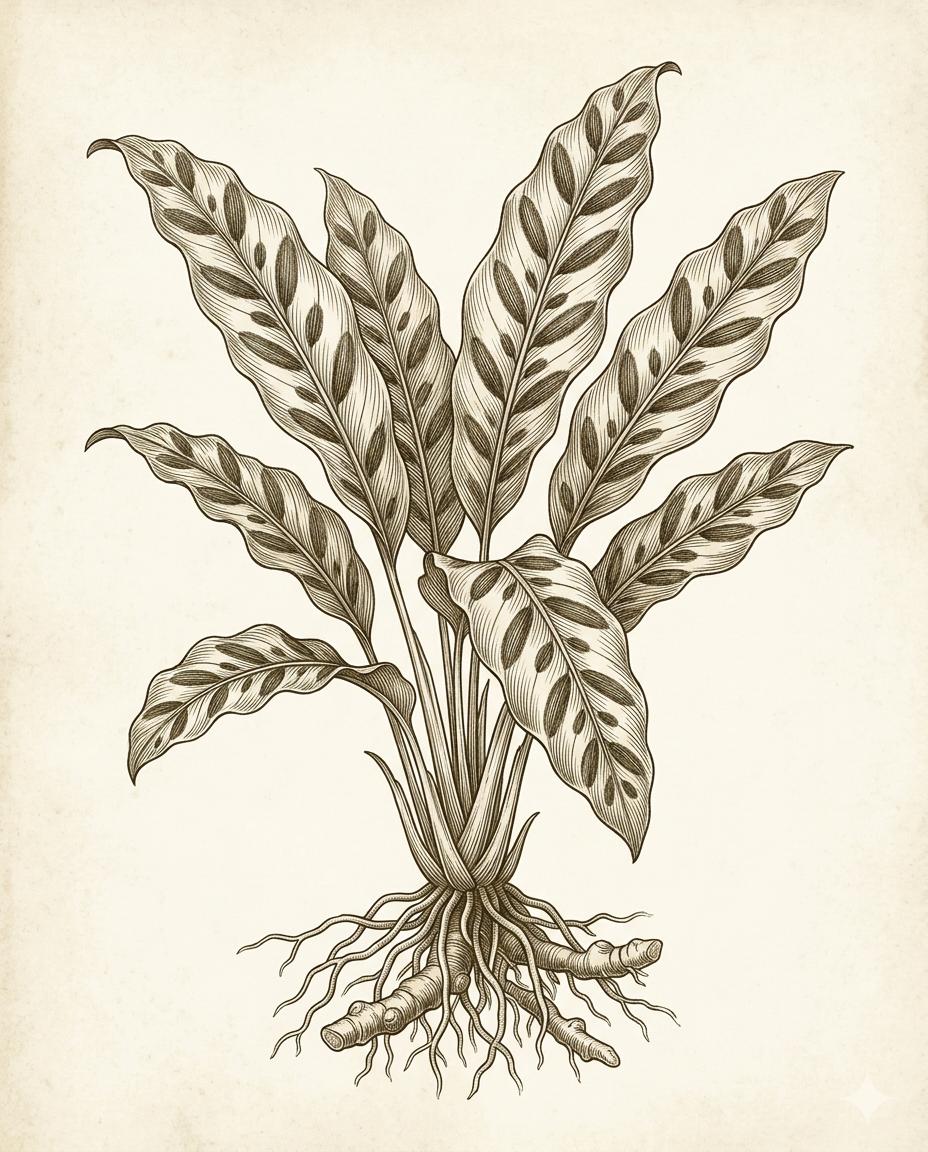
Calathea
Bold patterned foliage for the same bright-indirect shelf. Non-toxic Marantaceae relative.
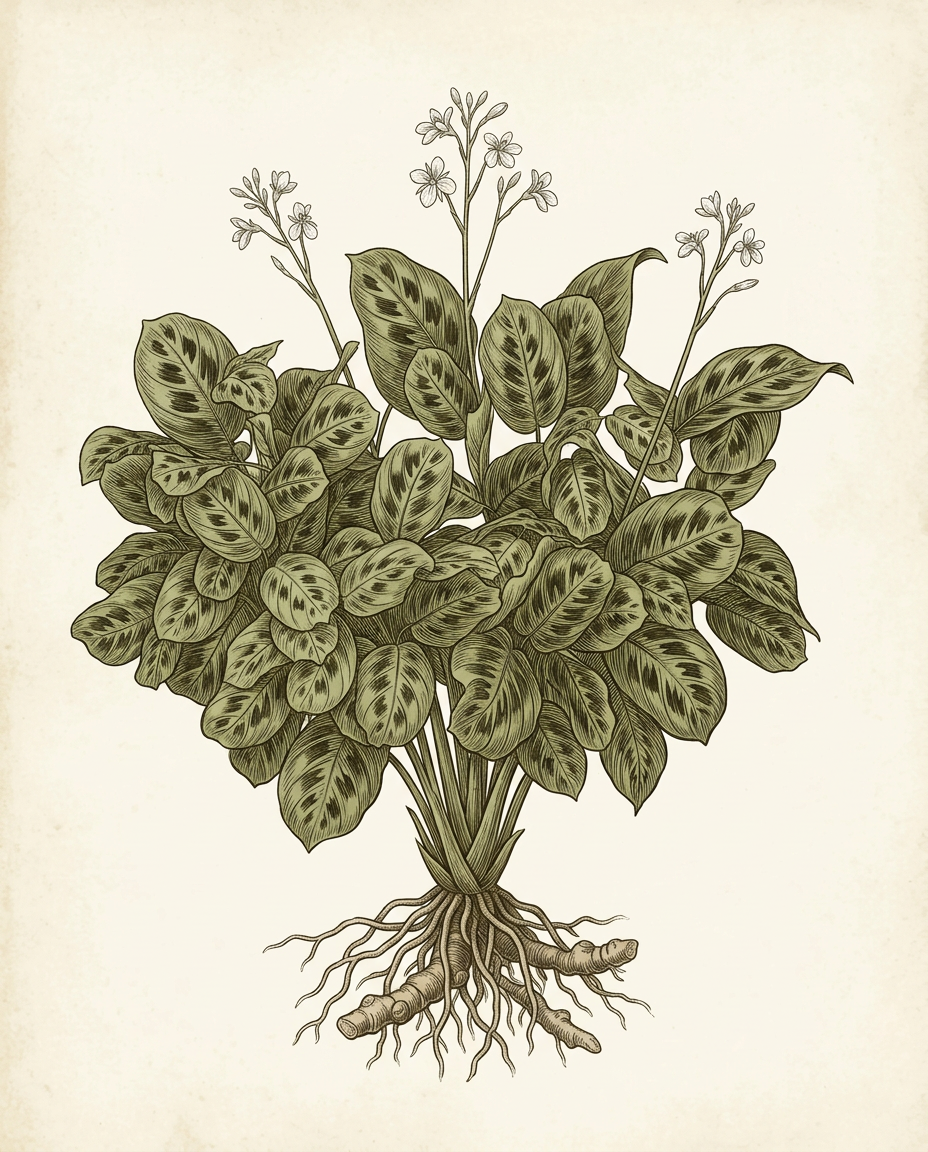
Prayer Plant
Oval tropical leaves with nyctinastic movement. Closest shape match without oxalates.
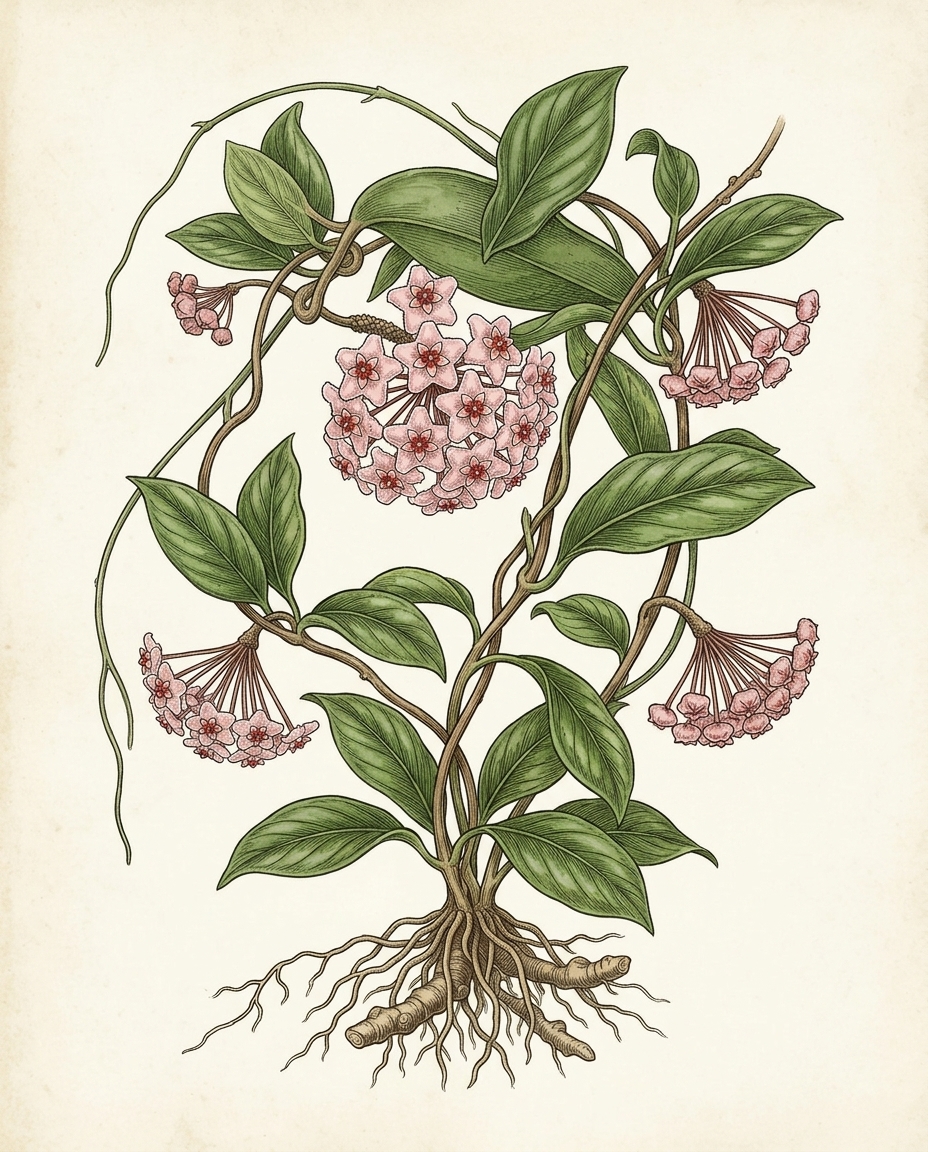
Wax Plant
Trailing or climbing waxy leaves for the same high shelf. Non-toxic vine alternative.
What it does to a cat.
Yes — philodendron is toxic to cats. The ASPCA lists Philodendron species as toxic due to insoluble calcium oxalate crystals. Chewing any part causes immediate oral pain, drooling, and often vomiting — the same arum-family mechanism as pothos and peace lily.
Heartleaf philodendron (P. hederaceum) is the most common indoor species, but the genus includes many vining and self-heading cultivars. Treat all philodendrons in the home as toxic unless you have verified a specific ASPCA entry stating otherwise.
Not safe despite the rumours
Search results sometimes claim philodendron is "cat safe." The ASPCA classification is clear. Mild cases are common; mild is not the same as non-toxic. Repeated chewing increases exposure and stress for the cat.
Monstera is a cousin
Monstera (Monstera deliciosa) is also an Araceae plant with oxalates. The ASPCA lists it separately as split-leaf philodendron. If you like split leaves, choose calathea for patterned foliage instead.
Replacement plants
Calathea delivers tropical pattern without toxins. Spider plant and Boston fern suit the same bright-indirect corners philodendrons occupy.
What we have actually seen.
Oral pain & drooling
Insoluble oxalate crystals cause immediate stinging. Cats paw at the mouth and drool heavily.
Vomiting
Common within the first hour. Usually resolves as oral irritation fades.
Airway swelling
Rare. Difficulty breathing or pronounced tongue swelling requires emergency veterinary care.
Chronic nibbling
Cats that learn the plant hurts may still return. Remove philodendrons rather than relocating them.
- ASPCA Animal Poison Control Center. Toxic and Non-Toxic Plants: Philodendron.Accessed May 2026 · aspca.org