Monstera
Monstera deliciosa
Split leaves full of calcium oxalate crystals. The ASPCA lists Monstera deliciosa as toxic to cats — same painful oral reaction as pothos and philodendron.
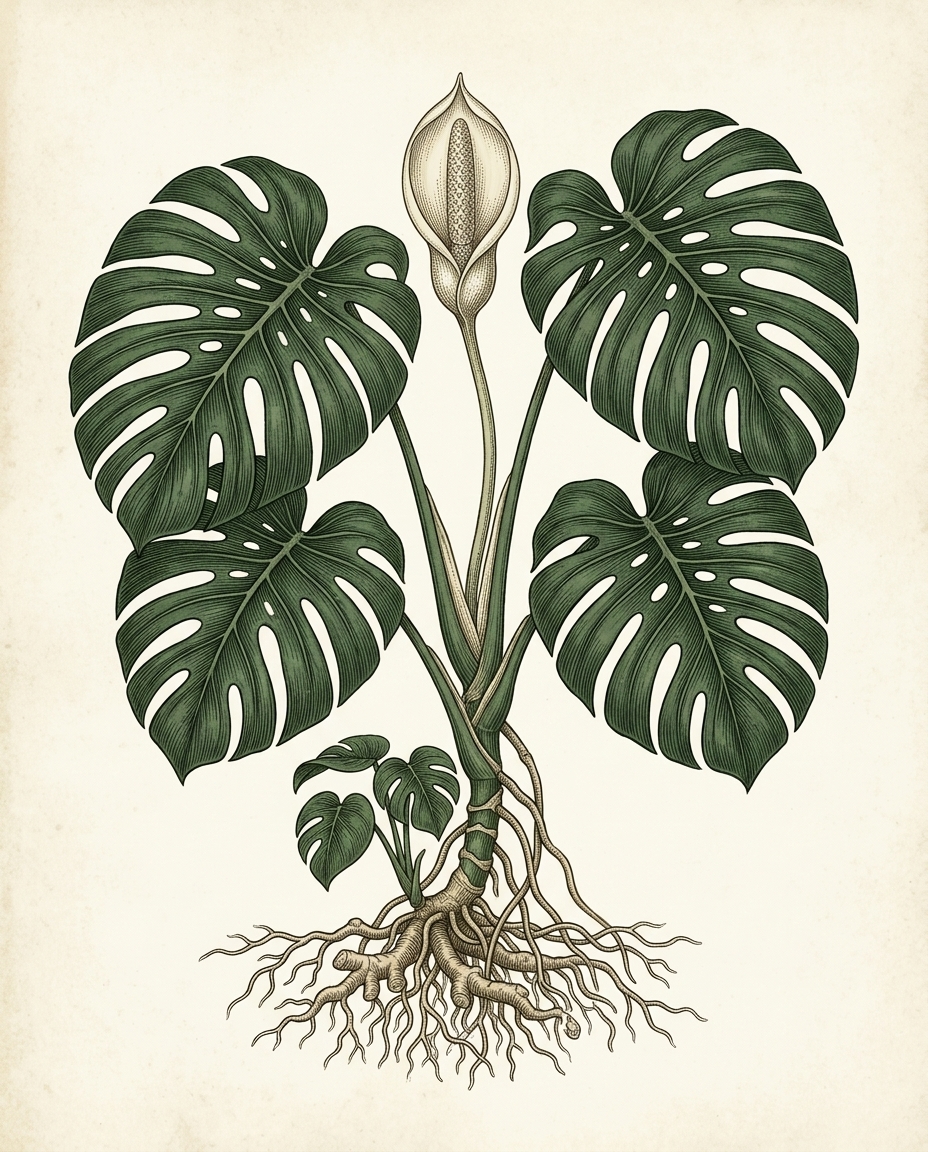
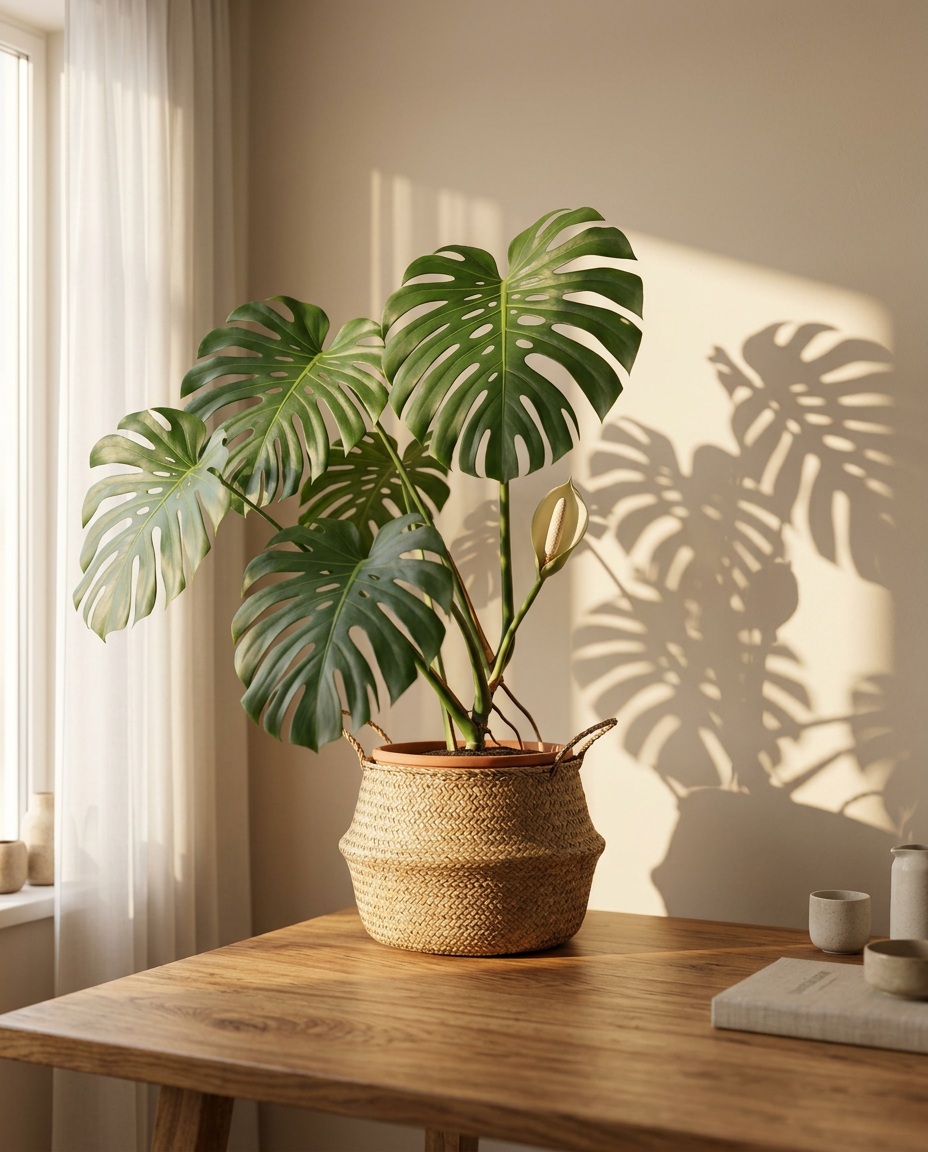
Plate IMonstera deliciosa — Swiss cheese plant. ASPCA entry title uses "split-leaf philodendron" though the genus is Monstera.
Three plants that look the part, without the risk.
Big tropical presence without oxalates — floor and shelf plants that fill the same room safely.
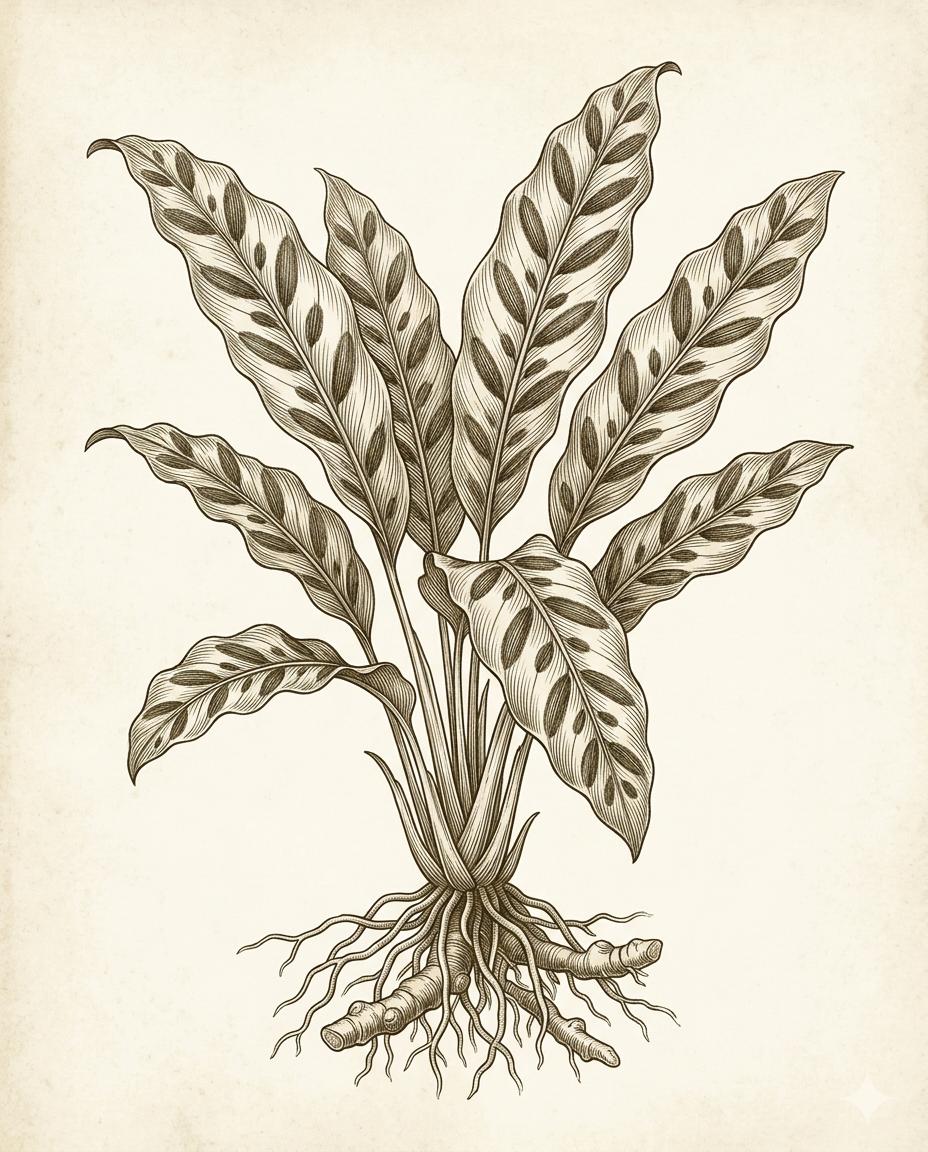
Calathea
Dramatic patterned leaves for the same bright-indirect corner. No fenestrations, no toxins.
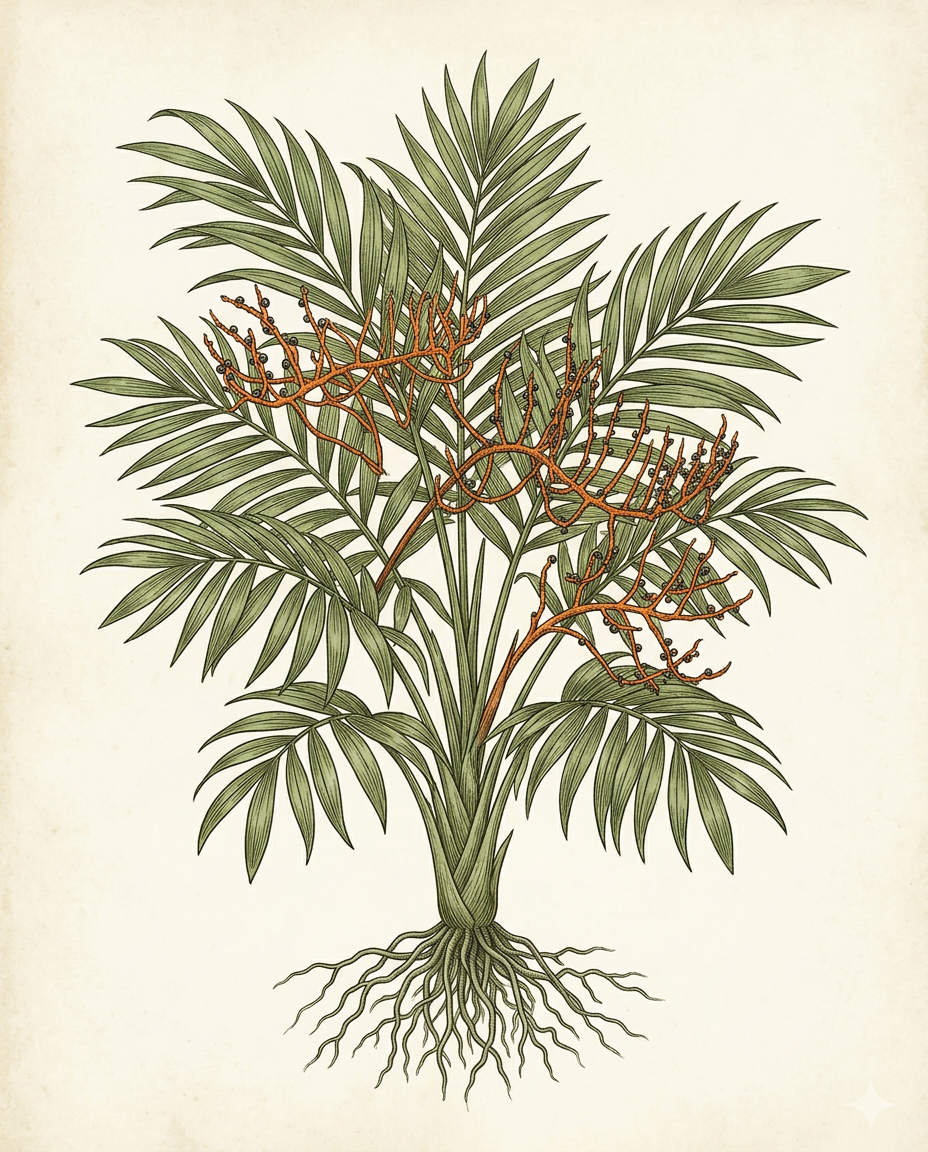
Parlor Palm
Vertical tropical volume in a floor planter. Feathery fronds without monstera raphides.
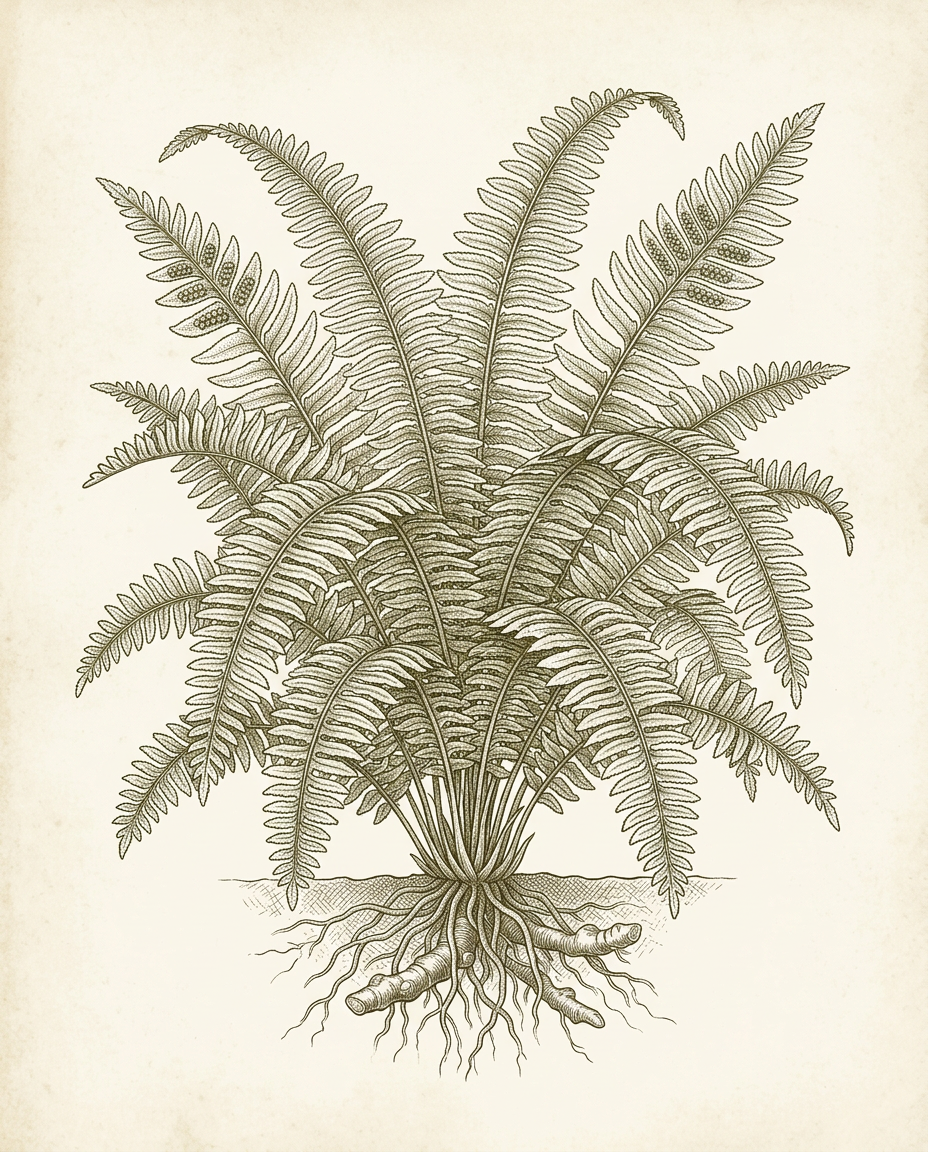
Boston Fern
Lush green mass at floor level. Safe for cats that brush against fronds.
What it does to a cat.
Yes — monstera is toxic to cats. The ASPCA lists Monstera deliciosa under the common name "split-leaf philodendron" as toxic. Leaves contain insoluble calcium oxalate crystals; chewing causes oral pain, drooling, and vomiting — the same arum-family pattern as philodendron and pothos.
Monstera's popularity in interior photography outpaces safety awareness. Large plants dominate living rooms at cat height. A single chewed fenestration is enough to trigger symptoms.
Name confusion
Monstera is not a philodendron botanically, but ASPCA groups it under a legacy common name. When searching toxicity databases, look for both "monstera" and "split-leaf philodendron."
Safer statement plants
Calathea gives bold tropical pattern without toxins. Boston fern fills floor space with arching green. Spider plant on a stand keeps leaves above curious paws.
What we have actually seen.
Oral pain & drooling
Chewing fenestrated leaves releases raphides into mouth tissue. Immediate distress is typical.
Vomiting
Follows oral irritation. Large leaf pieces may appear in vomit.
Swelling
Tongue or lip swelling is uncommon but requires emergency care if breathing is affected.
Floor-level exposure
Large monsteras sit where cats walk and rub. Even without chewing, sap on fur from damaged leaves can matter — keep plants intact.
- ASPCA Animal Poison Control Center. Toxic and Non-Toxic Plants: Split-Leaf Philodendron (Monstera).Accessed May 2026 · aspca.org