Boston
Fern.
Nephrolepis exaltata
A classic bathroom fern with arching fronds and no toxic compounds. Cats may chew it; the plant may suffer — but the cat will not.
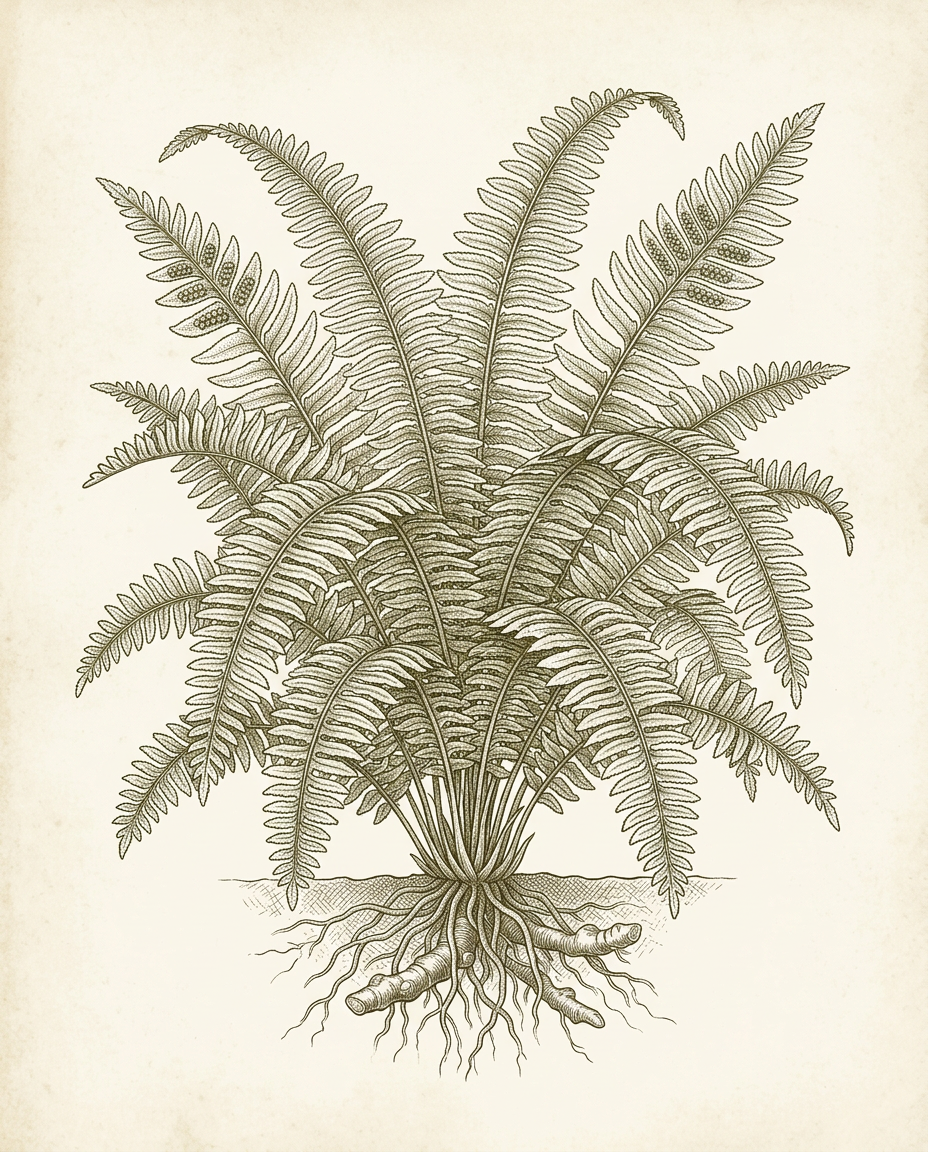
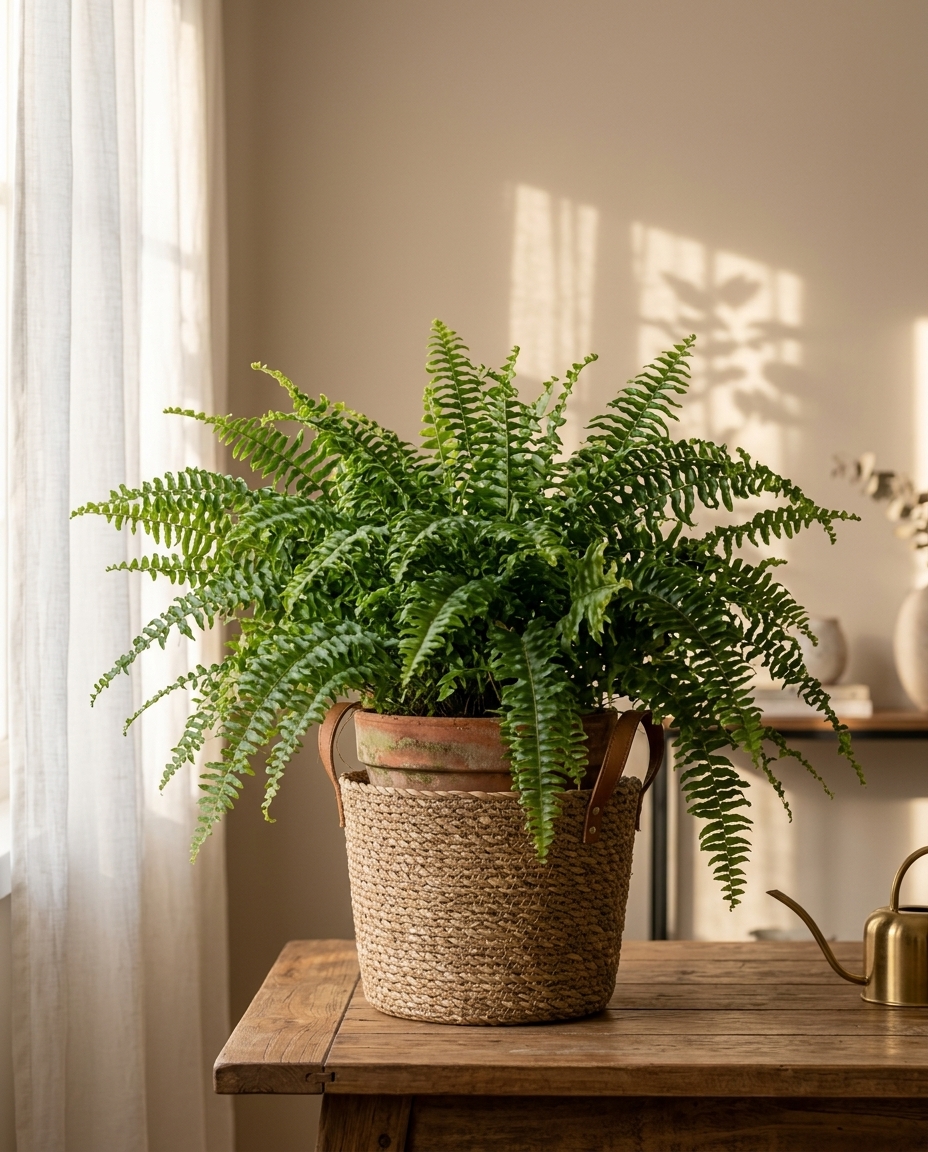
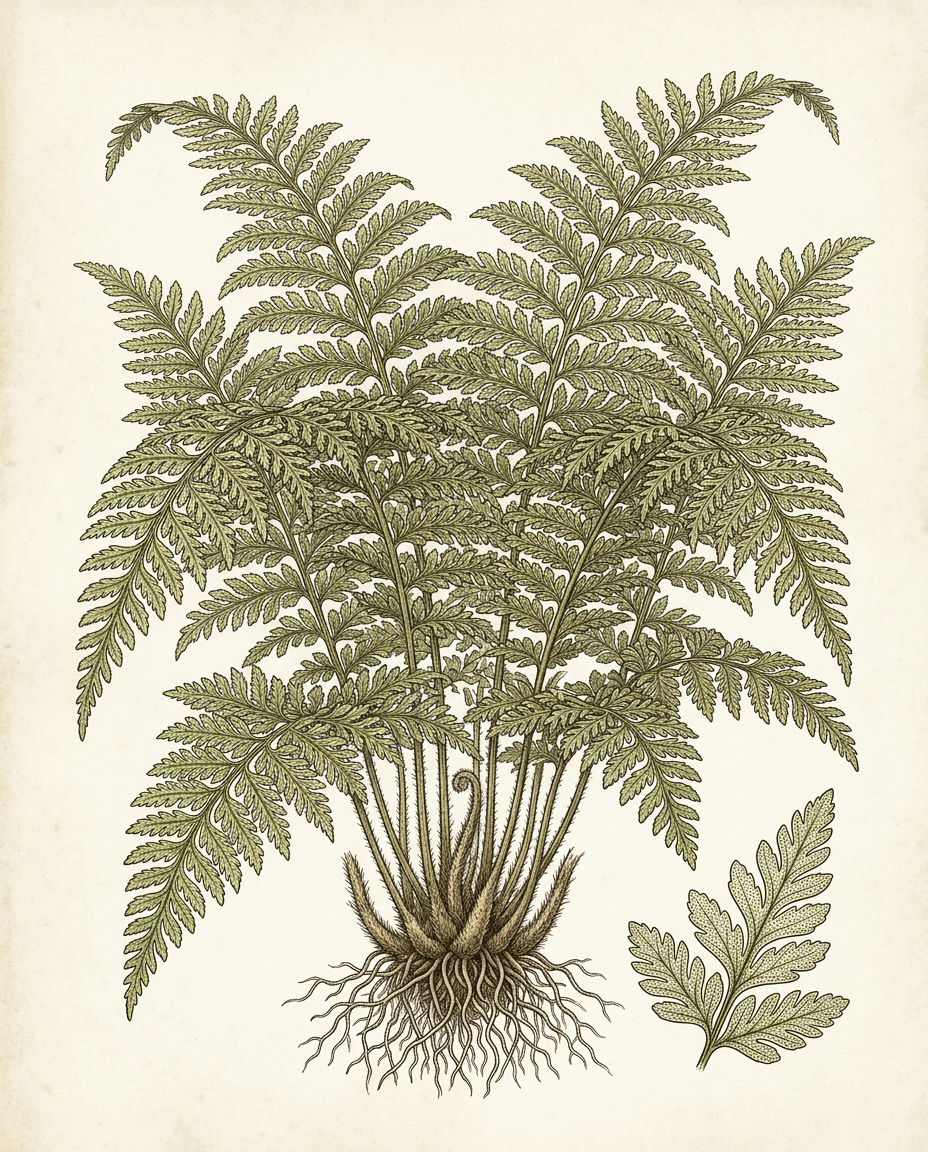
Plate IMature specimen showing the characteristic arching fronds and finely divided leaflets typical of cultivated Nephrolepis exaltata.
What happens if your cat eats it.
Nothing toxic. The Boston Fern contains none of the compounds that send cats to emergency clinics — no oxalates, no glycosides, no insoluble irritants. The ASPCA lists Nephrolepis exaltata among the houseplants safe for cats to encounter, chew, and occasionally destroy.
What you may see is mechanical upset: a cat that eats a large quantity of fibrous frond material may vomit once and move on. This is the gut responding to bulk, not poison. Most cats lose interest after a nibble or two.
Why it works in cat households
Boston ferns thrive in humid, shaded spots — often the same rooms cats avoid during the day. A hanging basket in a bright bathroom gives the fern what it needs while keeping fronds above paw height. If your cat is a dedicated chewer, cat grass (oat or wheat) offered nearby often redirects the behaviour.
A note on lookalikes
Not every fern sold as “Boston fern” is Nephrolepis exaltata, and not every fern is safe. The asparagus fern (Asparagus setaceus) is commonly confused with true ferns and is toxic to cats. Always verify the botanical name before bringing a plant home.
Other cat-safe options
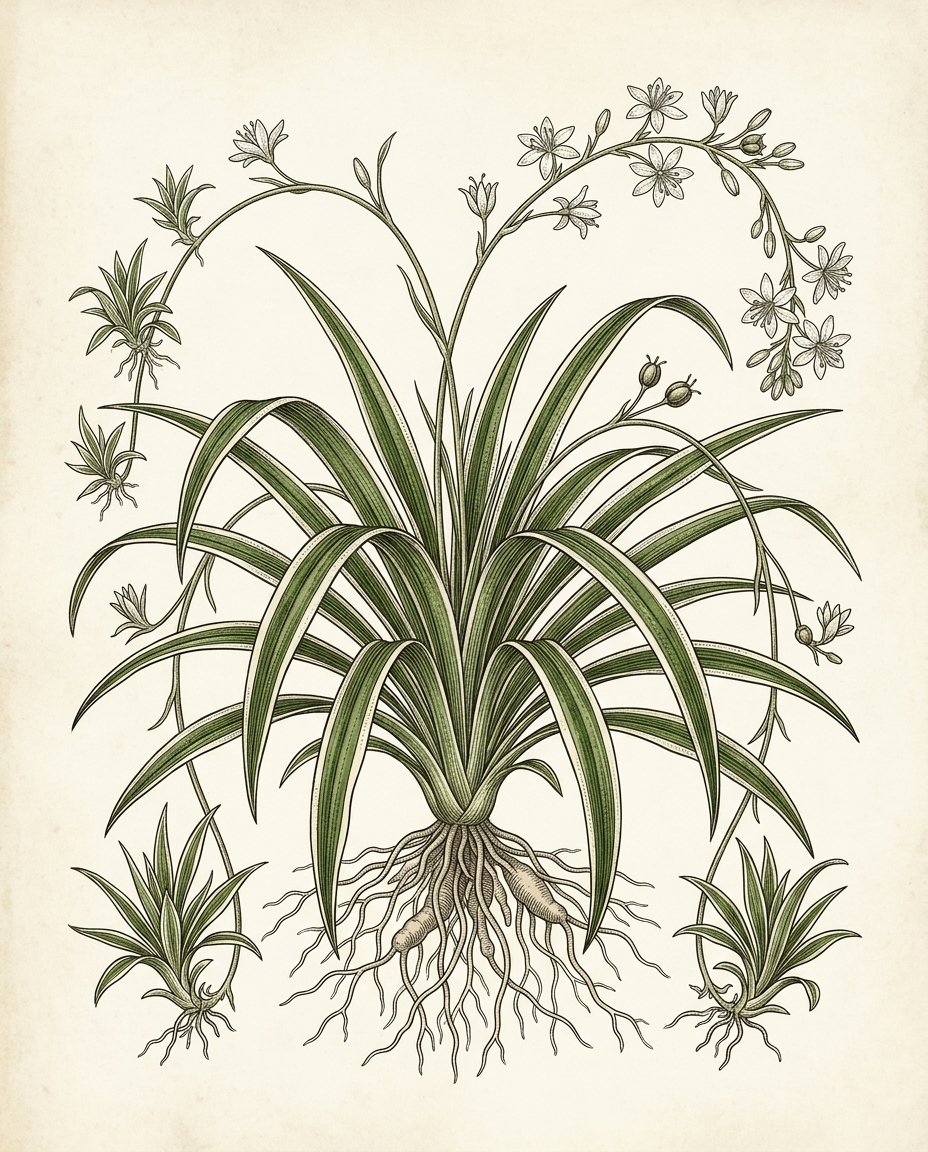
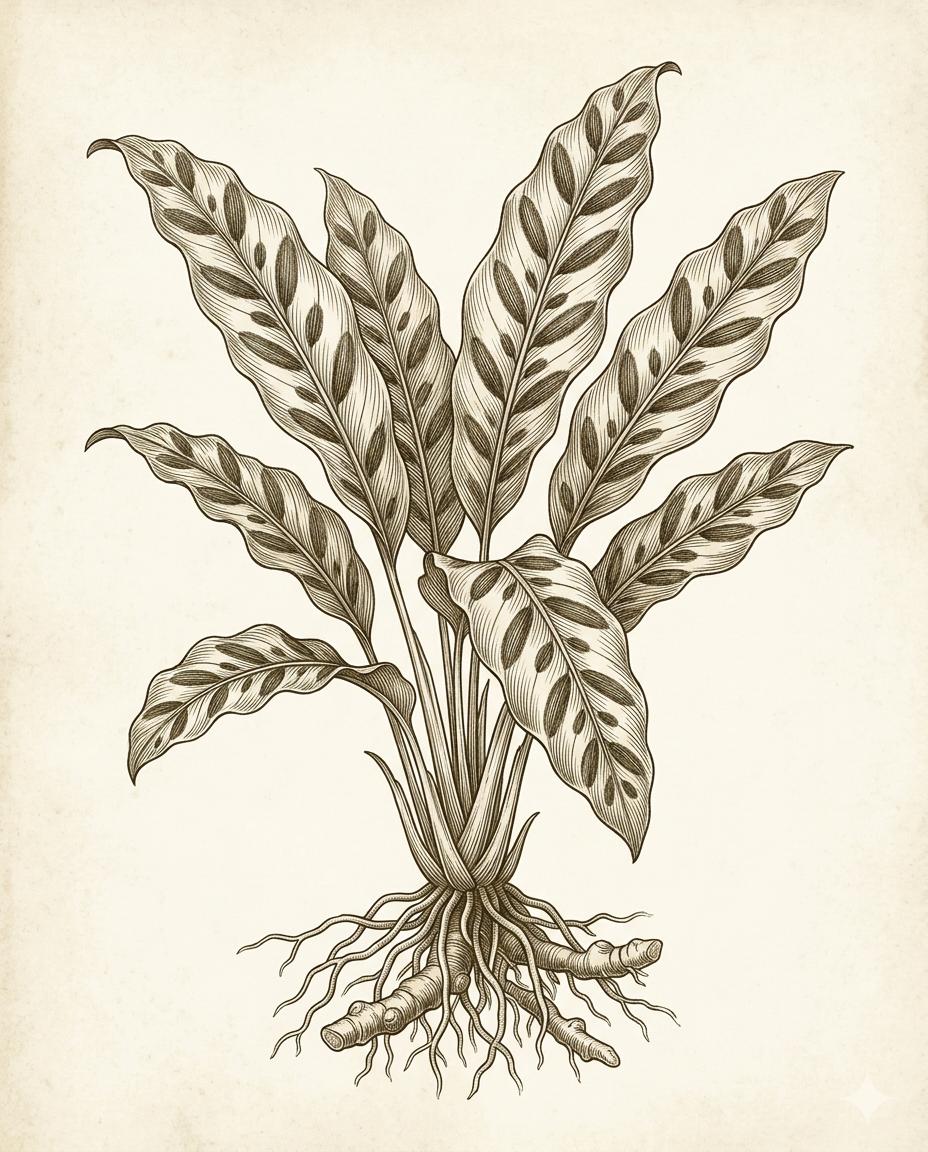
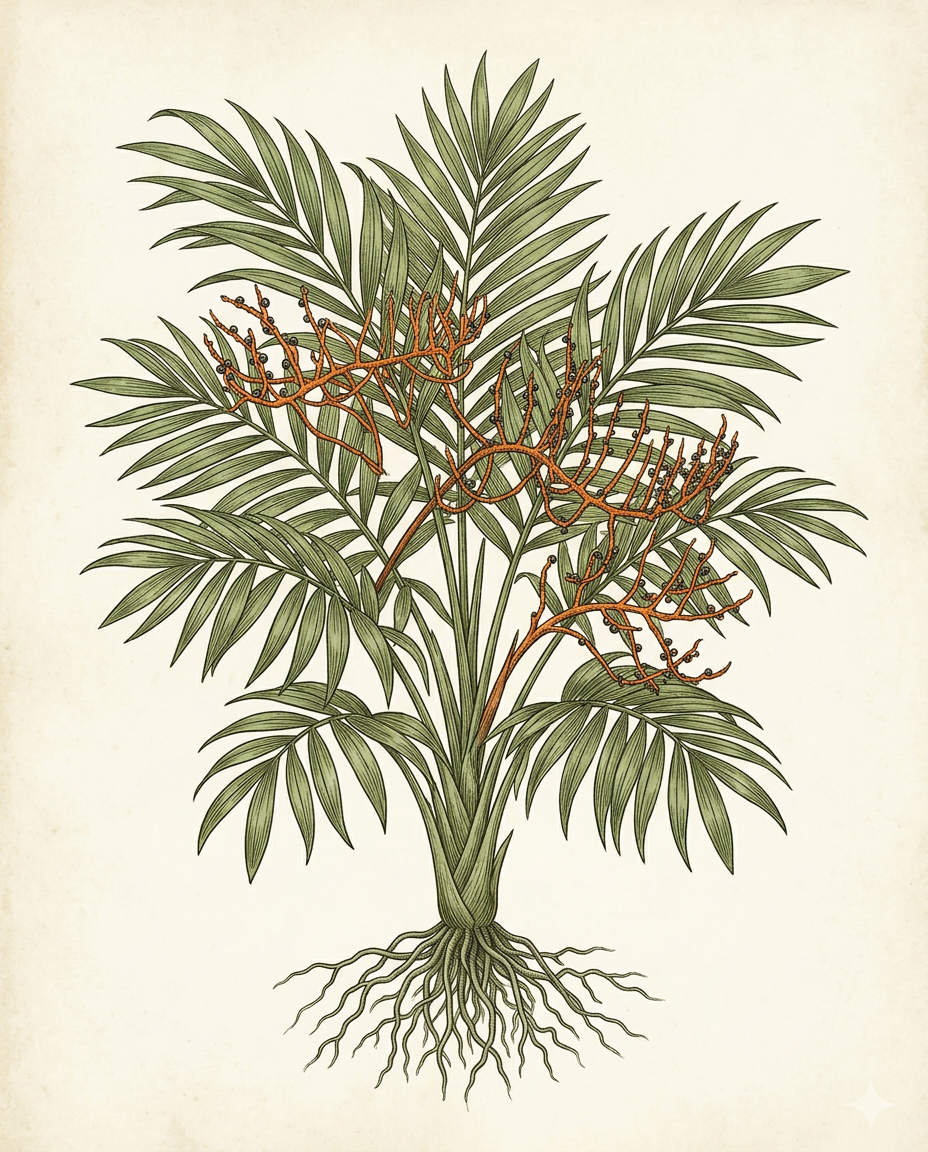
For more cat-safe houseplants in the same shade-tolerant, leafy register, see spider plant, calathea, and parlor palm. All three are ASPCA non-toxic and pair well with a Boston fern in a multi-plant indoor setup.
What we have actually seen.
Occasional chewing
Some cats nibble frond tips out of curiosity. Non-toxic; mechanical upset possible only with large quantities.
Mechanical vomiting
Large fibrous mouthfuls may be regurgitated. The plant itself is not the cause.
Frond damage
Repeated chewing leaves the fern looking ragged. Elevate or hang the plant to protect it.
Soil ingestion
Fertiliser or perlite from the pot can cause upset unrelated to the fern itself.
Four common varieties.
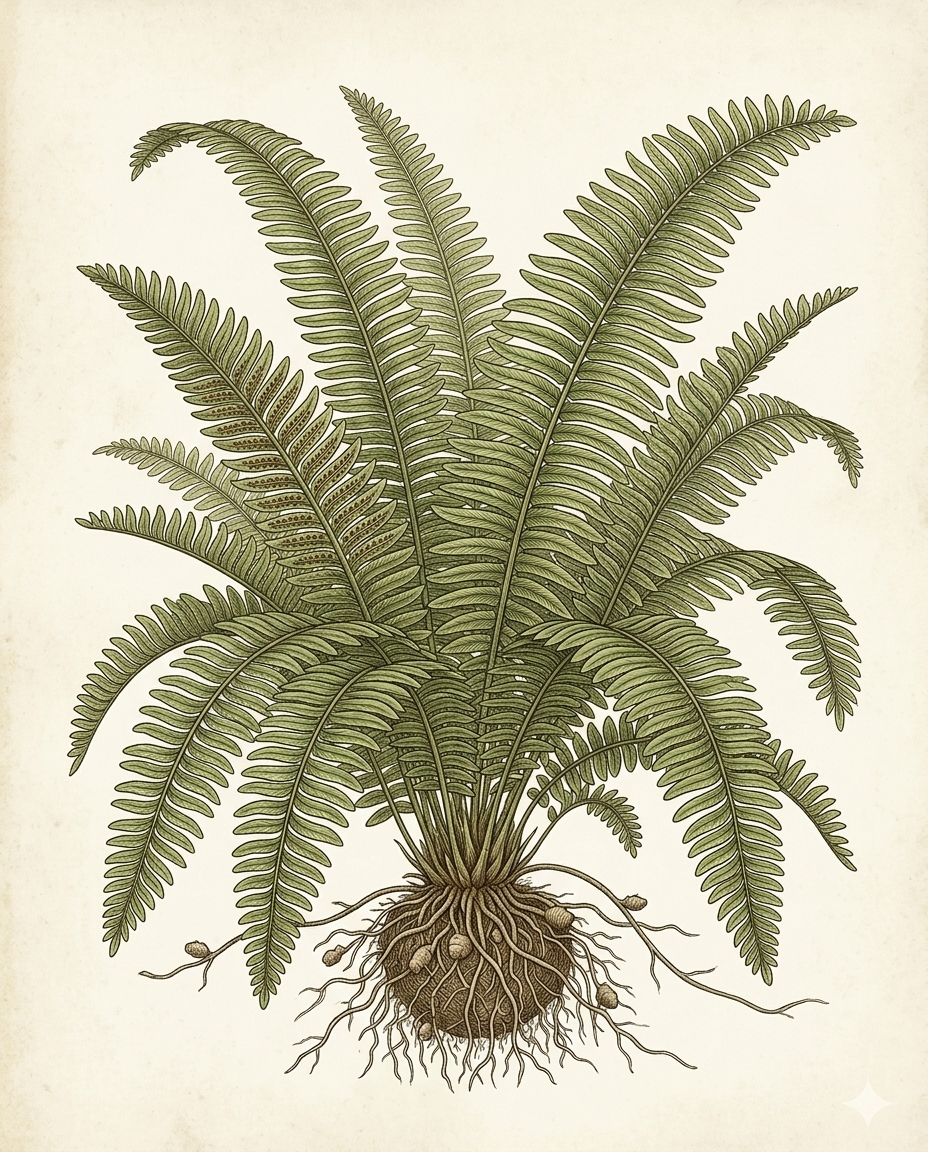
Bostoniensis (classic)
The standard arching form found in most garden centres and supermarkets.
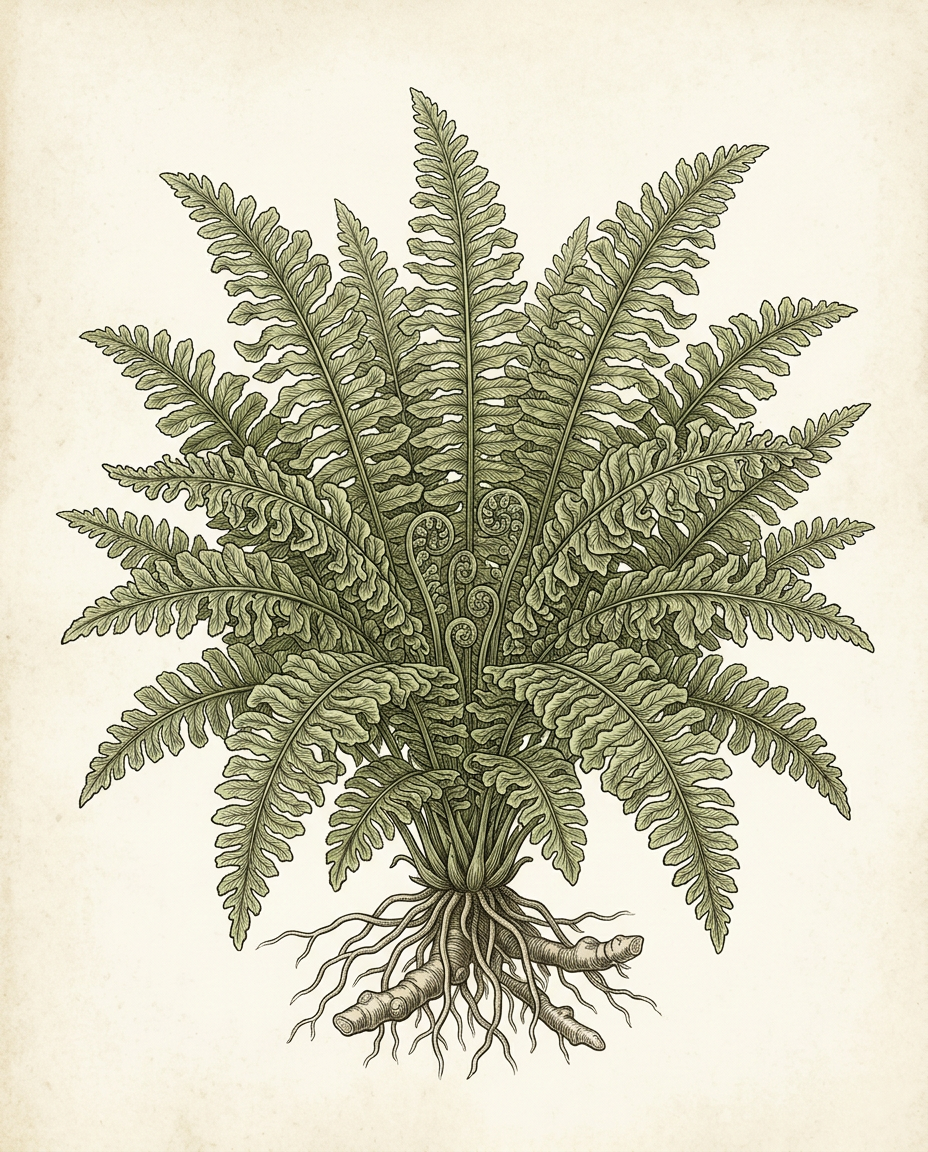
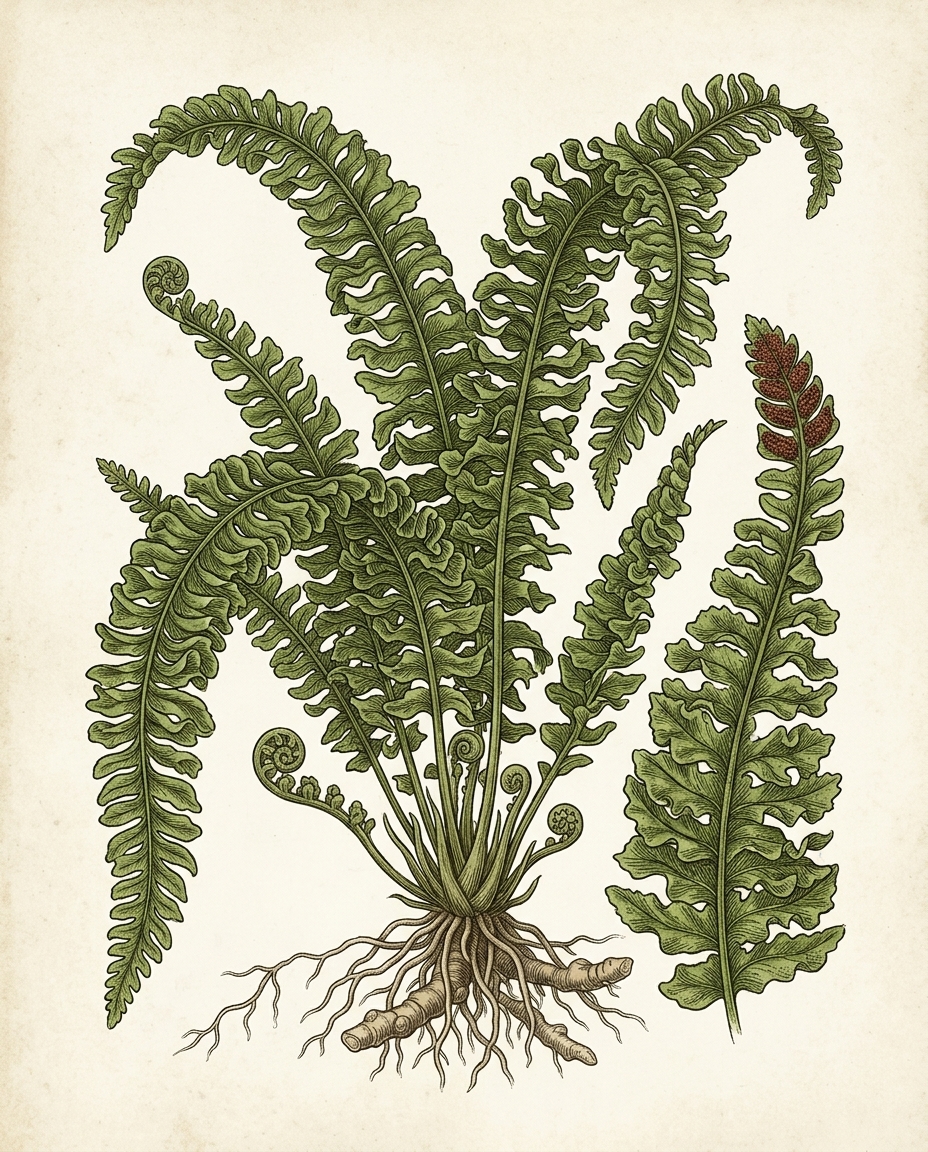
Fluffy Ruffles (curly)
Fronds with ruffled, crinkled margins — cats find the texture especially tempting.
Keeping the plant alive.
Bright, indirect
Avoid direct sun — it scorches the fronds. North or east-facing windows suit it well.
Keep evenly moist
Never let the root ball dry out completely. Water when the top inch feels dry.
Peaty, well-draining
A standard houseplant mix with added perlite works. Good drainage prevents root rot.
Humid spot
Bathrooms and kitchens are ideal. Mist regularly or use a pebble tray in dry rooms.
- ASPCA Animal Poison Control Center. Toxic and Non-Toxic Plants: Boston Fern.Accessed June 2026 · aspca.org
- Royal Horticultural Society. Nephrolepis exaltata.rhs.org.uk · plant database
If you liked this, also safe.