Parlor
Palm.
Chamaedorea elegans
A small indoor palm for dim corners and floor planters — without dracaena saponins or monstera raphides. The ASPCA lists parlor palm as non-toxic to cats.
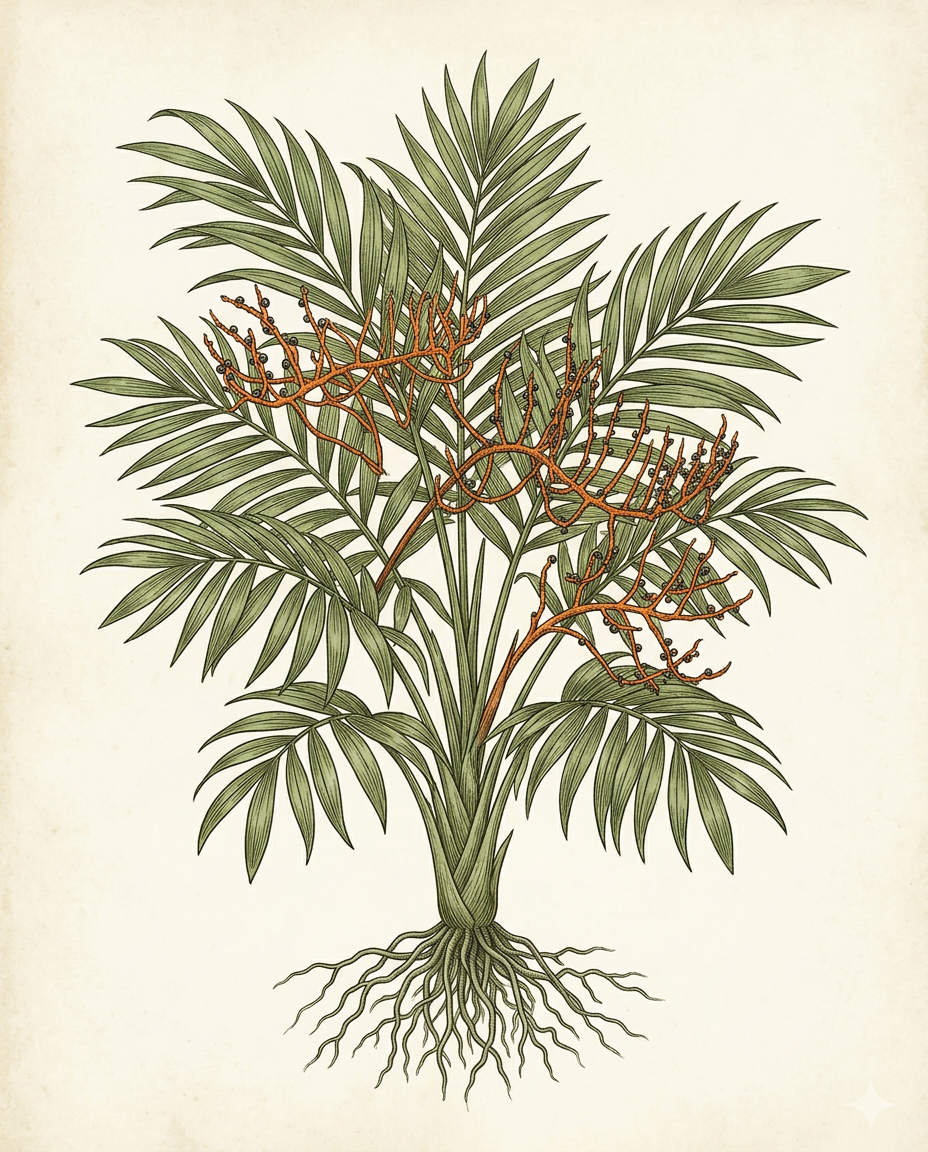
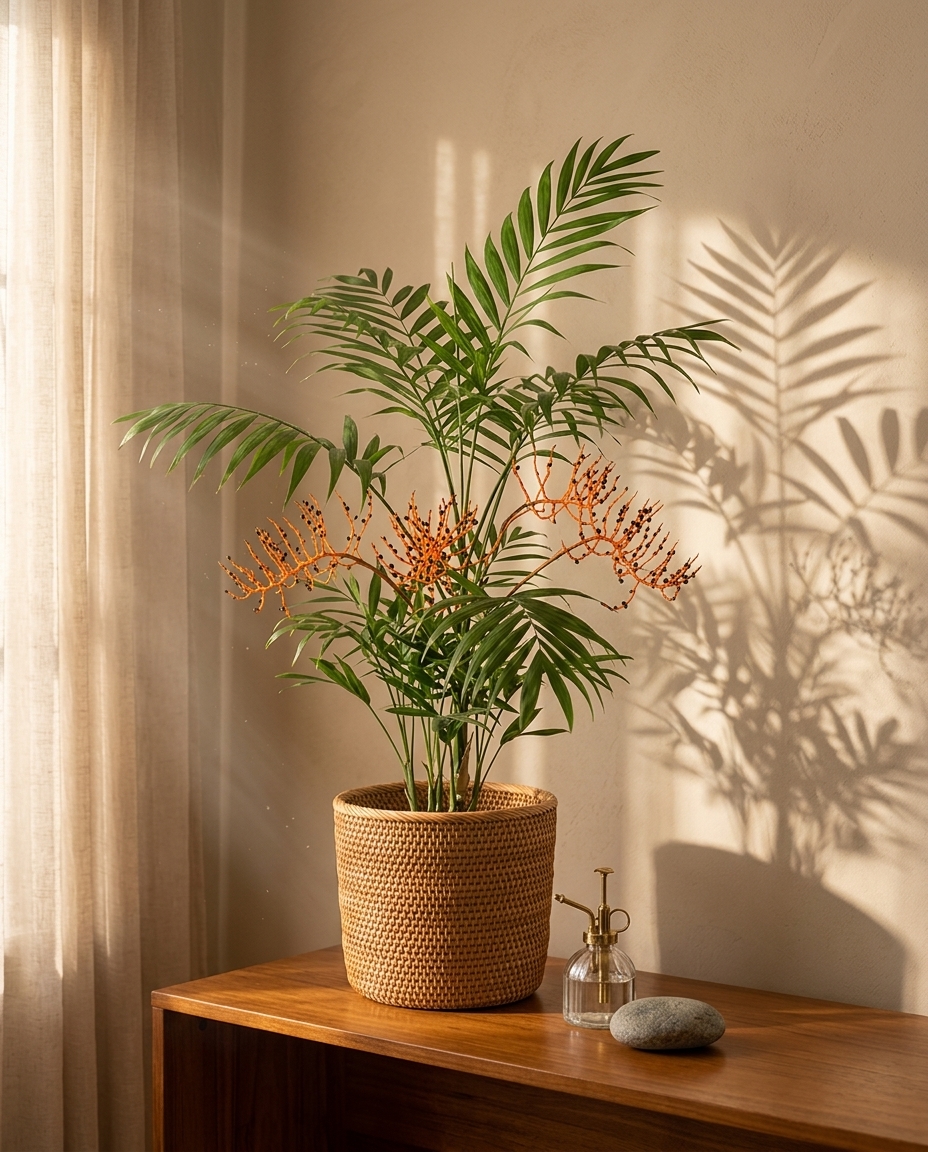
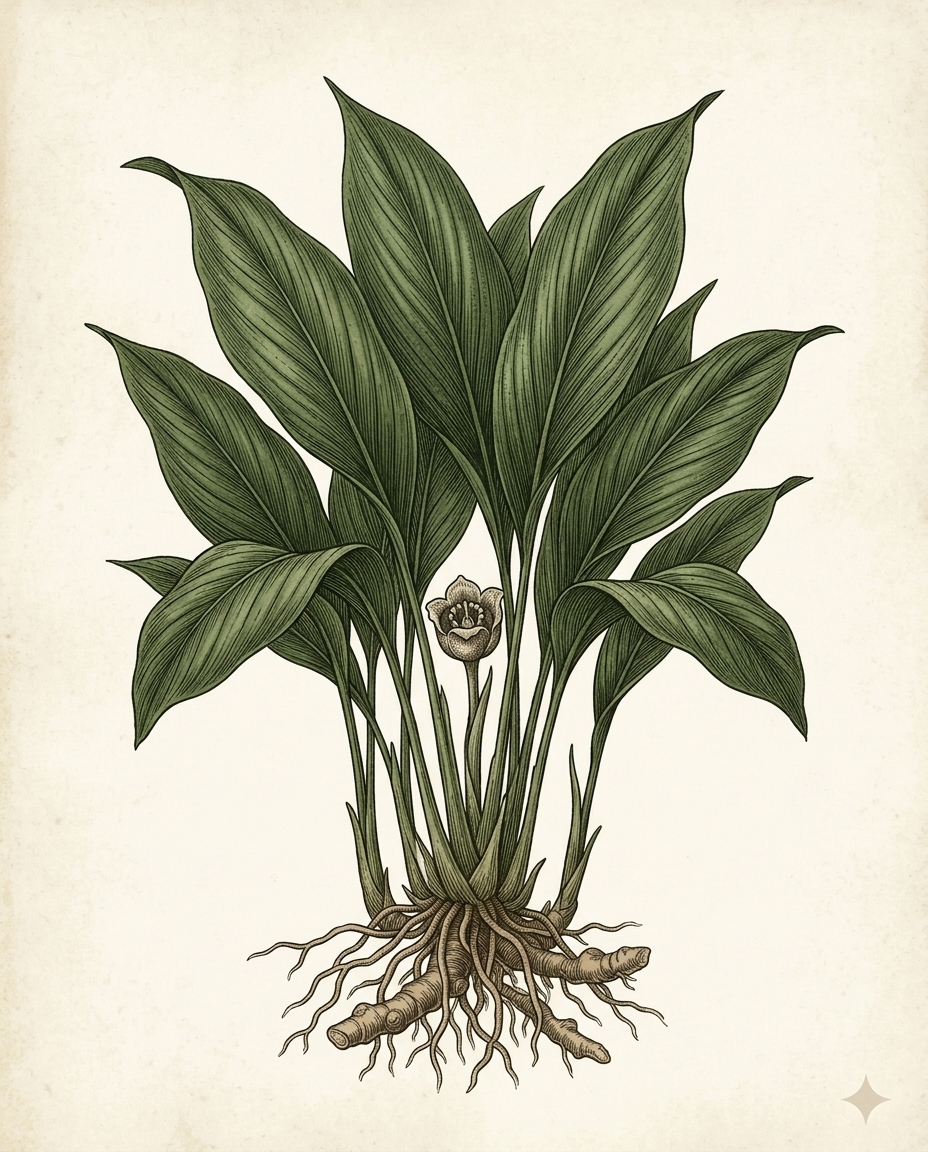
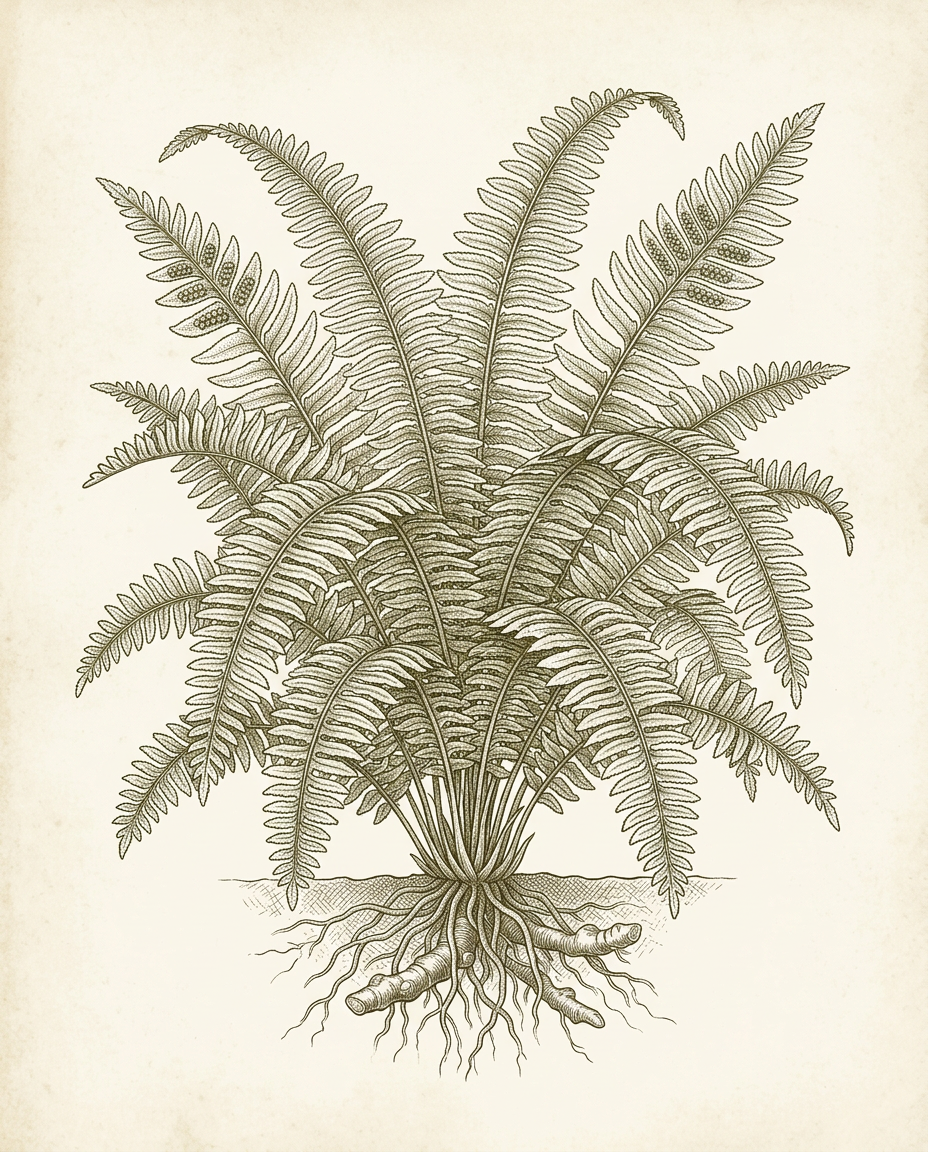
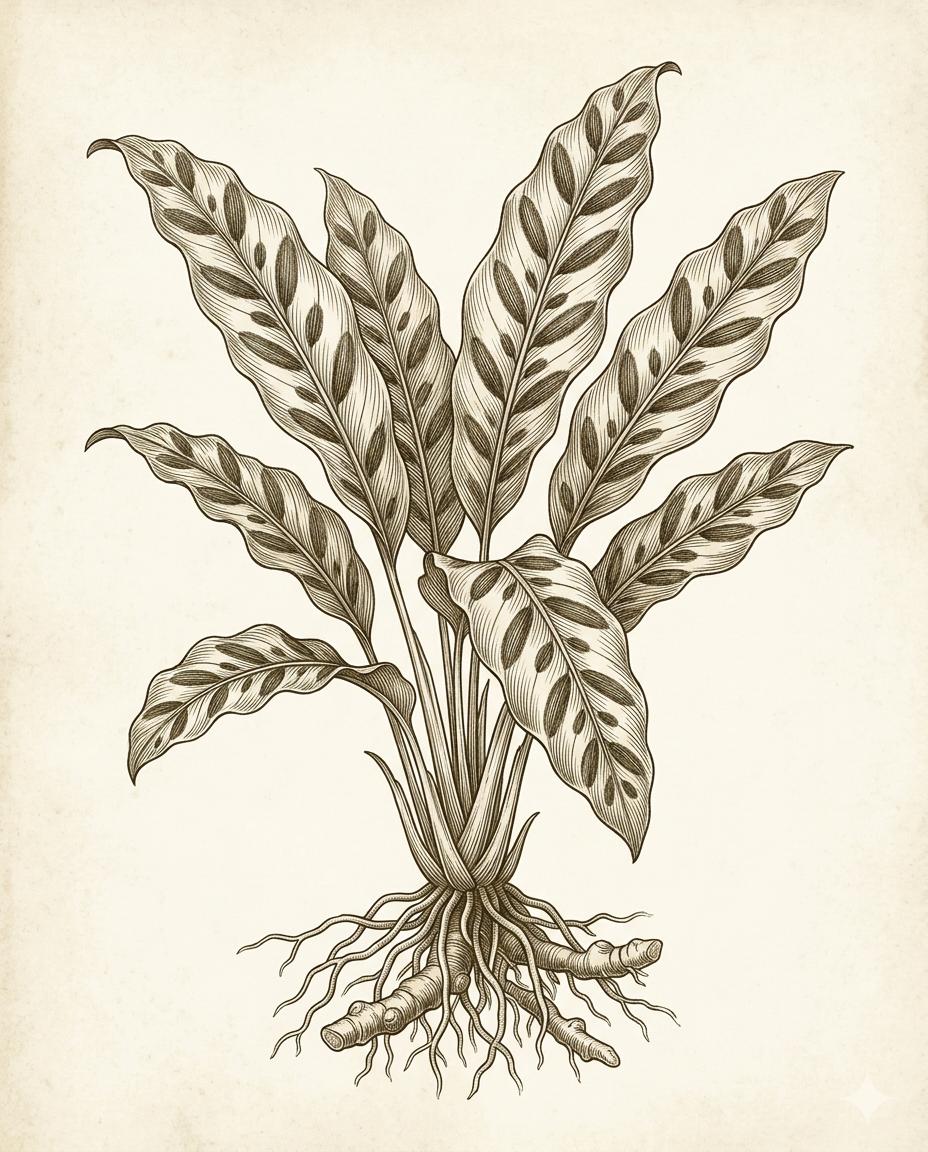
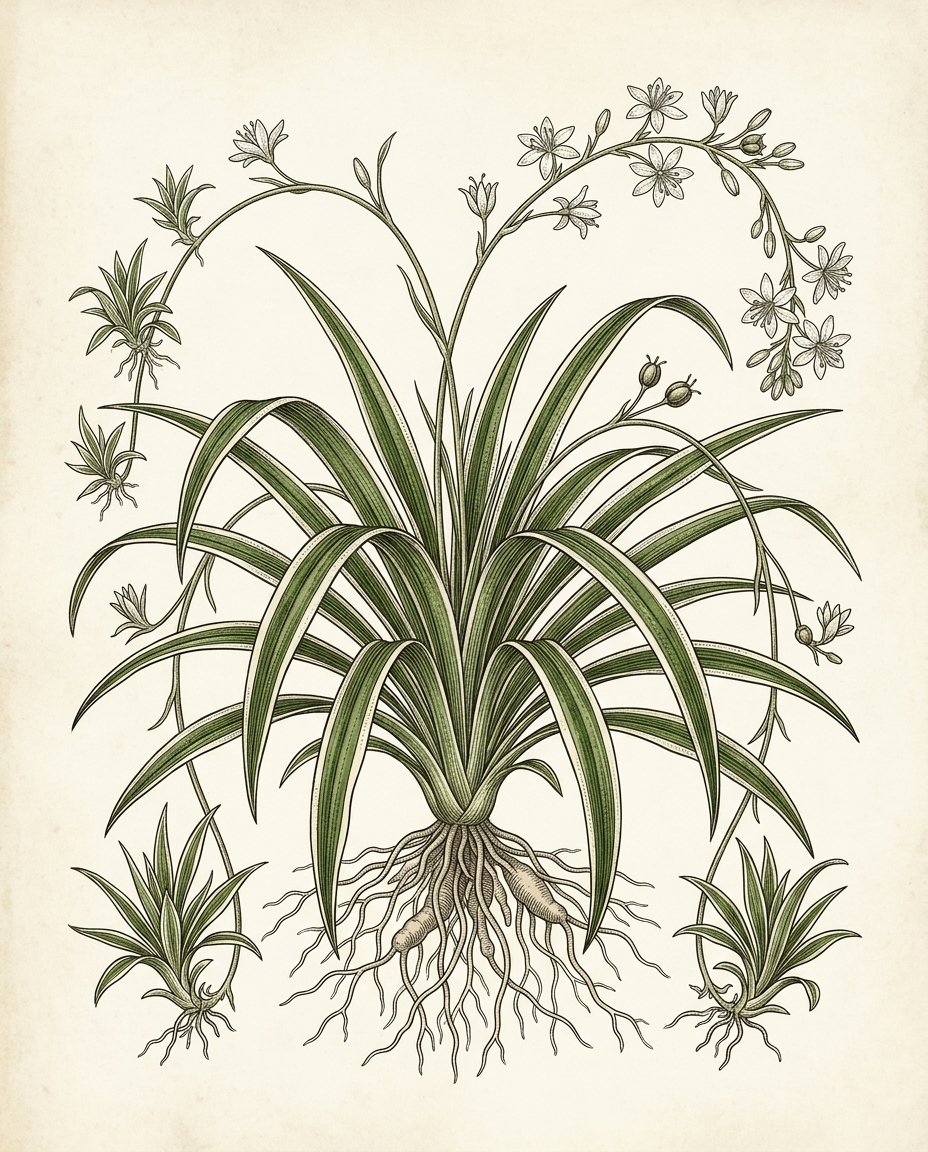
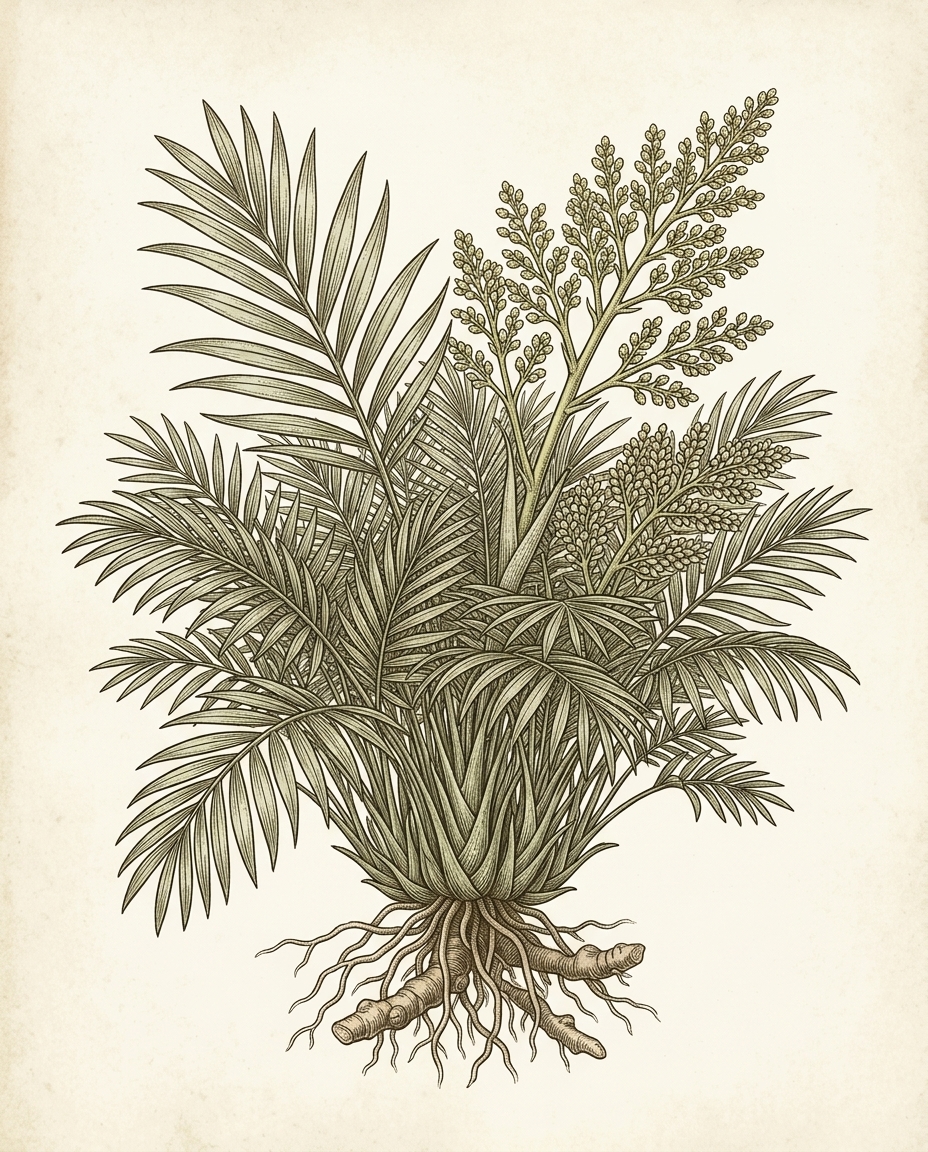
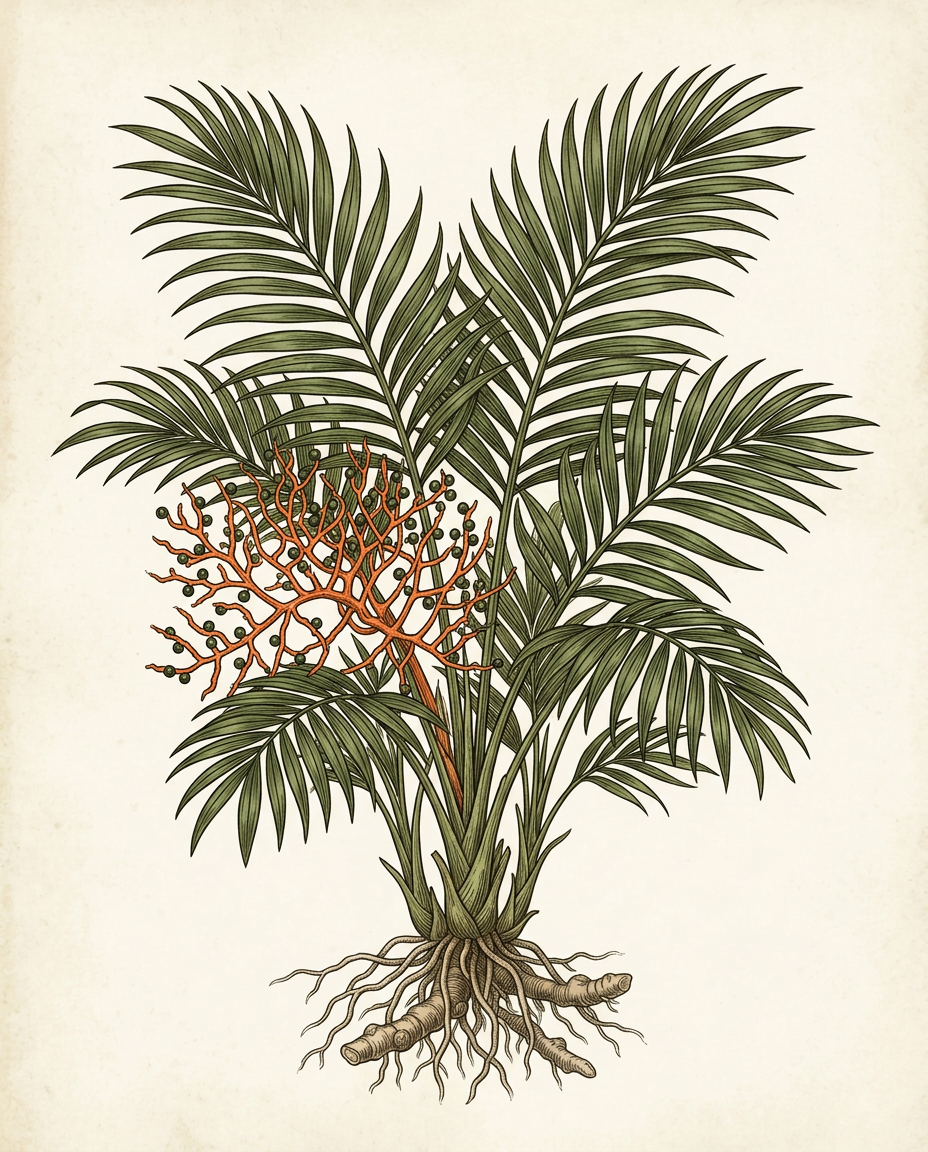
Plate IChamaedorea elegans — compact palm suited to indoor corners. Non-toxic alternative to dracaena and corn plant.
What happens if your cat eats it.
Yes — parlor palm is safe for cats. The ASPCA lists Chamaedorea elegans as non-toxic. Feathery fronds fill floor corners and dim rooms without the saponins in dracaena or the raphides in monstera.
Cats may bat at dangling fronds. The plant tolerates rough handling better than most palms — and better than a toxic corn plant beside the sofa.
The dracaena swap
Dracaena, corn plant, and mass cane are ASPCA toxic — vomiting and lethargy follow ingestion. Parlor palm offers the same upright green mass in a floor planter. Verify the tag: sago palm (Cycas) is a different plant entirely and highly toxic.
Monstera without the split leaves
Nothing safe replicates fenestrated monstera leaves. Parlor palm instead offers vertical volume and tropical presence in the same bright-indirect corner — a different silhouette, the same ASPCA clearance.
Softer companions
Pair with Boston fern for layered texture or cast-iron plant in the shadier spot behind the palm. Both are non-toxic and cover a full room layout safely.
What we have actually seen.
Frond batting
Cats sometimes swat feathery fronds. Non-toxic — fronds may look ragged but the cat is fine.
Floor-planter scale
Fills the same vertical corner as dracaena without saponins in the leaves.
Slow growth
Compact habit suits apartments. Less leaf litter when cats investigate at base level.
Sago palm confusion
Sago palm (Cycas) is highly toxic — not a true palm. Parlor palm is Chamaedorea, ASPCA non-toxic.
Four common varieties.
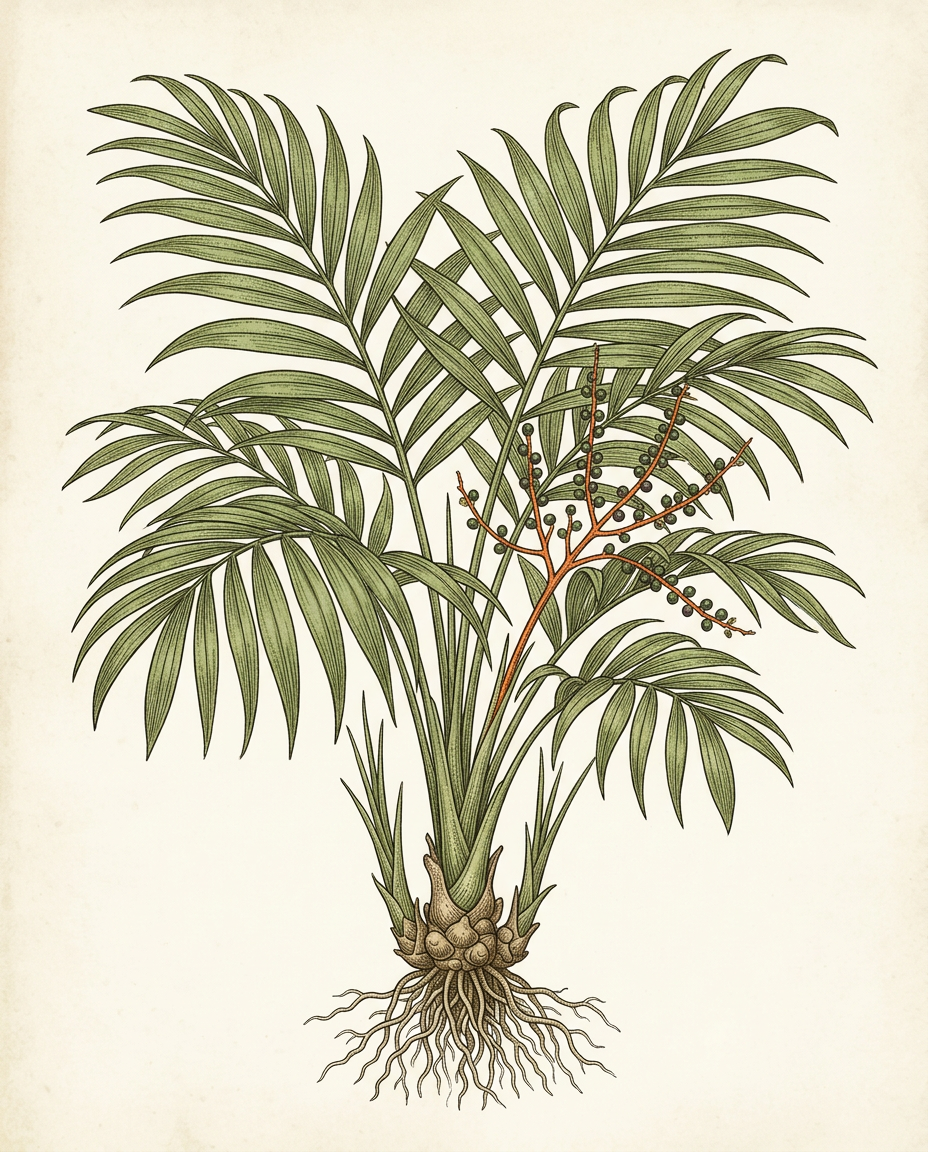
Elegans (classic)
The standard parlor palm — feathery fronds on thin stems, slow and compact.
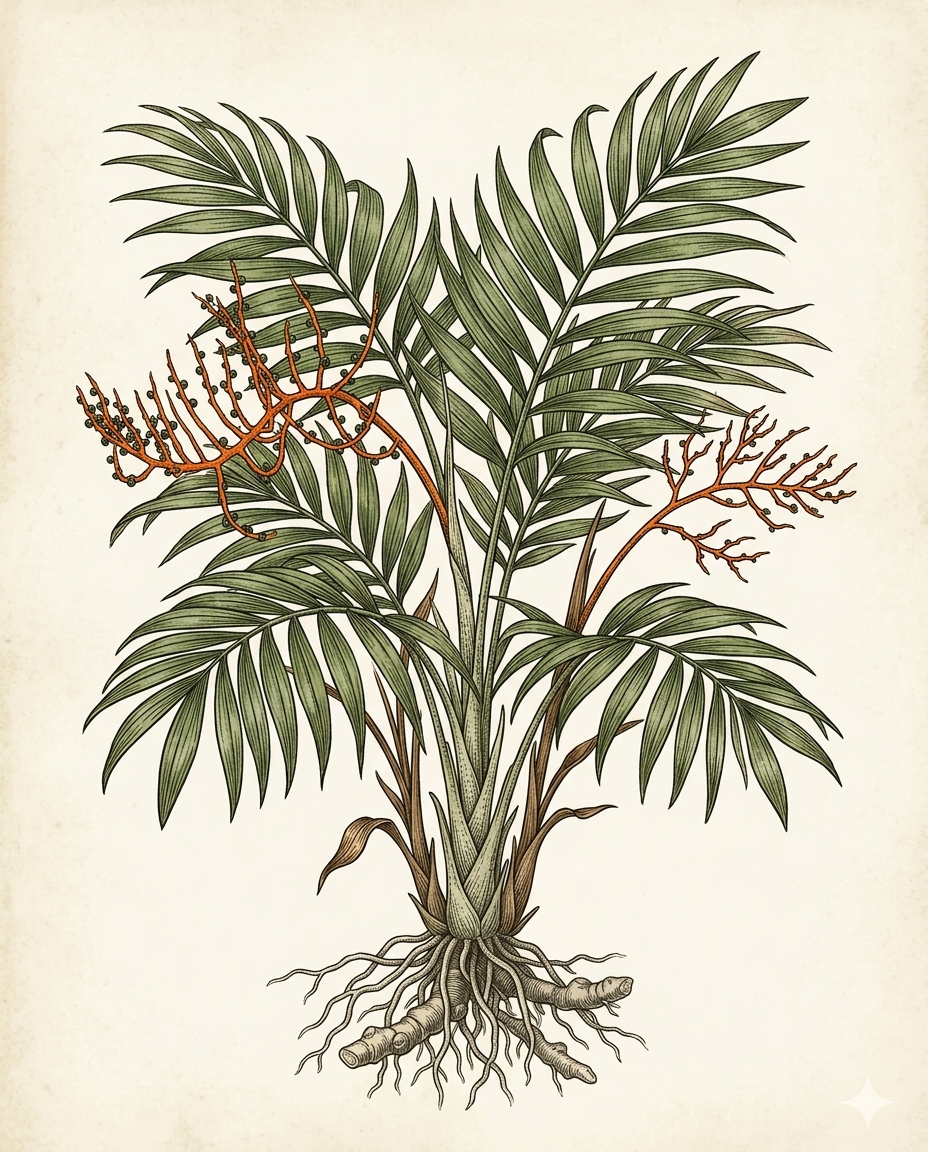
Cataractarum (cat palm)
Related Chamaedorea species, also ASPCA non-toxic, with fuller fronds.
Keeping the plant alive.
Low to bright indirect
Tolerates dim corners better than most palms. Avoid harsh direct sun.
When top dries
Keep lightly moist in summer, drier in winter. Yellow fronds often mean overwatering.
Well-draining mix
Standard houseplant blend with perlite. Palms dislike soggy roots.
Floor corner
Stable base pot — cats climb fronds. A heavy planter reduces tipping.
- ASPCA Animal Poison Control Center. Toxic and Non-Toxic Plants: Parlor Palm.Accessed May 2026 · aspca.org
If you liked this, also safe.