Dracaena
Dracaena fragrans
Corn plant, dragon tree, and mass cane are all Dracaena — and all listed toxic to cats by the ASPCA. Vomiting and appetite loss are typical after chewing.
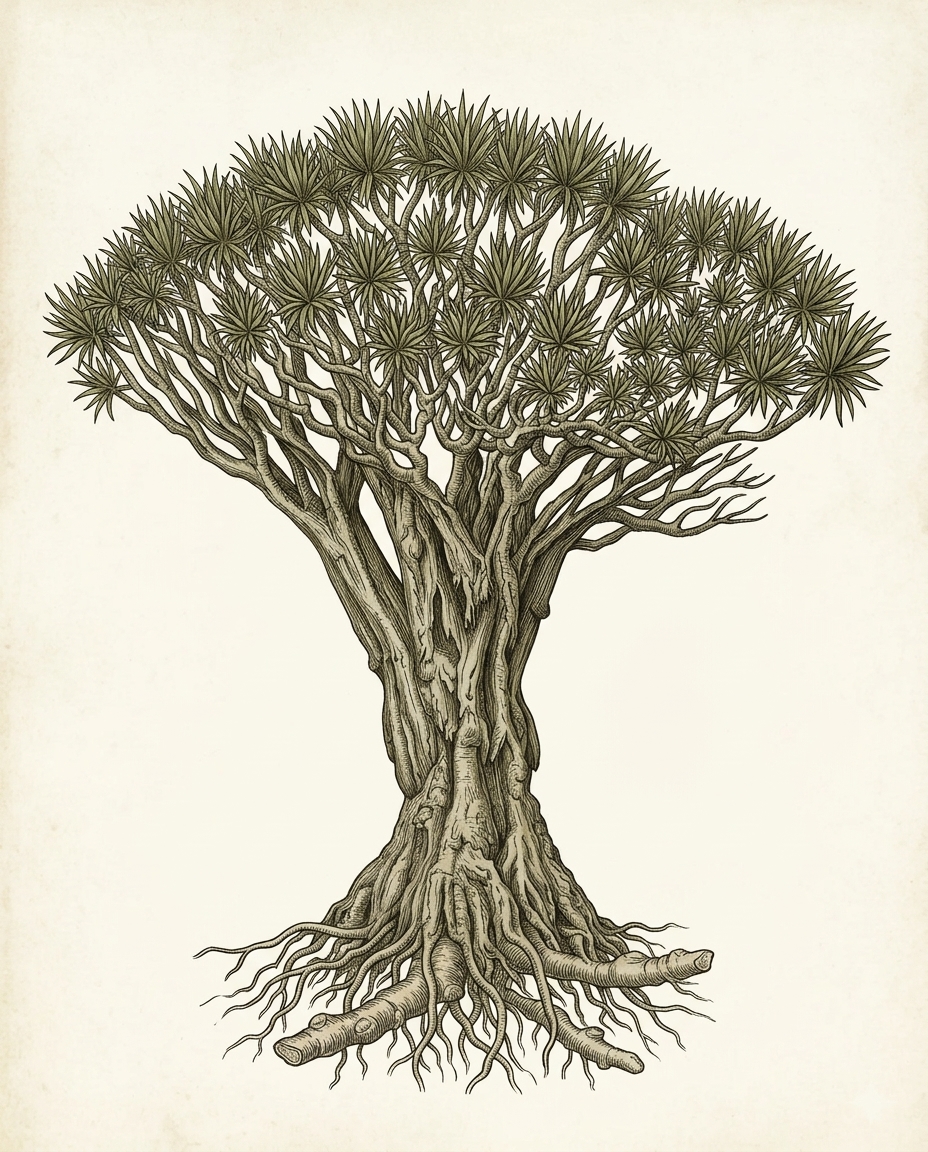
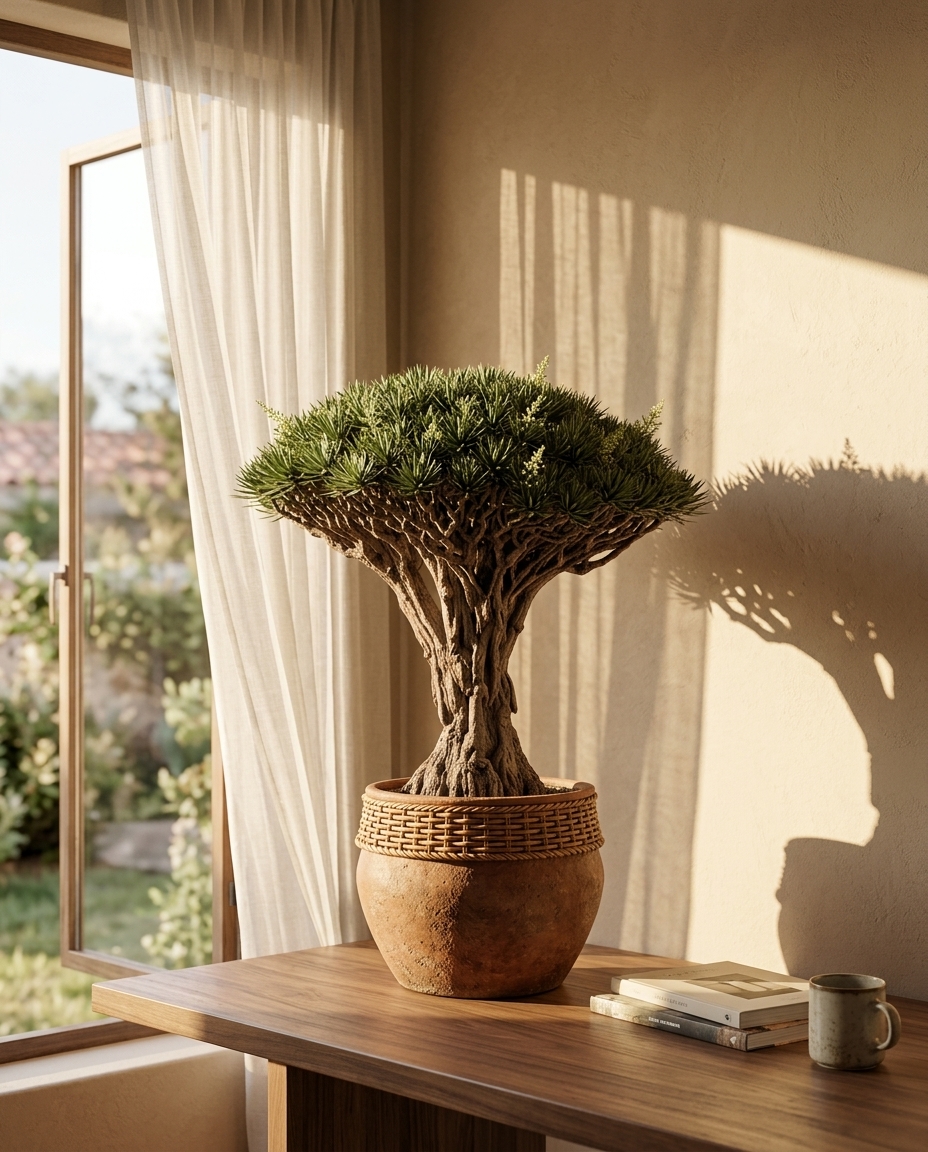
Plate IDracaena fragrans — corn plant. The genus includes dragon tree and marginata forms; ASPCA lists multiple species as toxic.
Three plants that look the part, without the risk.
Upright indoor greenery without saponins — floor-planter swaps that match dracaena's scale safely.
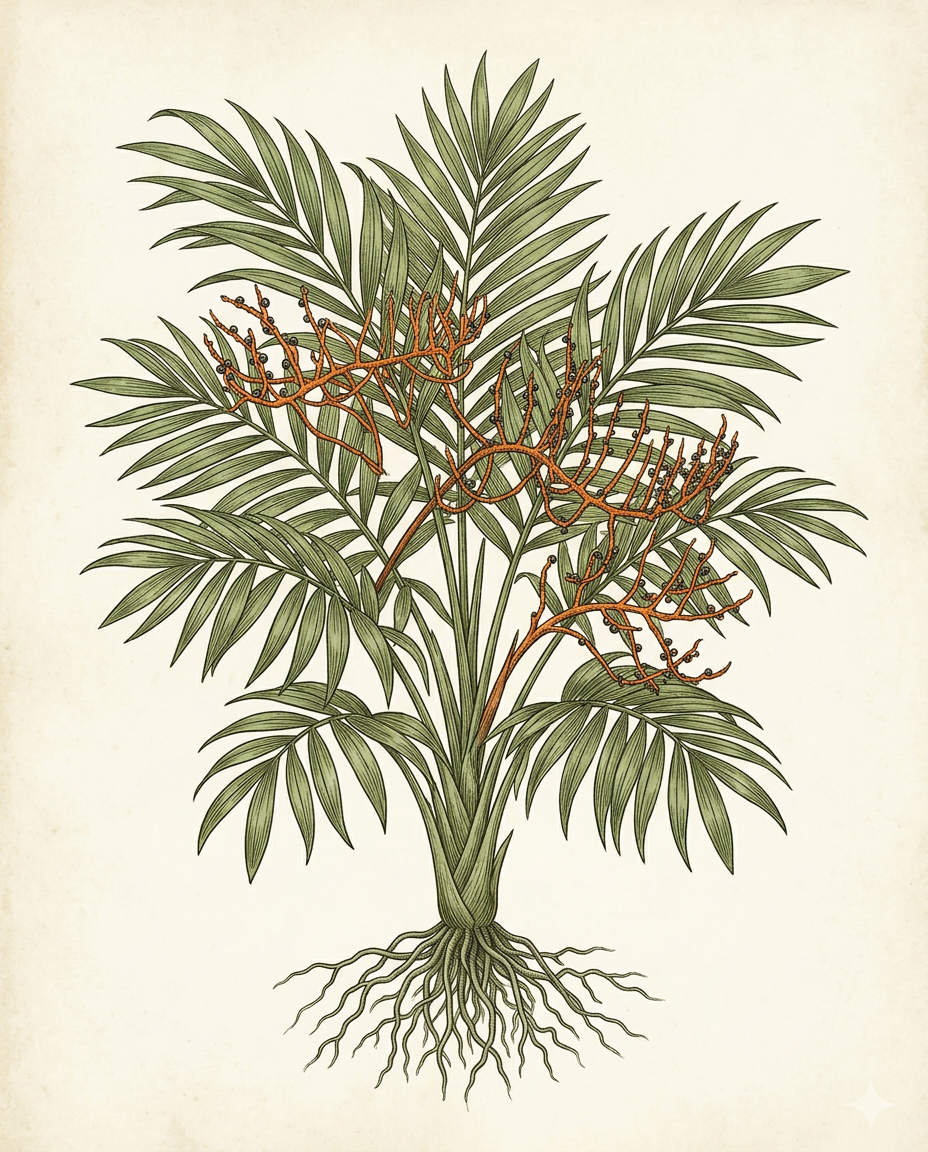
Parlor Palm
Feathery fronds in the same floor corner. The best ASPCA non-toxic palm for indoor height.
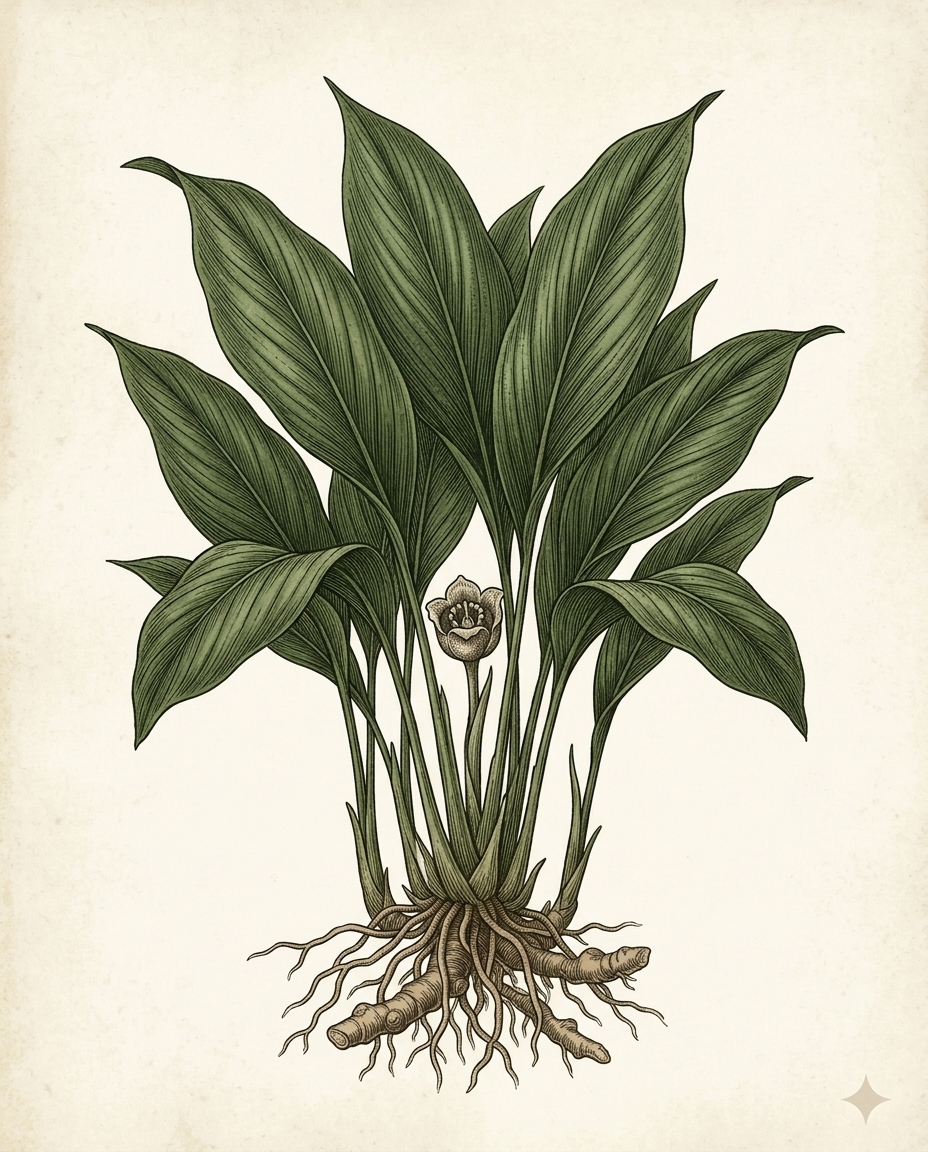
Cast-Iron Plant
Upright strappy leaves in dim corners. Tolerates neglect like dracaena — without toxins.
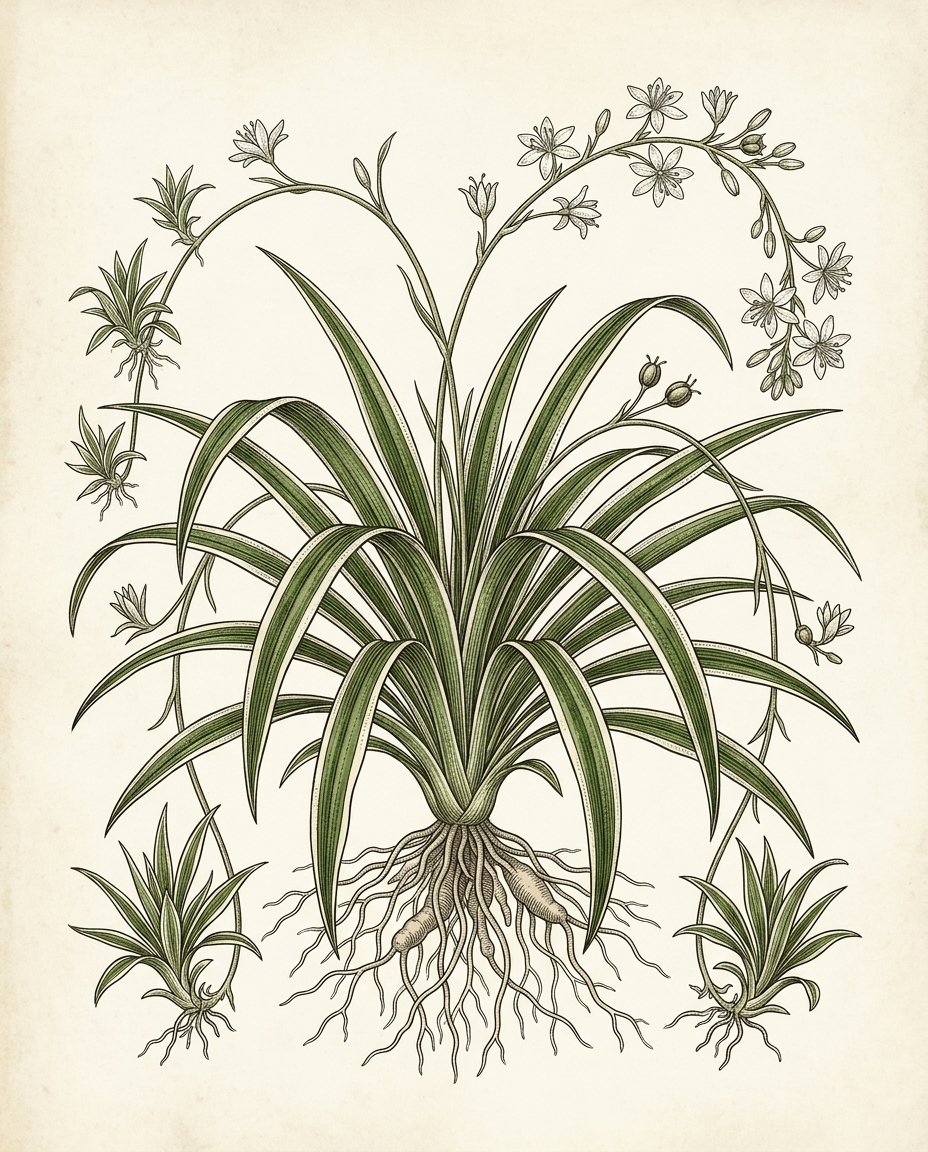
Spider Plant
Arching green for a plant stand beside the sofa. Non-toxic and inexpensive.
What it does to a cat.
Yes — dracaena is toxic to cats. The ASPCA lists Dracaena fragrans (corn plant) and related Dracaena species as toxic. Leaves contain saponins that cause vomiting, reduced appetite, and lethargy when chewed or swallowed.
Corn plant, mass cane, and dragon tree (D. marginata) share the same genus and the same caution. Office lobbies and living-room corners often host large dracaenas at exactly the height cats explore.
Not the same as cat grass
Cats seek out grass-like textures. Dracaena leaves look chewable but deliver saponins, not fibre cats can process. Offer approved cat grass (oat or wheat) in a separate pot to redirect nibbling.
Related toxic succulents and upright plants
If you are replacing dracaena, avoid swapping for aloe — also toxic. Spider plant, Boston fern, and calathea are ASPCA non-toxic and suit similar indoor light.
When to call the vet
Most cases are uncomfortable rather than fatal, but dehydration from repeated vomiting matters. Call your vet or ASPCA Poison Control at (888) 426-4435 if symptoms last beyond 24 hours or the cat will not drink.
What we have actually seen.
Vomiting & inappetence
Saponins irritate the GI tract. Cats may vomit and refuse food for 24 hours.
Lethargy
Quiet behaviour after ingestion warrants monitoring and a vet call if prolonged.
Dilated pupils
Reported in some cases with larger ingestions. Mention to your vet.
Leaf-tip chewing
Strappy leaves attract cats. Floor-level dracaenas are high-risk placements.
- ASPCA Animal Poison Control Center. Toxic and Non-Toxic Plants: Corn Plant.Accessed May 2026 · aspca.org