Rose
Rosa spp.
Yes — true roses are safe for cats. The ASPCA lists Rosa species as non-toxic. The only real hazards are physical: thorns, and the chemicals some cut roses are treated with.
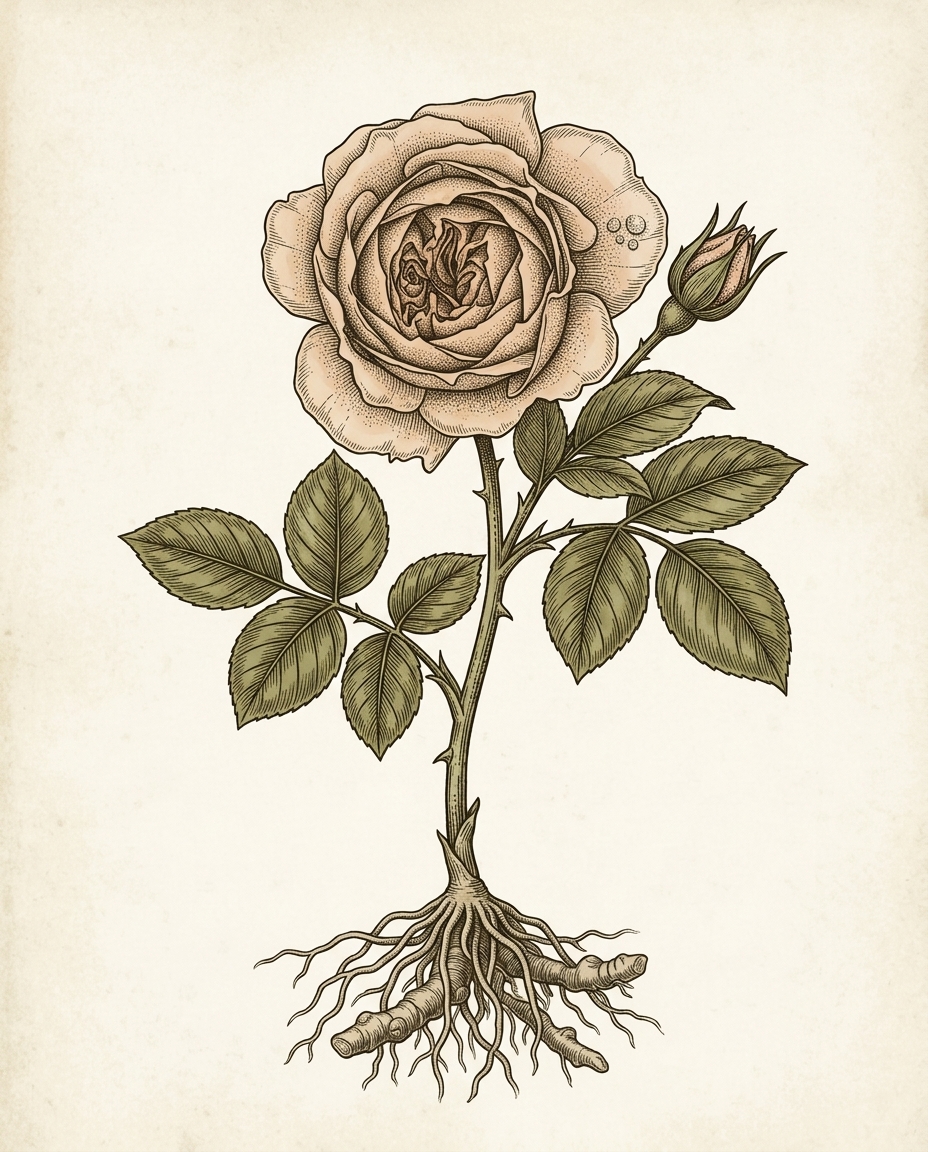
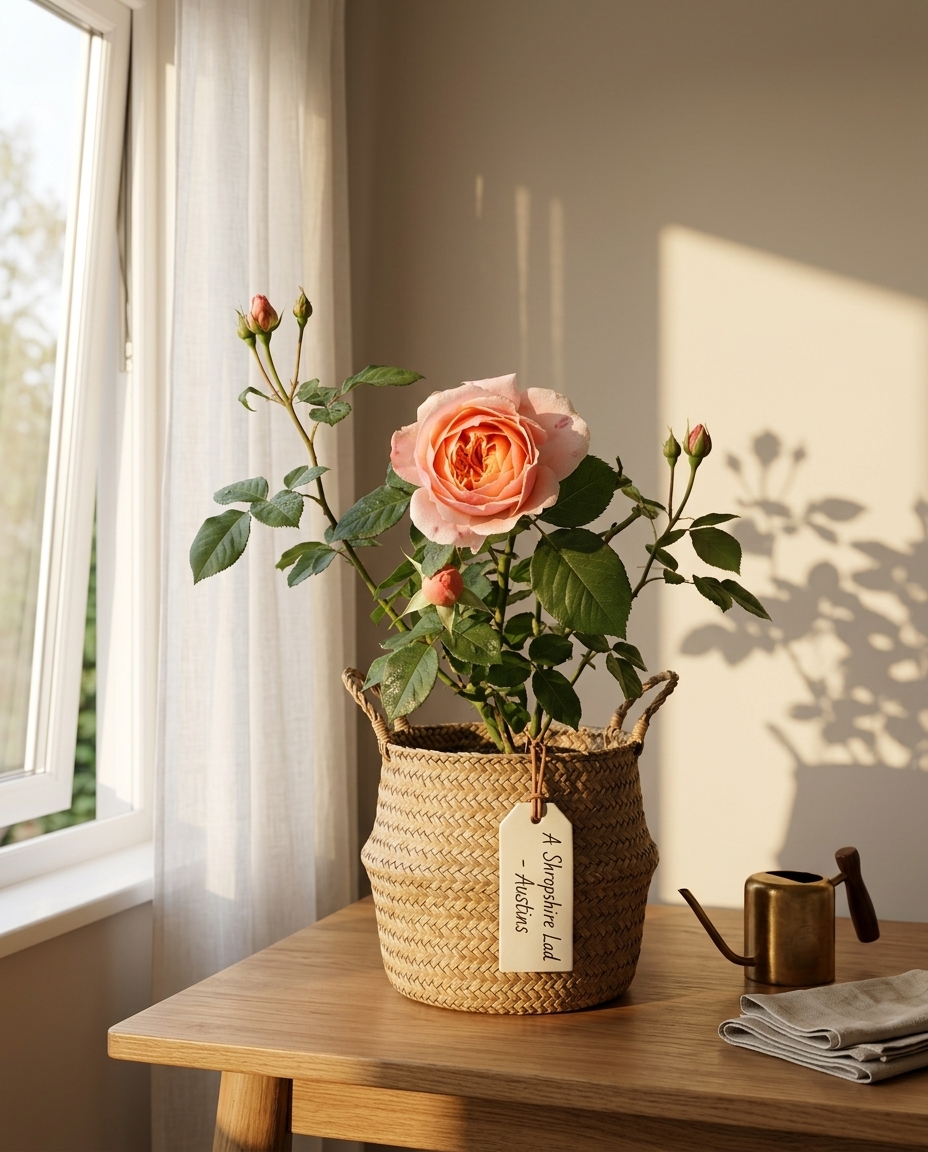
Plate IRosa spp. — the true rose. Non-toxic to cats; the dangers are the thorns and any preservatives on cut stems.
What happens if your cat eats it.
Nothing harmful, chemically speaking. The ASPCA lists true roses (Rosa species) as non-toxic to cats. A cat that nibbles a petal or leaf will not be poisoned — the rose carries none of the irritants or systemic toxins that make so many flowers dangerous.
The risks roses do pose are entirely physical. Thorns can scratch paws and mouths or, if a stem is chewed, injure the gut. And cut roses are often the issue rather than the rose itself: florist stems frequently arrive sprayed with pesticides or packaged with flower-food sachets, and that treated vase water is more likely to upset a cat than the flower.
Beware the false roses
A surprising number of toxic plants borrow the rose's name. Christmas rose (hellebore), desert rose (Adenium), moss rose (Portulaca), and rose of Sharon (Hibiscus) are all unrelated and all toxic to cats. Only the genuine Rosa is on the safe list — the name alone is no guarantee.
A safe flower for a cat home
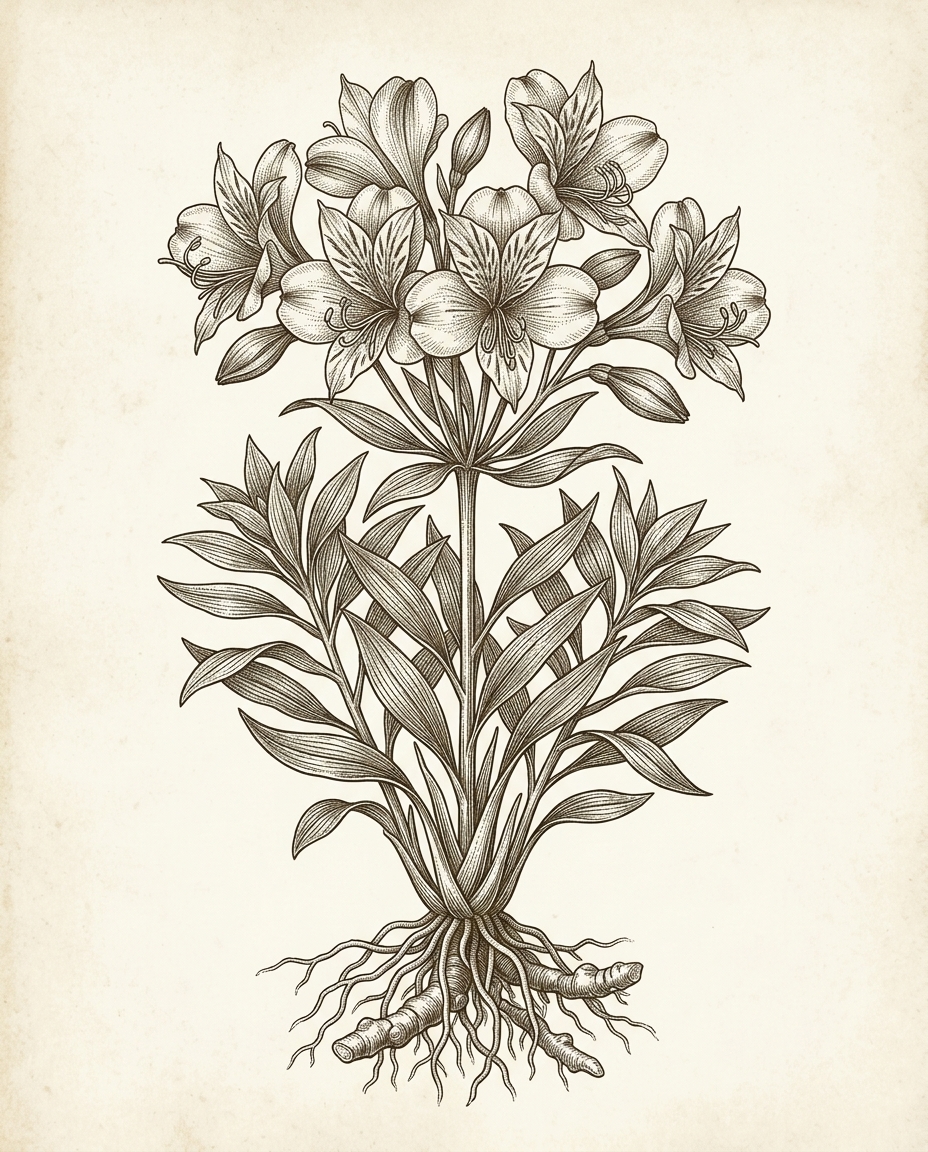
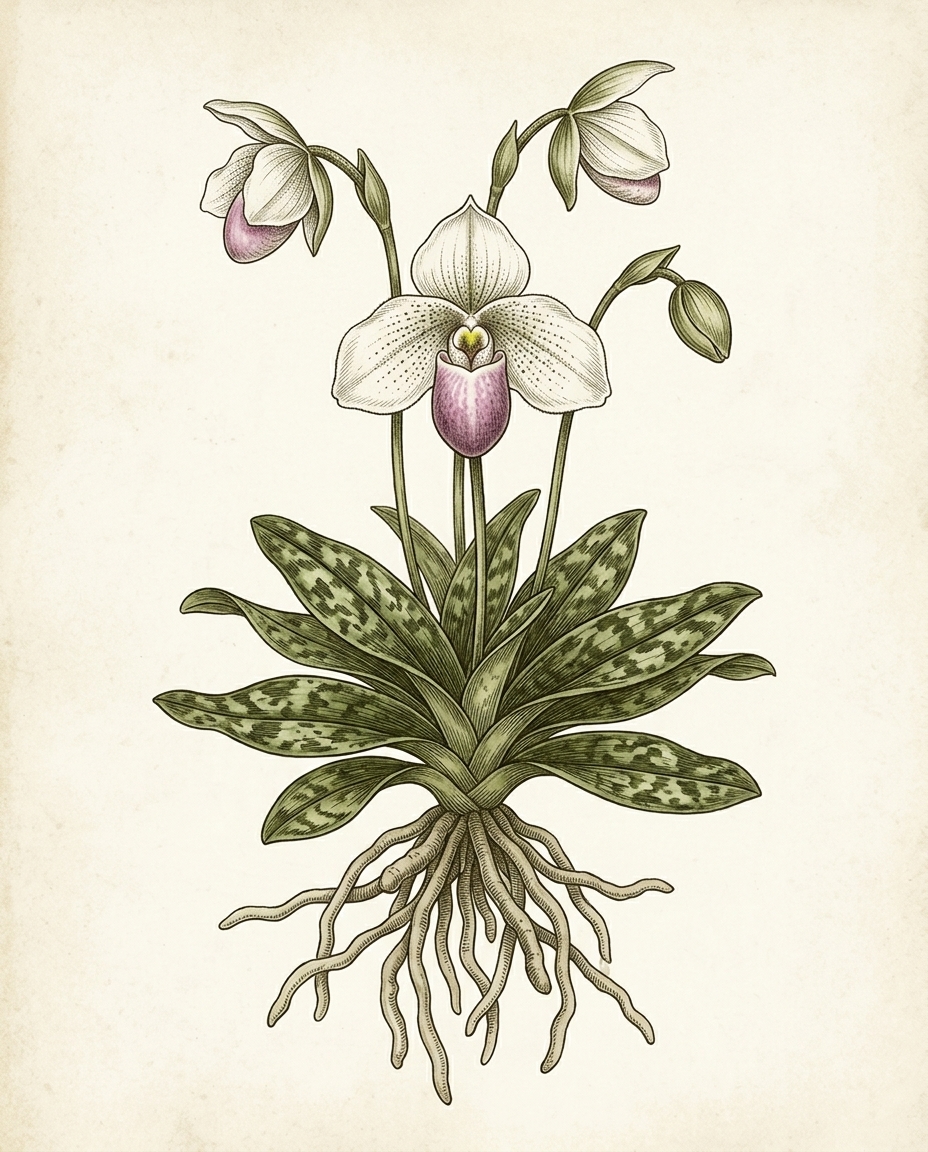
For a living option, a potted miniature rose brings the bloom indoors without cut-stem chemicals. Pair it with other cat-safe flowers like the Peruvian lily and orchid, and steer clear of the genuinely deadly true lilies in mixed bouquets.
What we have actually seen.
No chemical toxicity
The petals, leaves, and hips of true roses contain nothing poisonous to cats. A nibbled petal is harmless.
Thorn injuries
The genuine risk. Thorns can scratch paws, mouths, and eyes, and a swallowed thorn can hurt the gut.
Floral preservatives
Cut roses often come with sachets of flower food or have been sprayed; the additives, not the rose, can upset a cat.
Mechanical upset
Eating a lot of fibrous foliage can cause vomiting — the cat's gut, not a toxin.
Four common varieties.
Garden Rose (classic cut bloom)
The familiar long-stemmed florist rose. Non-toxic, but usually the most heavily treated with preservatives.
Miniature Rose (pot-sized)
Compact roses sold as flowering houseplants. A safe, living alternative to cut stems.
Keeping the plant alive.
Full sun
Roses are sun-lovers — a potted rose needs the brightest spot you have, ideally outdoors or by a south window.
Deep, regular
Water thoroughly and consistently in growth; roses dislike drying out but also dislike soggy roots.
Rich, free-draining
Fertile, loamy soil with good drainage. Feed during the flowering season.
Out of pounce range
For the thorns' sake, keep stems where a cat won't bat at them. Cut roses last longer away from heat.
- ASPCA Animal Poison Control Center. Toxic and Non-Toxic Plants: Rose.Accessed May 2026 · aspca.org
- Pet Poison Helpline. Plants Non-Toxic to Cats.Reference list · 2024 ed.
If you liked this, also safe.