Aloe
Vera.
Aloe vera
Saponins and anthraquinones in the gel and latex. Aloe is a human first-aid plant that the ASPCA lists as toxic to cats — vomiting and lethargy are common after ingestion.
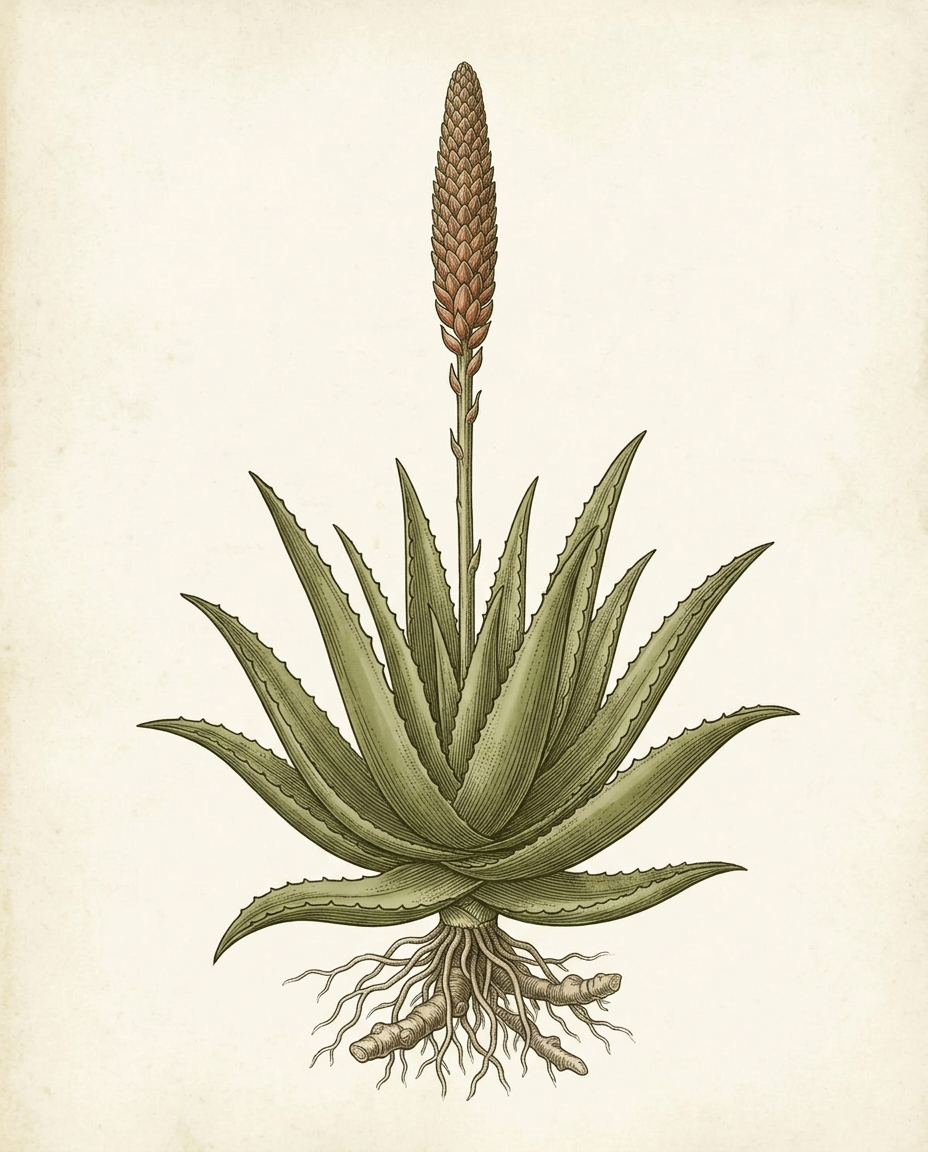
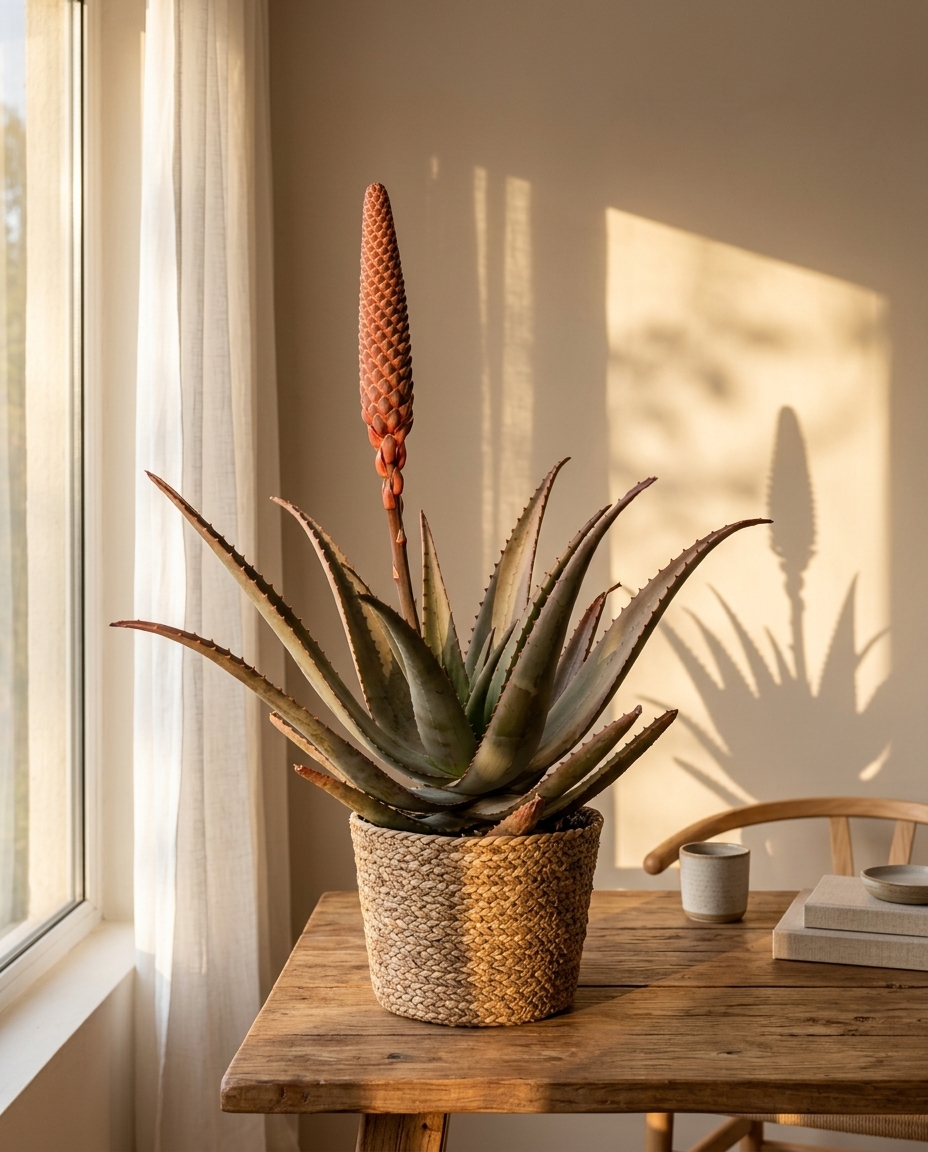
Plate IAloe vera — the familiar succulent on kitchen windowsills. Cats often chew succulents out of curiosity.
Three plants that look the part, without the risk.
Rosette succulents without aloe's saponins — the best ASPCA non-toxic swaps for a sunny windowsill.
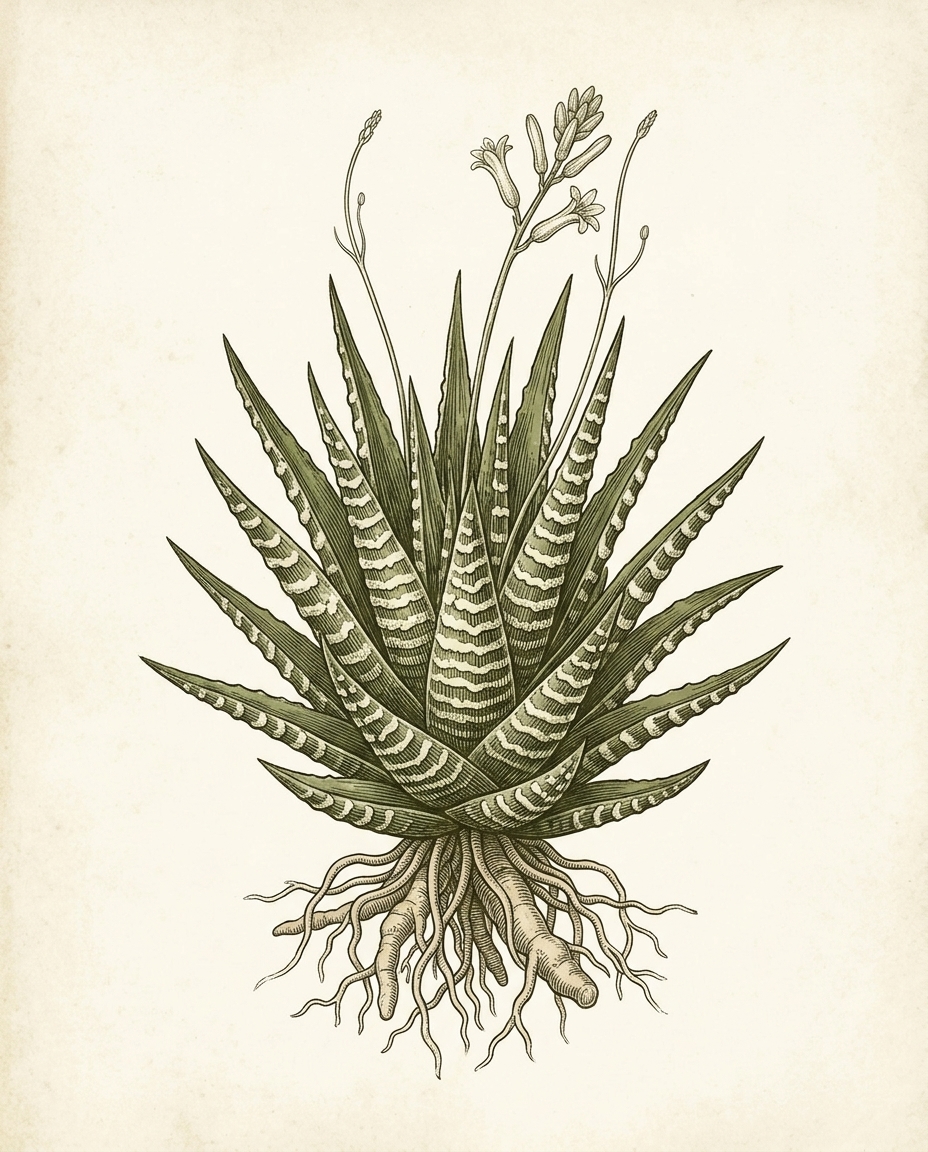
Haworthia
The closest rosette match — striped succulent leaves in the same small pot on a sunny sill.
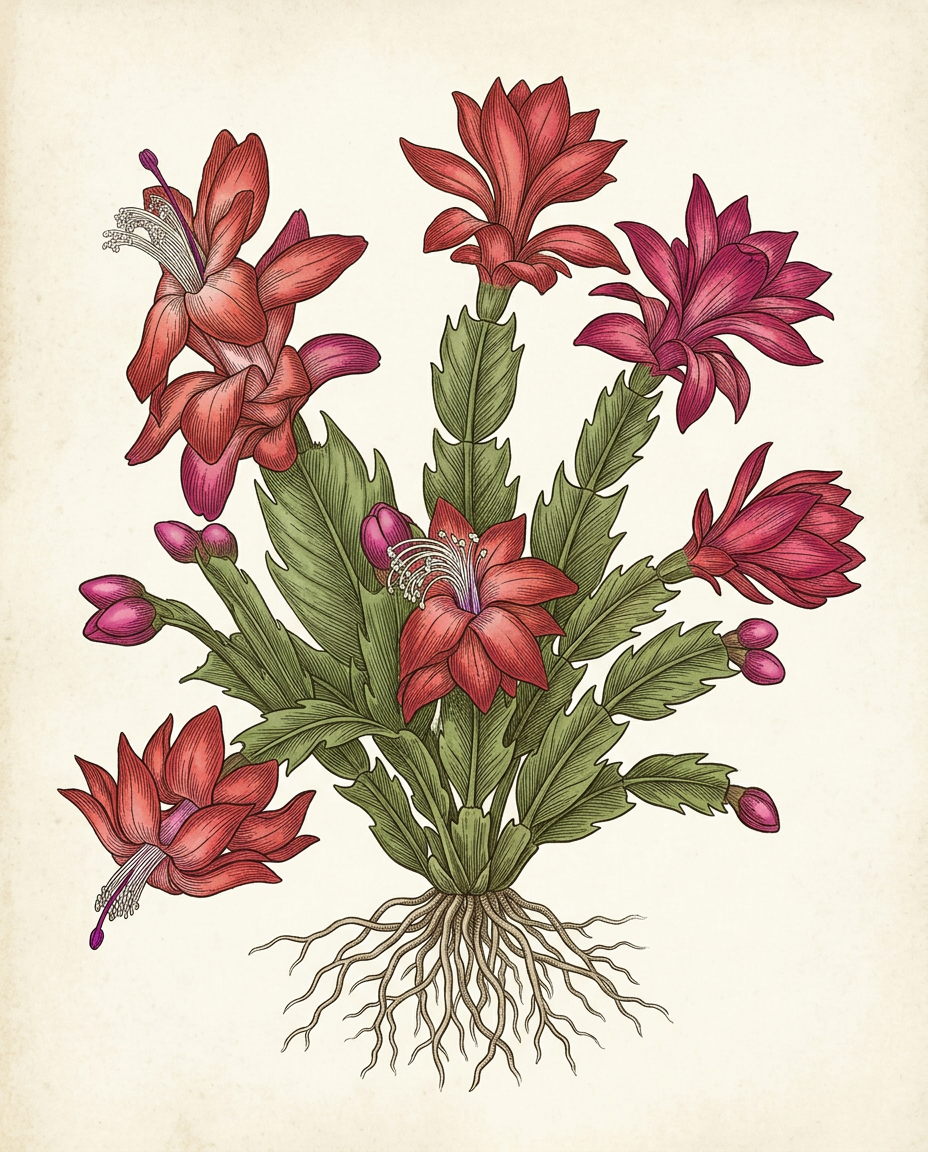
Christmas Cactus
Segmented succulent stems with seasonal blooms. Non-toxic epiphyte, not desert cactus.
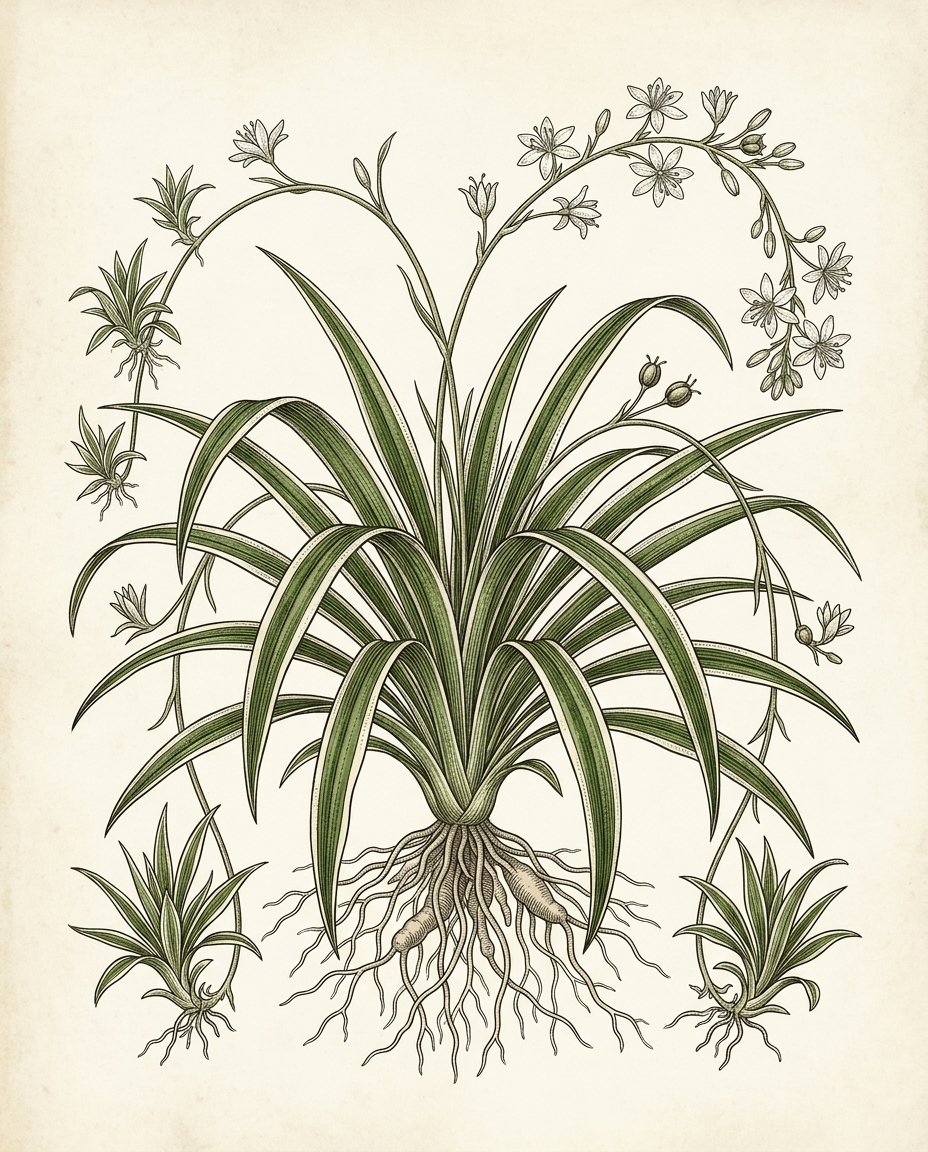
Spider Plant
Forgiving green on the same windowsill if you prefer leaves over rosettes. Non-toxic.
What it does to a cat.
Yes — aloe vera is toxic to cats. The ASPCA lists Aloe vera as toxic. Cats that chew leaves ingest saponins and anthraquinone compounds that irritate the gut and can cause vomiting, diarrhoea, lethargy, and in some cases tremors or reddish urine.
Aloe's reputation as a healing plant creates a dangerous assumption: what soothes human skin is not safe in a cat's stomach. Keep plants off windowsills cats patrol, and never add aloe to food or water.
Succulents are not automatically safe
Cats gravitate toward thick leaves. Many popular succulents — jade, kalanchoe, aloe — are toxic. Christmas cactus is a rare exception: ASPCA non-toxic, segmented stems, and seasonal colour.
If your cat ate aloe
Remove remaining plant material, note how much was chewed, and call your vet. ASPCA Animal Poison Control at (888) 426-4435 can help quantify risk. Do not treat at home with human laxatives or induced vomiting unless directed.
Safer sunny-sill plants
Spider plant tolerates the same bright window. Boston fern suits humid kitchens where aloe often lives. Both are non-toxic per ASPCA.
What we have actually seen.
Vomiting & diarrhoea
Primary GI signs from saponins and anthraquinone glycosides. Often within 6–12 hours of ingestion.
Lethargy & tremors
Cats may become quiet or unsteady. Report to your vet — severity varies with amount eaten.
Red urine
Anthraquinones can colour urine reddish. Mention to your vet if you notice this after known ingestion.
Chronic leaf chewing
Succulent texture attracts cats. Move aloe behind glass or out of the home entirely.
- ASPCA Animal Poison Control Center. Toxic and Non-Toxic Plants: Aloe.Accessed May 2026 · aspca.org