Haworthia
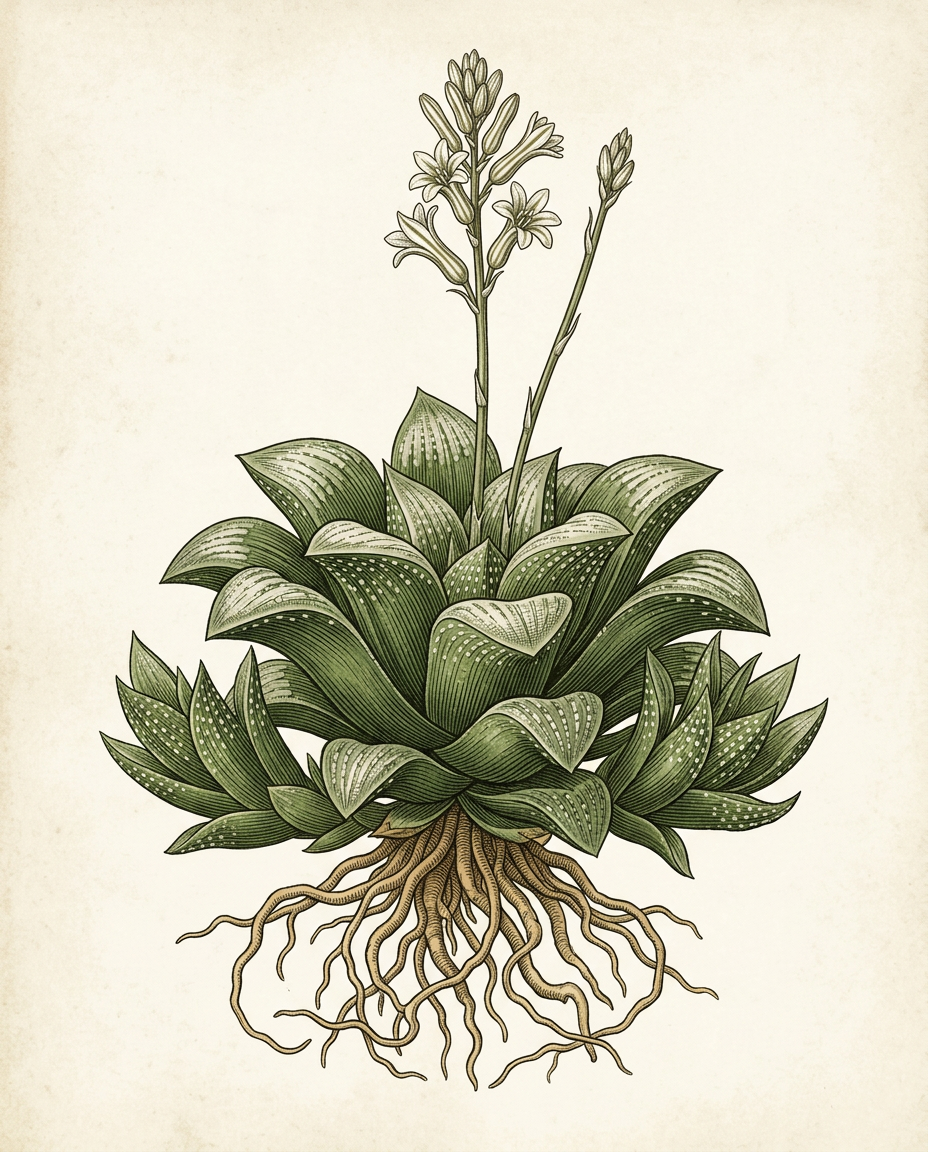
Haworthia attenuata
Rosette succulents with striped leaves — the ASPCA lists haworthia as non-toxic to cats. The closest safe substitute for aloe on a sunny sill.
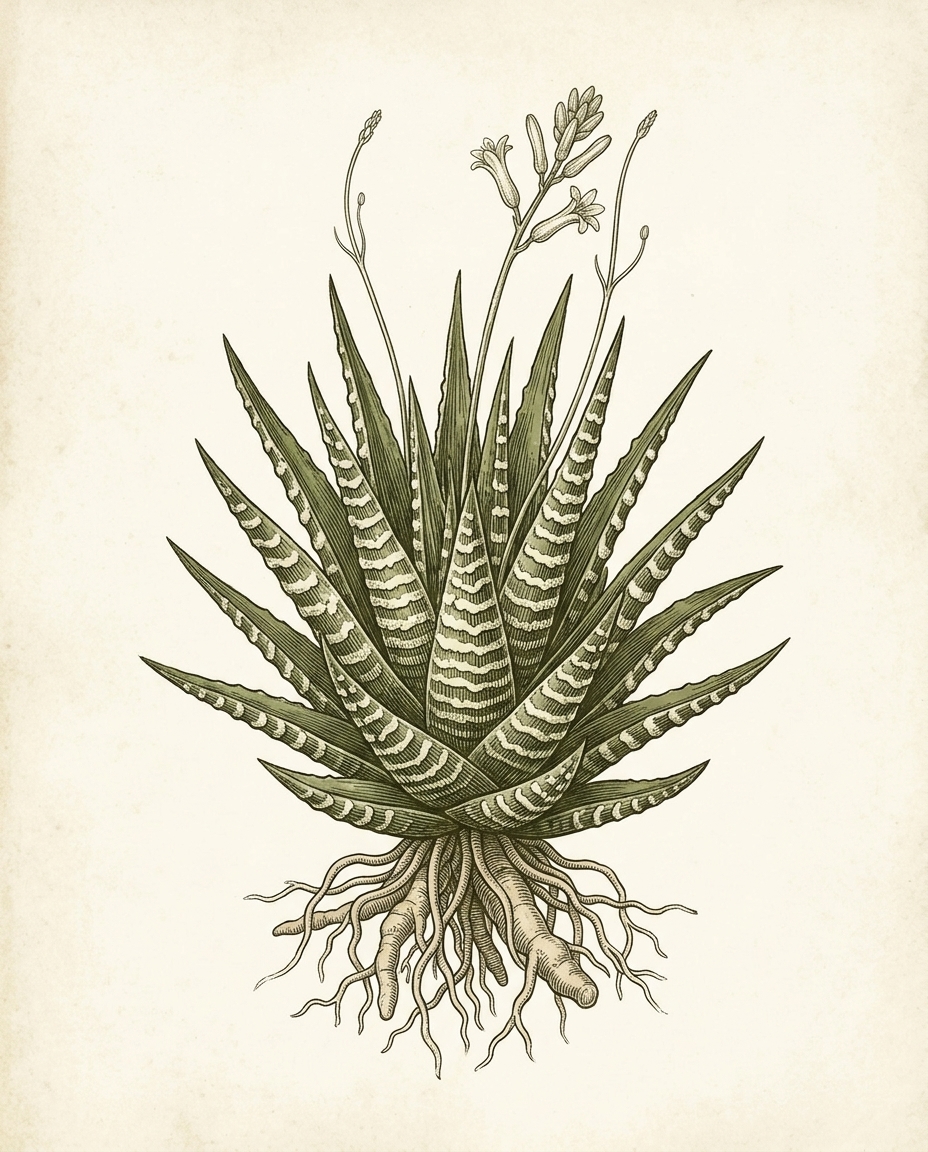
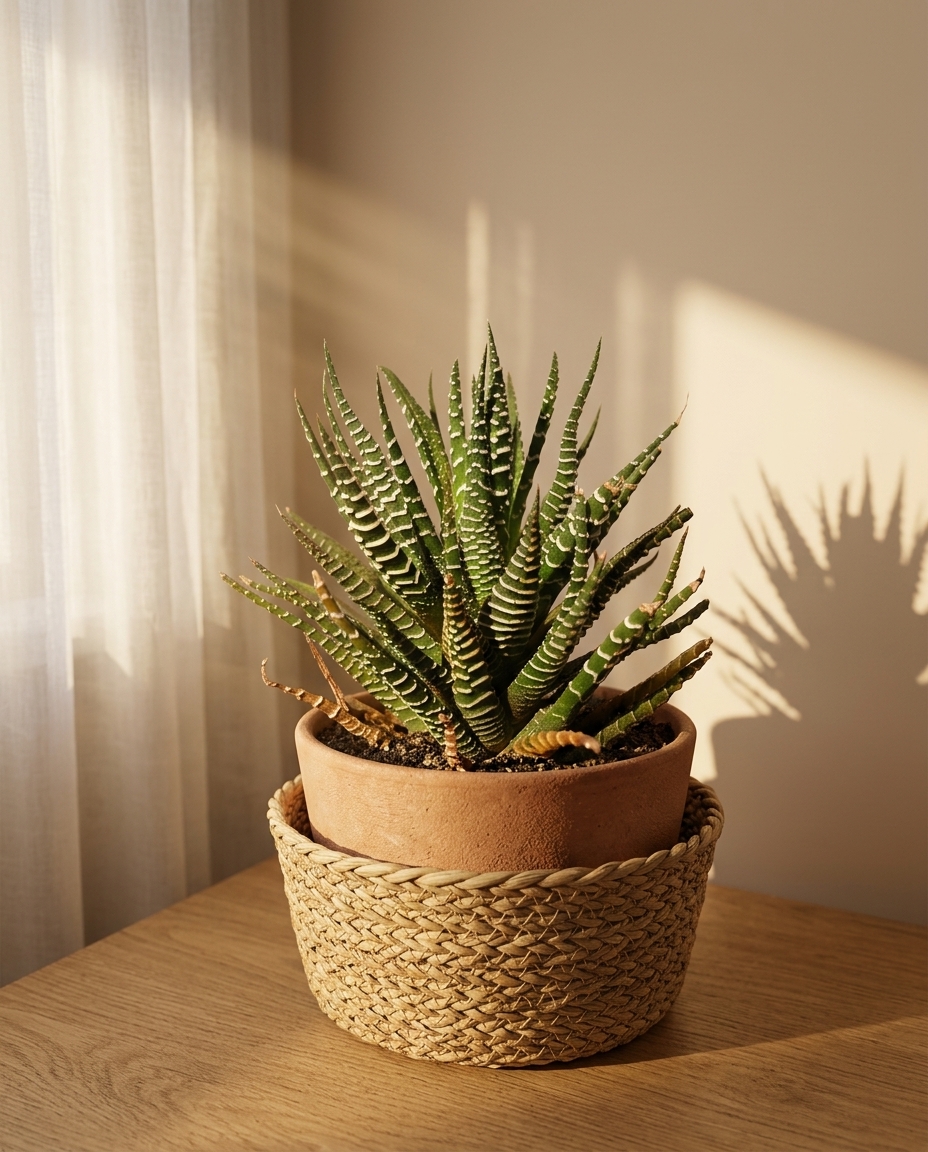
Plate IHaworthia attenuata — compact rosette form often sold beside toxic aloe. Verify the label before purchase.
What happens if your cat eats it.
Yes — haworthia is safe for cats. The ASPCA lists Haworthia species as non-toxic. Striped rosette leaves fill the same sunny sill as aloe vera without saponins or anthraquinone compounds.
Cats chew succulents for texture. Haworthia survives the investigation; aloe does not.
The aloe swap
Aloe vera is toxic to cats per ASPCA — vomiting, diarrhoea, and lethargy are common after ingestion. Haworthia offers the rosette silhouette buyers want on a kitchen windowsill. Read nursery labels carefully: the two are often displayed together.
Not every succulent is safe
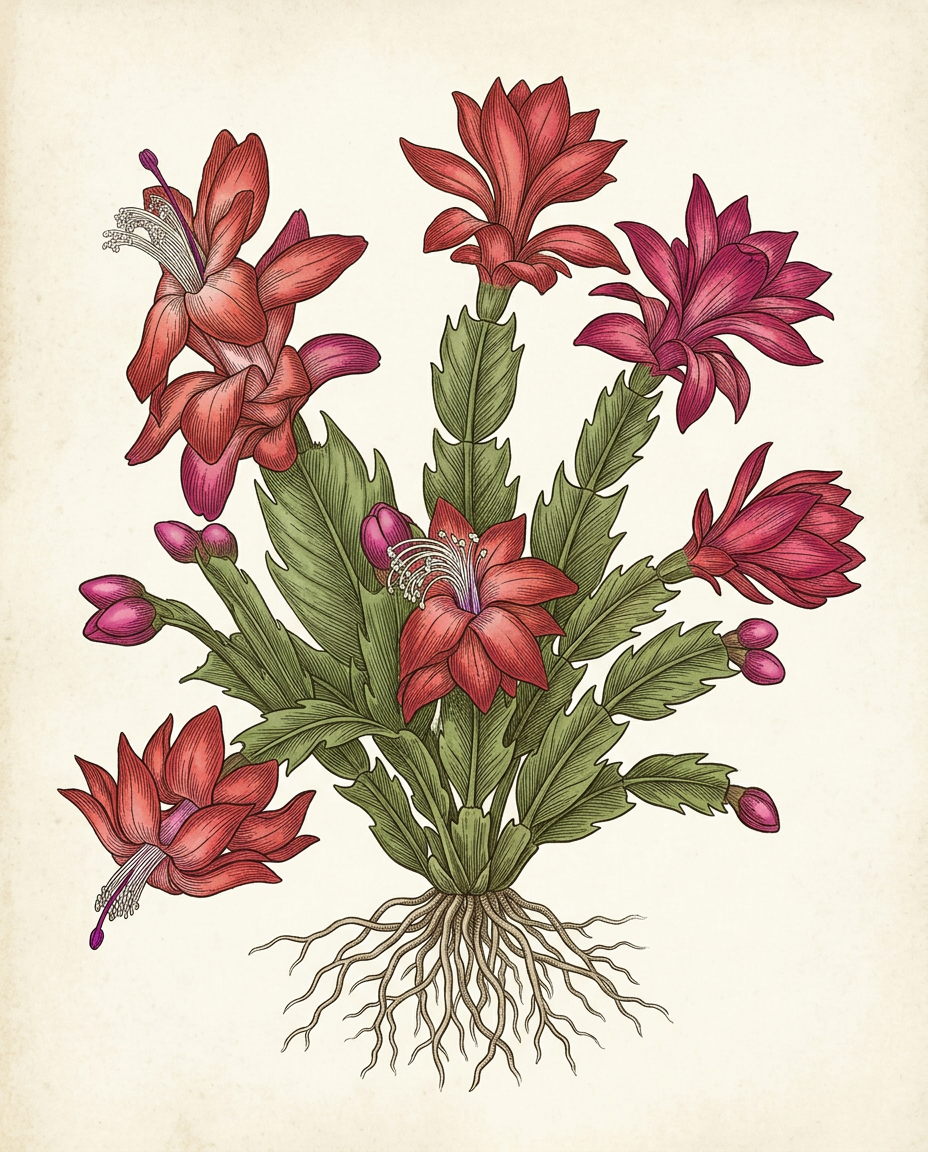
Christmas cactus is another ASPCA non-toxic option, with trailing segmented stems rather than a rosette. Jade, kalanchoe, and aloe are toxic. When in doubt, match the genus to ASPCA before purchase.
Keep the pot stable
The plant is safe; a falling ceramic pot is not. Small haworthia rosettes suit elevated shelves or terrariums with ventilation if your cat treats windowsills as a buffet line.
What we have actually seen.
Succulent attraction
Cats target rosette succulents on windowsills. Haworthia is non-toxic — unlike aloe beside it in the shop.
Small rosette size
Compact form limits how much a cat can ingest. Mechanical upset only with large mouthfuls.
Shop mislabeling
Aloe and haworthia sit side by side in nurseries. Read the tag — do not assume all rosettes are safe.
Soil ingestion
Perlite or fertiliser from the pot can upset stomachs unrelated to the plant itself.
Four common varieties.
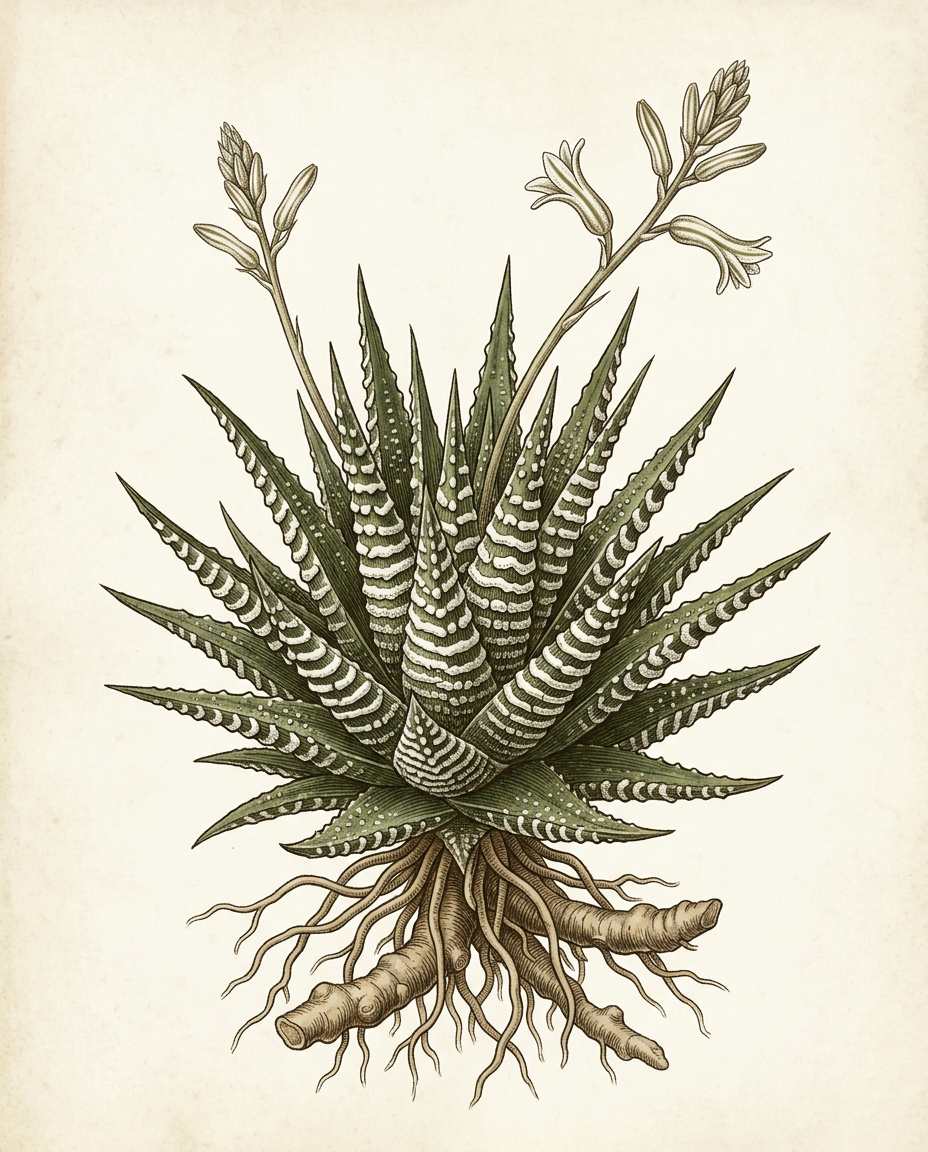
Attenuata (zebra stripes)
White horizontal bands on dark green leaves — the classic zebra haworthia.
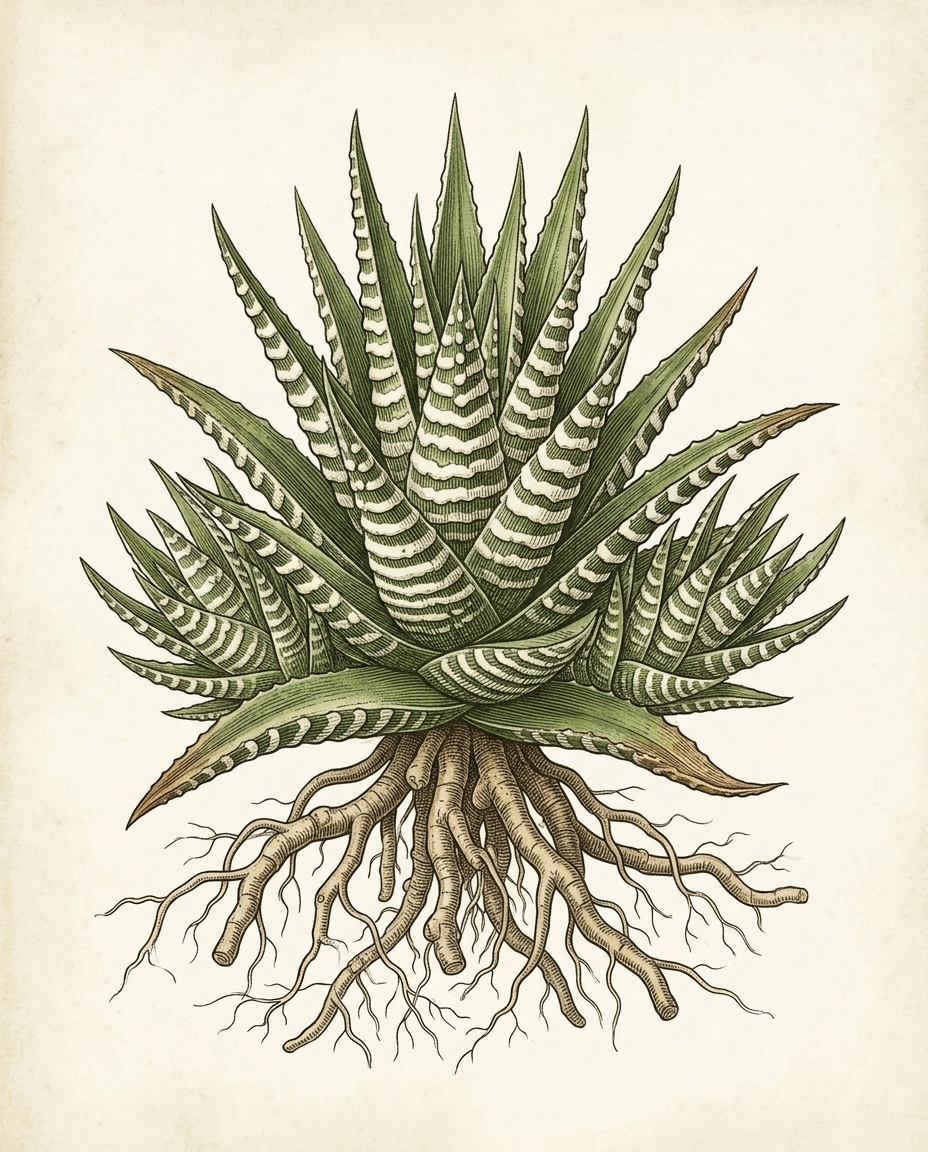
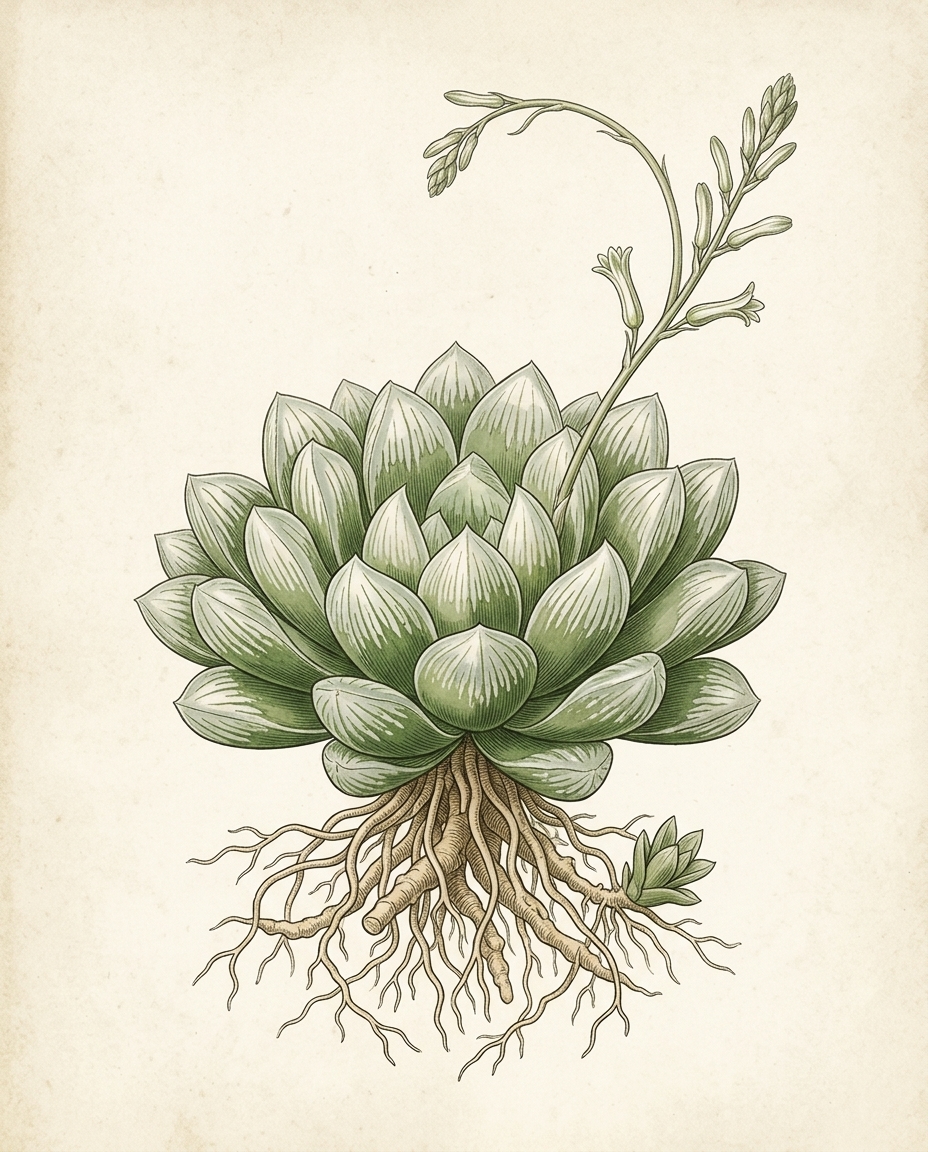
Cooperi (translucent tips)
Windowed leaf tips that glow in bright light. A collector's favourite.
Keeping the plant alive.
Bright, indirect
Tolerates some direct morning sun. Too much hot afternoon sun bleaches leaf tips.
When soil dries
Soak, then wait until completely dry. Overwatering causes rot — the main failure mode.
Cactus mix
Fast-draining succulent blend. Shallow pots suit the small root system.
Sunny windowsill
Elevate on a shelf if cats persistently knock rosettes. The plant is safe; the pot is not.
- ASPCA Animal Poison Control Center. Toxic and Non-Toxic Plants: Haworthia.Accessed May 2026 · aspca.org
If you liked this, also safe.