Air
Plant.
Tillandsia spp.
Air plants (Tillandsia spp.) are widely considered non-toxic to cats. The ASPCA does not list Tillandsia individually, but lists multiple related Bromeliaceae genera as non-toxic and there is no documented toxic principle in the genus. Treat as safe.
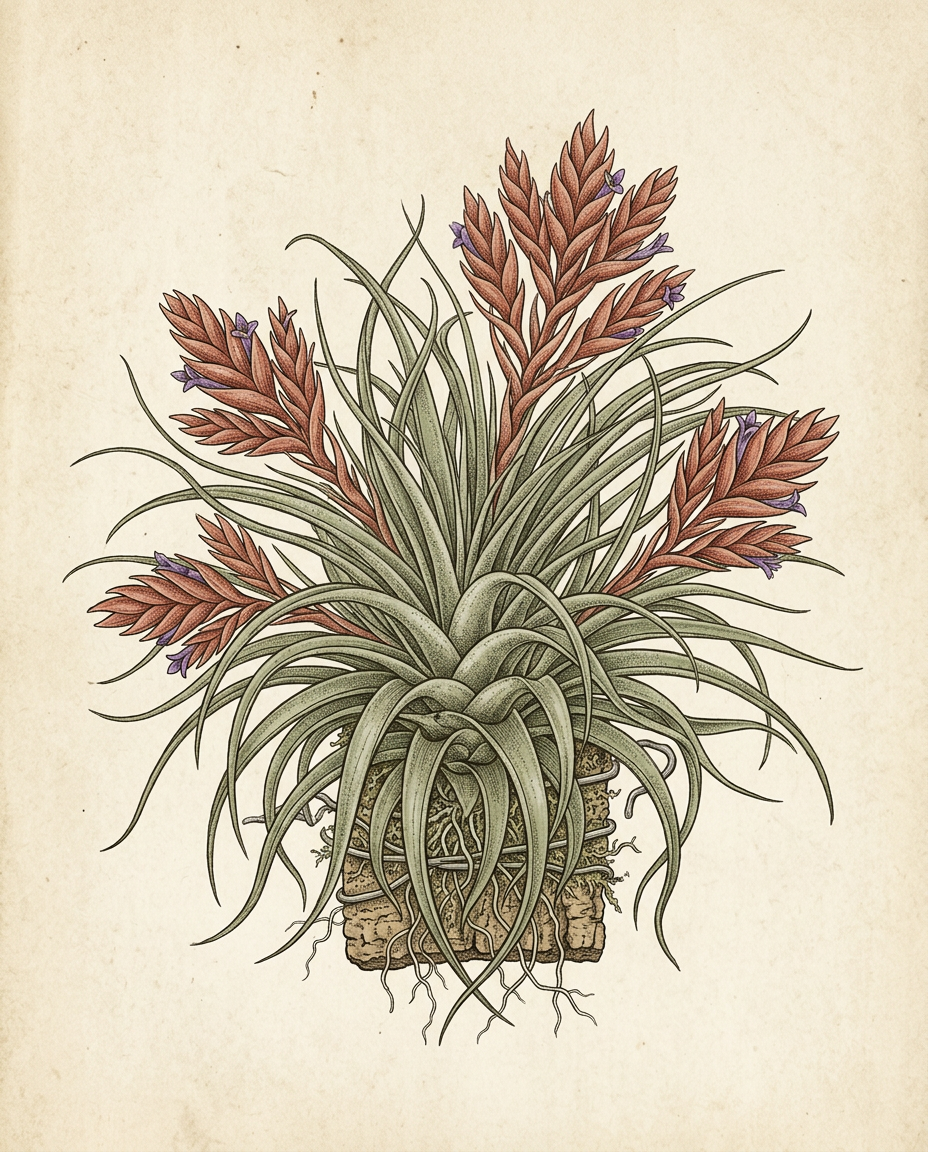
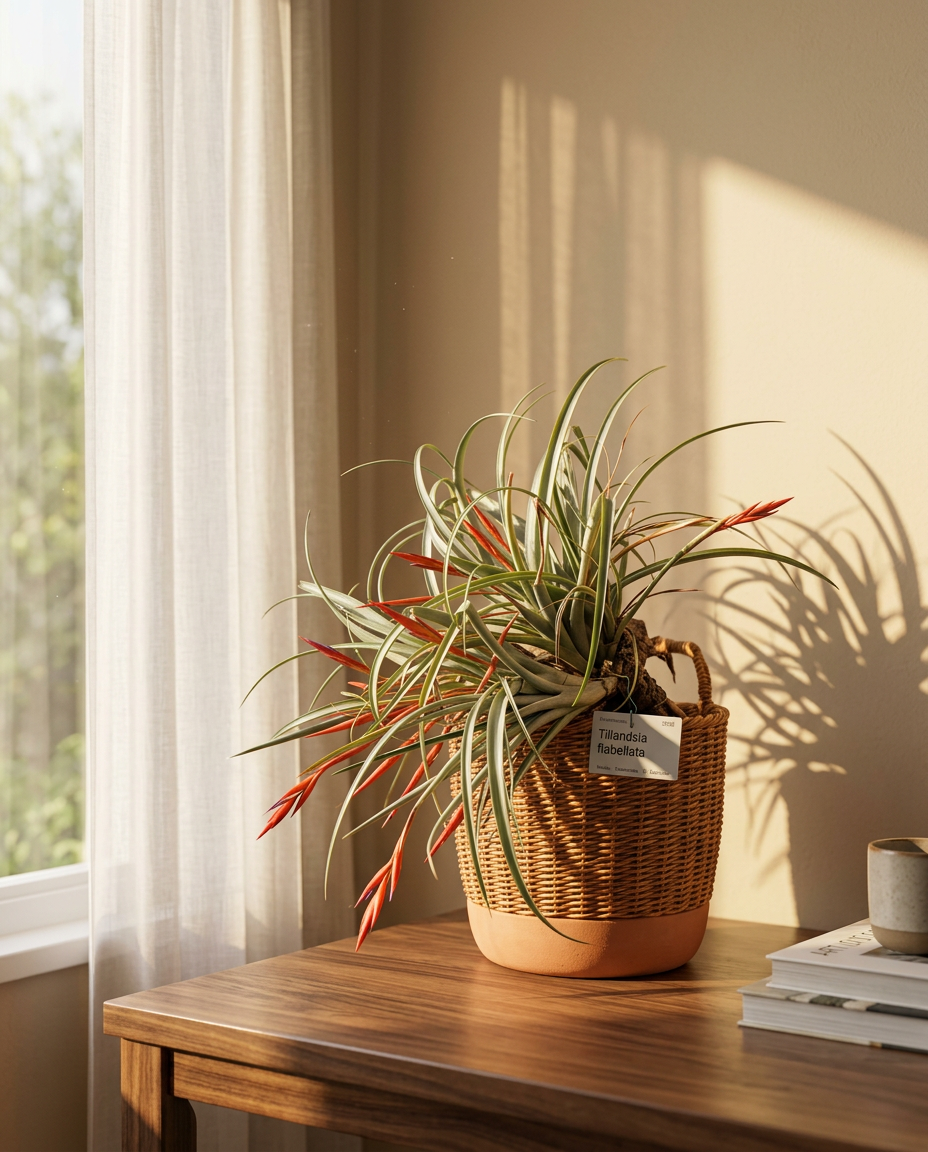
Plate ITillandsia — a genus of more than 600 epiphytic bromeliads native to the Americas. Roots are vestigial; the plant takes water and nutrients through tiny scales (trichomes) on the leaves.
How to keep an air plant alive.
Yes — air plants are safe for cats. Tillandsia spp. are not individually listed on the ASPCA's plant database, but every reasonable line of evidence points the same way: the genus has no documented toxic principle, multiple sibling Bromeliaceae genera are on the ASPCA non-toxic list (Neoregelia, Cryptanthus), and clinical references like Pet Poison Helpline treat air plants as non-toxic. Treat them as safe.
This is one of the few situations where we ship a verdict of safe on family-level ASPCA evidence rather than a species-level entry. We flag the gap honestly: ASPCA has not formally reviewed Tillandsia, and we will update the page the day they do.
Why the ASPCA gap doesn't change the answer
The ASPCA's database is curated, not exhaustive. Plants get added when the organisation reviews them; absence from the list is not a clean bill of health by itself. The reason we trust the safe verdict here is the family signal: ASPCA lists Blushing Bromeliad (Neoregelia spp.) and Earth Star (Cryptanthus bivattus minor) as non-toxic, both in the same Bromeliaceae family as Tillandsia, and no air plant species appears on the toxic list. Bromeliads as a houseplant family are a cat-safe corner of the indoor plant world.
The toxic principles that show up across Bromeliaceae — none documented. The closest concern in clinical literature is mechanical: stiff leaves can scratch, and some species end up with sharp leaf tips. There is nothing chemical to flag.
What the plant actually is
Tillandsia is a genus of more than 600 epiphytic plants native to forests and deserts across Central and South America. They grow on tree branches, rocks, and even telephone wires in some regions — anchored by vestigial roots but absorbing water and nutrients through scales called trichomes on their leaves. That is why they survive without soil: the leaf surface is the absorption organ.
In a house, this means the care reduces to one rule: soak the plant in room-temperature water for 20 to 30 minutes once a week, then shake it out and let it dry upside-down. Mist between soaks if the air is dry. No pot, no soil, no fertiliser unless you want flowers.
Where it fits in a cat household
Air plants belong in a glass globe, on a mounted piece of driftwood, in a hanging wire frame, or wired to a branch. Most are 5 to 25 cm. The classic T. ionantha is the small green rosette in every shop terrarium; T. xerographica is the large silvery curling sculpture; T. caput-medusae has the snake-like tentacle leaves; T. stricta is the soft dense rosette that blooms reliably.
In a cat household, the main risk is the cat treating the plant as a toy. Tillandsia is loose by design, satisfying to bat off shelves, and easy to chew apart. A glass globe with a wide enough opening for air circulation, mounted out of reach, solves both problems — and protects the plant more than the cat.
Cat-safe siblings to mix with
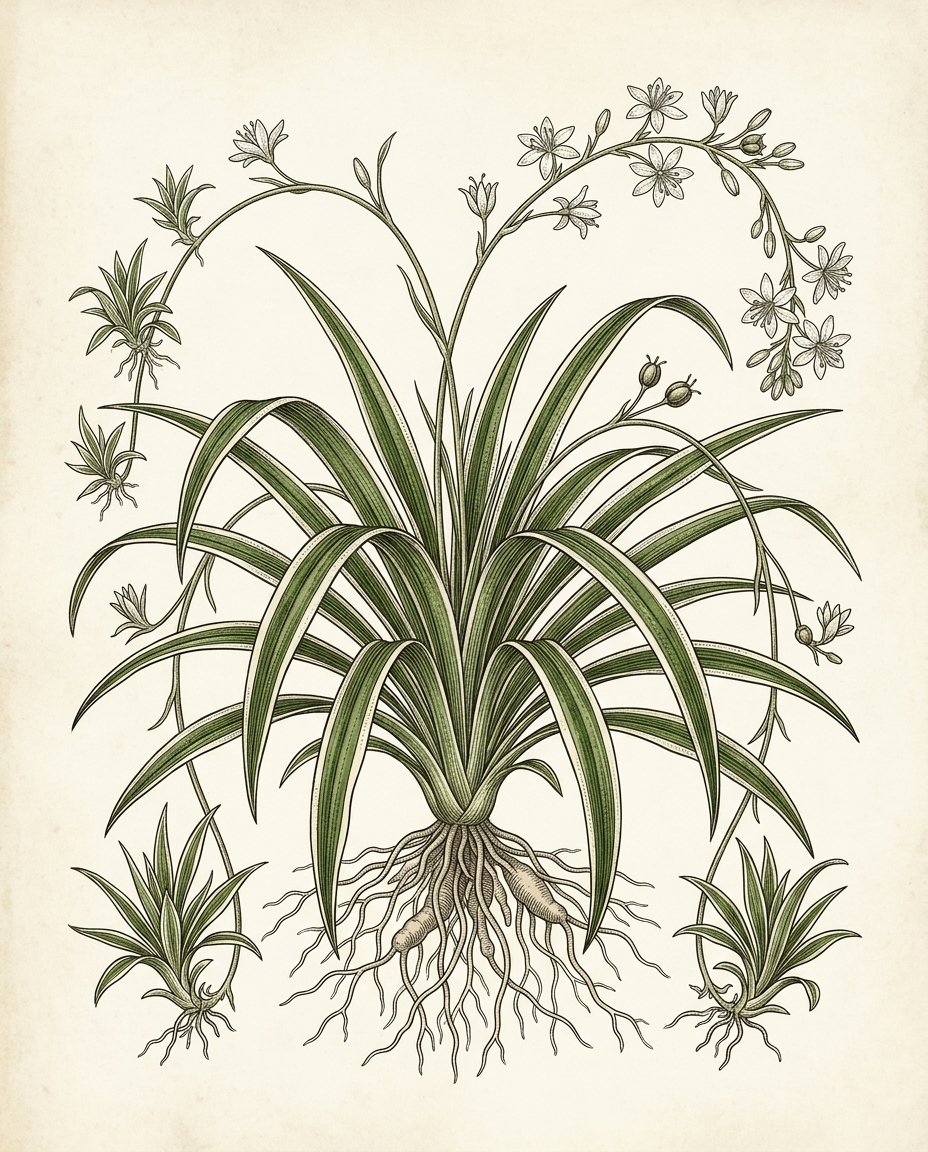
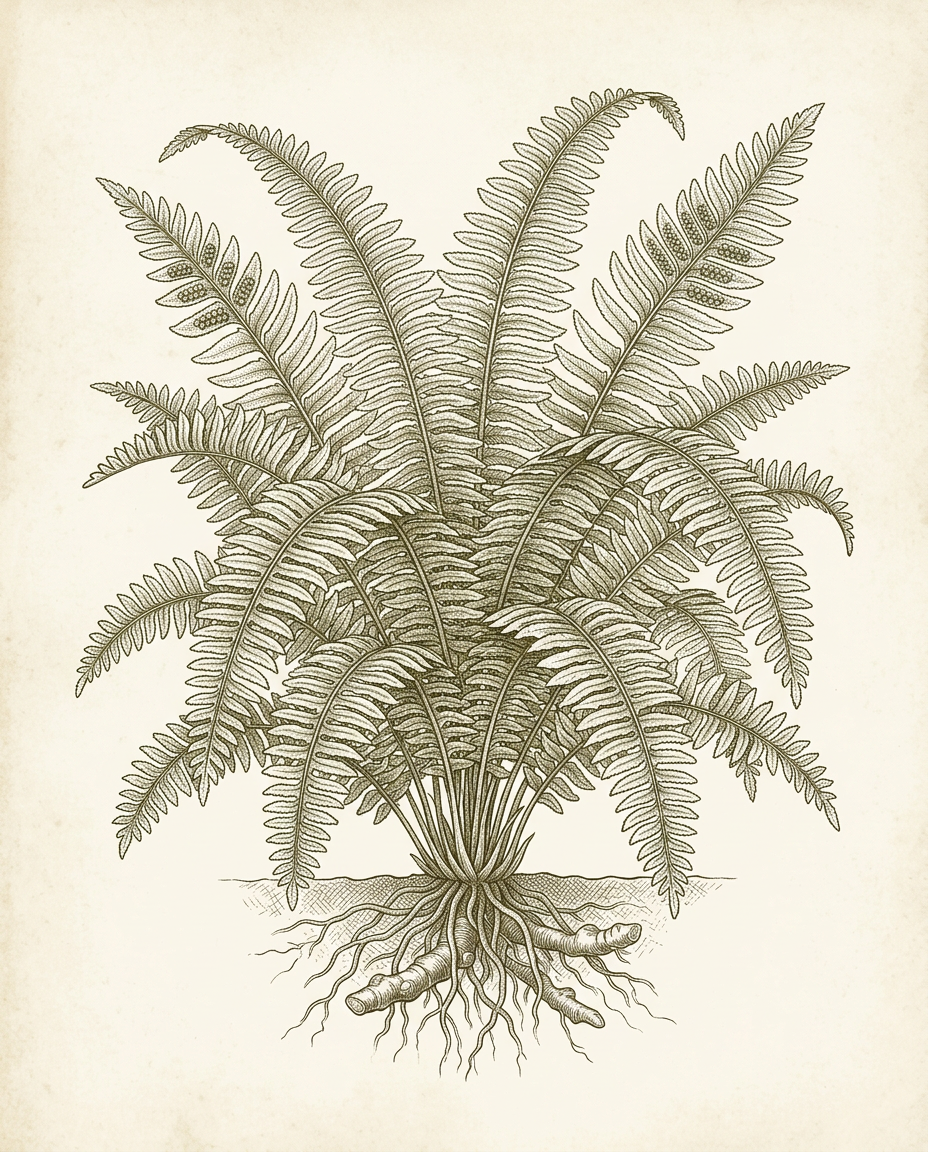
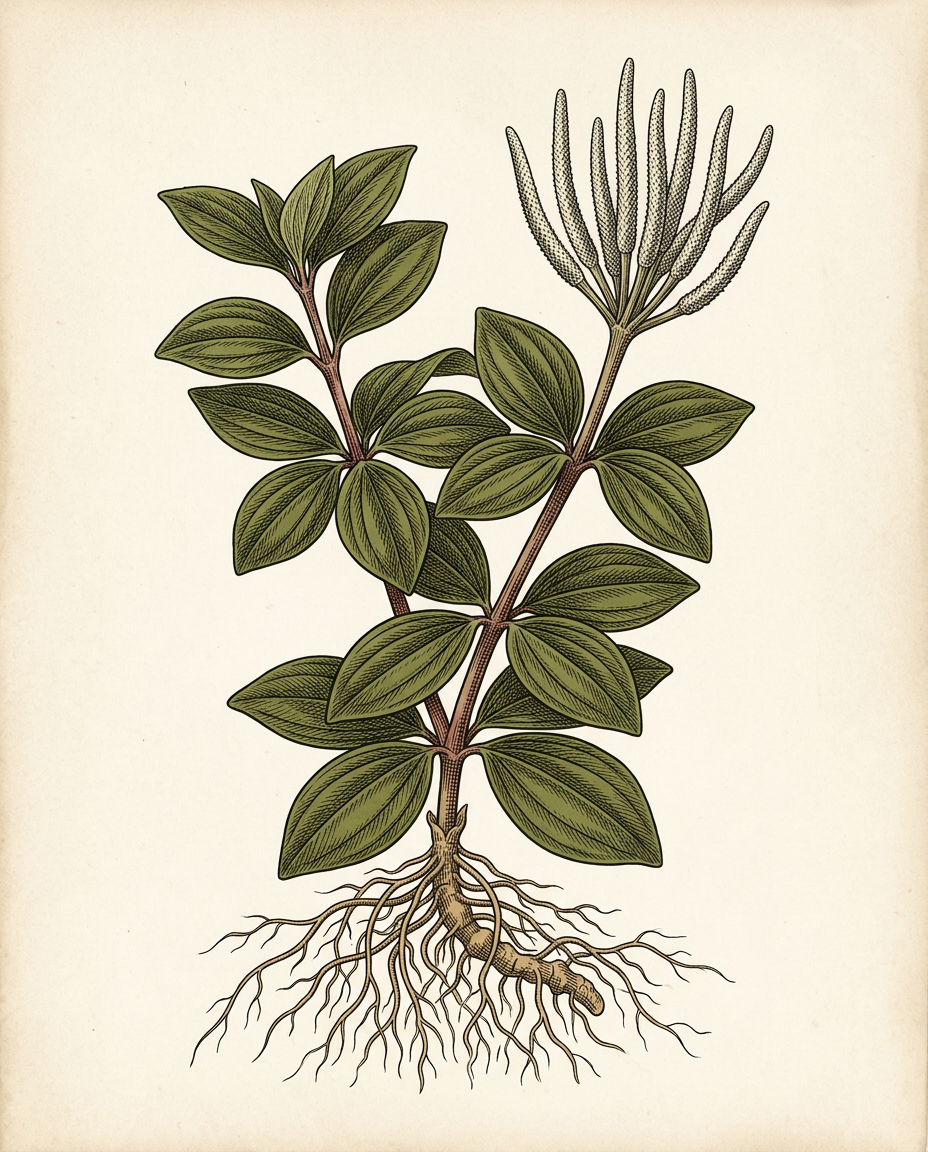
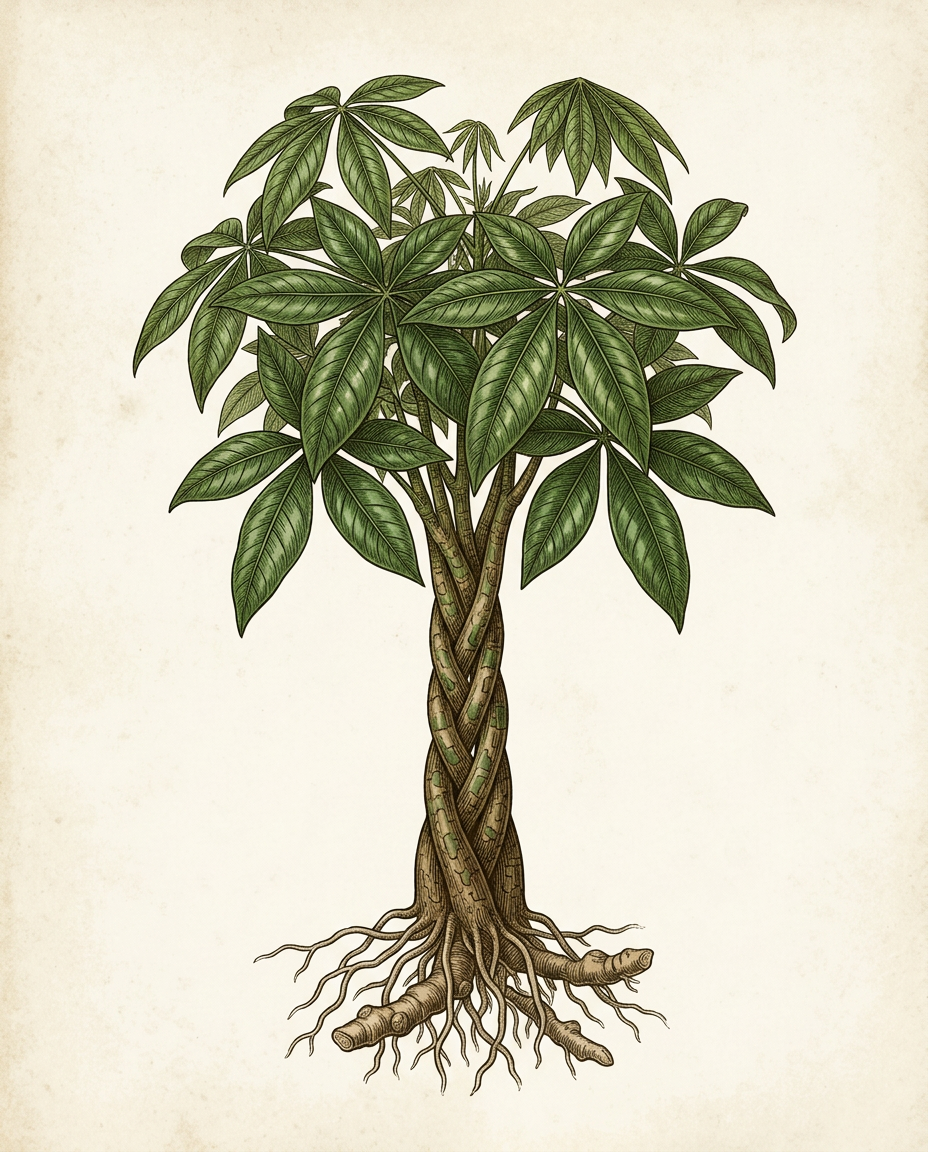
The whole Bromeliaceae shelf works in a cat-safe display. Spider plant and Boston fern are the easy soil-grown companions for the same bright-corner role; peperomia and money tree fill the same "small to mid-size and unambiguously safe" niche; cast-iron plant handles the low-light gap.
Disclosure
We include Amazon affiliate links on safe-plant pages. As an Amazon Associate, we earn from qualifying purchases. We mark this page safe on the basis of family-level ASPCA evidence and clinical secondary sources; we will update the verdict the day ASPCA publishes a Tillandsia species page.
What we have actually seen.
Casual leaf nibbling
A cat that bites an air plant gets a wiry, dry mouthful with no taste. No documented toxic principle; expect nothing more than mild GI upset that any plant material can cause.
Plant theft
Air plants are loose by design. Cats find them satisfying to bat off shelves and carry around. The bigger risk is to the plant, not the cat.
Mild GI upset
As ASPCA notes for any plant material, ingestion may cause mild vomiting in some cats. Not specific to Tillandsia and not a toxicity issue.
Four common varieties.
Tillandsia ionantha (classic blushing rosette)
The most widely sold air plant. Small green rosette that blushes red and produces violet flowers in bloom.
Tillandsia xerographica (large silvery curl)
The "king of air plants" — broad, curling silver leaves to 25 cm. The slowest-growing and most architectural variety.
Tillandsia caput-medusae (snake-like leaves)
Twisting tentacle-like leaves from a bulbous base. Visually striking; common in mounted displays.
Tillandsia stricta (dense soft rosette)
Soft, dense rosette with pink bracts and violet flowers in bloom. One of the most prolific bloomers.
Keeping the plant alive.
Bright, indirect
Bright indirect light is ideal. Tolerates a little morning sun. Deep shade slowly starves the plant; pure direct midday sun bleaches and crisps the leaves.
Soak weekly
Submerge in room-temperature water for 20–30 minutes once a week, then shake out and dry upside-down. Mist between soaks in dry rooms. No soil involved — overwatering shows as a rotting base.
None
Air plants are epiphytes — they grow on bark, rocks, or in open holders without soil. Their roots only anchor the plant; they take nothing from substrate.
Open, airy mount
Display in a glass globe, on driftwood, in a wire frame, or wired to a branch. Good air circulation matters more than light intensity for long-term health.
- ASPCA Animal Poison Control Center. Toxic and Non-Toxic Plants: Blushing Bromeliad (Neoregelia spp.).Accessed June 2026 · aspca.org · Bromeliaceae family · Non-Toxic to cats, dogs
- ASPCA Animal Poison Control Center. Toxic and Non-Toxic Plants: Earth Star (Cryptanthus bivattus minor).Accessed June 2026 · aspca.org · Bromeliaceae family · Non-Toxic to cats, dogs
- ASPCA Animal Poison Control Center. Toxic and Non-Toxic Plants database.Tillandsia spp. itself is not individually listed; multiple related Bromeliaceae genera are non-toxic and no air plant species appears on the toxic list as of June 2026.
- Pet Poison Helpline. Air plant (Tillandsia) safety profile.Secondary clinical reference · 2024 · no toxic principle documented
If you liked this, also safe.