Money
Tree.
Pachira aquatica
Money tree (Pachira aquatica) is non-toxic to cats per the ASPCA. The braided-trunk houseplant trend that started in the 1980s is, as it turns out, one of the genuinely cat-safe options.
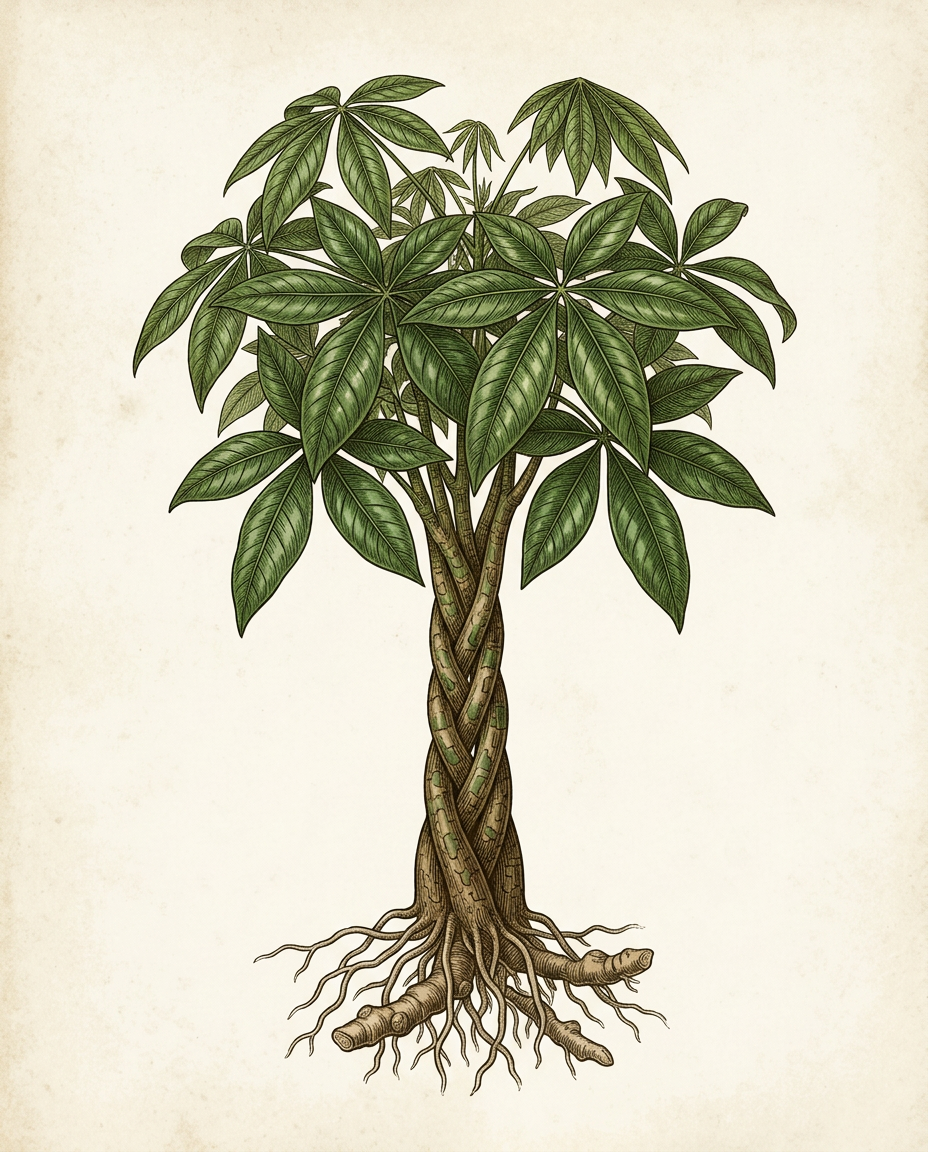
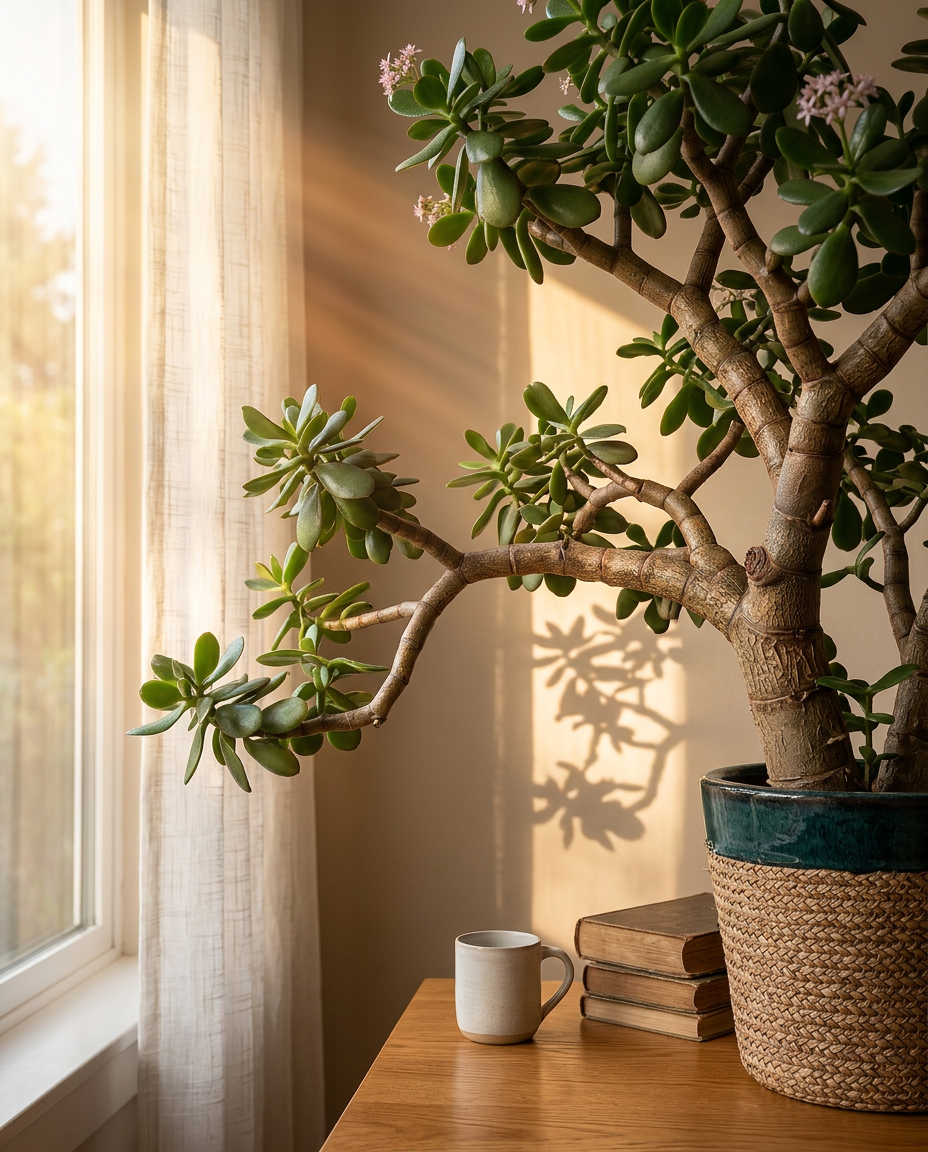
Plate IPachira aquatica — the braided-trunk houseplant of every office lobby. A swamp tree from the wetlands of Central and South America, trained as a tabletop bonsai.
How to keep a money tree alive.
Yes — money tree is safe for cats. The ASPCA lists Pachira aquatica — also called money plant — as non-toxic to cats, dogs, and horses. Toxic Principles: none. It is one of the few large-format, sculptural houseplants that does not require a tradeoff in a cat household.
It is not the Crassula ovata "money plant" or the jade plant (toxic). It is not the Pilea peperomioides "Chinese money plant" either. The braided-trunk tropical tree from Central and South American wetlands — that is money tree, and that is the cat-safe one.
Why money tree is one of the better cat-household choices
Most large-format indoor trees — fiddle-leaf fig, rubber plant, dracaena, ficus — are either toxic or in the family of plants that cause mild calcium-oxalate burning. Money tree is a Malvaceae (the cocoa, durian, and hibiscus family) with no known toxic principles. It also has a thick braided trunk that resists casual cat damage and a leaf shape (five-fingered palmate sprays) that is more interesting to look at than to chew.
Care
Money tree is a swamp tree from the wetlands of Central and South America. It tolerates more moisture than most houseplants but rots in waterlogged pots. Practical care:
- Light: bright indirect. Will tolerate a few feet from a north window but drops leaves in deep shade over months.
- Water: thorough soak when the top 2 to 3 cm of soil is dry, then let it drain completely. Once a week in summer; every two to three weeks in winter.
- Temperature: any normal household range; avoid cold drafts and rooms below 13 °C.
- Soil: standard well-draining houseplant mix with a handful of perlite.
Styling and where it fits
The standard sold form is a five-stem braided trunk at tabletop scale. Left alone with regular repotting it can reach 1.8 m or more over several years. The palmate leaf clusters and woven trunk give it strong visual structure — good as a single specimen in a tall pot in a bright corner.
How it stacks up against the toxic large-format options
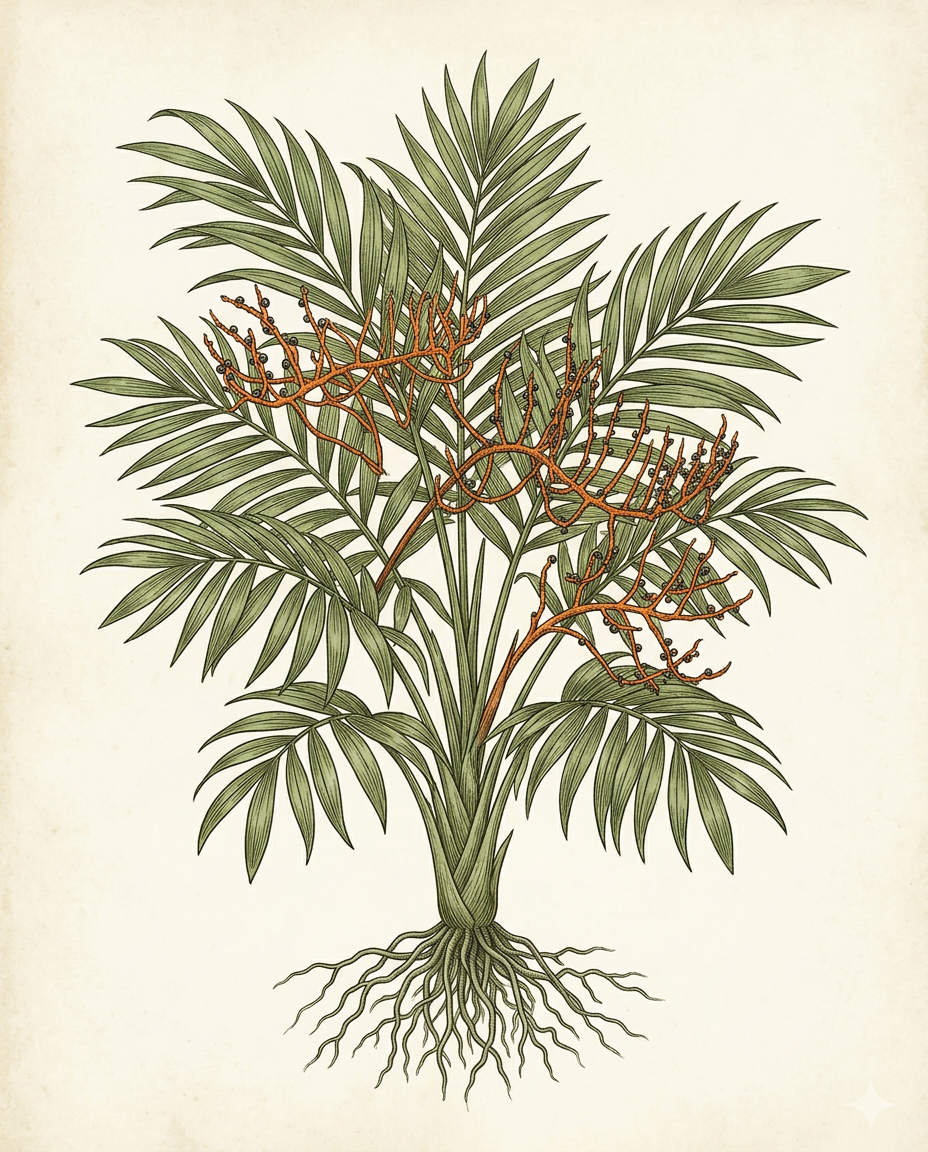
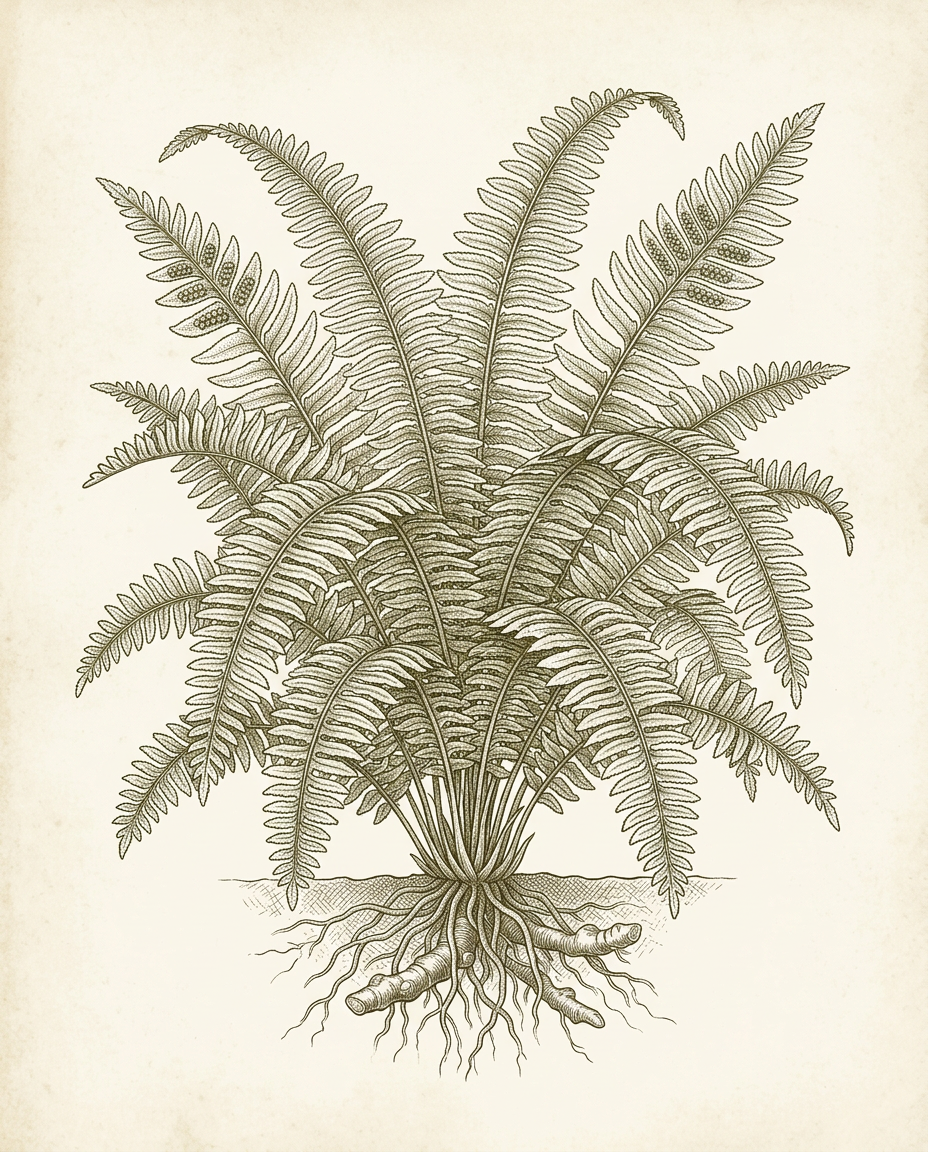
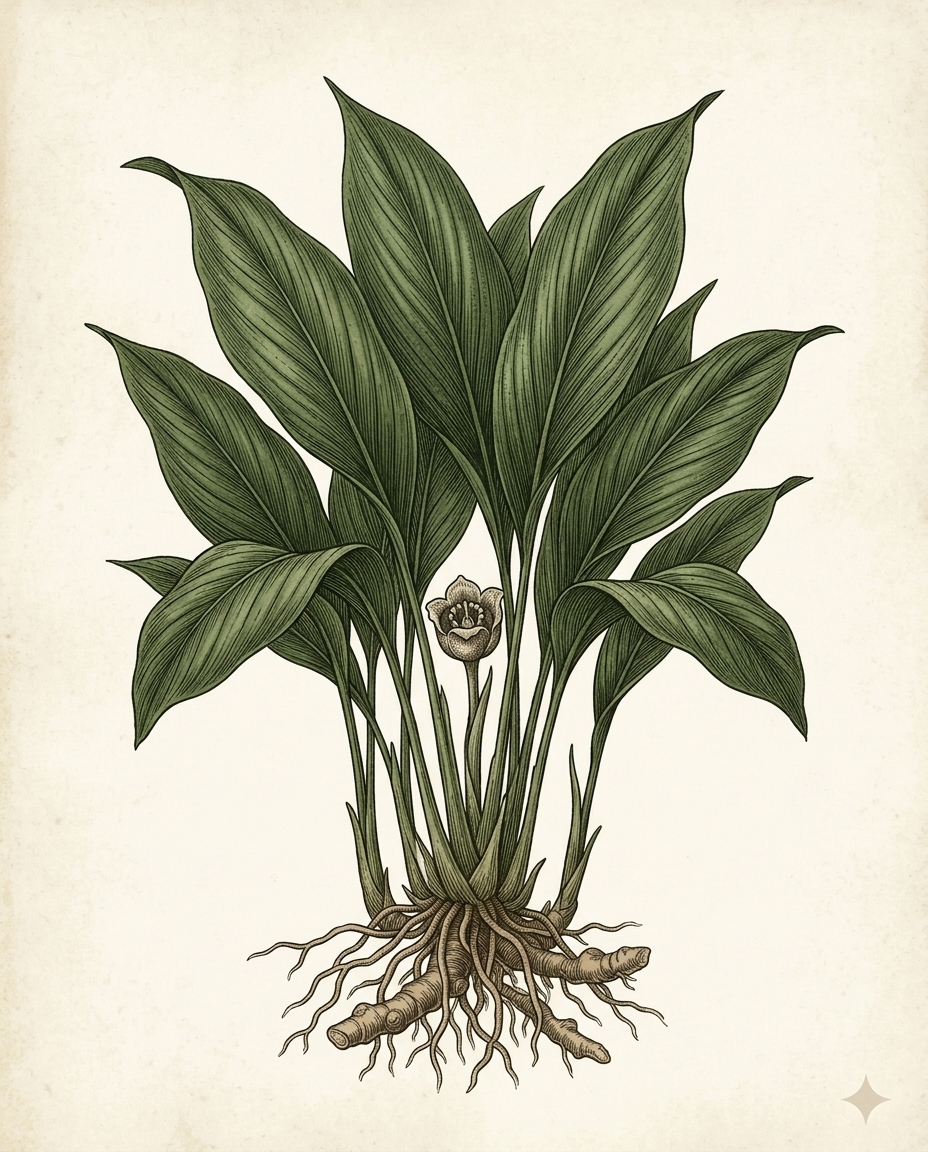
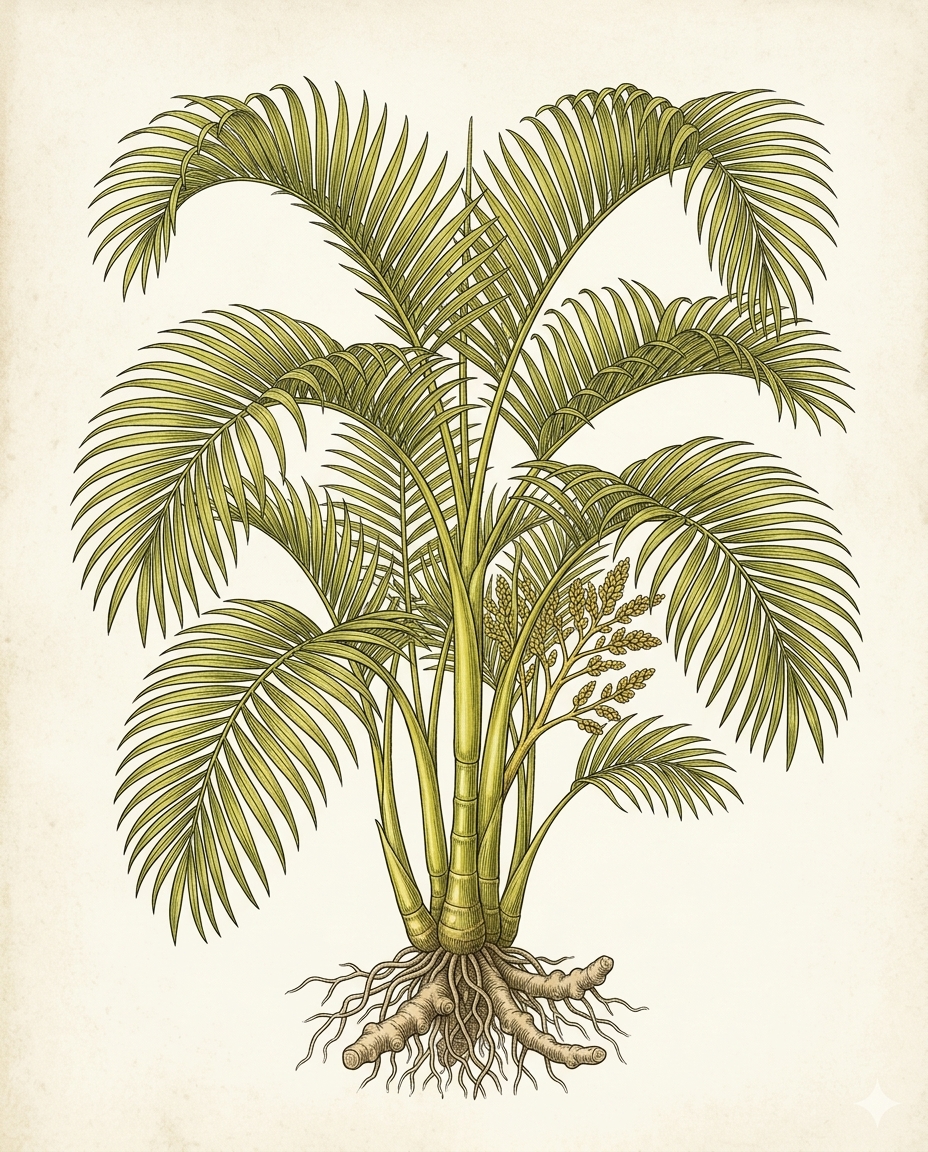
If you want the architectural presence of a fiddle-leaf fig without the ficin and psoralen, money tree is the closest cat-safe substitute. For lower light, cast-iron plant and parlor palm are the other large-format cat-safe choices. For a feathery palm look, areca palm and Boston fern fit the same niche.
Disclosure
We include Amazon affiliate links on safe-plant pages. As an Amazon Associate, we earn from qualifying purchases. We never affiliate-link a plant we have not ASPCA-verified.
What we have actually seen.
Heavy leaf chewing
A cat that strips a leaf gets nothing more than a fibrous mouthful. No toxic principle, no expected GI symptoms beyond the generic plant-material upset that any chewed leaf can produce.
Trunk gnawing
The braided trunk attracts curious cats. No toxicity from the bark; the main issue is cosmetic damage to the plant and the cat losing interest fast.
Mild GI upset
As ASPCA notes for any plant material, ingestion may cause mild vomiting in some cats. Not specific to money tree and not a toxicity issue.
Keeping the plant alive.
Bright, indirect
Tolerates a few feet from a north window but loses leaves in deep shade over months. Direct midday sun scorches the leaflets.
Soak and drain
Water thoroughly when the top 2–3 cm of soil is dry, then let it drain. Roughly weekly in summer, every 2–3 weeks in winter. Swamp origin tolerates wet, but consistent saturation rots the roots.
Well-draining mix
Standard houseplant mix with a handful of perlite. Avoid heavy or compacted soils that hold water around the roots.
Bright corner, no drafts
Comfortable in any normal household range, 18–27 °C. Avoid cold drafts and unheated rooms below 13 °C.
- ASPCA Animal Poison Control Center. Toxic and Non-Toxic Plants: Money Tree.Accessed June 2026 · aspca.org · Non-Toxic to cats, dogs, horses · Toxic Principles None
- Pet Poison Helpline. Pachira aquatica safety profile.Secondary reference confirming non-toxicity · 2024
- Royal Horticultural Society. Pachira aquatica plant profile and care.Horticultural reference for care
If you liked this, also safe.