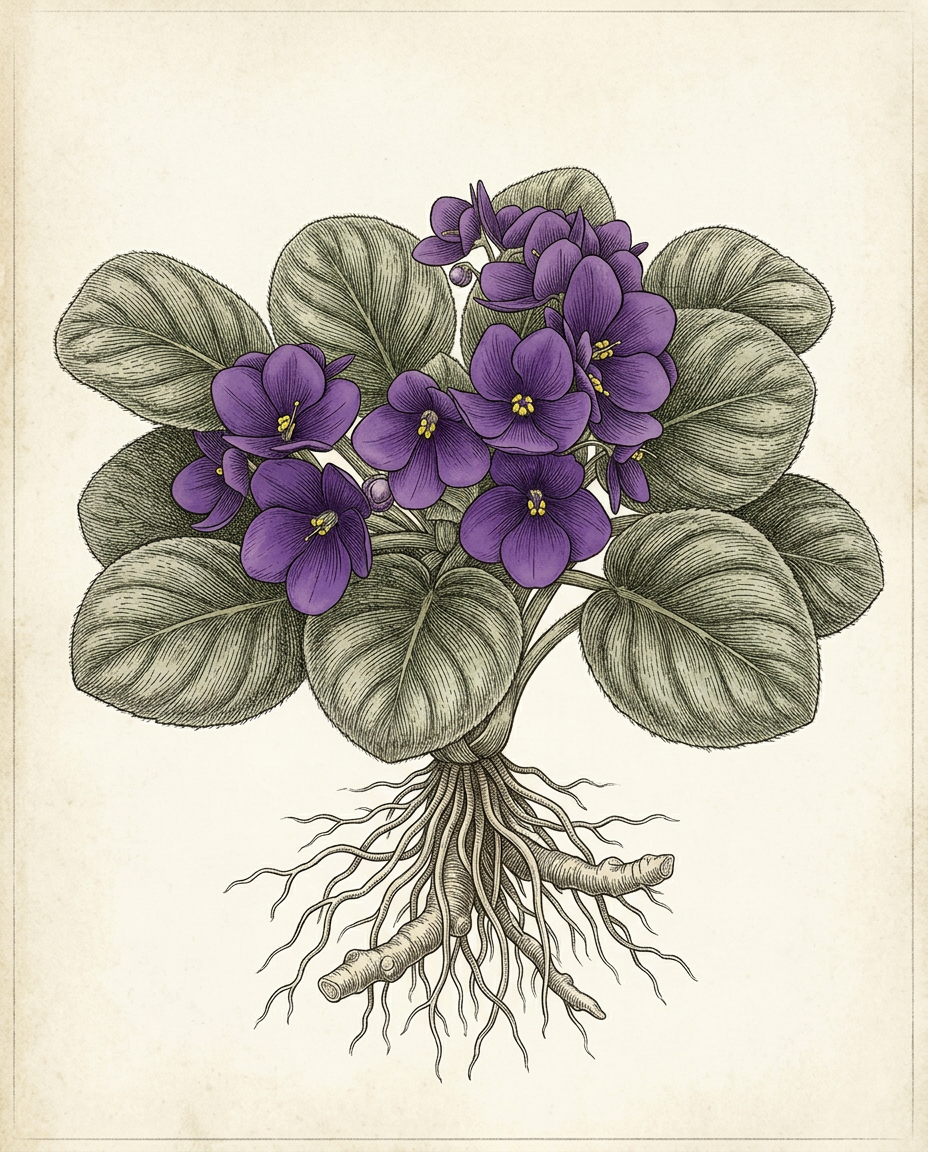
Peperomia
Peperomia obtusifolia
Peperomia is non-toxic to cats per the ASPCA. The baby rubber plant (Peperomia obtusifolia) is the species ASPCA names directly, and the rest of the popular Peperomia houseplant genus shares the same profile.
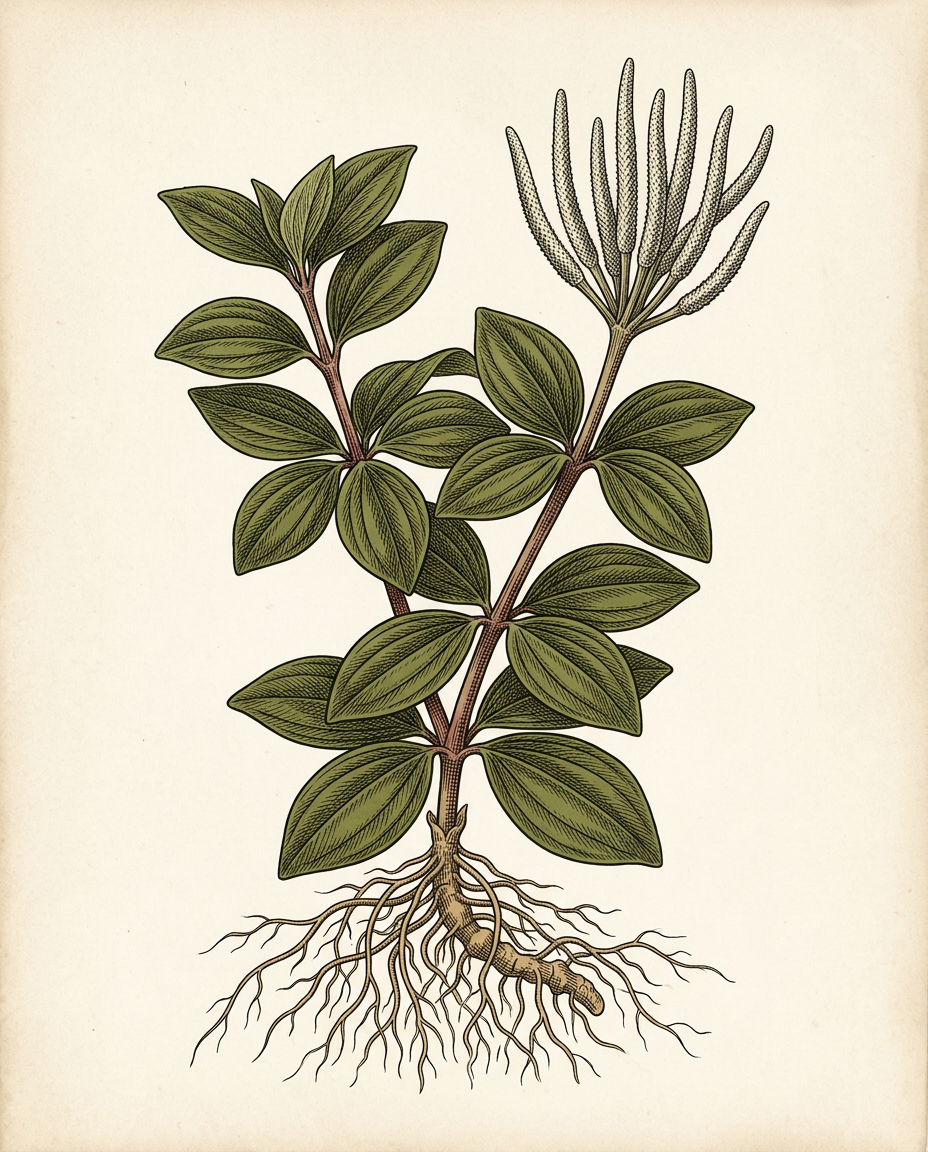
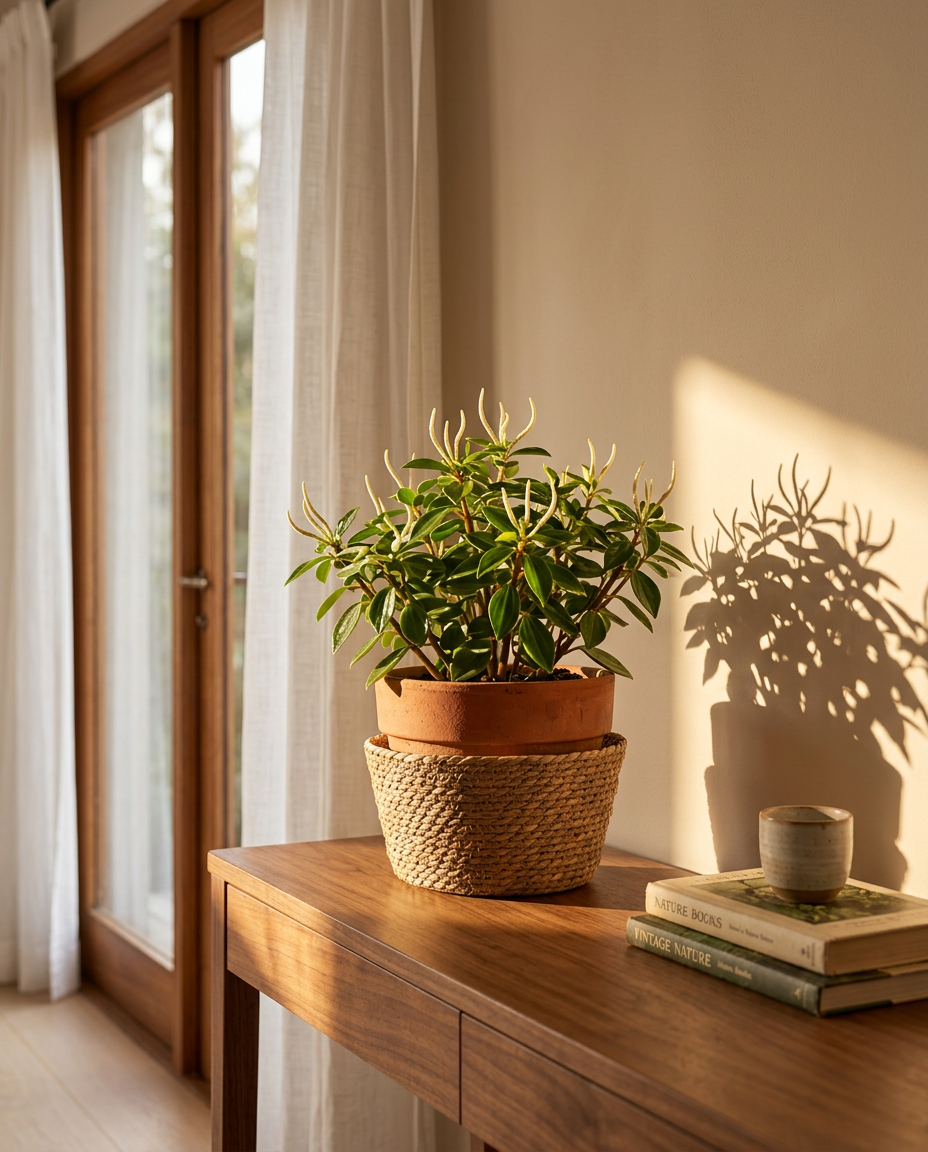
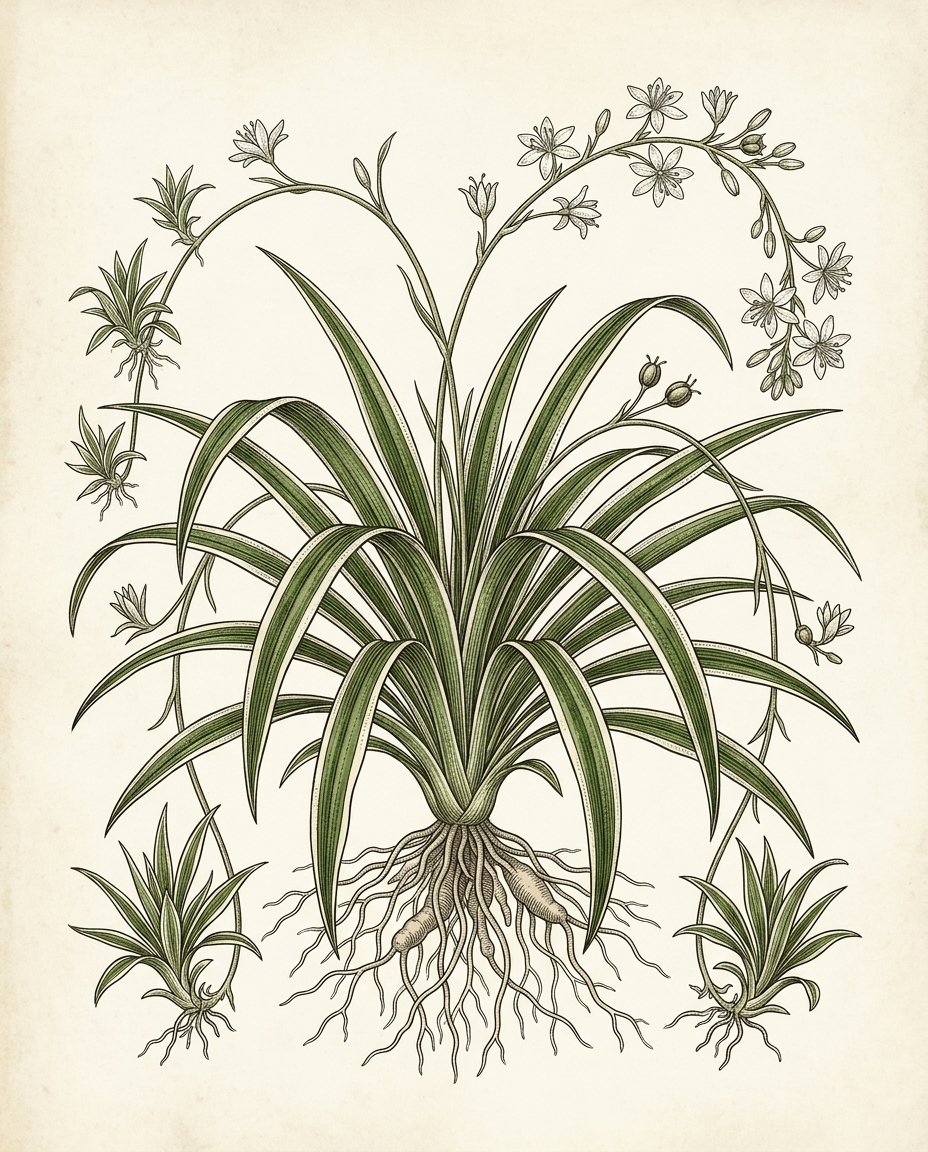
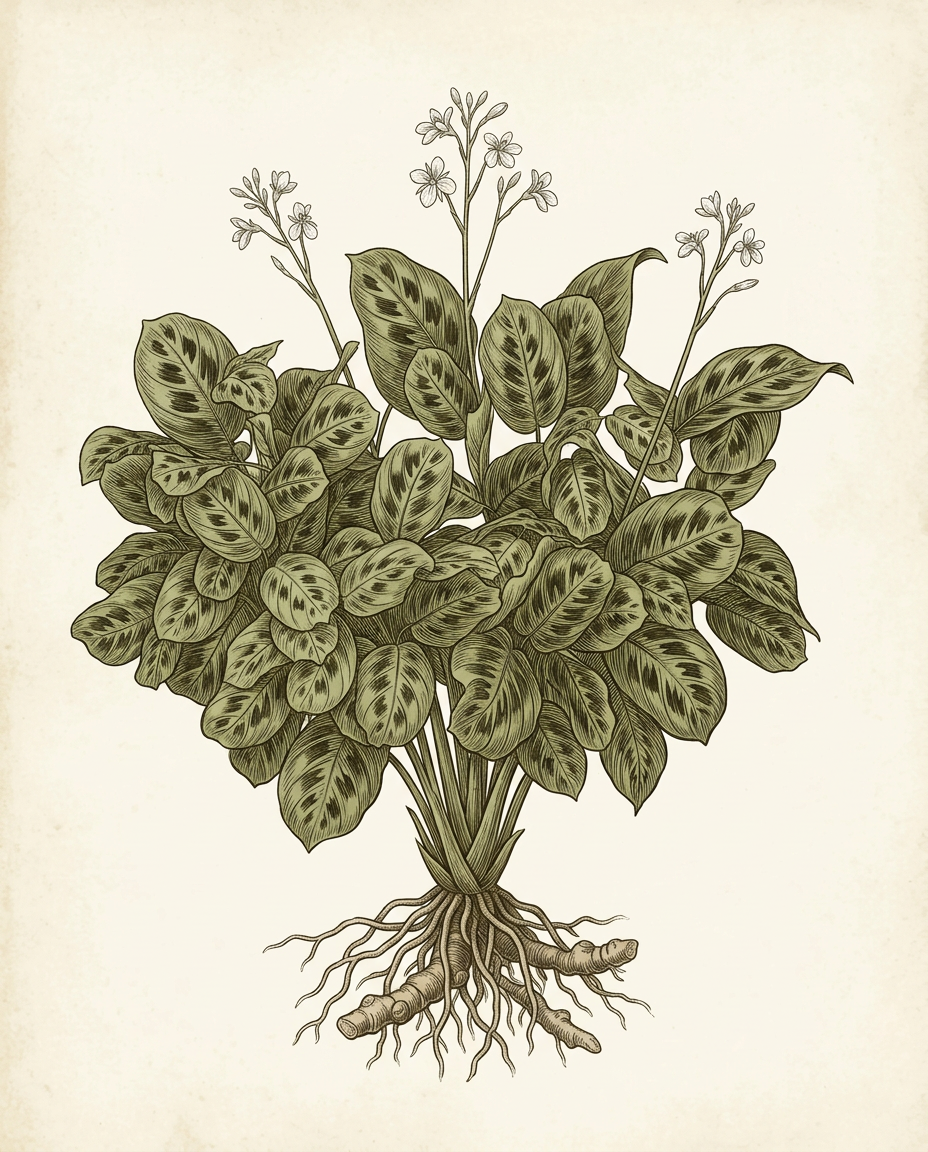
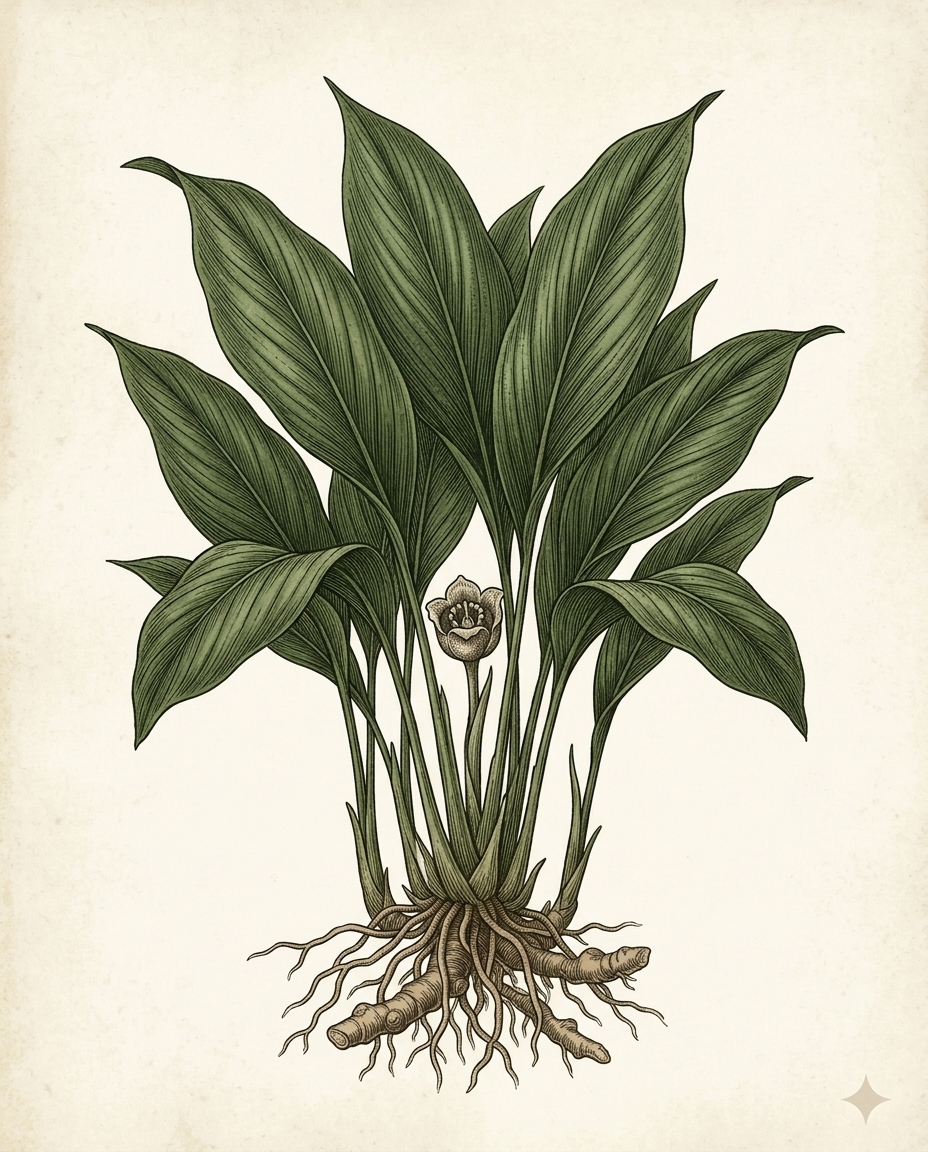
Plate IPeperomia obtusifolia — the baby rubber plant. Thick, fleshy, cupped leaves on short upright stems. The ASPCA-named species among a genus of more than a thousand small tropical plants.
How to keep a peperomia alive.
Yes — peperomia is safe for cats. The ASPCA lists Peperomia obtusifolia (baby rubber plant) as non-toxic to cats and dogs, with no toxic principles. The ASPCA separately lists Peperomia argyreia (watermelon peperomia) under the same non-toxic profile. The two most-sold houseplant peperomias are explicitly cleared. The rest of the popular genus shares the same Piperaceae chemistry and is widely treated as cat-safe in clinical practice.
It is one of the easiest plants to recommend for a cat household — small, slow, decorative, and genuinely on the safe list.
Why two ASPCA entries cover most of what people buy
The Peperomia genus is huge — more than 1,500 species. The four that turn up in plant shops are baby rubber plant (P. obtusifolia), watermelon peperomia (P. argyreia), ripple peperomia (P. caperata), and string of turtles (P. prostrata). ASPCA names the first two by Latin binomial. The other two share the same family and chemistry and are widely treated as safe by vets and poison-control sources. If you want a strict reading: stick to obtusifolia or argyreia. If you want a practical reading: the whole houseplant Peperomia line is cat-safe.
Care
Peperomia is a tropical genus from Central and South American forest floors. The thick, succulent-like leaves store water; that is the most important detail for keeping one alive.
- Light: bright indirect. Tolerates lower light at the cost of leaf colour and growth rate.
- Water: sparing. Let the top half of the soil dry between waterings. Overwatering is the number-one cause of peperomia death.
- Soil: standard houseplant mix with extra perlite. Shallow root systems do not like compacted wet soil.
- Placement: 18 to 26 °C, no cold drafts. Most varieties tolerate normal household humidity.
Styling and where it fits
Peperomia is a tabletop and shelf plant — 15 to 30 cm in most varieties, small enough to live on a windowsill, a desk, or a bookshelf. The textured varieties (watermelon, ripple) read as decorative objects; the trailing varieties (string of turtles) work on a shelf edge or elevated pot.
Disambiguation: Peperomia is not Pilea peperomioides
The names cause real confusion. Peperomia is a Piperaceae genus of more than a thousand species, two of which (obtusifolia, argyreia) are on the ASPCA non-toxic list. Pilea peperomioides (Chinese money plant) is a single species in a different family (Urticaceae); ASPCA does not list it. The species name "peperomioides" literally means "looks like a peperomia," which is how the naming collision happened.
Buy a peperomia for confirmed safety. The Chinese money plant is widely reported safe by secondary sources but is not on the ASPCA list.
Disclosure
We include Amazon affiliate links on safe-plant pages. As an Amazon Associate, we earn from qualifying purchases. We never affiliate-link a plant we have not ASPCA-verified.
What we have actually seen.
Casual chewing
Cats that take a bite get a fleshy mouthful and not much taste. No toxic principle, no expected symptoms beyond mild GI upset from any plant material.
Knocked-over pots
Compact and top-heavy, peperomia gets knocked over by interested cats. The bigger risk is the broken pot, not the cat.
Mild GI upset
As ASPCA notes for any plant material, ingestion may cause mild vomiting in some cats. Not specific to peperomia and not a toxicity issue.
Four common varieties.
Watermelon Peperomia (striped silver leaves)
The most widely sold variety — round leaves striped silver and dark green like watermelon rind. Also listed by ASPCA as non-toxic.
Baby Rubber Plant (ASPCA-named species)
The thick, glossy, rounded-leaf variety. This is the specific species the ASPCA lists; "Pepper Face" and "American Rubber Plant" are also names for this plant.
Ripple Peperomia (textured heart-shaped leaves)
Compact rosettes of deeply textured heart-shaped leaves, often in dark red-purple. Popular in small pots and terrariums.
String of Turtles (trailing patterned vine)
Trailing variety with small round leaves patterned like turtle shells. Good in hanging displays and elevated shelves.
Keeping the plant alive.
Bright, indirect
Bright indirect light produces the best leaf colour. Tolerates lower light at the cost of slower growth and sparser foliage.
Sparing
Thick fleshy leaves store water. Let the top half of the soil dry between waterings. Overwatering is the most common way peperomia owners kill these.
Free draining
Standard houseplant mix with extra perlite. The roots are shallow and sensitive to compacted, wet soil.
Warm and sheltered
Comfortable in 18–26 °C. Sensitive to cold drafts. Many varieties enjoy bathroom humidity but tolerate normal household air.
- ASPCA Animal Poison Control Center. Toxic and Non-Toxic Plants: Baby Rubber Plant.Accessed June 2026 · aspca.org · Peperomia obtusifolia · Non-Toxic to cats and dogs
- ASPCA Animal Poison Control Center. Toxic and Non-Toxic Plants: Watermelon Peperomia.Accessed June 2026 · aspca.org · Peperomia argyreia · Non-Toxic
- Royal Horticultural Society. Peperomia care guide.Horticultural reference for indoor care
If you liked this, also safe.