African
Violet.
Saintpaulia ionantha
Compact rosettes with year-round colour — without poinsettia sap or lily renal toxin. The ASPCA lists African violet as non-toxic to cats.
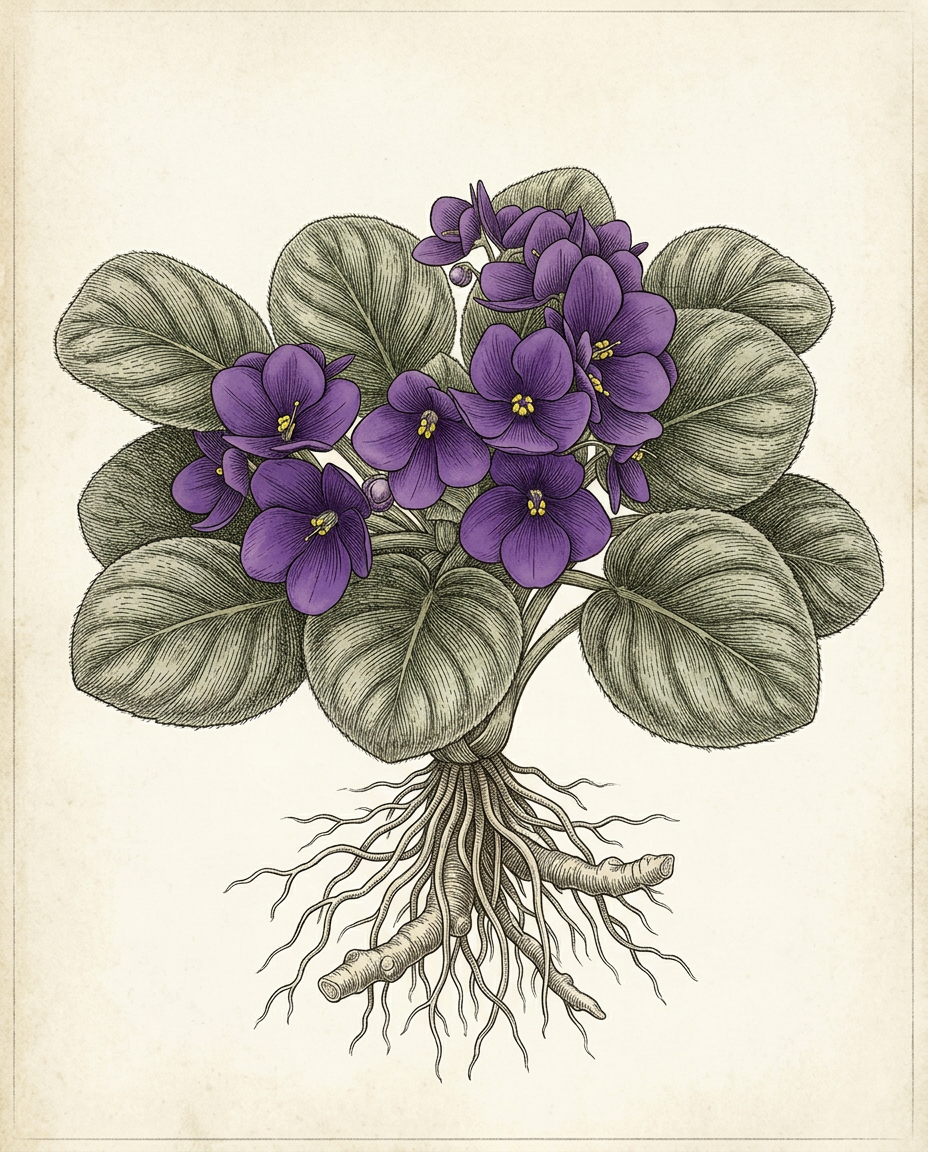
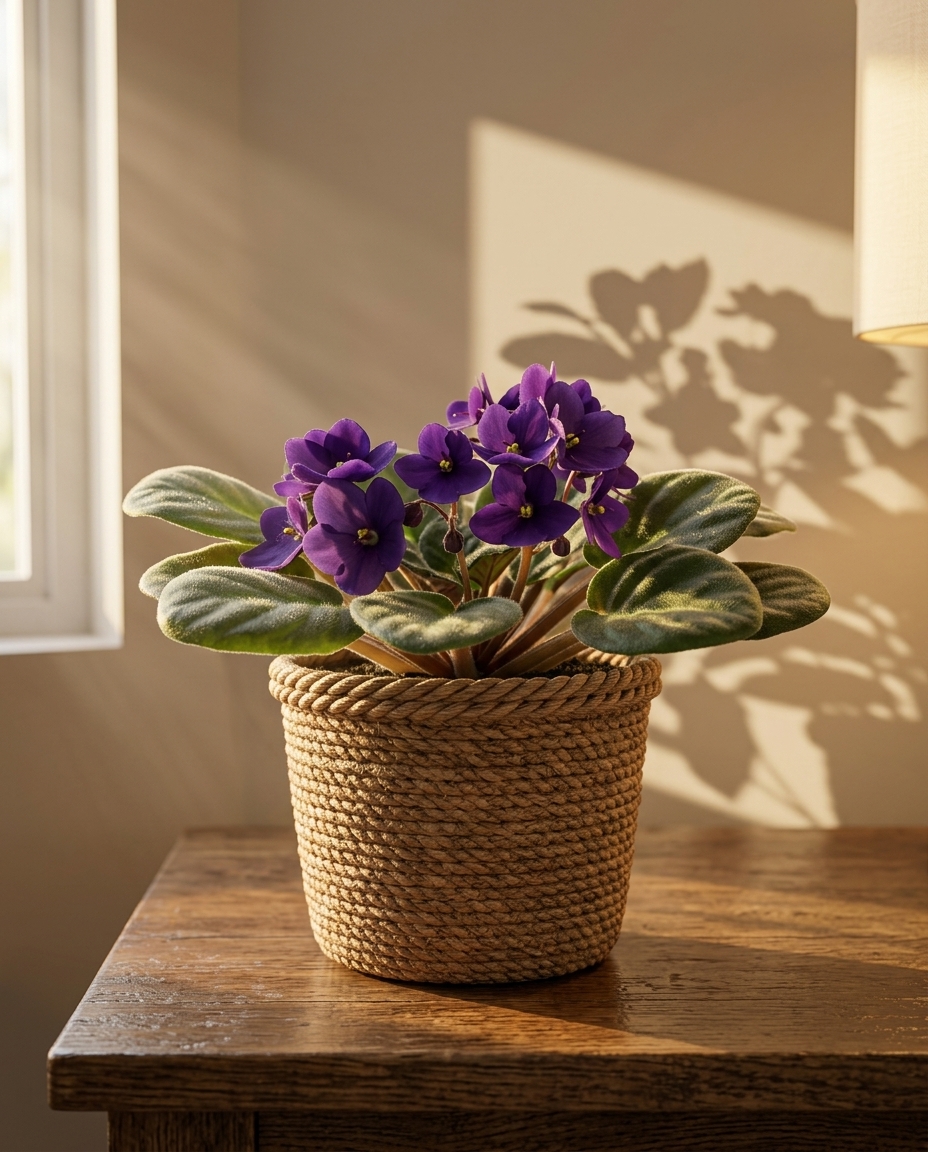
Plate ISaintpaulia ionantha — tabletop flowers without lily toxicity. Safe centrepiece alternative to poinsettia.
What happens if your cat eats it.
Yes — African violet is safe for cats. The ASPCA lists Saintpaulia as non-toxic. Compact rosettes with purple, pink, or white blooms replace poinsettia on the holiday table and Easter lily on the spring windowsill — without milky sap or renal toxin.
Cats may bat at fuzzy leaves or flowers. The plant contains no compounds responsible for emergency toxicosis in felines.
The poinsettia swap
Poinsettia is ASPCA toxic — oral irritation, drooling, and GI upset follow chewing. African violet offers year-round tabletop colour in a cat household. White and pink cultivars suit seasonal displays without the single-season discard cycle.
Never substitute for true lilies
Easter lily and all true Lilium species cause acute kidney failure in cats — even small ingestions. African violet and orchid are the ASPCA-backed flowering alternatives. When someone gifts lilies, decline politely and offer a Saintpaulia instead.
Seasonal companions
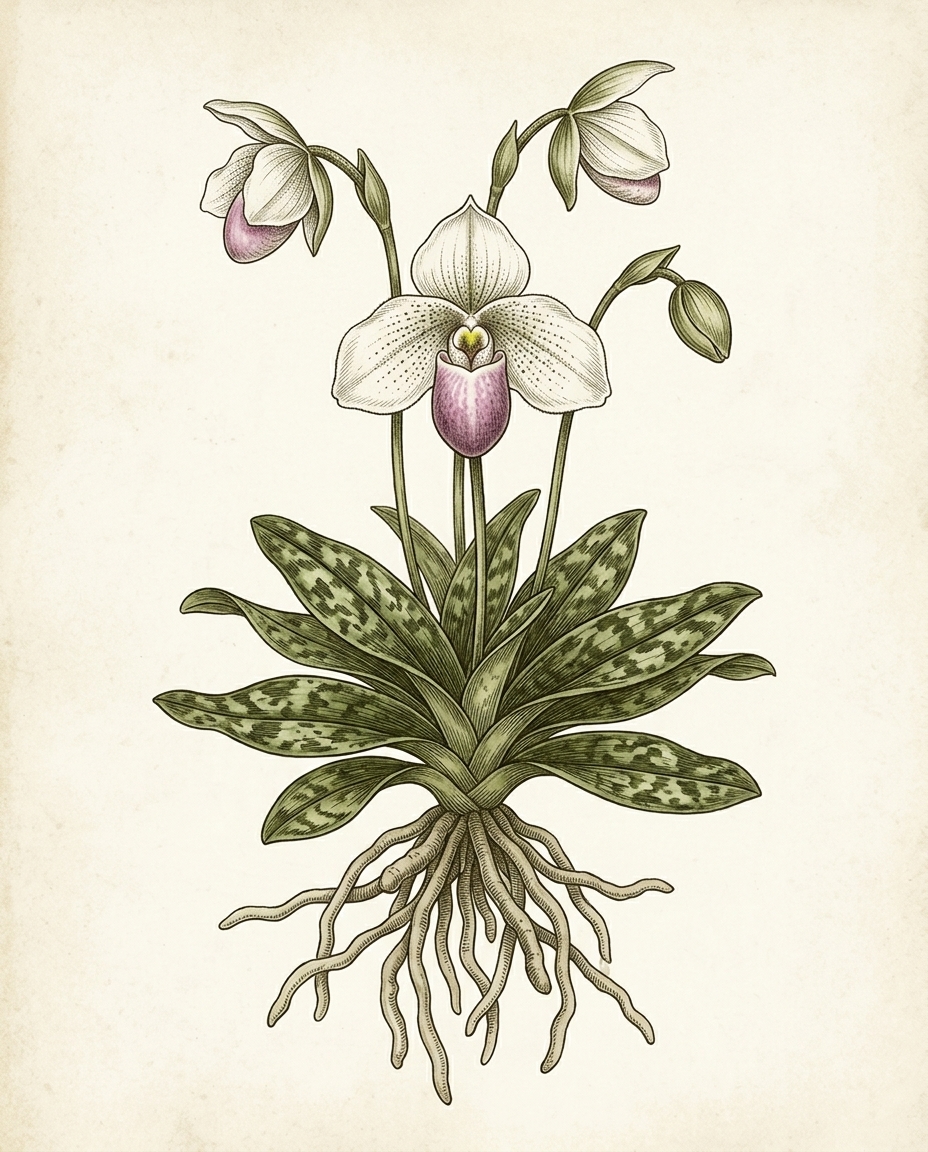
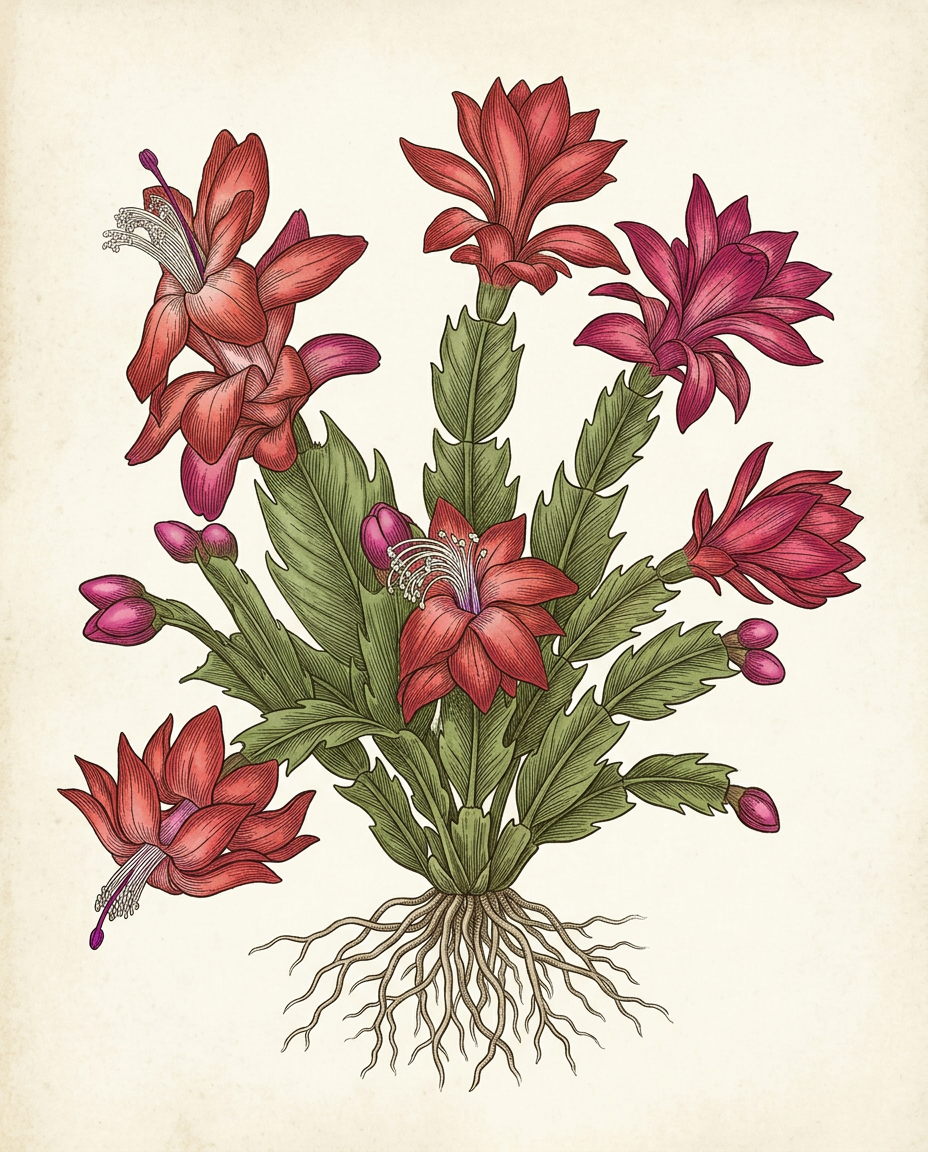
Pair with Christmas cactus for winter blooms and orchid for elegant spikes. All three are non-toxic and cover the calendar that toxic holiday plants once dominated.
What we have actually seen.
Tabletop flowers
Compact blooms suit dining tables and windowsills where poinsettia and lilies once sat — safely.
Fuzzy leaf appeal
Soft leaves attract curious cats. Non-toxic — protect flowers for display, not for toxicity reasons.
Year-round colour
Rebloom under correct light — unlike single-season poinsettia or Easter lily.
Soil ingestion
Fertiliser in African violet mix can upset stomachs unrelated to the plant itself.
Four common varieties.
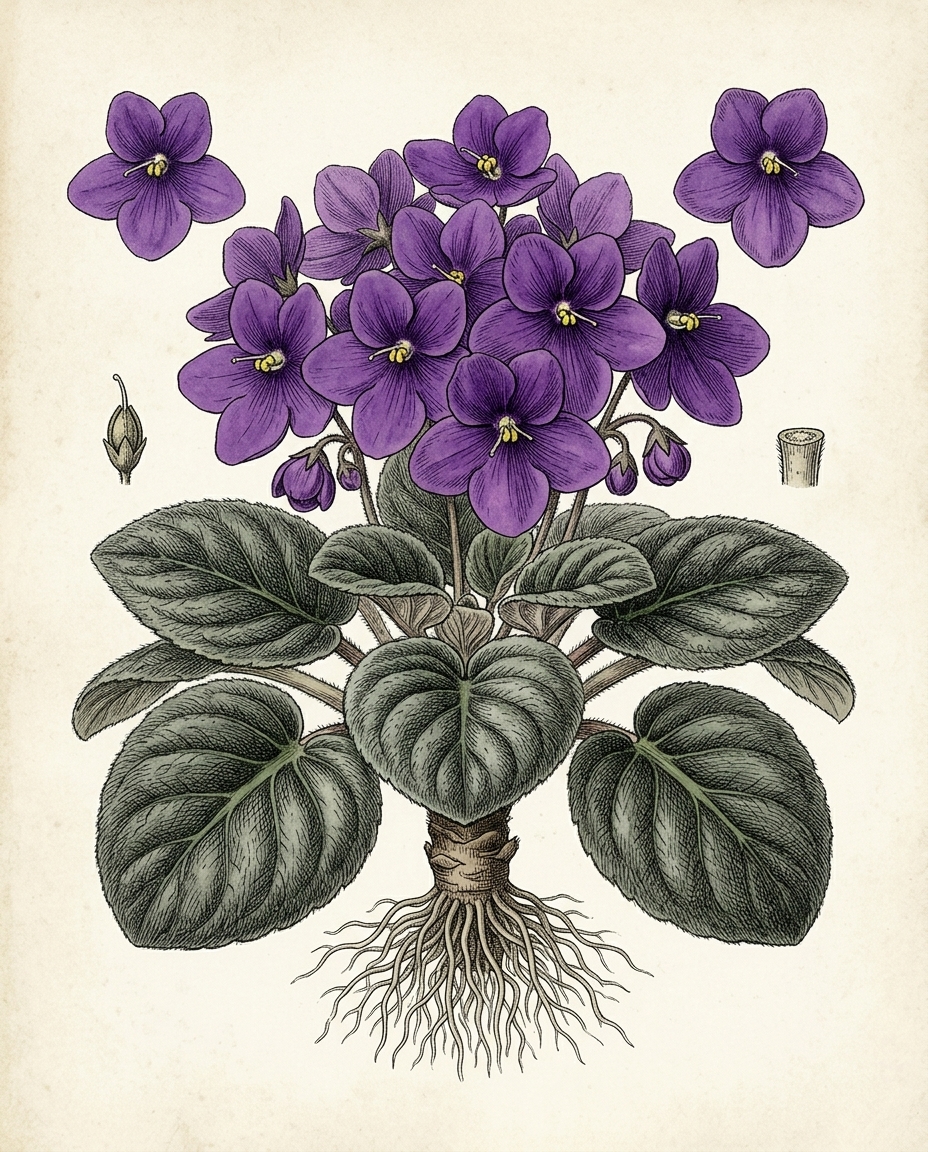
Ionantha (classic purple)
The original African violet — purple flowers above dark green fuzzy leaves.
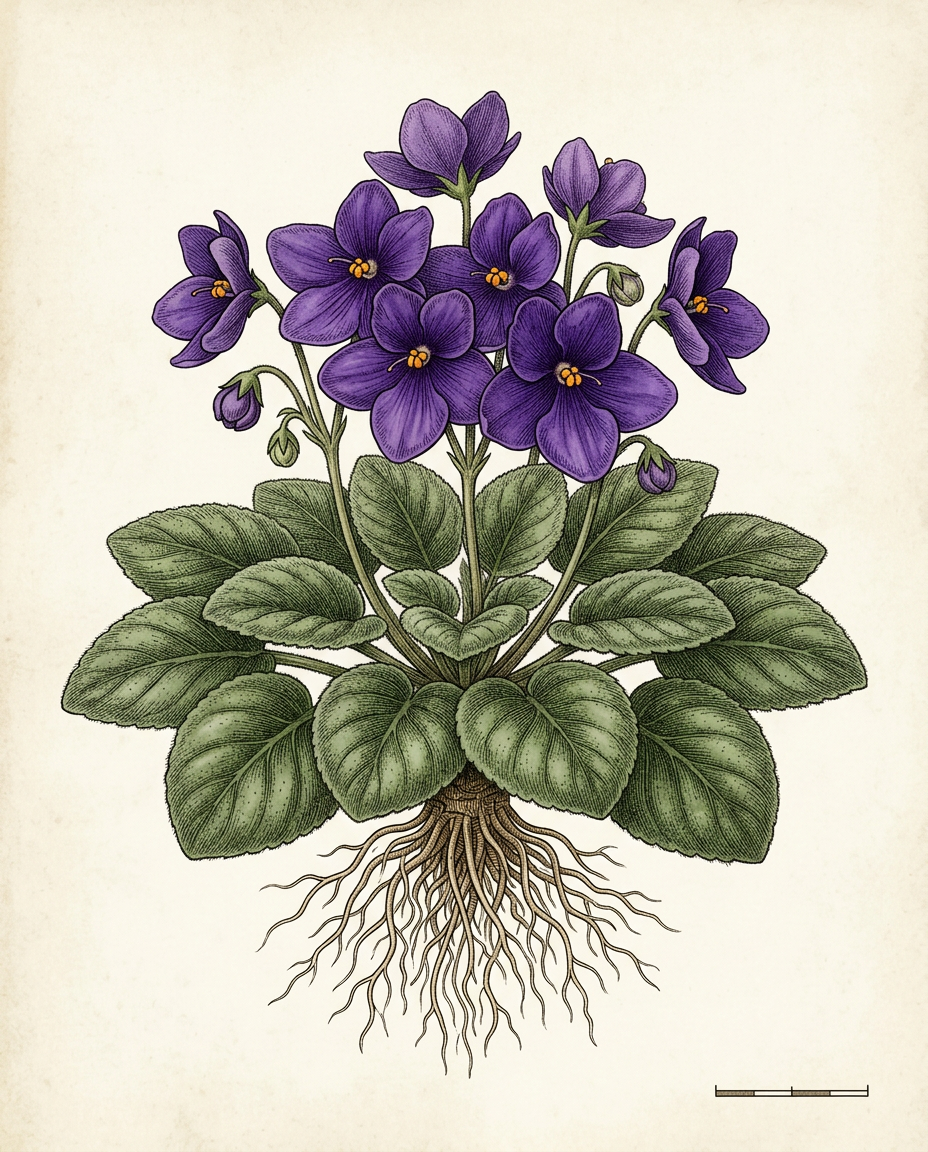
Optimara (modern hybrids)
Large-flowered series in pink, white, and bi-colour. All non-toxic per ASPCA.
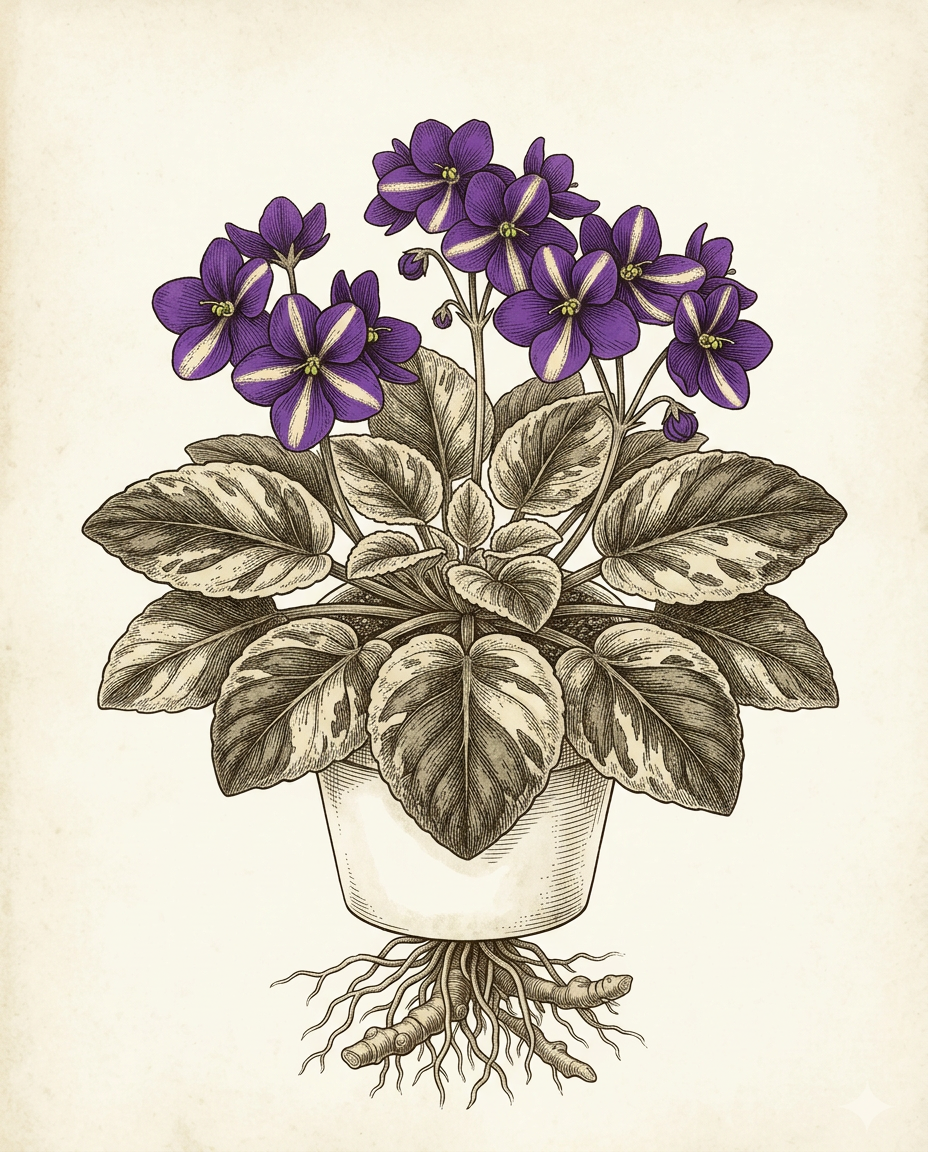
Chimaera (variegated)
White-edged leaves with contrasting blooms. Needs stable conditions.
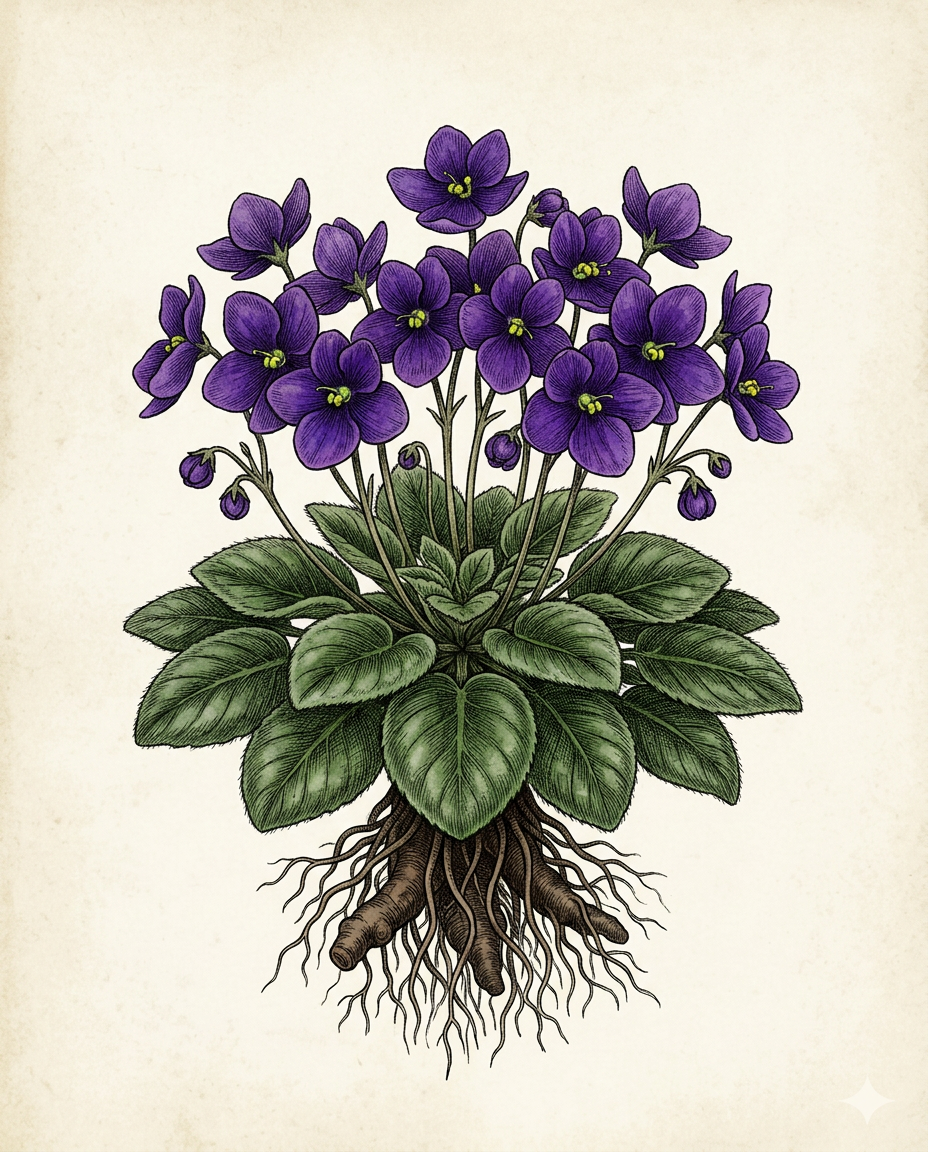
Keeping the plant alive.
Bright, indirect
East-facing windows are ideal. Too little light prevents blooming; direct hot sun scorches leaves.
Bottom water
Water from saucer to keep fuzzy leaves dry. Room-temperature water — cold causes spotting.
African violet mix
Light, peat-based blend. Standard potting soil compacts and suffocates roots.
Tabletop or sill
Elevate on a plant stand if cats bat at flowers. The plant is safe; blooms are worth protecting.
- ASPCA Animal Poison Control Center. Toxic and Non-Toxic Plants: African Violet.Accessed May 2026 · aspca.org
If you liked this, also safe.