Poinsettia
Euphorbia pulcherrima
Milky sap irritates mouth and stomach. Holiday poinsettias are less deadly than folklore suggests, but the ASPCA still lists them as toxic to cats — worth keeping out of reach.
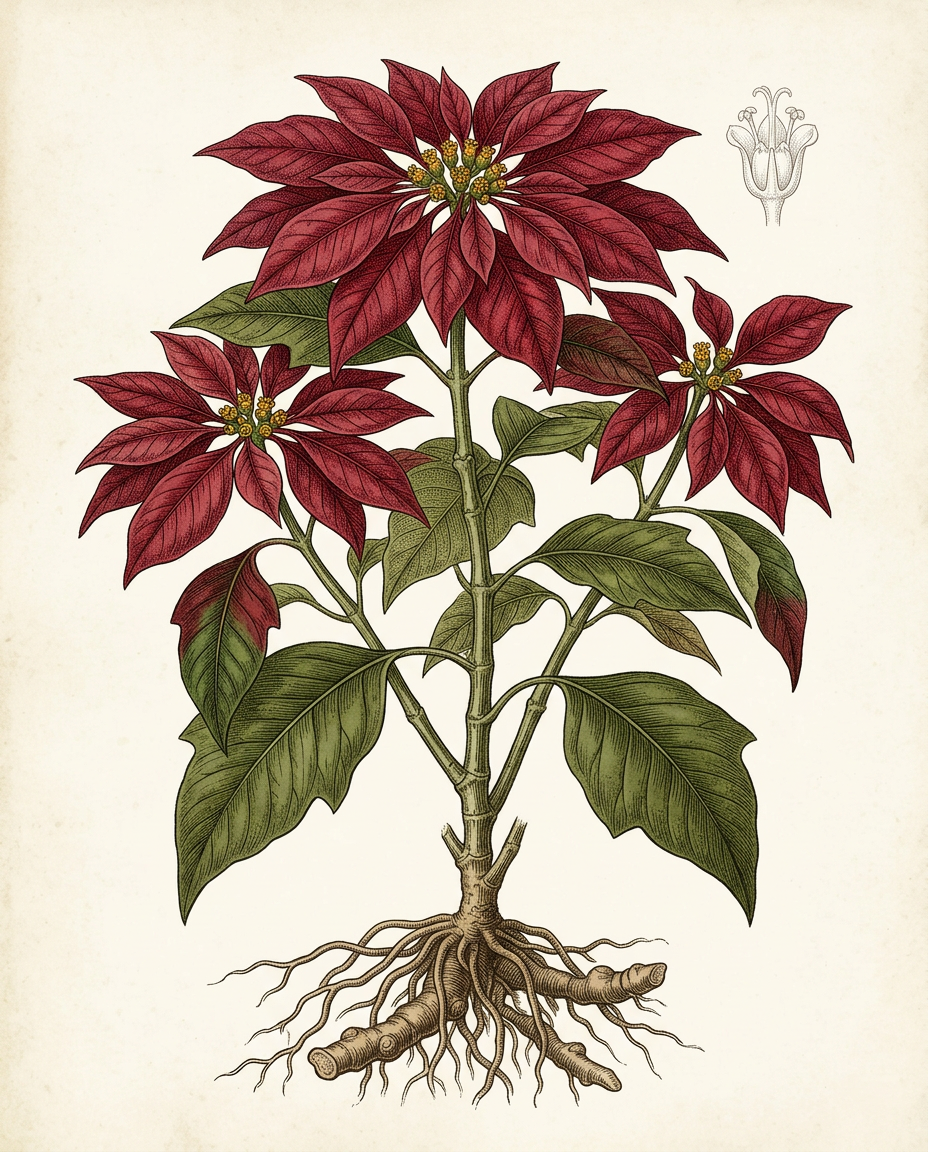
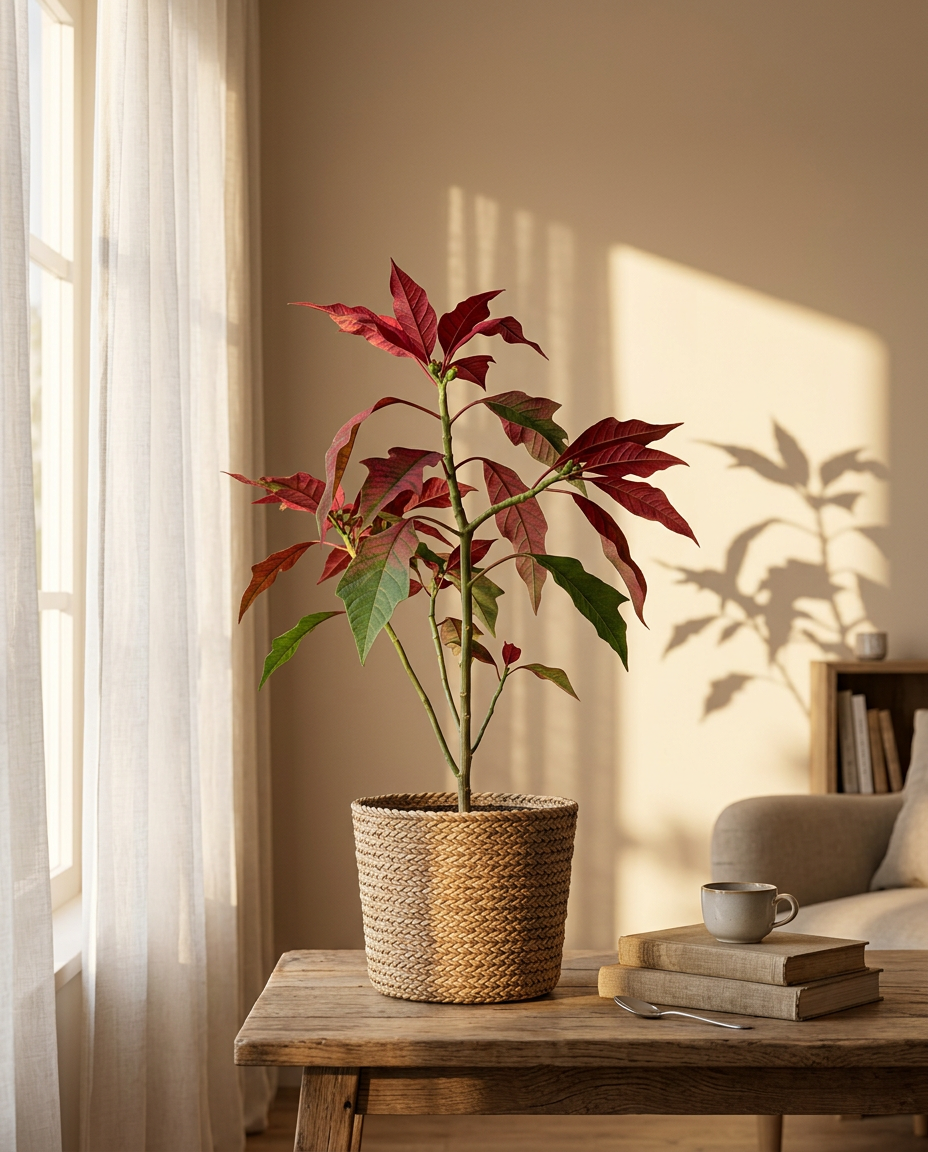
Plate IEuphorbia pulcherrima — the familiar red-bracted holiday plant. Sap from broken stems is the primary irritant.
Three plants that look the part, without the risk.
Seasonal colour without milky sap — tabletop and windowsill flowers that replace poinsettia safely.
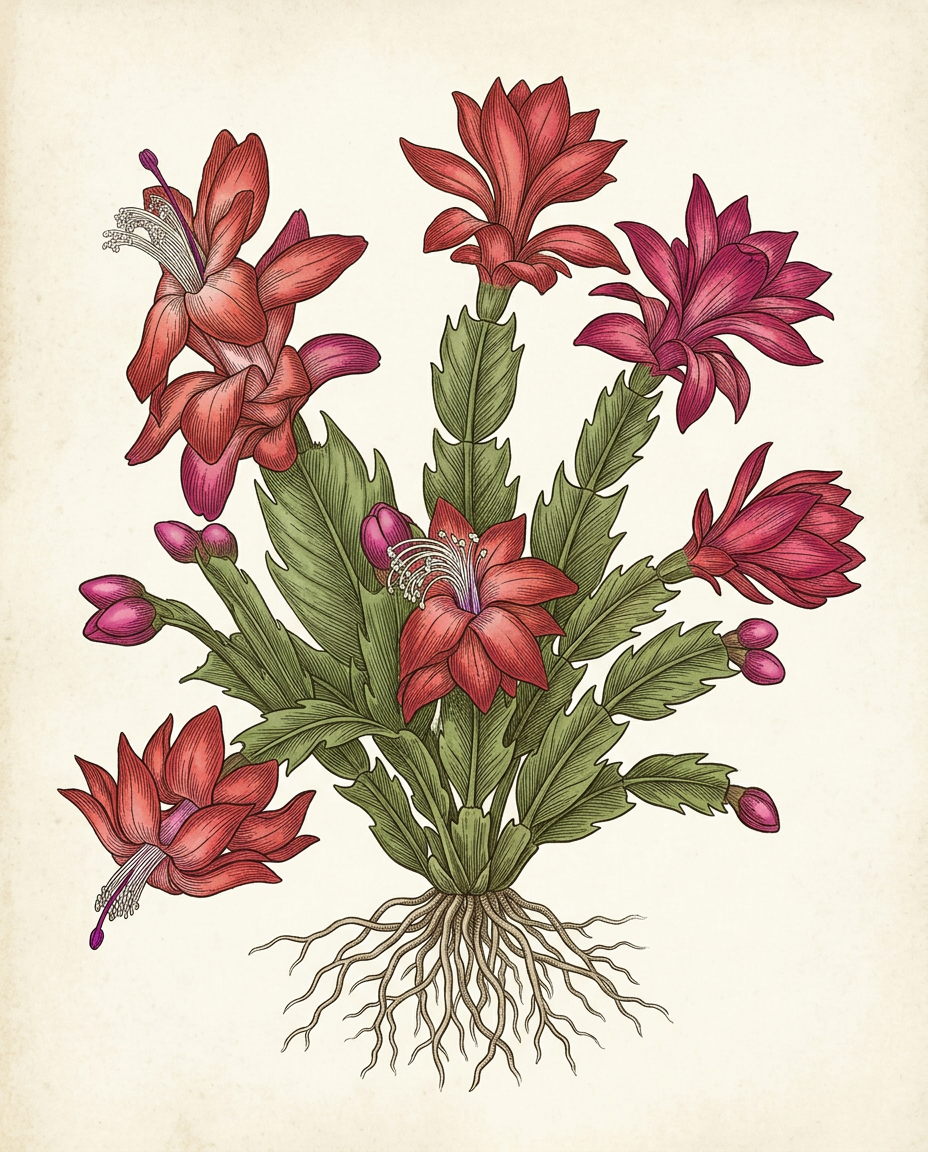
Christmas Cactus
Cascading stems and winter blooms without irritant sap. The best holiday swap.
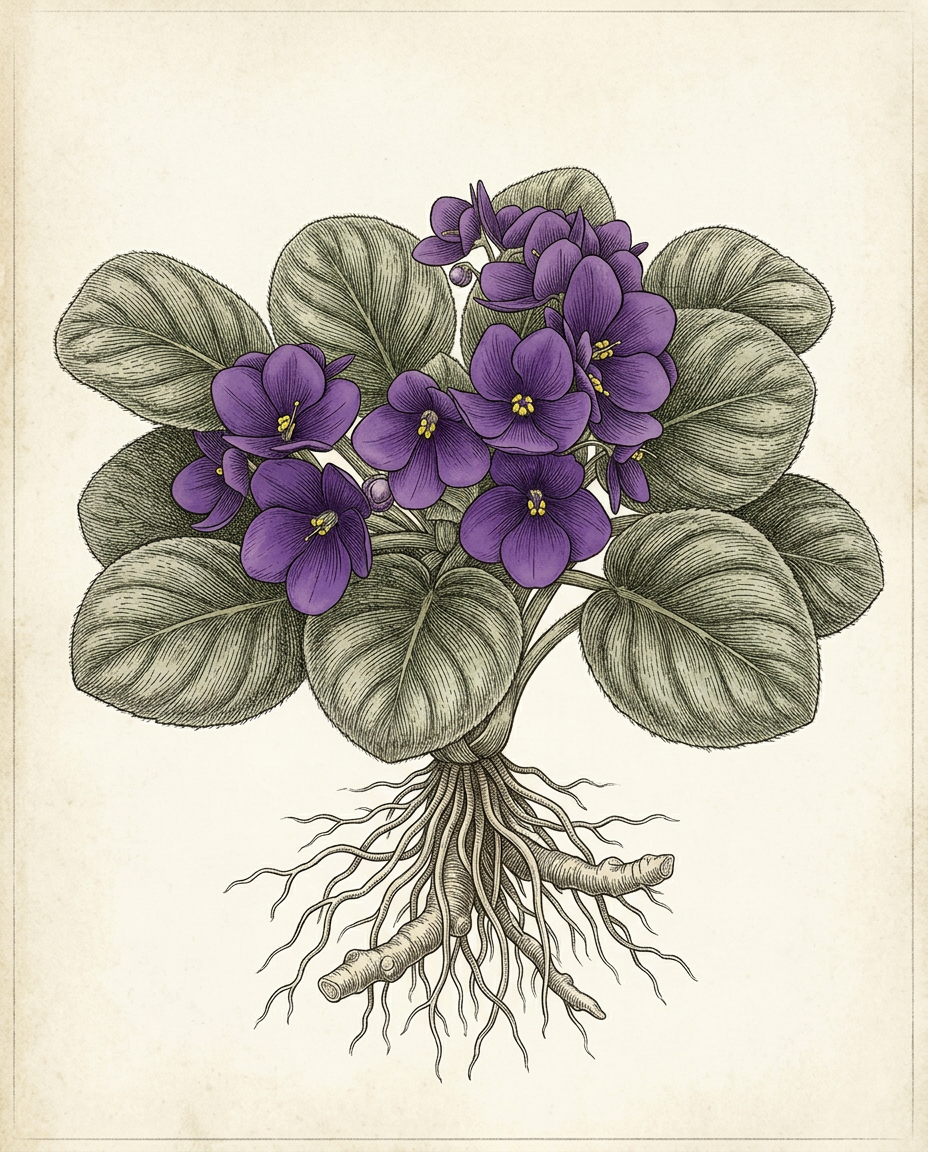
African Violet
Compact year-round colour for the centrepiece. No milky sap, no single-season discard.
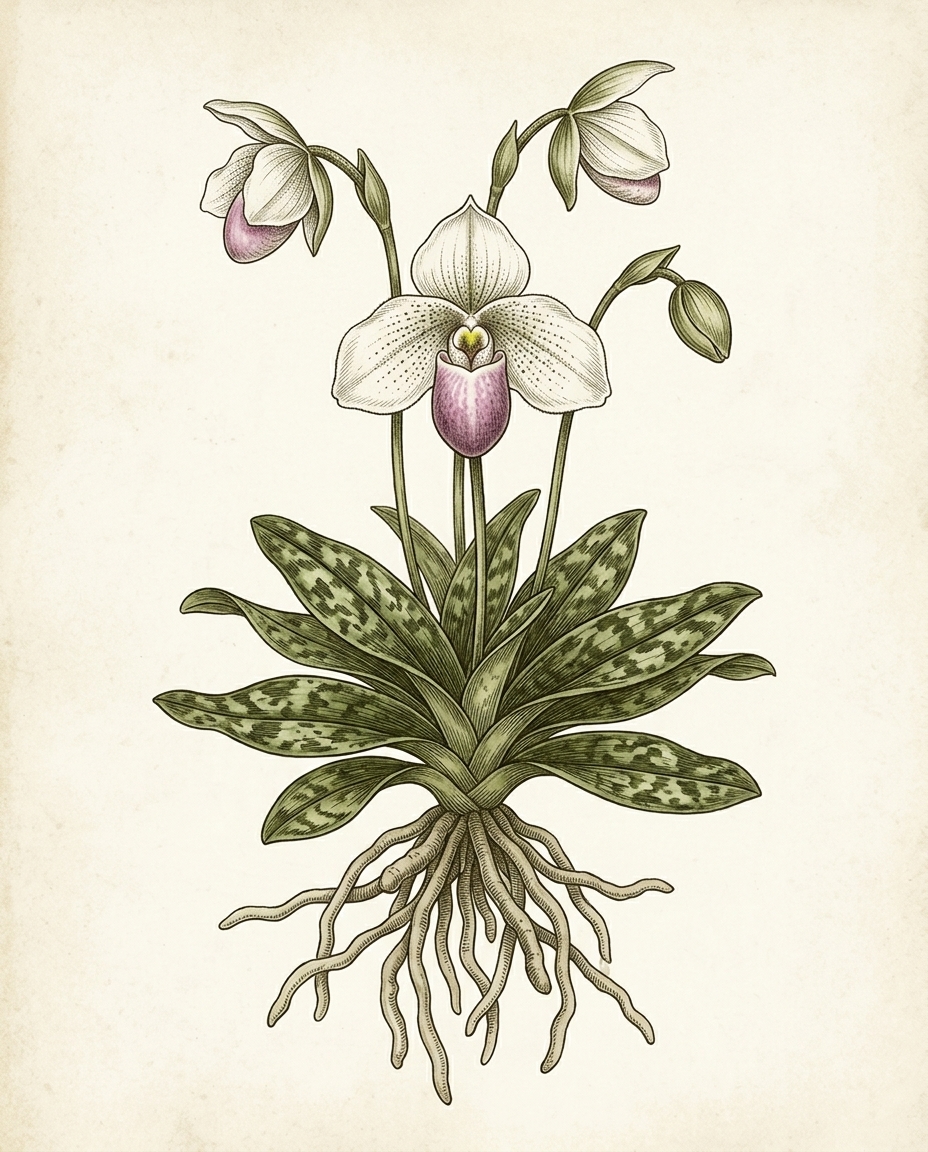
Orchid
Long-lasting elegant flowers for a gift display. Cat-safe and reblooms under good light.
What it does to a cat.
Yes — poinsettias are toxic to cats. The ASPCA lists Euphorbia pulcherrima as toxic. The plant's milky latex sap irritates the mouth and stomach; cats that chew bracts or leaves often drool, vomit, and have diarrhoea. Serious poisoning is uncommon, but the plant should not be treated as harmless.
The myth that poinsettias are highly lethal dates from early, exaggerated reports. Modern veterinary data shows most cases are mild. That does not change the ASPCA classification or the misery a chewed leaf can cause.
What actually causes the reaction
Poinsettias belong to the spurge family (Euphorbiaceae). When stems or leaves break, latex sap contacts the oral mucosa and causes chemical irritation — similar in mechanism to other euphorbias, though far milder than some outdoor relatives.
Holiday placement
Poinsettias sit on low tables and fireplace mantels — exactly where cats investigate. If you keep one, place it behind glass, on a high shelf, or skip it entirely in favour of a Christmas cactus or orchid, both ASPCA-listed as non-toxic.
Do not confuse with lilies
Holiday bouquets sometimes mix poinsettias with true lilies. Lilies are renal emergencies for cats. Always inspect mixed arrangements and remove any Lilium or Hemerocallis before they enter the home.
What we have actually seen.
Oral irritation
Milky sap causes drooling, lip licking, and pawing at the mouth when leaves or stems are chewed.
Vomiting & diarrhoea
GI upset from sap and plant material. Usually self-limiting within a day.
Skin & eye contact
Sap on paws or from rubbing against bracts can cause local irritation. Rinse if visible.
Severe reactions
Uncommon. Persistent vomiting, lethargy, or dehydration warrant veterinary care.
- ASPCA Animal Poison Control Center. Toxic and Non-Toxic Plants: Poinsettia.Accessed May 2026 · aspca.org