Aluminum
Plant.
Pilea cadieri
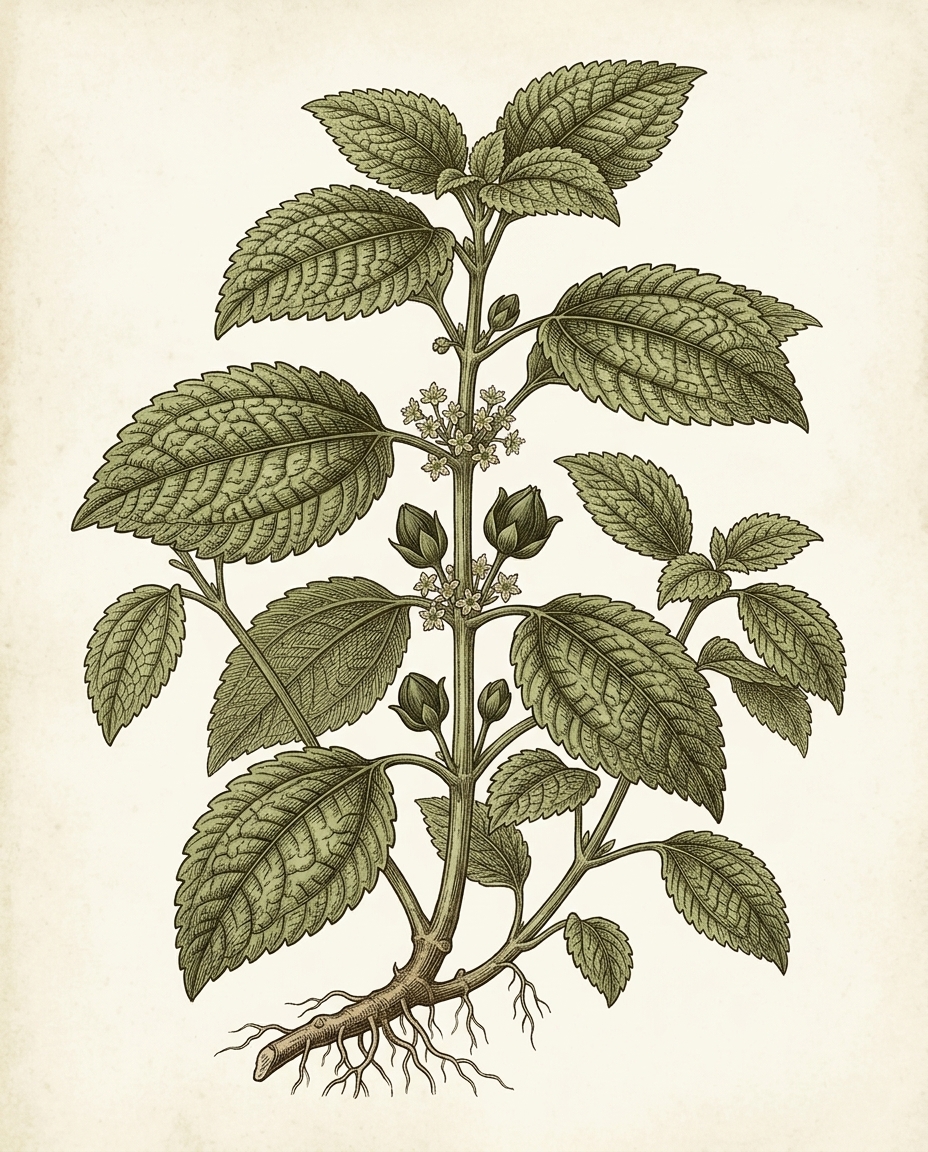
Aluminum Plant (Pilea cadieri — also called Watermelon Plant) is non-toxic to cats per the ASPCA. The silver-striped Pilea houseplant. Often confused with watermelon peperomia (a different non-toxic plant).
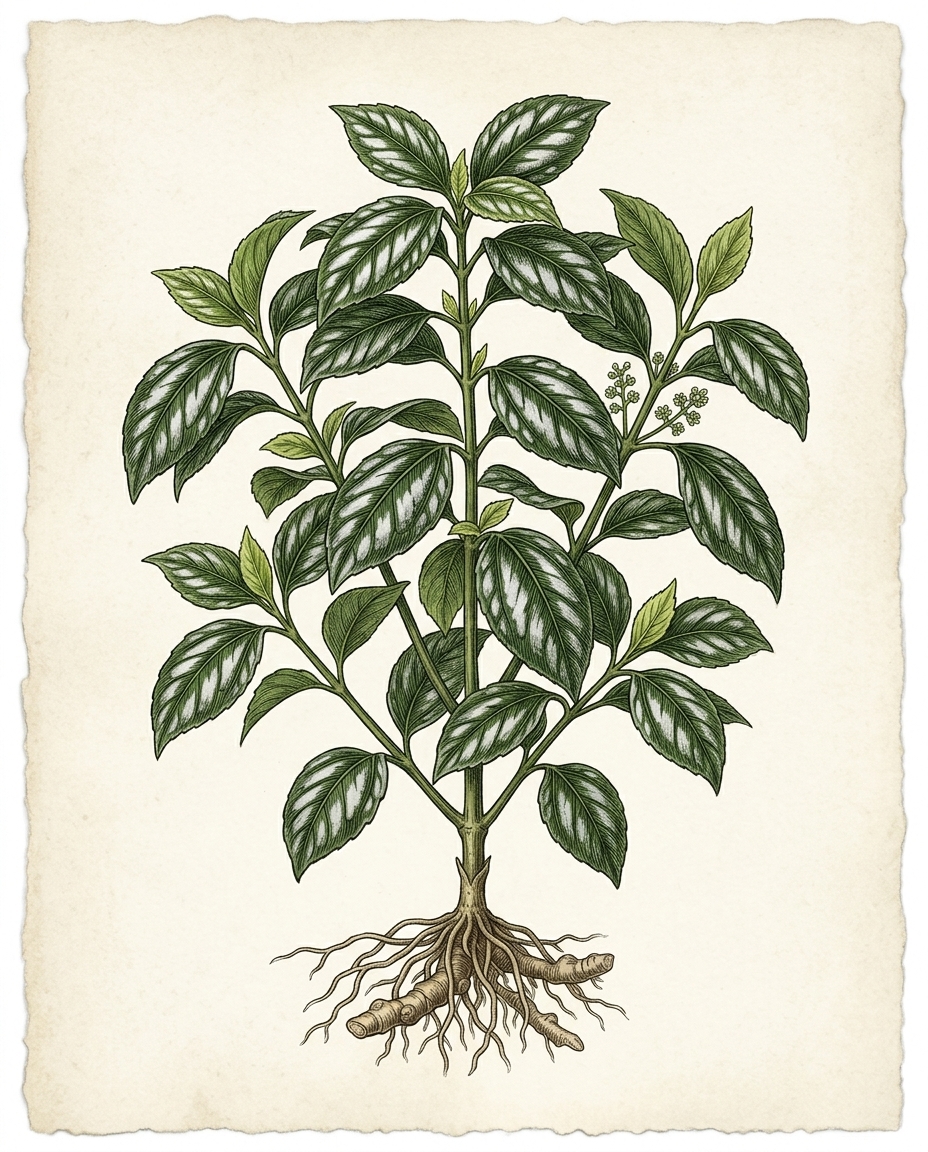
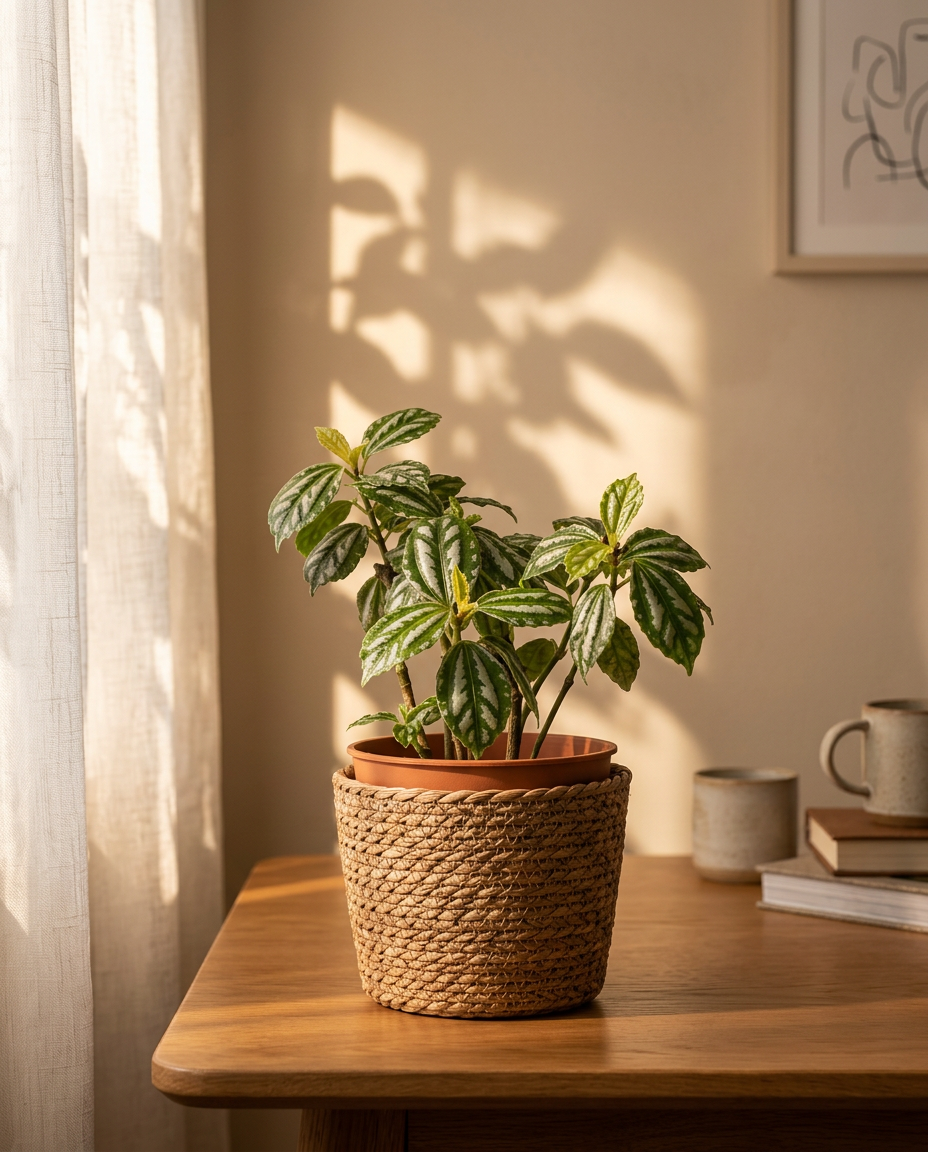
Plate IPilea cadieri — Aluminum Plant. Oval green leaves marked with bright silver stripes between the veins. Urticaceae. ASPCA non-toxic.
Why aluminum plant is a safe houseplant choice.
Yes — Aluminum Plant is safe for cats. The ASPCA lists Pilea cadieri (also called Watermelon Plant) as non-toxic to dogs, non-toxic to cats, and non-toxic to horses. The "aluminum" trade name refers to the metallic silver stripes between the leaf veins — a compact houseplant for a bright indirect spot.
The ASPCA verdict, verbatim: Non-Toxic to Dogs, Non-Toxic to Cats, Non-Toxic to Horses · Family: Urticaceae · Additional Common Names: Watermelon Plant · Scientific Name: Pilea cadieri.
Watermelon Plant — two different plants share the name
ASPCA's "Watermelon Plant" common name refers to Aluminum Plant (this page). But most internet searches for "watermelon plant" actually mean watermelon peperomia (Peperomia argyreia) — a different plant in a different genus, named for its watermelon-rind-patterned round leaves rather than for silver stripes.
- Aluminum Plant / Pilea Watermelon Plant (this page) — Pilea cadieri. Oval green leaves with silver vertical stripes. Compact bush form.
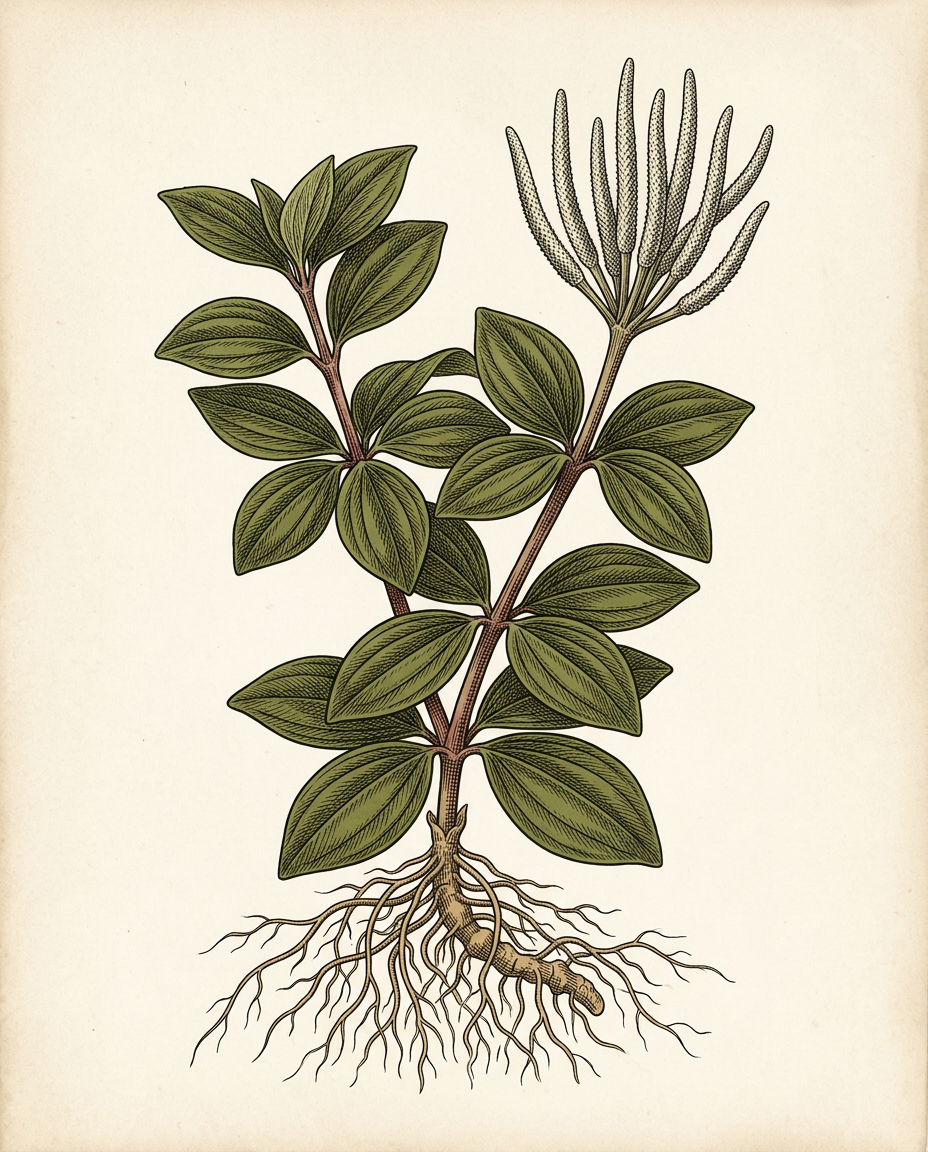
- Watermelon Peperomia — Peperomia argyreia. Round leaves with watermelon-rind-style striping in dark green. Smaller leaf-rosette form. See our peperomia page.
Both are ASPCA non-toxic to cats — so the safety answer is the same regardless of which plant you actually have. The naming confusion is worth understanding because the plants look quite different in person.
Part of the safe Pilea genus
Aluminum Plant is one species in Pilea, a genus that is broadly non-toxic per ASPCA. ASPCA explicitly lists two Pileas as non-toxic — Aluminum Plant (this page) and Friendship Plant (P. involucrata) — and no Pilea species appears on the toxic list. The popular Pilea peperomioides (Chinese Money Plant) is also widely regarded as cat-safe.
The Urticaceae family is the nettle family — which sounds alarming, but the Pilea genus has lost the stinging hairs and irritant sap that the wild stinging-nettle (Urtica dioica) is famous for. Pileas are entirely benign. Cats interacting with Aluminum Plant face no chemical hazard.
The brittle-stem trait
The one practical caveat in a cat household: Pilea cadieri stems are noticeably brittle. A cat batting at the foliage can snap a stem with little effort. This is a cosmetic problem rather than a safety one — the snapped piece is non-toxic and will root readily in water for propagation. If you keep an Aluminum Plant on a coffee table, expect occasional stem damage as the trade-off for putting it in cat-accessible space.
For minimal damage, site on a stable surface slightly above paw reach. For propagation-by-cat, leave it where it is and replant every cutting.
Care notes
- Light — Bright indirect. Direct afternoon sun bleaches the silver markings and crisps the leaf edges. East or north windows work best.
- Water — Even moisture. Pilea wilts dramatically when dry but recovers within hours of watering. Try to keep the soil lightly moist, never soggy, never bone-dry.
- Soil — Standard houseplant compost.
- Placement — Coffee table, side table, or low shelf. Compact 30 cm form. Cats can investigate freely.
Pair with other safe Pileas and houseplants
For a cat-friendly compact-houseplant collection:
- Friendship Plant — sibling safe Pilea with quilted reddish-brown foliage.
- Peperomia — the wider Peperomia genus, broadly non-toxic, includes the watermelon peperomia mentioned above.
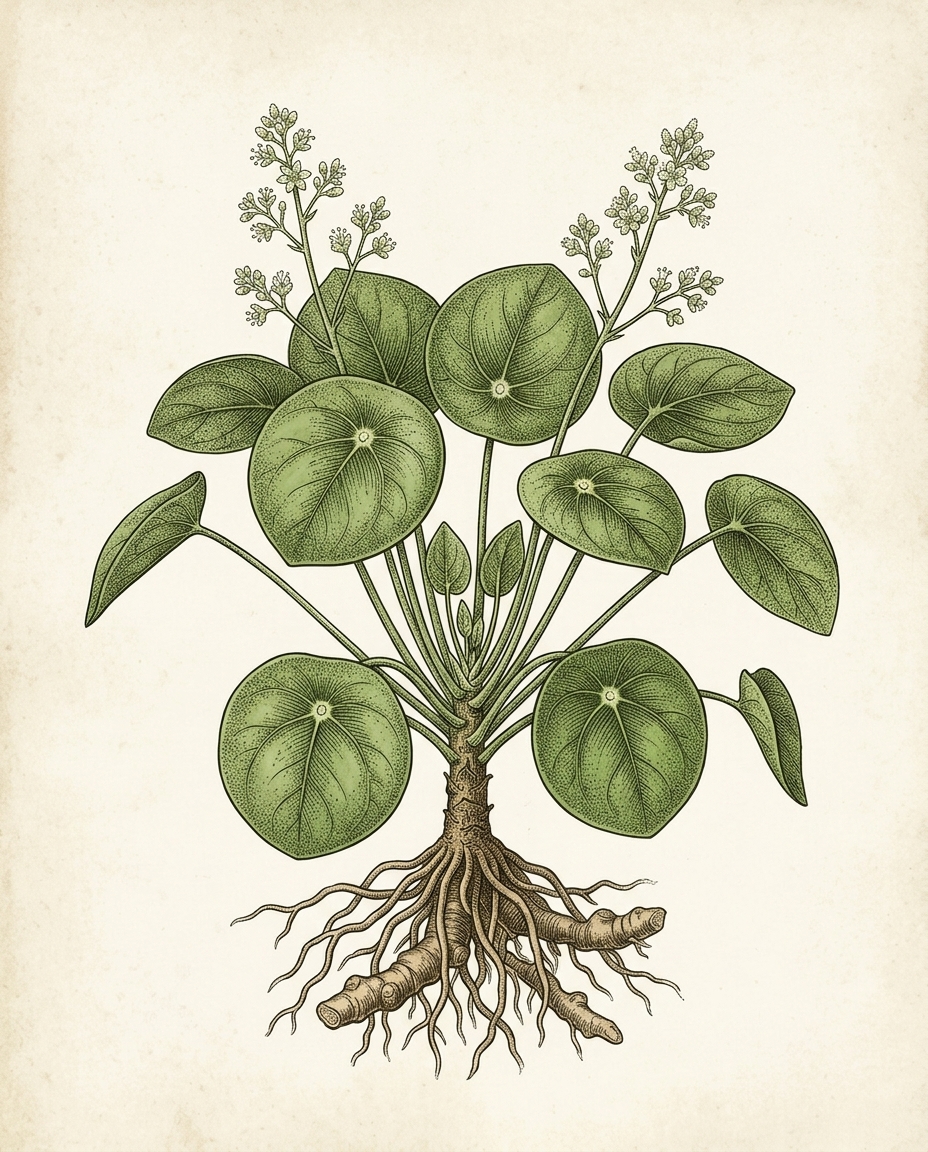
- Pilea peperomioides — the Chinese Money Plant, another safe Pilea with round saucer-shaped leaves.
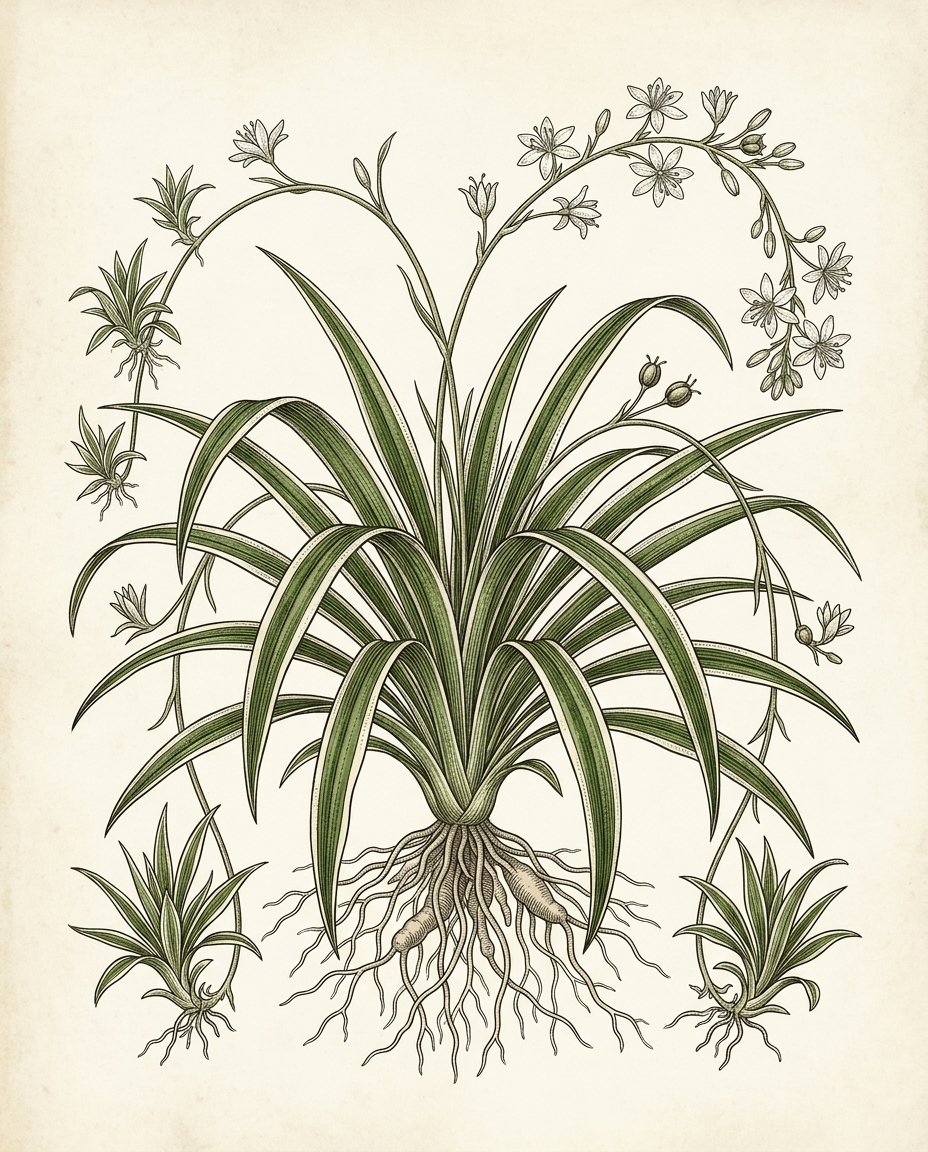
- Spider Plant — the easiest safe houseplant for a hanging basket or shelf.
- Nerve Plant — Fittonia with bright veined leaves, ASPCA non-toxic.
What we have actually seen.
Leaves are appealing to bat
The silver-striped leaves are visually interesting. Cats sometimes paw at the foliage. Non-toxic — chewed or torn leaves produce no toxic reaction.
Brittle stems
Pilea cadieri stems are somewhat fragile and can snap if a cat pulls on the foliage. Cuttings root easily in water, so a snapped stem is a propagation opportunity rather than a loss.
No clinical signs reported
ASPCA marks the plant non-toxic with no clinical signs entry. No toxin to flag.
Watermelon peperomia confusion
ASPCA's "Watermelon Plant" common name refers to Aluminum Plant (this page). Most internet searches for "watermelon plant" actually mean watermelon peperomia (Peperomia argyreia) — a different plant with similar silver-striped foliage. Both are non-toxic, so the safety answer is the same.
Four common varieties.
Cadieri (classic)
The standard species — oval green leaves with bright silver stripes between the veins. The trade name "Aluminum Plant" comes from the metallic sheen.
Minima (compact)
A smaller compact selection sometimes sold as Pilea cadieri 'Minima'. Same Urticaceae family, same non-toxic status.
Keeping the plant alive.
Bright indirect
An east or north window suits Pilea cadieri. Direct afternoon sun bleaches the silver markings and crisps the leaf edges.
Even moisture
Keep the soil lightly moist — never soggy, never bone-dry. Pilea wilts dramatically when dry but recovers within hours of watering.
Standard houseplant compost
Regular peat-based houseplant compost works well. Free-draining is fine but extra drainage is not needed.
Coffee table, shelf
Compact form (30 cm tall, 30 cm spread) suits a coffee table, side table, or low shelf. Cats can investigate freely with no toxicity concern.
- ASPCA Animal Poison Control Center. Toxic and Non-Toxic Plants: Aluminum Plant.Accessed June 2026 · aspca.org · Pilea cadieri · Non-Toxic to Dogs, Non-Toxic to Cats, Non-Toxic to Horses · Family Urticaceae · Additional Common Names: Watermelon Plant
- ASPCA Animal Poison Control Center. Toxic and Non-Toxic Plants: Friendship Plant.For the sibling Pilea (Pilea involucrata) — same genus, same non-toxic status
If you liked this, also safe.