Nerve
Plant.
Fittonia verschaffeltii
Nerve Plant (Fittonia verschaffeltii — Jewel Plant, Silver Nerve, Mosaic Plant) is non-toxic to cats per the ASPCA. The bright-veined terrarium houseplant. The whole Fittonia genus is cat-safe.
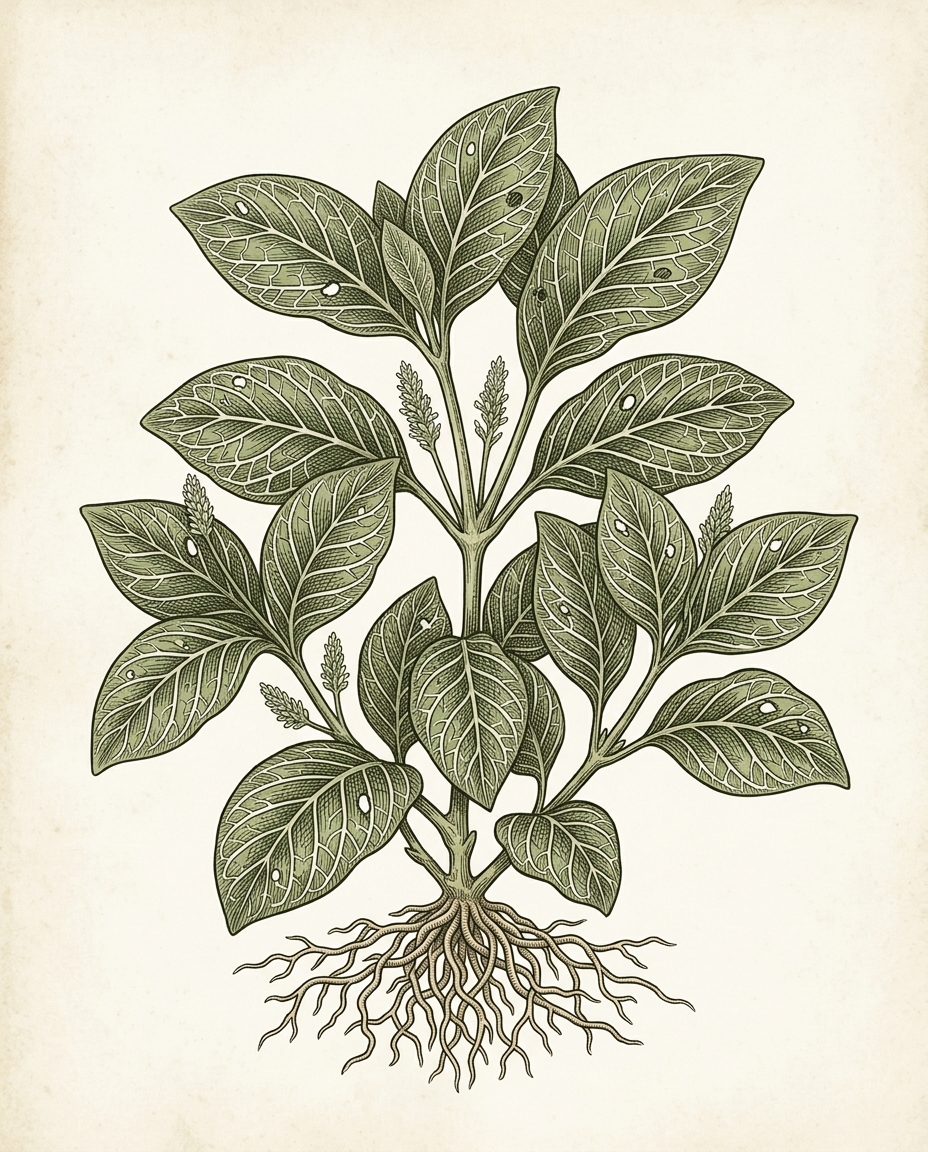
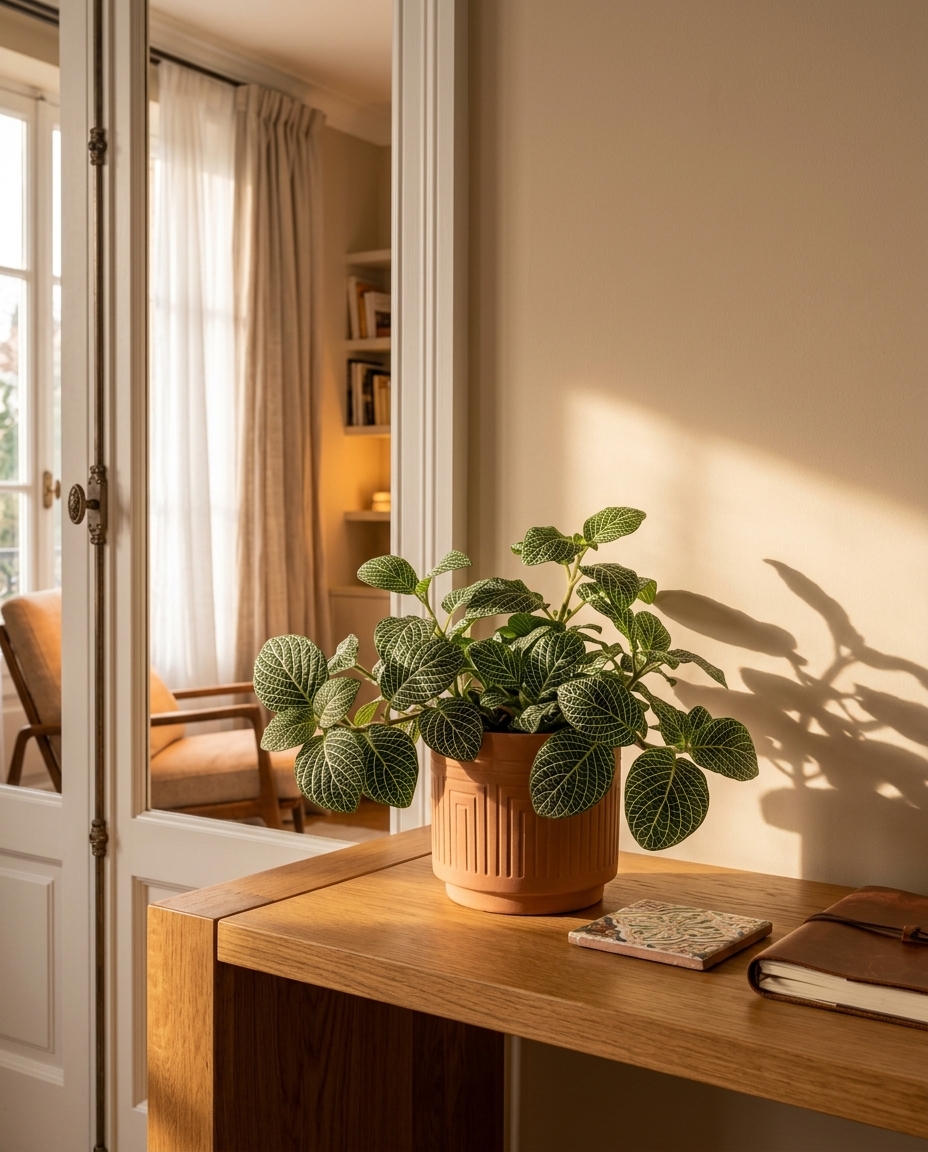
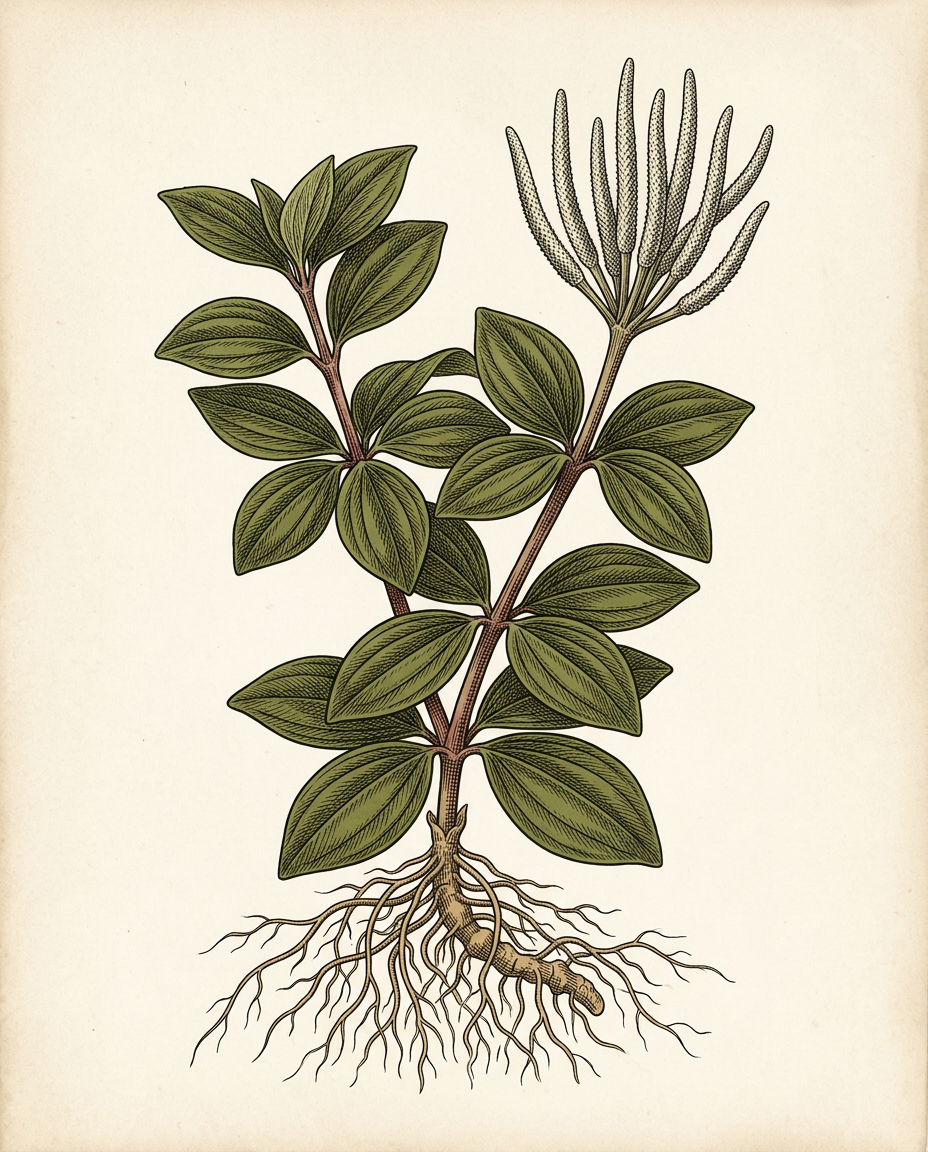
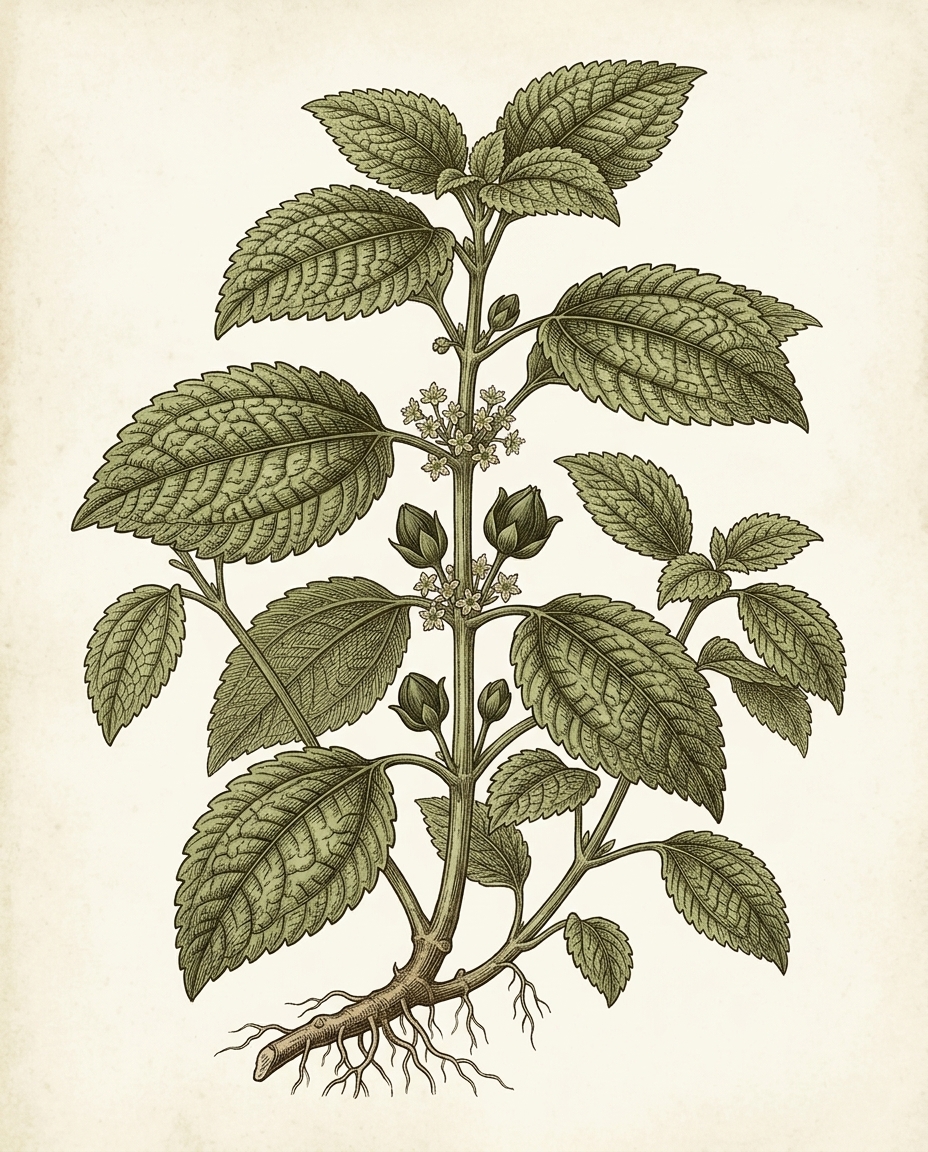
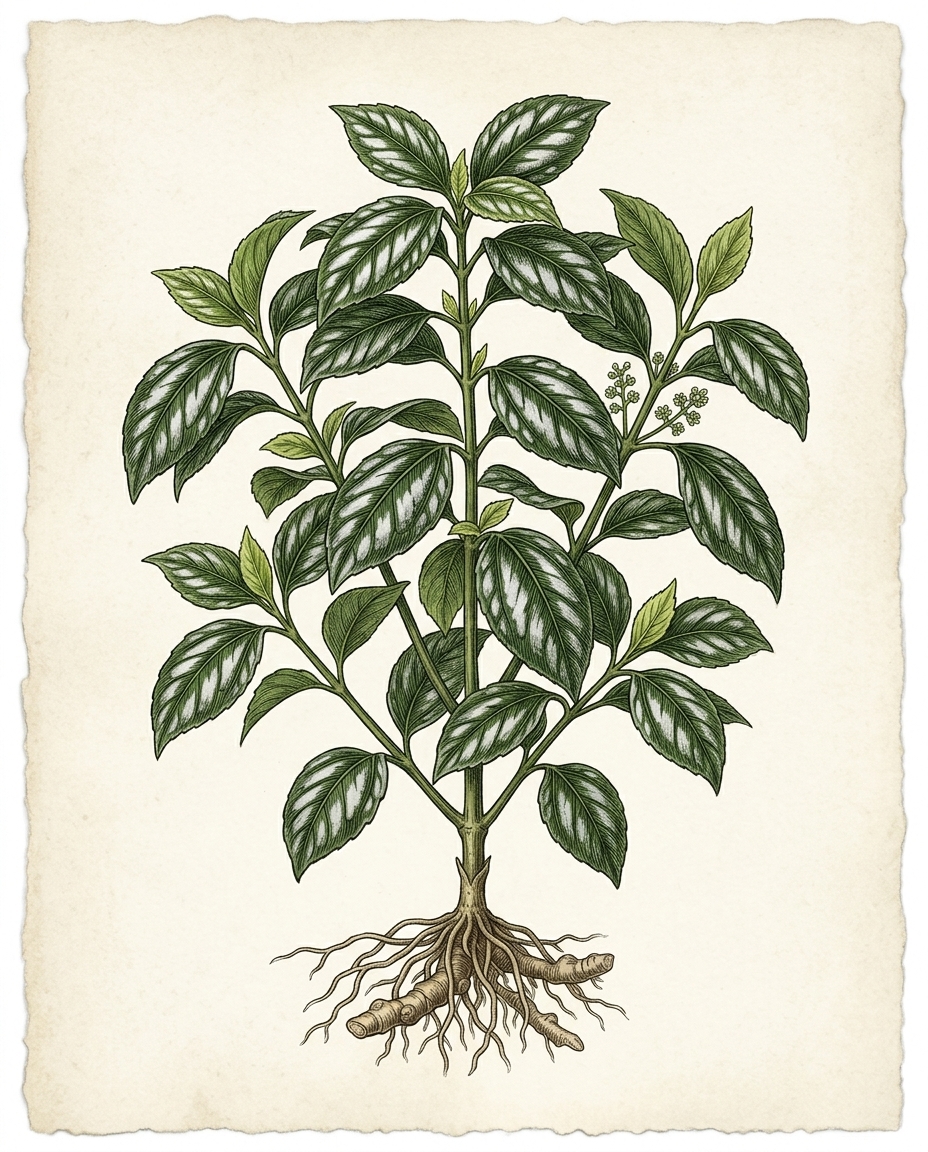
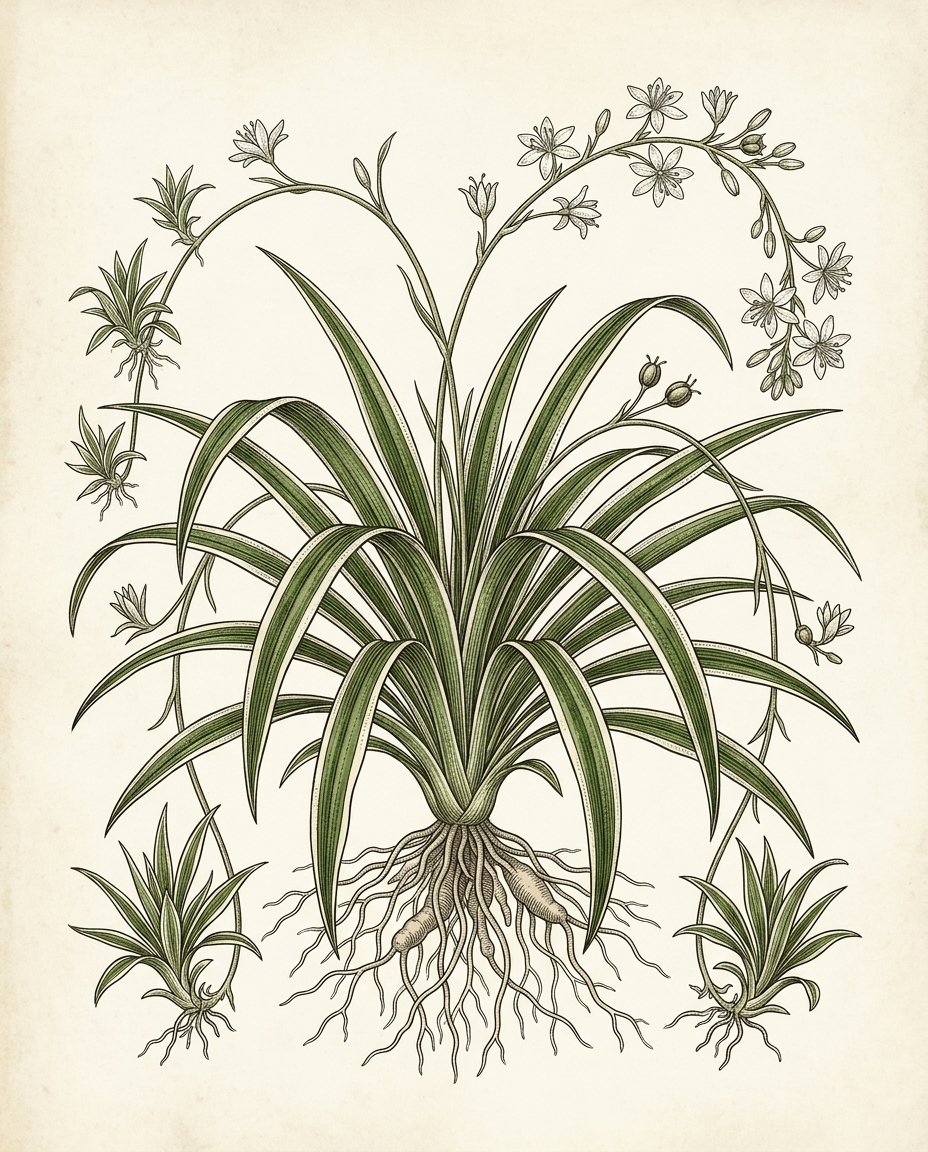
Plate IFittonia verschaffeltii — Nerve Plant. Oval olive-green leaves veined with bright white networks. Acanthaceae. ASPCA non-toxic.
Why nerve plant is a safe terrarium choice.
Yes — Nerve Plant is safe for cats. The ASPCA lists Fittonia verschaffeltii (also called Jewel Plant, Silver Nerve, Mosaic Plant, and Silver Threads) as non-toxic to dogs, non-toxic to cats, and non-toxic to horses. It is the bright-veined small-leaved terrarium plant familiar from every garden-centre terrarium kit.
The ASPCA verdict, verbatim: Non-Toxic to Dogs, Non-Toxic to Cats, Non-Toxic to Horses · Family: Acanthaceae · Additional Common Names: Jewel Plant, Silver Nerve, Mosaic Plant, Silver Threads · Scientific Name: Fittonia verschaffeltii.
The whole Fittonia genus is safe
ASPCA's listing is at the species level (F. verschaffeltii), but the Fittonia genus is small and uniformly non-toxic. The various cultivars and the separately-listed sister species Fittonia albivenis (white-veined nerve plant) share the same family, same biology, and same non-toxic status. Whether your plant is sold as:
- Fittonia verschaffeltii — the red-veined classic.
- Fittonia albivenis — the white-veined variant (sometimes treated as a separate species, sometimes as a variety of F. verschaffeltii).
- Mosaic Plant — dense white-veined cultivar.
- Pink Angel — bright pink-veined cultivar.
- Silver Nerve / Silver Threads — silver-veined selection.
…all are the same cat-safe genus. The veining colour is purely aesthetic; the safety profile is identical.
The classic terrarium plant
Fittonia is the single most popular plant in commercial terrarium kits — and for good reasons. It stays compact (a mature plant rarely exceeds 15 cm), it tolerates low light, and it loves the high-humidity low-airflow environment a closed terrarium provides. For cat households this means you can build a cat-safe miniature garden behind glass — non-toxic by content, and physically separated from the cat by the terrarium walls.
For a complete cat-safe terrarium, pair Fittonia with:
- Small Pilea peperomioides or Friendship Plant — both ASPCA-safe.
- Small Peperomia cultivars — also ASPCA-safe.
- A safe small fern like Boston fern — non-toxic.
- A bit of moss as ground cover — also harmless.
Avoid in cat-safe terrariums: any Araceae miniature (small philodendron, baby pothos — all oxalate-toxic), any English ivy cultivar, and any small Calla lily varieties.
The dramatic-wilt feature
The signature Fittonia behaviour is the dramatic wilt when the soil dries. Within a day of dryness, the leaves flatten and the stems droop spectacularly — the plant looks dead. The wilt is a feedback signal, not a problem. Water as soon as you see it, and within hours the plant is fully erect and bright again. After a few cycles you learn the rhythm and water proactively.
This trait is unrelated to toxicity. A cat that knocks a Fittonia over will see the same wilt the next day if the pot loses soil moisture — purely a hydration response. No worry for the cat either way.
Care notes
- Light — Bright indirect. Tolerates low light. Avoid direct sun.
- Water — Keep evenly moist. Never let dry out completely. Wilt is a useful watering reminder.
- Soil — Peat-based houseplant compost. Moisture-retentive is good.
- Placement — Terrarium, bathroom, kitchen — anywhere with consistent humidity. Avoid dry living-room air.
Pair with the wider safe-houseplant set
For a cat-friendly small-leaved houseplant collection beyond the terrarium:
- Friendship Plant and Aluminum Plant — sibling safe Pileas.
- Peperomia — wider safe Peperomia genus.
- Spider Plant — the easiest safe houseplant overall.
- Burro's Tail — trailing safe succulent for a hanging basket.
- Painted Lady and Plush Plant — safe Echeveria succulents.
What we have actually seen.
Bright veining attracts cat attention
The striking white, pink, or red veins on Nerve Plant leaves are visually compelling. Cats may bat at the foliage. Non-toxic — chewed leaves produce no toxic reaction.
Dramatic wilt when dry
Fittonia is famously dramatic about thirst — wilts flat within a day of dry soil but recovers within hours of watering. The wilt is a feedback signal, not a problem.
No clinical signs reported
ASPCA marks the plant non-toxic with no clinical signs entry. No toxin to flag.
Best as a terrarium plant in cat homes
A closed or open terrarium gives Fittonia the humidity it loves AND keeps a curious cat physically separated from the foliage. The plant is non-toxic so this is convenience and aesthetics, not safety, but it solves both problems at once.
Four common varieties.
Verschaffeltii (red-veined)
The classic species with red or pink veining on olive-green leaves. The original "Nerve Plant" of the trade.
Albivenis (white-veined)
The white-veined variety (sometimes listed as a separate species, Fittonia albivenis). ASPCA's listing covers the genus; same non-toxic status.
Mosaic (dense white veining)
Selection with especially dense white veining. The "Mosaic Plant" common-name source. Same species, same safety.
Pink Angel (pink-flushed)
Bright pink-veined cultivar popular in terrariums. Same Fittonia verschaffeltii, same non-toxic profile.
Keeping the plant alive.
Bright indirect
Fittonia tolerates low light but colours best in bright indirect light. Avoid direct afternoon sun, which scorches the delicate leaves.
Keep evenly moist
Never let the soil dry out completely. Fittonia wilts dramatically and visibly the moment the soil dries; water as soon as you notice the wilt, and it recovers within hours.
Peat-rich, moisture-retentive
Standard peat-based houseplant compost. Fittonia prefers soils that stay slightly moist.
Terrarium, bathroom, kitchen
High humidity environments suit Fittonia. A closed terrarium is ideal. Bathrooms and kitchens also work. Avoid dry living-room air.
- ASPCA Animal Poison Control Center. Toxic and Non-Toxic Plants: Nerve Plant.Accessed June 2026 · aspca.org · Fittonia verschaffeltii · Non-Toxic to Dogs, Non-Toxic to Cats, Non-Toxic to Horses · Family Acanthaceae · Additional Common Names: Jewel Plant, Silver Nerve, Mosaic Plant, Silver Threads
If you liked this, also safe.