Plush
Plant.
Echeveria pul-oliver
Plush Plant (Echeveria pul-oliver) is non-toxic to cats per the ASPCA. The velvety-fuzzy-leaf Echeveria — one of two ASPCA-listed Echeverias that prove the wider genus is safe.
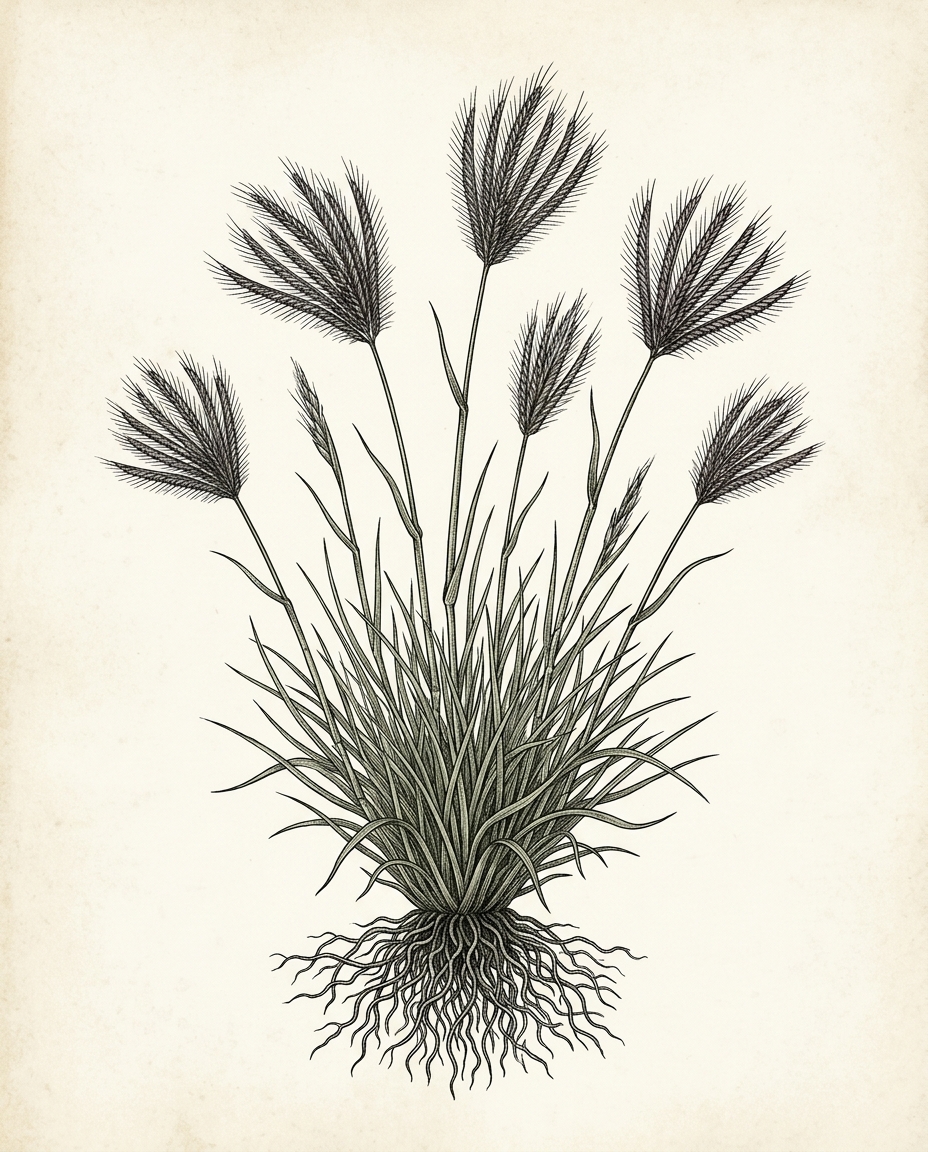
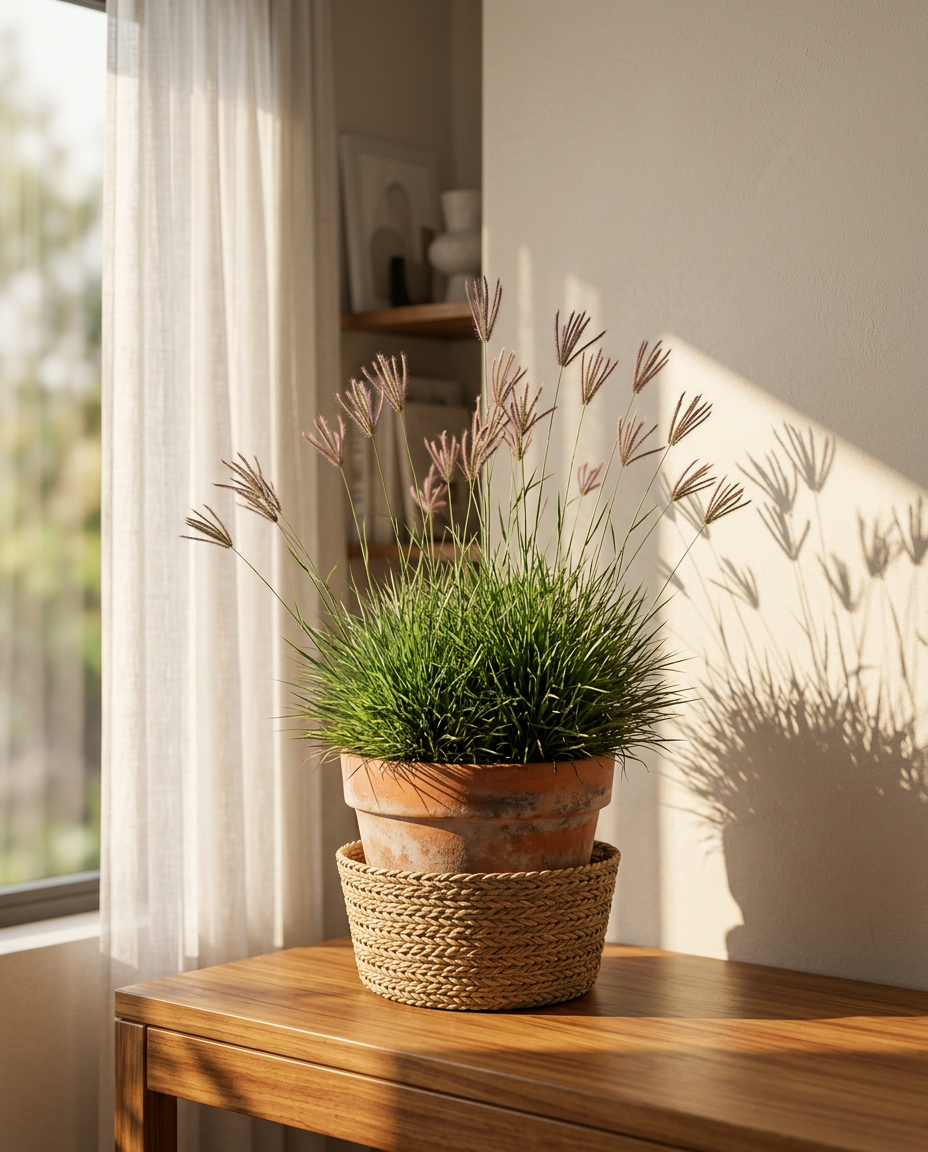
Plate IEcheveria pul-oliver — Plush Plant. Rosette of velvety silver-green leaves edged in red. ASPCA non-toxic.
Why plush plant is a safe windowsill choice.
Yes — Plush Plant is safe for cats. The ASPCA lists Echeveria pul-oliver (Plush Plant) as non-toxic to dogs, non-toxic to cats, and non-toxic to horses. It is the velvety-leaf Echeveria — a compact succulent rosette with fine white trichomes giving the leaves a silvery cast and red edges when grown in bright sun.
The ASPCA verdict, verbatim: Non-Toxic to Dogs, Non-Toxic to Cats, Non-Toxic to Horses · Family: Crassulaceae · Scientific Name: Echeveria pul-oliver.
The whole Echeveria genus is safe for cats
This is the broader question many readers actually have. ASPCA's database lists two Echeveria species — Plush Plant (this page, E. pul-oliver) and Painted Lady (E. multicaulis). Both are non-toxic. No Echeveria species appears on the ASPCA toxic list. The practical inference is that the entire Echeveria genus — over 150 species and countless cultivars sold at garden centres — is safe for cats.
This is unusual. Most plant safety questions resolve at the species level; Echeveria is one of the few genera where the genus-wide cat-safety answer is well-supported by ASPCA's documentation. If you have any Echeveria and a cat, you are in the safe zone.
Crassulaceae is mostly safe — but check the outliers
Echeveria sits in the wider Crassulaceae (stonecrop) family. The family is mostly safe for cats, with two notable toxic outliers worth knowing:
- Kalanchoe and Devil's Backbone — different genera in Crassulaceae, both contain bufadienolide cardiac glycosides. Toxic.
- Jade Plant — different genus (Crassula), mildly toxic.
The other commonly-grown Crassulaceae succulents — Sedum (e.g. Burro's Tail), Sempervivum (Hens and Chicks), and the entire Echeveria genus — are safe per ASPCA.
The velvet is real and harmless
The "plush" feel of the leaves comes from fine trichomes — microscopic hair-like outgrowths on the leaf surface. They have practical functions for the plant (reflecting sunlight, conserving water, deterring some pests) and are aesthetically charming on a shelf. They do not strip off when a cat licks or chews the leaf, so there is no fur-ball or fibre-ingestion risk. The leaf itself is non-toxic per ASPCA. A curious cat that paws at a Plush Plant will probably leave fingerprint marks on the velvet but not damage itself.
Care notes
- Light — Bright direct sun is essential. The red leaf edges and silver cast both depend on sustained sun exposure. Insufficient light produces pale washed-out leaves and leggy stretching.
- Water — Deep and infrequent. Soak the pot, let it dry completely. Try to avoid water on the velvety leaves themselves — droplets can leave permanent stains or rot the trichomes.
- Soil — Gritty cactus-and-succulent mix with extra perlite or coarse sand.
- Placement — Stable windowsill. The pot is the cat risk, not the plant.
Pair with other safe Echeverias
For a cat-friendly succulent collection:
- Painted Lady — the other ASPCA-listed safe Echeveria. Copper-tinted rosette.
- Echeveria — the genus page covering the broader cluster.
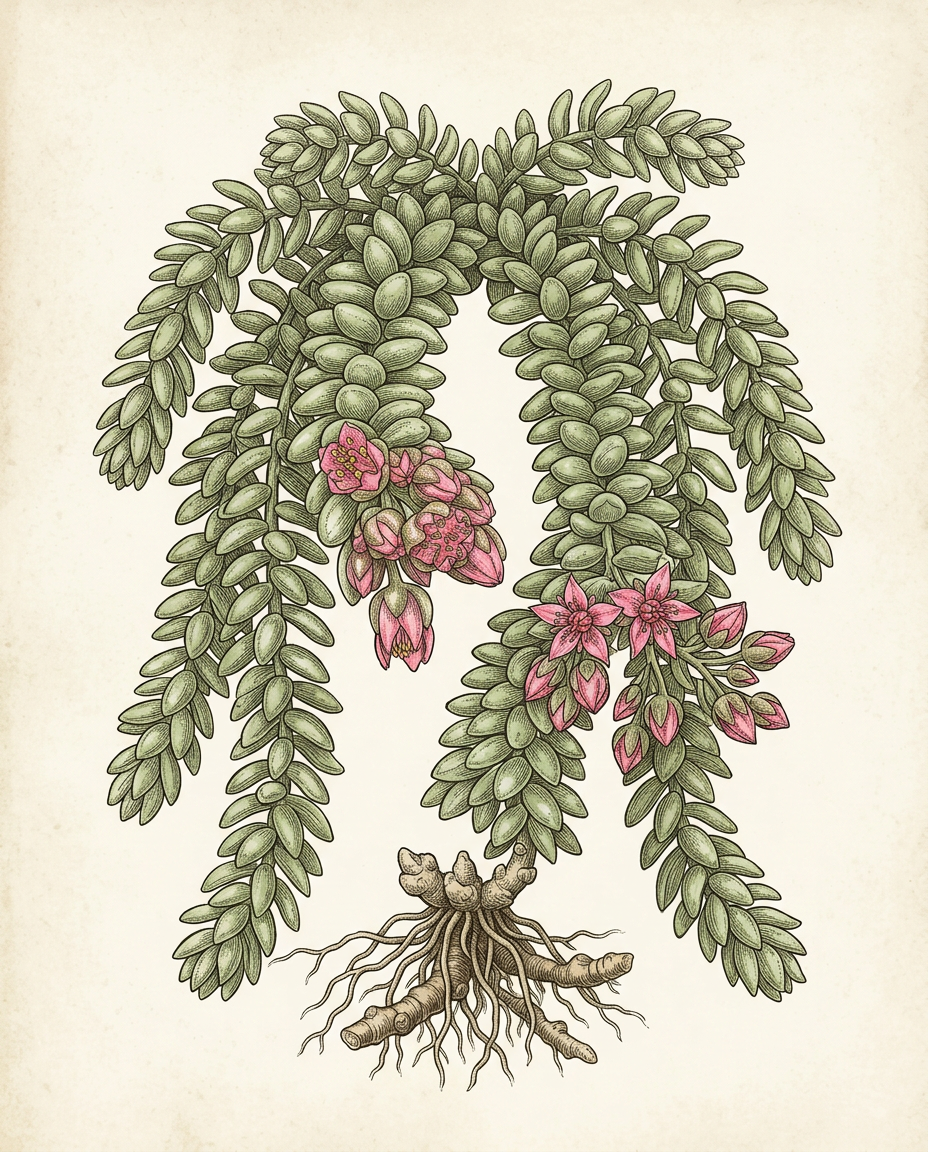
- Burro's Tail — trailing Sedum for the same shelf, ASPCA non-toxic.
- Hens and Chicks — outdoor rockery rosette, ASPCA non-toxic.
Avoid in a cat-safe succulent corner: Jade Plant (mildly toxic), Kalanchoe and Devil's Backbone (bufadienolides), and any succulent-looking Euphorbia like Pencil Cactus or Crown of Thorns.
What we have actually seen.
Cats sometimes touch the velvet
The fine white hairs on the leaves are visually interesting and tactile. Cats may pat at the rosette. Non-toxic — no concern even if a leaf is dislodged.
Knocked-over pot is the practical risk
Echeverias are shallow-rooted. A toppled pot is the most common Plush Plant accident in a cat home. Site on a stable surface.
No toxic ingestion records
ASPCA marks the plant non-toxic with no clinical signs entry. There is no toxin to flag.
Velvety leaves do not strip
The trichomes (leaf hairs) that give the velvety texture are part of the leaf surface and do not loosen from chewing. A cat that licks the leaf will not ingest a fur-ball's worth of fibres.
Four common varieties.
Pul-oliver (classic)
The standard species form. Silver-green velvety rosette with red leaf edges in bright sun.
Compact selections (smaller form)
Garden centres sometimes offer compact selections that stay under 8 cm across. Same Echeveria pul-oliver, same non-toxic status.
Keeping the plant alive.
Bright direct
Several hours of direct sun maintains the silvery cast and red leaf edges. Insufficient light produces stretched leggy growth and washed-out colour.
Deep, infrequent
Soak the pot thoroughly then let the soil dry completely before the next water. Avoid water on the velvety leaves — droplets can stain or rot the trichomes.
Gritty, free-draining
Cactus and succulent mix with extra perlite. Avoid retentive composts.
Stable windowsill
Site on a stable surface. The pot is the cat risk more than the plant.
- ASPCA Animal Poison Control Center. Toxic and Non-Toxic Plants: Plush Plant.Accessed June 2026 · aspca.org · Echeveria pul-oliver · Non-Toxic to Dogs, Non-Toxic to Cats, Non-Toxic to Horses · Family Crassulaceae
- ASPCA Animal Poison Control Center. Toxic and Non-Toxic Plants: Painted Lady.For the second ASPCA-listed safe Echeveria species (Echeveria multicaulis) supporting the genus-wide safe inference
If you liked this, also safe.