Pencil
Cactus.
Euphorbia tirucalli
Pencil Cactus (Euphorbia tirucalli — Sticks of Fire, Firestick, Milk Bush) is toxic to cats per the ASPCA. Irritant latex sap causes oral and stomach irritation and vomiting. Not actually a cactus — a Euphorbia. Severe skin and eye irritant for human handlers.
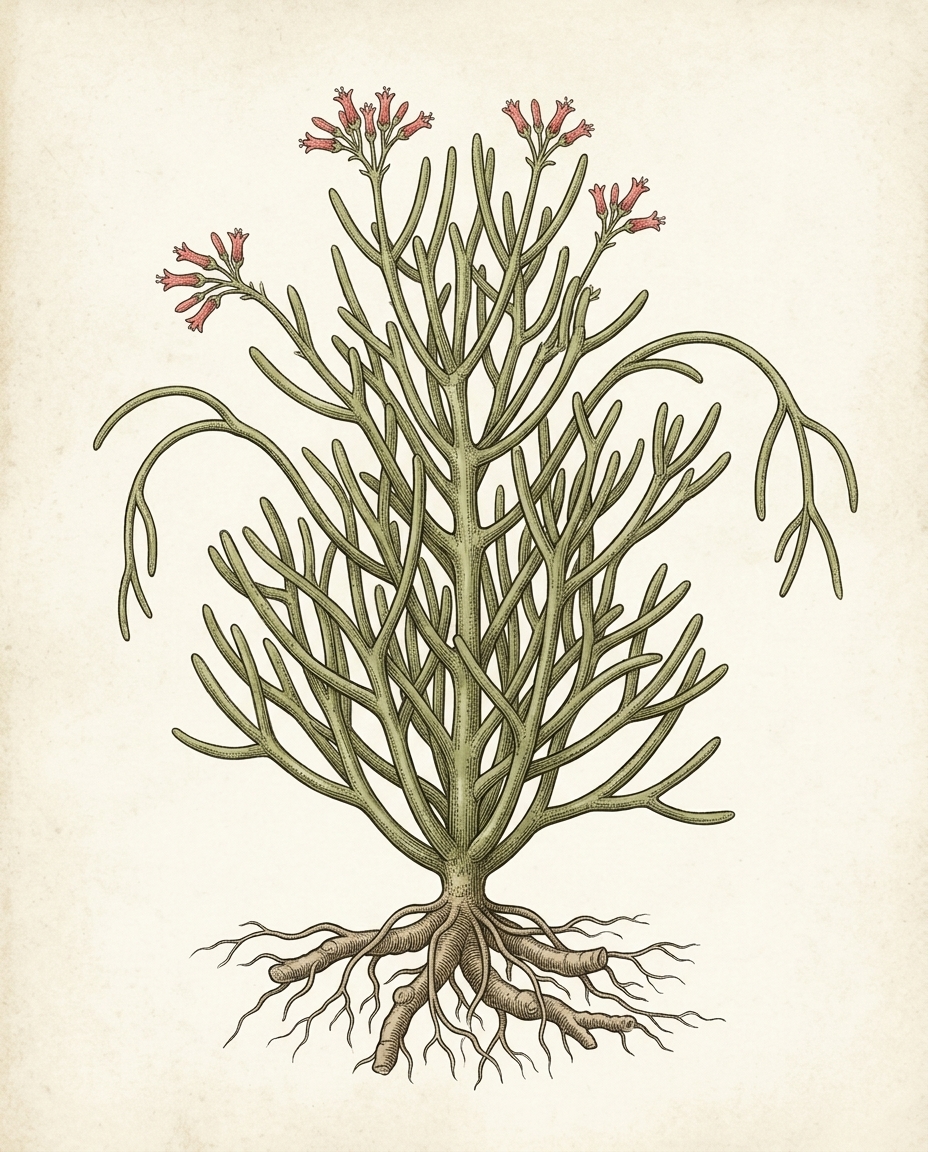
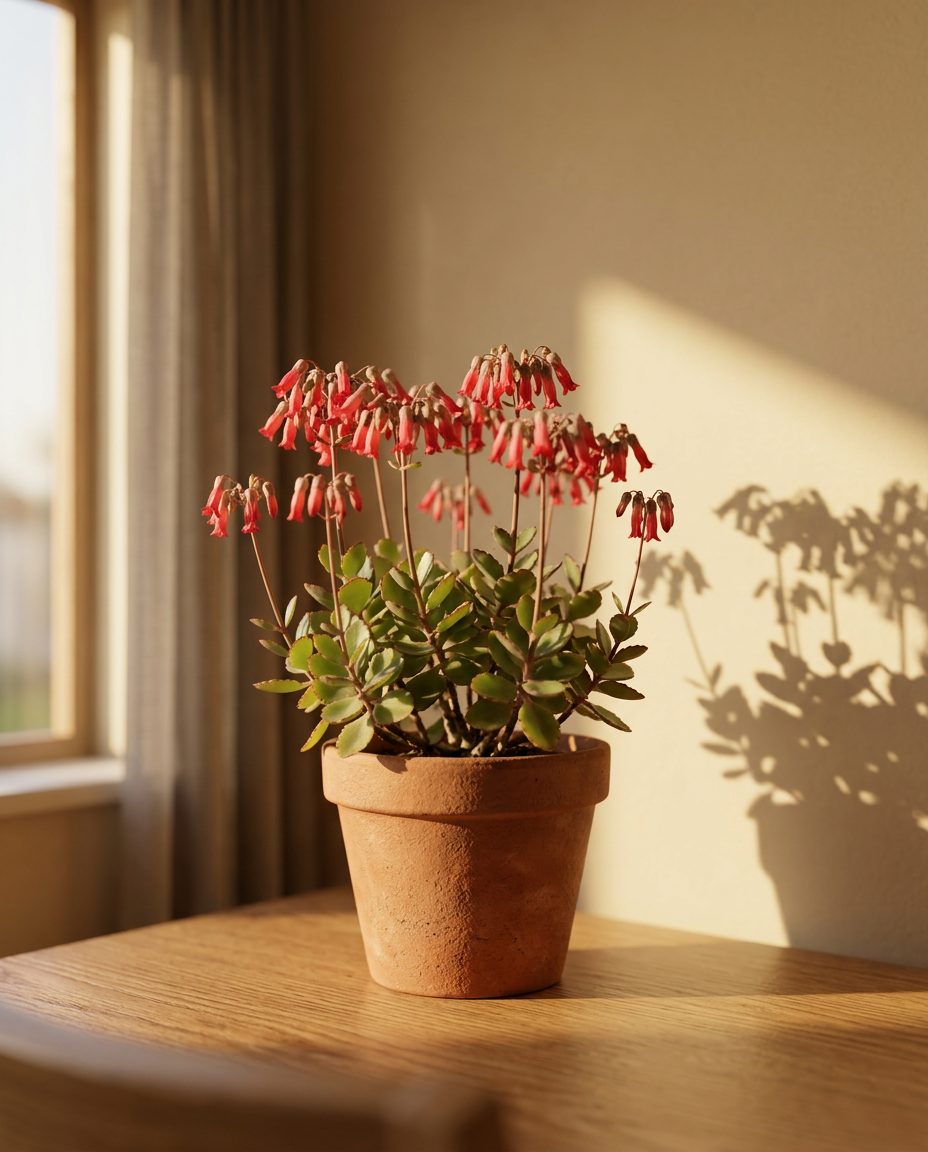
Plate IEuphorbia tirucalli — Pencil Cactus. Bare pencil-thick green stems, no leaves, milky latex within. Euphorbiaceae. ASPCA toxic — irritant sap.
Three plants that look the part, without the risk.
Architectural houseplants that look similar but are ASPCA non-toxic — the cat-safe alternatives for the same sculptural shelf or floor pot.
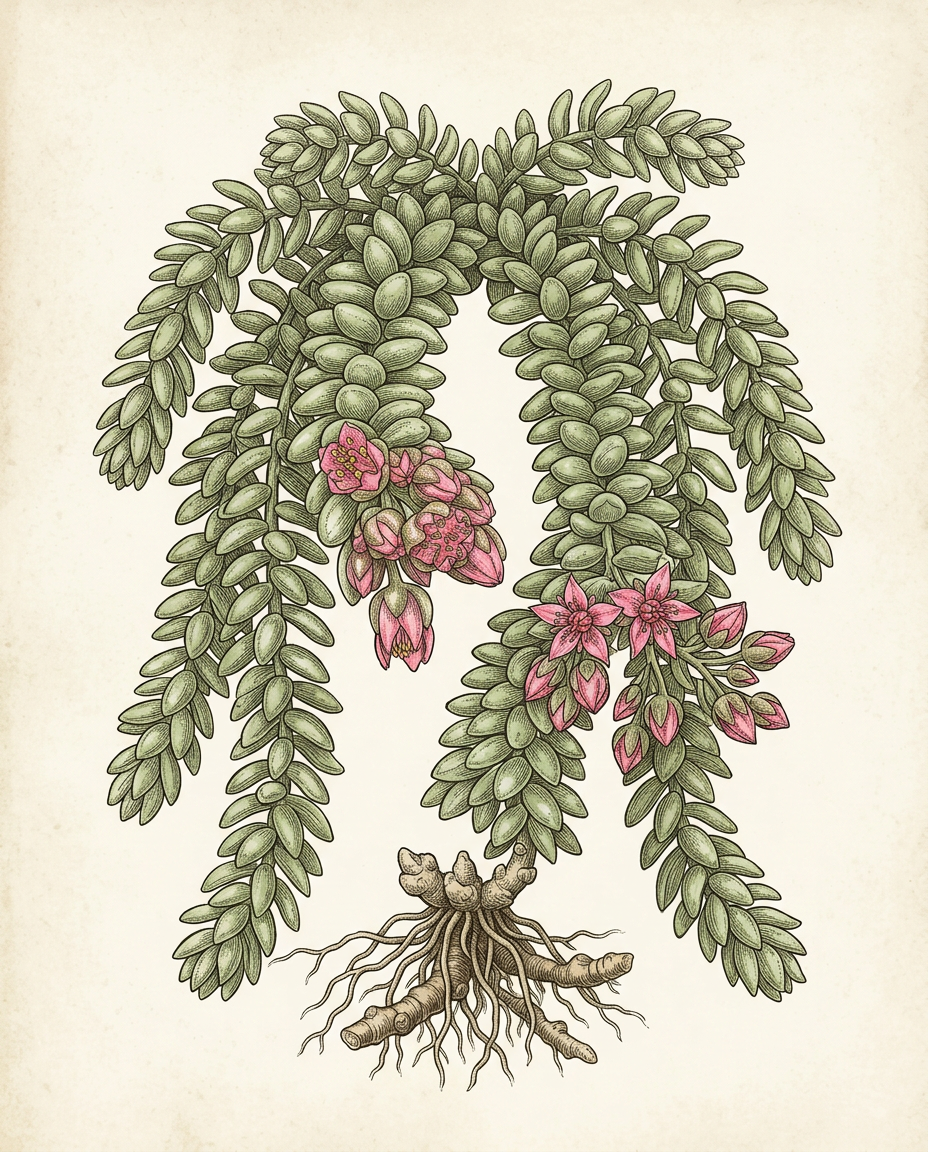
Burro's Tail
Trailing succulent for a similar pot-on-a-shelf role. ASPCA non-toxic — no irritant latex.
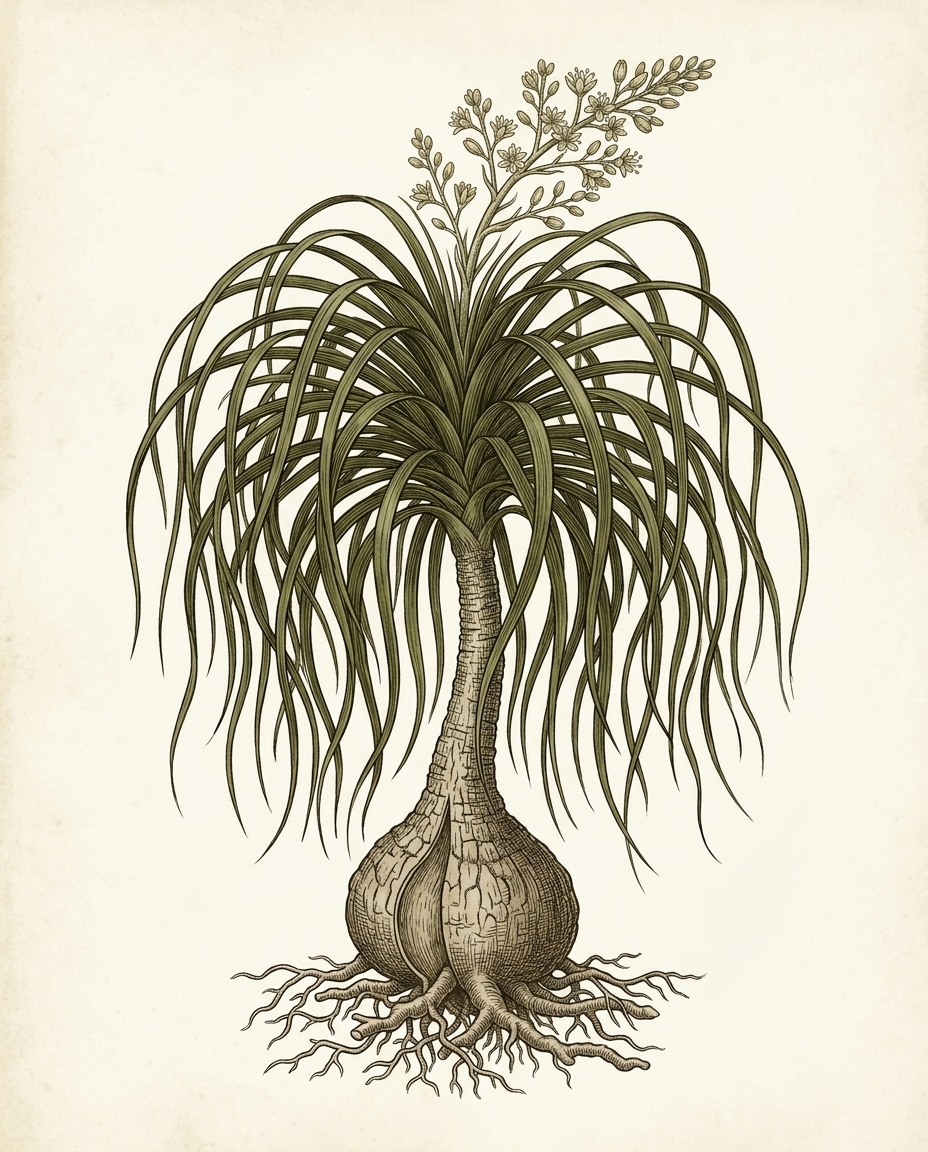
Ponytail Palm
Sculptural floor plant with bulb base and arching strap leaves. ASPCA non-toxic and a great Euphorbia replacement.
Echeveria
Compact rosette succulent for sunny windowsills. ASPCA non-toxic and similar care.
What it does to a cat.
Yes — Pencil Cactus is toxic to cats. The ASPCA lists Euphorbia tirucalli (also called Sticks of Fire, Firestick, Pencil Tree, and Milk Bush) as toxic to dogs, cats, and horses. The toxic principle is the milky latex sap. Clinical signs are oral and stomach irritation with sometimes vomiting. Notably, ASPCA's own clinical-signs entry includes the phrase "generally over-rated in toxicity" — meaning the cat-clinical picture is real but mild.
The ASPCA verdict, verbatim: Toxic to Dogs, Toxic to Cats, Toxic to Horses · Family: Euphorbiaceae · Additional Common Names: Sticks of Fire · Scientific Name: Euphorbia tirucalli · Toxic Principles: Irritant Sap (latex) · Clinical Signs: Irritating to the mouth and stomach, sometimes causing vomiting, but generally over-rated in toxicity.
Not actually a cactus
This is the most common misconception about the plant, and it matters for understanding the toxin. Pencil Cactus is a Euphorbia, not a cactus. True cacti (family Cactaceae) are mostly non-toxic to cats and do not contain a milky latex sap. Pencil Cactus looks cactus-like because of convergent arid-climate evolution — thick water-storing stems, often spineless or sparsely spined — but it belongs to Euphorbiaceae and contains the same family of irritant latex that runs through poinsettia, crown of thorns, and the much-deadlier castor bean plant.
Rule of thumb: if you cut a "cactus" stem and white milky sap oozes out, you have a Euphorbia, and you should treat it as latex-toxic.
Severity is low for cats — but the handler risk is real
ASPCA flagging the cat-side as "over-rated in toxicity" is unusually explicit. Most cat ingestions of pencil cactus produce mild oral irritation, sometimes a single vomit, and recovery within hours. The plant is on the list but it is not in the same tier as oleander or autumn crocus.
The bigger practical risk is to the human handler. The latex sap is a severe skin irritant — sustained contact can cause blistering contact dermatitis. More seriously, the latex can cause painful corneal injury and temporary blindness if it splashes into an eye. This is well-documented in the human ophthalmology literature. If you grow pencil cactus, wear gloves and eye protection when pruning. If sap contacts skin, wash immediately with soap and water. If sap contacts an eye, flush copiously with water and seek medical attention.
For the cat: keep the plant out of reach, watch for the chewed-once-and-walked-away pattern, and don't let curious cats near a cut stem while it is actively leaking.
Same family pattern, different severity
The Euphorbia family runs a wide severity range from mild to deadly:
- Pencil Cactus (this page) — mild for cats, real for handlers. ASPCA flags as "over-rated."
- Poinsettia — also mild, also frequently over-rated. Latex irritant, GI signs.
- Crown of Thorns — moderate latex irritant, similar to pencil cactus.
- Castor Bean Plant — deadly. Contains ricin in the seeds, in a different toxicity tier from the latex-only Euphorbias.
The family signature is the latex sap; the severity is species-specific. Always assume Euphorbiaceae is at least mildly toxic; recognise castor bean as the dangerous outlier.
Safe sculptural swaps
For the same architectural floor-pot or shelf look without the latex:
- Ponytail Palm — bulb base, arching strap leaves, ASPCA non-toxic.
- Burro's Tail — trailing succulent for a shelf role, ASPCA non-toxic.
- Echeveria — compact rosette succulent, ASPCA non-toxic, great windowsill replacement.
- Christmas cactus — actually-a-cactus, ASPCA non-toxic, with bright winter flowers.
What we have actually seen.
Oral and stomach irritation
ASPCA clinical signs are oral and stomach irritation with sometimes vomiting. The milky latex contains diterpene esters that irritate mucous membranes on contact.
Self-limiting in casual exposure
ASPCA's own description includes the phrase "generally over-rated in toxicity" — a cat that bit one stem usually salivates, possibly vomits once, and recovers. The plant is on the list but not in the emergency tier for cats.
Handler skin and eye injury
The latex causes severe contact dermatitis on human skin and can cause painful corneal injury or temporary blindness if it enters the eye. Wear gloves and eye protection when pruning. This is well-documented in human ophthalmology case reports.
Same family as poinsettia
Pencil Cactus is a Euphorbia — the same genus as poinsettia and the same family (Euphorbiaceae) as castor bean plant. The latex toxin is the family signature, though the severity varies widely between species.
- ASPCA Animal Poison Control Center. Toxic and Non-Toxic Plants: Pencil Cactus.Accessed June 2026 · aspca.org · Euphorbia tirucalli · Toxic to Dogs, Toxic to Cats, Toxic to Horses · Family Euphorbiaceae · Additional Common Names: Sticks of Fire · Toxic Principles: Irritant Sap (latex) · Clinical Signs: Irritating to the mouth and stomach, sometimes causing vomiting, but generally over-rated in toxicity
- ASPCA Animal Poison Control Center. Toxic and Non-Toxic Plants: Poinsettia.For the family cross-link — same Euphorbiaceae, mild irritant latex pattern