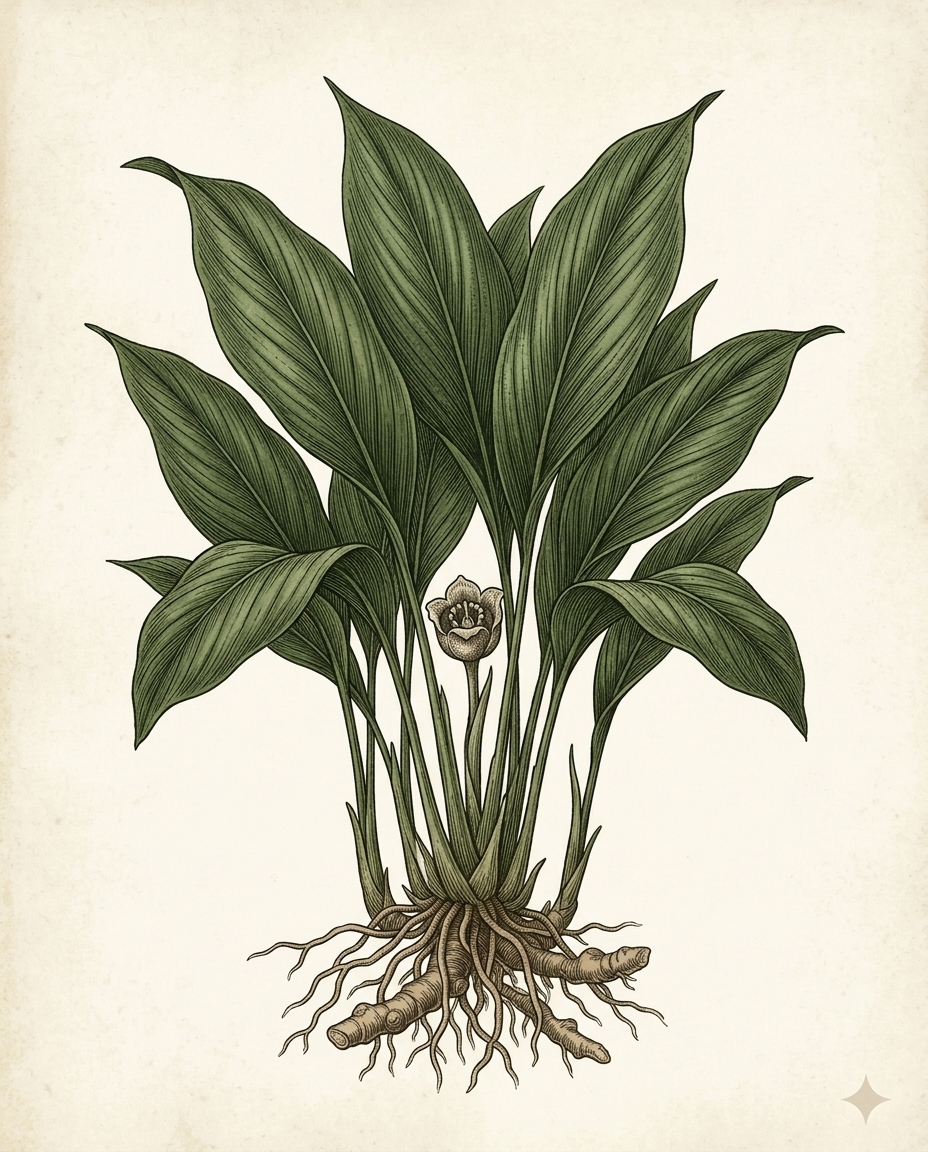
Pilea
Peperomioides.
Pilea peperomioides
Pilea peperomioides (Chinese money plant) is non-toxic to cats. The ASPCA does not list this specific species, but lists two sibling Pilea species — Aluminum Plant (P. cadieri) and Friendship Plant (P. involucrata) — as non-toxic, and clinical sources agree. Safe.
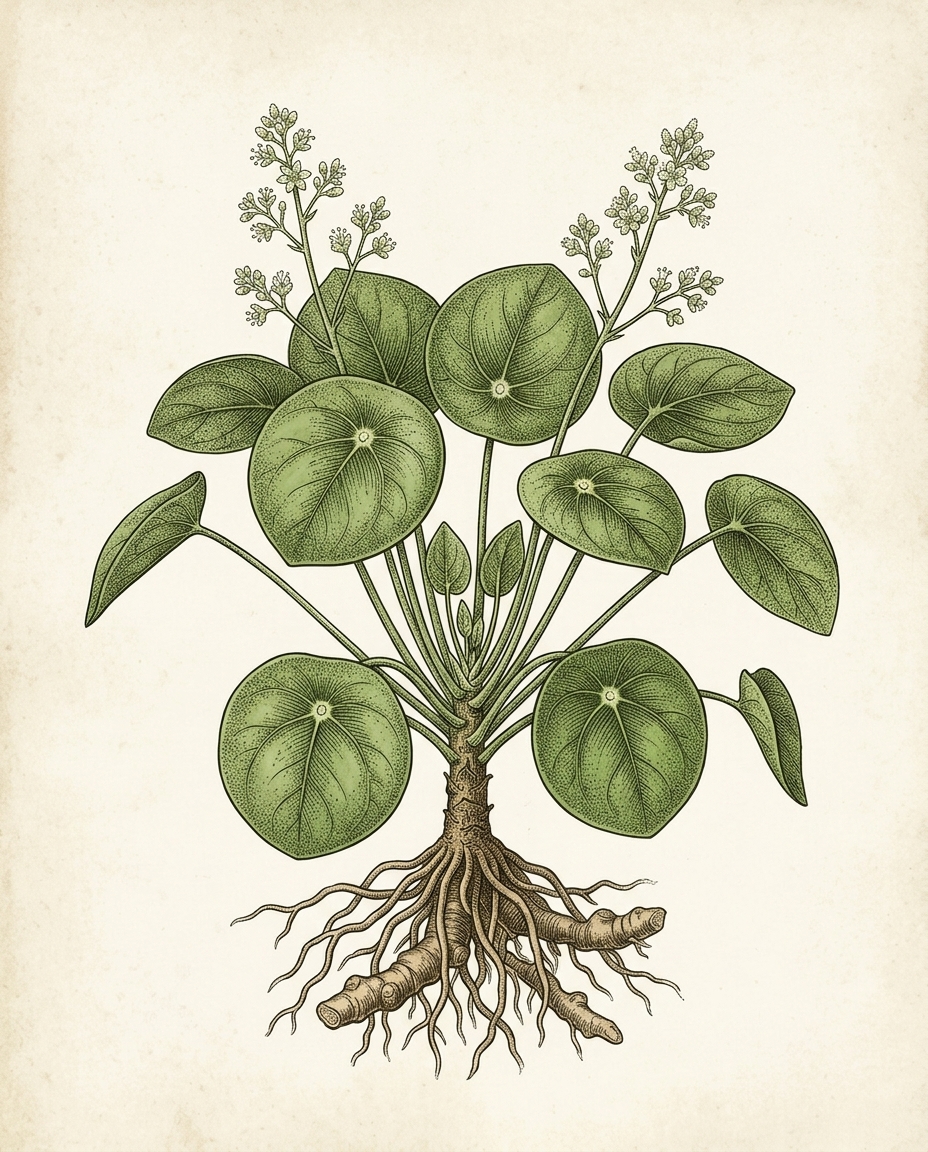
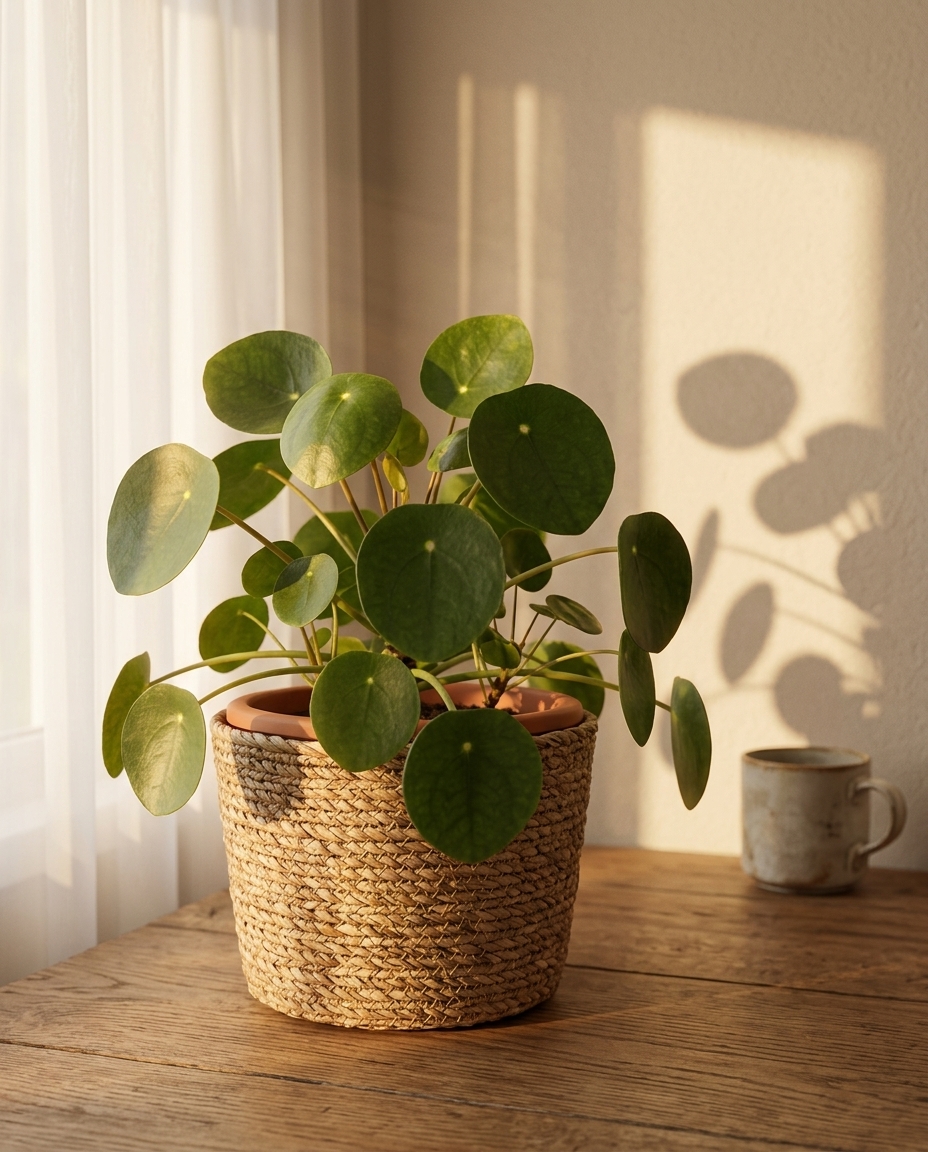
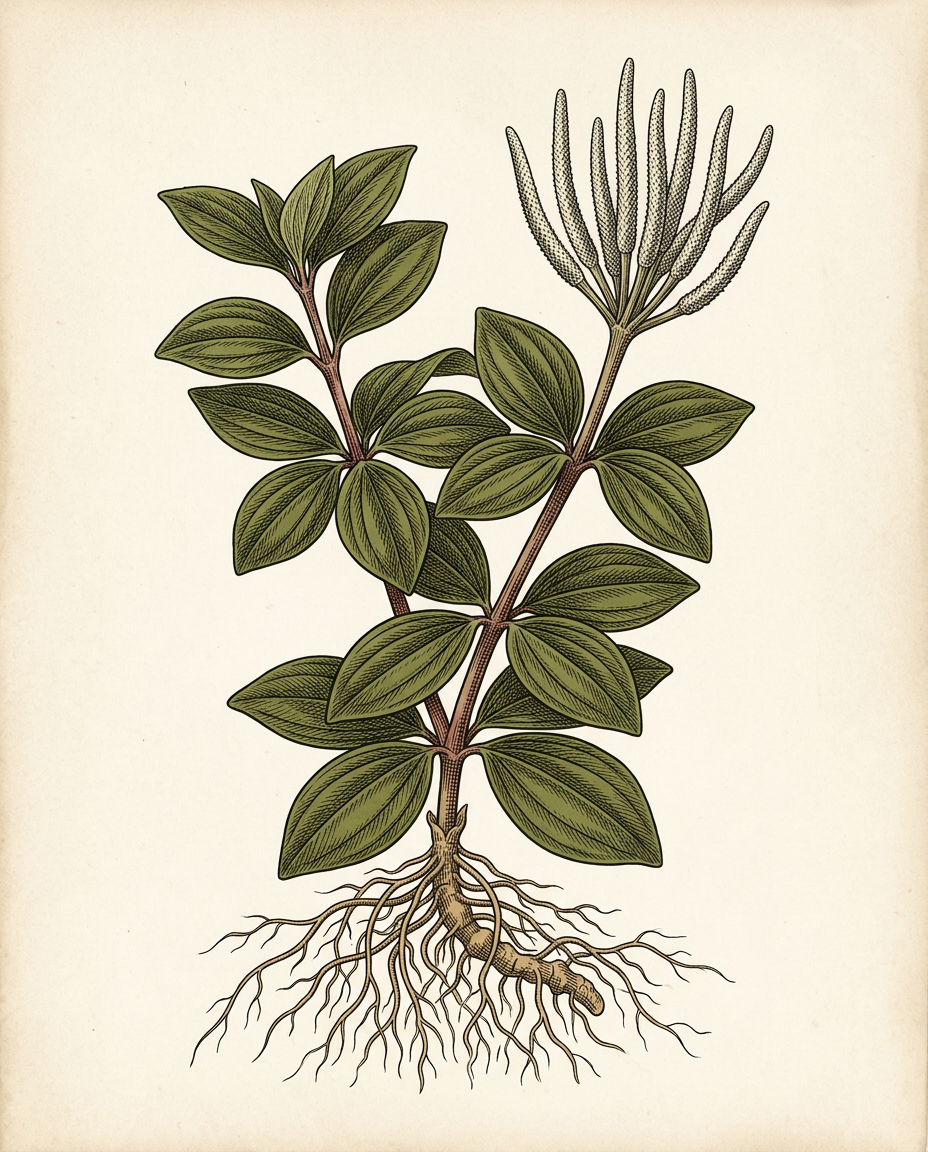
Plate IPilea peperomioides — the Chinese money plant, UFO plant, or pancake plant. A single species in the Pilea genus, with round peltate leaves on slender stalks. Native to the Cang Mountains of Yunnan.
How to keep a Chinese money plant alive.
Yes — Pilea peperomioides is safe for cats. The ASPCA does not list the Chinese money plant individually, but it lists two of its closest relatives — Aluminum Plant (Pilea cadieri) and Friendship Plant (Pilea involucrata) — as non-toxic to cats. No Pilea species appears on the ASPCA toxic list. Pet Poison Helpline and clinical references treat P. peperomioides specifically as non-toxic.
We default to safe on the strength of the genus-level ASPCA evidence and the clinical record. We flag the gap honestly: ASPCA has not yet reviewed P. peperomioides by name, and we will update the page the day they do.
Why genus-level ASPCA evidence is meaningful here
The ASPCA's database is curated, not exhaustive. Plants get added as the organisation reviews them; popular new houseplants often sit in the gap for years. Chinese money plant became a viral houseplant in the late 2010s — well after the Pilea entries on the ASPCA list — which is the most likely reason it has not yet been formally added.
The reason we trust the safe verdict here is the genus signal: ASPCA has reviewed two Pilea species and cleared both. No Pilea species — anywhere on either ASPCA list — has ever been flagged as toxic. The Urticaceae family (nettles and relatives) is a mixed bag at the family level, but the Pilea genus specifically reads clean across every source we have checked.
The names cause real confusion
This plant has too many similar-sounding cousins. Worth distinguishing them clearly, because the safety picture is different for each:
- Pilea peperomioides — Chinese money plant. Urticaceae. The plant on this page. Safe.
- Peperomia — a different genus entirely. Piperaceae. ASPCA-listed safe.
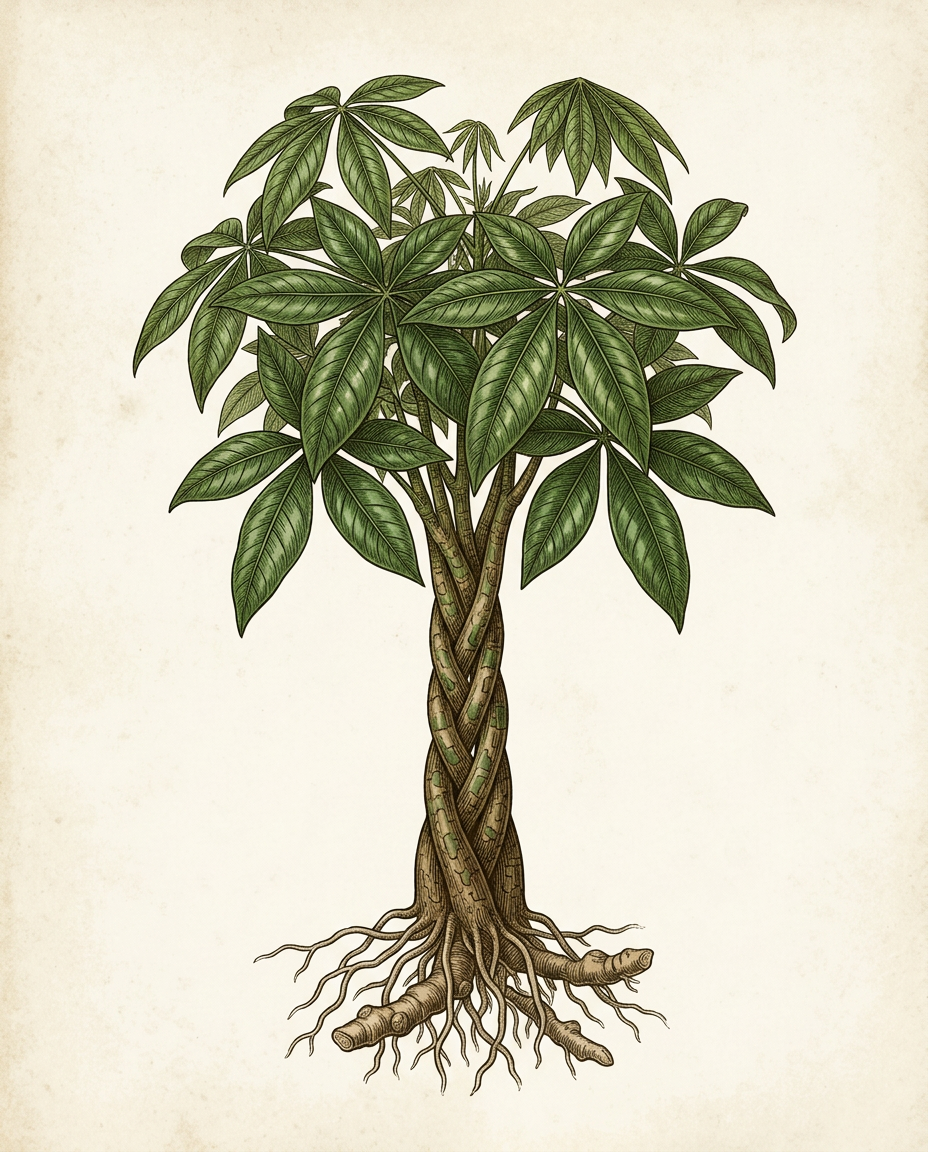
- Money tree — Pachira aquatica. Malvaceae. ASPCA-listed safe.
- Money plant as Crassula — Crassula ovata, the jade plant. Toxic. Do not confuse.
The species name peperomioides literally means "looks like a peperomia," which is how the naming collision started. The two plants are unrelated. Both are safe.
What the plant actually is
Pilea peperomioides is a single species native to the Cang Mountains in Yunnan, China. It was first described by Western botany in the 1900s but stayed obscure until Scandinavian houseplant culture rediscovered it in the 1970s; from there it became an Instagram-era favourite. The round, peltate ("shield-shaped") coin leaves on slender stalks are unmistakable.
It is also one of the easiest houseplants to propagate. The plant produces small offsets — pups — around the base and at the soil surface. Snip a pup with a clean knife, pot it in a separate small container, and you have a new plant. This is why almost everyone who owns a healthy Pilea has more pups than they know what to do with.
Care
A few principles, none difficult:
- Light: bright indirect. Rotate the pot a quarter-turn weekly for a symmetric crown — leaves track the light source and the plant becomes lopsided otherwise.
- Water: thorough soak when the top 2 to 3 cm of soil is dry, then drain. Droopy leaves usually mean thirsty; yellowing usually means overwatered.
- Soil: standard houseplant mix with extra perlite. Shallow roots, no tolerance for compacted wet soil.
- Temperature: 16 to 24 °C. Sensitive to cold drafts and sudden swings.
Where it fits in a cat household
Tabletop or shelf — typically 20 to 30 cm tall and across. The flat round leaves and slender stalks read as a single decorative object. In a cat household, the main risk is the cat stealing the small pups around the base or knocking the pot over as the plant matures and gets top-heavy. Pot up the pups separately; choose a wide, weighted pot for the main plant.
Cat-safe companions
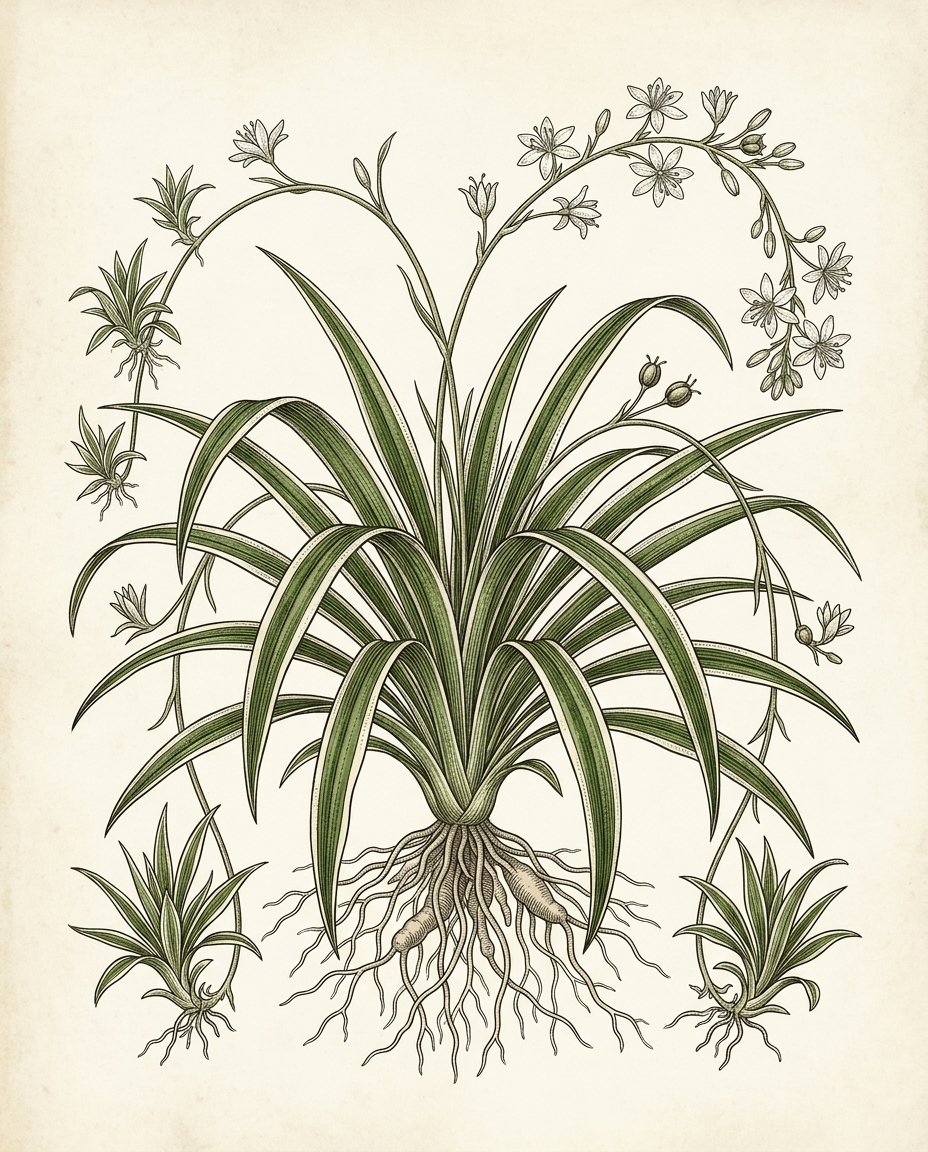
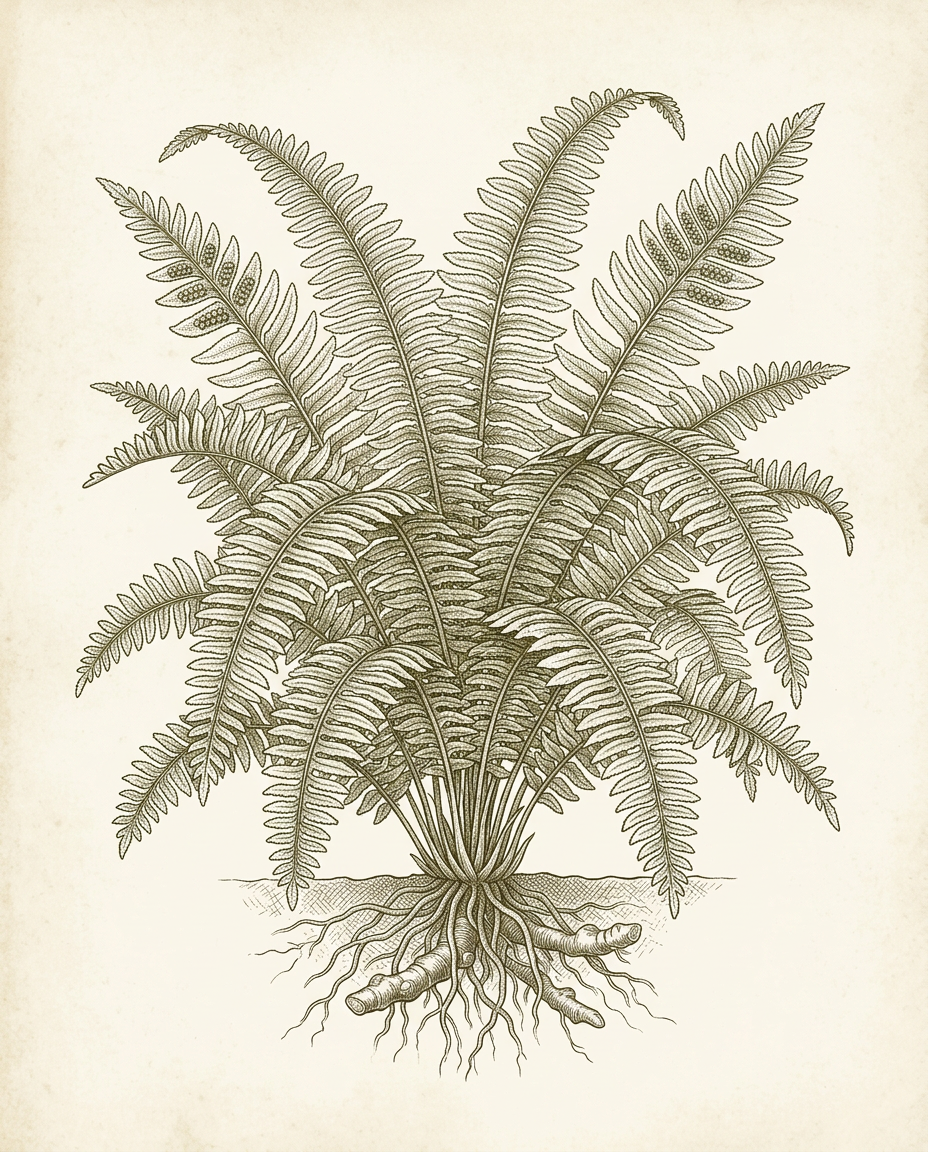
The whole "tabletop, unambiguously safe" shelf works together: peperomia, spider plant, and Boston fern all share the same care profile and ASPCA-clear status. Money tree fills the floor-scale role; cast-iron plant handles the low-light gap.
Disclosure
We include Amazon affiliate links on safe-plant pages. As an Amazon Associate, we earn from qualifying purchases. We mark this page safe on the basis of genus-level ASPCA evidence (two sibling Pilea species cleared) and clinical secondary sources; we will update the verdict the day ASPCA publishes a Pilea peperomioides species page.
What we have actually seen.
Casual leaf chewing
A cat that bites a coin leaf gets a small, mild mouthful. No documented toxic principle; the related Pilea species ASPCA names are non-toxic. Expect nothing beyond minor GI upset that any plant material can cause.
Pup theft
Pilea produces small offsets ("pups") around the base. Cats find them small, dangly, and excellent toys. Pot up the pups in their own little containers if your cat keeps mining them.
Knocked-over pot
The plant is top-heavy as it matures. A determined cat can tip it. Use a wide, heavy pot or place it where a leap-and-paw doesn't reach.
Mild GI upset
As ASPCA notes for any plant material, ingestion may cause mild vomiting in some cats. Not specific to Pilea and not a toxicity issue.
Four common varieties.
Standard Pilea (round coin leaves)
The familiar form — flat round peltate leaves on slender stalks rising from a central crown. The only Pilea peperomioides most shops sell.
Variegata (white-splashed)
Rare cultivar with irregular white variegation across the leaves. Slow-growing, prone to reverting; mostly sold as a collector's plant.
Mojito (speckled green)
Newer cultivar with green leaves splashed with darker speckles. Same care, same safety profile.
Sugar (silver-flecked)
Cultivar with metallic silver speckles on green leaves. Compact, slow to spread.
Keeping the plant alive.
Bright, indirect
Bright indirect light produces flat, evenly-sized coin leaves. Too little light causes leggy stems and small leaves; direct sun bleaches them. Rotate the pot a quarter-turn weekly for a symmetric crown.
When top inch dries
Water thoroughly when the top 2–3 cm of soil is dry, then drain. Roughly weekly in summer, fortnightly in winter. Droopy leaves usually mean thirsty; yellowing usually means overwatered.
Light, free-draining
Standard houseplant mix with extra perlite for drainage. Shallow root system rots quickly in heavy or compacted soil.
Bright spot, room temperature
Comfortable in any normal household range, 16–24 °C. Sensitive to cold drafts and sudden temperature swings.
- ASPCA Animal Poison Control Center. Toxic and Non-Toxic Plants: Aluminum Plant.Accessed June 2026 · aspca.org · Pilea cadieri · Non-Toxic to cats, dogs, horses
- ASPCA Animal Poison Control Center. Toxic and Non-Toxic Plants: Friendship Plant.Accessed June 2026 · aspca.org · Pilea involucrata · Non-Toxic to cats, dogs
- ASPCA Animal Poison Control Center. Toxic and Non-Toxic Plants database.Pilea peperomioides is not individually listed; no Pilea species appears on the toxic list. Two Pilea species are on the non-toxic list as of June 2026.
- Pet Poison Helpline. Pilea peperomioides safety profile.Secondary clinical reference · 2024 · treated as non-toxic, no toxic principle documented
If you liked this, also safe.