Lantana
Lantana camara
Lantana is toxic to cats per the ASPCA. The pentacyclic triterpenoids cause vomiting, diarrhea, weakness, and labored breathing. Liver damage is documented in livestock and possible in pets at higher exposures.
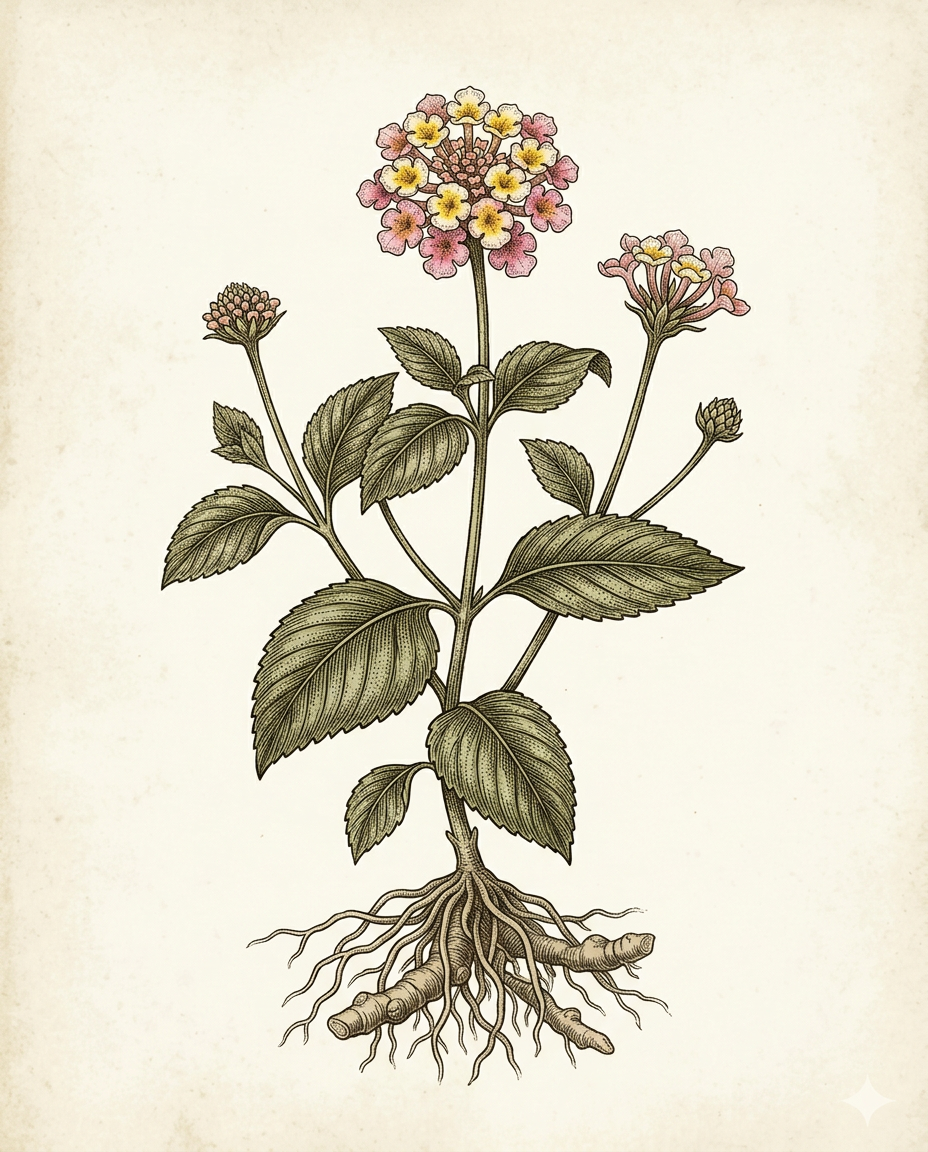

Plate ILantana camara — also called shrub verbena, yellow sage, red sage. A tropical and warm-temperate ornamental whose multicoloured flowerheads shift from yellow to pink to red as they age.
Three plants that look the part, without the risk.
Bright clustered patio blooms without the triterpenoids — these three give the same hot-weather colour for a cat-safe outdoor or balcony pot.

African Violet
Bright clustered indoor blooms in similar colour palettes. ASPCA non-toxic.

Begonia
Bright outdoor and indoor flowers in pink, red, and orange. ASPCA non-toxic species (wax begonia, Rieger).
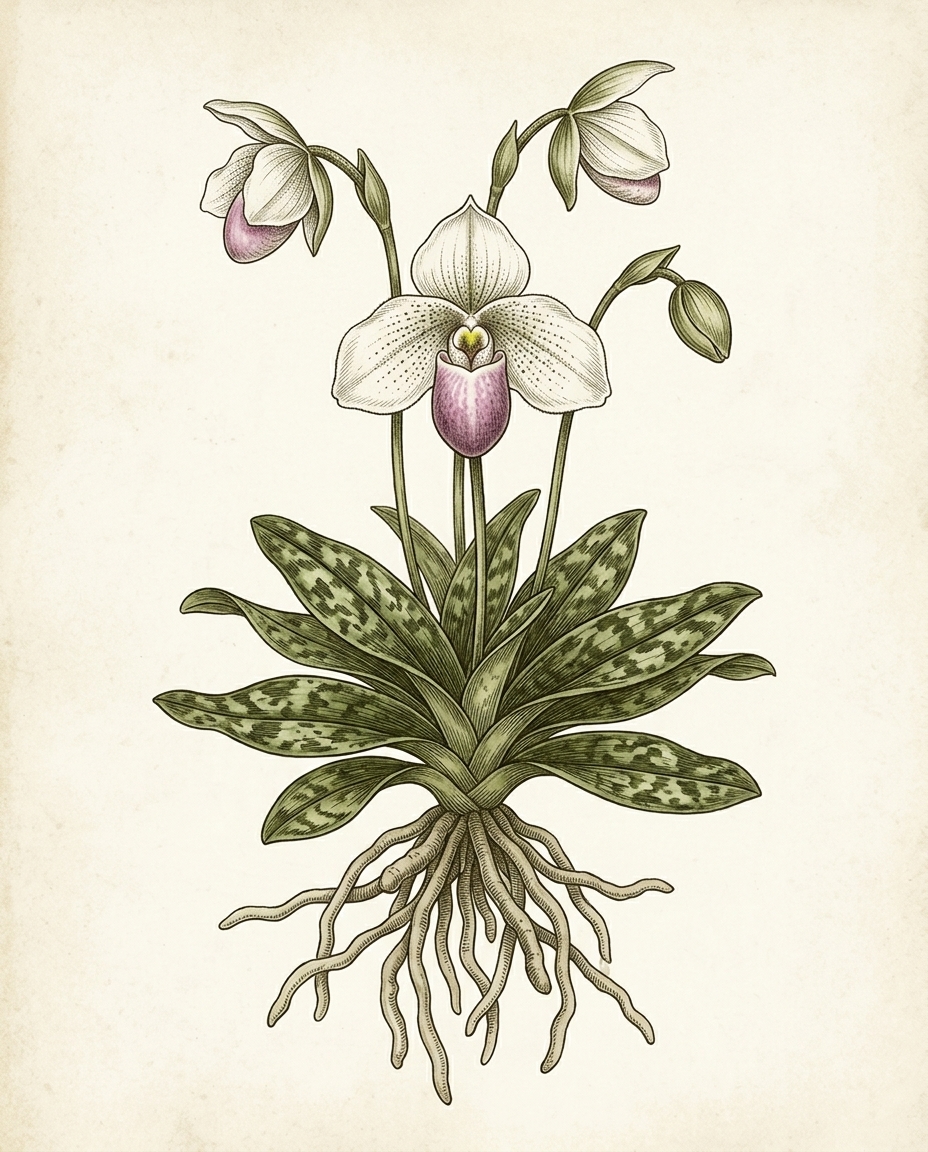
Orchid
Long-lasting indoor blooms across the colour spectrum. ASPCA non-toxic.
What it does to a cat.
Yes — lantana is toxic to cats. The ASPCA lists Lantana camara — also sold as shrub verbena, yellow sage, or red sage — as toxic to cats, dogs, and horses. The toxic principles are pentacyclic triterpenoids, a class of bitter, hepatotoxic plant alkaloids.
Most pet cases are GI-dominant and recover with supportive care. Severe cases — typically involving the unripe green berries — can produce liver injury and respiratory distress.
Why lantana matters more for outdoor cats
Lantana is mostly an outdoor patio and garden plant in warm climates: the southern US, parts of Australia, the Mediterranean. Unlike most plants we cover, the bigger risk in many lantana cases is for outdoor cats — the ones patrolling gardens, balconies, and patios where lantana is planted for colour. If your cat goes outside, lantana is one of the planted ornamentals worth removing.
The green berry trap
The flowers shift colour as they age — yellow, pink, orange, red — and produce small green berries that ripen to dark purple. The unripe green berries carry the highest concentration of triterpenoids in the entire plant. Most reported severe poisonings, in both livestock and pets, involve green berry ingestion. Ripe berries are also toxic but lower-dose.
What the toxin does
Pentacyclic triterpenoids irritate the GI lining (the source of the vomiting and diarrhea) and are hepatotoxic at higher dose. In cattle, lantana poisoning is one of the most studied ruminant hepatotoxicoses and includes photosensitisation. In cats, the GI signs dominate and liver injury is uncommon but possible. Treatment is supportive — IV fluids, GI protectants, and monitoring of liver enzymes if exposure was significant.
What to do if your cat ate lantana
Most cases resolve within 24 to 48 hours with supportive care. Call a vet if your cat ate unripe berries, if vomiting persists, if lethargy lasts beyond a day, or if you see yellowing of the gums or eyes (jaundice). ASPCA Animal Poison Control is available 24/7 at (888) 426-4435.
Cat-safe substitutes
For the bright clustered colour of a lantana pot, African violets indoors and begonias (the wax and Rieger types) outdoors deliver similar palettes and are ASPCA non-toxic. Orchids fill the long-lasting bloom role.
For the other deadly garden ornamentals we cover, see our oleander and foxglove profiles.
What we have actually seen.
Vomiting and diarrhea
First and most common sign within hours of ingestion. Triterpenoids irritate the GI lining.
Weakness and lethargy
As fluid loss and toxin absorption progress, cats become weak and reluctant to move. Often the first sign noticed by owners.
Labored breathing
Reported at higher doses. May reflect cardiovascular and hepatic involvement.
Liver damage
Hepatotoxicity is well documented in livestock and possible in pets at significant exposure. Jaundice and elevated liver values can appear days after exposure.
- ASPCA Animal Poison Control Center. Toxic and Non-Toxic Plants: Lantana.Accessed June 2026 · aspca.org · Toxic Principles pentacyclic triterpenoids
- Pet Poison Helpline. Lantana toxicity in companion animals.Clinical reference · 2024
- Merck Veterinary Manual. Lantana camara toxicosis in livestock and pets.Standard small-animal and large-animal toxicology reference