Begonia
Begonia spp.
Yes — begonias are toxic to cats. The ASPCA attributes it to soluble calcium oxalates, with the underground tubers most toxic. Chewing causes intense mouth irritation and drooling.
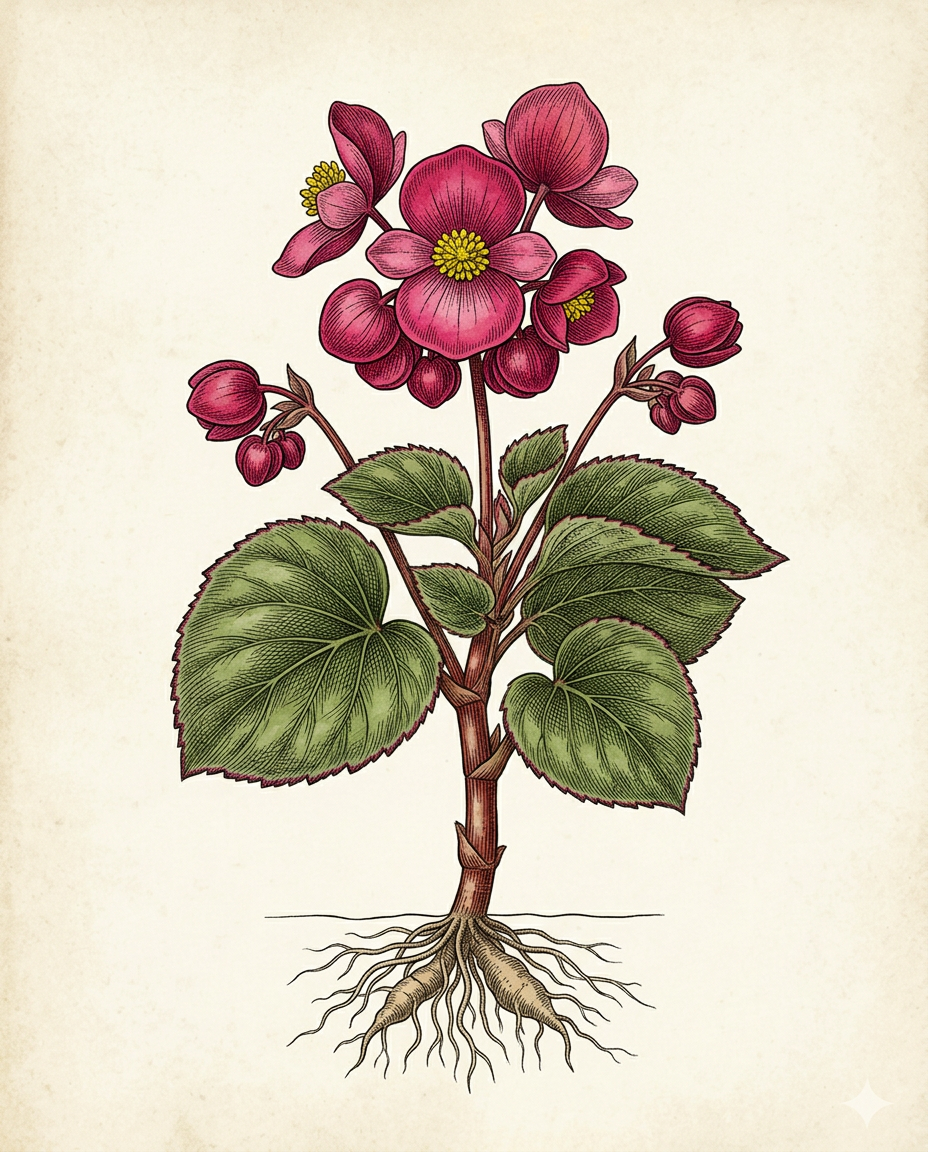

Plate IBegonia spp. — over a thousand species and many hybrids. The toxin is soluble calcium oxalate, most concentrated in the tubers.
Three plants that look the part, without the risk.
Colourful, patterned plants without the oxalates — all ASPCA non-toxic.
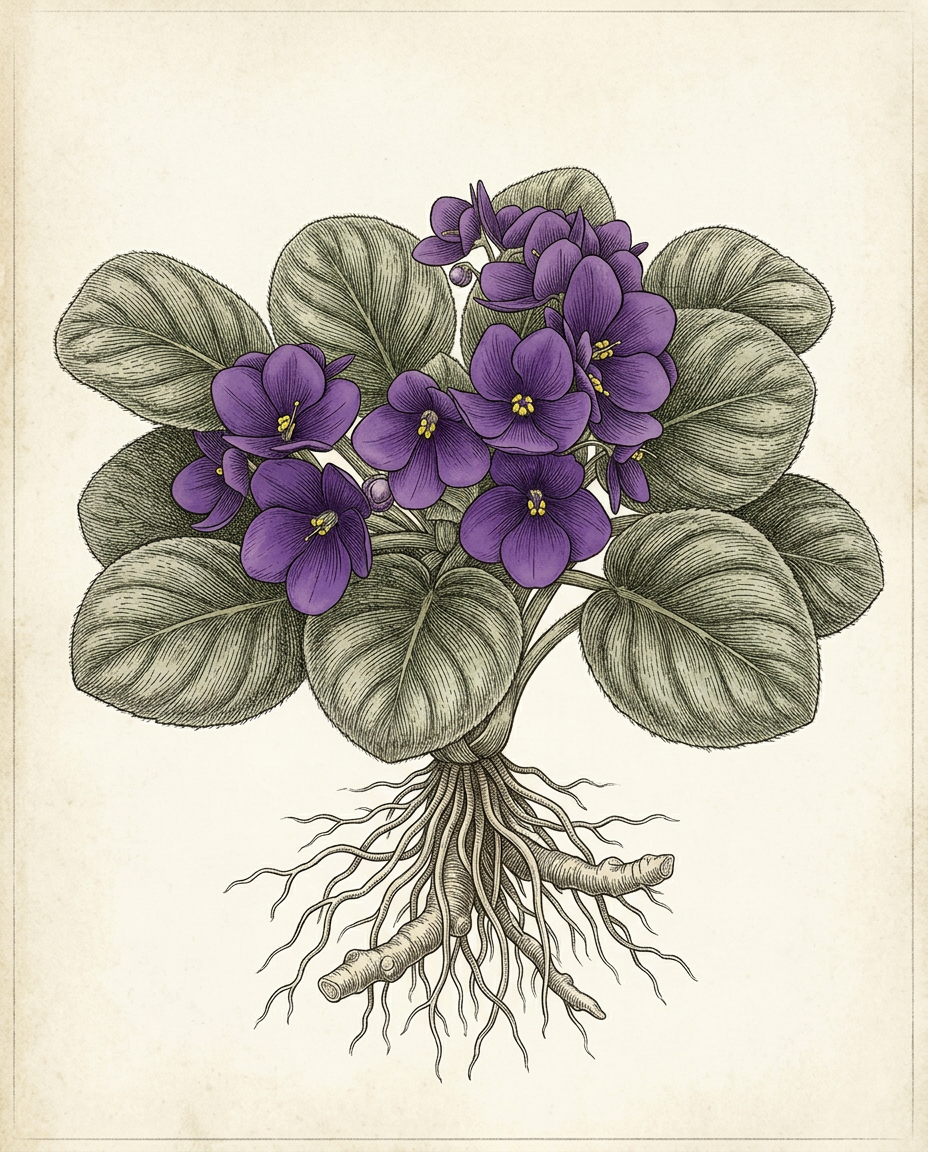
African Violet
Compact, near-constant flowers and soft foliage — the closest cat-safe match for a begonia's charm.
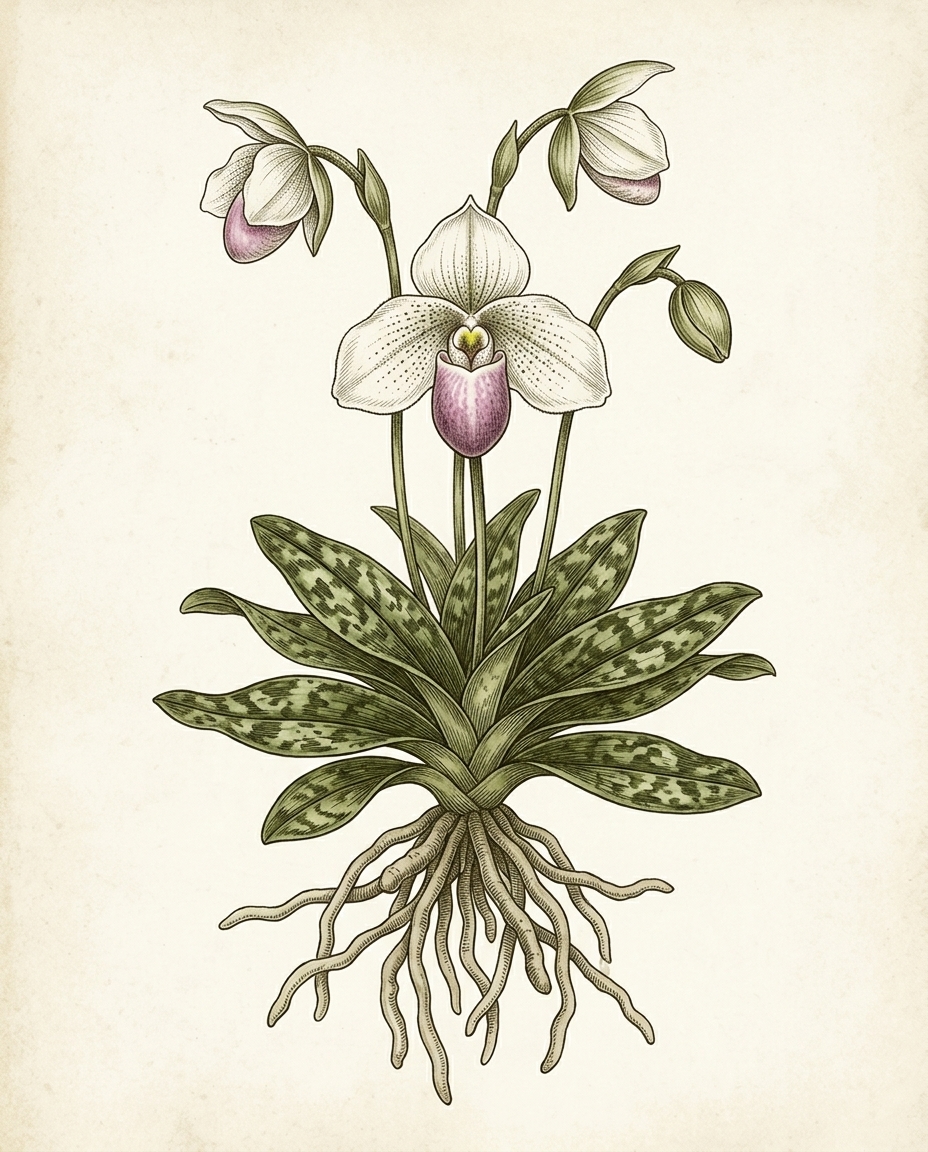
Orchid
Long-lasting elegant blooms for a brighter spot, entirely cat-safe.
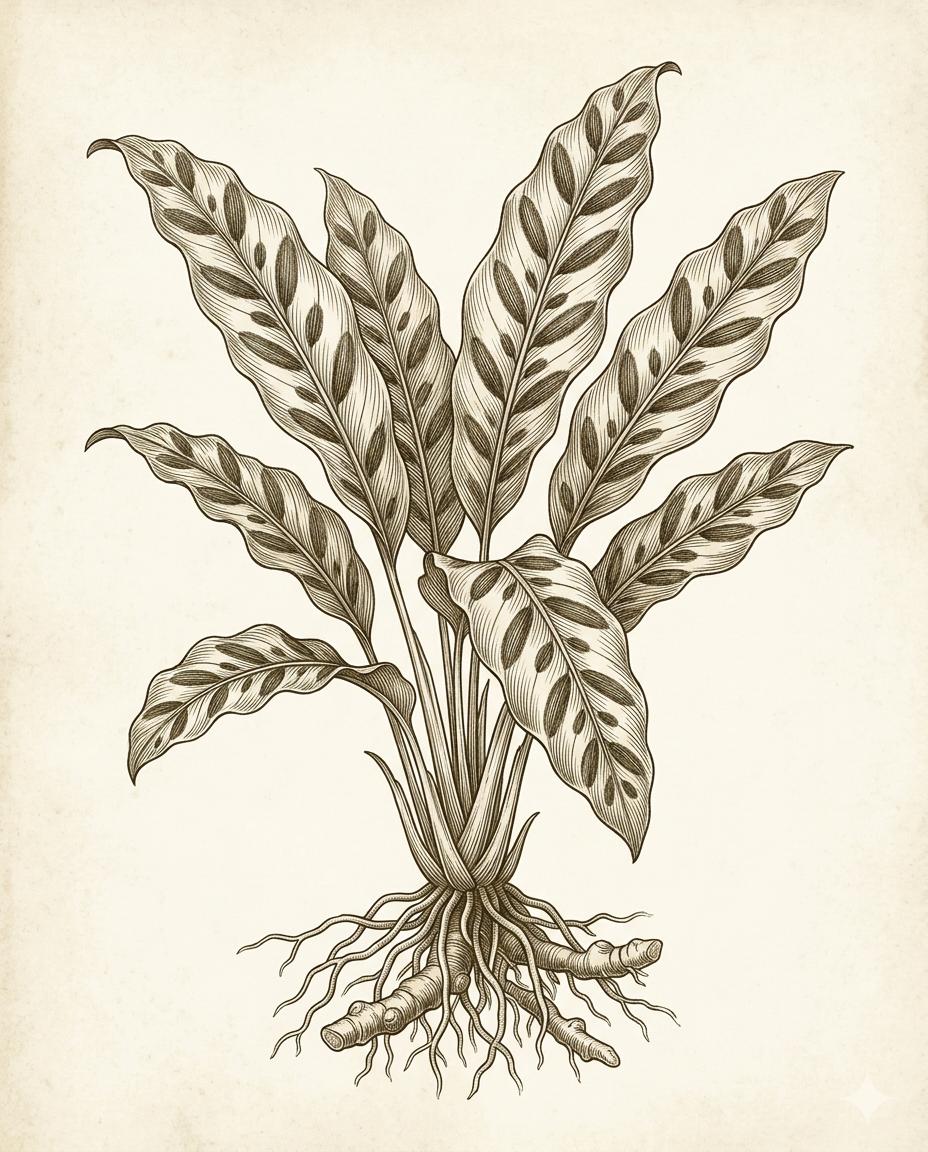
Calathea
For begonias grown for their leaves, calathea offers the same painterly patterning. Non-toxic.
What it does to a cat.
Yes — begonias are toxic to cats. The ASPCA lists Begonia species as toxic, the cause being soluble calcium oxalates. Chewing any part irritates the mouth — drooling, pawing, and vomiting — but the toxin is most concentrated in the underground tubers, which makes a dug-up tuber the most serious scenario.
Begonias are a sprawling group: more than a thousand species and tens of thousands of hybrids, grown variously for flowers (wax and tuberous begonias) or for spectacular leaves (rex begonias). The practical takeaway is to treat the whole genus as toxic rather than trying to tell safe from unsafe within it.
Soluble vs insoluble oxalates
Begonia's soluble oxalates differ slightly from the insoluble raphides in aroids like anthurium and calla lily, but for a cat the experience is much the same: a painful, irritated mouth and an upset stomach.
Safe swaps
For flowering colour, African violet and orchid are cat-safe favourites; for the painted-leaf look of a rex begonia, calathea is the standout non-toxic alternative — all ASPCA-listed safe.
What we have actually seen.
Oral irritation & drooling
Soluble oxalates irritate the mouth on chewing — drooling, pawing, and lip-licking within minutes.
Vomiting
Often follows the mouth irritation; usually self-limiting once the plant is removed.
Difficulty swallowing
A sore, irritated mouth can make a cat reluctant to eat or swallow for a day.
Tuber ingestion
The underground tubers carry the heaviest toxin load — a dug-up tuber is the most serious scenario.
- ASPCA Animal Poison Control Center. Toxic and Non-Toxic Plants: Begonia.Accessed May 2026 · aspca.org
- Pet Poison Helpline. Soluble Calcium Oxalate Plants.Reference list · 2024 ed.