Oleander
Nerium oleander
Oleander is one of the most cardiotoxic plants a cat can encounter. The ASPCA lists cardiac glycosides as the toxic principle; ingestion can cause arrhythmia, collapse, and sudden death.
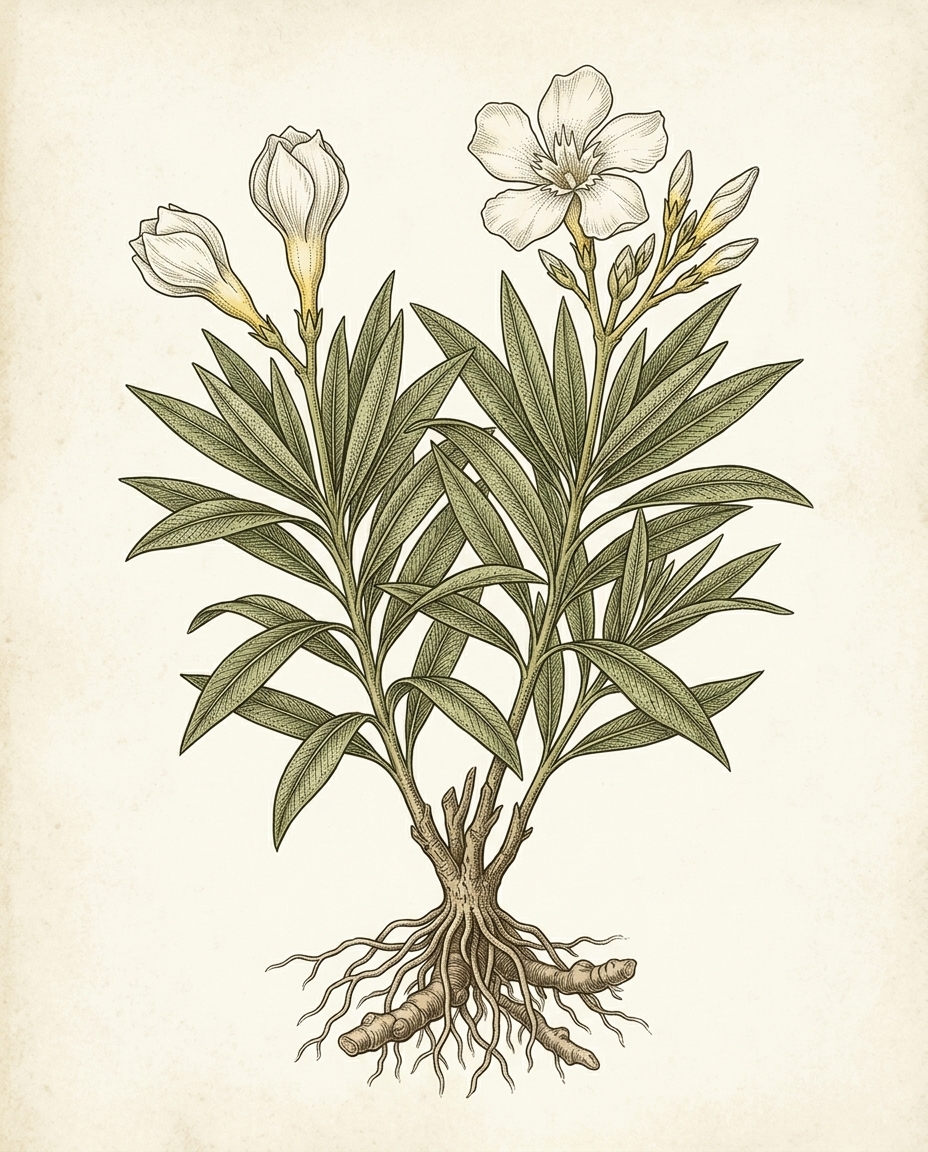
Plate INerium oleander — an evergreen Mediterranean shrub. Every part, including dried leaves and smoke from burning clippings, carries cardiac glycosides toxic to the feline heart.
Three plants that look the part, without the risk.
Evergreen, flowering shrubs and houseplants without the cardiac toxin — these three are ASPCA non-toxic and suit the same Mediterranean or coastal aesthetic.
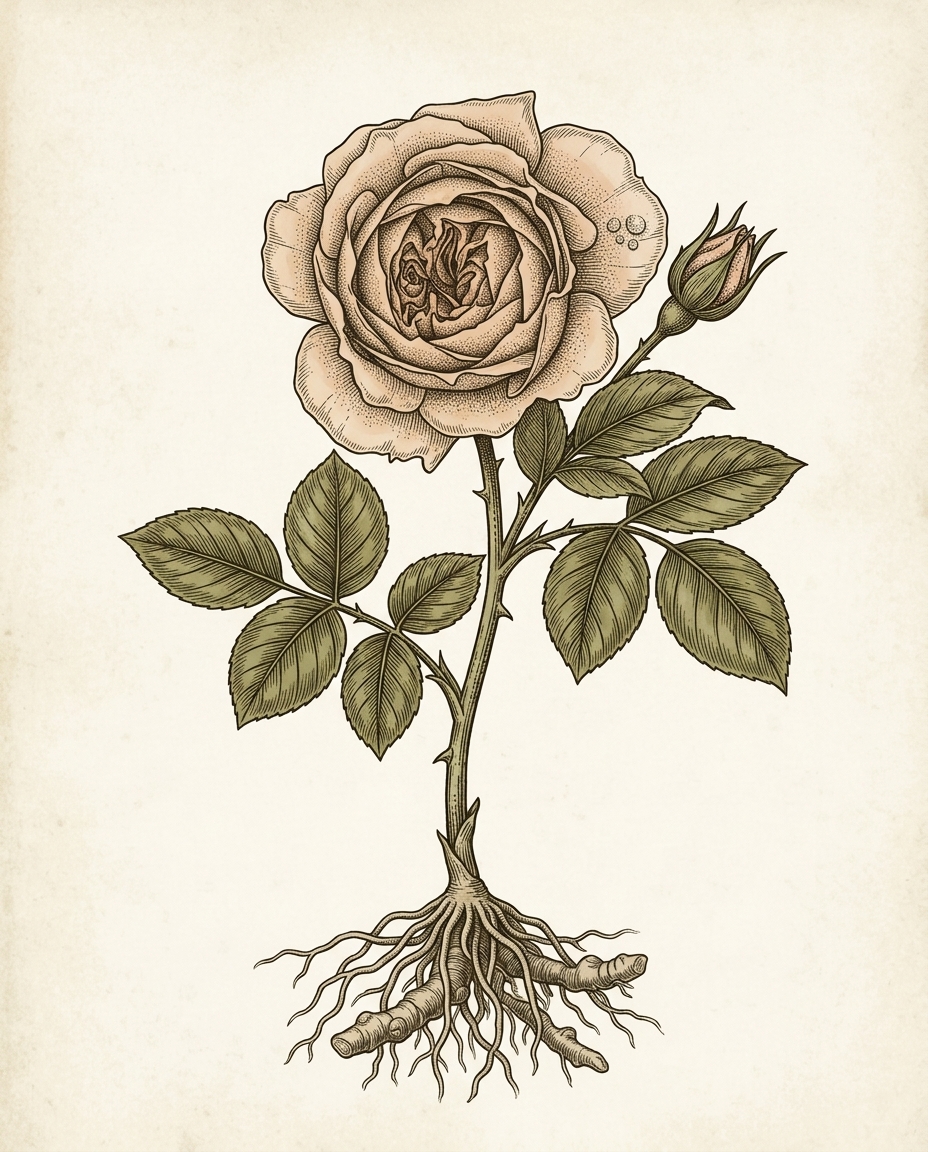
Rose
Classic flowering shrub for warm climates and cat-safe interiors. ASPCA non-toxic.
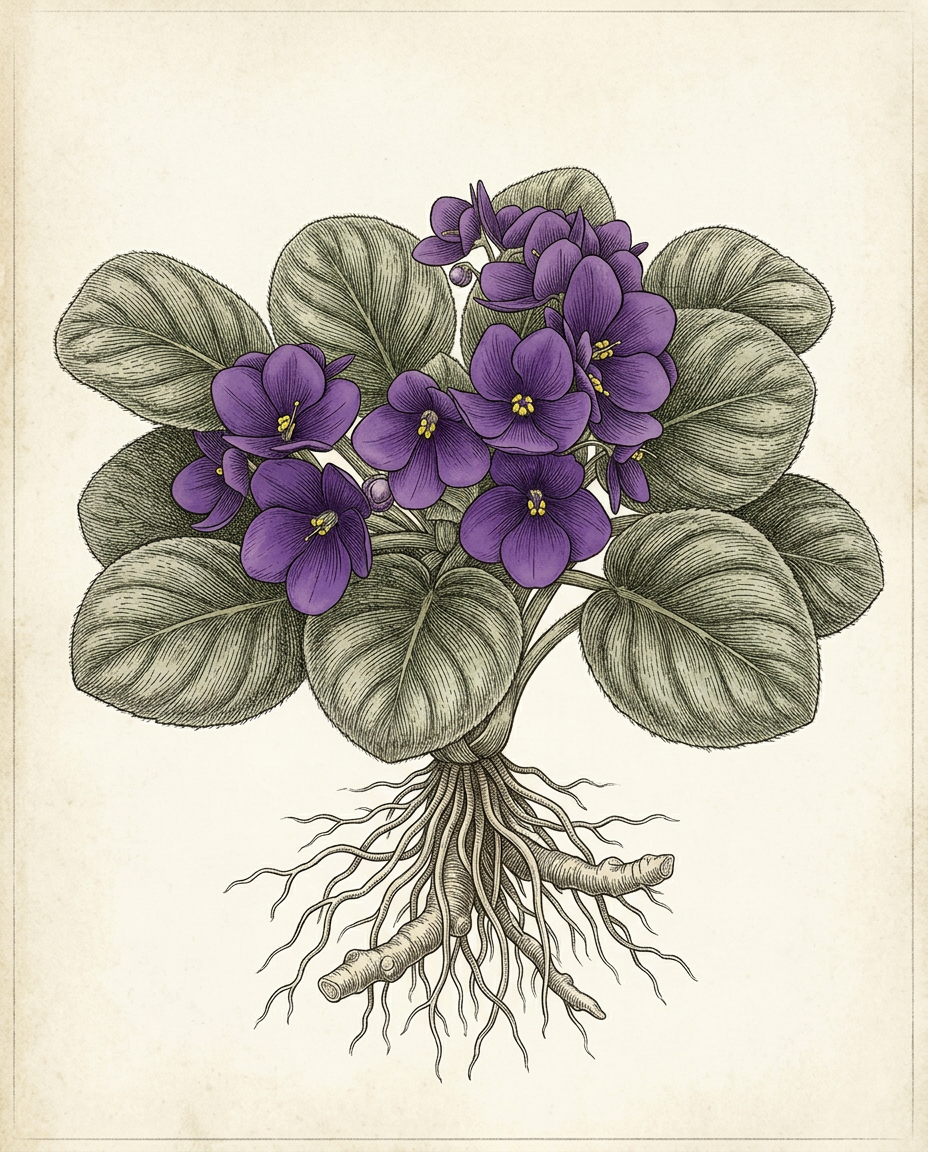
African Violet
For indoor color year-round. ASPCA non-toxic, compact, generous bloomer.
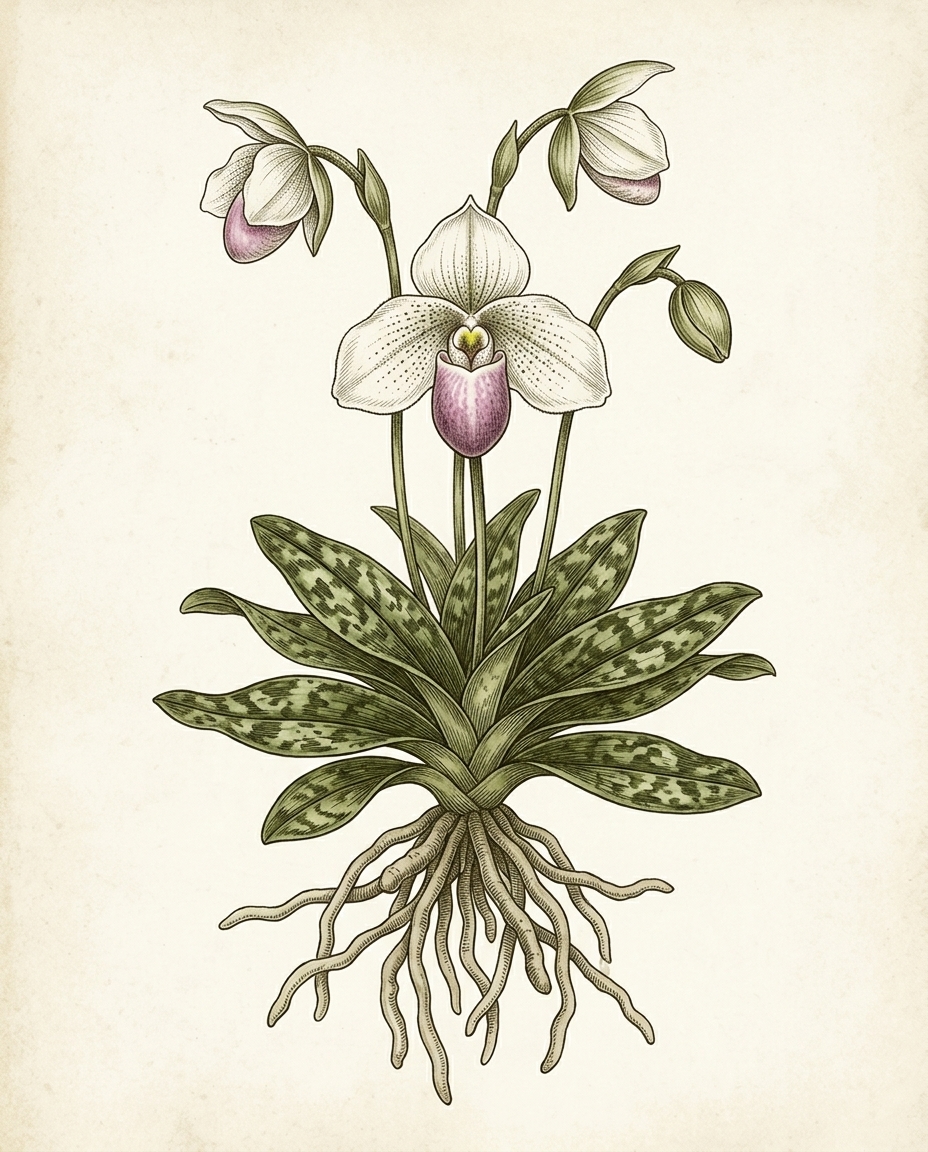
Orchid
Long-lasting, elegant indoor blooms. ASPCA non-toxic and entirely safe around cats.
What it does to a cat.
Yes — oleander is one of the most dangerous plants a cat can encounter. The ASPCA lists Nerium oleander as toxic to cats, dogs, and horses. The toxic principle is cardiac glycosides — compounds that work on the heart in the same way the drug digoxin does, except without any therapeutic margin. A single leaf has killed pets. So has water from a cut-flower vase.
Symptoms usually begin within minutes to a few hours: drooling, vomiting, abdominal pain, sometimes bloody diarrhea. The cardiac effects follow — slow or irregular heart rate, weakness, collapse. In severe poisonings the first sign a cat shows is sudden death.
Where cats meet oleander
Oleander is a workhorse landscape shrub across the southern United States, the Mediterranean, and similar climates. It edges driveways, screens pool fences, and softens highway dividers. Outdoor cats and patio-roaming indoor cats can graze it without anyone noticing. Cut branches brought inside for arrangements are equally dangerous — the water in the vase carries enough glycoside to poison a drinking cat.
The smoke problem
Burning oleander clippings releases toxins into the smoke. Pets and humans have been poisoned by yard fires, brush burns, and even from skewers cut from the stems and used over coals. If you have oleander on the property, never burn the trimmings — bag and dispose of them.
Safer flowering alternatives
For evergreen shrubs with year-round colour in a cat-safe yard, roses are the obvious substitute. For indoor flowers, African violets and orchids are ASPCA non-toxic and pose no risk. See our sago palm and lily pages for the other two plants that share oleander's "no safe dose" status.
If exposure has happened
Call your vet or ASPCA Animal Poison Control at (888) 426-4435 immediately. Cardiac glycoside toxicity needs rapid intervention — IV fluids, anti-arrhythmics, sometimes digoxin-specific antibody fragments (Digibind) in severe cases. Do not wait for symptoms to worsen; the cardiac phase can arrive without warning.
What we have actually seen.
Cardiac arrhythmia
Cardiac glycosides poison the sodium-potassium pump in heart muscle, producing bradycardia, ventricular arrhythmias, and potentially cardiac arrest within hours.
Drooling and vomiting
GI signs often arrive first — excessive salivation, vomiting, abdominal pain, and diarrhea, sometimes bloody. These are the warning window.
Sudden collapse
In severe exposures the first sign owners see is collapse or sudden death. There is no characteristic prodrome; the heart simply fails.
Smoke and water exposure
Burning oleander clippings releases toxins into smoke; water from cut-flower vases is also poisoned. Both routes have killed pets without any direct plant ingestion.
- ASPCA Animal Poison Control Center. Toxic and Non-Toxic Plants: Oleander.Accessed May 2026 · aspca.org
- Pet Poison Helpline. Oleander Toxicity in Companion Animals.Clinical brief · 2024 ed.
- Bandara V, Weinstein SA, et al. A review of the natural history, toxinology, diagnosis and management of Nerium oleander poisoning. Toxicon.2010 · review