Tulip
Tulipa spp.
Yes — tulips are toxic to cats. The ASPCA attributes it to tulipalin allergenic lactones concentrated in the bulb. Eating foliage causes mild upset; eating a bulb can cause serious illness.
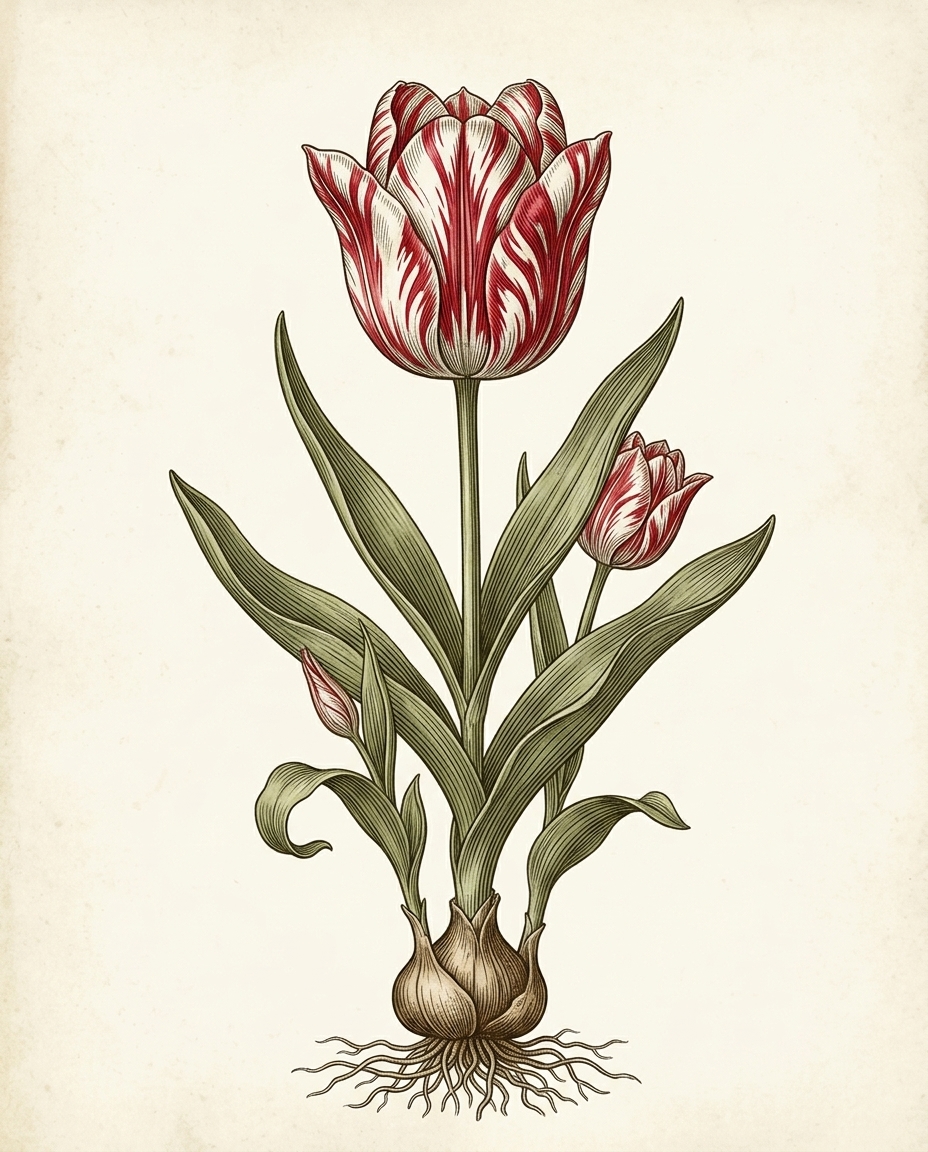
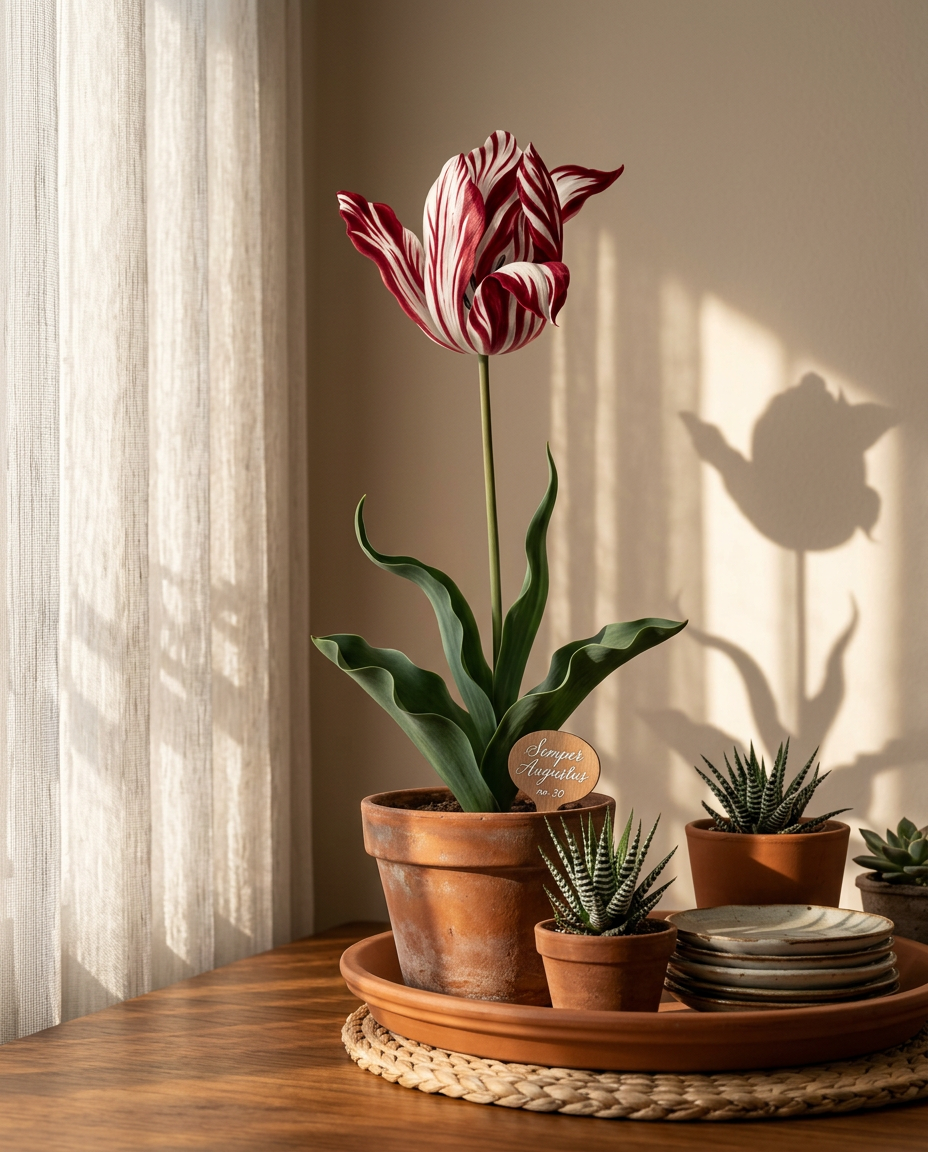
Plate ITulipa spp. — the garden tulip. Allergenic lactones (tulipalin A and B) are concentrated in the bulb, the most dangerous part for cats.
Three plants that look the part, without the risk.
Cheerful spring colour without tulipalin — all ASPCA non-toxic to cats.
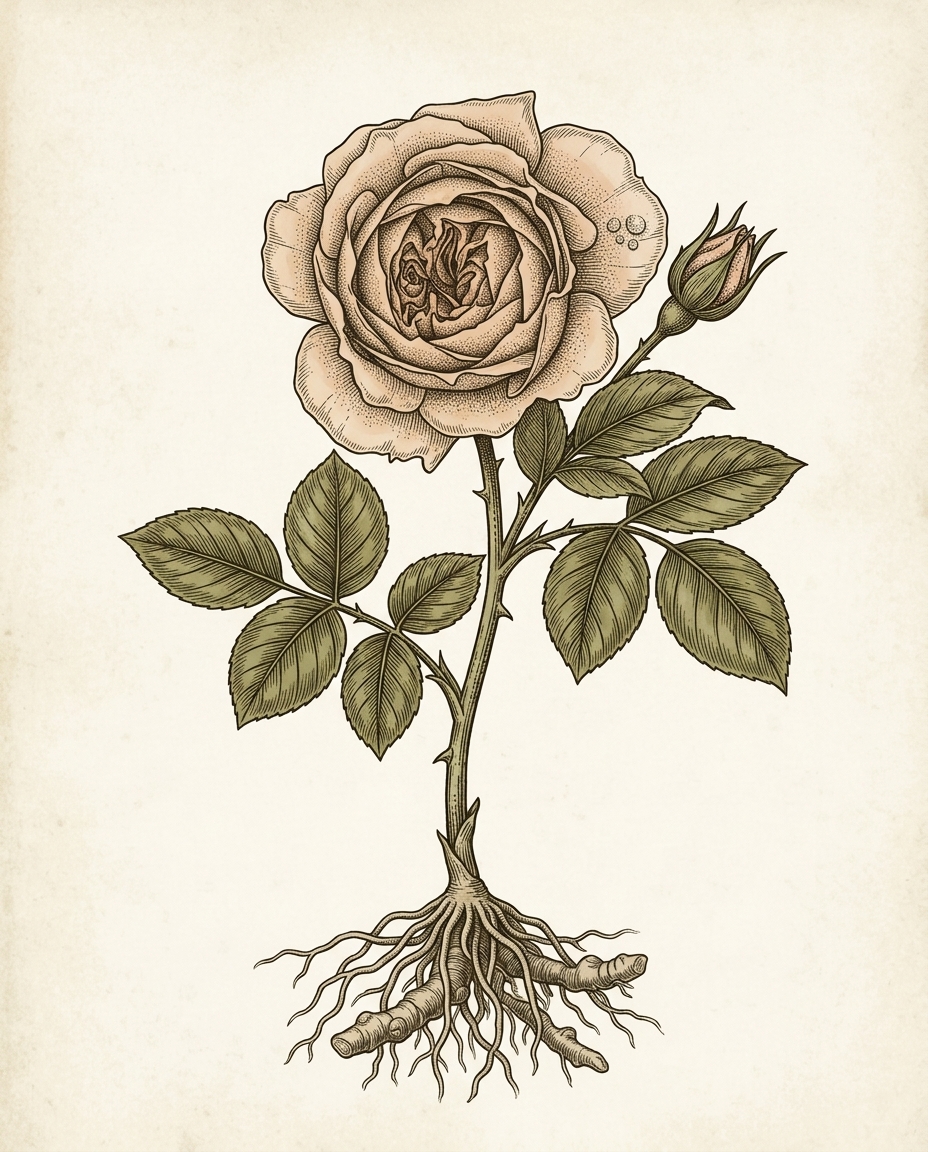
Rose
A cat-safe cut flower for the vase. Mind the thorns, not the toxicity.
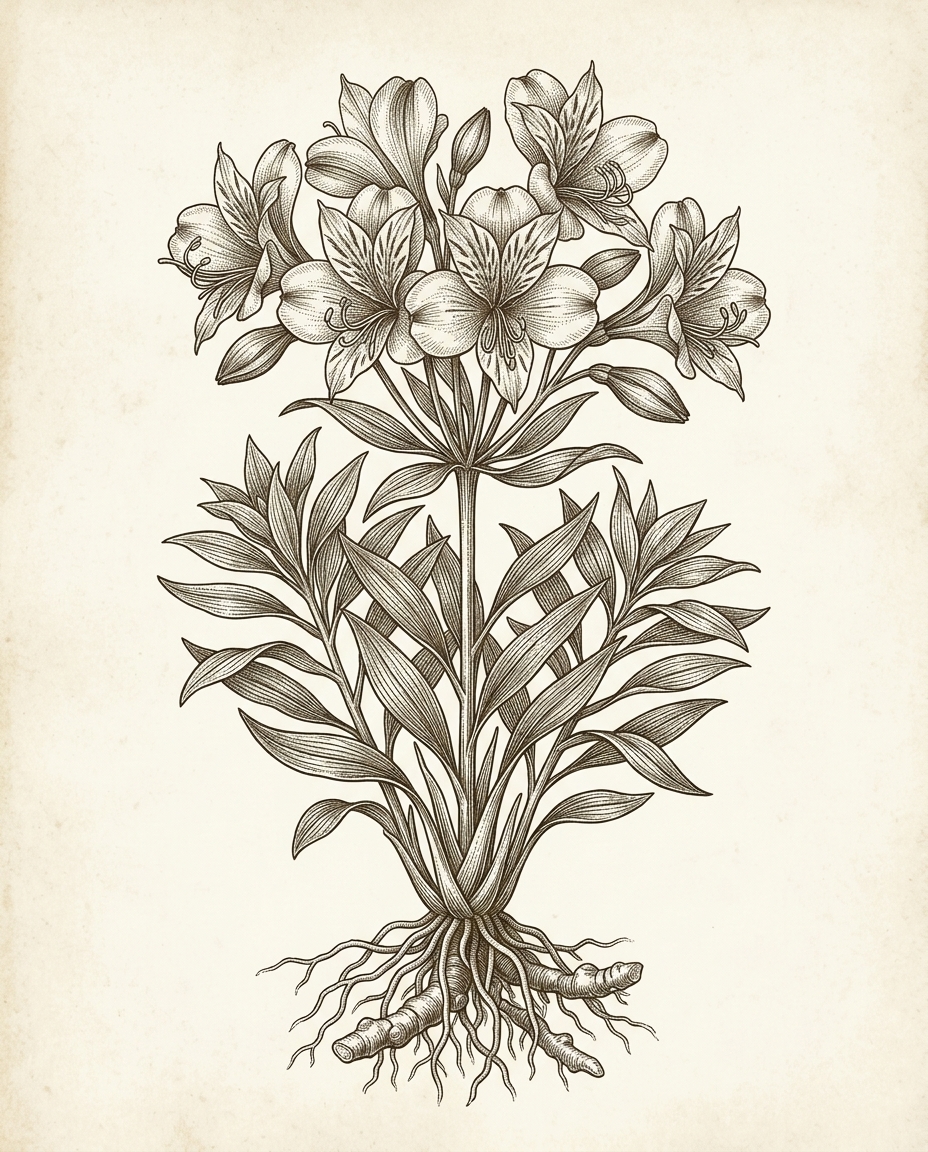
Peruvian Lily
Long-lasting colourful blooms that read like a small tulip-lily, and ASPCA non-toxic.
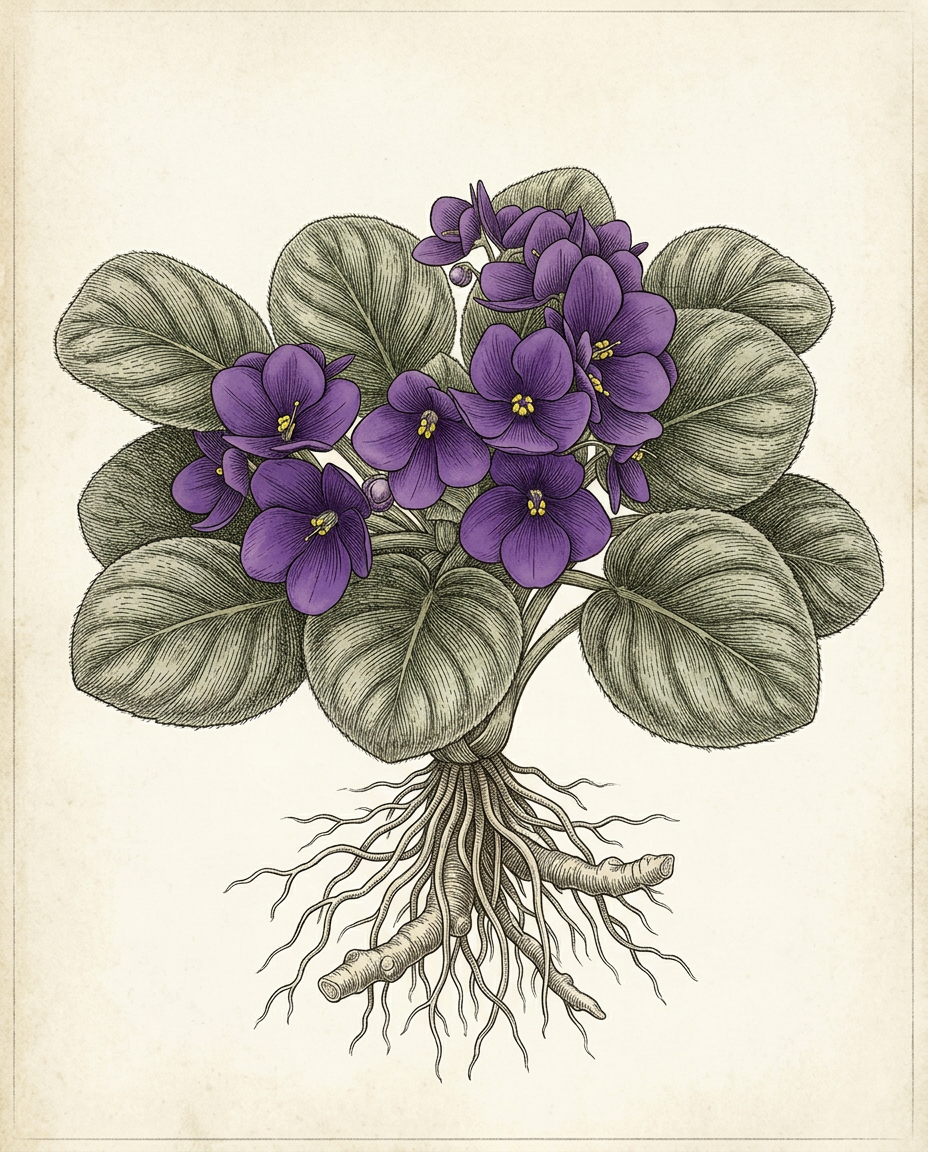
African Violet
Compact pots of spring-bright colour on a windowsill, entirely safe for cats.
What it does to a cat.
Yes — tulips are toxic to cats. The ASPCA lists Tulipa species as toxic, the danger coming from allergenic lactones called tulipalin A and B. These compounds are present throughout the plant but are heavily concentrated in the bulb, which is by far the most dangerous part.
In practice, this means the risk depends on what the cat reaches. A chewed leaf or petal usually produces drooling and mild stomach upset that resolves on its own. A dug-up and eaten bulb is a different matter — larger ingestions can cause depression, a racing heart, and laboured breathing, and warrant a call to the vet.
Not a true lily
Despite sitting in the lily family, the tulip is not one of the deadly true lilies. It will not cause the acute kidney failure seen with Lilium and Hemerocallis. The confusion is understandable but the outcomes are very different — tulips rarely threaten life, true lilies routinely do.
Safe swaps
For spring colour in a cat home, roses and Peruvian lilies are ASPCA-safe cut flowers, and an African violet brings the same bright potted cheer to a windowsill without any toxin.
What we have actually seen.
Drooling & oral irritation
Tulipalin irritates the mouth and gut on chewing. Salivation and lip-licking are common first signs.
Vomiting & diarrhoea
Especially after eating foliage or flowers. Usually self-limiting once the plant is removed.
Bulb ingestion
Bulbs carry the highest toxin load. Larger ingestions can cause depression, rapid heart rate, and breathing changes.
Loss of appetite
A sore stomach can put a cat off food briefly. Monitor and offer water.
- ASPCA Animal Poison Control Center. Toxic and Non-Toxic Plants: Tulip.Accessed May 2026 · aspca.org
- Pet Poison Helpline. Tulip and Narcissus Bulbs.Clinical brief · 2024 ed.