Holly
Ilex opaca
Holly is toxic to cats per the ASPCA. The saponins in the leaves and berries cause vomiting, diarrhea, and depression — usually mild, but the spines and seasonal exposure pattern matter too.
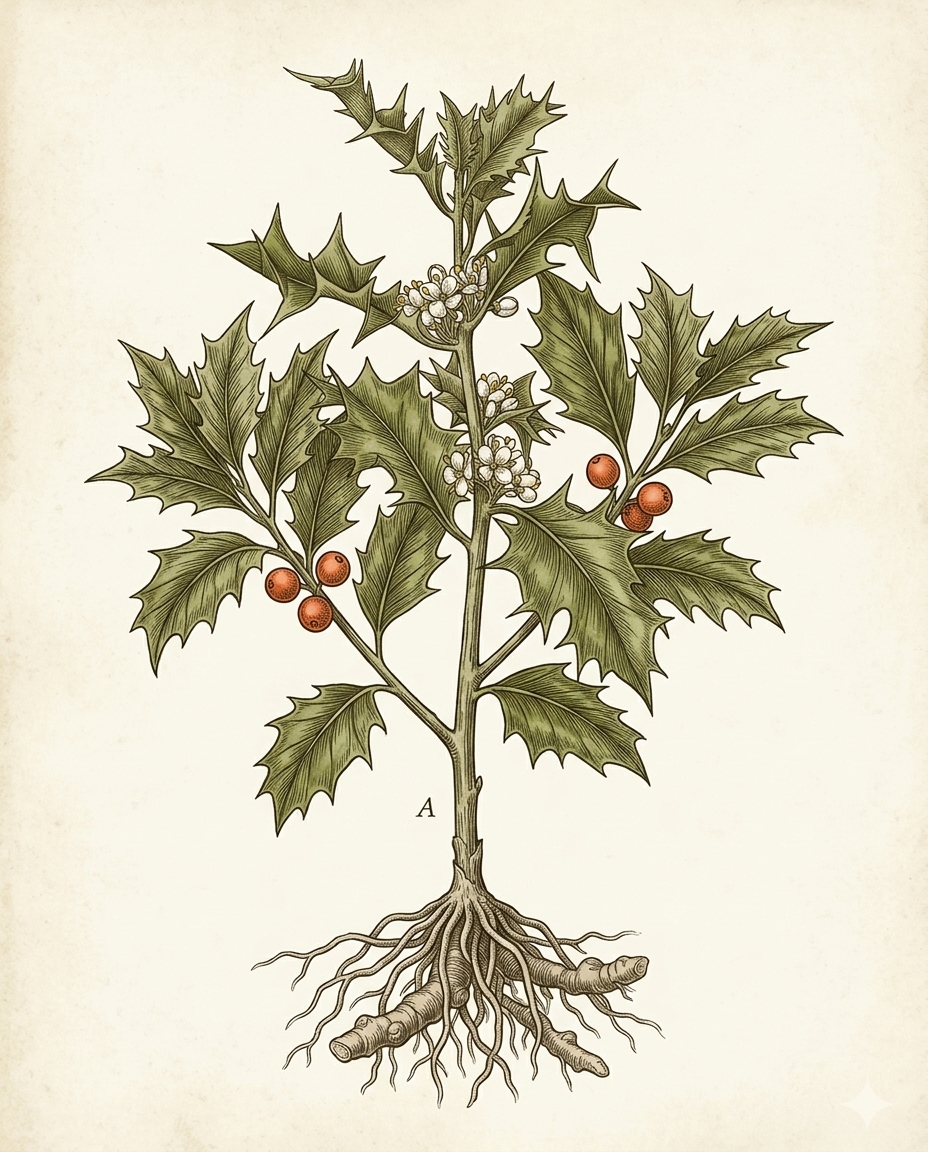

Plate IIlex opaca — American holly. Stiff, spined evergreen leaves and bright red berries; the wreath plant par excellence. Saponin content is modest but the spines add a separate injury risk.
Three plants that look the part, without the risk.
Glossy red-and-green seasonal foliage without the saponins or the spines — these three swap in for holly without sacrificing the look.
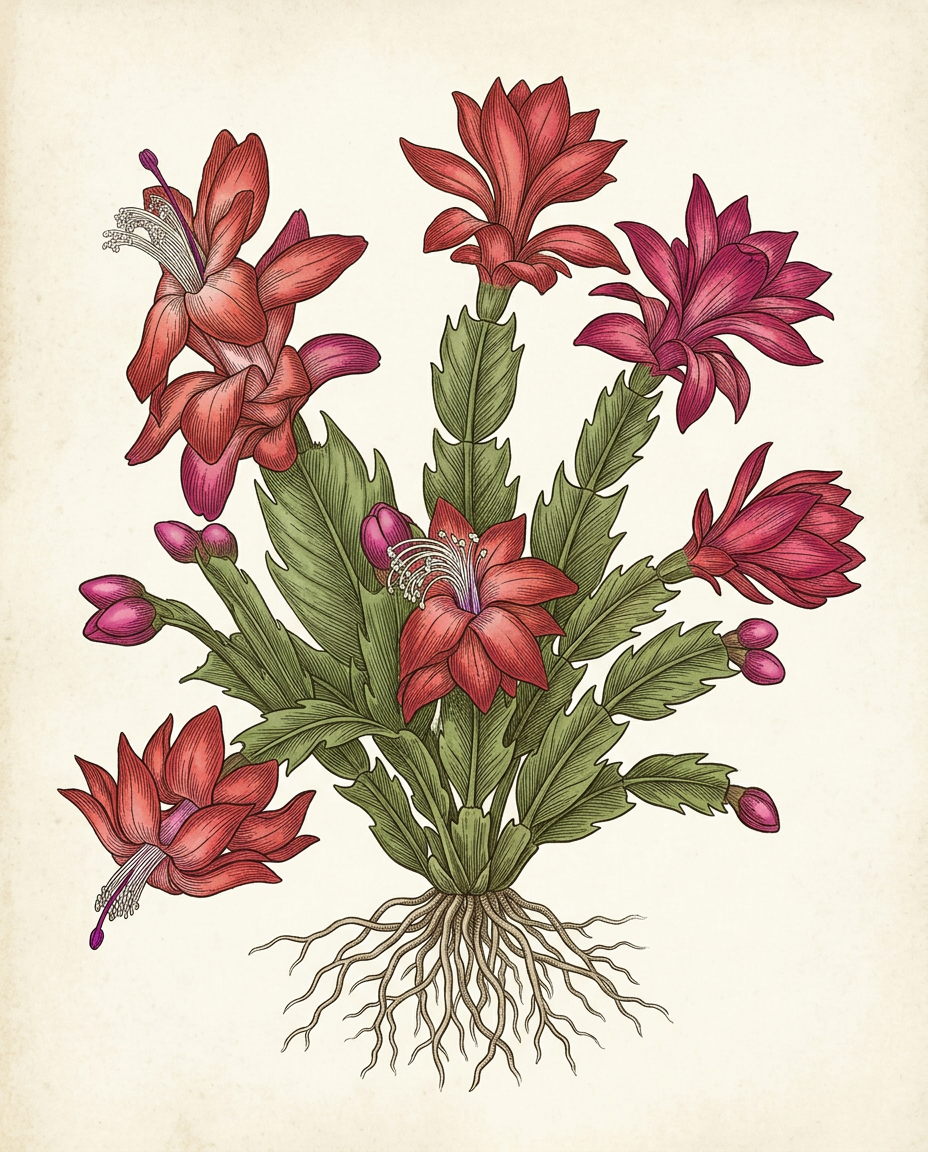
Christmas Cactus
Brilliant red holiday blooms when holly arrives. ASPCA non-toxic and lives for decades.
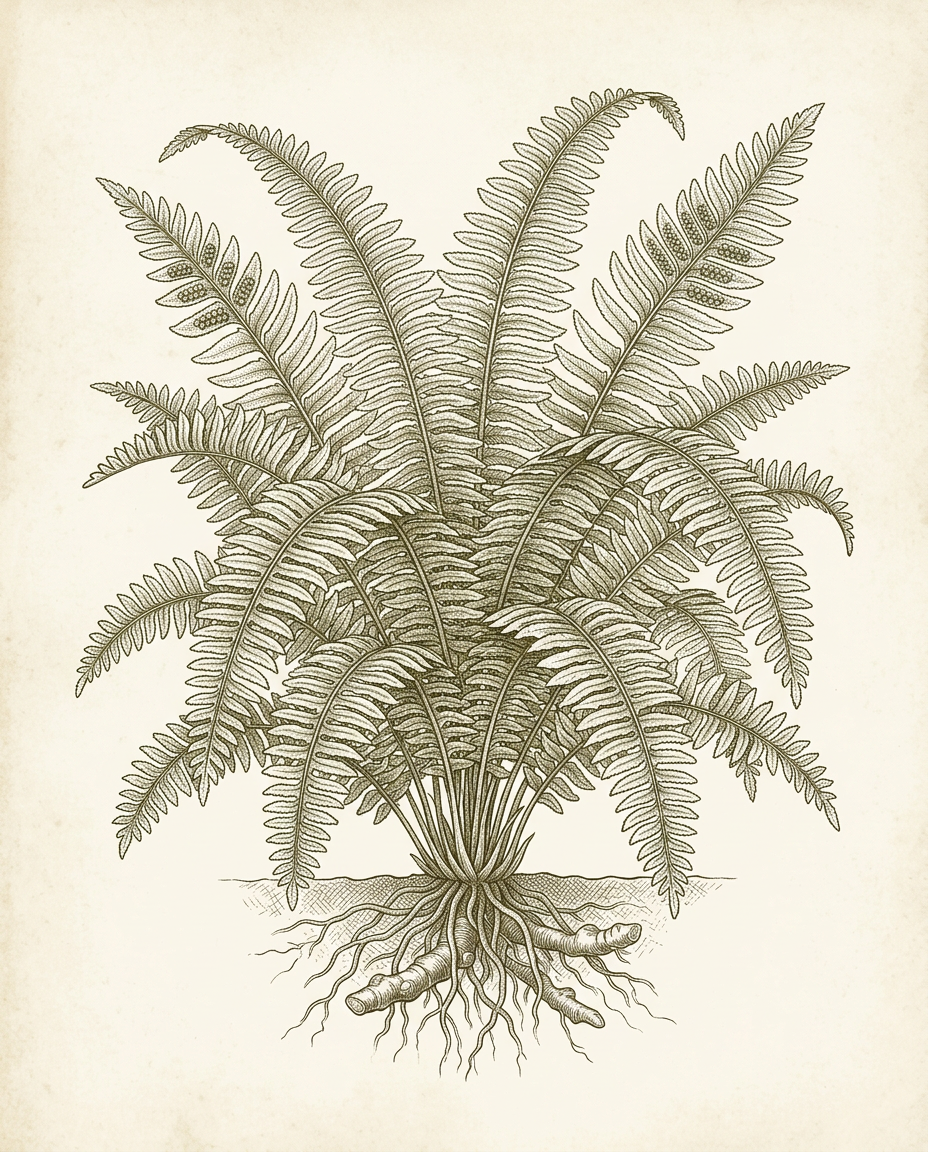
Boston Fern
Lush, dark-green festive foliage with none of the spines. ASPCA non-toxic.
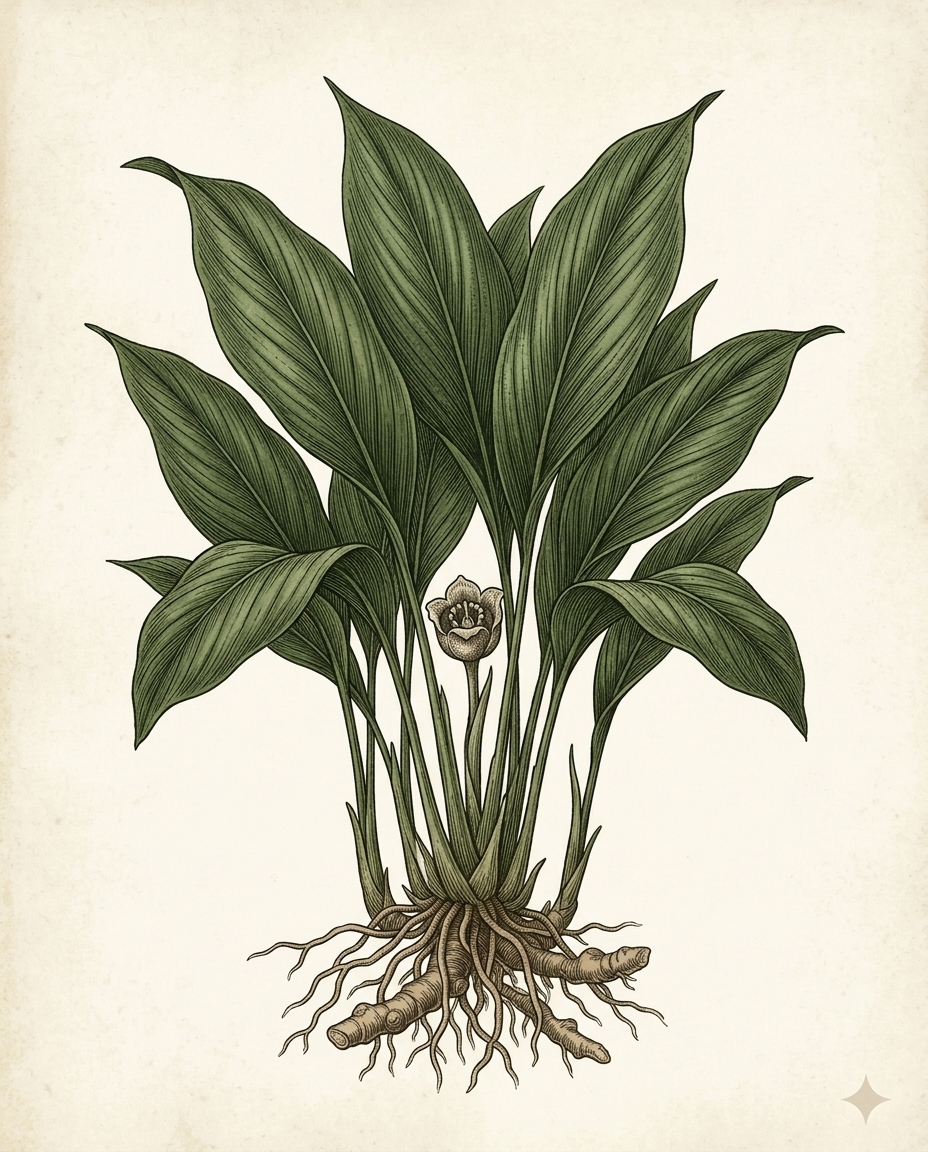
Cast-Iron Plant
Glossy, deep-green leaves for the same evergreen architecture year-round. ASPCA non-toxic.
What it does to a cat.
Yes — holly is toxic to cats. The ASPCA lists Ilex opaca (American holly) — and by extension English holly, European holly, inkberry, and winterberry — as toxic to cats, dogs, and horses. The toxic principle is saponins, and the clinical picture is mild: vomiting, diarrhea, depression. The leaves and berries are both listed as low toxicity by the ASPCA.
What makes holly worth its own page is not the toxin profile. It is the seasonal exposure pattern — and the spines.
Why the spines matter as much as the saponins
Holly leaves are stiff and end in actual spines. A curious cat that takes a sniff or a bite gets cut. Holly-related veterinary visits in December are roughly evenly split between saponin GI signs and mouth, gum, or paw lacerations from the leaves themselves. Treat the injury risk as a separate problem to the toxin risk; they show up together.
The seasonal pile-on
Holly arrives in homes during the same four-week window as mistletoe, poinsettia, and the cut Christmas tree. None of them is the worst plant a cat will ever encounter, but the cumulative December household-plant load — combined with rich food scraps, unfamiliar visitors, and disrupted routines — sends emergency-vet call volumes up sharply. Holly is part of that pile-on, not the worst of it.
What to do if your cat ate holly
Most cases self-resolve within 24 to 48 hours. Withhold food for an hour or two, then offer water and a small meal. Inspect the mouth and paws for cuts. Call a vet if vomiting persists, if you see lacerations, or if the cat refuses to eat for more than a day. ASPCA Animal Poison Control is available 24/7 at (888) 426-4435.
Cat-safe substitutes
For the red-and-green festive look without the saponins or spines, Christmas cactus (Schlumbergera) blooms in the same window and is ASPCA non-toxic. Boston fern covers the festive-greenery role; cast-iron plant is the closest year-round evergreen substitute.
For the rest of the December plant census, see our mistletoe and poinsettia pages.
What we have actually seen.
Vomiting and drooling
Saponins are intensely bitter. Most cats spit out the leaf and salivate; some swallow and vomit within a few hours.
Diarrhea
GI irritation can extend further down. Soft stools may follow vomiting within 12 to 24 hours.
Depression and lethargy
Brief lethargy and reduced appetite are common; most cats return to baseline within 24 to 48 hours.
Mouth and paw injury from spines
Stiff, sharply spined leaves can cut soft tissue. Holly-related vet visits are often as much about lacerations as about poisoning.
- ASPCA Animal Poison Control Center. Toxic and Non-Toxic Plants: Holly.Accessed June 2026 · aspca.org · Toxic Principles saponins
- Pet Poison Helpline. Holly (Ilex) toxicity in cats.Clinical reference · 2024
- Merck Veterinary Manual. Saponin-containing plants in companion animals.Standard small-animal toxicology reference