The list
Cat-safe plants — the complete ASPCA list.
71 houseplants and herbs that are non-toxic to cats per the ASPCA. Every entry is sourced and reviewed.
Yes — there are plenty of cat-safe plants. The ASPCA maintains a list of plants that are non-toxic to cats, and the 71 plants below are the most popular and most search-tested entries on that list. Each one has its own page with ASPCA citation, care instructions, and notes on what happens if your cat does decide to chew.
If you are setting up a household with a cat, the safest approach is to assume every plant is toxic until you have checked the specific Latin name on the ASPCA list. Common names are unreliable (see Bird of Paradise vs. Mexican Bird of Paradise for one example). The list below is the start — for the full database including toxic plants you must avoid, see the library.
How we verify. Every plant on this list has been checked against the ASPCA Animal Poison Control plant database. If an entry is ambiguous, missing, or uses a common name shared with a toxic species, we say so on the species page rather than guess.
 Safe
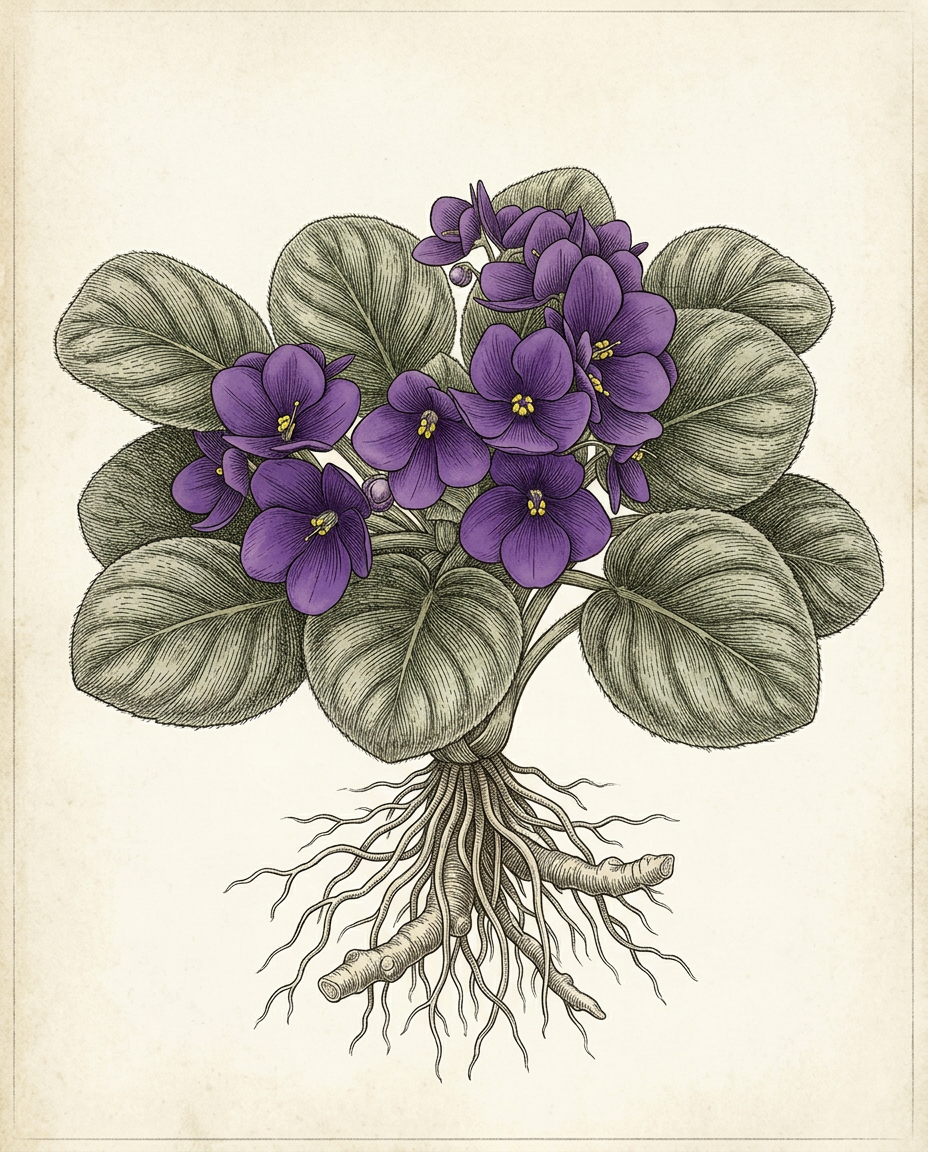
SafeAfrican Violet
Saintpaulia ionantha
Compact rosettes with year-round colour — without poinsettia sap or lily renal toxin. The ASPCA lists African violet as non-toxic to cats.
 Safe
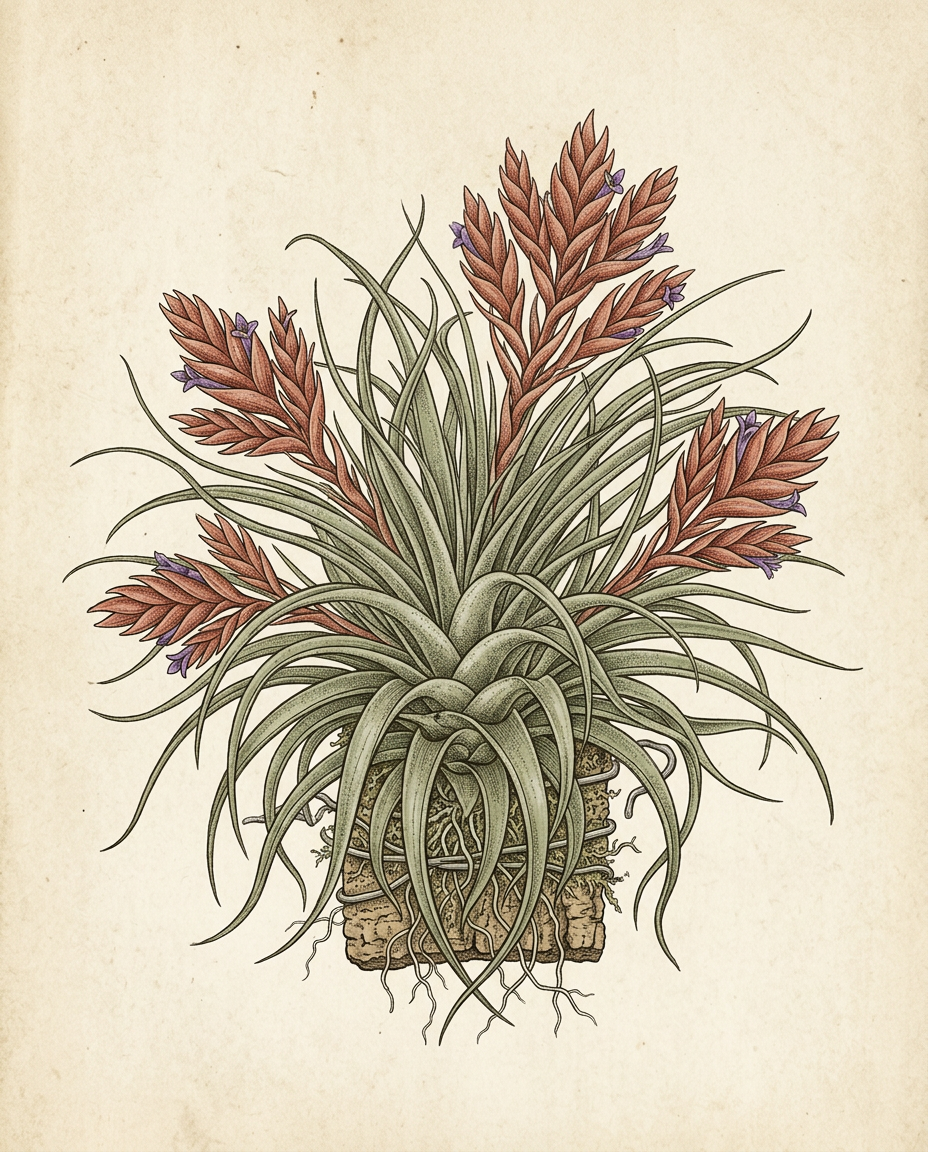
SafeAir Plant
Tillandsia spp.
Air plants (Tillandsia spp.) are widely considered non-toxic to cats. The ASPCA does not list Tillandsia individually, but lists multiple related Bromeliaceae genera as non-toxic and there is no documented toxic principle in the genus. Treat as safe.
 Safe
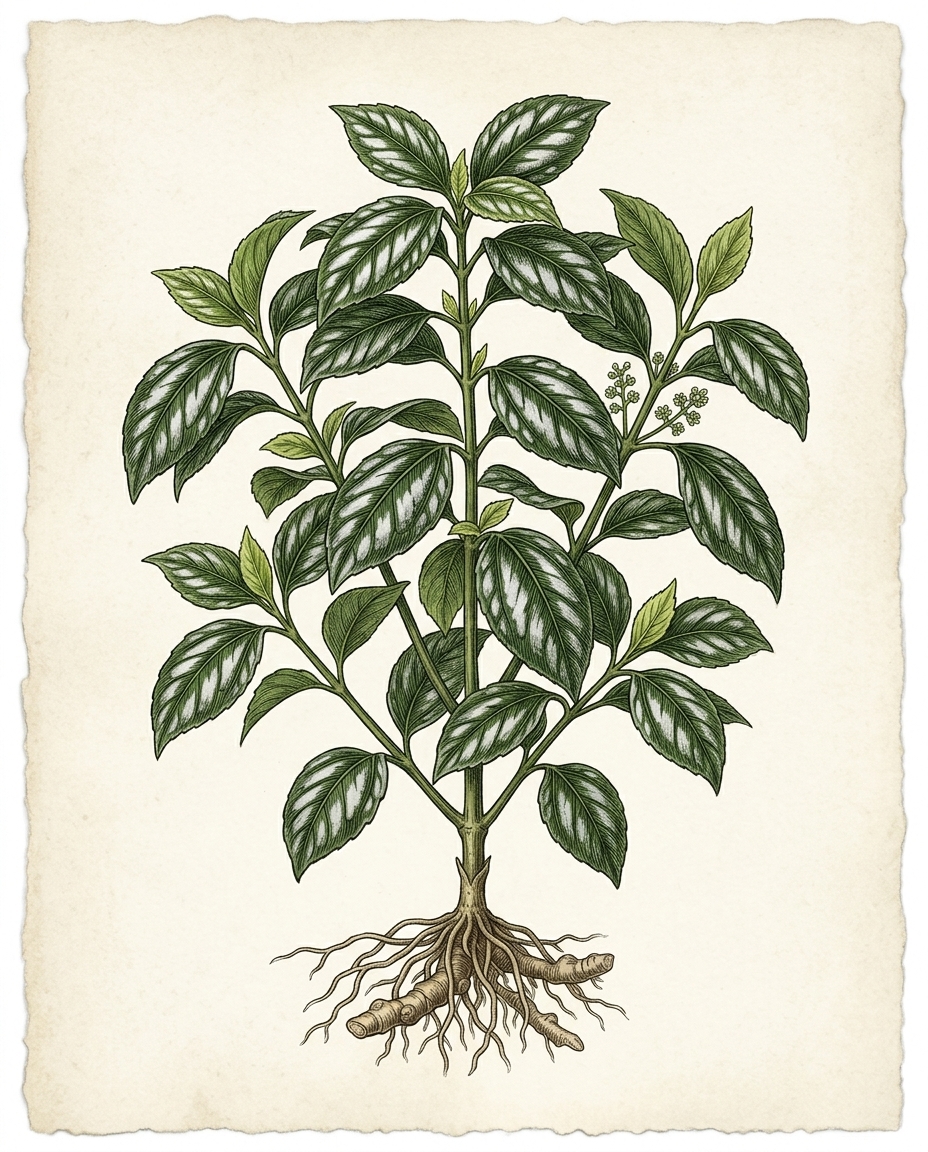
SafeAluminum Plant
Pilea cadieri
Aluminum Plant (Pilea cadieri — also called Watermelon Plant) is non-toxic to cats per the ASPCA. The silver-striped Pilea houseplant. Often confused with watermelon peperomia (a different non-toxic plant).
 Safe
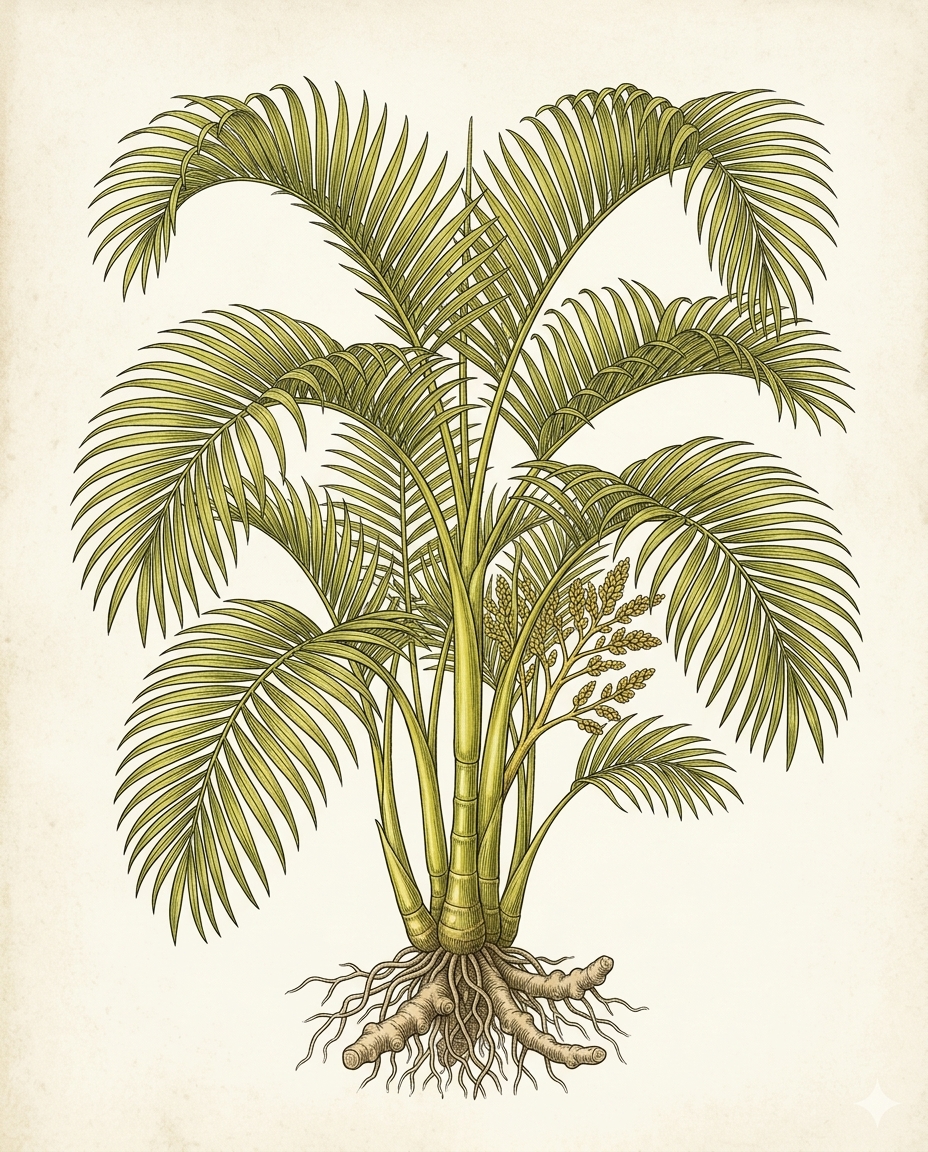
SafeAreca Palm
Dypsis lutescens
Yes — the areca palm is safe for cats. The ASPCA lists Dypsis lutescens as non-toxic. It is one of the best large statement plants for a cat home, with only mild upset if a cat eats a lot of frond.
 Safe
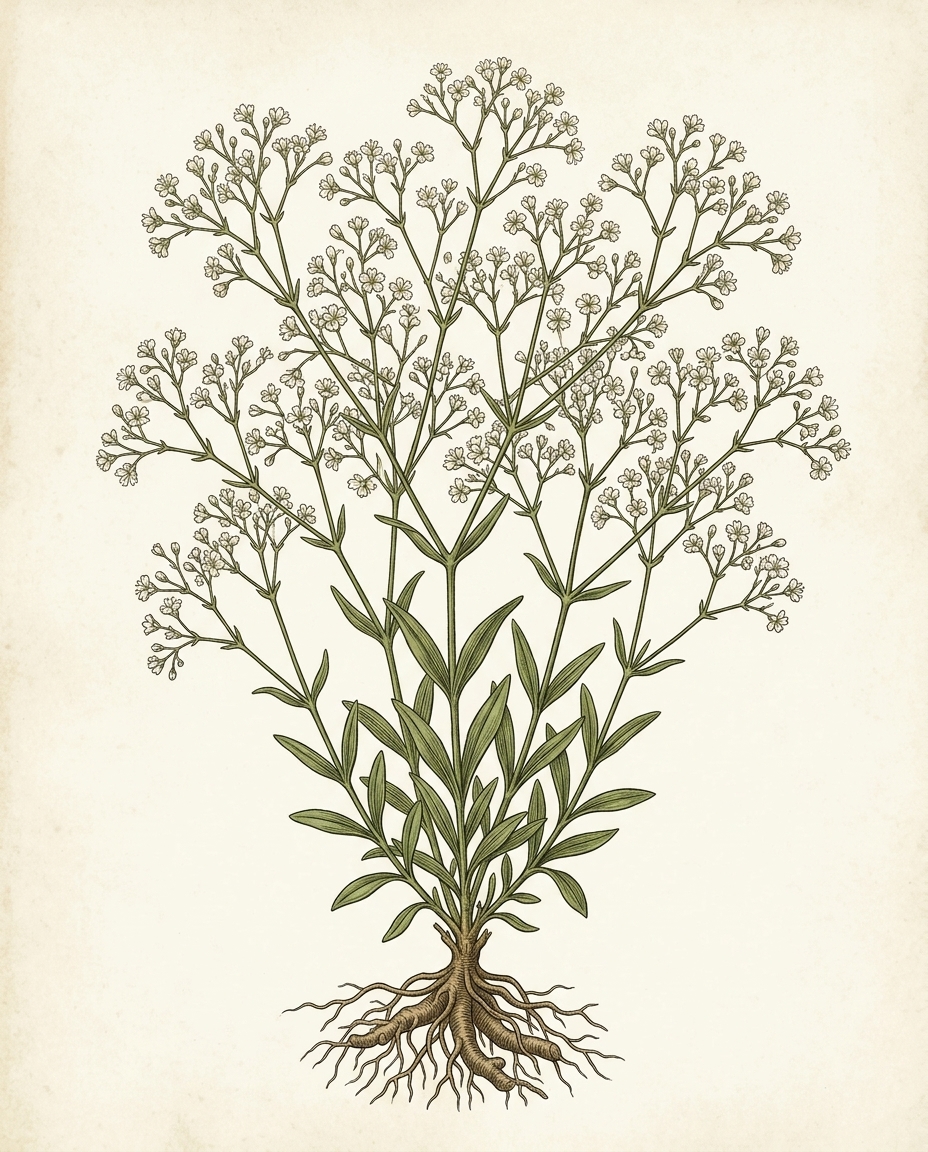
SafeBaby's Breath
Gypsophila paniculata
Baby's Breath (Gypsophila paniculata) is non-toxic to cats per the ASPCA. Third-party blogs frequently call it 'mildly toxic' via saponins — ASPCA disagrees, and ASPCA is the authority.
 Safe
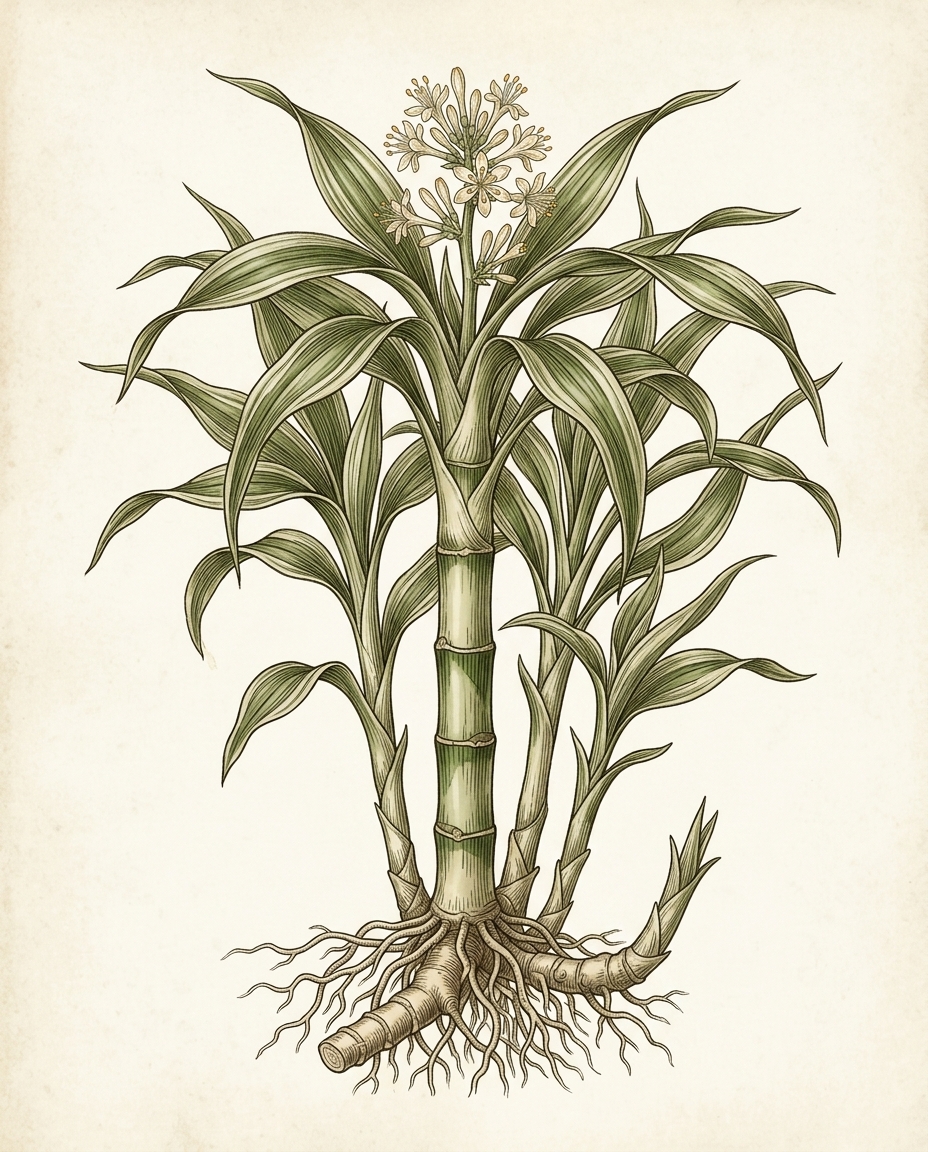
SafeBamboo
Phyllostachys aurea
Yes — true bamboo is safe for cats. The ASPCA lists bamboo (Phyllostachys aurea) as non-toxic. The catch is the name: "lucky bamboo" and "heavenly bamboo" are different, toxic plants.
 Safe
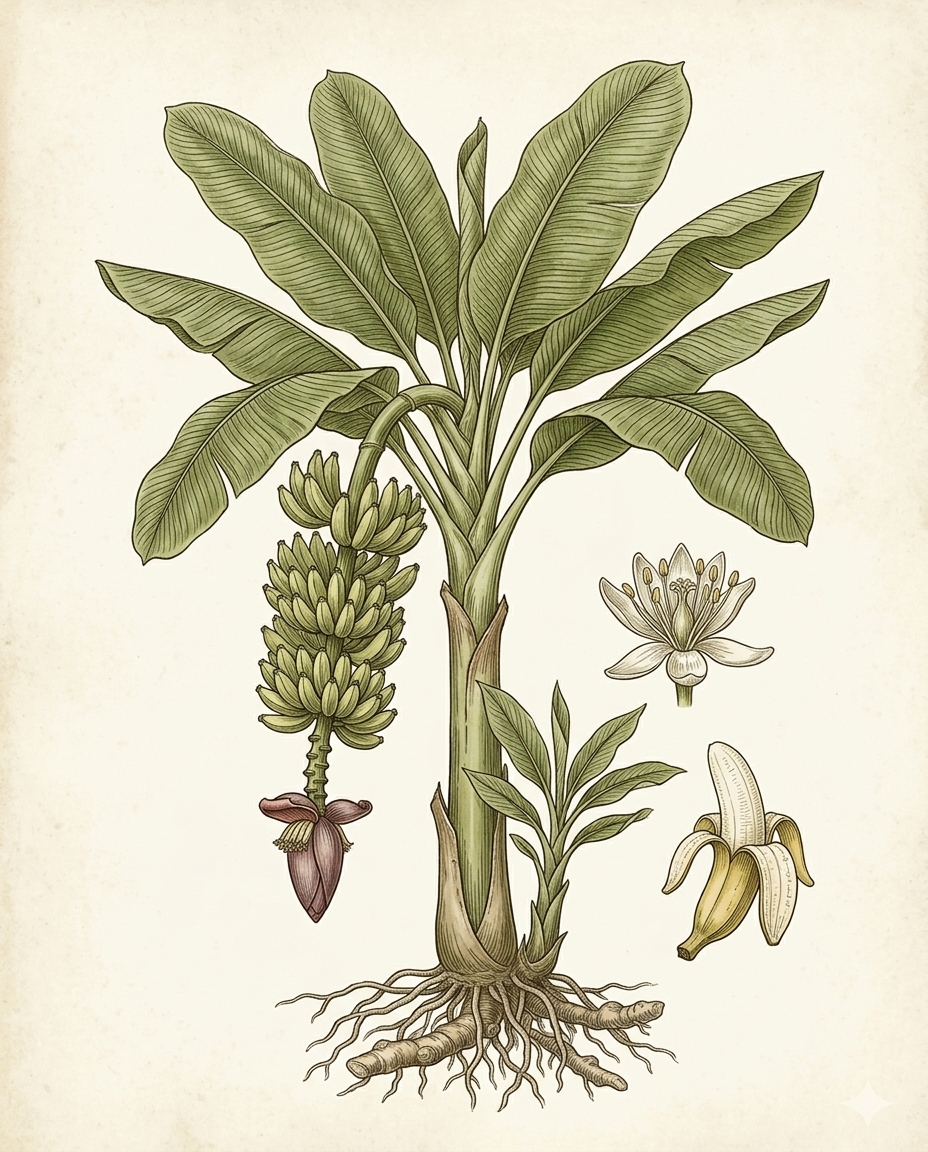
SafeBanana
Musa acuminata
Yes — the banana plant is safe for cats. The ASPCA lists Musa as non-toxic to cats, dogs, and horses. The plant and the fruit are harmless — though a banana is a treat at most. Don't confuse the banana plant with the unrelated lawn weed "plantain" (Plantago).
 Safe
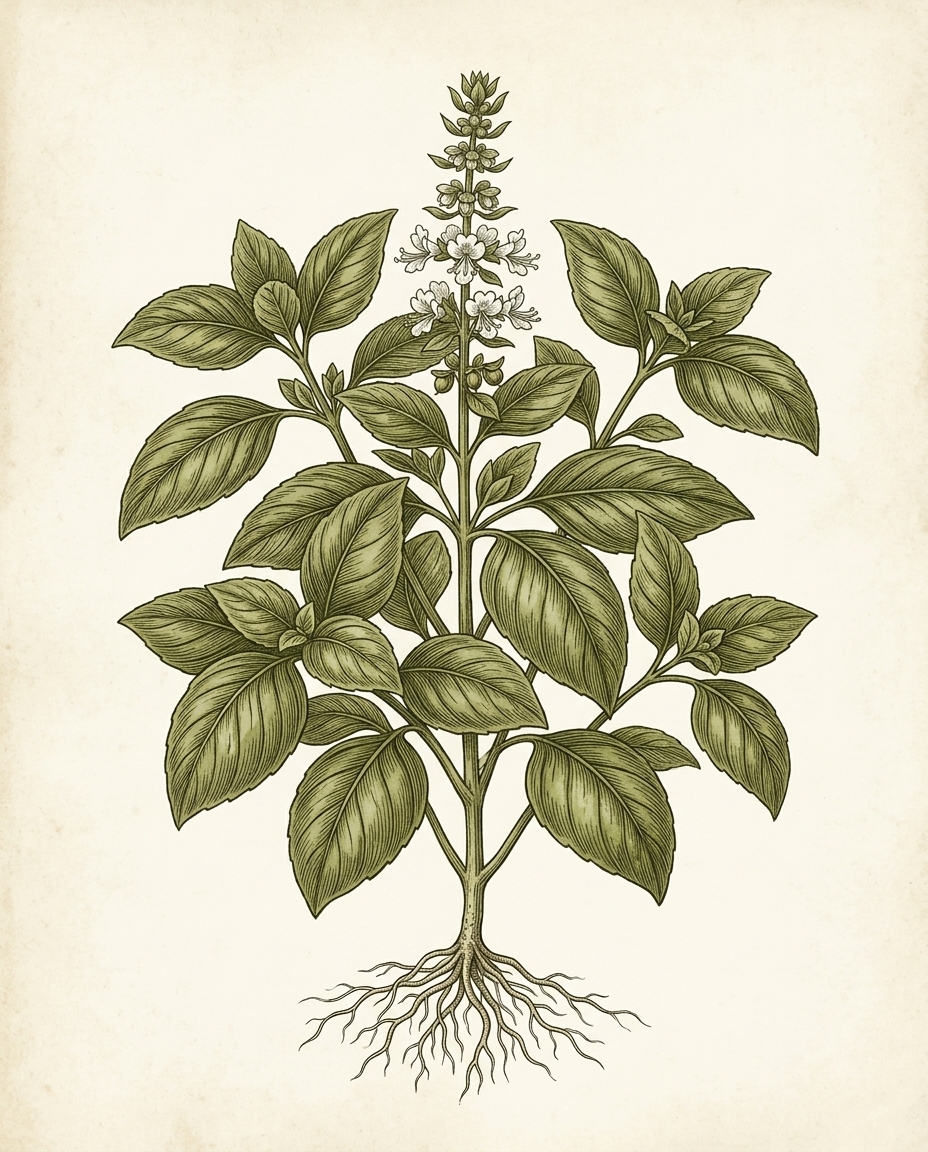
SafeBasil
Ocimum basilicum
Yes — basil is safe for cats. The ASPCA lists Ocimum basilicum as non-toxic. A cat that nibbles a leaf is fine; the only caveat is the usual mild upset from eating a lot of any plant.
 Safe
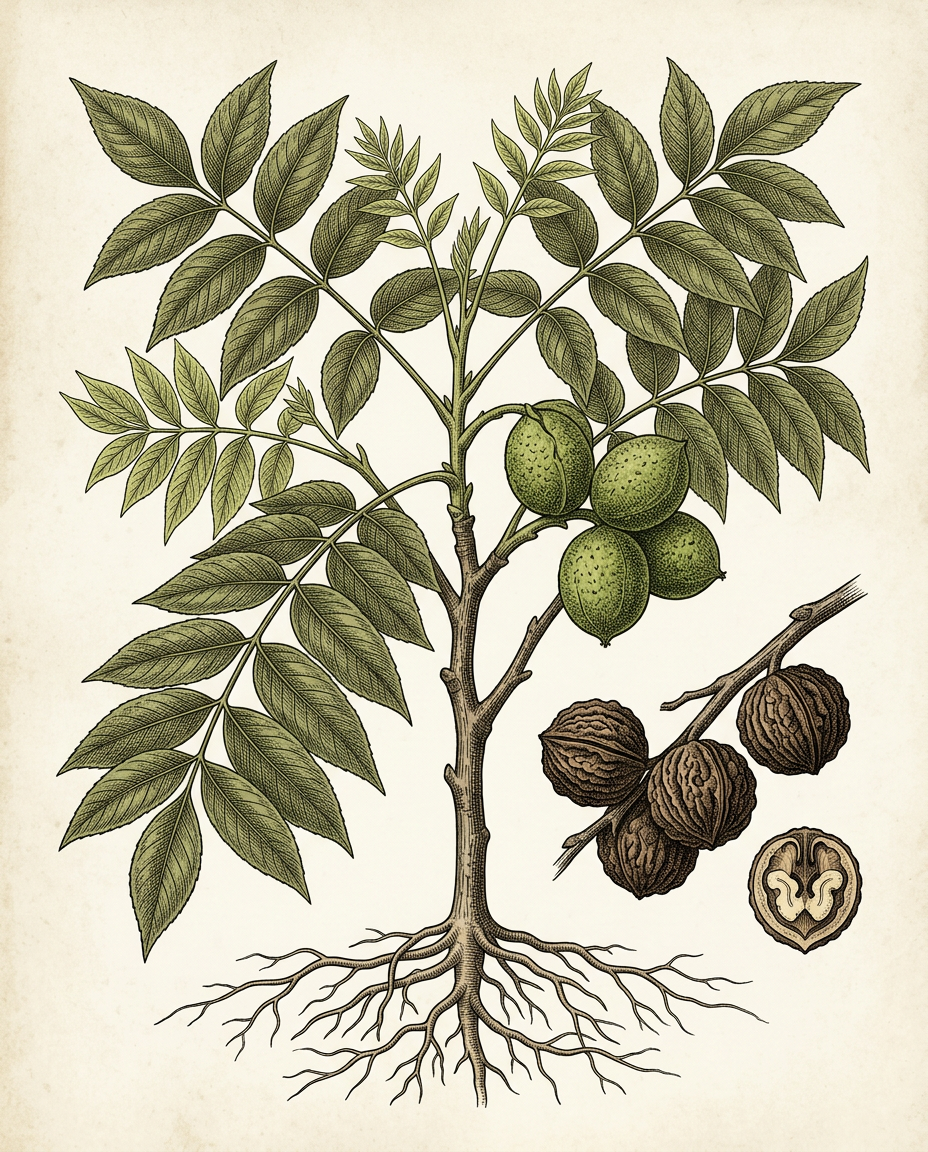
SafeBlack Walnut
Juglans nigra
Yes — black walnut is safe for cats. The ASPCA lists Juglans nigra as non-toxic to cats, though toxic to dogs and horses. A rare cat-only exemption in a plant that harms other pets.
 Safe
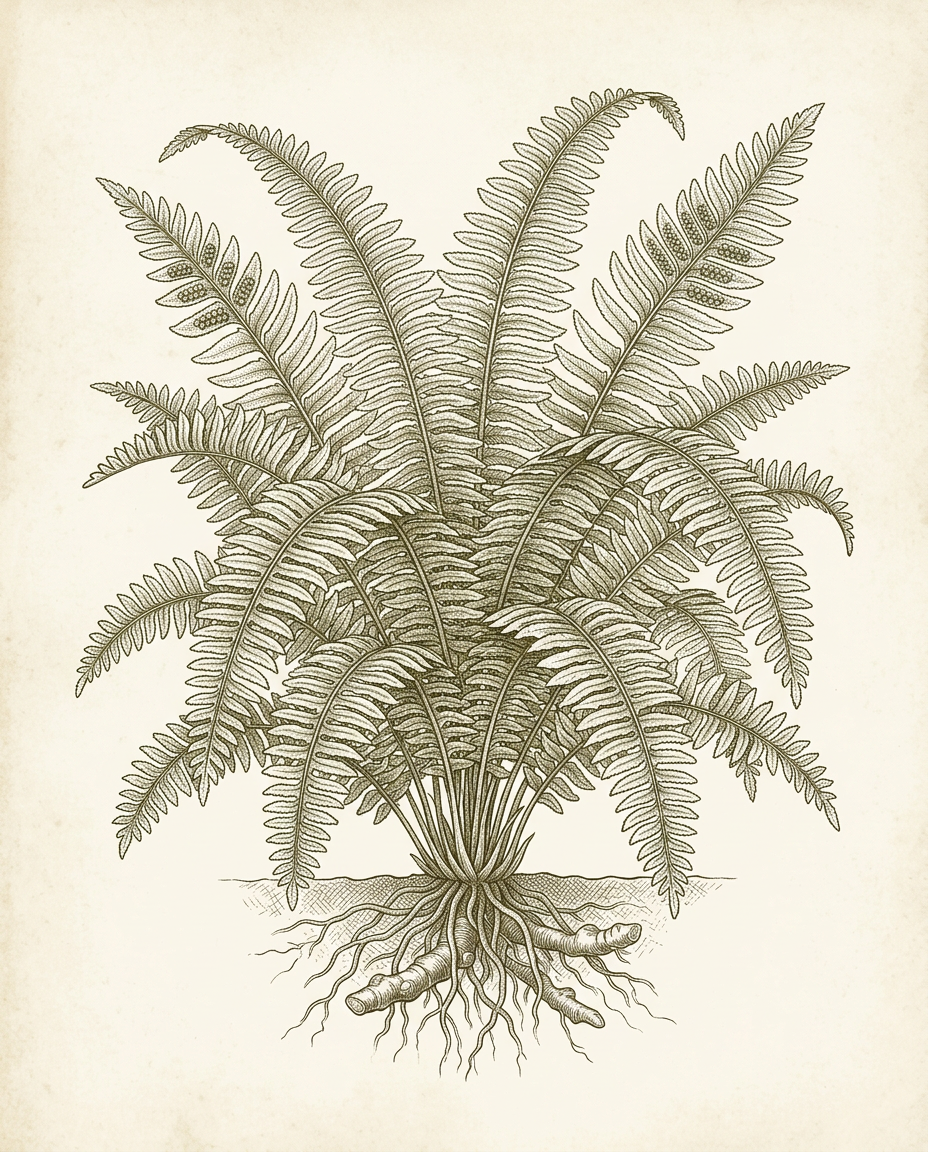
SafeBoston Fern
Nephrolepis exaltata
A classic bathroom fern with arching fronds and no toxic compounds. Cats may chew it; the plant may suffer — but the cat will not.
 Safe
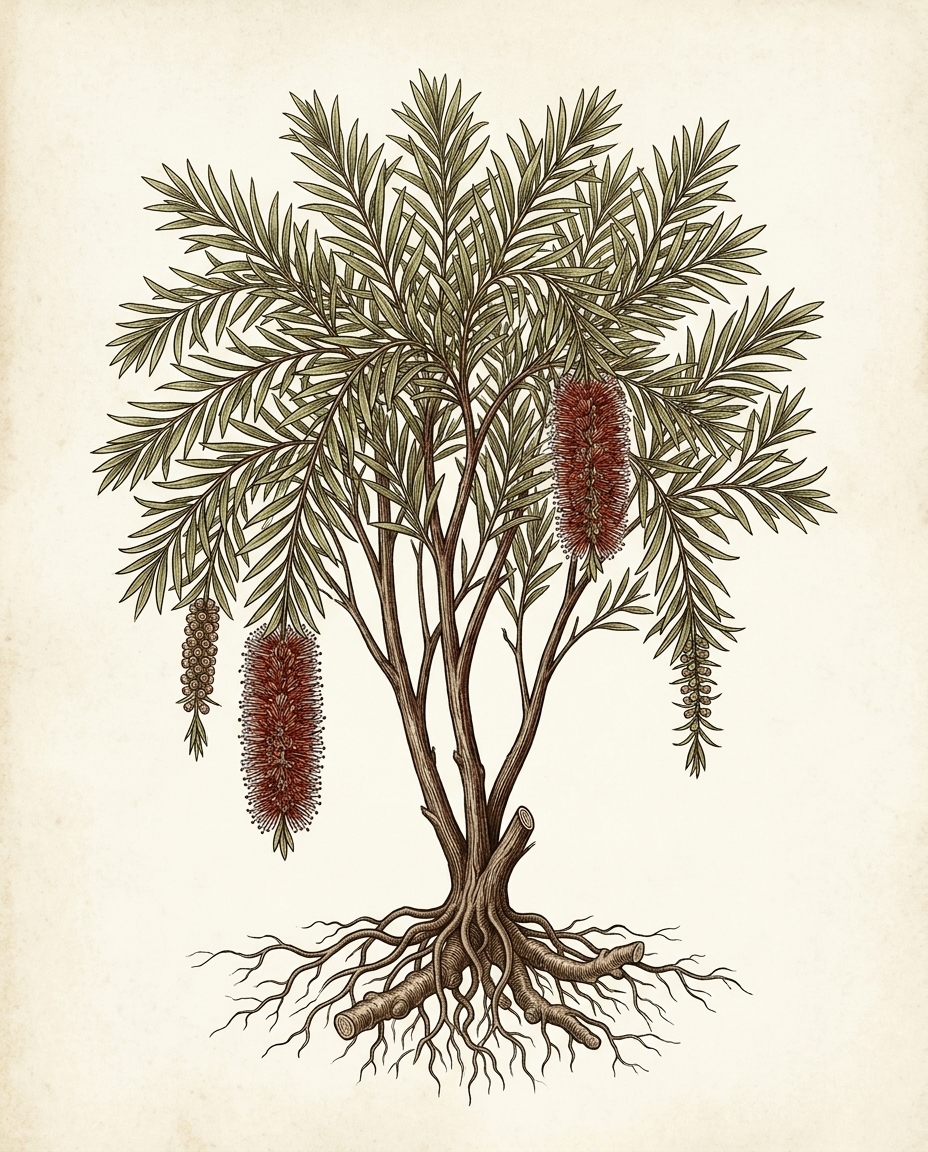
SafeBottlebrush
Callistemon spp.
Yes — the true bottlebrush (Callistemon) is safe for cats. The ASPCA lists it as non-toxic to cats, dogs, and horses. The critical catch is the name — the unrelated "buckeye bottlebrush" (Aesculus parviflora) is toxic, so confirm you have a Callistemon and not an Aesculus.
 Safe
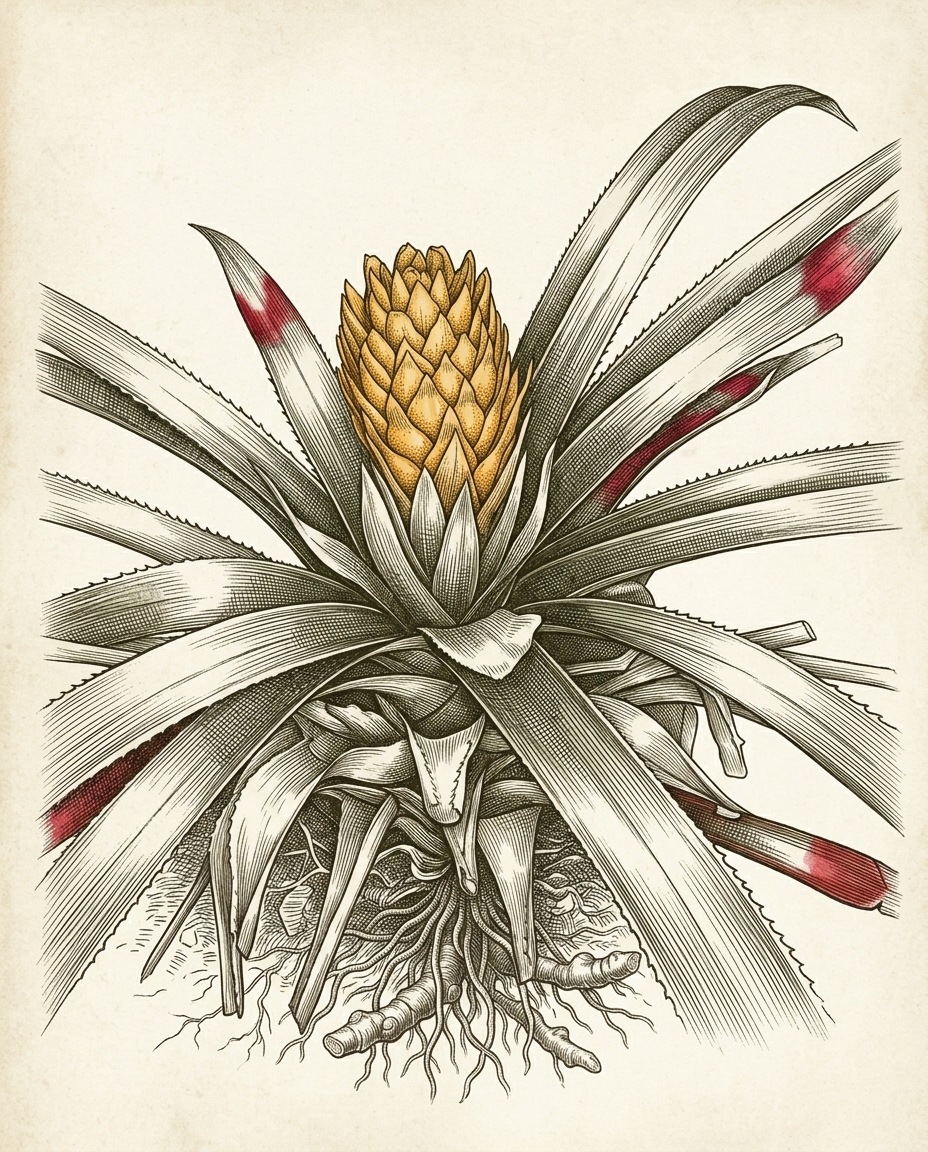
SafeBromeliad
Bromeliaceae
Yes — bromeliads are safe for cats. The ASPCA lists bromeliads as non-toxic. The whole family — Guzmania, Neoregelia, Aechmea, Tillandsia — is cat-safe, with only mild upset if a cat eats a lot.
Cat-safe plants — common questions
What plant is 100% safe for cats?
No plant is “100% safe” in the sense that a cat eating a kilogram of it would feel nothing — fibre alone causes vomiting in any animal. But the ASPCA non-toxic list contains plants with no recognised toxic principle, meaning a normal sample-bite produces no poisoning. Spider plant, Boston fern, African violet, and orchids are among the most widely owned cat-safe houseplants.
What plants do cats love that are safe?
Catnip is the headline cat attractant — non-toxic and actively enjoyed by most cats. Spider plants have a mild attractant effect too (similar to a catnip-lite high). Cat grass (oat, barley, or wheatgrass) is non-toxic and often used as a redirection plant for cats that chew houseplants.
What is the most popular cat-safe houseplant?
By search volume, spider plant tops the list, followed by Boston fern and areca palm. All three are ASPCA non-toxic and easy to grow indoors.
Are succulents safe for cats?
Some are, many are not. Haworthia is ASPCA non-toxic. Jade plant, aloe vera, and kalanchoe are popular succulents that are toxic to cats. Always check the Latin name before assuming a succulent is safe.