Black
Walnut.
Juglans nigra
Yes — black walnut is safe for cats. The ASPCA lists Juglans nigra as non-toxic to cats, though toxic to dogs and horses. A rare cat-only exemption in a plant that harms other pets.
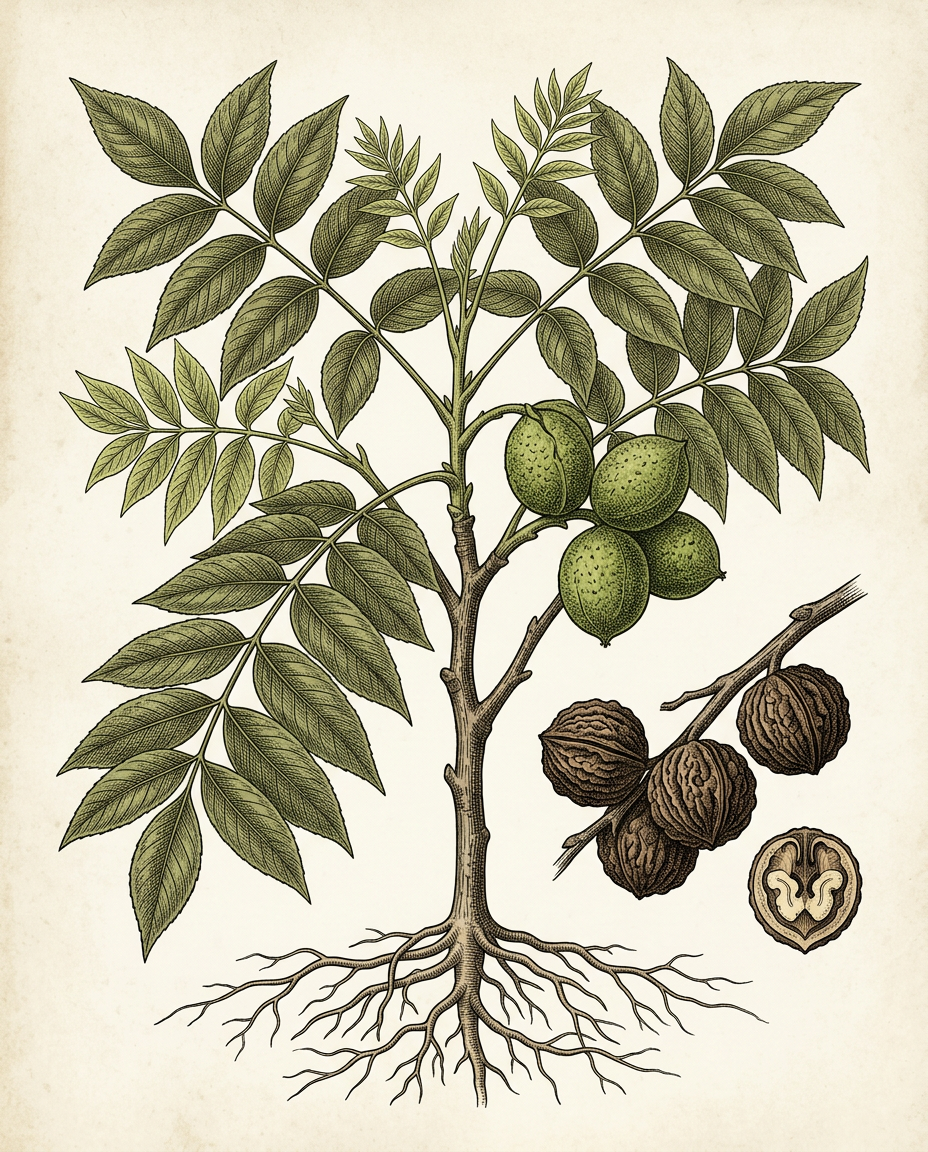
Plate IJuglans nigra — black walnut. Non-toxic to cats per the ASPCA, though toxic to dogs and horses. Pinnate leaves and dark ridged nuts in green husks. A rare cat-only exemption.
What happens if your cat eats it.
Yes — black walnut is safe for cats. The ASPCA lists Juglans nigra as Non-Toxic to Cats. This is a notable exemption: the same ASPCA page lists black walnut as toxic to dogs and horses, making it one of the rare plants where the cat verdict differs from the dog verdict.
The dual-entry ASPCA page is the key to understanding this plant. Many sources report "walnuts are toxic to pets" without distinguishing the species verdict. The ASPCA is clear: Non-Toxic to Cats is the cat ruling. Toxic to Dogs and Toxic to Horses are separate entries on the same page.
Why the cat verdict differs
Black walnut produces juglone — a compound in its roots, leaves, and nut husks that is toxic to many plants (which is why tomatoes and potatoes will not grow near a black walnut tree). But juglone is not the reason for the dog and horse toxicity, and it does not affect cats. The ASPCA's species-specific verdicts reflect different metabolic responses across animals, not a single toxin that affects all species equally.
This is exactly the kind of nuanced ASPCA data that gets flattened in third-party summaries. The original ASPCA page has dual entries for a reason.
What happens if a cat eats black walnut
Nothing toxic. A cat that chews on black walnut leaves or nut husks may have mild stomach upset from the fibre — the same response any cat has to eating plant material. The nuts themselves are a physical choking hazard for a small animal, so keep fallen walnuts cleared.
The real risk in a multi-pet household is to the dog. If you have both a cat and a dog, the cat is safe around the black walnut tree, but the dog is not. Treat the tree with the same caution you would for any ASPCA-listed toxic-to-dogs plant.
Black walnut in the garden
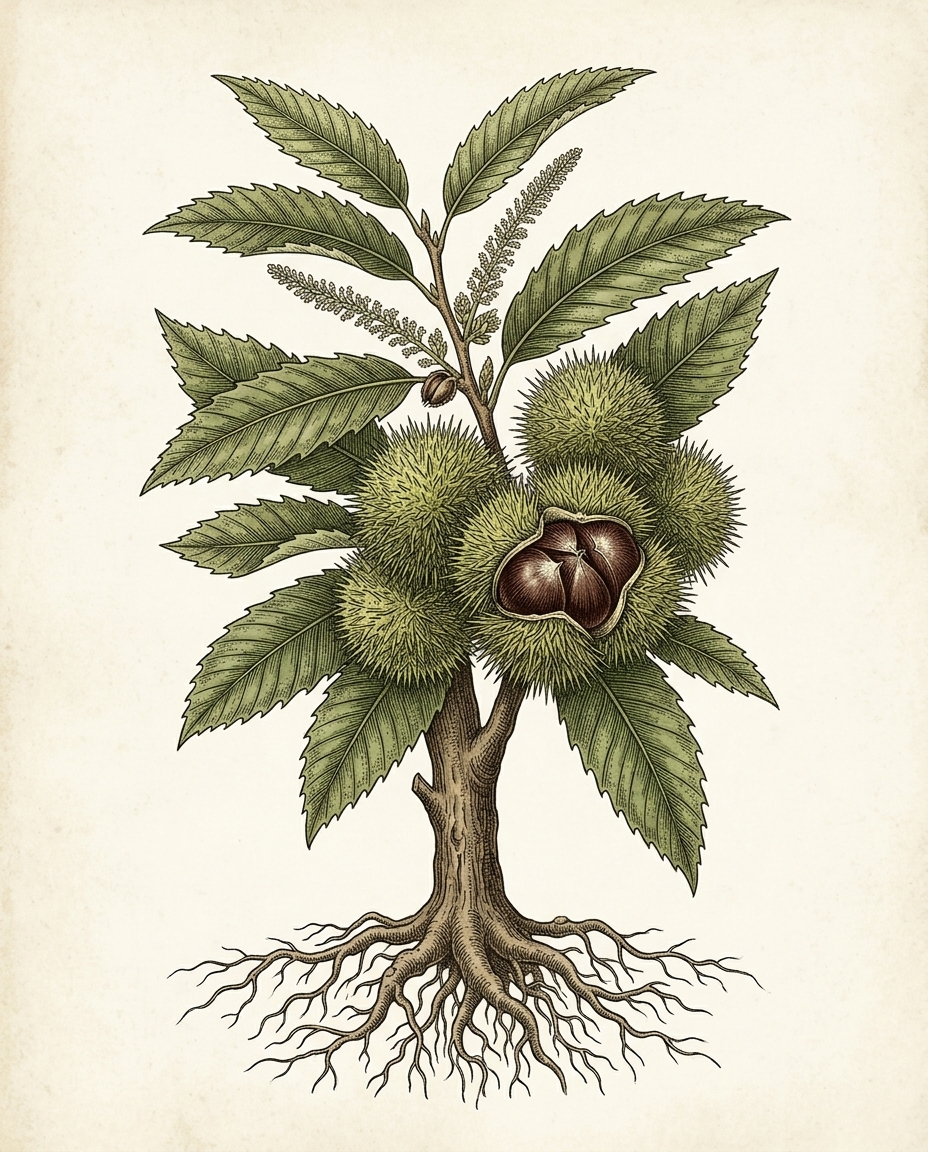
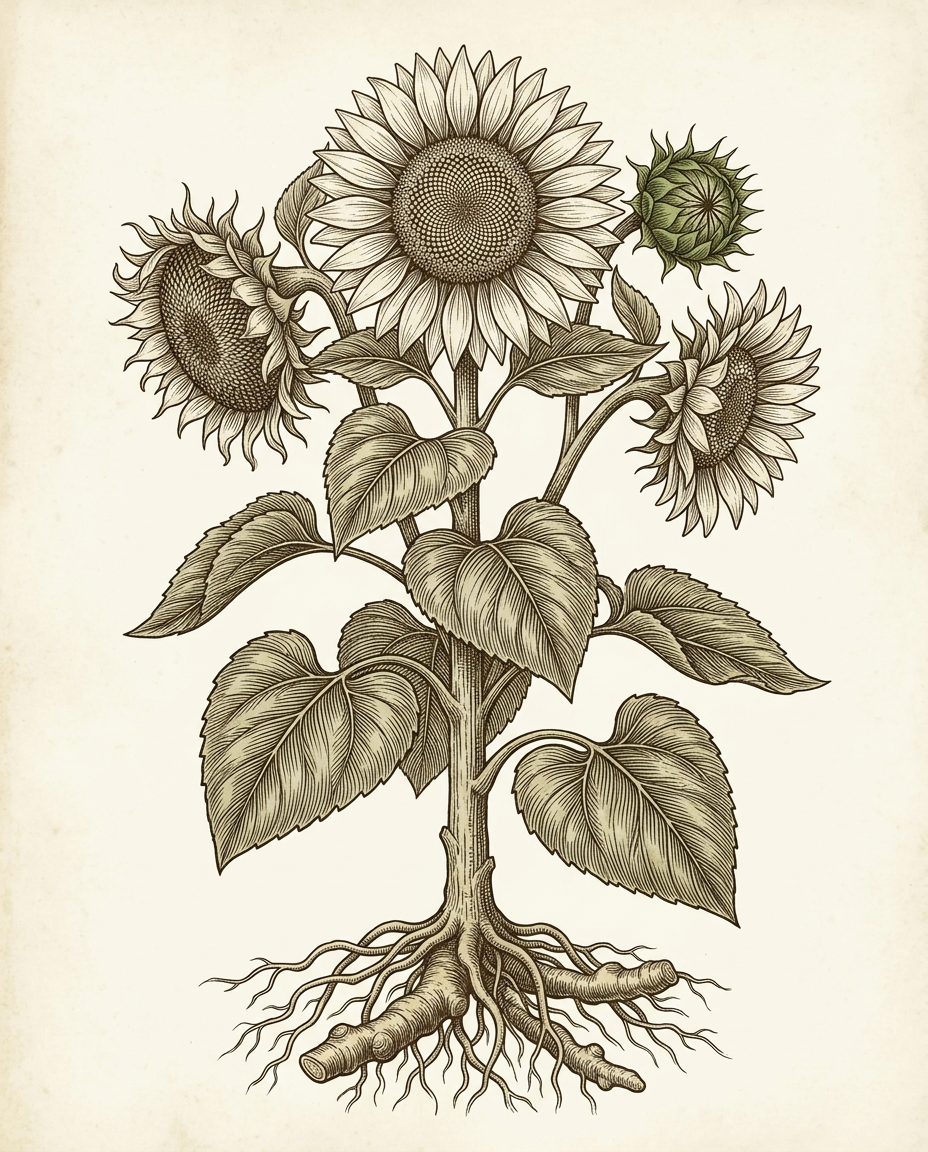
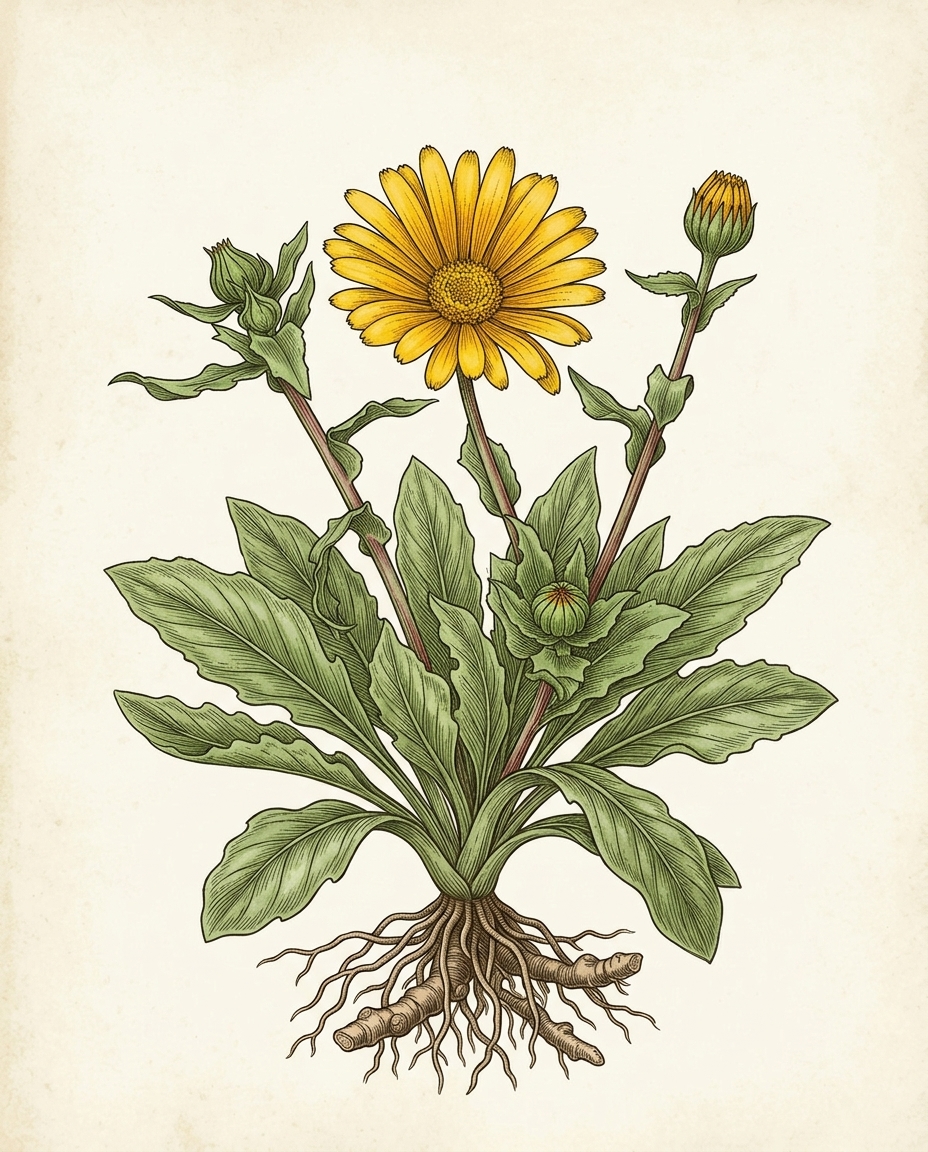
Black walnut is a large tree — 20 to 30 metres at maturity — and it is an allelopathic plant, meaning its roots suppress the growth of many nearby species. If you are planting one, keep it well away from vegetable gardens. For cat-safe garden plants that tolerate walnut proximity, sunflowers and calendula are good non-toxic choices. Chestnut is another cat-safe nut tree — non-toxic per the ASPCA and not allelopathic.
If you are researching trees and came here from the horse chestnut page, note the distinction: horse chestnut (toxic to cats) and black walnut (non-toxic to cats) are completely different plants.
The bottom line
Black walnut (Juglans nigra) is non-toxic to cats per the ASPCA. It is toxic to dogs and horses — a rare split verdict that makes the ASPCA's species-specific data essential. If you have a cat, the tree is safe. If you have a dog, it is not.
What we have actually seen.
No toxicity to cats
The ASPCA lists Juglans nigra as non-toxic to cats specifically. This is a dual-entry page — the cat verdict is non-toxic, even though the same plant is toxic to dogs and horses.
Toxic to dogs and horses
The ASPCA page also lists black walnut as toxic to dogs and horses. If you have a multi-pet household, what is safe for the cat may not be safe for the dog.
Mild stomach upset from fibre
A cat that chews on black walnut leaves or nut husks may have mild GI upset from the fibre. This is not a toxic response — it is the same reaction any cat has to eating plant material.
Juglone and companion plants
Black walnut roots produce juglone, a compound that is toxic to many plants (tomatoes, potatoes, apples) but is not the reason for the dog/horse toxicity. Juglone does not affect cats.
Four common varieties.
Eastern Black Walnut (the native species)
The ASPCA-listed species. Native to eastern North America, valued for its dark timber and richly flavoured nuts.
Thomas Black Walnut (nut-producing cultivar)
A grafted cultivar selected for nut production. Same non-toxic-to-cats status as the species.
Northern Black Walnut (hardy timber form)
Selected for straight, fast timber growth in colder zones. Same Juglans nigra species, same ASPCA profile.
Keeping the plant alive.
Full sun
Black walnut requires full sun for healthy growth and nut production. At least six hours of direct light is essential.
Moderate, deep
Water young trees deeply during dry periods. Mature trees are drought-tolerant once established but benefit from deep watering in extended drought.
Deep, well-drained
Black walnut prefers deep, well-drained, slightly alkaline to neutral soil. It tolerates a range of conditions but will not thrive in waterlogged ground.
Large garden or orchard
Black walnut trees reach 20 to 30 metres and produce juglone, which suppresses many nearby plants. Plant well away from vegetable gardens and sensitive species.
- ASPCA Animal Poison Control Center. Toxic and Non-Toxic Plants: Black Walnut.Accessed June 2026 · aspca.org · Juglans nigra · Non-Toxic to Cats (separate entry: Toxic to Dogs, Toxic to Horses)
If you liked this, also safe.