Chestnut
Castanea dentata
Yes — chestnuts are safe for cats. The ASPCA lists Castanea dentata (American Chestnut) as non-toxic to cats, dogs, and horses. Do not confuse with horse chestnut, which IS toxic.
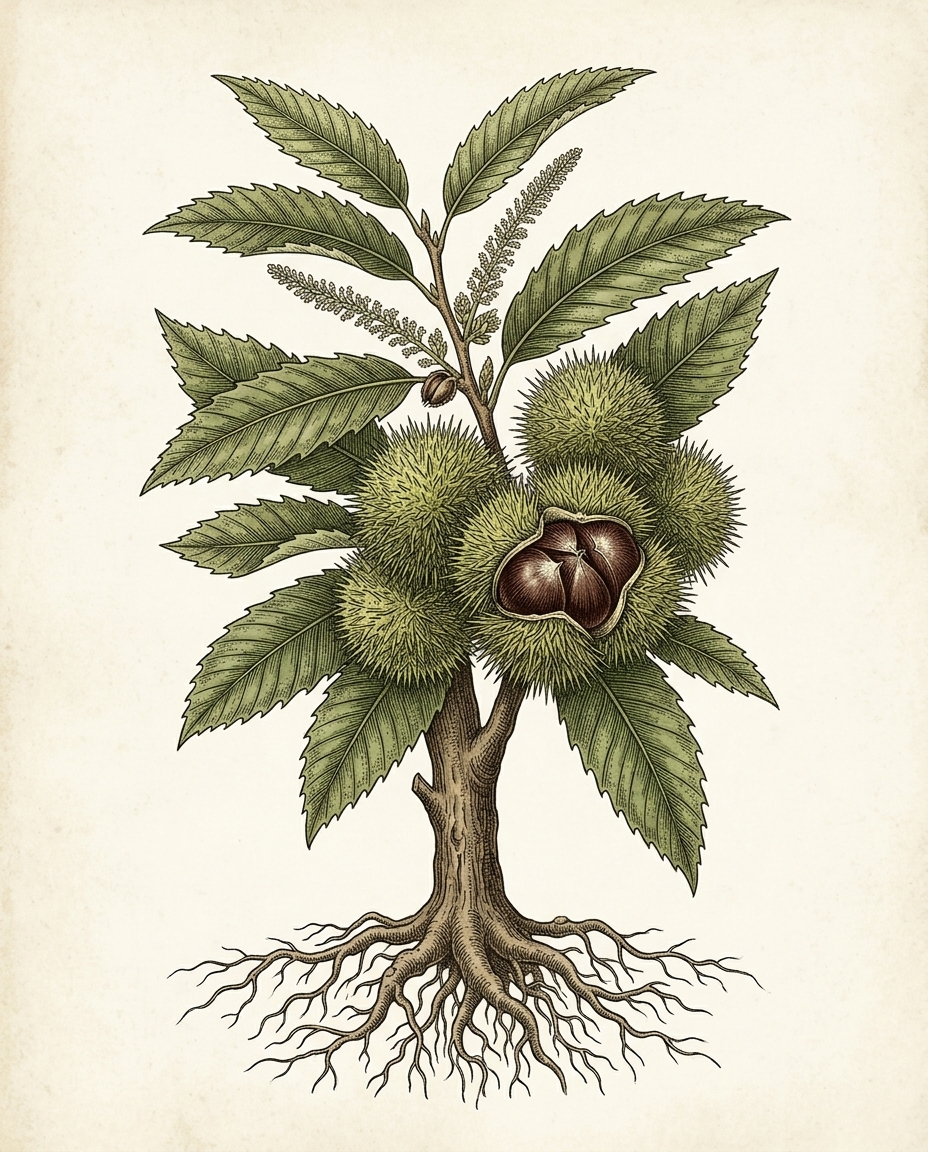
Plate ICastanea dentata — the American chestnut. Non-toxic to cats per the ASPCA. Serrated leaves and spiny burs enclosing glossy brown nuts. Distinct from the toxic horse chestnut (Aesculus hippocastanum).
What happens if your cat eats it.
Yes — chestnuts are safe for cats. The ASPCA lists Castanea dentata (American Chestnut) as Non-Toxic to Dogs, Non-Toxic to Cats, Non-Toxic to Horses. The nuts, leaves, and bark contain nothing poisonous to cats.
The critical thing to know about chestnut is not the toxicity — it is the name. "Chestnut" is one of the most dangerously confusing plant names in English, because there is a completely unrelated plant called horse chestnut (Aesculus hippocastanum) that IS toxic to cats. If you have a cat and a chestnut tree, the first job is figuring out which one you actually have.
Chestnut vs horse chestnut: the disambiguation
This is the single most important section on this page. The two plants share a name and nothing else:
| | Chestnut | Horse chestnut | |---|---|---| | Scientific name | Castanea dentata | Aesculus hippocastanum | | Family | Fagaceae (beech) | Sapindaceae (soapberry) | | ASPCA verdict | Non-Toxic to Cats | Toxic to Cats | | Leaf shape | Long, serrated, single | Palmate, 5-7 leaflets | | Nut casing | Spiny bur | Spiny capsule (different shape) | | Edible | Yes, roasted chestnuts | No, toxic to humans too |
If you are unsure which tree you have, the leaf is the easiest tell: chestnut has single, elongated, serrated leaves; horse chestnut has large, hand-shaped leaves with five to seven leaflets radiating from a central point. Treat any unknown chestnut as the toxic horse chestnut until you have confirmed the identification.
What happens if a cat eats chestnut
Nothing toxic. The ASPCA lists the entire plant as non-toxic to cats. A cat that nibbles a chestnut leaf or chews on a fallen nut may have mild stomach upset from the fibre — the same response any cat has to eating plant material — but there is no poison involved.
The one real risk is physical: whole chestnuts are a choking hazard for a small animal. If you have a chestnut tree and a curious cat, sweep up fallen nuts so they do not become toys. Cooked chestnuts (plain, no seasoning) are not toxic either, but they are starchy and not a natural food for cats.
Growing chestnut with a cat
Chestnut trees are large orchard or forest trees — they are not houseplants. If you have the space for one, the cat-safety question is straightforward: the tree is non-toxic, and the main management task is keeping fallen nuts cleared so they do not become choking hazards.
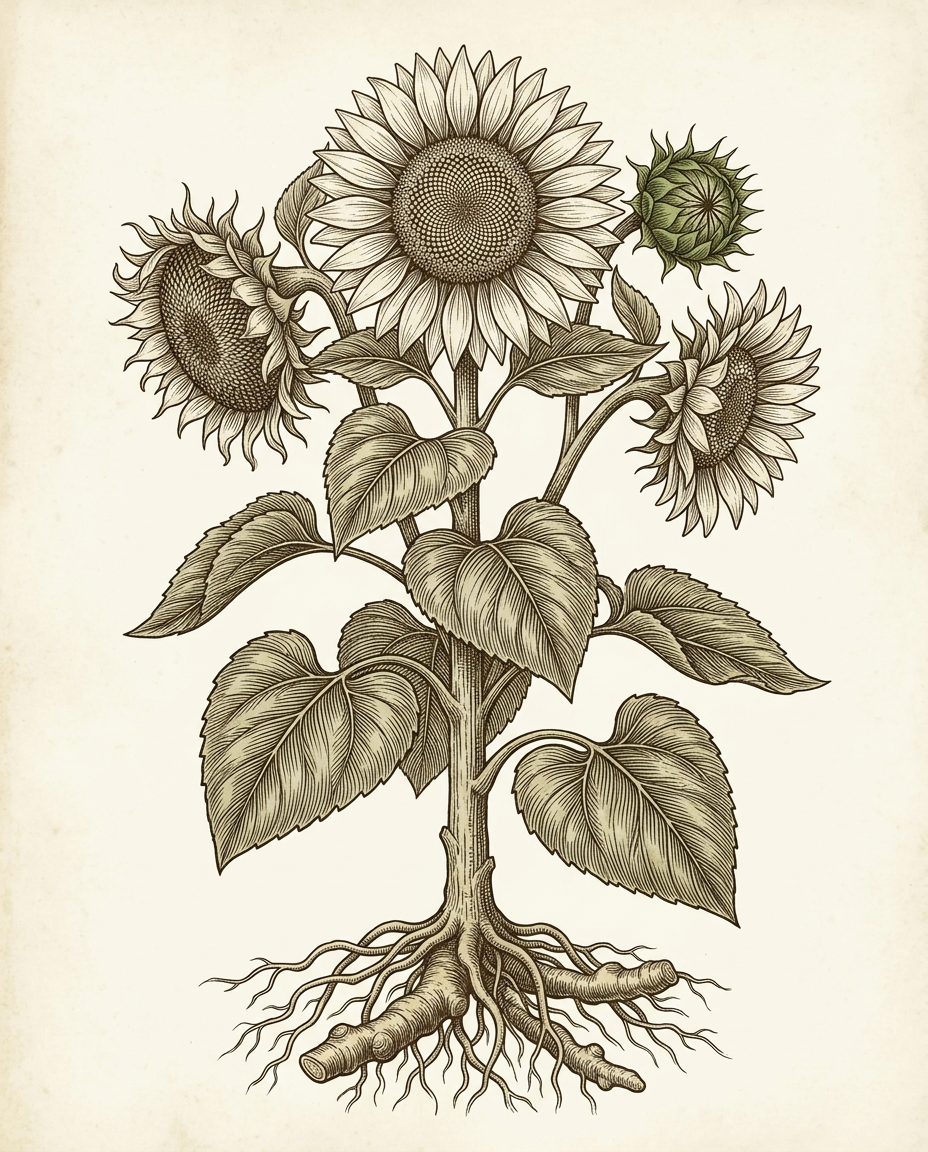
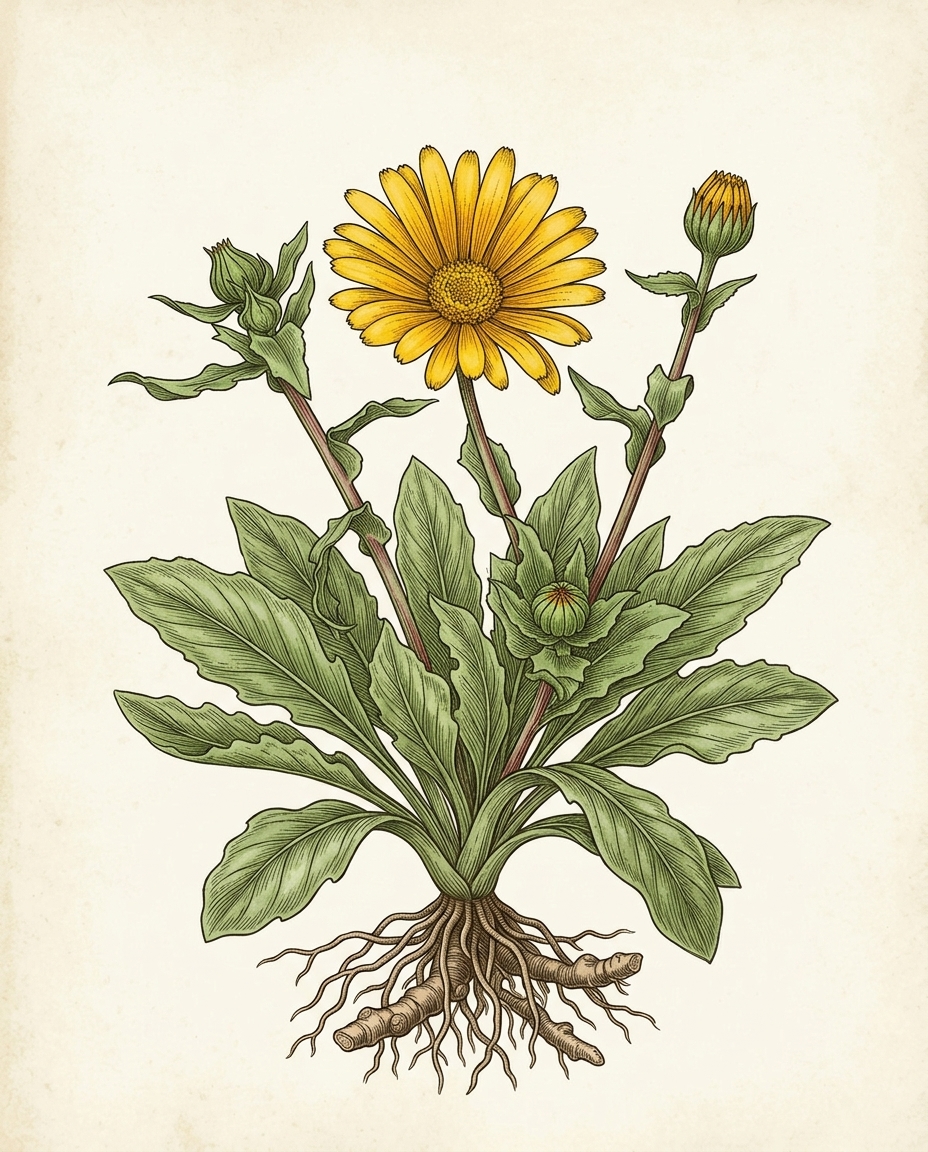
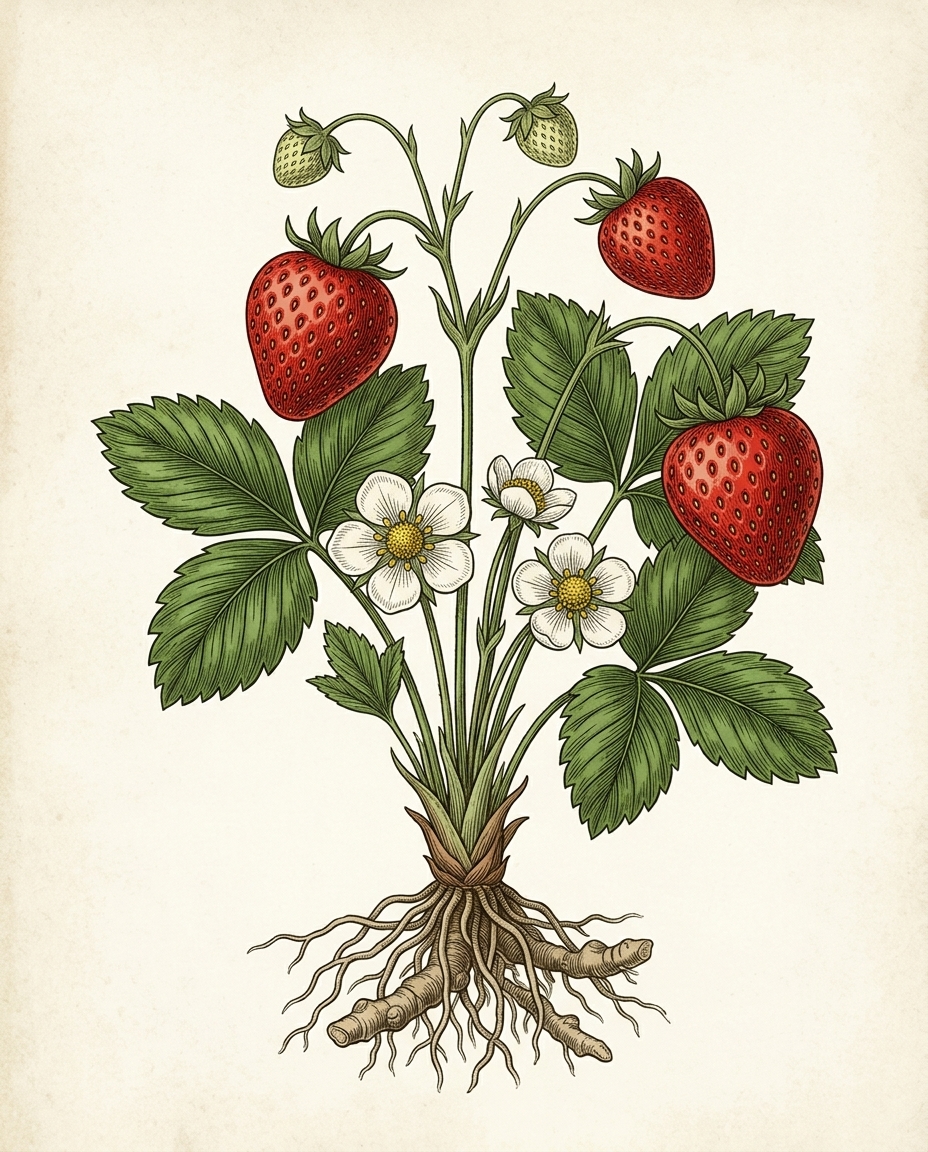
For cat owners with limited space who want a non-toxic garden tree or plant, sunflowers, calendula, and strawberry are all ASPCA-listed non-toxic and grow at a more manageable scale.
The bottom line
Chestnut (Castanea dentata) is non-toxic to cats per the ASPCA. The confusion with the toxic horse chestnut is the real danger — not the plant itself. If you have confirmed you have a true chestnut, your cat is safe around it.
What we have actually seen.
No toxicity
The ASPCA lists Castanea dentata as non-toxic to cats, dogs, and horses. The nuts, leaves, and bark contain nothing poisonous to cats.
Mild stomach upset from fibre
A cat that chews on a chestnut or leaf may vomit from the fibre, not from a toxin. This is the same response any cat has to eating plant material.
Choking hazard from whole nuts
Whole chestnuts are a physical choking risk for a small animal. Keep fallen nuts out of reach of curious cats.
Confusion with horse chestnut
Horse chestnut (Aesculus hippocastanum) is a completely different plant that IS toxic to cats. The names are confusing but the plants are unrelated.
Four common varieties.
American Chestnut (the native species)
The ASPCA-listed species. Once a dominant forest tree across eastern North America, now largely lost to chestnut blight.
Chinese Chestnut (blight-resistant alternative)
Widely grown as a blight-resistant nut tree. Same genus, same non-toxic family — the ASPCA listing covers Castanea dentata.
European Chestnut (the sweet chestnut)
The classic roasted-chestnut species of southern Europe. Same Fagaceae family and non-toxic profile.
Keeping the plant alive.
Full sun
Chestnut trees need full sun for nut production. A minimum of six hours of direct light keeps the tree healthy and productive.
Moderate, well-drained
Water young trees regularly until established. Mature trees are drought-tolerant but appreciate deep watering during dry spells.
Acidic, well-drained
Chestnuts prefer slightly acidic soil (pH 5.0-6.5) that drains well. Avoid heavy clay or waterlogged ground.
Orchard or large garden
Chestnut trees grow large — 15 to 30 metres at maturity. Plant where they have room to spread, away from foundations and overhead lines.
- ASPCA Animal Poison Control Center. Toxic and Non-Toxic Plants: Chestnut.Accessed June 2026 · aspca.org · Castanea dentata · Non-Toxic to Dogs, Non-Toxic to Cats, Non-Toxic to Horses
If you liked this, also safe.