Horse
Chestnut.
Aesculus glabra
Horse chestnut and buckeye (all Aesculus species) are toxic to cats per the ASPCA — aesculin, a glycosidic saponin. The shiny brown autumn seeds (conkers) look like toys but cause severe GI signs, seizures, and coma. Outdoor + curious-kid risk.
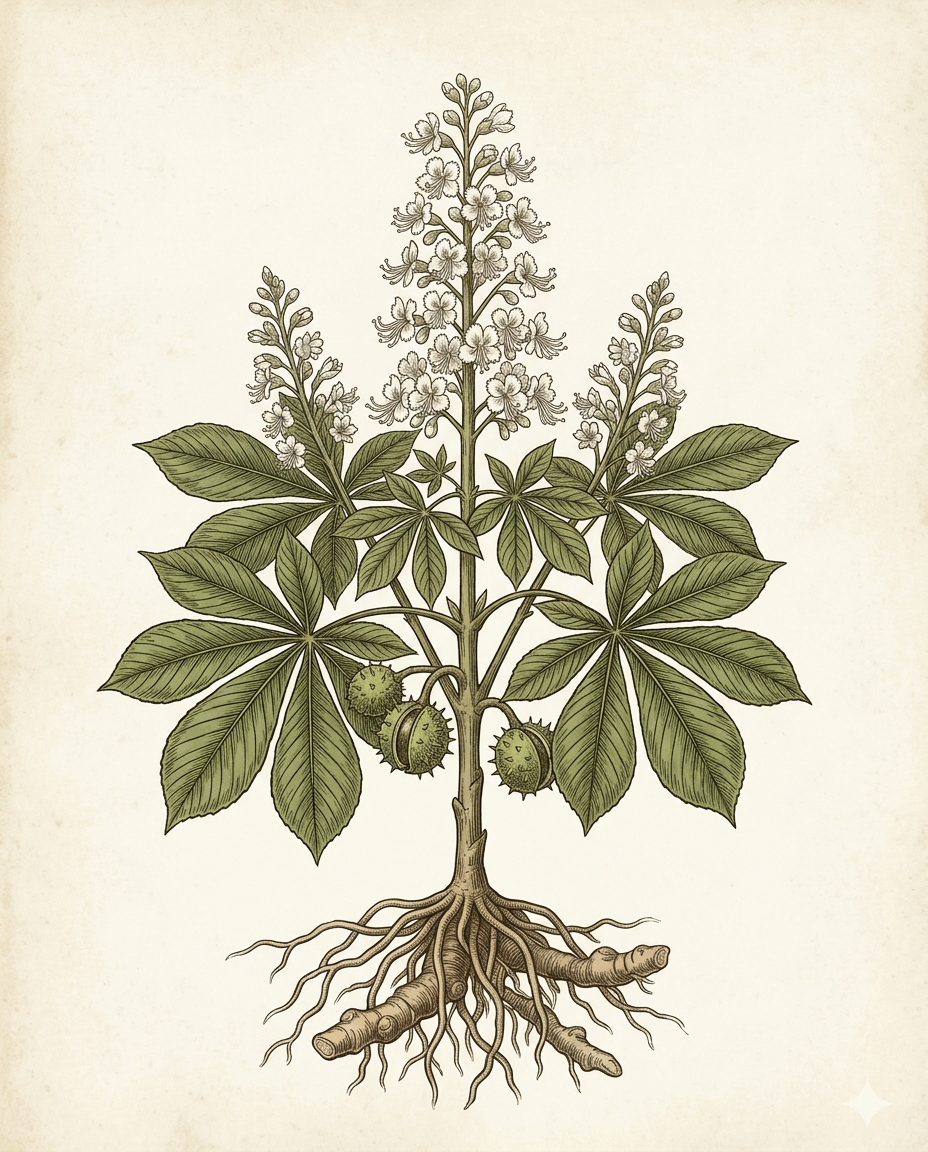

Plate IAesculus hippocastanum and A. glabra — horse chestnut, buckeye, conker tree. Palmate compound leaves, candle flower-spikes, spiny seed husks. ASPCA toxic — aesculin.
Three plants that look the part, without the risk.
Garden and park trees that are ASPCA-safe — the cat-friendly alternatives if you wanted the horse-chestnut canopy form without the aesculin saponin chemistry. Also includes the true sweet chestnut, which IS safe.
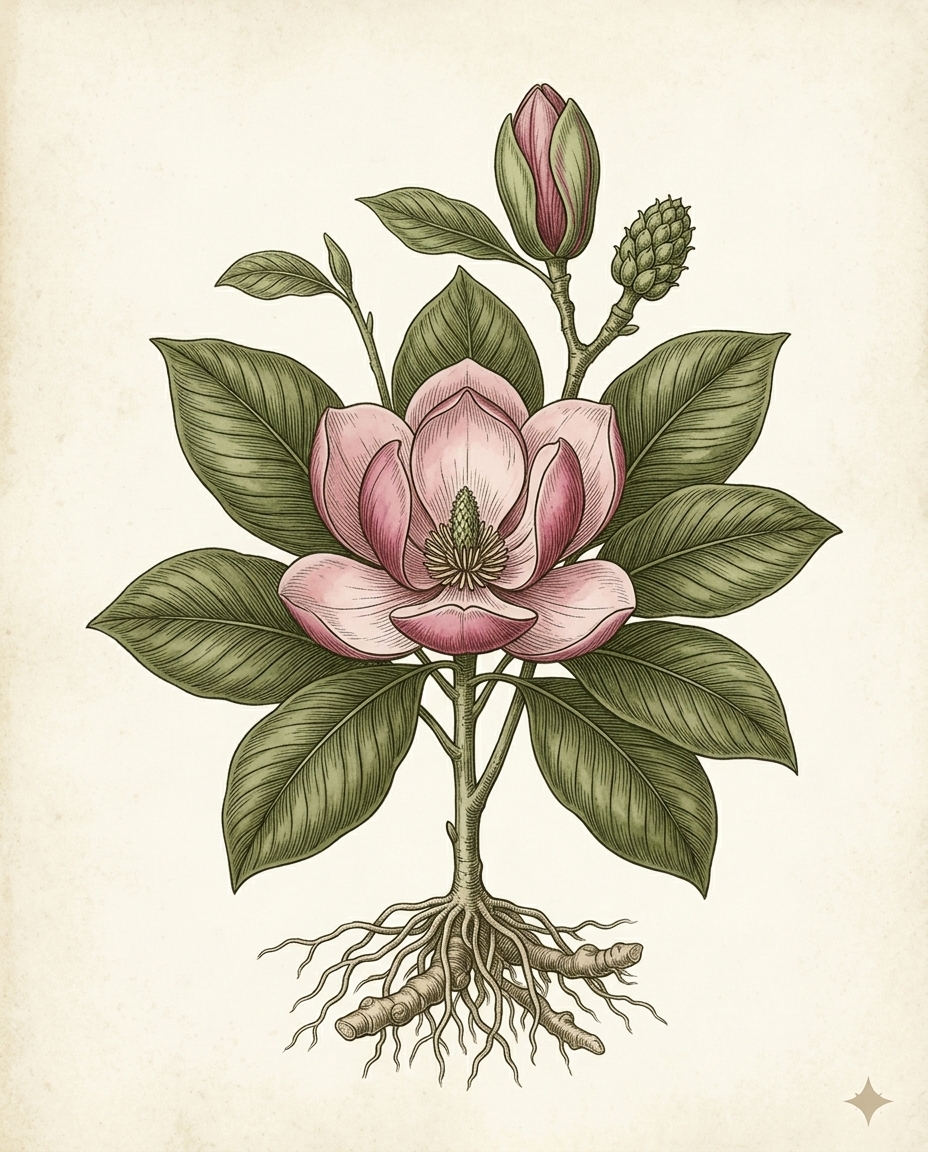
Magnolia
For a large flowering ornamental tree at ASPCA non-toxic. Different flower form, similar canopy presence.
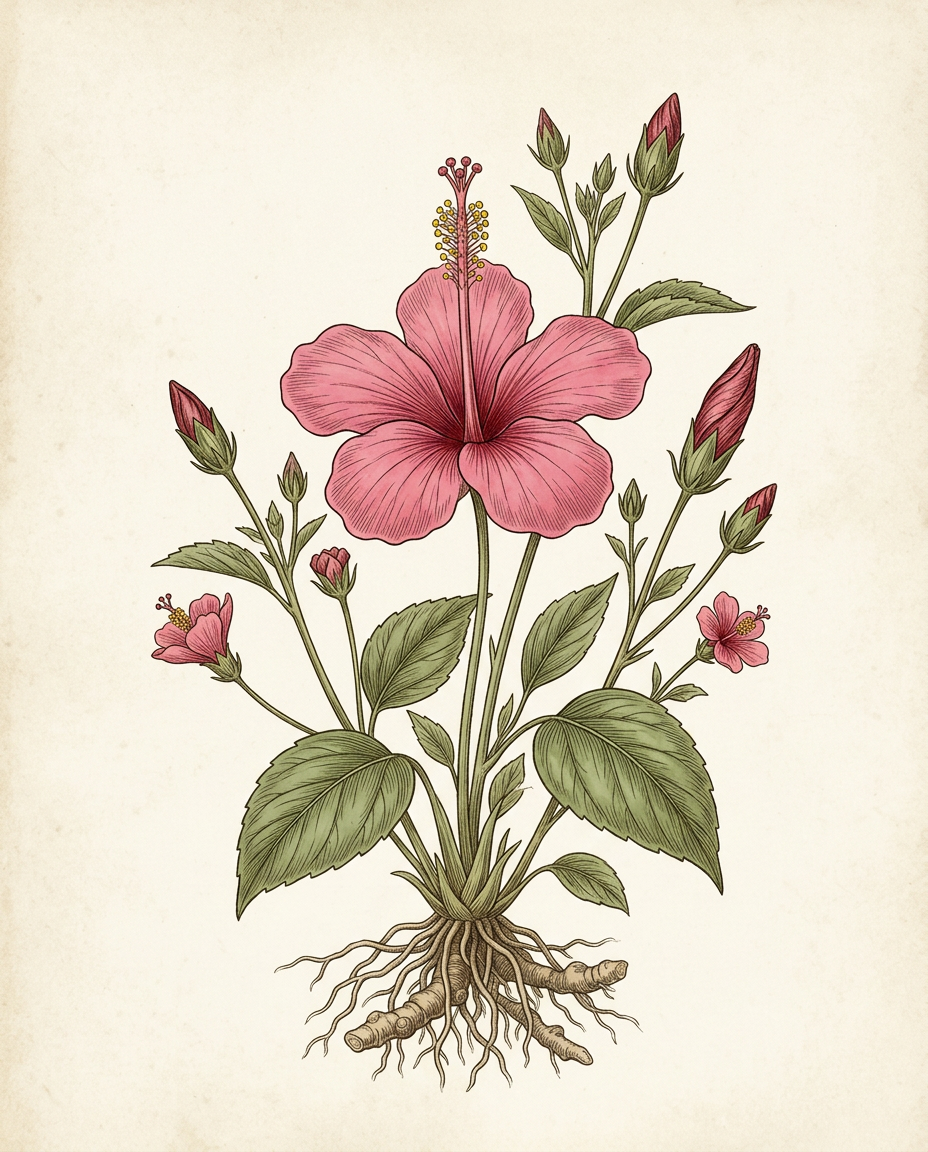
Hibiscus
For a flowering garden shrub at ASPCA non-toxic. Trumpet blooms, deciduous habit, suits the back-of-border placement.
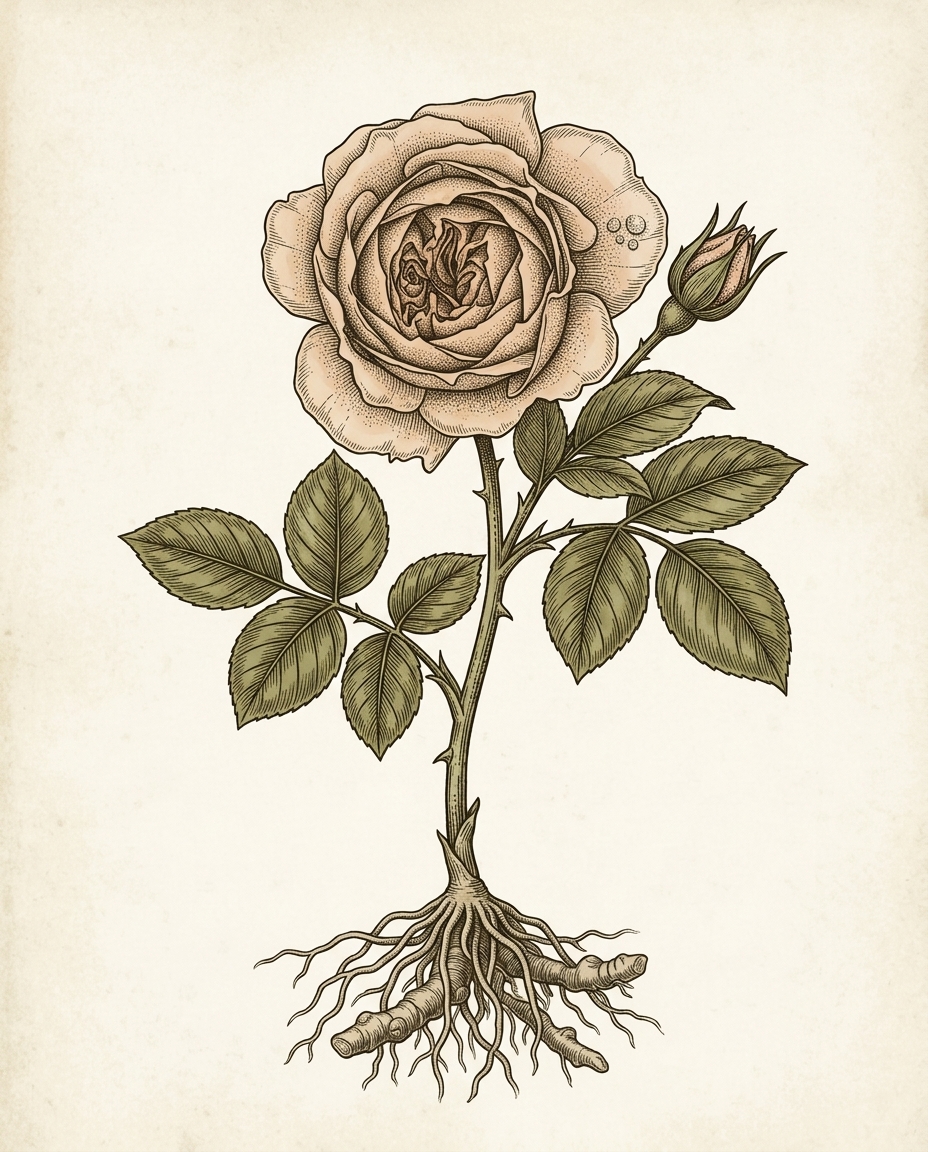
Rose
For a classic garden anchor at ASPCA non-toxic. Climbing or shrub forms, broad cultivar range, none of the Aesculus saponins.
Why horse chestnut needs an autumn vet plan.
Yes — horse chestnuts are toxic to cats. The ASPCA lists Aesculus glabra (Buckeye, Ohio Buckeye, Fetid Buckeye, and by extension all Aesculus species) as toxic to dogs, toxic to cats, and toxic to horses. The toxic principles are aesculin (a glycosidic saponin) and other saponins. Clinical signs are severe and multi-system: severe vomiting and diarrhea, depression or excitement, dilated pupils, weakness, unsteadiness, seizures, and coma.
The ASPCA verdict, verbatim: Toxicity: Toxic to Dogs, Toxic to Cats, Toxic to Horses · Family: Sapindaceae · Additional Common Names: Buckeye, Ohio Buckeye, Fetid Buckeye · Scientific Name: Aesculus glabra · Toxic Principles: Aesculin (a glycosidic saponin), other saponins · Clinical Signs: Severe vomiting and diarrhea, depression or excitement, dilated pupils, weakness, unsteadiness, depression, seizures, coma.
Which Aesculus species this covers
ASPCA's entry names Aesculus glabra (the North American Ohio Buckeye) as the canonical species. The same aesculin saponin and the same clinical signs apply across the entire Aesculus genus:
- European horse chestnut (Aesculus hippocastanum) — the conker tree of parks across the UK and Europe. Identical toxicology.
- Ohio Buckeye (Aesculus glabra) — ASPCA's named species, common in the American Midwest.
- California Buckeye (Aesculus californica) — West Coast equivalent.
- Red Buckeye (Aesculus pavia) — ornamental species sometimes planted in gardens.
- Yellow Buckeye (Aesculus flava) — large North American forest tree.
If you have an Aesculus tree on your property or near a cat-roaming area, the toxicity question is settled. All Aesculus species share the chemistry.
The conker risk — autumn is the hazardous season
The single most realistic exposure scenario is conker ingestion in autumn. The shiny brown round seeds drop from horse chestnut trees from late summer through autumn, land on lawns and footpaths, and look exactly like toys — kids collect them, dogs and cats investigate them. Each conker is a self-contained dose:
- A single conker contains enough aesculin to cause severe GI signs in a cat.
- Conkers are also a mechanical obstruction risk — large, smooth, round, the right size to lodge in the small intestine of a cat. Surgical removal is sometimes required even when the toxic exposure is treated.
- The seeds remain toxic and obstructive even after they brown and dry — autumn lawns and winter park-floors are equally hazardous.
If you walk a cat (some indoor-outdoor cats do roam under supervision) or have an indoor-outdoor cat with access to a park or garden with horse chestnut trees, treat autumn as cat-hostile until the conkers have been cleared.
The sweet chestnut name trap
The single most important disambiguation on this page is horse chestnut versus sweet chestnut:
- Horse chestnut (this page) — Aesculus, family Sapindaceae. TOXIC. Spiny green husks contain shiny brown non-edible round seeds (conkers).
- Sweet chestnut — Castanea sativa, family Fagaceae. ASPCA non-toxic. Spiny green husks contain edible mahogany-brown pointed-shape nuts (the chestnuts roasted at Christmas markets).
They are unrelated trees in unrelated botanical families that ended up sharing the "chestnut" common name. From a distance the spiny seed husks look superficially similar but the seeds inside are different shapes, sizes, and edibility. Always identify the tree before letting a cat near a fallen nut.
Severity framing — when to call the vet
There is no nibble-and-watch tier for horse chestnut ingestion. The clinical signs ASPCA lists are severe:
- Any suspected conker or leaf ingestion — call your vet or the ASPCA Animal Poison Control Center at 888-426-4435 (95 dollar consultation) immediately. Do not wait for symptoms.
- Within 1 to 2 hours of ingestion — decontamination (induced vomiting, activated charcoal) is most effective. Earlier is better.
- Severe vomiting, diarrhea, dilated pupils, seizures, or unsteadiness — emergency vet visit, not phone consult.
- Whole-conker ingestion — radiograph or ultrasound may be indicated to check for intestinal obstruction, even if toxic signs are controlled.
Cat-safe alternatives for the horse-chestnut canopy role
If you have a property choice for a large flowering or shade tree and want a safer option than horse chestnut:
- Magnolia — ASPCA non-toxic, large flowering ornamental.
- Sweet chestnut (Castanea sativa) — ASPCA non-toxic. The actual edible chestnut. Different family entirely.
- Maple — most Acer species are non-toxic to cats (red maple is toxic to horses but not specifically to cats). Similar canopy form.
Avoid planting horse chestnut, oleander, azalea, or rhododendron on cat-accessible property. For the full toxic landscape see toxic plants for cats and for safer options cat-safe plants.
What we have actually seen.
Severe GI signs
ASPCA lists severe vomiting and diarrhea as the leading clinical signs. Onset within hours of meaningful ingestion. Worth noting the word severe — this is not mild-tier GI toxicity.
Neurological signs
ASPCA flags depression or excitement, dilated pupils, weakness, unsteadiness, seizures, and coma. The breadth of the neurological list is what puts horse chestnut in the moderate-severe tier rather than the GI-only mild tier.
Conkers look like toys
The shiny brown autumn seeds (called conkers in the UK, buckeyes in the US) are the highest-risk part — kids play with them, they collect on lawns and walking paths, cats and dogs investigate them. Each conker is a self-contained dose.
Sweet chestnut confusion
True sweet chestnut (Castanea sativa, Fagaceae) is the safe roasting nut — different tree, different family, ASPCA non-toxic. The name overlap is unfortunate. Horse chestnut and sweet chestnut are unrelated.
- ASPCA Animal Poison Control Center. Toxic and Non-Toxic Plants: Horse Chestnut.Accessed June 2026 · aspca.org · Aesculus glabra (Buckeye, Ohio Buckeye, Fetid Buckeye) · Toxic to Dogs, Toxic to Cats, Toxic to Horses · Family Sapindaceae · Toxic Principles: Aesculin (a glycosidic saponin), other saponins · Clinical Signs: Severe vomiting and diarrhea, depression or excitement, dilated pupils, weakness, unsteadiness, depression, seizures, coma
- Royal Horticultural Society. Aesculus hippocastanum (European Horse Chestnut).Same toxin (aesculin), same clinical picture as A. glabra. ASPCA's North-American-centred entry covers Ohio Buckeye but the toxicology applies to all Aesculus species including the European horse chestnut commonly grown for conkers