Rhododendron
Rhododendron spp.
Rhododendron is toxic to cats per the ASPCA. Grayanotoxin in every part causes vomiting, weakness, cardiovascular collapse, and death — a few leaves can be life-threatening. Same plant and same toxin as azalea — just different size.
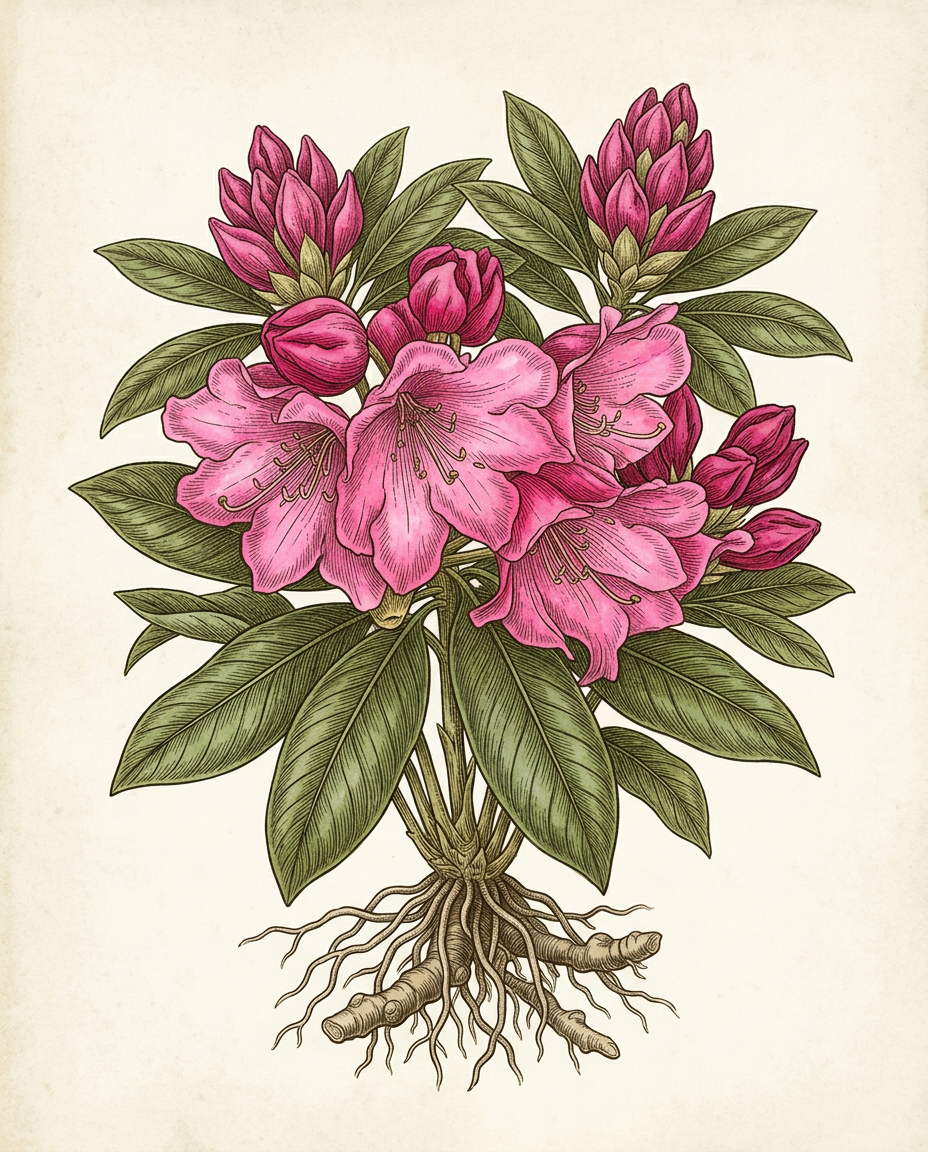

Plate IRhododendron spp. — large evergreen woodland shrub. Clusters of funnel-shaped pink, purple, or white flowers above leathery dark green leaves on woody stems. ASPCA toxic — grayanotoxin in every part.
Three plants that look the part, without the risk.
Same flowering-shrub woodland-garden aesthetic without the grayanotoxin chemistry — these ASPCA-safe substitutes give rhododendron's evergreen-bloom drama at safer scale.
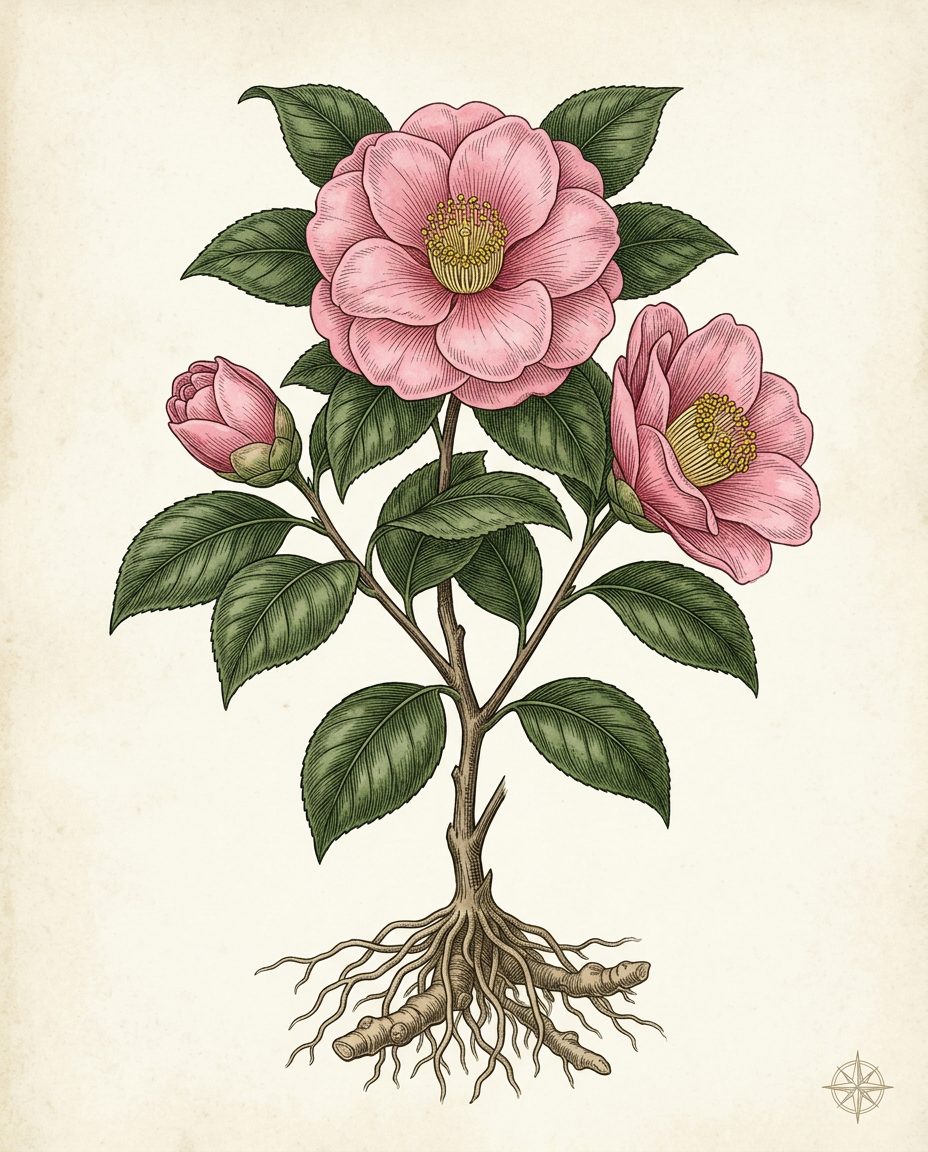
Camellia
For a large evergreen flowering shrub at ASPCA non-toxic. Winter to early-spring bloom rather than late-spring, broadly similar in role and scale.
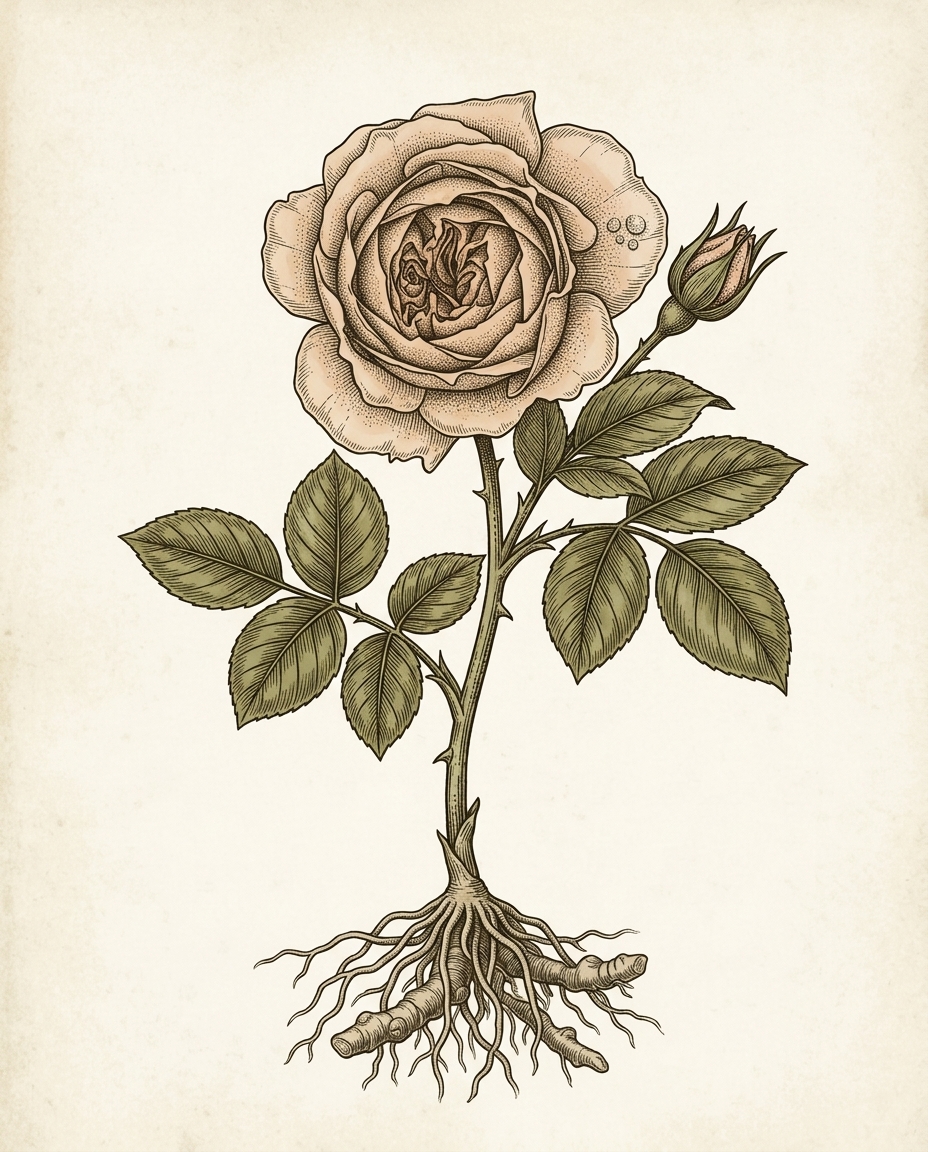
Rose
Classic flowering garden shrub at ASPCA non-toxic. Deciduous rather than evergreen but the same garden-statement function.
Lilac
For a large flowering shrub with strong scent at ASPCA non-toxic. Spring bloom, fragrant, attractive border plant.
Why rhododendron is one of the most dangerous garden shrubs.
Yes — rhododendrons are toxic to cats per the ASPCA, and seriously so. The ASPCA lists Rhododendron spp. (rhododendron, rosebay, azalea) as toxic to cats, dogs, and horses. The toxic principle is grayanotoxin (ASPCA's spelling: 'Grayantoxin').
The ASPCA verdict, verbatim — and note the explicit threshold language at the end: Toxicity: Toxic to Dogs, Toxic to Cats, Toxic to Horses · Toxic Principles: Grayantoxin · Clinical Signs: Vomiting, diarrhea, hypersalivation, weakness, coma, hypotension, CNS depression, cardiovascular collapse and death. Ingestion of a few leaves can cause serious problems.
Rhododendron and azalea — same genus, same toxin
Botanically, all azaleas are rhododendrons, but not all rhododendrons are azaleas. The horticultural convention is:
- Rhododendron — typically the larger, evergreen, bigger-leafed species with bolder flower clusters. The classic woodland-garden statement shrub.
- Azalea — typically the smaller, often deciduous, more compact species with smaller flowers and lighter leaves.
Both contain grayanotoxin in every part — leaves, flowers, stems, pollen, and (notoriously) nectar. ASPCA maintains separate entries for Rhododendron and Azalea because owners search both names, but the cat-safety verdict is identical. See our azalea page for the alternate framing.
Grayanotoxin — sodium channels held open
Grayanotoxin is a diterpene compound that binds voltage-gated sodium channels on nerve and muscle cells and prevents them from closing. The result is sustained depolarisation — repeated, uncontrolled firing of action potentials. The clinical signs follow the tissue distribution of the affected channels:
- Mucosal and GI (hours) — vomiting, diarrhea, hypersalivation.
- Neuromuscular (hours) — weakness, ataxia, tremors. ASPCA's "CNS depression" reflects the eventual exhaustion of nerve firing.
- Cardiac (hours) — bradycardia, hypotension, arrhythmia, and in severe cases full cardiovascular collapse.
There's no specific antidote. Treatment is decontamination (if recent), activated charcoal, IV fluid support, cardiac monitoring, and atropine or other supportive medications for bradycardia / hypotension as needed.
The threshold problem
The reason rhododendron sits in the serious-tier alongside oleander and lily of the valley is the threshold: ASPCA explicitly says "ingestion of a few leaves can cause serious problems." That's an unusual specificity — most ASPCA entries don't give dose language. When they do, it's because the threshold is low enough to matter.
In practice, this means:
- No 'safe dose' to estimate. Even a small chew warrants a vet call.
- Don't wait for symptoms. Grayanotoxin's clinical timeline is hours; by the time a cat shows cardiac signs, the window for effective decontamination is closing.
- Bring the plant name. Vets familiar with grayanotoxin will move quickly on protocol.
Ericaceae family — the toxic neighbourhood
Rhododendron sits in Ericaceae (the heath family). Other Ericaceae of cat-safety relevance:
- Azalea (Rhododendron spp.) — same genus, same toxin. ASPCA-listed.
- Rhododendron (this page) — grayanotoxin. ASPCA-listed.
- Mountain laurel (Kalmia latifolia) — grayanotoxin. ASPCA-listed toxic.
- Pieris (Pieris japonica) — grayanotoxin. Toxic.
- Andromeda — grayanotoxin. Toxic.
- Heather (Calluna vulgaris) — generally considered non-toxic.
- Blueberries (Vaccinium spp.) — non-toxic. (The cat-safe exception in the family.)
If you're identifying a shrub and it's in Ericaceae, assume grayanotoxin until proven otherwise.
Rhododendron honey — the historical curiosity
A footnote that highlights how potent this chemistry is: rhododendron-rich nectar produces "mad honey" — historically a documented poisoning agent in Turkey, Nepal, and the Black Sea region. Bees that work rhododendron-heavy flora produce honey containing grayanotoxin at clinically meaningful concentrations. Commercial honey is blended enough that this isn't a real-world risk, but locally-sourced honey from rhododendron regions has reported grayanotoxin cases in humans. The same chemistry applies to cats — though deliberately feeding cats honey isn't recommended for unrelated reasons.
What to do if your cat ate rhododendron
This is urgent. The protocol:
- Call your vet or the ASPCA Animal Poison Control Center at 888-426-4435 ($95 consultation fee) immediately. Don't wait for symptoms.
- Bring the plant name — rhododendron, azalea, or Rhododendron. The vet toxicology workup will move faster with the ID.
- Bring a sample of the plant if you can — confirms the ID and helps the team match the symptom pattern.
- Don't induce vomiting at home unless your vet directs. A cat that's already symptomatic has aspiration risk.
- Treatment is decontamination (induced emesis under vet supervision if recent), activated charcoal, IV fluids, ECG monitoring, and supportive care including atropine for bradycardia. Most cats recover with prompt treatment; delayed treatment is the deciding factor in fatal outcomes.
Where rhododendron sits in the toxic landscape
For severity context:
- Same tier — life-threatening cardiac risk: rhododendron, azalea, oleander, lily of the valley, foxglove, lenten rose / hellebore, periwinkle.
- Above this — kidney failure: true lilies (Lilium / Hemerocallis). The other "any-ingestion-is-emergency" category.
- Below this — irritant tier: buttercup, clematis, pothos, alocasia — painful, treatable, rarely systemic.
For the full toxic landscape see toxic plants for cats. For garden-shrub alternatives at ASPCA non-toxic see safe plants for cats.
What we have actually seen.
GI signs early
Vomiting, diarrhea, and hypersalivation per ASPCA. Onset within a few hours of ingestion. The first clinical sign in most cases.
Weakness and CNS depression
ASPCA explicitly lists weakness and CNS depression. The cat looks dull, hides, walks unsteadily. Grayanotoxin's effect on sodium channels in skeletal muscle and nerves produces tremors, ataxia, and lethargy.
Hypotension and cardiovascular collapse
The killing mechanism. Grayanotoxin opens cardiac sodium channels and disrupts heart rhythm. ASPCA's symptom list ends 'cardiovascular collapse and death' — this is not hyperbole. Bradycardia, severe hypotension, and arrhythmia develop over hours.
Coma
ASPCA lists coma as a clinical sign. Severe systemic toxicity, neurological compromise. Indicates a high dose or delayed treatment — a vet emergency.
- ASPCA Animal Poison Control Center. Toxic and Non-Toxic Plants: Rhododendron.Accessed June 2026 · aspca.org · Rhododendron spp. (Rosebay, Azalea) · Toxic to cats, dogs, horses · Toxic Principles: Grayantoxin · Clinical Signs: Vomiting, diarrhea, hypersalivation, weakness, coma, hypotension, CNS depression, cardiovascular collapse and death. Ingestion of a few leaves can cause serious problems
- ASPCA Animal Poison Control Center. Toxic and Non-Toxic Plants: Azalea.Sibling ASPCA entry for the same Rhododendron genus under the small-flowered common name
- Pet Poison Helpline. Grayanotoxin (Ericaceae) toxicosis in companion animals.Clinical reference · sodium channel mechanism and supportive care