Buttercup
Ranunculus spp.
Buttercups are toxic to cats per the ASPCA. Protoanemonin (the same irritant in clematis) causes mouth ulcers, drooling, vomiting, and a wobbly gait. Lawn and meadow risk for outdoor cats.
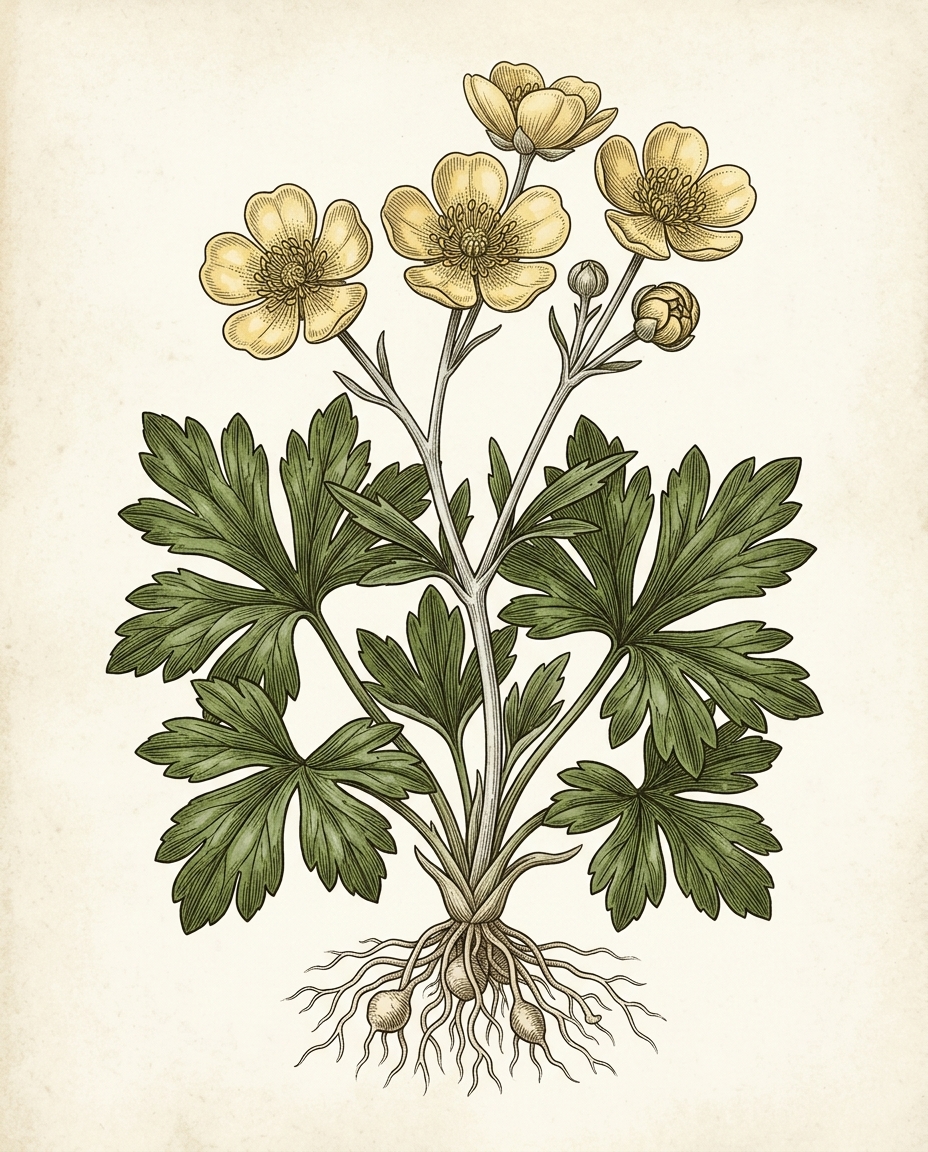
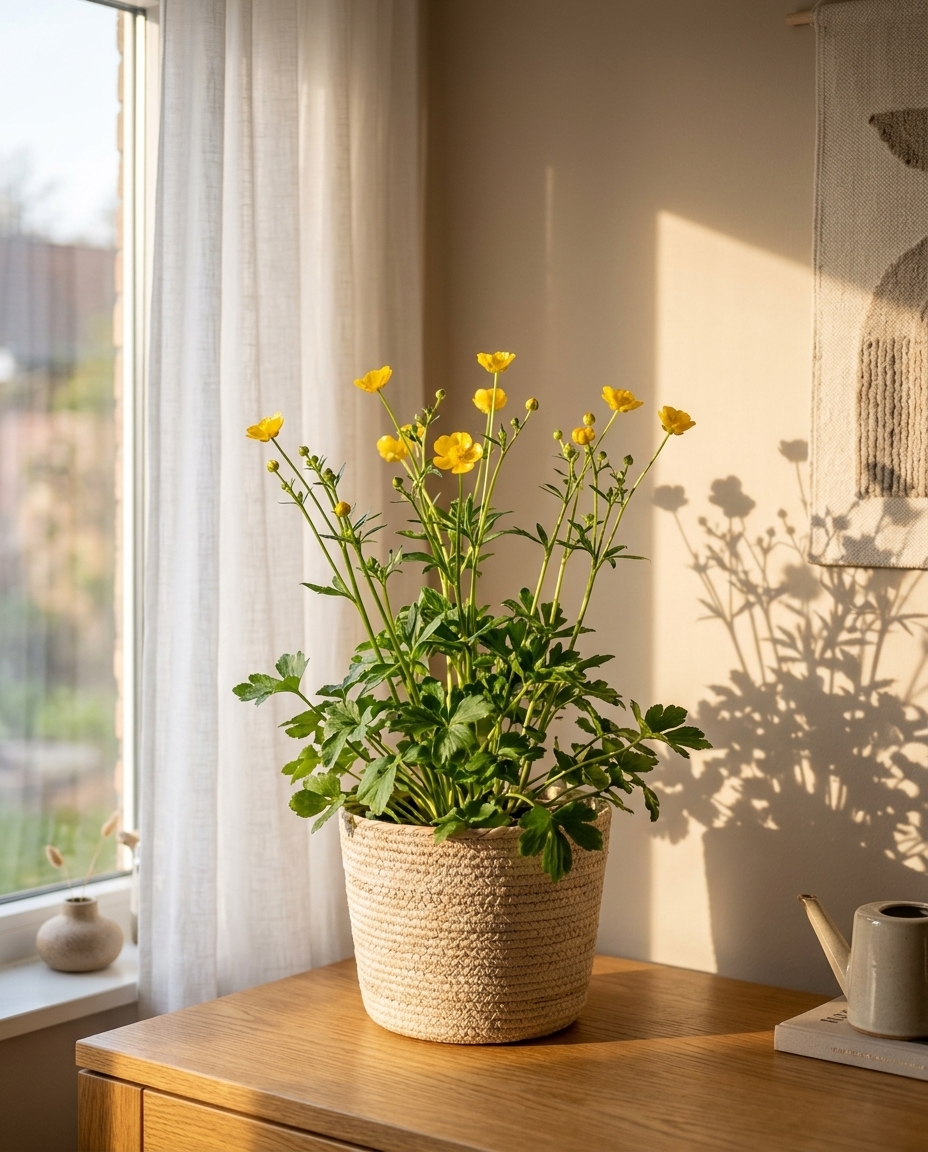
Plate IRanunculus spp. — common buttercup. Glossy five-petalled yellow flowers above deeply lobed green leaves on slender stems. ASPCA toxic — protoanemonin, an irritant in the fresh sap.
Three plants that look the part, without the risk.
Same cheerful yellow-flower aesthetic for a lawn or border without the protoanemonin chemistry — these ASPCA-safe substitutes give buttercup's pop of yellow without the risk.
Marigold (pot marigold)
For golden-yellow garden colour at ASPCA non-toxic. Cottage-garden classic with a much wider flower form than buttercup.
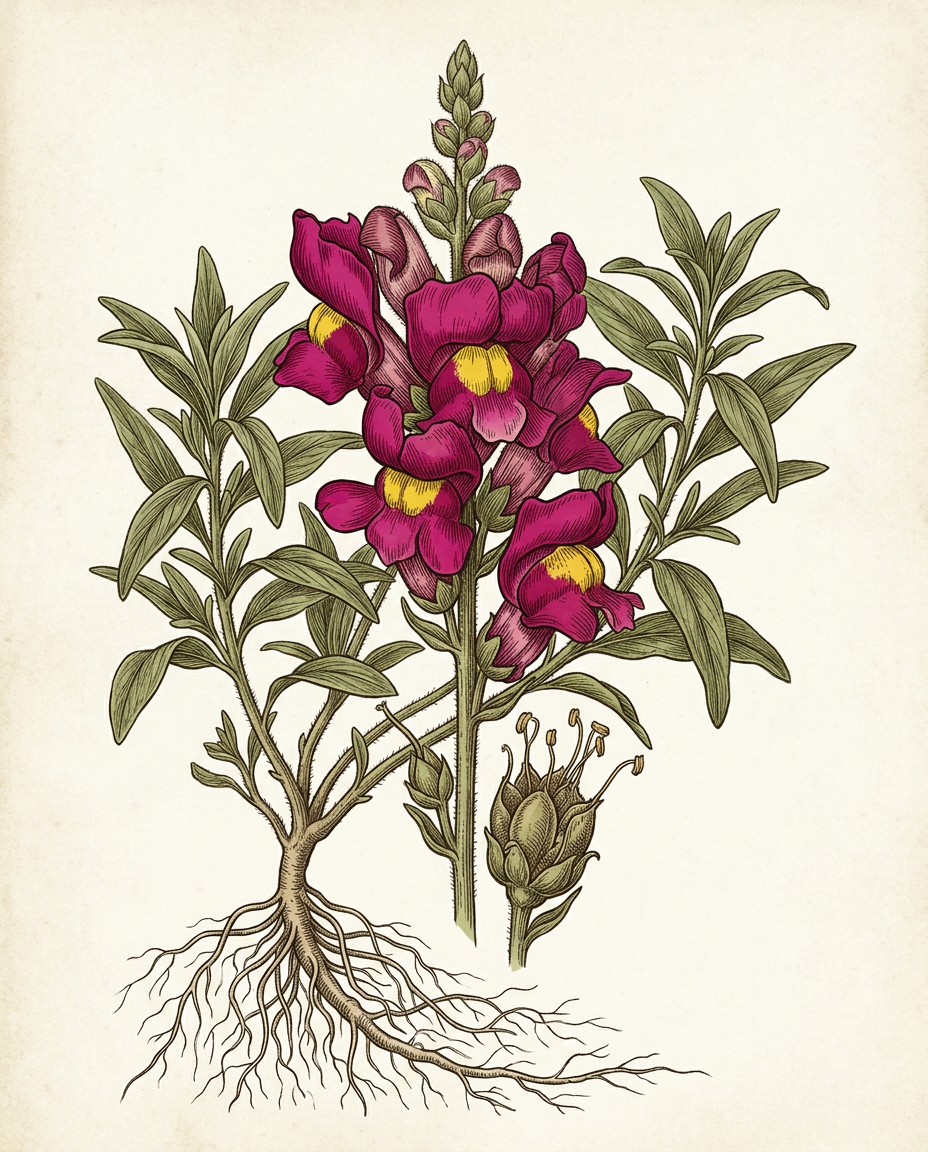
Snapdragon
For lawn-edge colour in any palette including bright yellow at ASPCA non-toxic. Vertical habit, very different look from buttercup.
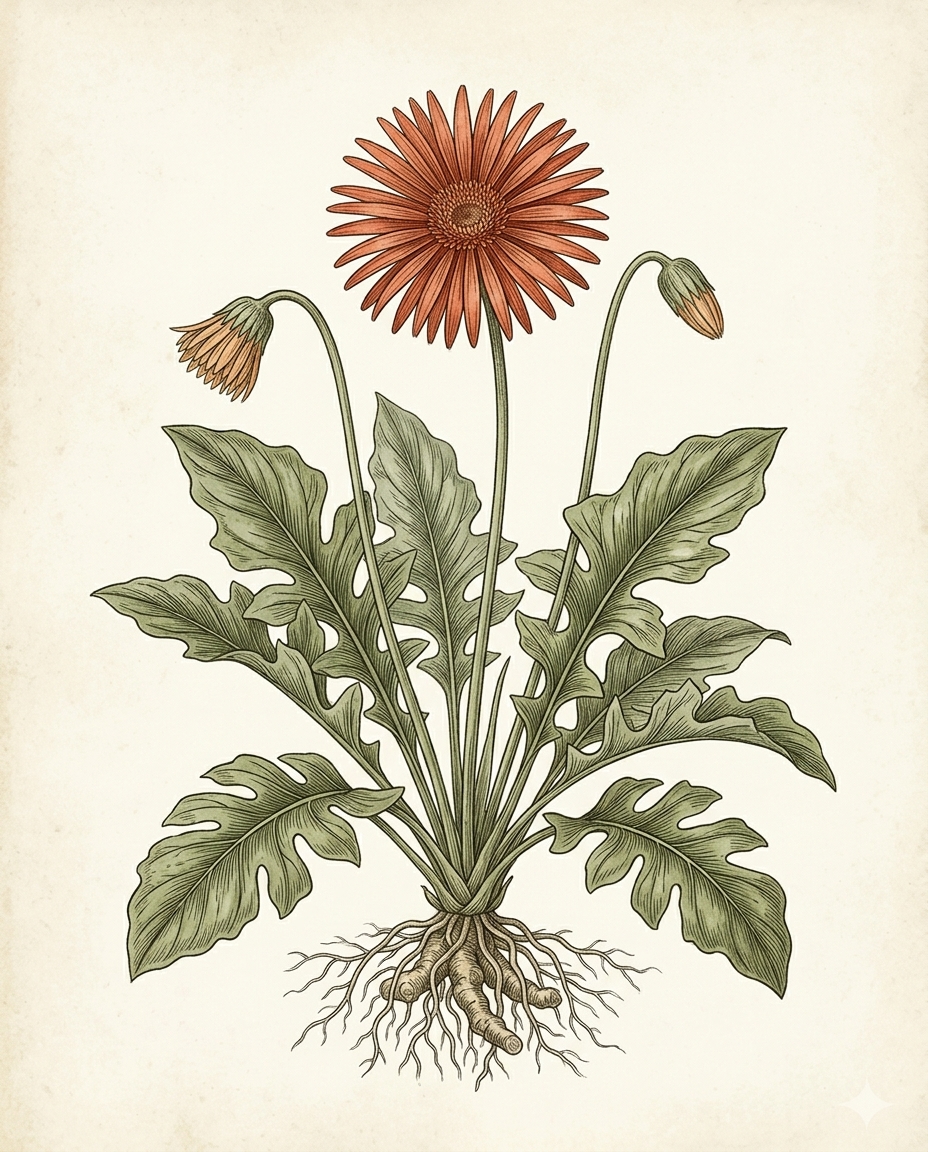
Gerbera daisy
For a bold flat-face yellow bloom at ASPCA non-toxic. Container or border use.
How buttercups poison a cat — and how to react.
Yes — buttercups are toxic to cats per the ASPCA. The ASPCA lists Ranunculus spp. (buttercup, butter cress) as toxic to cats, dogs, and horses. The toxic principle is protoanemonin, an irritant released from a precursor (ranunculin) when the plant is bruised or chewed.
The ASPCA verdict, verbatim: Toxicity: Toxic to Dogs, Toxic to Cats, Toxic to Horses · Toxic Principles: Protoanemonin (an irritant) · Clinical Signs: Vomiting, diarrhea, depression, anorexia, hypersalivation, oral ulcers and wobbly gait.
Protoanemonin — irritant in the fresh sap
The buttercup family (Ranunculaceae) is built around a shared chemistry that produces toxicity on bruising. Intact cells contain ranunculin, an inert glycoside. When the plant is chewed, cut, or crushed, enzymatic action releases protoanemonin — a small unstable molecule with sharp irritant properties on mucous membranes.
Two practical consequences:
- The damage is fast. A cat that bites a fresh buttercup stem experiences mouth irritation within minutes — drooling, head-shaking, refusal of food. The sap is doing the work directly on contact.
- Dried plant material is much less dangerous. Protoanemonin polymerises within hours into anemonin, an inert dimer. Hay containing dried buttercup is largely a non-issue compared to the live plant. The wet spring growth is the realistic hazard.
What it actually looks like in a cat
The ASPCA clinical-signs list reads like a stepwise progression as the dose increases:
- Hypersalivation, oral ulcers — the contact irritation. Pink or reddened gums, sometimes shallow ulcers on the tongue or inside the lips, drool soaking the chin.
- Vomiting, diarrhea — once sap is swallowed. Usually within an hour or two of chewing.
- Anorexia, depression — the cat hides, refuses food, looks generally unwell. Both pain and mild systemic effects.
- Wobbly gait — the neuro sign ASPCA specifically lists. Less common, more dramatic. Indicates a meaningful systemic dose.
Most cases stay in the first two rows of that list. Fatalities from buttercup ingestion in cats are rare; the bitter sap usually puts cats off after the first bite.
Same toxin family as clematis and hellebore
Buttercups are the namesake of Ranunculaceae, a family unified by the protoanemonin chemistry. Important relatives on the cat-safety list:
- Buttercup (Ranunculus spp.) — toxic, protoanemonin. ASPCA-listed.
- Clematis — toxic, same protoanemonin. ASPCA-listed.
- Lenten rose / hellebore (Helleborus spp.) — toxic, but with bufadienolide cardiac glycosides layered on top of the irritant base. Much more serious.
- Anemone, delphinium / larkspur, monkshood (Aconitum) — all family members, all toxic, ranging from irritant-only to outright deadly.
If you're identifying a wildflower and it sits in Ranunculaceae, assume toxic and look up the specific species.
Where buttercups show up — and what to do about it
Buttercups are an outdoor / lawn / meadow problem, not a houseplant problem. Common scenarios:
- Outdoor cats grazing in unkempt lawns. Ranunculus repens (creeping buttercup) is a common lawn weed and the most likely realistic exposure. Mowing keeps it short but doesn't eliminate it.
- Pasture and meadow access. Cats roaming in fields or roadside verges in spring will encounter dense buttercup patches.
- Cut wildflower bouquets. Less common, but spring meadow arrangements sometimes include buttercups; the cut stems still bleed irritant sap.
If you find your cat with a chewed buttercup stem:
- Rinse the mouth with water. Dilutes the sap irritant. A syringe of plain water or a damp washcloth works.
- Offer food and watch. Most cats will refuse food briefly because of mouth pain.
- Call the vet within 24 hours. Pain control, anti-emetics, and a soft-food prescription will handle a typical exposure. The ASPCA Animal Poison Control Center at 888-426-4435 ($95 consultation fee) can talk you through severity.
- Watch for the wobbly gait. If neuro signs appear, that's a meaningful systemic dose — go to the vet promptly.
How it ranks against other lawn toxins
Buttercup is a moderate hazard — painful, treatable, rarely fatal. For perspective on the same outdoor exposure landscape:
- Lily of the valley — deadly. Cardiac glycosides. Any ingestion is a vet emergency. (Different family, different chemistry, listed for outdoor-lawn contrast.)
- Daffodil — toxic, bulb is the worst part.
- Tulip — toxic, again bulb-concentrated.
- Buttercup — moderate. Oral irritation and GI signs.
- Dandelion, clover — safe.
For the full outdoor contrast, see toxic plants for cats.
What we have actually seen.
Oral ulcers and drooling
The defining first sign. Protoanemonin in the fresh sap irritates the mouth on contact — cats that bite a stem develop pink or ulcerated gums, drool, paw at the face, and refuse food. Onset within minutes of chewing.
Vomiting and diarrhea
GI irritation follows once the sap is swallowed. Vomiting within hours, sometimes with blood-tinged saliva. Diarrhea may persist for a day.
Wobbly gait and depression
ASPCA explicitly lists 'wobbly gait' and 'depression' alongside the GI signs — neuro effects from systemic absorption of the irritant. A buttercup-poisoned cat may look stunned, hide, and walk unsteadily.
Self-limiting in most cases
Protoanemonin is unstable — it polymerises to inert anemonin on contact with air and during digestion. Most exposures resolve within 24 to 48 hours with supportive care. The fresh-plant sap is the danger; dried buttercup hay is largely inert.
- ASPCA Animal Poison Control Center. Toxic and Non-Toxic Plants: Buttercup.Accessed June 2026 · aspca.org · Ranunculus spp. · Toxic to cats, dogs, horses · Toxic Principles: Protoanemonin (an irritant) · Clinical Signs: Vomiting, diarrhea, depression, anorexia, hypersalivation, oral ulcers and wobbly gait
- Pet Poison Helpline. Ranunculaceae plant ingestion in cats.Clinical reference · protoanemonin mechanism and supportive care
- Merck Veterinary Manual. Irritant plant toxicoses in small animals.Standard veterinary toxicology reference