Snapdragon
Antirrhinum majus
Snapdragons are non-toxic to cats per the ASPCA. The cottage-garden bedding plant and the cut-flower spike are both safe; mild GI is the only expected sign on a big chew.
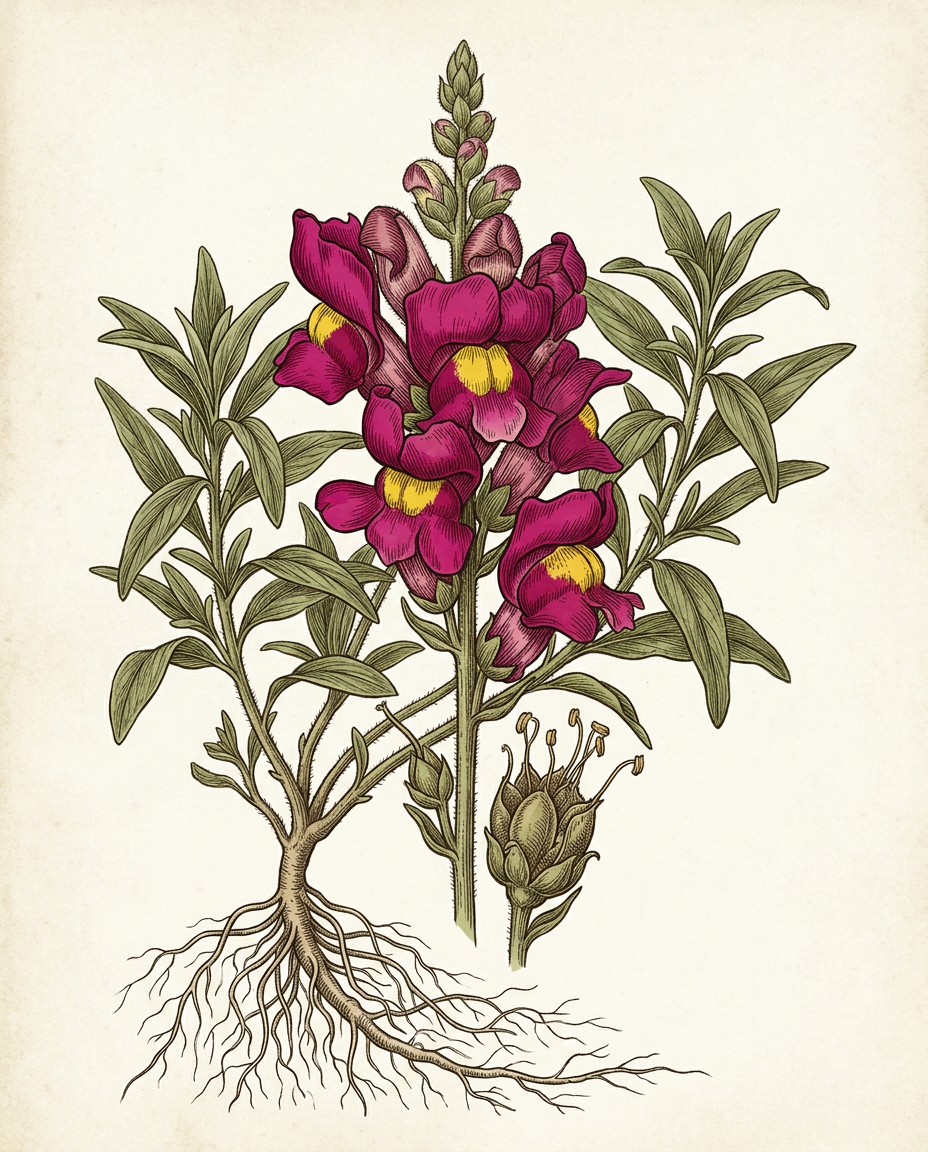
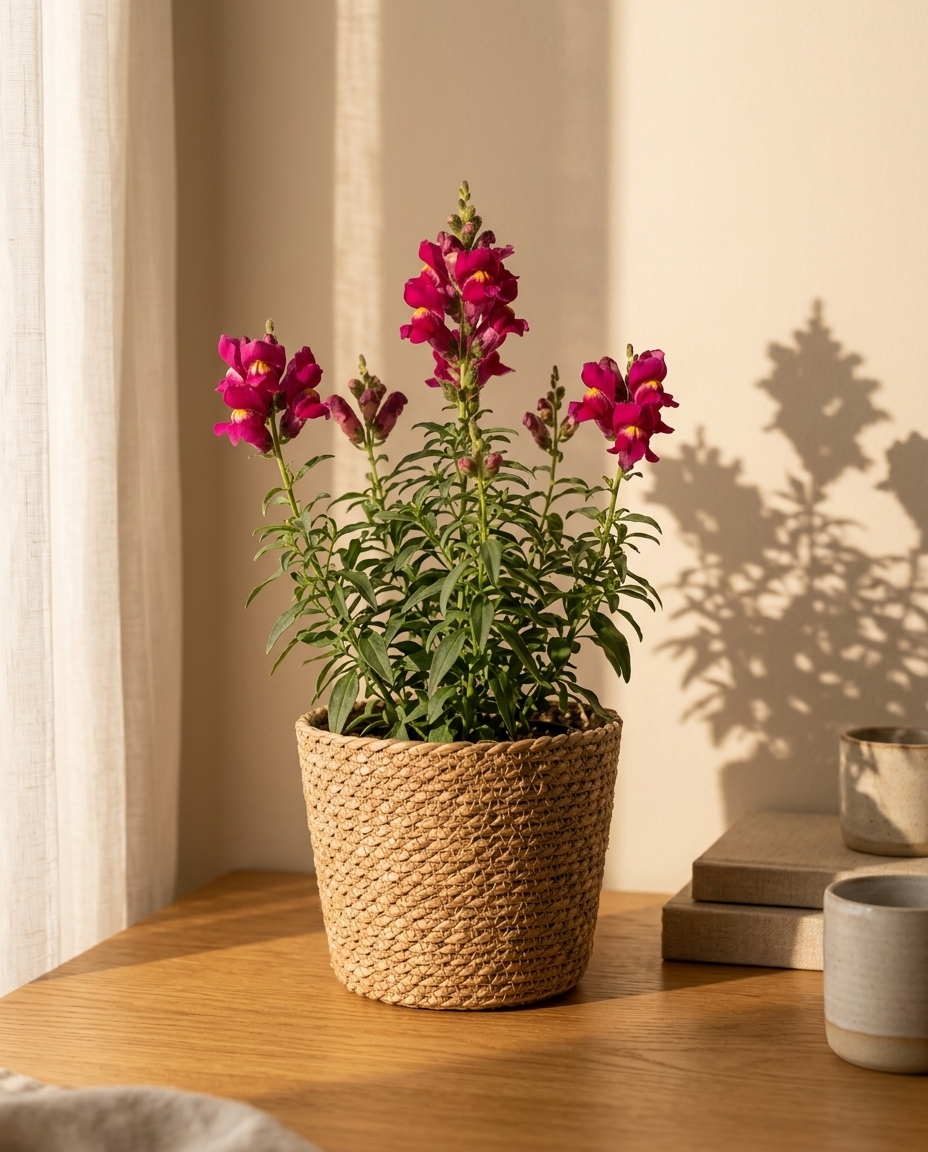
Plate IAntirrhinum majus — the common snapdragon. Tall flowering spike of pinched dragon-mouth blooms over narrow lance leaves. ASPCA non-toxic across cats, dogs, and horses.
How to grow snapdragons.
Yes — snapdragons are safe for cats. The ASPCA lists Antirrhinum majus (Common Snapdragon, also called Garden Snapdragon) as non-toxic to cats, dogs, and horses. No toxic principle is listed and no clinical signs are flagged. The whole plant — flower spike, leaves, stem — is safe to chew.
The ASPCA verdict, verbatim: Additional Common Names: Garden Snapdragon · Scientific Name: Antirrhinum majus · Family: Scrophulariaceae · Toxicity: Non-Toxic to Dogs, Non-Toxic to Cats, Non-Toxic to Horses. (Note: ASPCA's URL slug is /common-snapdragon, not /snapdragon; same plant.)
A small taxonomy note
ASPCA lists the family as Scrophulariaceae, which is what the family was called for most of the twentieth century. Modern molecular taxonomy moved Antirrhinum into Plantaginaceae (the plantain family) in the early 2000s. Both names are correct; the ASPCA entry uses the older one. The classification doesn't change the cat-safety answer either way.
Why we list it safe
Snapdragons have been studied as a model organism for plant genetics for more than a century. There is no characterised toxic principle in the plant — no glycosides, no alkaloids, no oxalates, no organosulfurs. The ASPCA non-toxic listing reflects that.
What happens if your cat chews one
In practice, nothing. The flower spike and leaves are essentially inert from a cat-toxicity standpoint. The worst likely outcome is the same mild vomiting any cat might produce after eating any plant material — not a snapdragon-specific risk. There is no need to call the vet or ASPCA APCC for a snapdragon ingestion unless your cat shows signs that don't fit the chew.
Vase water is fine from a toxicity standpoint. As with any cut-flower water, change it routinely for hygiene; that's about bacteria, not the plant.
Where snapdragons fit in a cat-safe garden
Snapdragons are cool-season bedding and cut-flower plants — spring and autumn for most climates, sometimes through winter in mild regions. They want full sun, moist soil, and average fertility. The tall Rocket series (75–90 cm) is the florist's cut-flower standard; the dwarf Snaptastic and Madame Butterfly series suit containers and the front of a border.
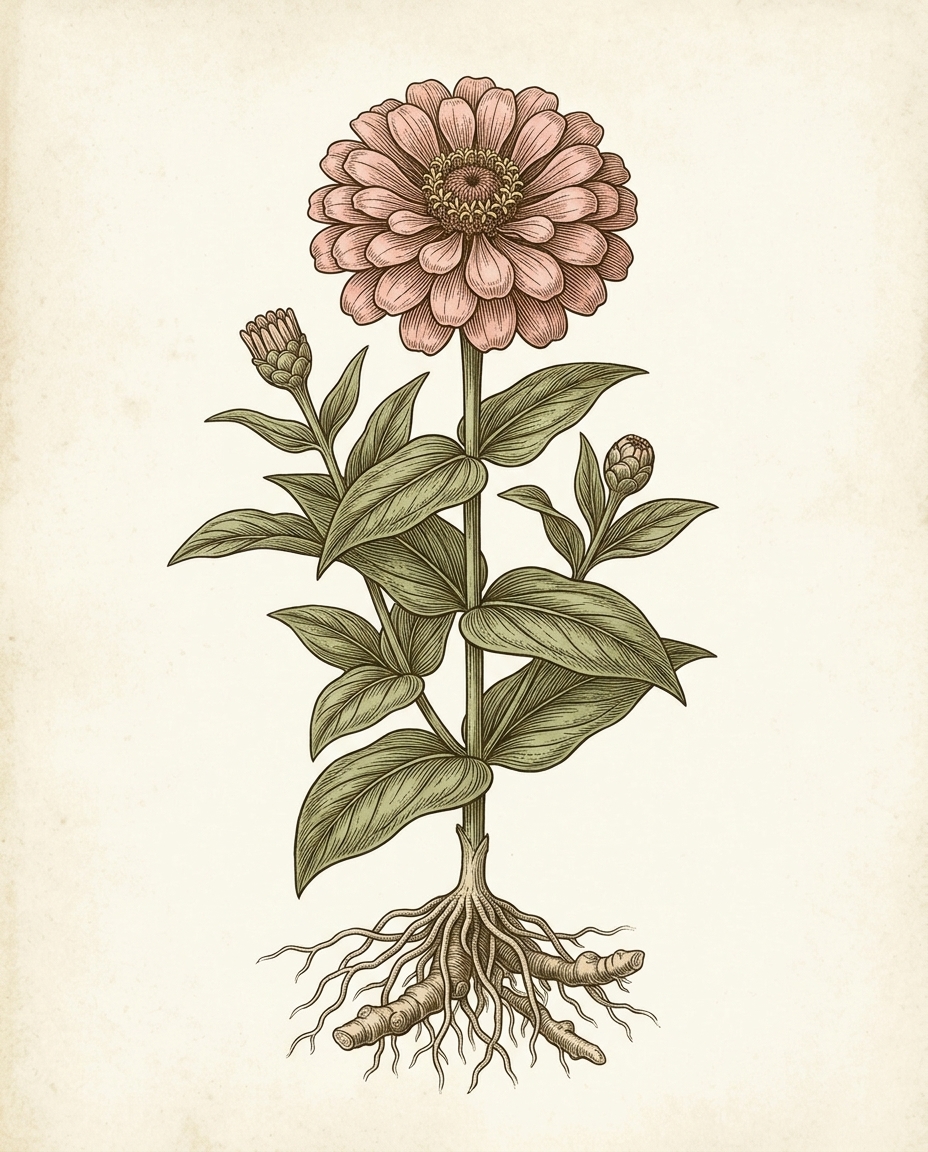
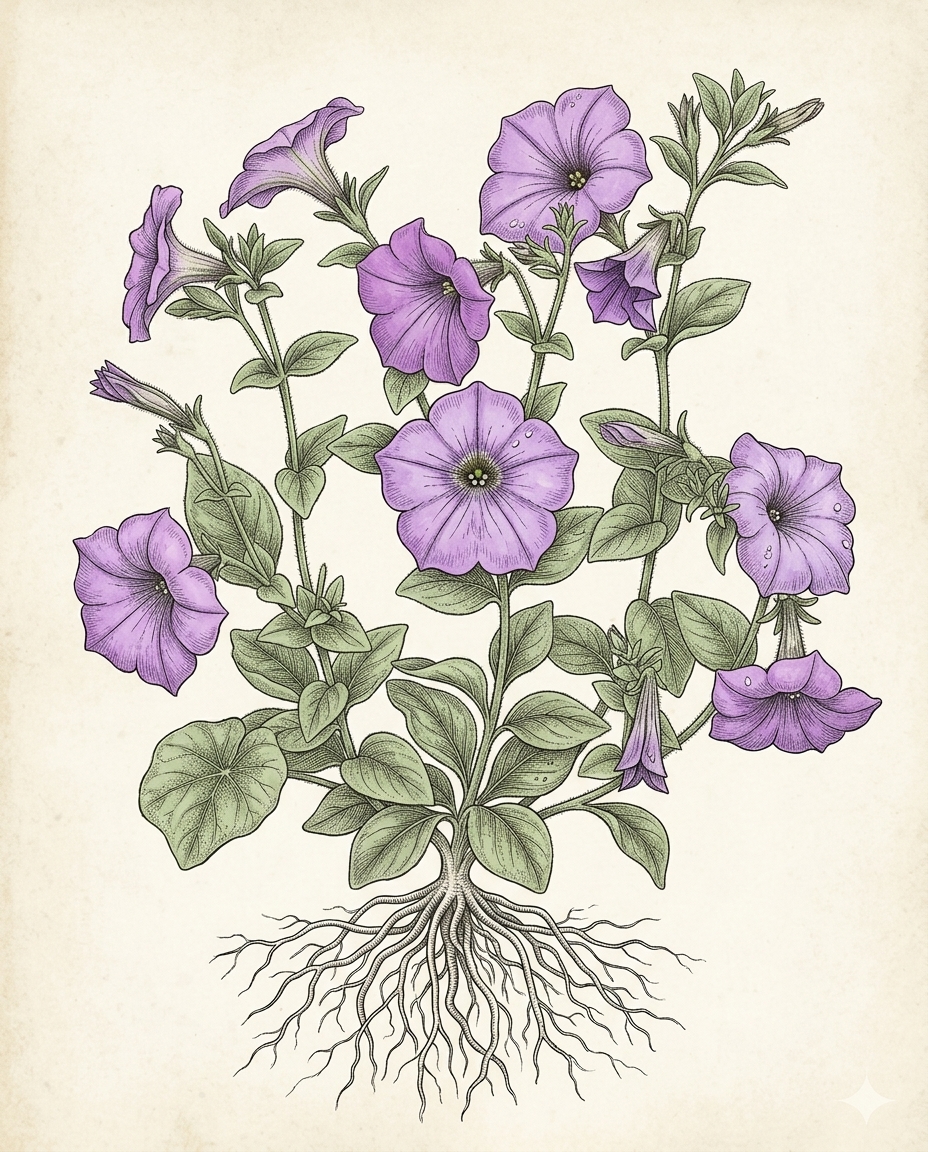
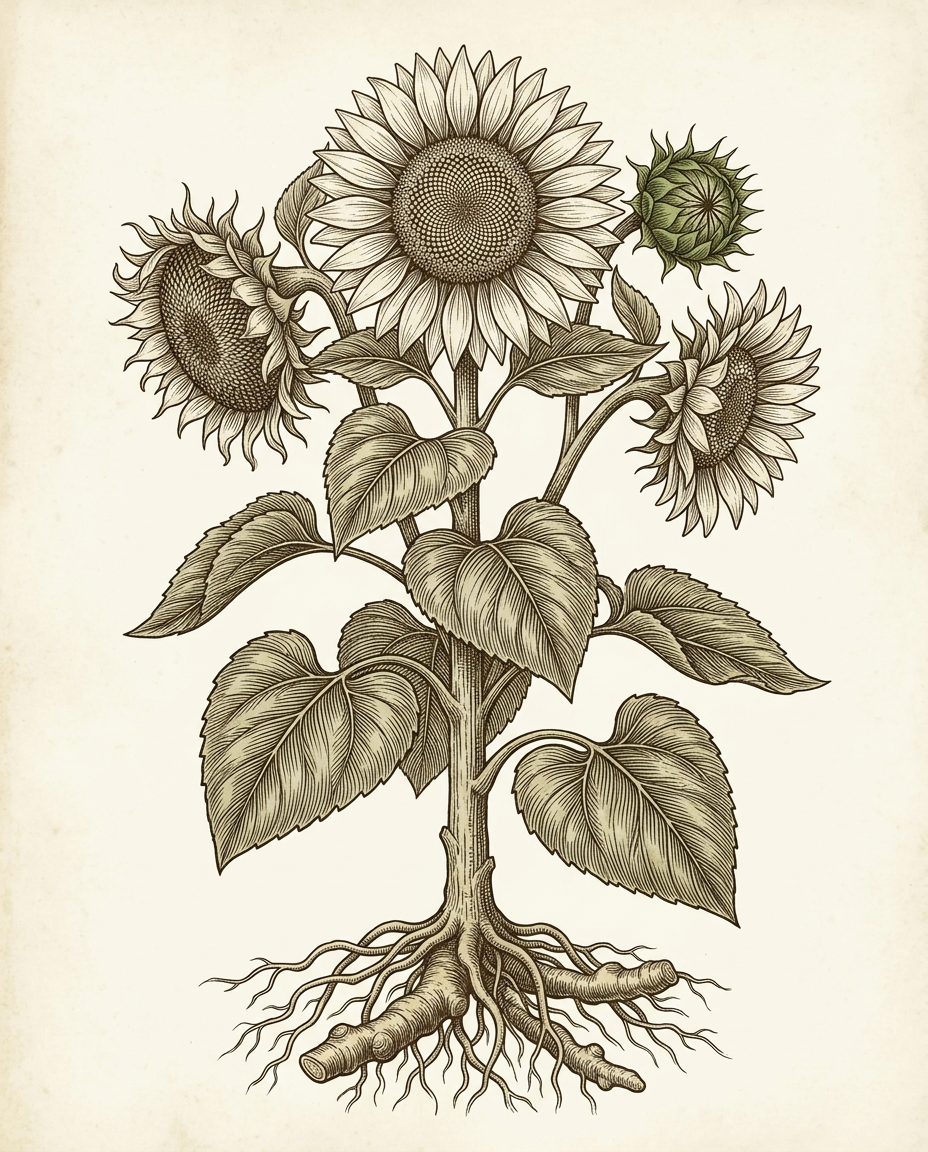
To build a safe cut-flower bunch around them, pair with other ASPCA non-toxic flowers: zinnia, sunflower, and petunia all clear the bar. The full safe-plants index lists the rest.
Disclosure
We include Amazon affiliate links on safe-plant pages. As an Amazon Associate, we earn from qualifying purchases. We never affiliate-link a plant we have not ASPCA-verified.
What we have actually seen.
Casual chewing
Cats sometimes bite at the spike or the dragon-mouth flowers. ASPCA lists no toxic principle and no clinical signs — expect nothing more than mild GI on a large ingestion.
Vase-water sips
Snapdragon vase water is unremarkable from a toxicity standpoint, but as with any cut-flower water, stagnant water in a vase can carry bacteria. Refresh routinely.
Mild GI upset
A large chew can produce vomiting that resolves on its own. Standard 'plant material' sign, not a snapdragon-specific toxicity.
Four common varieties.
Rocket series (tall cut flower)
The florist's standard — 75 to 90 cm spikes in mixed colours. Strong stems for cutting, long vase life.
Madame Butterfly (open-faced double)
Open-faced double-flowered cultivar — the "azalea-flowered" snapdragon. Heavier bloom load on tall stems.
Snaptastic series (compact bedding)
Dwarf bedding form, 25 to 30 cm tall. Good for containers and the front of a border. Same ASPCA profile as the tall types.
Keeping the plant alive.
Full sun
Snapdragons want six or more hours of direct sun for the tallest spikes and the heaviest bloom. They tolerate light afternoon shade in hot climates.
Moderate
Evenly moist soil through the growing season. Established plants tolerate brief dry spells. Avoid wetting the foliage to limit fungal issues.
Rich, well-drained
Standard garden loam with compost worked in. Snapdragons reward fertile soil with longer bloom spikes; they sulk in heavy clay or in dry sand.
Cool-season bedding
Best in spring and autumn — they slow or stop in heat. In mild climates they bloom from late winter through early summer; in hot summers they pause and resume in autumn.
- ASPCA Animal Poison Control Center. Toxic and Non-Toxic Plants: Common Snapdragon.Accessed June 2026 · aspca.org · Antirrhinum majus · Non-Toxic to cats, dogs, horses · Family: Scrophulariaceae (now Plantaginaceae) · URL slug: /common-snapdragon
- Royal Horticultural Society. Antirrhinum majus growing guide.Horticultural reference for garden + container care
If you liked this, also safe.