Dahlia
Dahlia spp.
Dahlias are non-toxic to cats per the ASPCA. The late-summer cut-flower star — Dinnerplate, Pompon, Cactus, all of them — is one of the genuinely safe options for bouquets and gardens in a cat household.
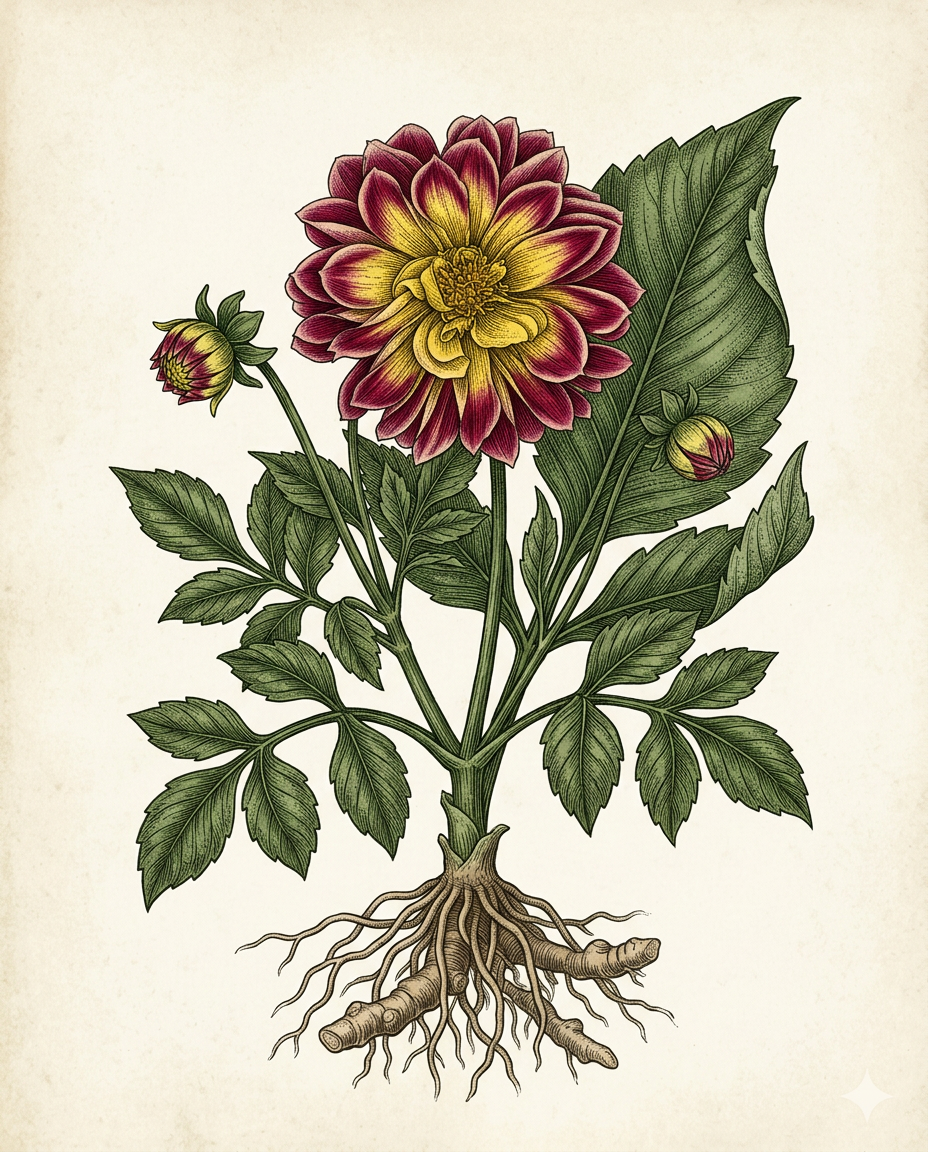
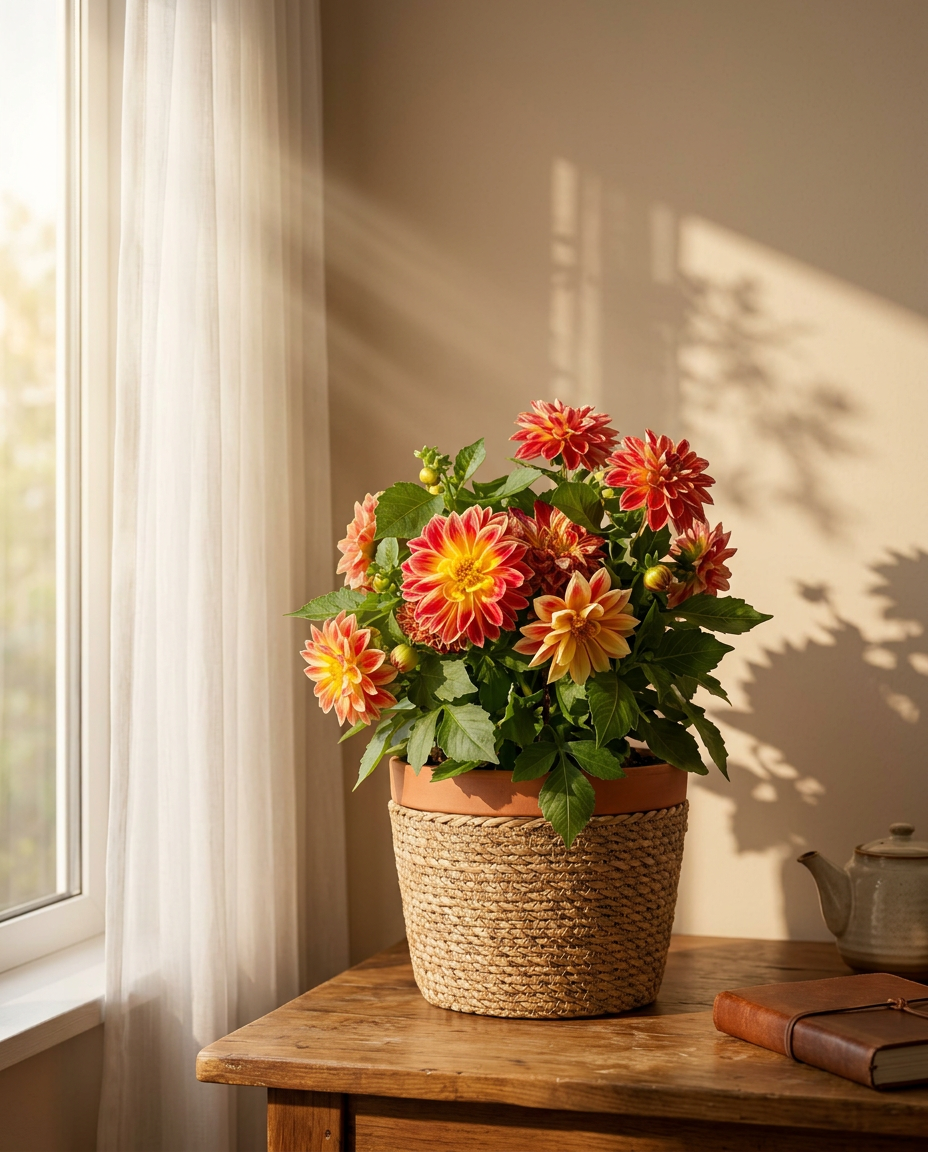
Plate IDahlia species — the late-summer cut-flower garden star. Composite head built from layered ray petals around a small disk; tuberous root. Genus on the ASPCA non-toxic list.
How to grow a dahlia.
Yes — dahlias are safe for cats. The ASPCA lists Dahlia species as non-toxic to cats, dogs, and horses. The cut flower in a vase, the live plant in a garden border, and the tuber underground are all genuinely non-toxic. The ASPCA verdict is genus-level — that covers every garden dahlia you're likely to plant.
The ASPCA's verdict, verbatim: Title: Dahlia · Additional Common Names: Many varieties · Scientific Name: Dahlia species · Family: Compositae · Toxicity: Non-Toxic to Dogs, Non-Toxic to Cats, Non-Toxic to Horses. Dinnerplate, Decorative, Pompon, Cactus, Anemone, Waterlily, Collerette, Ball, Single — all the recognised form classes are covered.
Why dahlias are an easy bouquet recommendation
Most popular cut flowers carry an asterisk for cat households. Lilies are deadly. Carnations are mildly toxic. Chrysanthemums are toxic. Peonies are toxic. Dahlias are simply safe — no toxic principle, no glycoside, no oxalate. The vase water is also fine.
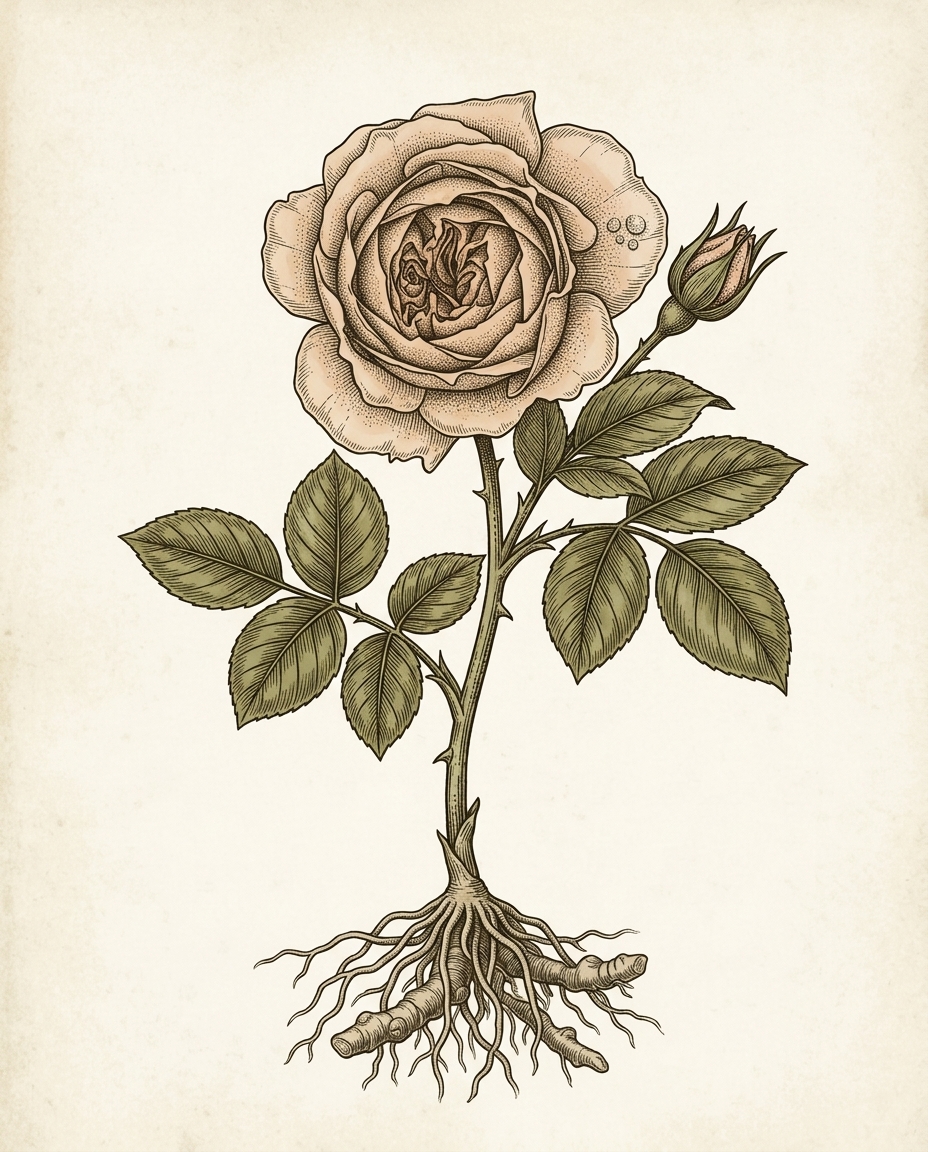
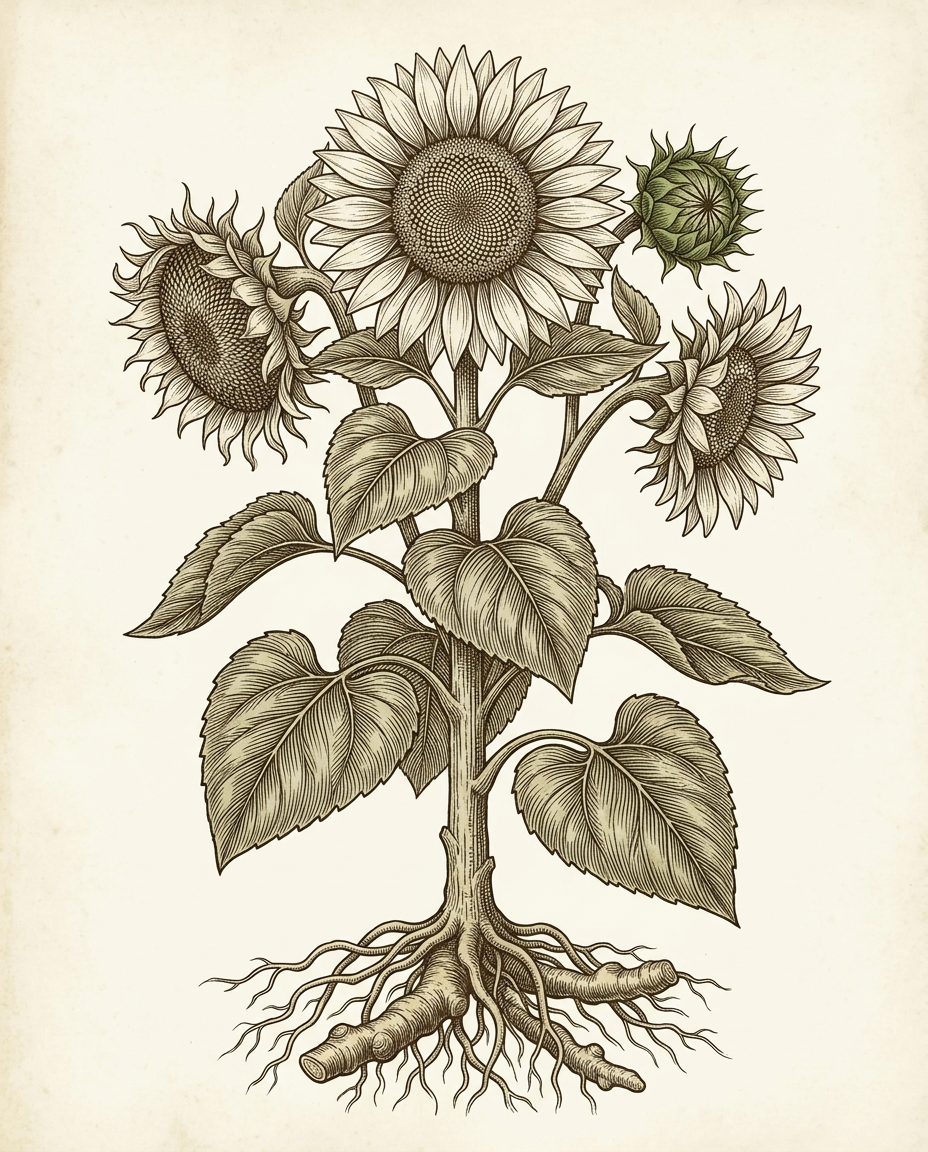
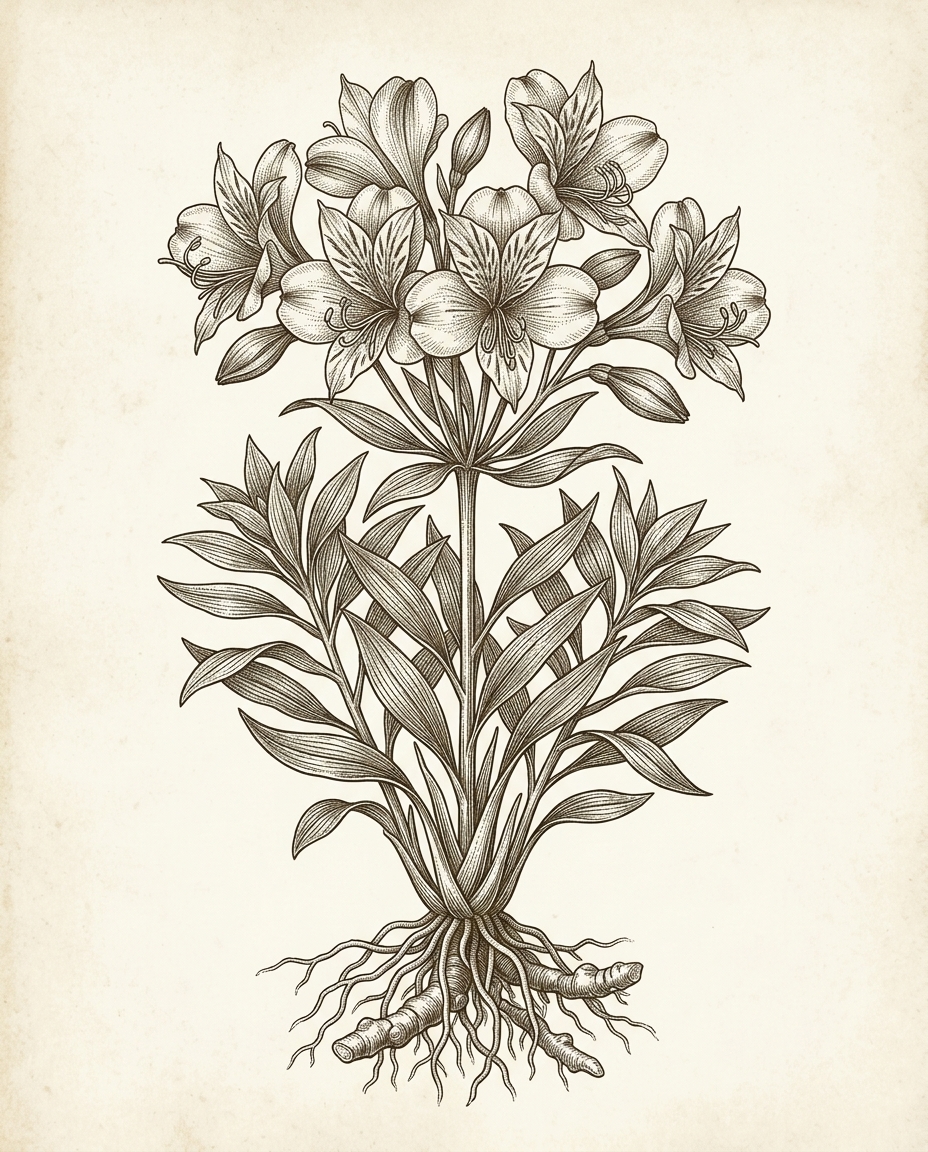
The caveat is what travels with the dahlia. Florists routinely pair dahlias with eucalyptus (mildly toxic essential-oil exposure), alstroemeria (safe), or amaranth (safe). Check every stem in a mixed arrangement. For a cat-safe mixed bouquet built yourself, the rose + dahlia + sunflower trio covers virtually every colour without a single asterisk.
Tubers are not toxic either
A practical concern for gardeners with diggers: dahlia tubers are not on any veterinary toxic-plant list. The ASPCA genus-level verdict covers the whole plant. The tubers contain inulin (a complex carbohydrate sometimes called dahlia starch) and are even edible to humans — though they're not a culinary mainstream. A cat that unearths one and licks it is fine. Just rinse the soil off and replant.
Care
Dahlias want full sun and rich, well-drained soil. Practical points:
- Light: at least 6 hours of direct sun. Less light gives leggy stems and few flowers.
- Water: deep twice-weekly soak once buds form. Mulch the root zone to hold moisture.
- Soil: fertile and free-draining. Amend with compost at planting. Heavy clay or waterlogged sites rot the tubers.
- Feed: a balanced fertilizer at planting and again at first bud. Avoid heavy nitrogen — it gives leaves at the expense of flowers.
- Staking: tall cultivars (1.2 m+) need a stake or cage from the start. Wind will lay them flat in a single storm.
- Lifting: in zones below USDA 8, lift the tubers after first frost, dry, and store cool and dry for spring replanting.
Cultivars worth knowing
For statement cut flowers, Dinnerplate cultivars deliver 20–30 cm heads (Café au Lait in cream, Kelvin Floodlight in yellow). Decorative dahlias are the formal cut-flower-shop standard. Pompon and Ball types give long-lasting spherical blooms for arrangements. Cactus cultivars have spiky rolled petals for a dramatic head. Bishop of Llandaff and the rest of the Bishop series combine dark bronze foliage with single pollinator-friendly flowers. All are Dahlia species and all are ASPCA non-toxic.
Cat-safe companion flowers
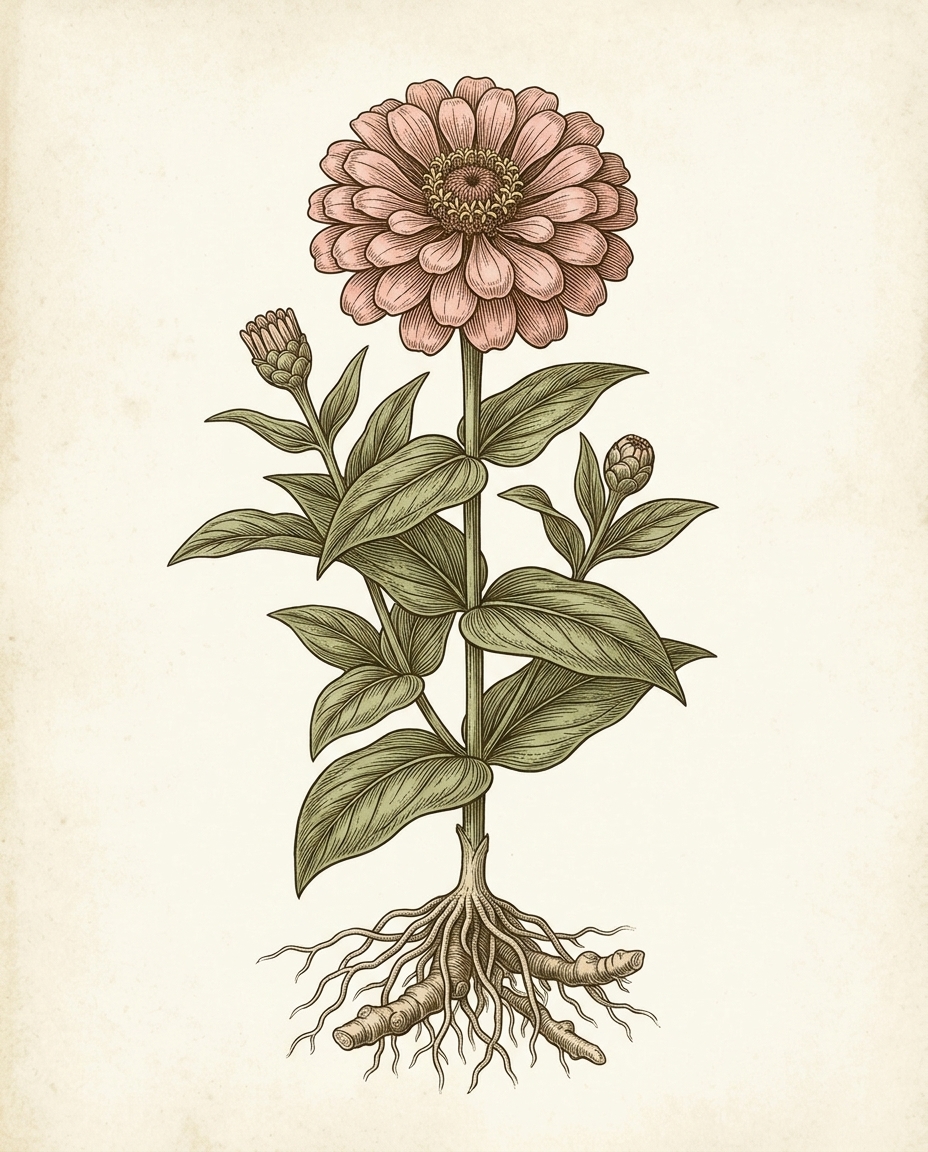
For a cat-safe late-summer bouquet, pair dahlias with roses, sunflowers, zinnias, and Peruvian lily (Alstroemeria, the safe lily-shaped flower). All are on the ASPCA non-toxic list, and together they cover the full colour palette without a single risky stem. Browse the full safe-plant list.
Disclosure
We include Amazon affiliate links on safe-plant pages. As an Amazon Associate, we earn from qualifying purchases. We never affiliate-link a plant we have not ASPCA-verified.
What we have actually seen.
Casual chewing
Cats that take a bite of leaf, flower, or stem get a fibrous mouthful with no toxic principle. No expected symptoms.
Tuber digging
Tubers are not toxic to cats. A curious digger that unearths one will not be poisoned — but rinse the tuber and replant.
Mild GI upset
As ASPCA notes for any plant material, large ingestion may cause mild vomiting. Not specific to dahlia and not a toxicity issue.
Four common varieties.
Dinnerplate (20–30 cm flower heads)
The show dahlia — flower heads the size of a dinner plate on 1.2–1.8 m stems. Café au Lait is the famous cream cultivar; Kelvin Floodlight the yellow giant.
Decorative (10–20 cm formal blooms)
Fully-double, formally arranged ray petals. The classic cut-flower-shop dahlia. Reliable garden border at 90–120 cm.
Pompon (5 cm ball flowers)
Compact spherical blooms with tightly-rolled petals. Long-lasting cut flowers. About 90 cm tall.
Cactus (spiky rolled petals)
Ray petals roll back into spiky tubes — a dramatic spiked-head form. Sizes from 10 to 25 cm across.
Bishop series (dark-leaf bedding)
Single-flowered dahlias with dark bronze foliage. Compact (90 cm) and pollinator-friendly. ASPCA non-toxic like the rest.
Keeping the plant alive.
Full sun
Dahlias need at least 6 hours of direct sun. They will grow in light shade but flower poorly and lean dramatically.
Deep, regular
Water deeply twice a week once buds form. Established plants are thirsty heavy-feeders in flower; mulch the root zone to hold moisture.
Rich, well-draining
Dahlias want a fertile, well-drained soil. Heavy clay and waterlogged spots rot the tubers. Amend with compost at planting.
Open garden or large pot
Tall cultivars (1.5 m+) need staking and a wind-sheltered spot. Dwarf bedding dahlias (30–45 cm) work in containers. Lift tubers in zones below 8.
- ASPCA Animal Poison Control Center. Toxic and Non-Toxic Plants: Dahlia.Accessed June 2026 · aspca.org · Dahlia species · Non-Toxic to Cats, Dogs, Horses
- Royal Horticultural Society. Dahlia cultivation guide.Horticultural reference for growing
- Pet Poison Helpline. Dahlia safety profile.Secondary reference confirming non-toxicity · 2024
If you liked this, also safe.