Zinnia
Zinnia spp.
Zinnias are non-toxic to cats per the ASPCA. The classic cut-flower-garden annual is one of the genuinely safe options for borders, vases, and pollinator beds in a cat household.
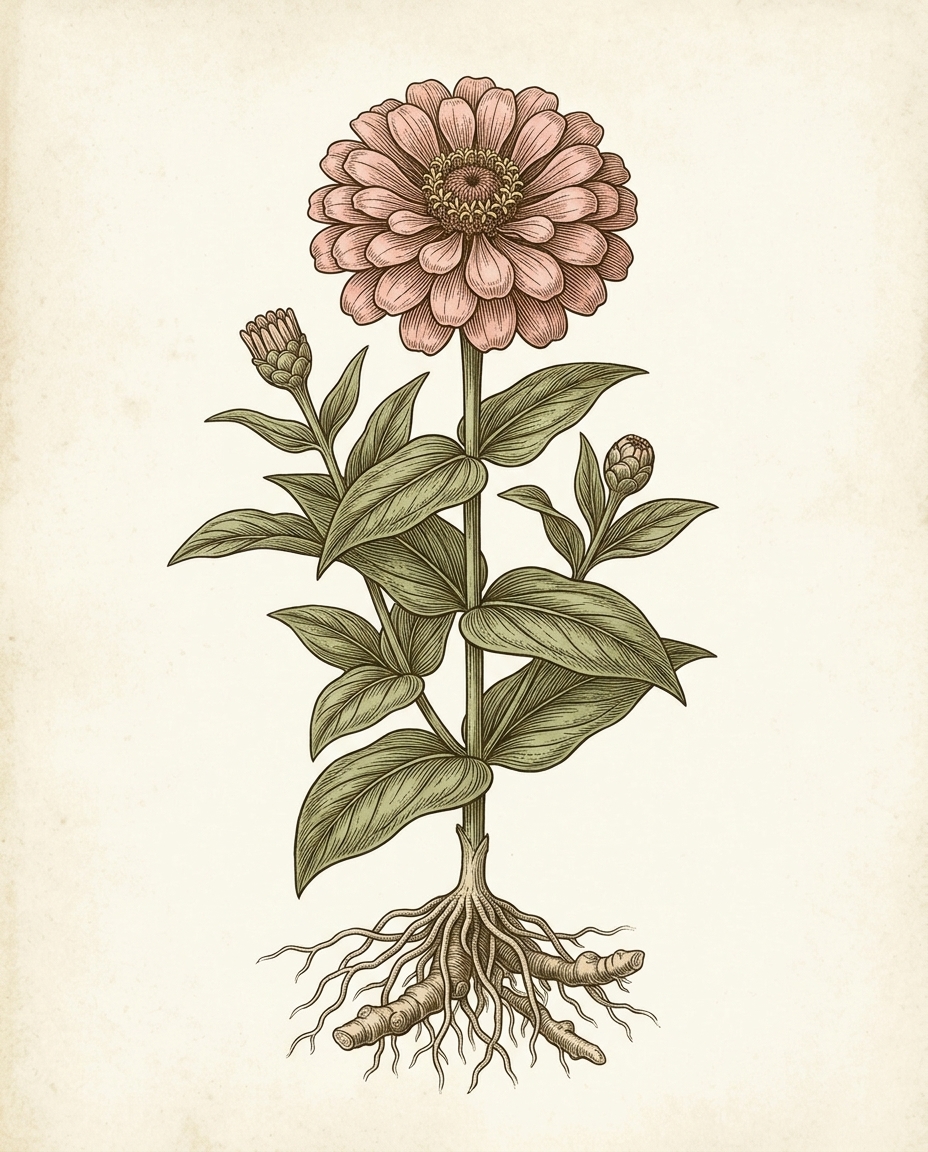
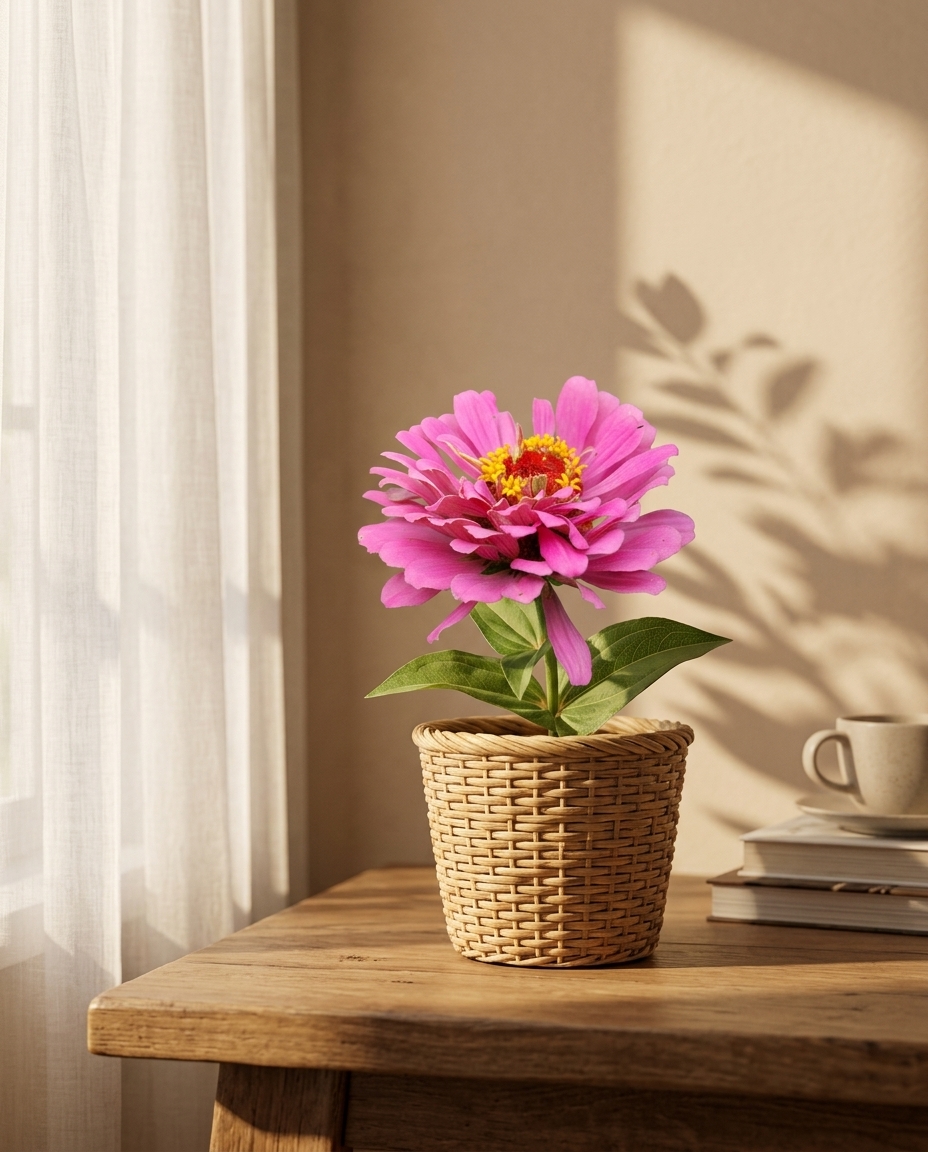
Plate IZinnia spp. — the cut-flower-garden annual. Composite heads in a wide colour range; daisy-form ray flowers around a central disk. Genus on the ASPCA non-toxic list.
How to grow a zinnia.
Yes — zinnias are safe for cats. The ASPCA lists Zinnia spp. as non-toxic to cats, dogs, and horses. The cut flowers in a vase, the live plants in a garden border, and the seeds in a packet are all genuinely non-toxic. The ASPCA verdict is unambiguous at the genus level, which covers every garden zinnia you're likely to plant.
The ASPCA's verdict, verbatim: Title: Zinnia · Scientific Name: Zinnia spp. · Family: Compositae · Toxicity: Non-Toxic to Dogs, Non-Toxic to Cats, Non-Toxic to Horses. That covers Z. elegans (the standard cut-flower zinnia), Z. angustifolia (the narrow-leaf border zinnia), Z. haageana (the Mexican zinnia), and the modern interspecific hybrids like the Profusion series.
A note on the daisy family
Zinnia sits in Compositae (also called Asteraceae) — the same family as sunflower (safe), marigold (insufficient data on the Tagetes common-garden kind), and chrysanthemum (toxic). The lesson buried in that list is that ASPCA verdicts are species-specific, not family-specific. Family membership tells you nothing useful about cat safety. Always check the species. For zinnia, the species verdict is clean.
Why zinnias are an easy bouquet recommendation
Most popular cut flowers carry an asterisk for cat households. Lilies are deadly. Carnations are mildly toxic. Chrysanthemums are toxic. Tulips are toxic at the bulb. Zinnias are simply safe — no toxic principle, no calcium oxalate, no glycoside. The vase water is fine.
The one caveat is what travels with the zinnia. Florists routinely pair zinnias with lilies, eucalyptus, or alstroemeria. The first is deadly; the second is mildly toxic via essential oils; the third is safe. Check every stem in a mixed arrangement.
Care
Zinnias want full sun and well-draining soil. Practical points:
- Light: at least 6 hours of direct sun. Less light gives leggy plants with thin stems.
- Water: deep weekly soak at the soil line. Wet leaves invite powdery mildew, the most common growing problem.
- Soil: tolerates poor and average soils as long as drainage is good. Lean soils give more flowers per stem; rich soils give bigger plants.
- Placement: tall cultivars (Benary's Giant, State Fair) anchor a cut-flower row. Dwarf cultivars (Profusion, Thumbelina) fit balcony pots and windowsills.
- Spacing: give 30 cm between plants so airflow can dry leaves between rains.
Cultivars worth knowing
For cut flowers, 'Benary's Giant' is the florist standard — 90–120 cm tall, 10–12 cm fully-double heads on long stems. 'State Fair' is the reliable mixed-colour garden form at 60–90 cm. For containers and balconies, the 'Profusion' series is mildew-resistant and continuous-blooming at 30–45 cm. 'Thumbelina' is the dwarf edging zinnia at 15–20 cm. All are Zinnia spp. and all are ASPCA non-toxic.
Cat-safe companion flowers
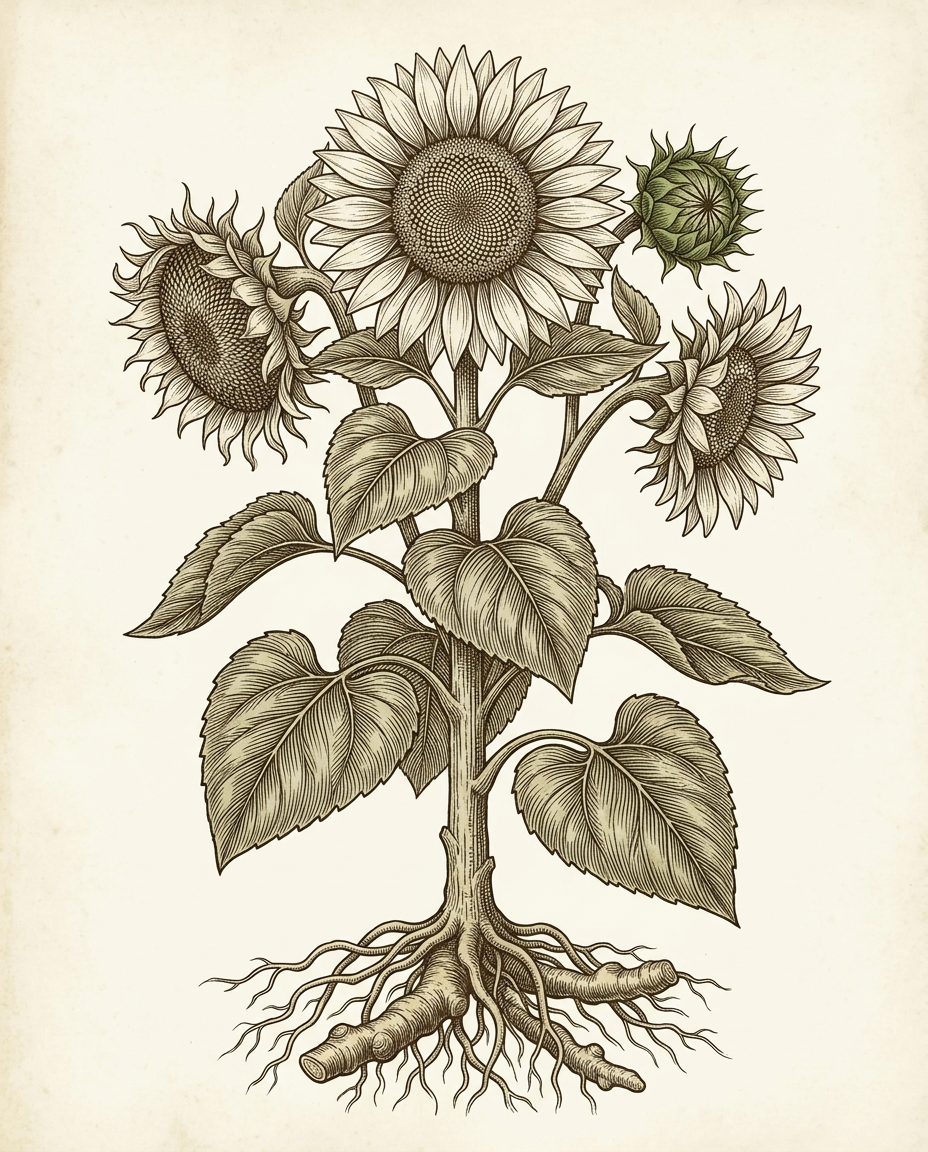
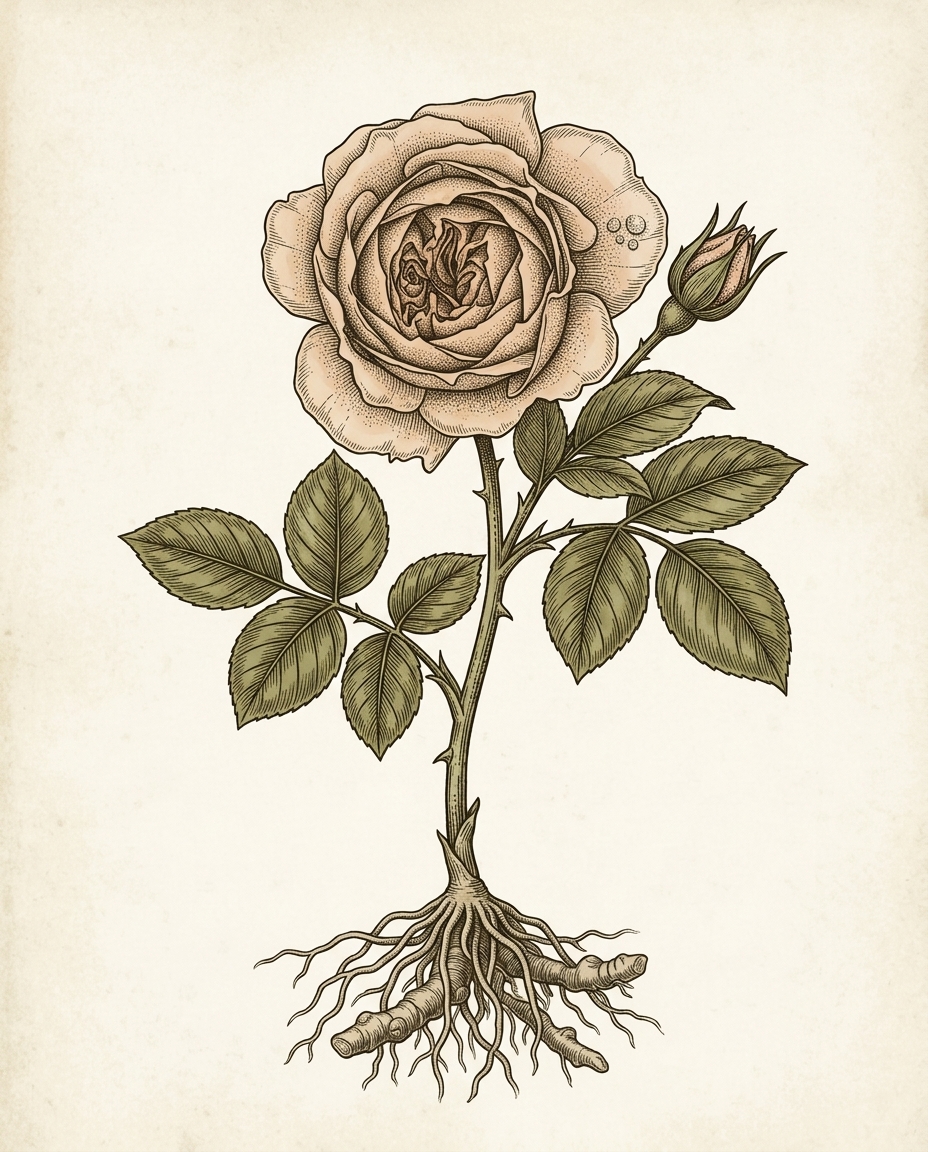
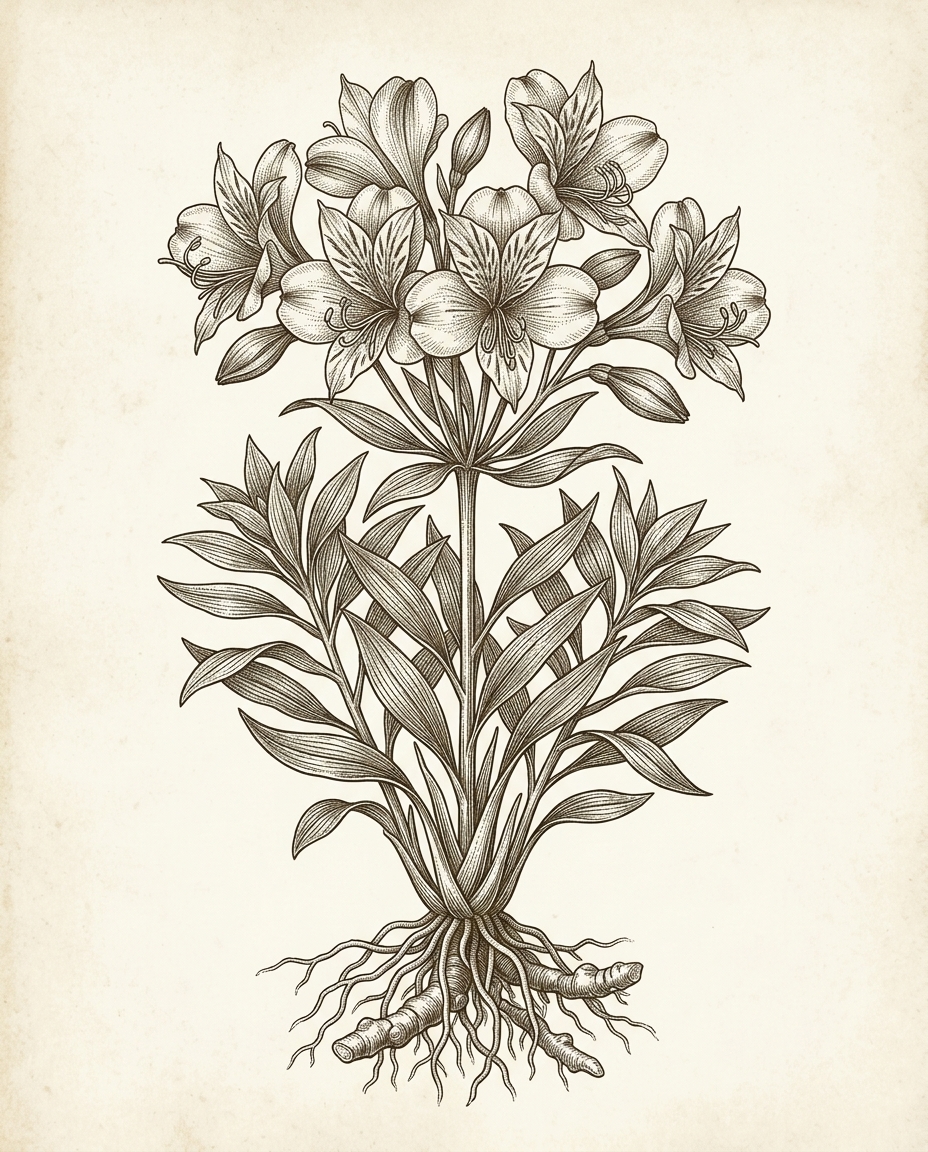
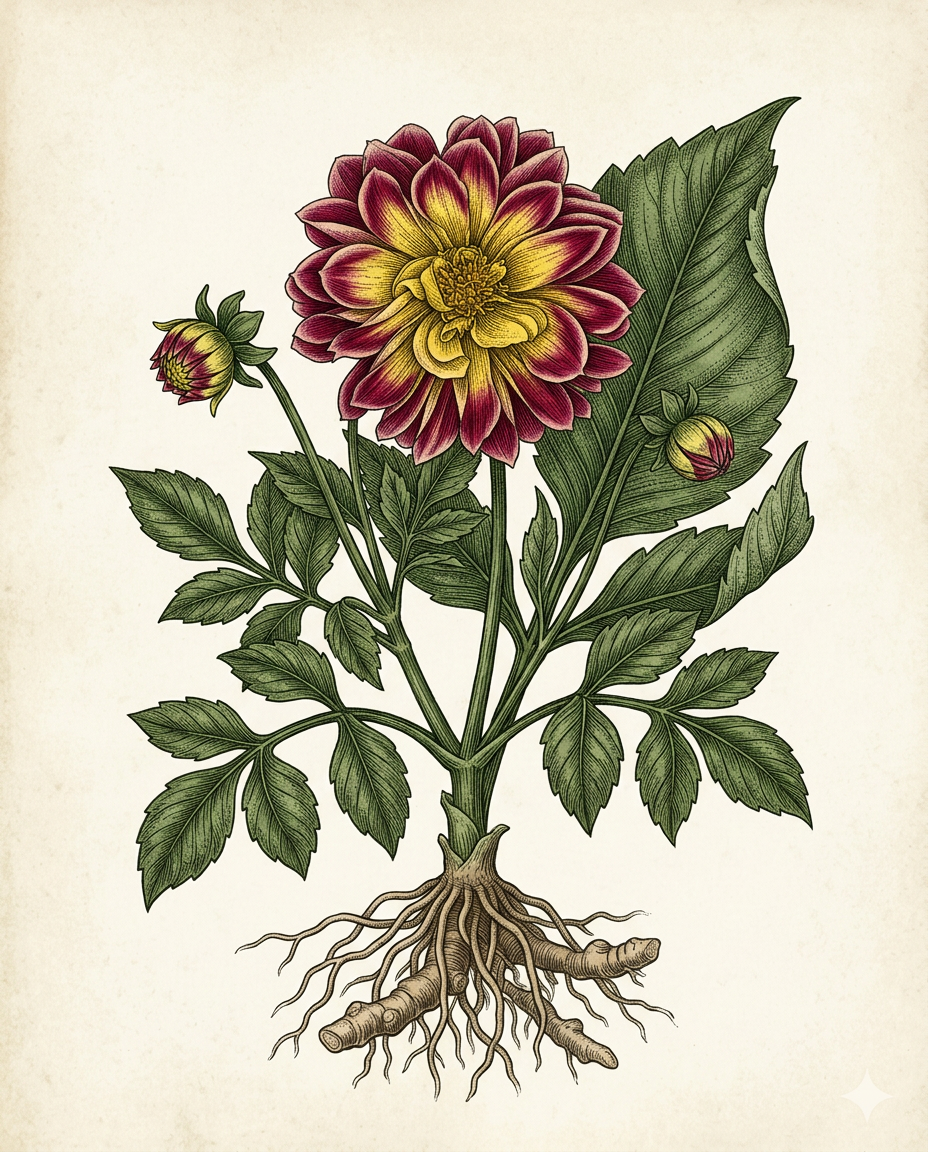
For a cat-safe summer arrangement, pair zinnias with sunflowers, roses, and Peruvian lily (Alstroemeria, the safe lily-shaped flower). All four are on the ASPCA non-toxic list, and together they cover the colour range of a typical mixed bouquet without a single stem that could harm a cat. Browse the full safe-plant list for more options.
Disclosure
We include Amazon affiliate links on safe-plant pages. As an Amazon Associate, we earn from qualifying purchases. We never affiliate-link a plant we have not ASPCA-verified.
What we have actually seen.
Casual chewing
Cats that take a bite of leaf or petal get a fibrous mouthful with no toxic principle. No expected symptoms.
Bouquet stem nibbling
A grazed flower or stem from a vase causes nothing. The water is fine too.
Mild GI upset
As ASPCA notes for any plant material, large ingestion may cause mild vomiting. Not specific to zinnia and not a toxicity issue.
Four common varieties.
Benary's Giant (90–120 cm florist series)
The cut-flower standard — large fully-double 10–12 cm heads on long stems. The variety most farmers'-market growers plant. Z. elegans.
'State Fair' (vigorous mixed-colour mid-height)
A reliable 60–90 cm mix in scarlet, gold, lavender, white. A garden-border staple. Z. elegans.
'Profusion' series (30–45 cm mildew-resistant)
A Z. elegans × Z. angustifolia hybrid bred for mildew resistance and continuous bloom. Dwarf habit fits pots. Same ASPCA non-toxic profile.
'Thumbelina' (15–20 cm dwarf)
A miniature edging zinnia, 15–20 cm tall, with 2–3 cm semi-double flowers. Works on a balcony or windowbox.
Keeping the plant alive.
Full sun
Zinnias need at least 6 hours of direct sun for full flowering. They tolerate light shade but bloom less and grow leggy.
At the base only
Water deeply at the soil line once or twice a week in dry weather. Wet leaves invite powdery mildew — the main growing problem for zinnias.
Well-draining, average
Tolerates poor and average soils as long as drainage is good. Rich soils give bigger plants; lean soils give more flowers per stem.
Open border or pot
Tall cultivars (60–100 cm) anchor a cut-flower row; dwarf cultivars (15–30 cm) work in pots and balcony rails. Good airflow keeps mildew down.
- ASPCA Animal Poison Control Center. Toxic and Non-Toxic Plants: Zinnia.Accessed June 2026 · aspca.org · Zinnia spp. · Non-Toxic to Cats, Dogs, Horses
- Royal Horticultural Society. Zinnia cultivation guide.Horticultural reference for growing
- Pet Poison Helpline. Zinnia safety profile.Secondary reference confirming non-toxicity · 2024
If you liked this, also safe.