Petunia
Petunia spp.
Petunias are non-toxic to cats per the ASPCA. The most-planted summer bedding annual in the US — and one of the genuinely safe options for hanging baskets, balcony pots, and borders in a cat household.
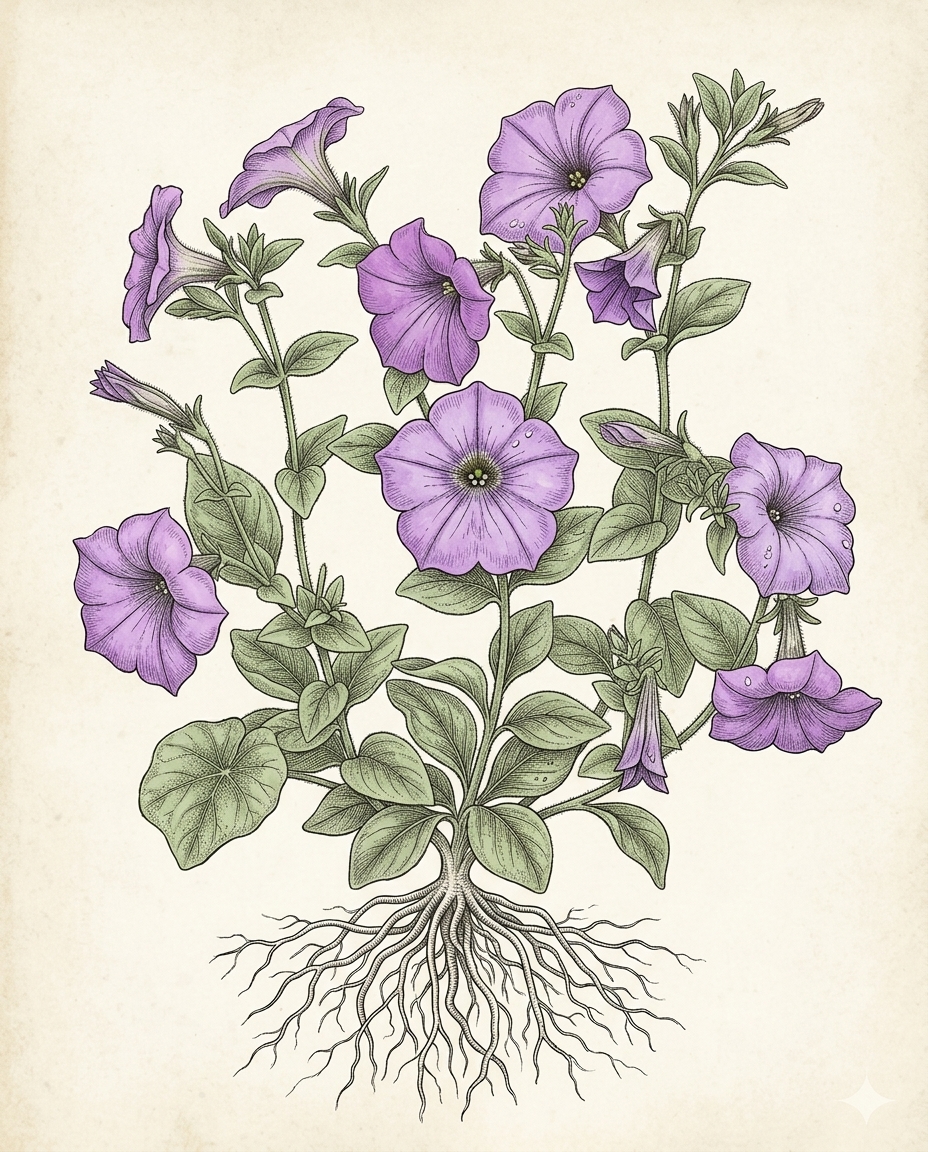
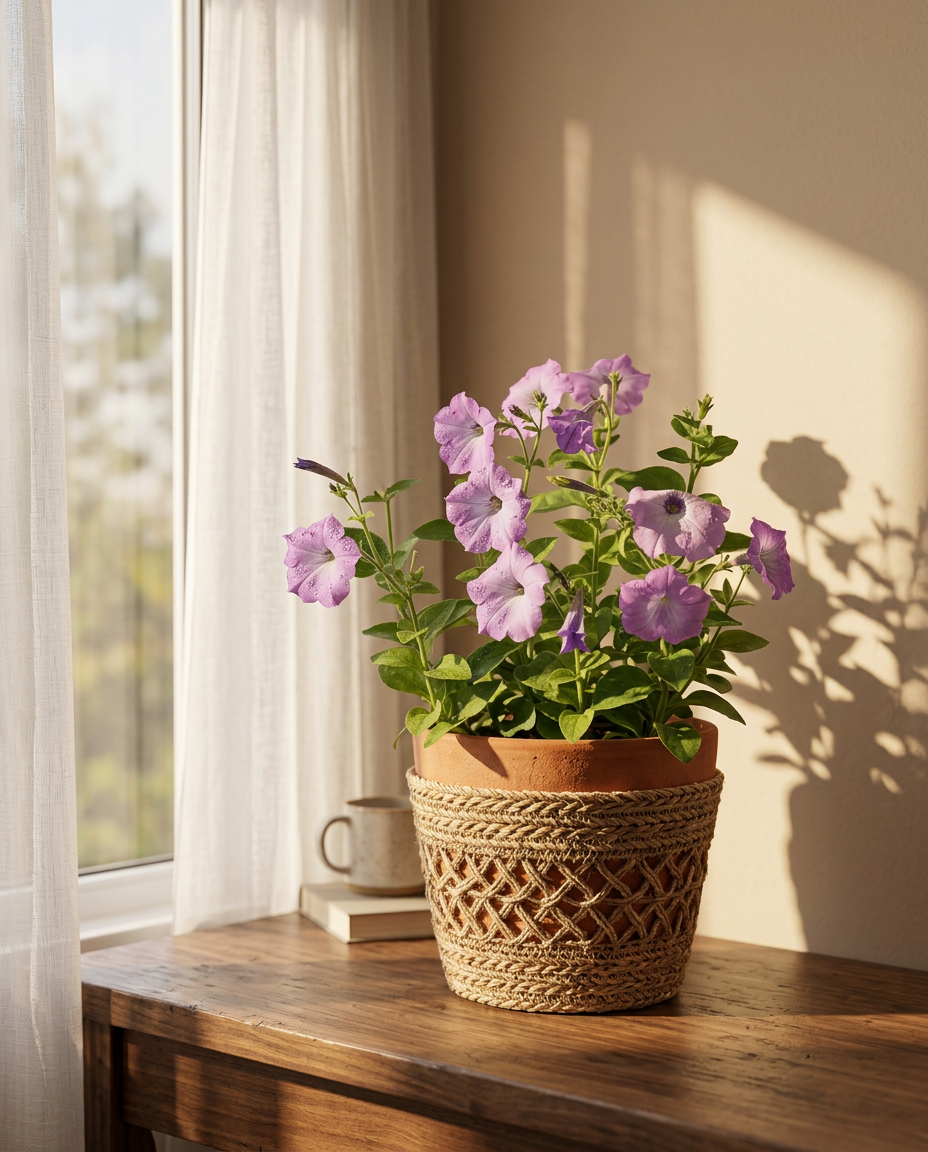
Plate IPetunia spp. — the summer bedding annual. Trumpet-flared blooms in a wide colour range; sticky-haired stems and lance leaves. Genus on the ASPCA non-toxic list.
How to grow a petunia.
Yes — petunias are safe for cats. The ASPCA lists Petunia spp. as non-toxic to cats, dogs, and horses. The hanging-basket cascades, the balcony-pot mounds, and the bedding-border plants are all genuinely non-toxic.
The ASPCA's verdict, verbatim: Title: Petunia · Scientific Name: Petunia spp. · Family: Solanaceae · Toxicity: Non-Toxic to Dogs, Non-Toxic to Cats, Non-Toxic to Horses. That covers the Grandiflora and Multiflora bedding types, the Wave and Supertunia trailing series, and the modern interspecific hybrids you'll find at any garden centre in May.
Yes, petunias are in the nightshade family
It surprises people: Petunia sits in Solanaceae — the nightshade family — alongside tomato (toxic to cats), potato, eggplant, and deadly nightshade. The chemistry that makes the toxic Solanaceae dangerous is solanine, concentrated in leaves and unripe fruit. Petunia does not produce solanine in cat-relevant amounts. The ASPCA's species-level verdict is what counts here, and that verdict is clean. Family membership is biology; toxicity is pharmacology, and the two don't always align.
A practical reminder, though: if you grow petunias alongside tomato plants in the same balcony, the tomato plant is still toxic. Same family, different cat-safety profile.
About Calibrachoa (million bells)
Garden centres sell Calibrachoa as a smaller-flowered trailing alternative to petunia — and you'll often see them side by side. Calibrachoa is a separate genus in the same family. It is not listed on ASPCA in its own right. Veterinary sources generally treat it as low risk by analogy to petunia, but absence of an ASPCA verdict means we can't extend a confident non-toxic claim. If a cat grazes a Calibrachoa basket, monitor for GI upset; serious poisoning is not reported.
Care
Petunias want full sun and rich, well-draining soil. Practical points:
- Light: at least 6 hours of direct sun. Shade gives leggy stems and few flowers.
- Water: hanging baskets and small pots dry out fast — daily watering is normal in heat. Don't let water sit at the saucer.
- Soil: a quality potting mix with controlled-release fertilizer. Petunias are heavy feeders; refresh feed every 4–6 weeks.
- Deadheading: removing spent flowers (or shearing back at midsummer) restarts bloom in older mounding cultivars. Wave and Supertunia self-clean.
- Placement: trailing cultivars cascade from baskets and railings; mounding cultivars fill borders and window boxes.
Cultivars worth knowing
Grandiflora is the classic large-flowered petunia (8–10 cm blooms) — beautiful in a protected spot but rain-damaged in open weather. Multiflora trades flower size for weather toughness and bloom count. Wave is the trailing-spreading cultivar group bred for hanging baskets and ground cover — 60–120 cm of cascade. Supertunia / Surfinia are vegetative (cutting-propagated) trademark series with exceptional vigour. All are Petunia genus and all are ASPCA non-toxic.
Cat-safe companion flowers
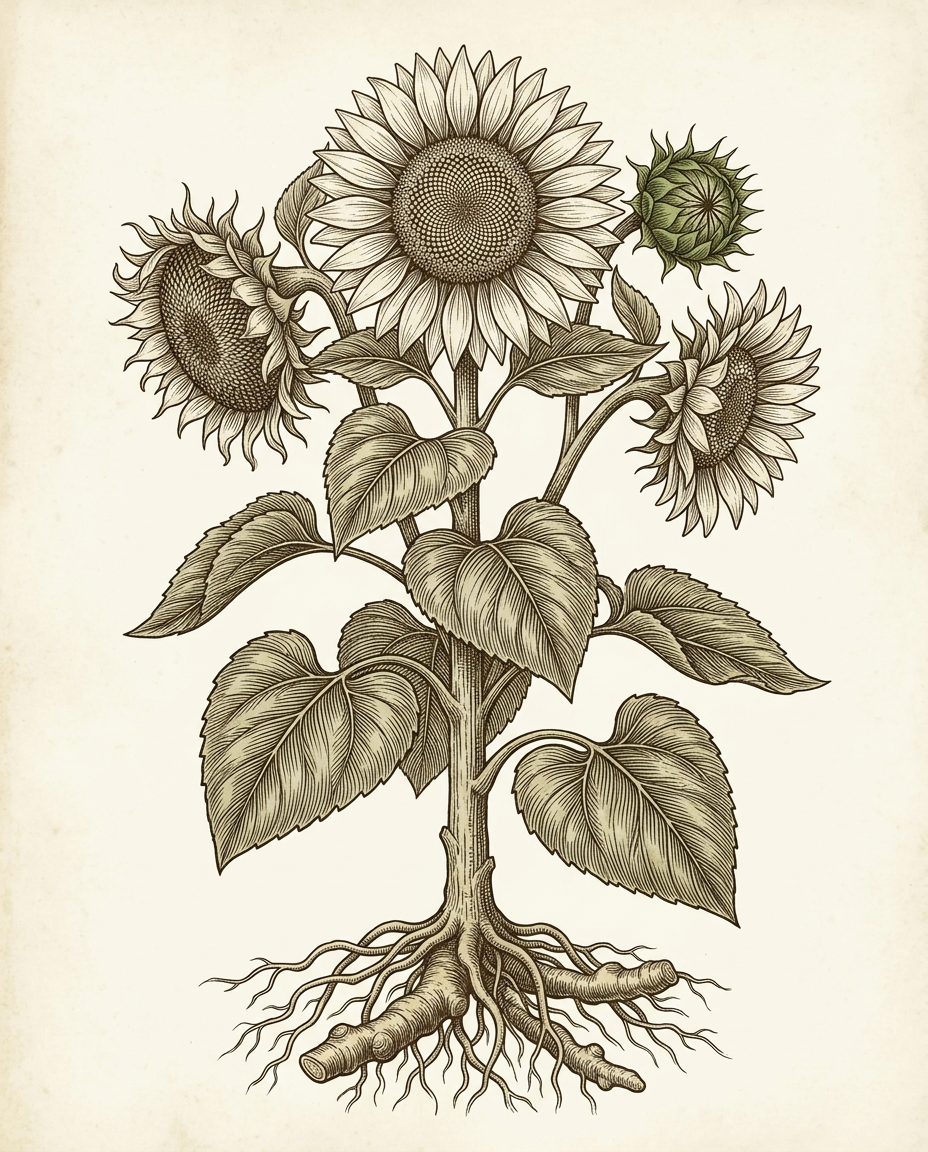
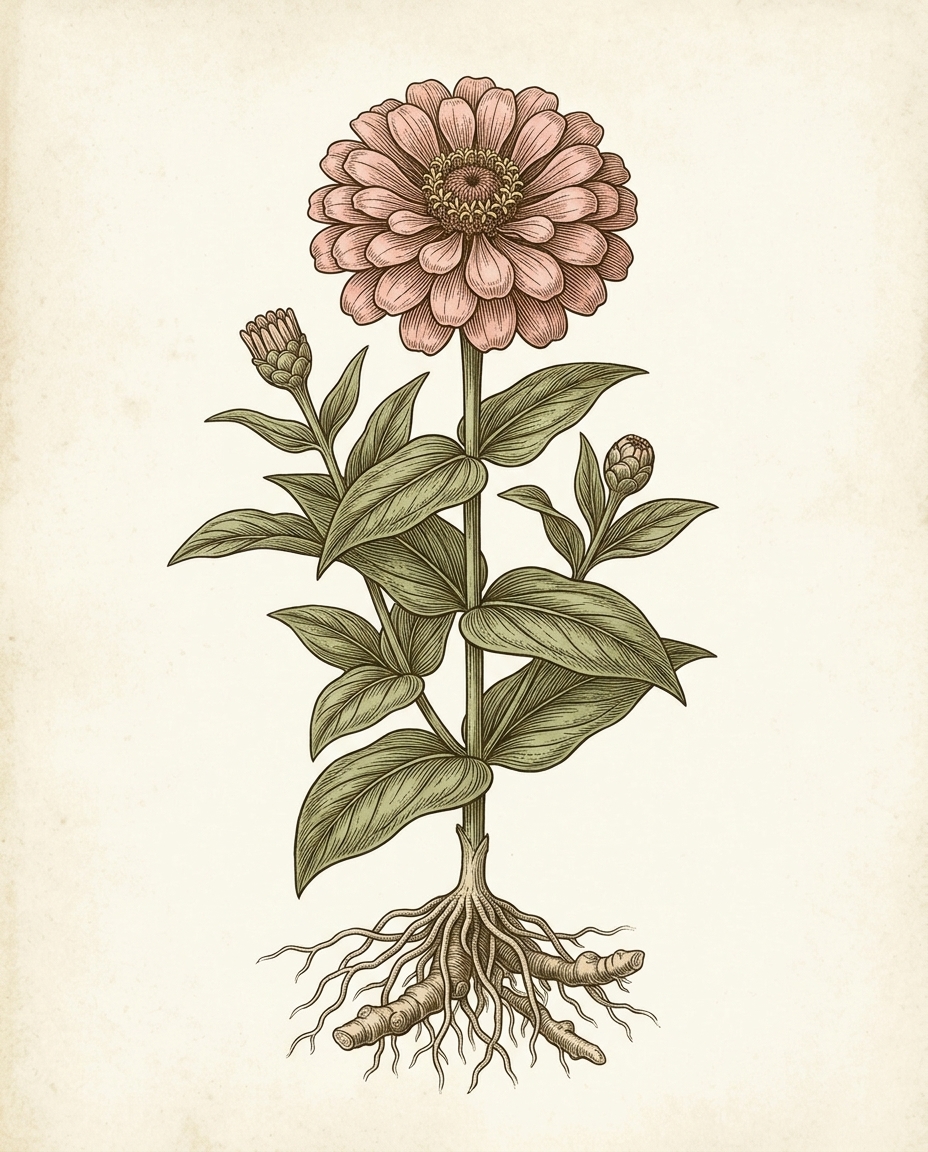
For a cat-safe summer balcony, pair petunias with zinnias, sunflowers, and marigolds (with the marigold caveat — Tagetes is not formally ASPCA-listed, see that page). For the full safe list, browse our ASPCA-verified collection.
Disclosure
We include Amazon affiliate links on safe-plant pages. As an Amazon Associate, we earn from qualifying purchases. We never affiliate-link a plant we have not ASPCA-verified.
What we have actually seen.
Casual chewing
Cats that bite a leaf or flower get a sticky-haired mouthful with no toxic principle. No expected symptoms.
Hanging-basket access
Trailing stems are a natural cat target. Non-toxic, but the sticky resin can mat fur — brush it out after exploration.
Mild GI upset
As ASPCA notes for any plant material, large ingestion may cause mild vomiting. Not specific to petunia and not a toxicity issue.
Four common varieties.
Grandiflora (large-bloom classic)
The traditional petunia — 8–10 cm trumpet flowers on a mounding habit. Best for protected pots; rain damages the big blooms.
Multiflora (weather-tough abundant bloom)
Smaller (5–7 cm) but more numerous flowers on a bushier plant. The reliable border petunia. Same ASPCA non-toxic profile.
Wave series (trailing 60–120 cm spread)
Vigorous spreading cultivars bred for hanging baskets and ground cover. Continuous bloom through frost. Petunia × atkinsiana.
Supertunia / Surfinia (vegetative trailers)
Cutting-propagated trailing petunias with exceptional vigour. Sold under multiple trademark names. All Petunia genus — non-toxic.
Keeping the plant alive.
Full sun
Petunias need at least 6 hours of direct sun for continuous flowering. They will bloom in part shade but with fewer flowers and weak stems.
Frequent, never soggy
Hanging baskets and pots dry out fast — daily summer watering is normal. Avoid wet soil and standing water at the saucer.
Rich, well-draining
Petunias are heavy feeders. Use a quality potting mix with controlled-release fertilizer. Refresh feed every 4–6 weeks for the full season.
Sunny balcony or border
Trailing cultivars cascade from hanging baskets and railings; mound types fill borders. All forms enjoy full sun and warm walls.
- ASPCA Animal Poison Control Center. Toxic and Non-Toxic Plants: Petunia.Accessed June 2026 · aspca.org · Petunia spp. · Non-Toxic to Cats, Dogs, Horses
- Royal Horticultural Society. Petunia cultivation guide.Horticultural reference for growing
- Pet Poison Helpline. Petunia safety profile.Secondary reference confirming non-toxicity · 2024
If you liked this, also safe.