Gerbera
Daisy.
Gerbera jamesonii
Gerbera daisies are non-toxic to cats per the ASPCA. The bold supermarket cut flower is safe — but the daisy family is mixed, and the closely related chrysanthemum is toxic.
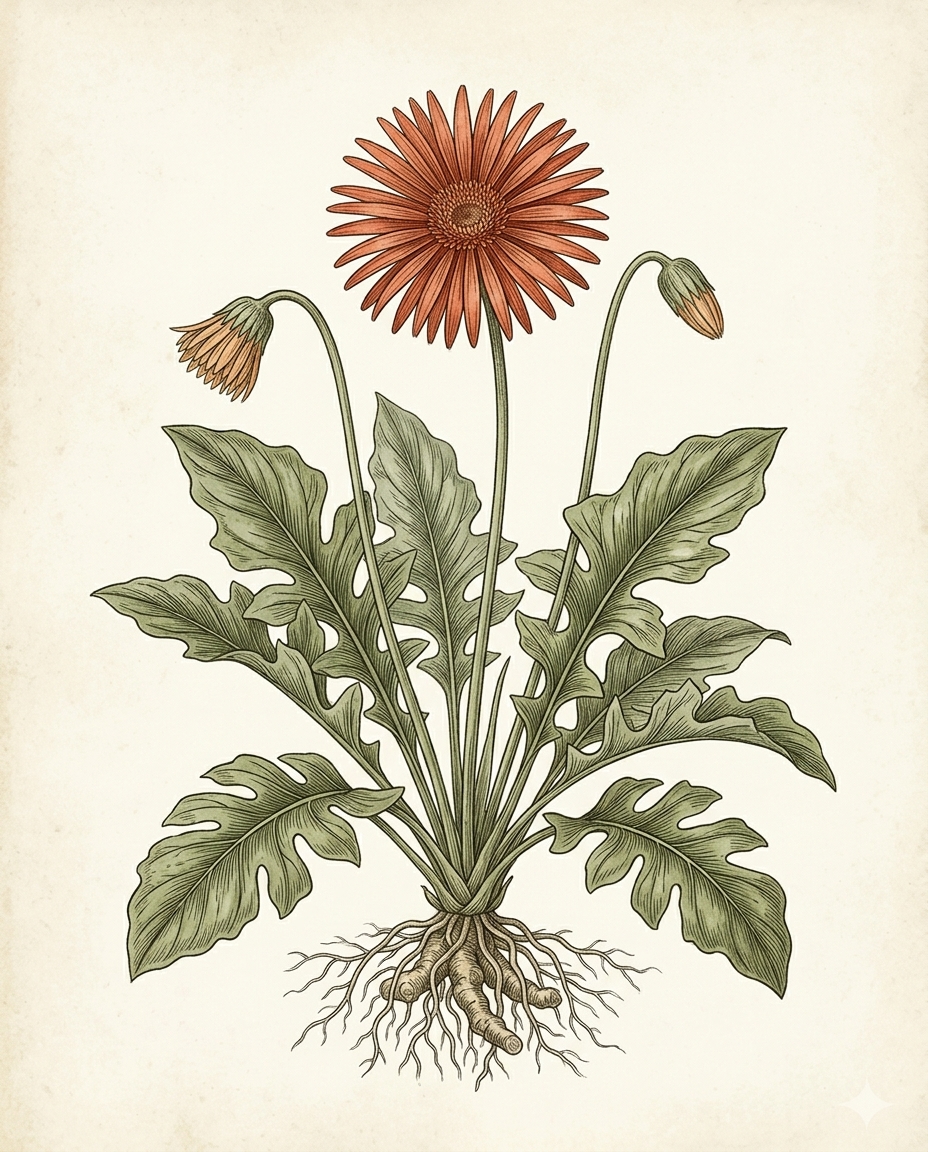
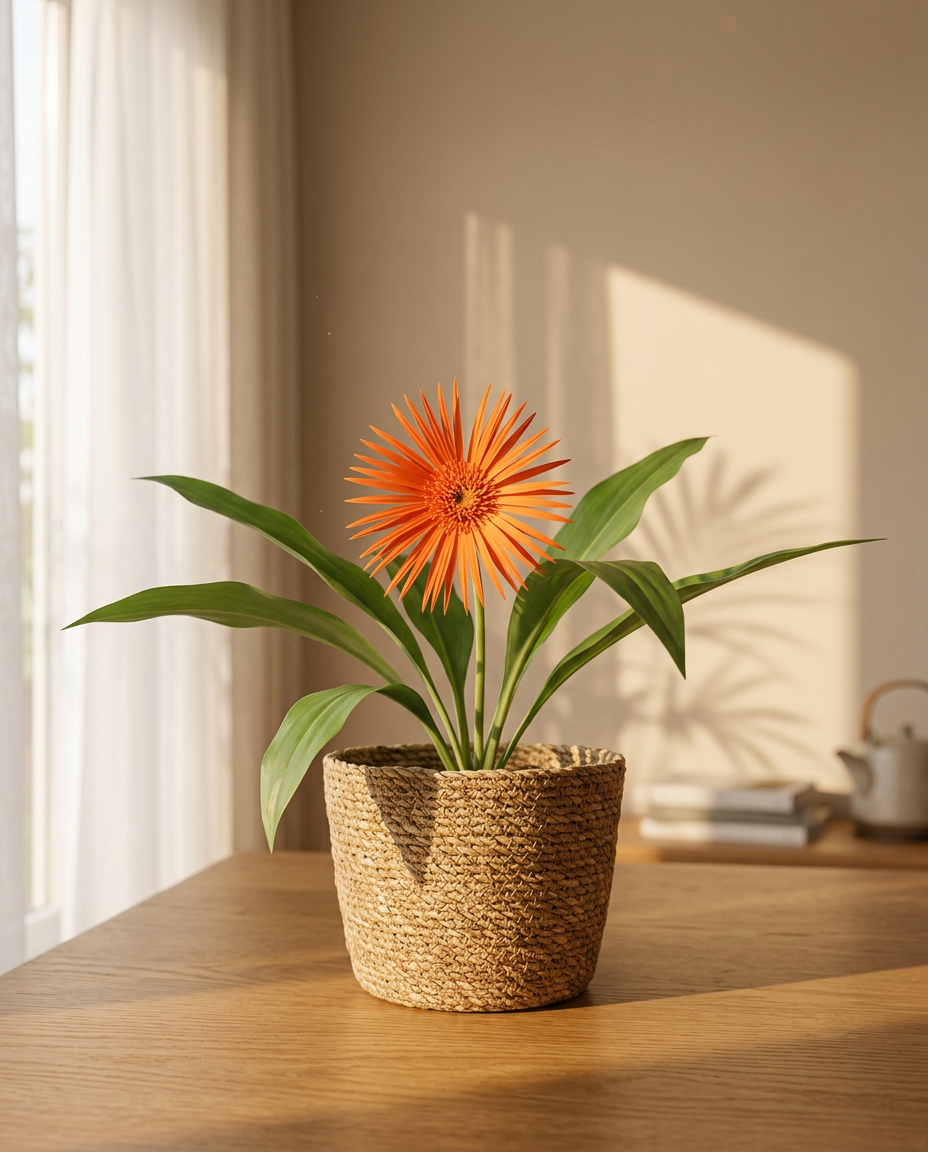
Plate IGerbera jamesonii — the gerbera daisy. Single bold daisy bloom in saturated colour above a basal rosette of serrated leaves. ASPCA non-toxic.
How to keep a gerbera daisy alive.
Yes — gerbera daisies are safe for cats. The ASPCA lists Gerbera jamesonii — also called Transvaal Daisy, African Daisy, Veldt Daisy, Gerbera Daisy, and Barberton Daisy — as non-toxic to cats, dogs, and horses. There's no toxic principle on file, no clinical signs listed, and both cut flowers and potted plants are safe. (Note: ASPCA's URL slug is /gerber-daisy — same plant.)
The ASPCA verdict, verbatim: Additional Common Names: Transvaal Daisy, African Daisy, Veldt Daisy, Gerbera Daisy, Barberton Daisy · Scientific Name: Gerbera jamesonii · Family: Compositae · Toxicity: Non-Toxic to Dogs, Non-Toxic to Cats, Non-Toxic to Horses. (Compositae is the older name for Asteraceae, the daisy family.)
The important nuance: not all daisies are safe
This is where owners get tripped up. The daisy family (Asteraceae) is huge and mixed on cat toxicity:
- Gerbera daisies — safe (this page).
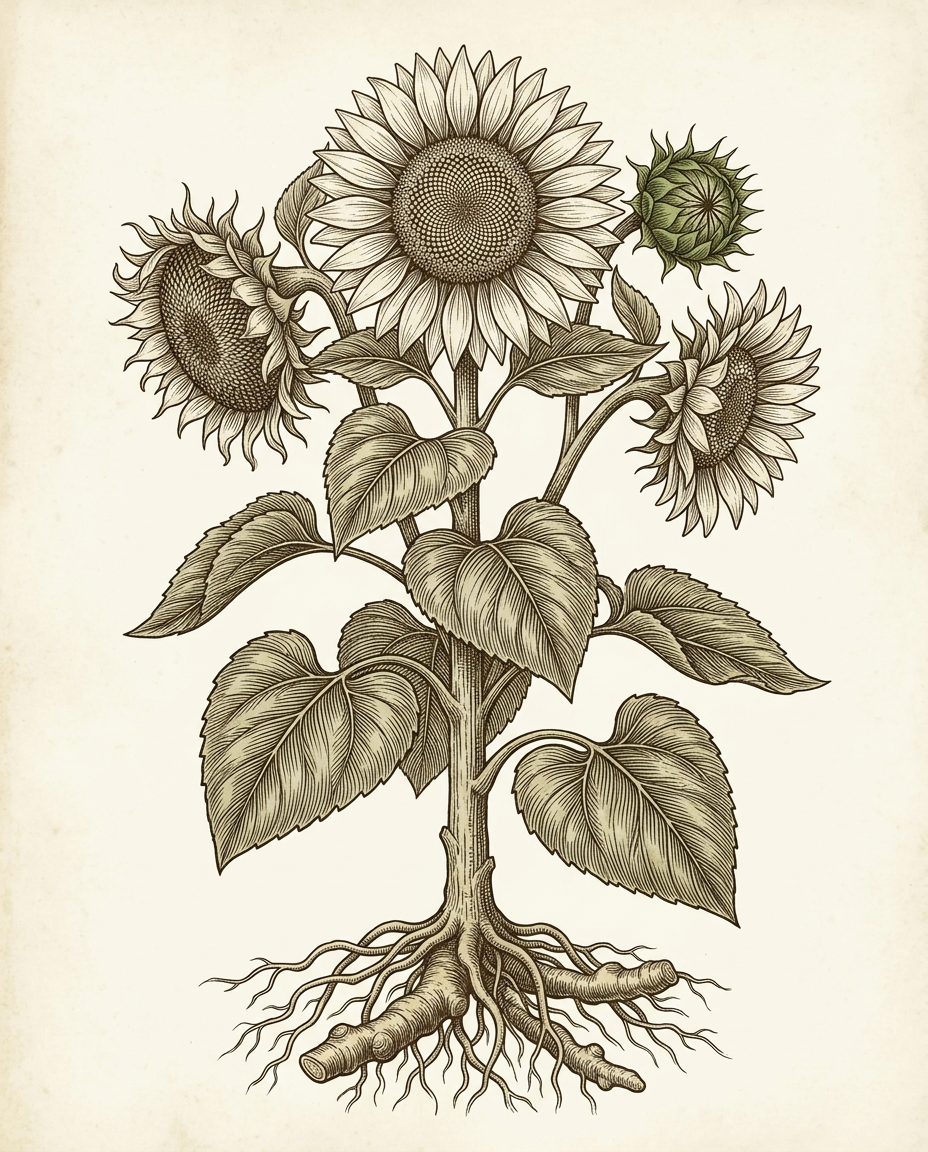
- Sunflowers — safe. ASPCA non-toxic.
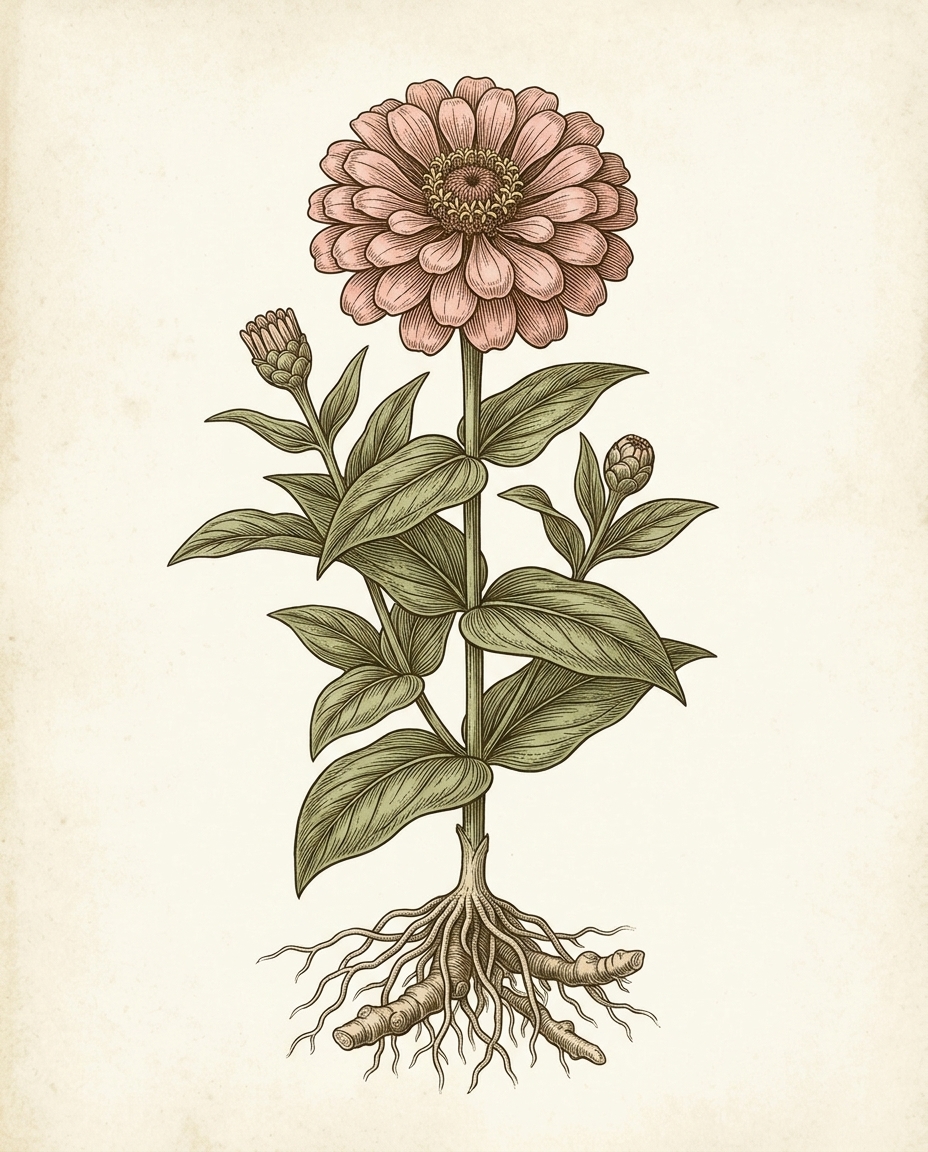
- Zinnias — safe. ASPCA non-toxic.
- Chrysanthemums — TOXIC. ASPCA lists clinical signs of vomiting, diarrhea, drooling, and skin dermatitis. The toxic principles are pyrethrins (sesquiterpene lactones), the same insecticidal compound family used in flea sprays. A cat household should treat chrysanthemums with caution.
If you can't tell two cut flowers apart on the bench, the simplest check is the flower form: gerbera is a single, big, bold daisy bloom on one stem; chrysanthemum is a cluster of smaller button heads on a branching stem. The leaves differ too — gerbera has a basal rosette of serrated leaves; chrysanthemum has lobed leaves running up the stem.
Why we list gerbera safe
ASPCA has gerbera under its preferred slug /gerber-daisy with a clean non-toxic classification across cats, dogs, and horses. No toxic principle is named because none has been characterised — the plant doesn't carry the sesquiterpene-lactone load that makes other Asteraceae problematic.
What happens if your cat chews a gerbera
In practice, nothing meaningful. The petals and foliage are inert from a cat-toxicity standpoint. The worst plausible outcome is the same mild vomiting any cat might have after eating any plant material — not a gerbera-specific risk.
Vase water carries no plant toxin. Refresh routinely for hygiene; that's bacteria, not chemistry.
Where it fits
Gerberas are tender perennials from South Africa, grown as annuals or houseplants in most climates. They want bright indirect light, free-draining mix, water at the soil line (never on the leaves), and 15–22 °C. The number-one killer is crown rot from a wet plant in stuffy air.
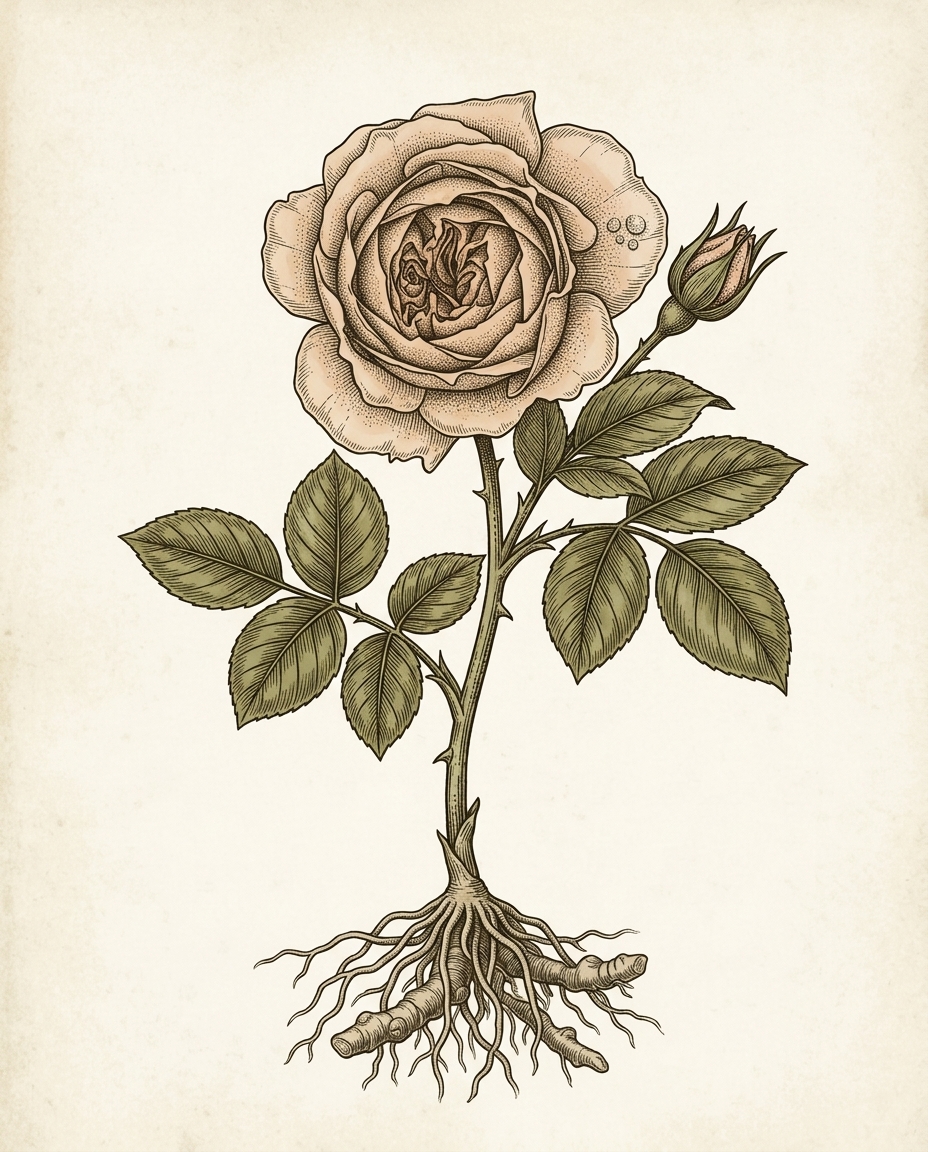
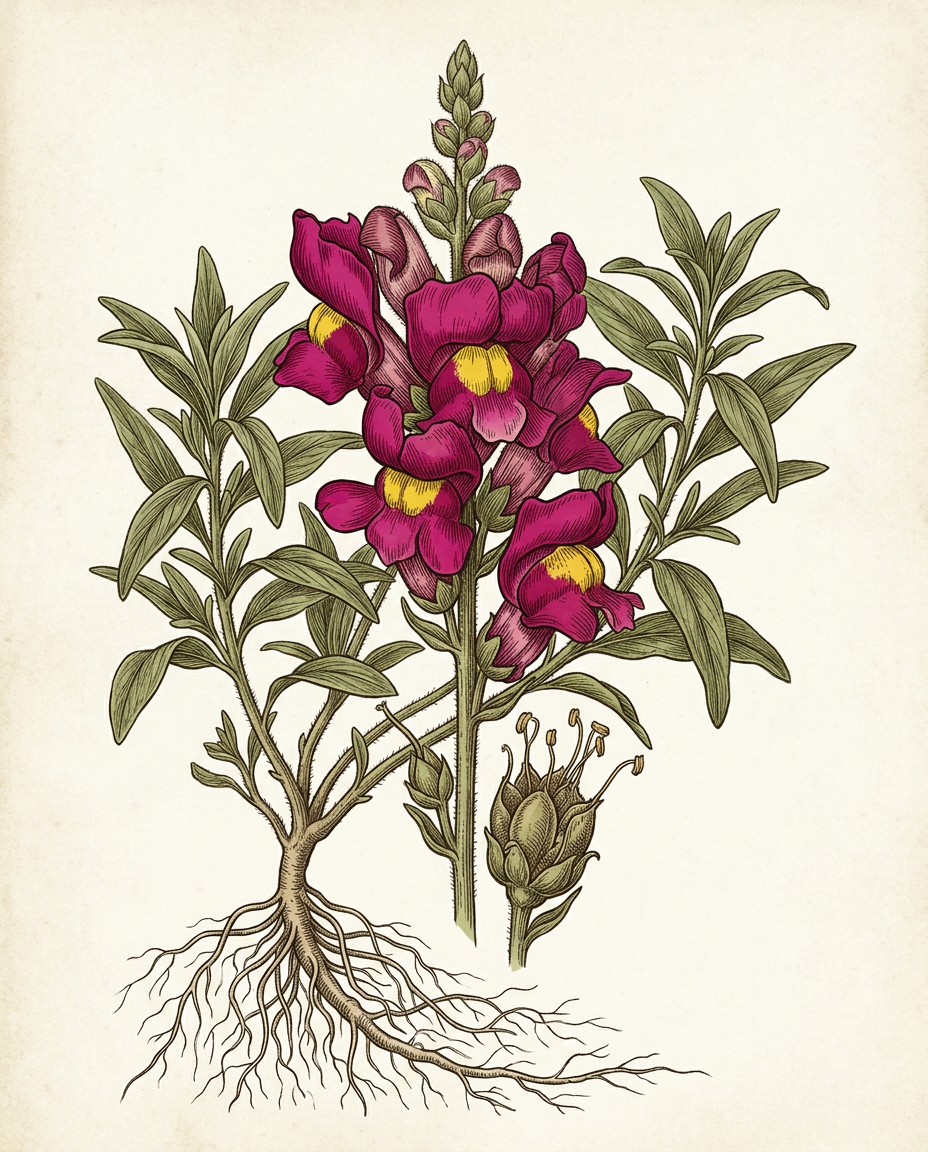
For a cat-safe cut-flower bunch, pair gerbera with sunflower, zinnia, rose, and snapdragon — all ASPCA non-toxic. For the full reference, see safe plants for cats.
Disclosure
We include Amazon affiliate links on safe-plant pages. As an Amazon Associate, we earn from qualifying purchases. We never affiliate-link a plant we have not ASPCA-verified.
What we have actually seen.
Casual chewing
Cats sometimes bat at or chew the bold daisy face. ASPCA lists no toxic principle and no clinical signs — expect nothing more than mild GI on a large ingestion.
Vase-water sips
Gerbera vase water carries no plant toxin. Hygiene rule still applies — refresh water routinely so it doesn't get bacterial.
Mild GI upset
A large chew can produce vomiting that resolves on its own — generic plant-material sign, not gerbera-specific.
Four common varieties.
Single-flowered (traditional daisy form)
The classic single ring of ray petals around a dark eye. The supermarket cut-flower default.
Double-flowered (layered petals)
Multiple layers of ray petals — denser, peony-like bloom. Same care, same ASPCA profile.
Spider gerbera (narrow quilled petals)
Narrow quilled or fringed ray petals giving a spider-like silhouette. A florist favourite for textural impact.
Keeping the plant alive.
Bright, indirect
Bright indirect light indoors; partial sun outdoors. Full direct sun in hot climates can scorch the leaves; deep shade slows the bloom.
Moderate, dry between
Water at the soil line — wet foliage encourages rot. Let the top centimetre of soil dry before the next watering.
Free draining
Standard potting mix amended with perlite. Heavy or compacted soils cause crown rot, which is the typical way gerberas die in containers.
Cool, ventilated
Best at 15–22 °C with good airflow. They sulk in stuffy hot rooms and bloom heavier when temperatures dip at night.
- ASPCA Animal Poison Control Center. Toxic and Non-Toxic Plants: Gerber Daisy.Accessed June 2026 · aspca.org · Gerbera jamesonii · Non-Toxic to cats, dogs, horses · Family: Compositae (Asteraceae) · URL slug: /gerber-daisy
- Royal Horticultural Society. Gerbera jamesonii growing guide.Horticultural reference for indoor + container care
If you liked this, also safe.