Lily of the
Valley.
Convallaria majalis
Lily of the Valley is deadly to cats. Cardiac glycosides cause arrhythmia, low blood pressure, seizures. Treat any ingestion as a vet emergency — same urgency as foxglove, same drug class.
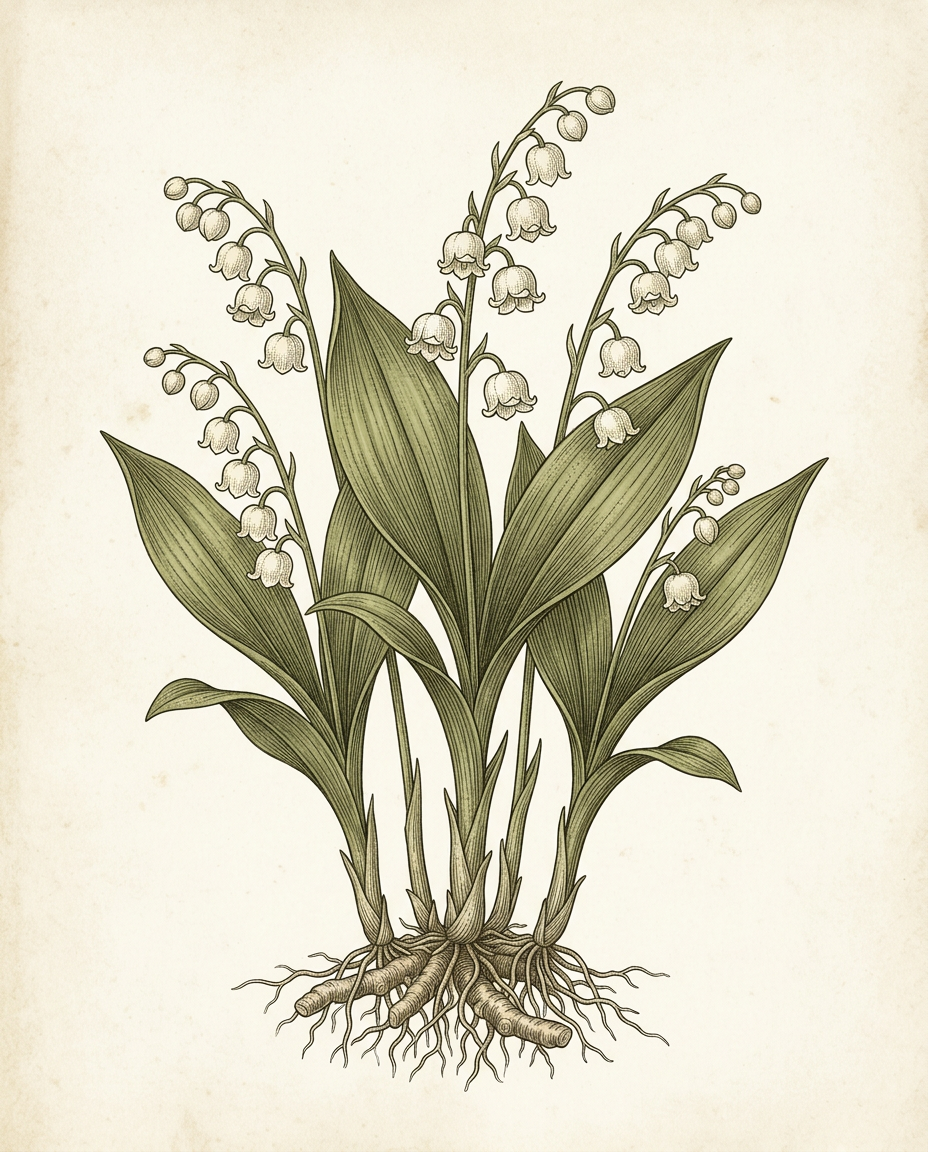

Plate IConvallaria majalis — the spring woodland perennial. Arching raceme of small white bell flowers above paired oval leaves; rhizomatous spread. ASPCA DEADLY — cardenolide cardiac glycosides.
Three plants that look the part, without the risk.
Same delicate-white-bell spring-woodland aesthetic without the cardiac glycoside — these substitutes give the lily-of-the-valley silhouette without the ER trip.
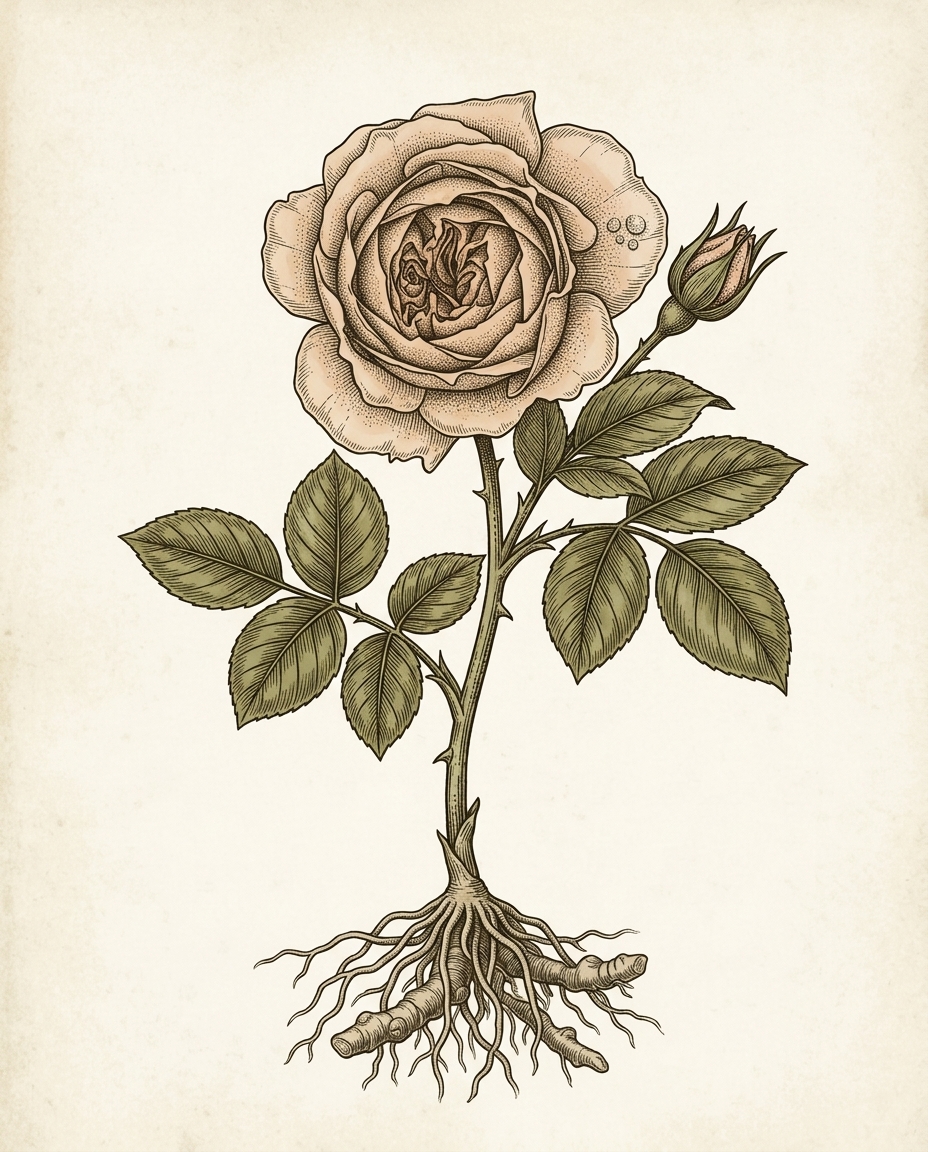
Rose (small white)
For delicate white blooms in a vase, miniature white roses give the same understated impact at ASPCA non-toxic.
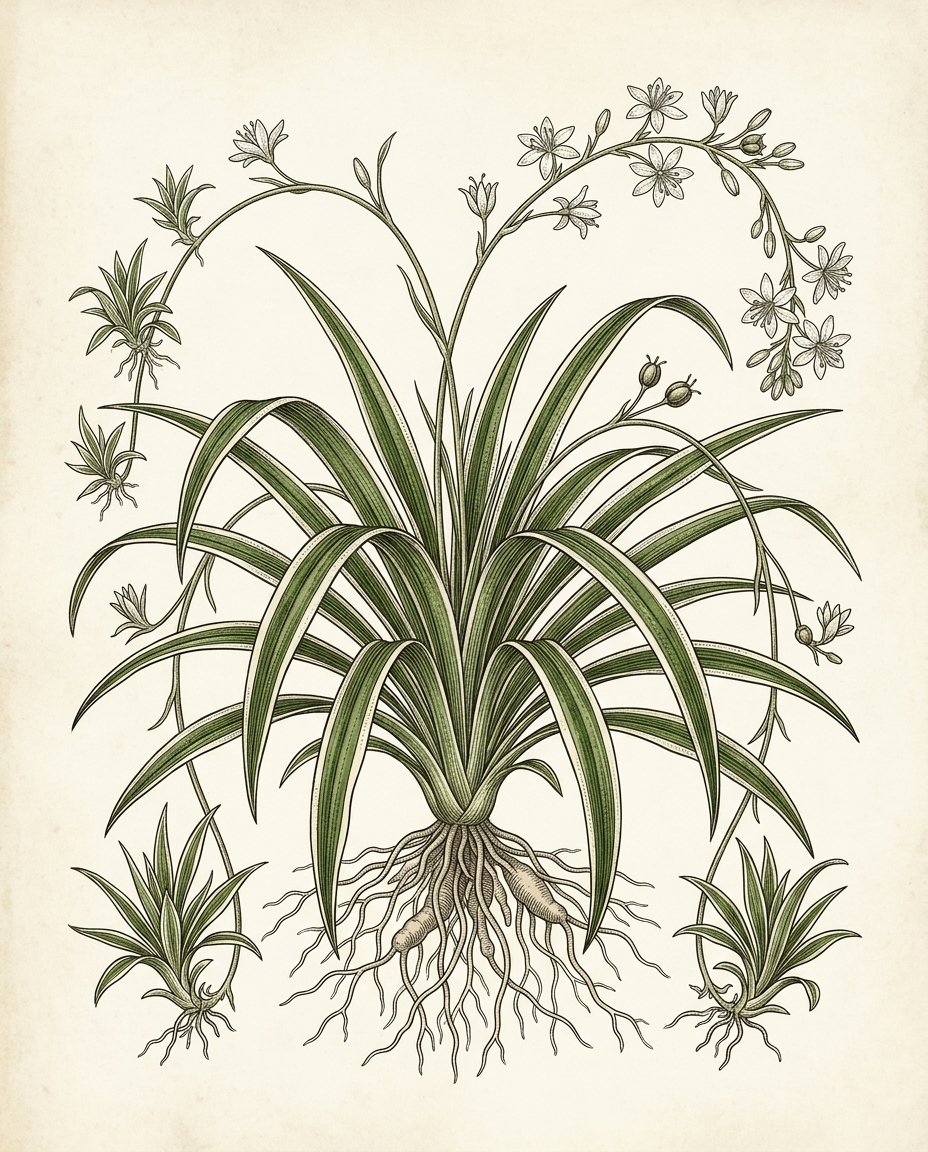
Spider Plant
For arching white-flowered foliage at low scale, spider plant is the ASPCA-safe alternative with similar habit. Forms baby plantlets cats can chase.
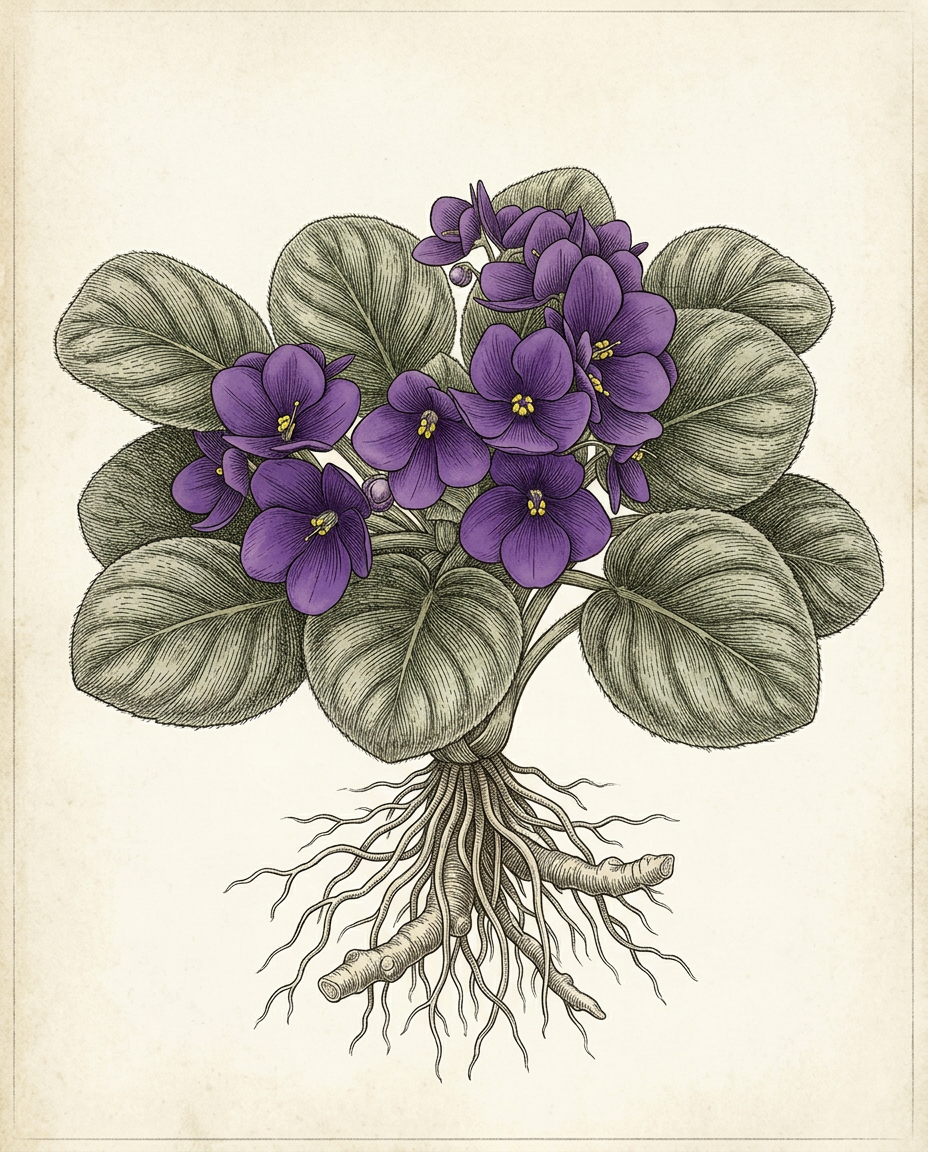
African Violet
For delicate-flowered houseplant scale, African violet is ASPCA non-toxic with a similar woodland-floor aesthetic indoors.
What it does to a cat.
Lily of the Valley is deadly to cats. The ASPCA lists Convallaria majalis as toxic to cats, dogs, and horses. The toxic principle is cardenolides — cardiac glycosides in the same drug class as digitalis (foxglove) and the prescription cardiac drug digoxin. Treat any ingestion as a vet emergency.
The ASPCA's verdict, verbatim: Scientific Name: Convallaria majalis · Family: Asparagaceae · Toxicity: Toxic to Dogs, Toxic to Cats, Toxic to Horses · Toxic Principles: Cardenolides (convallarin, and others) · Clinical Signs: Vomiting, irregular heart beat, low blood pressure, disorientation, coma, seizures.
Not a true lily — but every bit as deadly
The name confuses people. Lily of the Valley is not a true lily (Lilium or Hemerocallis). It is Convallaria majalis, in family Asparagaceae. The toxicity mechanism is cardiac, not renal. True lilies cause acute kidney failure within 24–72 hours. Lily of the Valley causes cardiac arrhythmia within hours, and untreated severe cases can progress to coma, seizures, and death.
Different mechanism. Same urgency.
The cat ate a lily emergency page covers true-lily renal exposure. That page is correct for Lilium and Hemerocallis (Easter lily, tiger lily, daylily, Asiatic lily, Oriental lily). For lily-of-the-valley, you still need the same urgency — vet now — but for cardiac monitoring rather than renal protection.
What it does to a cat
- Vomiting and diarrhea (first signs): onset 15 minutes to 2 hours after ingestion. May contain blood in moderate-to-severe exposures.
- Irregular heart beat (defining hazard): arrhythmia or bradycardia within 1 to 4 hours. The cardenolides bind cardiac muscle and alter the rhythm.
- Low blood pressure: cardiogenic hypotension — weak pulse, pale gums, cold extremities — in serious exposures.
- Disorientation, coma, seizures: neurological signs from cumulative cardiac and electrolyte effects. The lethal endpoint in untreated severe cases.
Get to a vet — what to do right now
If your cat has eaten any part of a lily of the valley plant — leaves, flowers, root, or has even drunk the vase water — go to the vet. Do not wait for symptoms to develop. Cardenolides have a narrow therapeutic window; a small dose in a 4-5 kg cat can produce real cardiac effects.
- Call the ASPCA Animal Poison Control Center at 888-426-4435 on the way to the vet. They charge a $95 consultation fee and will work directly with your vet.
- Bring a sample or photo of the plant. This confirms the identification and the toxin class for treatment planning.
- Note the time of ingestion (or your best estimate). Anti-emetic effectiveness depends on the window.
- Treatment is supportive: IV fluids, anti-emetics, cardiac monitoring (ECG), anti-arrhythmics as needed, atropine for bradycardia. Outcomes are good with prompt care.
Where it grows and how to spot it
Lily of the valley is a spring-blooming woodland perennial common in shaded gardens across temperate zones. The signs:
- Arching racemes of small white bell flowers in late April through May.
- Paired oval-elliptical green leaves, 10–20 cm long, sheathing the flower stalk.
- Spreading rhizome network — once established, it forms dense colonies.
- Sweet floral fragrance when in bloom.
Common in cottage gardens, woodland-edge plantings, and as a cut flower in spring bouquets (especially in May — it's a traditional May Day flower and a Royal-wedding bouquet staple). If you have a spring shade garden and you didn't plant it, look — it spreads readily and you may already have it.
Cat-safe alternatives
For the spring woodland-floor aesthetic, the ASPCA non-toxic options that read similar:
- African violet — for indoor delicate-flowered woodland feel. ASPCA non-toxic.
- Spider plant — for arching foliage and trailing plantlets. ASPCA non-toxic.
- Roses in miniature white cultivars — for cut-flower delicacy without the cardiac risk.
For the related lily warnings and the emergency lily protocol, see the cat ate a lily emergency page and the lily reference. For the full toxic-plants reference, the toxic plants list.
What we have actually seen.
Vomiting and diarrhea
First signs — onset 15 min to 2 hours after ingestion. May contain blood in moderate-to-severe exposures.
Irregular heart beat (arrhythmia)
The defining hazard. Cardenolides bind cardiac muscle the same way digitalis (foxglove) does. Bradycardia or arrhythmia within 1–4 hours.
Low blood pressure
Cardiogenic hypotension — weak pulse, pale gums, cold extremities. A late sign in serious exposures.
Disorientation, coma, seizures
Neurological signs from cumulative cardiac and electrolyte effects. Severe cases. Without treatment, death is possible.
- ASPCA Animal Poison Control Center. Toxic and Non-Toxic Plants: Lily of the Valley.Accessed June 2026 · aspca.org · Convallaria majalis · Toxic Principles: Cardenolides (convallarin and others) · Clinical Signs: Vomiting, irregular heart beat, low blood pressure, disorientation, coma, seizures
- Pet Poison Helpline. Cardiac glycoside ingestion in companion animals.Clinical reference · 2024
- Merck Veterinary Manual. Cardenolide cardiac toxicosis in cats.Standard veterinary toxicology reference