Camellia
Camellia japonica
Ornamental camellia (Camellia japonica) is non-toxic to cats per the ASPCA — flowers, leaves, and all. The tea-plant caffeine concern people search for is a separate question about Camellia sinensis processed leaves, not ornamental camellia.
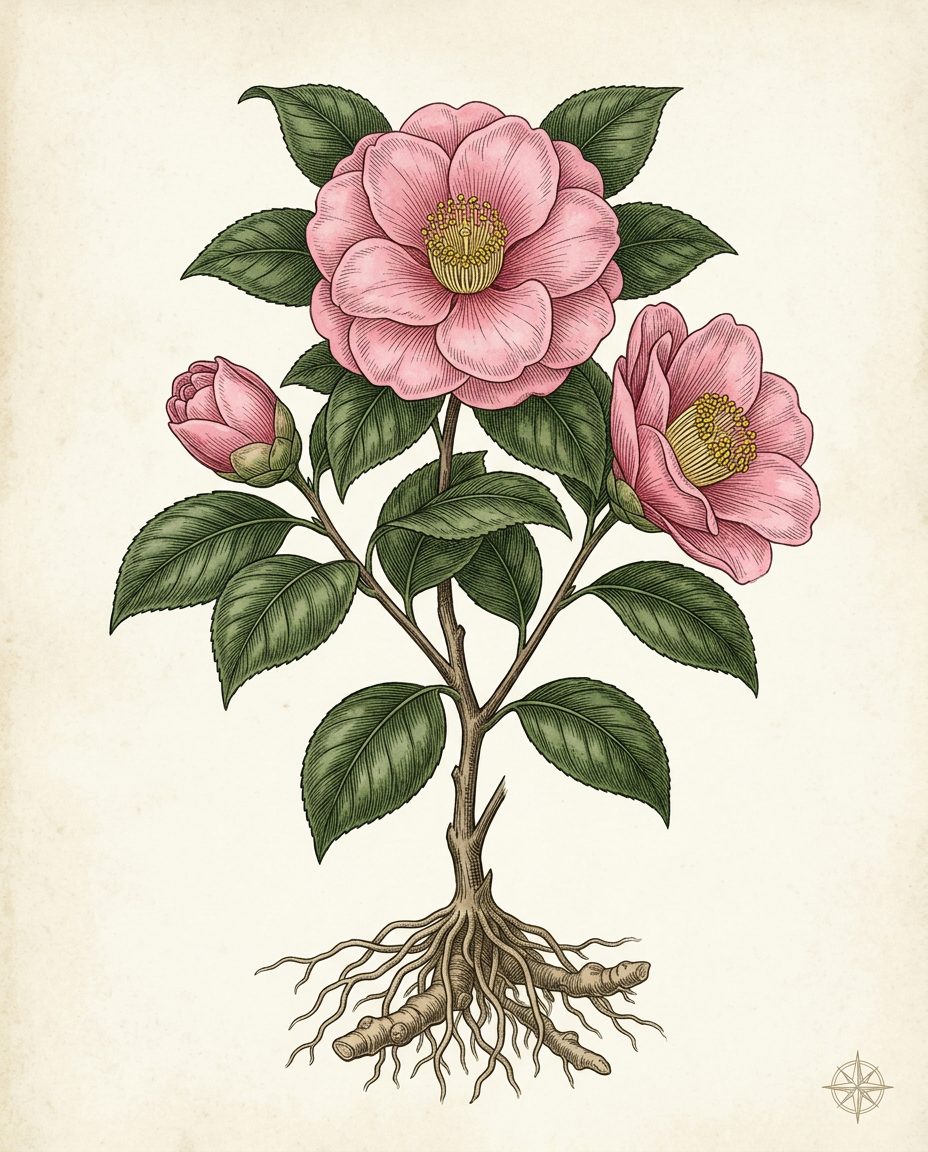
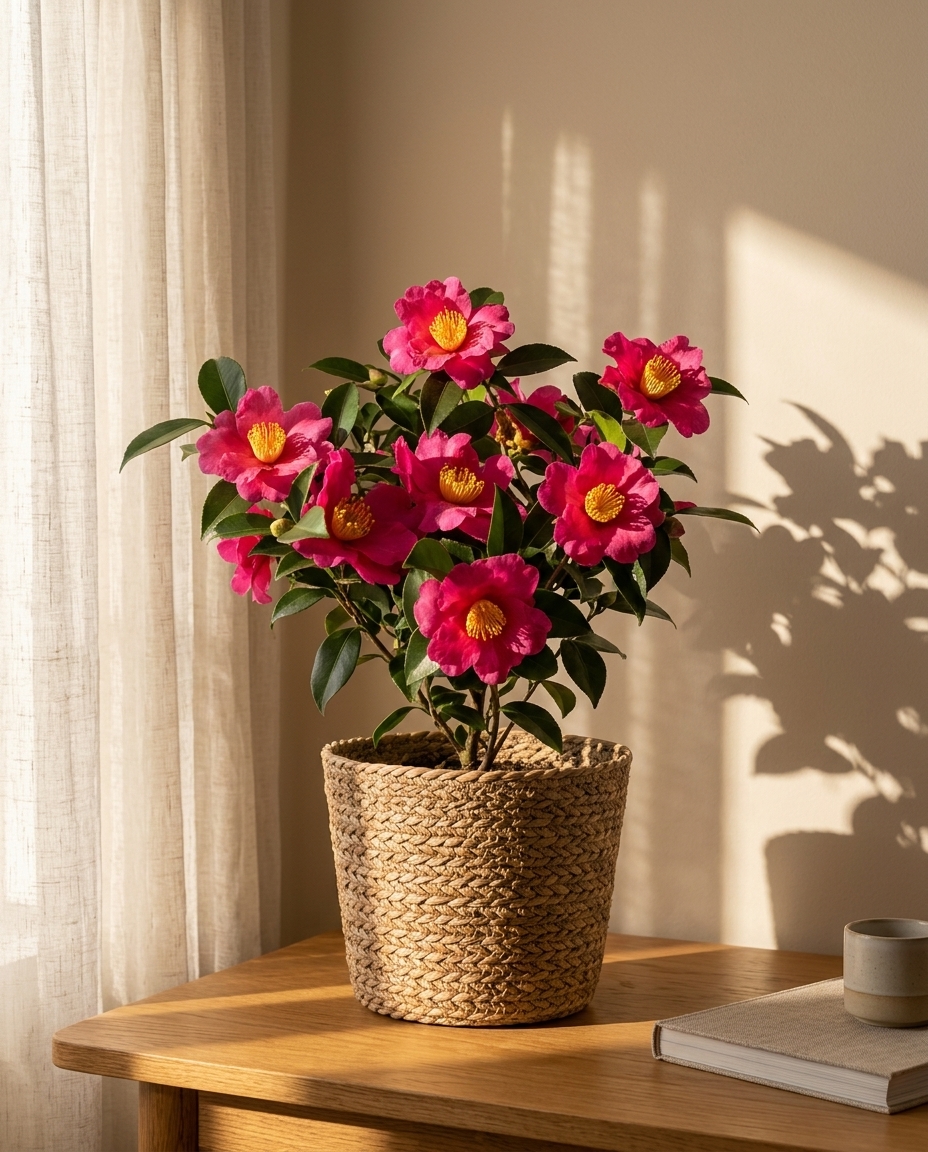
Plate ICamellia japonica — common camellia. Glossy dark green ovate leaves and peony-form rose-pink flower. Theaceae. ASPCA non-toxic — flowers and foliage both safe.
Why ornamental camellia is cat-safe.
Yes — camellias are safe for cats. The ASPCA lists Camellia japonica (Common Camellia, Peony Camellia) as non-toxic to dogs, non-toxic to cats, and non-toxic to horses. Toxic principles: non-toxic. The full plant — peony-form flowers, glossy ovate leaves, woody stems — carries no compound ASPCA flags for cats.
The ASPCA verdict, verbatim: Toxicity: Non-Toxic to Dogs, Non-Toxic to Cats, Non-Toxic to Horses · Family: Theaceae · Additional Common Names: Common Camellia, Peony Camellia · Scientific Name: Camellia japonica · Toxic Principles: Non-toxic.
The tea-plant caveat — the reason this page exists
Most people who search "are camellias safe for cats" already know that caffeine is toxic to cats and have made the connection that tea comes from a camellia. The connection is real but the conclusion is wrong. Here is the precise picture:
- Camellia japonica (this page, the ornamental garden shrub) — ASPCA non-toxic. No caffeine concern.
- Camellia sasanqua (autumn-flowering ornamental) — same genus, same non-toxic status on the live plant.
- Camellia sinensis (the tea plant — same genus) — the live plant itself is also broadly non-toxic at the foliage level. The cat risk from "tea" is concentrated caffeine in processed, dried, and brewed tea, not in the living shrub.
So if you grow ornamental camellias in the garden or conservatory, you are not introducing the caffeine problem. The caffeine problem is in your tea bags and your mug. Keep those out of cat reach (same as coffee grounds and chocolate). Plant the camellia anywhere.
The Ericaceae confusion — the more important warning
Camellias are sometimes confused in the garden with azaleas and rhododendrons, which share the same season and a vaguely similar planted-shrub presence. That confusion matters because:
- Camellia (Theaceae) → ASPCA non-toxic.
- Azalea / Rhododendron (azalea, rhododendron, Ericaceae) → ASPCA toxic — grayanotoxin, "few leaves" enough to cause symptoms.
If your cat is in a garden with mixed flowering shrubs, the toxic risk is from azaleas and rhododendrons (and, completing the Ericaceae trio, pieris) — not from camellias. Identifying the shrub correctly is the only place this matters. Glossy serrated waxy ovate leaves with a single large peony-form bloom = camellia, safe. Funnel-shaped clustered tubular blooms with thinner softer leaves = azalea / rhododendron, toxic.
Care that suits a cat household
Camellias are slightly more demanding than the average houseplant but the cat layout is straightforward:
- Bright indirect light without harsh afternoon sun — a conservatory window or an unheated porch suits them.
- Cool temperatures, especially in winter — below 18 °C is ideal for flowering. Camellias dislike heated indoor rooms.
- Acid, evenly moist soil. Use ericaceous compost; tap-water chalk can yellow leaves over time. Rainwater is the camellia keeper's standard.
- Heavy stable pot because cats may bat at flowers — a deep pot prevents tipping and keeps the root run cool.
Pairing camellia in a cat-safe layout
Camellia pairs naturally with:
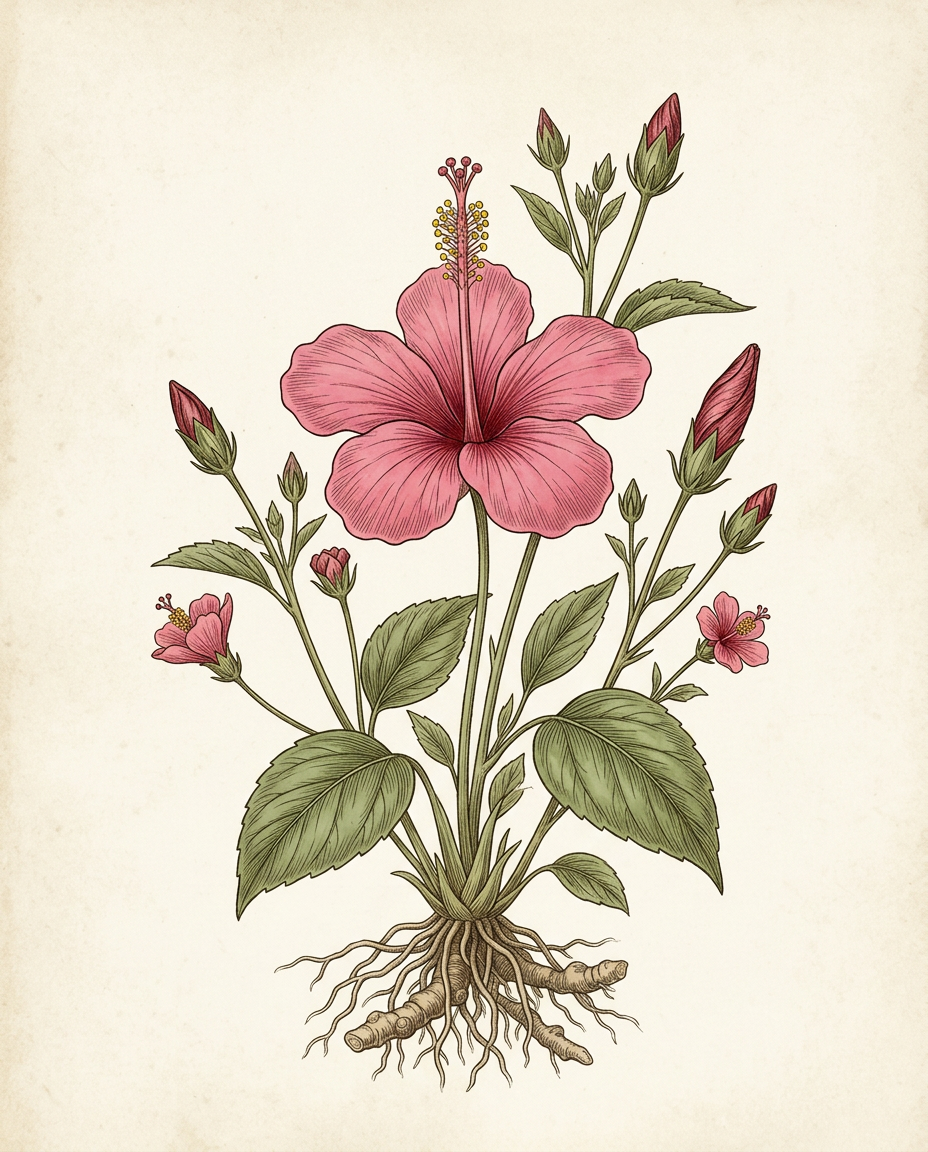
- Hibiscus — the other widely-grown ASPCA non-toxic flowering ornamental shrub.
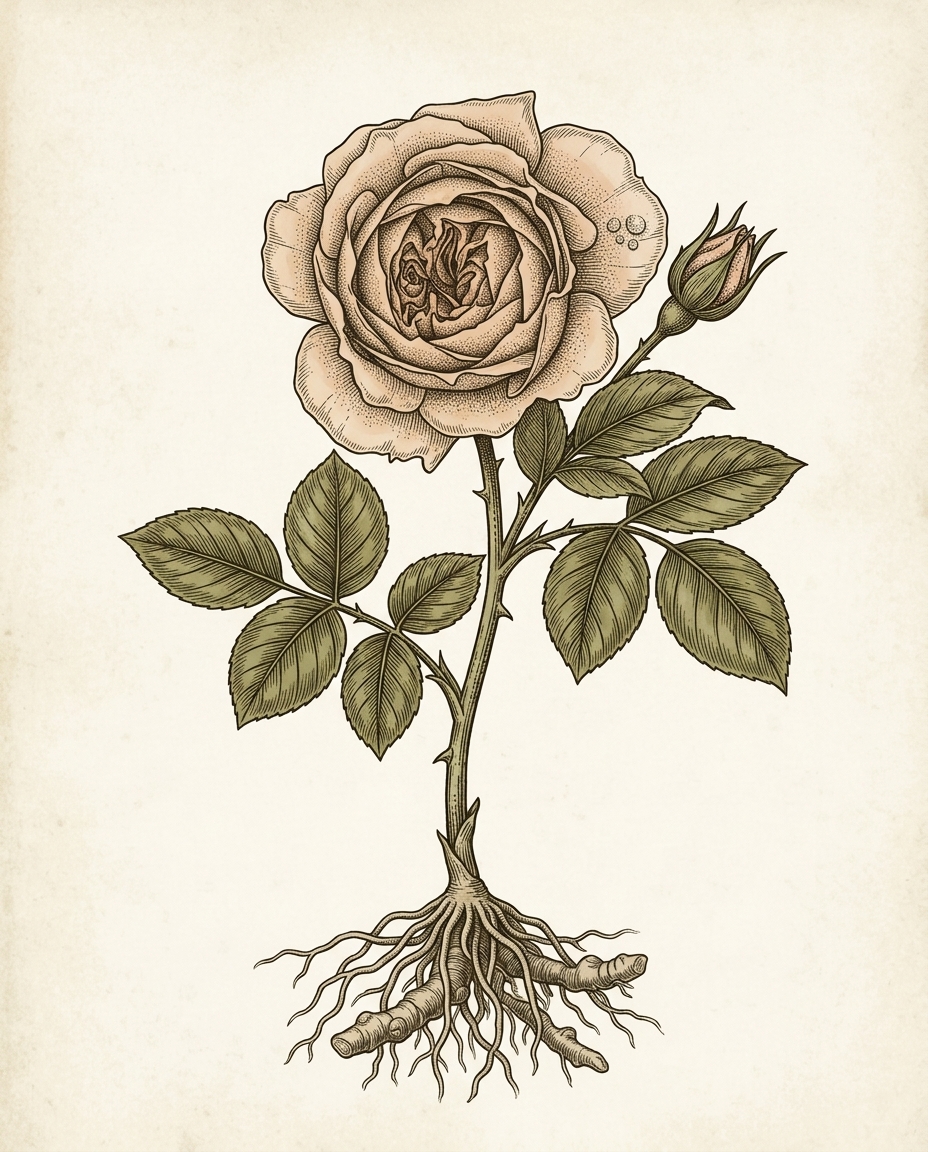
- Rose — also non-toxic, similar conservatory placement.
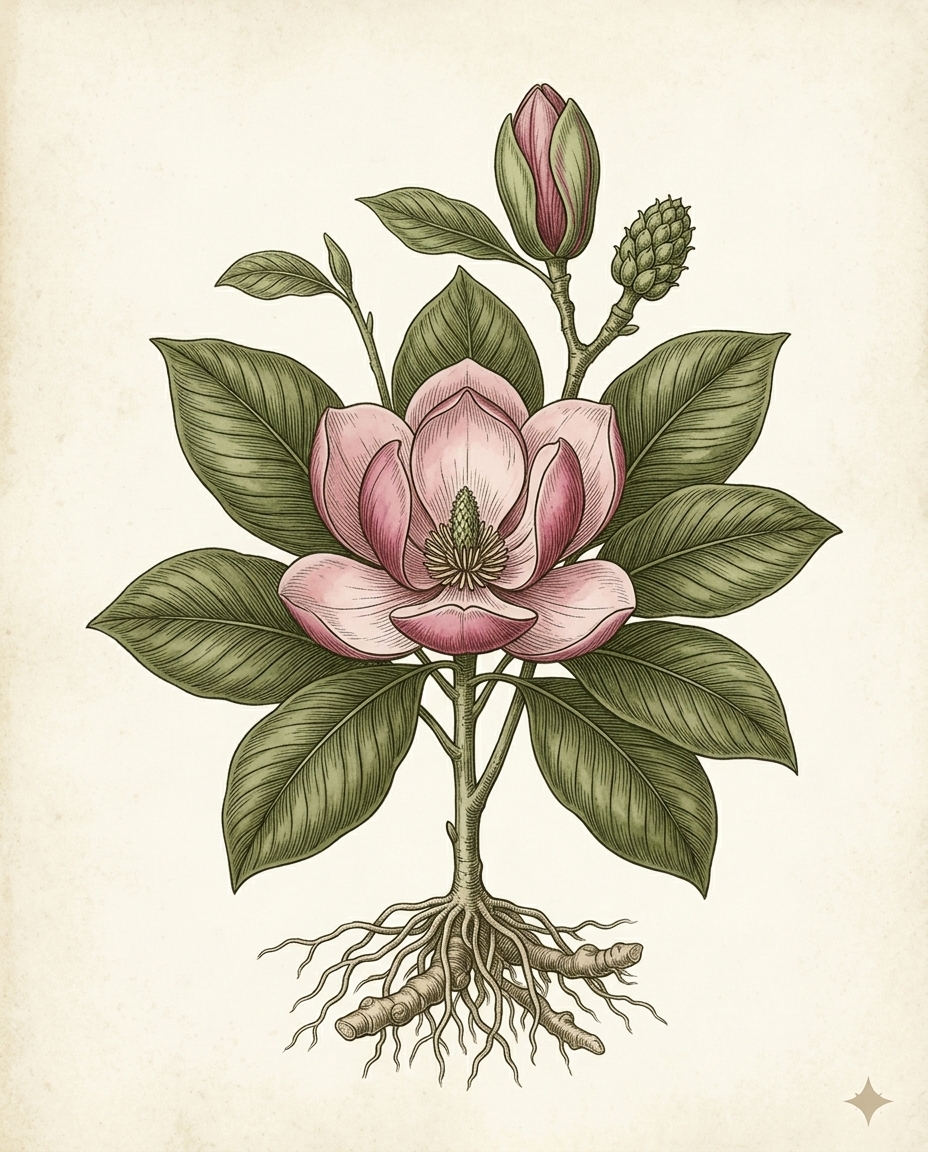
- Magnolia — non-toxic flowering tree, similar evergreen-or-deciduous habit.
Avoid placing camellia near azalea, rhododendron, pieris, or oleander without barriers if cats roam the garden — those are the toxic flowering shrubs that get confused with camellia at a glance. For the full toxic landscape see toxic plants for cats and for more safe flowering options cat-safe plants.
What we have actually seen.
Flower-batting
Cats sometimes paw at fallen camellia blooms. Non-toxic — petals can be chewed, the cat is fine.
Leaf chewing
Glossy ovate leaves get tested occasionally. ASPCA non-toxic across cats, dogs, and horses for foliage and flowers.
Tea-plant confusion
Camellia sinensis (the tea plant) is the same genus. The realistic concern there is caffeine in processed dried tea leaves, not the live plant. Ornamental Camellia japonica is unrelated to the caffeine problem.
Mild fibrous vomiting
A cat that eats a mouthful of waxy leaves may vomit mechanically — no toxic effect, just fibre rejection. Self-limiting.
Four common varieties.
Japonica (classic)
The standard ornamental camellia. Large peony-form flowers in pink, red, and white. ASPCA non-toxic.
Sasanqua (autumn-flowering)
Sister Camellia species, autumn-flowering, smaller blooms, same Theaceae family and same cat-safety profile.
Reticulata (large-flowered)
Yunnan camellia — the largest-flowered Camellia species. Same non-toxic status across the genus for ornamental species.
Sinensis (tea plant)
The tea plant — same genus, also non-toxic as a live ornamental. The caffeine concern is in PROCESSED dried tea leaves (commercial tea), not the live shrub.
Keeping the plant alive.
Bright indirect or part shade
Camellias prefer cool morning light and afternoon shade outdoors; indoor specimens need bright indirect light with no harsh afternoon sun.
Evenly moist, acid water
Keep the soil evenly moist but never sodden. Camellias prefer slightly acid water; tap water with chalk can cause leaf-yellowing over time.
Acid, peaty, well-draining
Use an ericaceous (acid-loving) mix. Standard houseplant soil is too alkaline long term.
Cool conservatory or porch
Cooler than typical houseplant range — camellias bloom best below 18 °C in winter. Conservatories and unheated porches suit them.
- ASPCA Animal Poison Control Center. Toxic and Non-Toxic Plants: Camellia.Accessed June 2026 · aspca.org · Camellia japonica · Non-Toxic to Dogs, Non-Toxic to Cats, Non-Toxic to Horses · Family Theaceae · Additional Common Names: Common Camellia, Peony Camellia · Toxic Principles: Non-toxic
- ASPCA Animal Poison Control Center. Animal Poison Control: People Foods to Avoid Feeding Your Pets — Caffeine.For the separate caffeine question — concerns processed coffee, tea, and chocolate, NOT live ornamental camellia foliage
If you liked this, also safe.