Magnolia
Magnolia stellata
Yes — the magnolia is safe for cats. The ASPCA lists the magnolia bush (Magnolia stellata) as non-toxic to cats, dogs, and horses. The verdict is specific to the ASPCA-listed star magnolia; other Magnolia species are highly likely safe on family chemistry but are not individually verified.
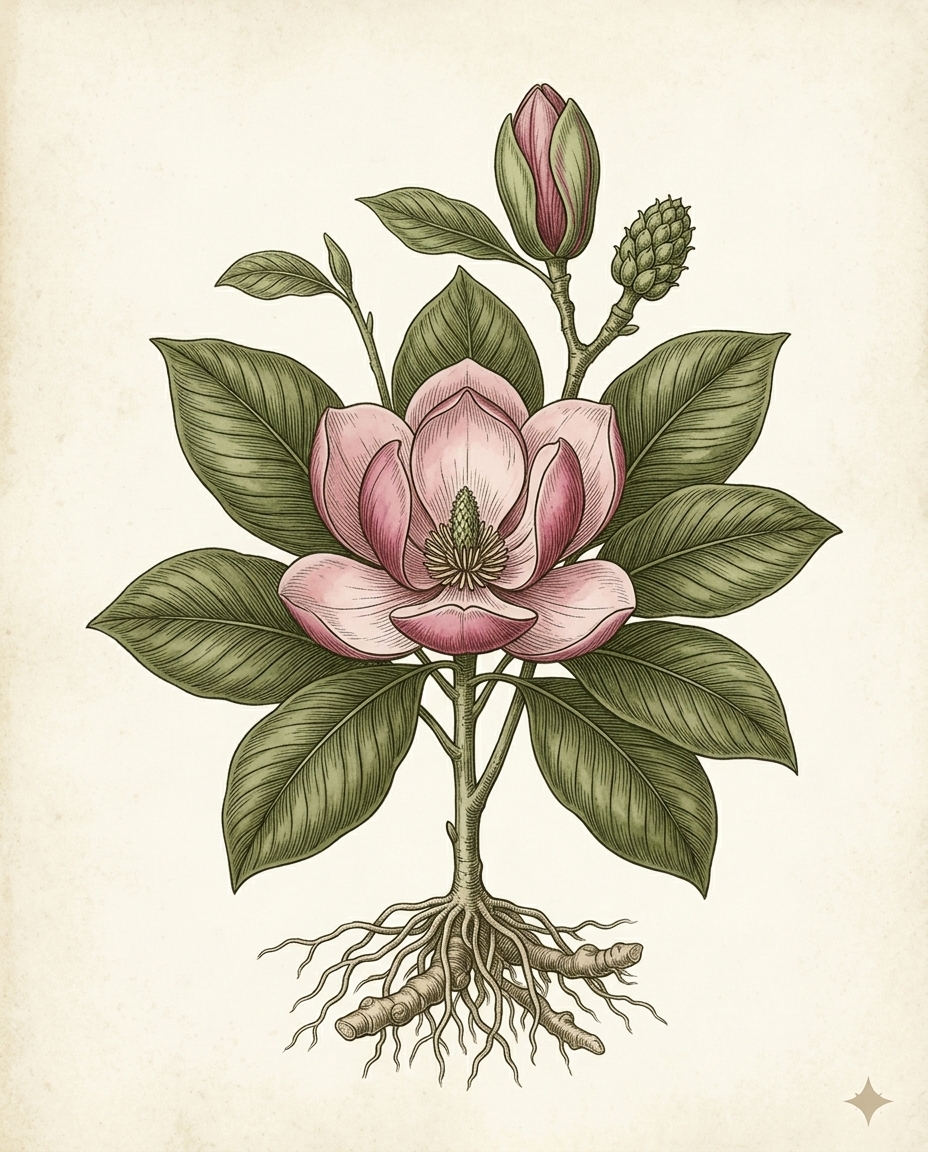
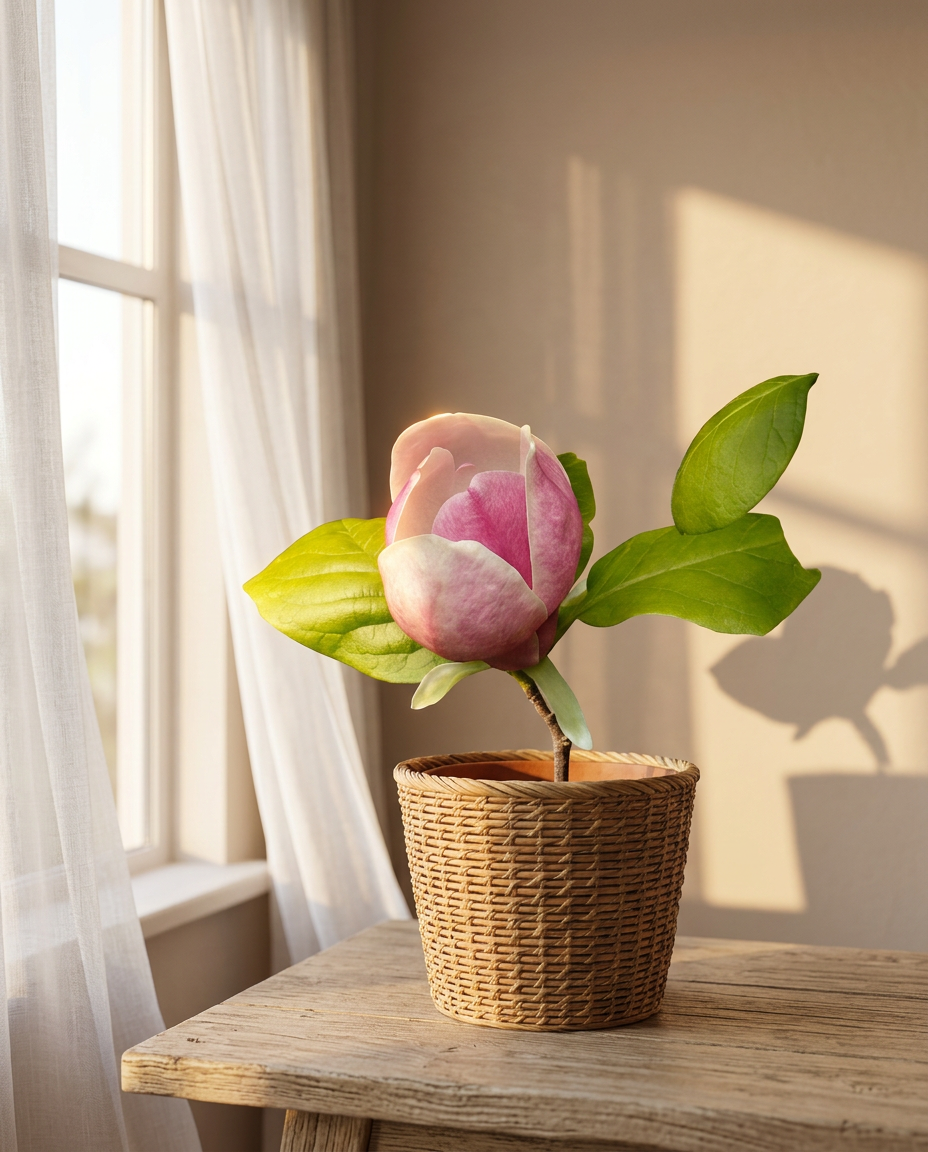
Plate IMagnolia stellata — the star magnolia. The ASPCA lists the magnolia bush as non-toxic to cats.
The magnolia is safe— star magnolia confirmed, others likely.
Yes — the magnolia is safe for cats. The ASPCA lists the magnolia bush as "Non-Toxic to Dogs, Non-Toxic to Cats, Non-Toxic to Horses." The plant, its leaves, and its flowers pose no poisoning risk.
Magnolia (Magnolia stellata, the star magnolia) is a deciduous shrub or small tree in the family Magnoliaceae, prized for its early, star-shaped white blooms. Whether grown as a patio specimen, a border shrub, or a small garden tree, a cat that bats at a fallen petal or chews a leaf is in no danger.
ASPCA Data
According to the ASPCA, the magnolia bush is listed under plants non-toxic to cats:
Non-Toxic to Dogs, Non-Toxic to Cats, Non-Toxic to Horses.
There are no toxic principles. The star magnolia is completely safe around cats.
A note on which magnolia
This is worth being precise about. The ASPCA entry is specifically for the magnolia bush — Magnolia stellata, the star magnolia. That is the species we can state with confidence is verified non-toxic.
The genus Magnolia includes many other plants — the saucer magnolia (Magnolia × soulangeana), the evergreen southern magnolia (Magnolia grandiflora), and dozens more. These share the same benign family chemistry and are highly likely to be safe, but they have not been individually ASPCA-verified. If you want a magnolia you can point to a published ASPCA listing for, the star magnolia is it; for other species the safe assumption is reasonable but rests on family chemistry rather than a species-specific entry.
Living with a magnolia around cats
Because the plant is non-toxic, there is no safety reason to fence it off. A few practical notes:
- Falling petals and leaves. Magnolias shed thick petals and leathery leaves. The litter is harmless if nibbled, though a cat may happily chase a falling bloom.
- Bulk matters, not toxicity. Eating a large quantity of any plant matter can cause mild, self-limiting stomach upset — that is volume, not poison.
Growing a magnolia
Magnolias want full sun to part shade, rich and slightly acidic free-draining soil that stays moist, and shelter from strong wind that can tear the large blooms. Early-flowering star magnolias appreciate protection from harsh morning sun after a frost, which can brown the petals.
The bottom line
The star magnolia is a safe, ASPCA-verified plant for homes and gardens with cats, and its relatives are highly likely safe on the same family chemistry. For other safe, fragrant garden shrubs, see camellia and crepe myrtle. Note that gardenia — a fragrant shrub often grown alongside magnolias — is toxic to cats, so do not confuse the two.
What we have actually seen.
Non-toxic plant
The star magnolia — leaves, bark, flowers, and petals — is non-toxic to cats. A cat that bats at a fallen bloom or chews a leaf faces no poisoning risk.
Verdict is species-specific
The ASPCA entry covers the magnolia bush, Magnolia stellata. Other magnolias share the same benign family chemistry and are highly likely safe, but they are not each individually ASPCA-verified.
Petals and leaves drop heavily
Magnolias shed thick petals and leathery leaves. The litter is harmless if nibbled, though a cat may enjoy chasing falling petals.
Bulk plant matter can upset digestion
As with any non-toxic greenery, eating a large quantity of leaves or petals may cause mild, self-limiting stomach upset — from volume, not from any toxin.
Four common varieties.
Magnolia stellata (The ASPCA-listed magnolia bush)
A compact, shrubby deciduous magnolia with star-shaped white flowers in early spring. This is the species the ASPCA lists as non-toxic.
Magnolia × soulangeana (Popular garden hybrid)
A larger spring-flowering magnolia with goblet-shaped pink-and-white blooms. Same benign family chemistry, though not individually ASPCA-listed.
Magnolia grandiflora (Evergreen, large-flowered)
A stately evergreen with glossy leaves and huge fragrant white flowers. Highly likely safe on family chemistry; not individually ASPCA-verified.
Keeping the plant alive.
Full sun to part shade
Magnolias flower best with several hours of sun. Shelter early bloomers from harsh morning sun after frost, which can brown the petals.
Consistent moisture
Keep the root zone evenly moist, especially while young and establishing. Mulch to conserve water and protect the shallow roots.
Rich, slightly acidic
Fertile, humus-rich, free-draining soil that holds moisture. Magnolias dislike thin, chalky, or waterlogged ground.
Sheltered spot
Give magnolias room and a position sheltered from strong wind, which can tear the large blooms and leaves.
- ASPCA Animal Poison Control Center. Toxic and Non-Toxic Plants: Magnolia Bush.Accessed June 2026 · aspca.org
If you liked this, also safe.