Gardenia
Gardenia jasminoides
Gardenia (Gardenia jasminoides), also called "Cape Jasmine," is toxic to cats per the ASPCA — genioposide and gardenoside. Clinical signs are mild vomiting, diarrhea, and hives. NOT a true jasmine despite the common name.
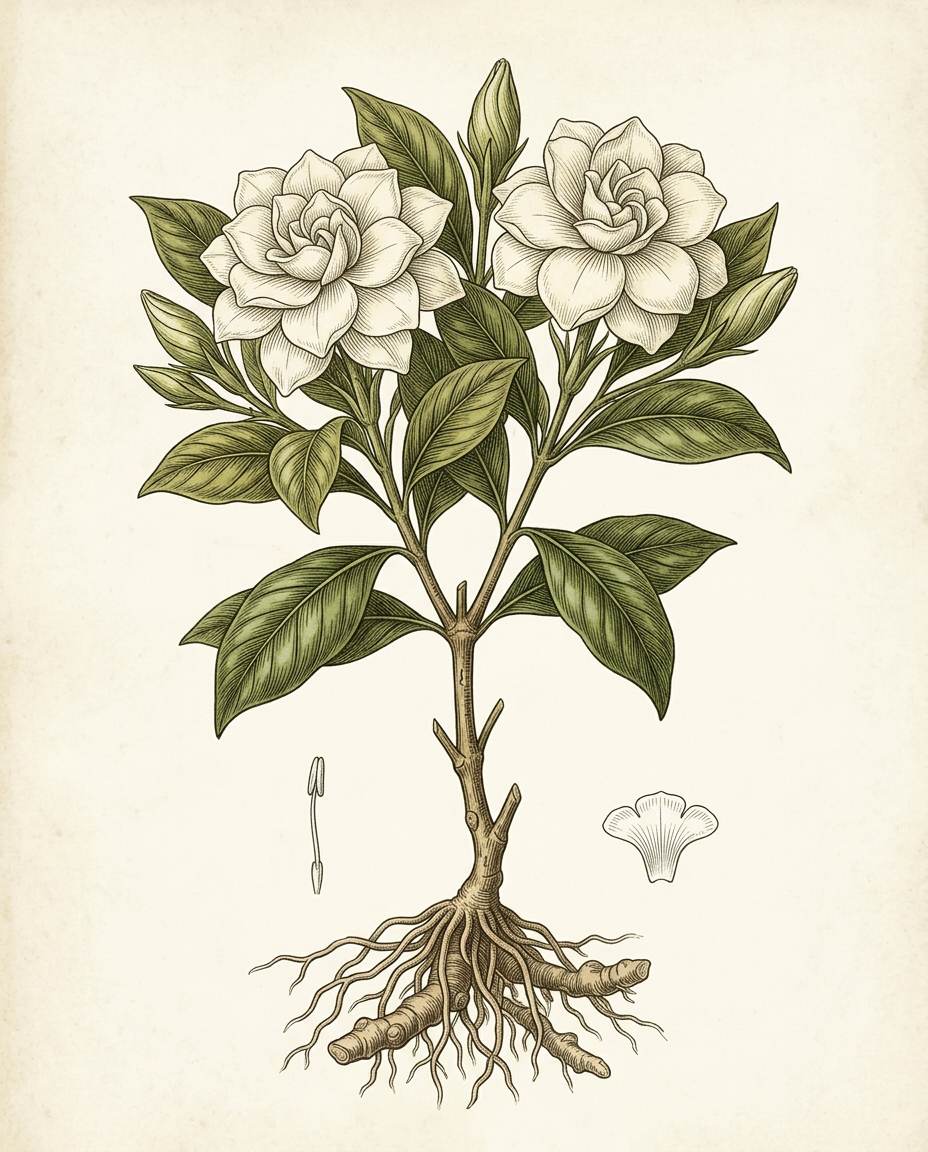
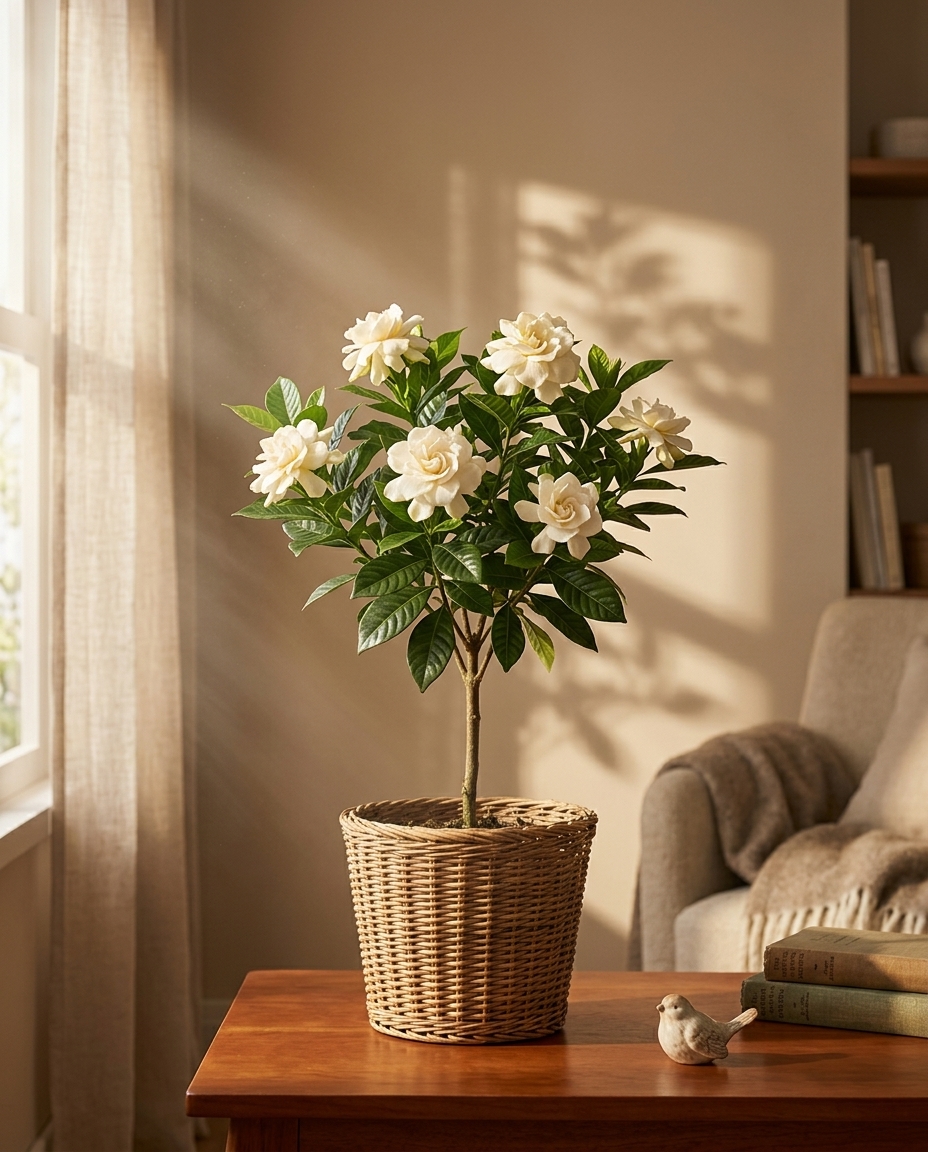
Plate IGardenia jasminoides — Cape jasmine. Glossy dark leaves and creamy-white double flowers. Rubiaceae. ASPCA toxic — mild GI + hives. NOT a true jasmine.
Three plants that look the part, without the risk.
Fragrant white-flowered houseplants that are ASPCA-safe — the cat-friendly alternatives if you wanted the gardenia perfume without the genioposide glycosides.
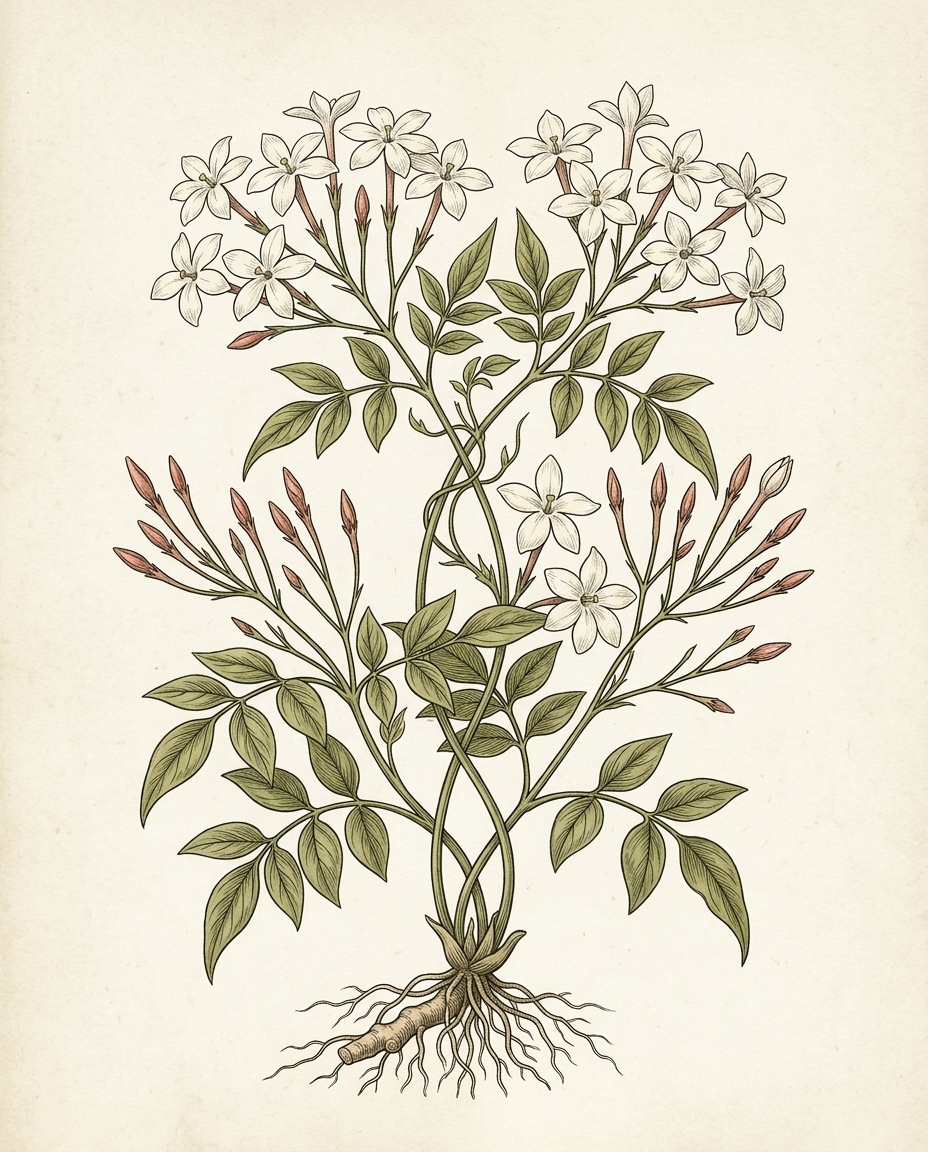
True jasmine
For that same intensely fragrant white-flowered look at ASPCA non-toxic. Despite Cape Jasmine name overlap, true Jasminum (Oleaceae) is in a completely different family and IS safe.
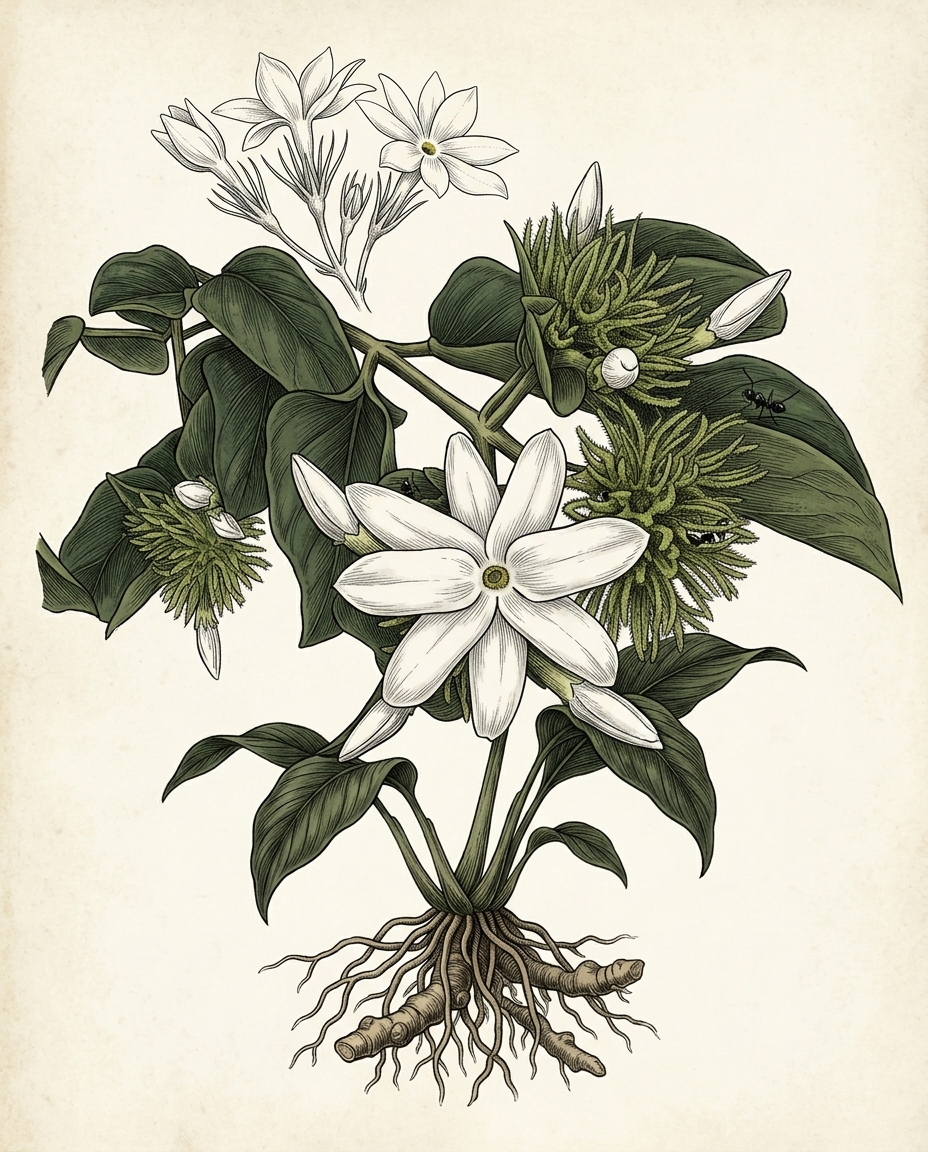
Star jasmine
Another non-true-jasmine confirmed ASPCA non-toxic. Similar fragrance, climbing habit, white star flowers.
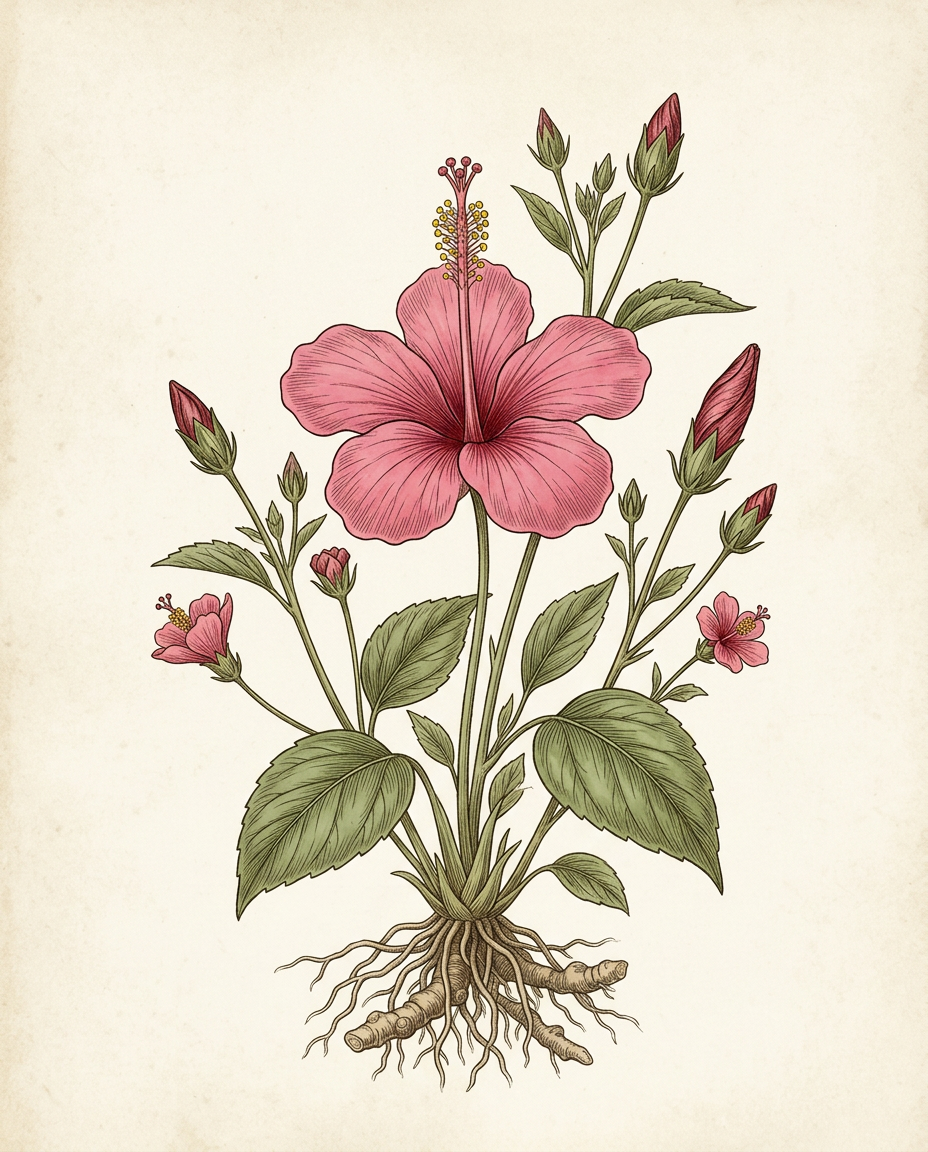
Hibiscus
For a fragrant flowering tropical shrub at ASPCA non-toxic. Larger showier blooms, different scent profile, but the same conservatory placement.
Why gardenia is mildly toxic.
Yes — gardenia is toxic to cats, but mildly. The ASPCA lists Gardenia jasminoides (also called Cape Jasmine) as toxic to dogs, toxic to cats, and toxic to horses. The toxic principles are genioposide and gardenoside — iridoid glycosides present throughout the plant.
The ASPCA verdict, verbatim: Toxicity: Toxic to Dogs, Toxic to Cats, Toxic to Horses · Family: Rubiaceae · Additional Common Names: Cape Jasmine · Scientific Name: Gardenia jasminoides · Toxic Principles: Genioposide, gardenoside · Clinical Signs: Mild vomiting and/or diarrhea, hives.
The important framing: gardenia is on the mild end of the toxic spectrum. Clinical signs are GI and dermatological — not the seizure-and-liver-failure tier of sago palm, lily-of-the-valley, or oleander. A single chewed petal usually produces no symptoms at all. A larger ingestion produces hours-later mild vomiting, diarrhea, and possibly hives — typically self-limiting within 12 to 24 hours.
The "Cape Jasmine" name trap — and why true jasmine is safe
The single biggest source of confusion for owners searching "is gardenia toxic to cats" is the Cape Jasmine common name on the ASPCA entry. Here is the precise picture:
- Gardenia (this page) — Gardenia jasminoides, family Rubiaceae. ASPCA toxic. Sometimes sold as "Cape Jasmine" for its jasmine-like fragrance.
- True jasmine — Jasminum species, family Oleaceae. ASPCA non-toxic. See the jasmine page.
- Star jasmine — Trachelospermum jasminoides, family Apocynaceae. ASPCA non-toxic (separate entry).
The species name jasminoides on both gardenia and star jasmine just means "jasmine-like" — referring to fragrance, not to botany or safety. Gardenia and true jasmine are in entirely different botanical families. Same fragrance, different verdict. If your shop or seed packet says "Cape Jasmine," it is gardenia — toxic. If it says Jasminum anything, it is true jasmine — safe.
Why hives matter — the diagnostic sign
Most plant-toxicity profiles are GI-only or neurological. Gardenia is unusual in that the ASPCA Clinical Signs entry includes hives — sudden skin lumps, itching, or facial swelling. If a cat has been near a gardenia and develops sudden hives within hours, the gardenia is a likely culprit on the differential. This is diagnostically useful — most other common houseplants don't produce hives, so the combination of mild GI plus hives narrows the field.
Severity framing — when to call the vet
Realistic gardenia exposure scenarios and the right response:
- Single petal or leaf nibble — watch the cat. Mild GI is the worst-case expected outcome; most cats show nothing.
- Larger ingestion (a flower or several leaves) — call the ASPCA Animal Poison Control Center at 888-426-4435 ($95 consultation). Mild vomiting and diarrhea are the expected pattern.
- Hives, facial swelling, or repeated vomiting beyond 24 hours — vet visit.
- Concentrated gardenia essential oil exposure (diffused or topical) — emergency. The same UGT1A6 metabolic limit that makes lemon-grass oil dangerous applies to gardenia oil. Never apply gardenia oil to cats or diffuse it in cat-occupied spaces.
Cat-safe alternatives for the gardenia role
If you bought gardenia for the white-flower-fragrance role and want a safer swap:
- True jasmine (Jasminum officinale or Jasminum polyanthum) — same intensely fragrant white-flowered look, ASPCA non-toxic. Despite the "Cape Jasmine" overlap, true Jasminum IS safe.
- Star jasmine (Trachelospermum jasminoides) — climbing fragrant white flowers, ASPCA non-toxic.
- Hibiscus — larger blooms, different scent, ASPCA non-toxic flowering shrub.
- Camellia — non-toxic flowering shrub with similar evergreen habit.
For the full toxic landscape see toxic plants for cats, and for safe fragrant alternatives cat-safe plants.
What we have actually seen.
Mild GI signs
ASPCA lists vomiting and diarrhea as the typical clinical signs in cats and dogs. Hours after ingestion, usually self-limiting within 12 to 24 hours. Not the seizures-and-liver-failure tier.
Hives — the distinguishing sign
Hives are unusual in plant-toxicity profiles and worth recognising. ASPCA flags them specifically for gardenia. If a cat develops sudden skin lumps or itching after time near the plant, gardenia is on the differential.
Cape Jasmine confusion
Gardenia is sometimes sold as "Cape Jasmine" — despite the name it is NOT a true jasmine (Jasminum, Oleaceae, non-toxic). Same fragrance profile, different family, different verdict.
Mild casual chews
A cat that nibbles one petal or leaf usually has no symptoms — toxin dose is small in casual exposure. Worry scales with quantity.
- ASPCA Animal Poison Control Center. Toxic and Non-Toxic Plants: Gardenia.Accessed June 2026 · aspca.org · Gardenia jasminoides (Cape Jasmine) · Toxic to Dogs, Toxic to Cats, Toxic to Horses · Family Rubiaceae · Toxic Principles: Genioposide, gardenoside · Clinical Signs: Mild vomiting and/or diarrhea, hives
- ASPCA Animal Poison Control Center. Toxic and Non-Toxic Plants: Jasmine.For the disambiguation — true Jasminum species ARE non-toxic, gardenia is NOT a true jasmine despite the Cape Jasmine name