Jasmine
Jasminum species
True jasmine (Jasminum species, Oleaceae) is non-toxic to cats per the ASPCA. But five different plants get sold as "jasmine" and three of those are toxic — Carolina jessamine, night-blooming jasmine, and Cape jasmine (gardenia). Identify before you trust the verdict.
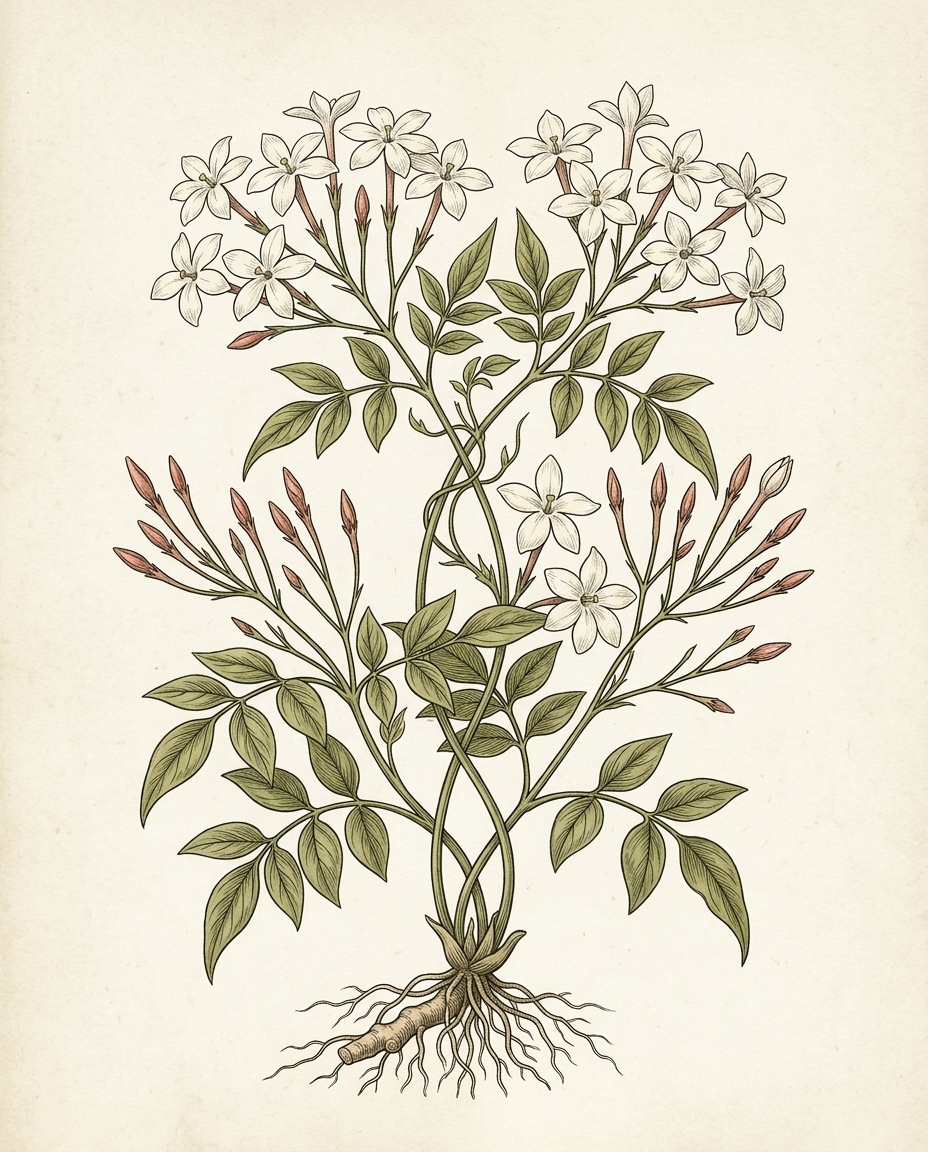
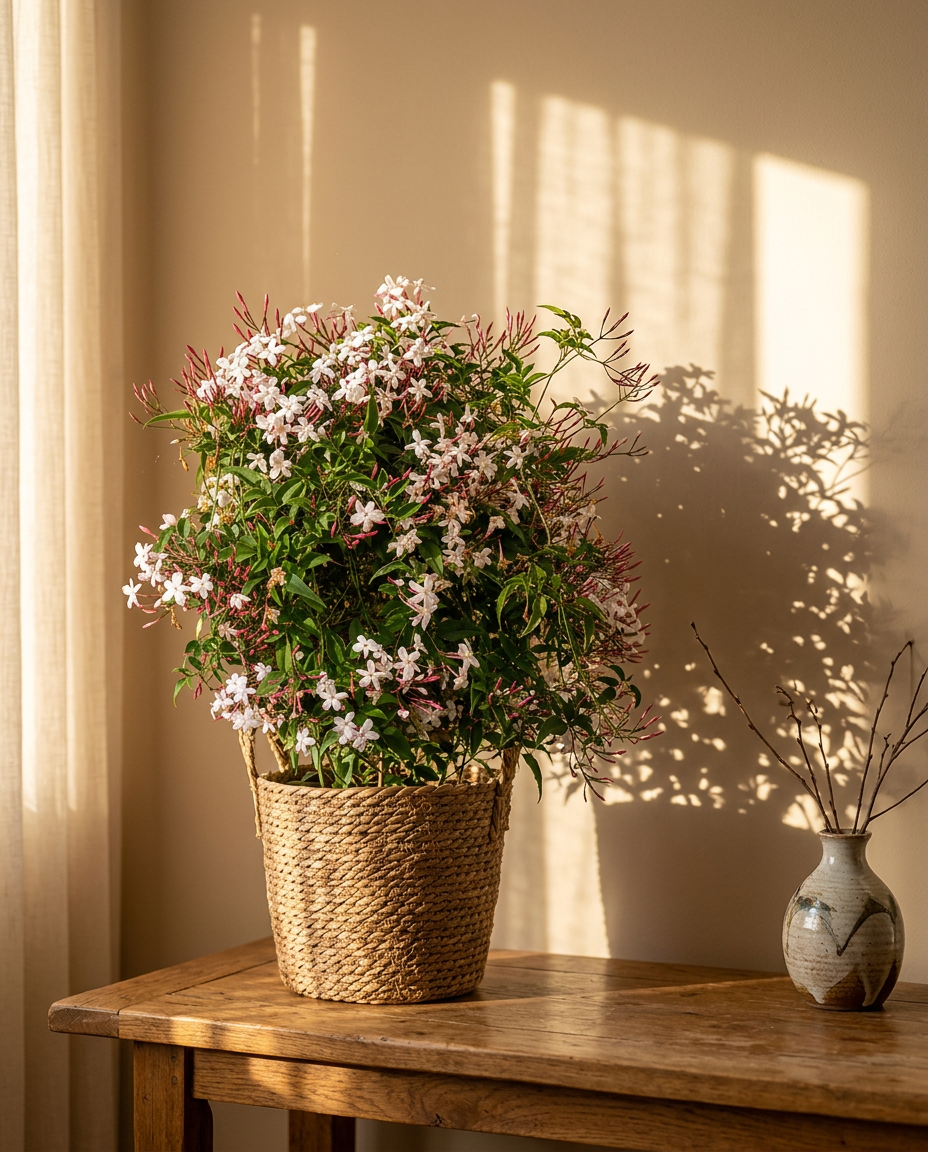
Plate IJasminum species — true jasmine. Pinnate leaves and star-shaped white scented flowers. Oleaceae. ASPCA non-toxic — the safe "jasmine" of the matrix.
The five "jasmines" — only two are cat-safe.
Usually yes — true jasmine is safe for cats. The ASPCA lists Jasminum species (the entire true-jasmine genus, family Oleaceae) as non-toxic to dogs, non-toxic to cats, and non-toxic to horses. Toxic principles: non-toxic.
The catch: "jasmine" is a common name shared by five different plants in four different botanical families, and three of those five are toxic to cats. Identifying which "jasmine" you have is the whole game.
The five-jasmine disambiguation matrix
This is the heart of the page. If you remember nothing else, remember this list:
| Common name | Botanical name | Family | ASPCA verdict | |---|---|---|---| | True jasmine | Jasminum species | Oleaceae | Safe (this entry) | | Star jasmine | Trachelospermum jasminoides | Apocynaceae | Safe (separate entry) | | Cape jasmine (= gardenia) | Gardenia jasminoides | Rubiaceae | Toxic (gardenia) | | Night-blooming jasmine | Cestrum nocturnum | Solanaceae | Toxic (Cestrum entry) | | Carolina jessamine | Gelsemium sempervirens | Gelsemiaceae | Toxic (vet literature) |
Two safe, three toxic. The safety question is entirely a question of which plant you have. Check the plant tag. If the botanical name on the tag is Jasminum officinale, Jasminum polyanthum, Jasminum sambac, or any other Jasminum, it is true jasmine and ASPCA-safe. If it is anything else, look it up specifically.
Why the ASPCA verdict only covers true Jasminum
The ASPCA entry is specifically for Jasminum species — the Oleaceae genus that is the botanical "jasmine." Other plants got the common name because they smell like jasmine, but they are unrelated genera. Common names are unreliable; the botanical name is the only field that matters for toxicity.
The verdict, verbatim: Toxicity: Non-Toxic to Dogs, Non-Toxic to Cats, Non-Toxic to Horses · Family: Oleaceae · Scientific Name: Jasminum species · Toxic Principles: Non-toxic.
The three toxic "jasmines" — what to actually worry about
Carolina jessamine (Gelsemium sempervirens) is the most dangerous of the three. The yellow trumpet flowers are sometimes mistaken for true jasmine in a quick glance even though the colour and growth habit are different. Contains gelsemine and related indole alkaloids that produce respiratory depression, muscle weakness, ataxia, and seizures. ASPCA does not maintain a direct entry but veterinary literature is unambiguous — treat as highly toxic.
Night-blooming jasmine (Cestrum nocturnum) is in the nightshade family (Solanaceae), the same family as deadly nightshade, jimsonweed, and tomatoes. Contains saponins and tropane alkaloids. Produces vomiting, salivation, weakness, and neurological signs in heavy ingestion. ASPCA's Cestrum entry confirms toxicity.
Cape jasmine is just gardenia under a different common name. Gardenia jasminoides contains genioposide and gardenoside — ASPCA lists it as toxic with vomiting, diarrhea, and hives as expected clinical signs. See the gardenia page for the full profile.
True jasmine in a cat household
If you have confirmed your plant is true Jasminum, treat it as a safe houseplant. Cats may bat at the small star-shaped white flowers; the strong fragrance often deters chewing. Pair with:
- Lavender — another fragrant ASPCA-safe option (with the live-plant-vs-essential-oil caveat that applies to all aromatic herbs).
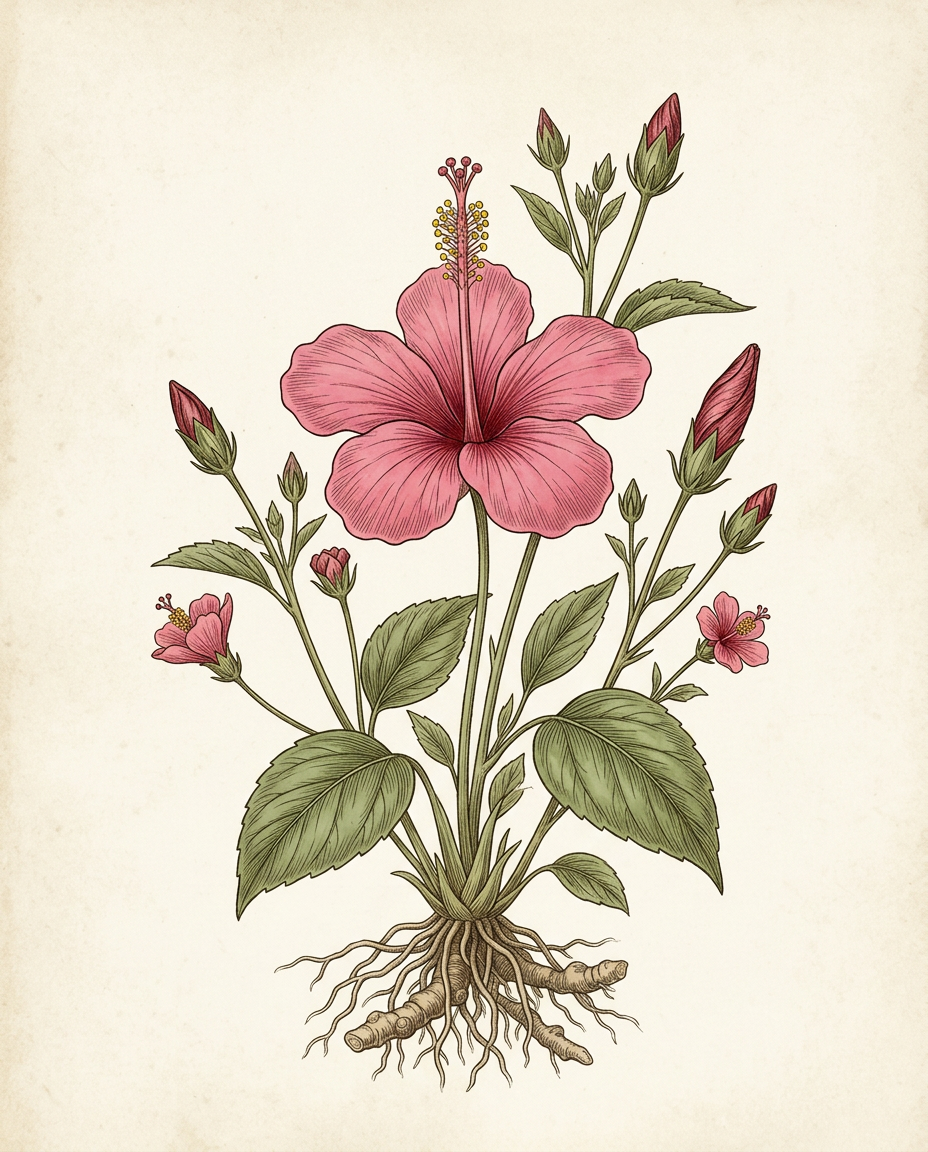
- Hibiscus — non-toxic flowering shrub for similar conservatory placement.
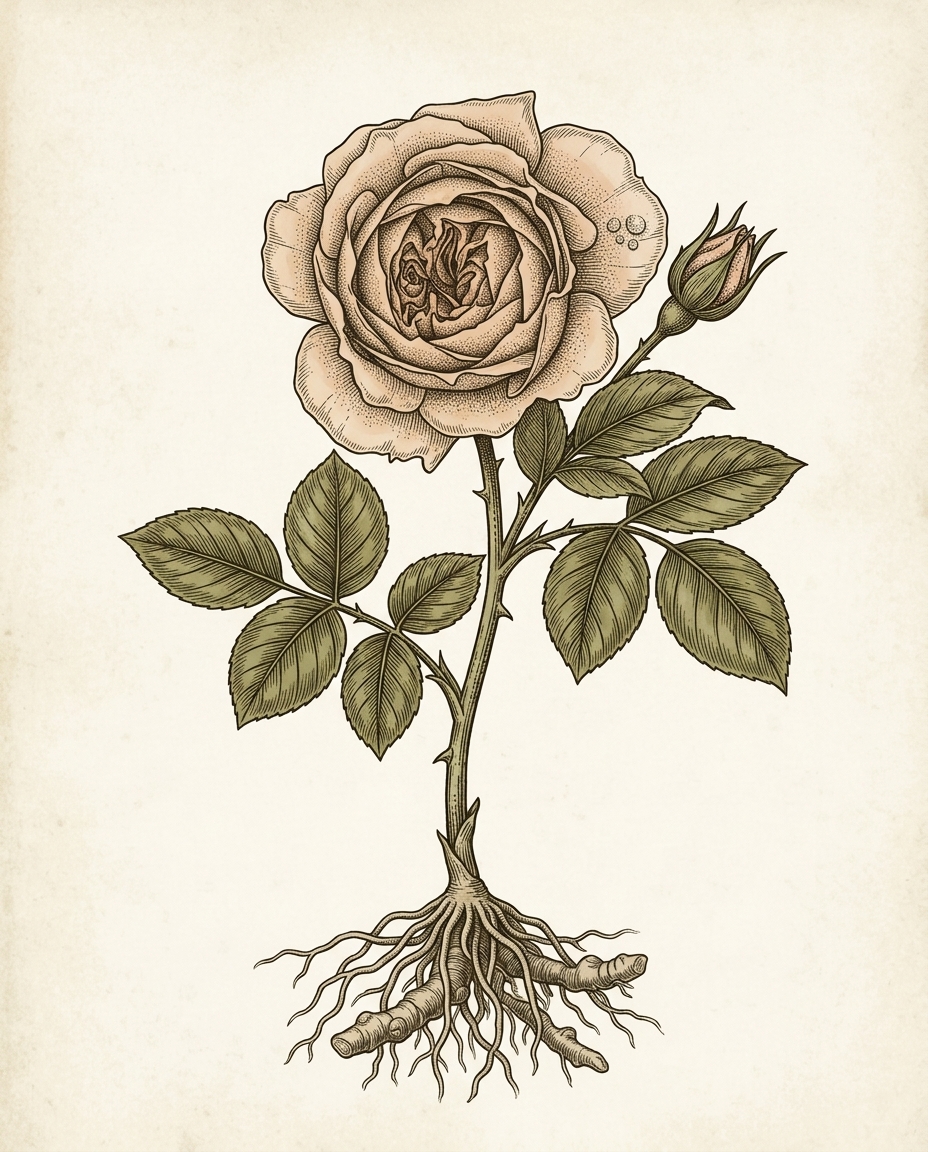
- Rose — non-toxic, classic fragrant companion.
- Honeysuckle — non-toxic climber for the same sunny corner.
Avoid placing true jasmine next to gardenia, oleander, or any Cestrum species without barriers — those are the toxic plants most likely to be confused with jasmine at a glance by a guest or child filling a vase. For the full toxic landscape see toxic plants for cats and for the broader safe options cat-safe plants.
What we have actually seen.
Identification first
The single most important thing about any "jasmine" question is which jasmine. Check the botanical tag. Jasminum = safe. Gelsemium, Cestrum, or Gardenia = toxic.
Fragrant flower-batting
Cats sometimes paw at the small star-shaped white blooms. On true Jasminum, non-toxic — petals can be chewed without toxic effect.
Leaf chewing
True jasmine foliage is ASPCA non-toxic. The pinnate leaves are not typically a chewing target — cats find the fragrance off-putting more often than appealing.
Mild fibrous vomiting
A cat that eats a mouthful of true-jasmine foliage may vomit mechanically. No toxic effect on Jasminum species.
Four common varieties.
Officinale (common white jasmine)
The classic fragrant white-flowered jasmine grown indoors and outdoors. ASPCA non-toxic.
Polyanthum (pink jasmine)
Heavy winter-flowering Asian jasmine, pink buds opening white. Same Jasminum genus, same non-toxic status.
Sambac (Arabian jasmine)
The jasmine used for jasmine tea. Same Jasminum genus, ASPCA-style non-toxic on the live plant.
Star jasmine (not Jasminum)
Different genus (Apocynaceae) despite the name. Confirmed non-toxic per separate ASPCA listing. Same practical verdict but different plant.
Keeping the plant alive.
Bright indirect to direct
Jasmines flower best in bright light — a sunny conservatory or south-facing window. Tolerates less light but flowers less.
Evenly moist growing season
Water freely in spring and summer, reduce in winter. Yellow leaves usually mean overwatering or dry air.
Free-draining, slightly acid
Standard houseplant compost with extra perlite. Container jasmines benefit from an ericaceous mix.
Sunny window, conservatory, porch
Indoor jasmines like cool nights and warm days. Heavy stable pot — climbing varieties need support.
- ASPCA Animal Poison Control Center. Toxic and Non-Toxic Plants: Jasmine.Accessed June 2026 · aspca.org · Jasminum species · Non-Toxic to Dogs, Non-Toxic to Cats, Non-Toxic to Horses · Family Oleaceae · Toxic Principles: Non-toxic
- ASPCA Animal Poison Control Center. Toxic and Non-Toxic Plants: Star Jasmine.Separate ASPCA entry confirms Trachelospermum jasminoides as non-toxic — different genus, same practical answer
- ASPCA Animal Poison Control Center. Toxic and Non-Toxic Plants: Gardenia (Cape Jasmine).TOXIC — covers the "cape jasmine" common-name overlap. Different plant, different verdict
- Veterinary Information Network. Gelsemium sempervirens (Carolina Jessamine) toxicosis.Carolina jessamine / yellow jessamine is highly toxic — gelsemine alkaloid neurotoxicity. ASPCA does not maintain a direct page but veterinary literature is unambiguous
If you liked this, also safe.